40th birthday model brings increased tunability, new electronic tricks and emissions-compliant performance… but less power
This is a landmark year for Suzuki’s GSX-R – marking the 40th anniversary of the original GSX-R750 that set the template for modern superbike design back in 1985 – and to celebrate the brand is reworking the GSX-R1000 and GSX-R1000R for 2026.
But it’s not the normal recipe of ‘more power, more torque’ and in fact the 2026 model has less outright performance than the machine it replaces. In 2025-spec, the GSX-R1000, and the ‘R’ version with uprated Show BFF forks and BFRC shock, have 148.6kW at 13,200rpm and 117.6Nm at 10,800rpm. The 2026 model, by contrast, peaks at 143.5kW at the same 13,200rpm, and maxes out its torque at 110Nm and 11,000rpm. Not quite the progress you might have expected.
The reason for the decline is, unsurprisingly, emissions limits, and specifically the Euro5+ rules that came into force in Europe at the start of this year. In fact, the existing GSX-R1000 didn’t even meet the previous Euro5 regulations, having been designed for the Euro4 regime that came before them, and hence was dropped from all European markets back at the end of 2022.
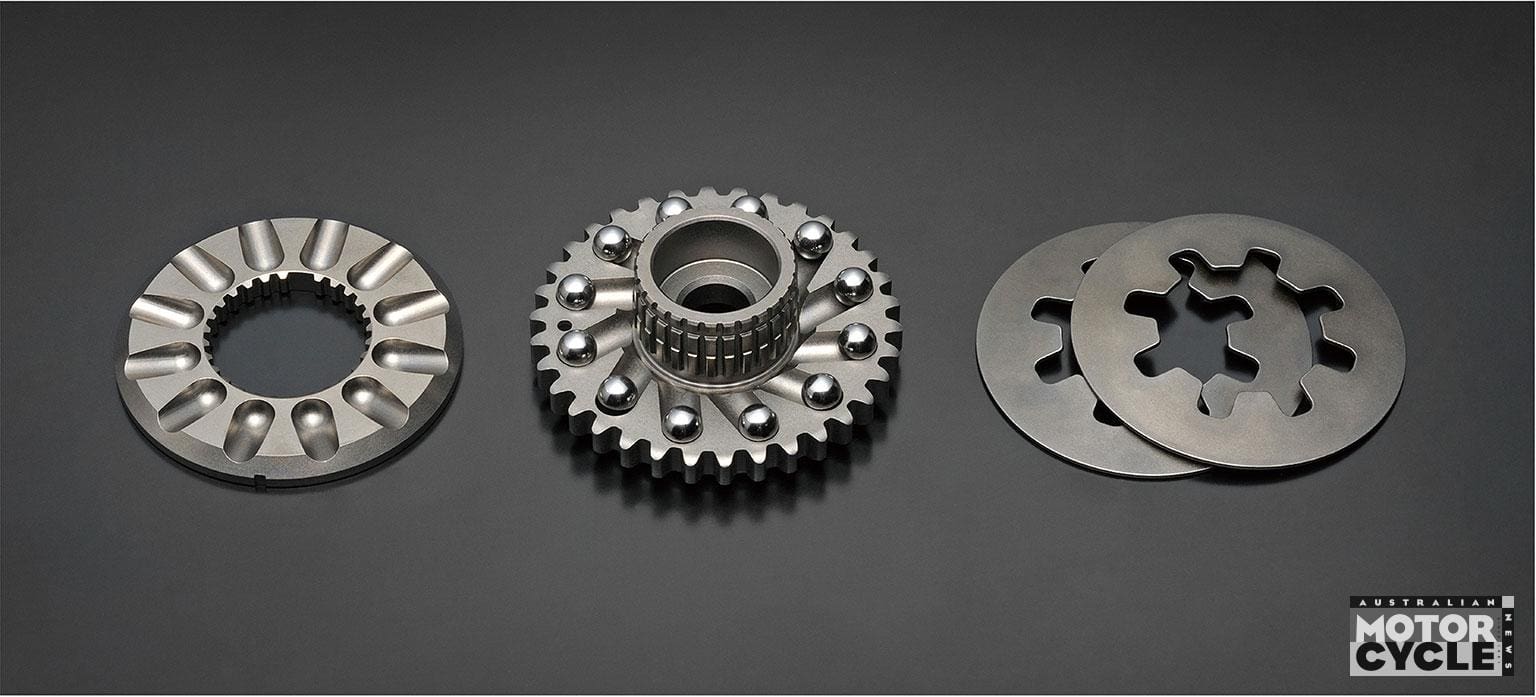
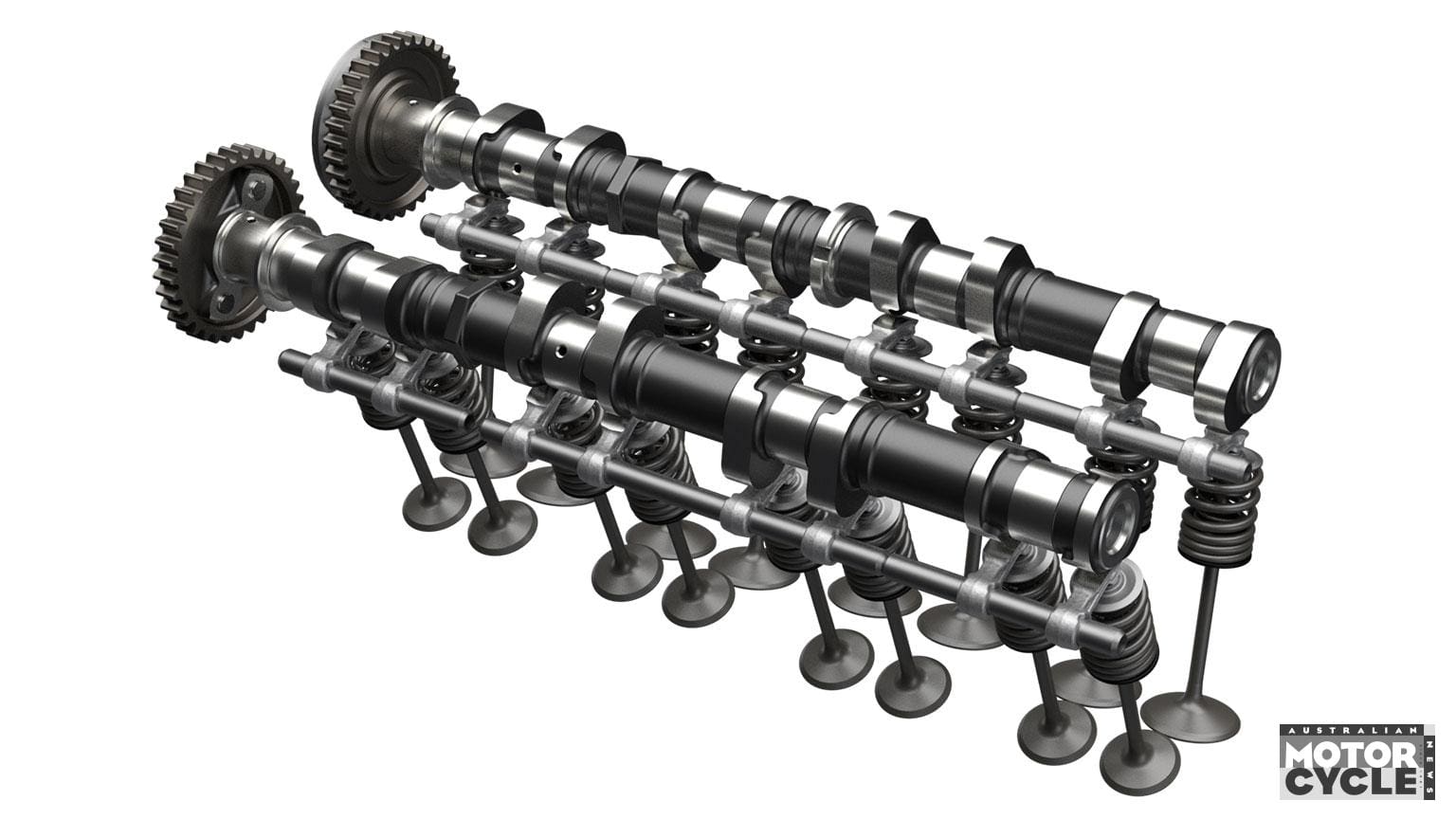
The core of the bike is unchanged, retaining the same 999.8cc inline four, complete with its innovative all-mechanical variable intake valve timing system, which was derived from a clever design created for Suzuki’s GSV-R MotoGP bike to skirt racing regulations that banned electronic or hydraulic variable valve timing. The system is entirely automatic and uses centrifugal force to alter the valve timing, with steel balls mounted in curved, radial slots carved in the intake cam sprocket where it engages with a matching plate on the nose of the camshaft – a slightly different curve for those channels on each of the two parts means that as the balls are thrown outward by centrifugal force, the intake camshaft rotates by a few degrees in relation to its sprocket, retarding the timing at higher revs for more valve overlap and increased peak power.
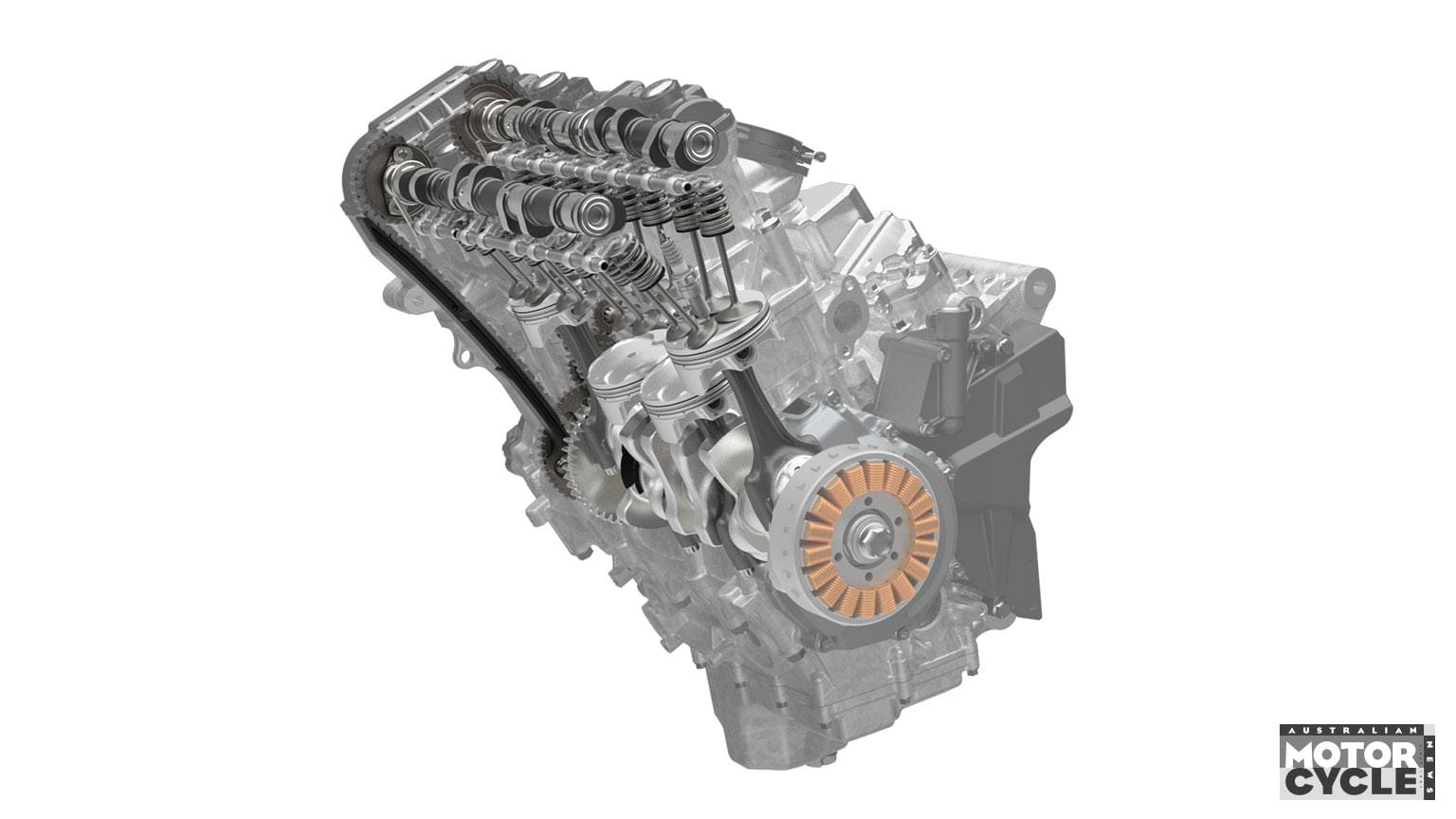
However, Suzuki has created new camshafts for the 2026 bike, changing the overlap and timing to improve emissions, as well as giving the updated bike a new crankshaft, new pistons that raise the compression ratio from 13.2:1 to 13.8:1, new conrods and even new engine cases. The bottom end changes are the result of wider crank journals, up from 35mm to 37mm, which will make the engine able to withstand a higher level of tuning in race form.
That’s an intriguing move, as Suzuki hasn’t had a works team in WSBK for a decade: could the GSX-R1000’s updates herald a change in that position?
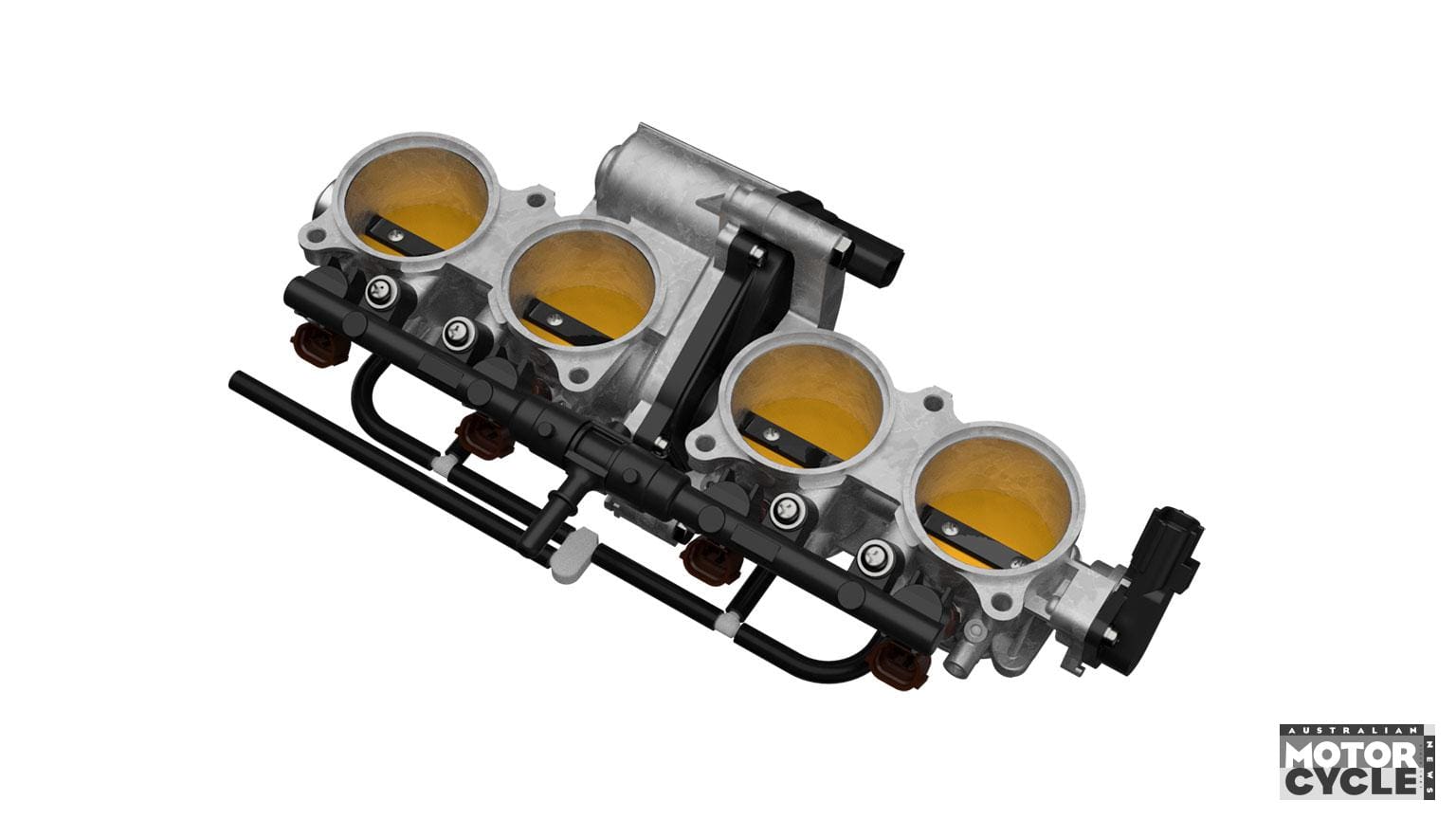
The exhaust valves are bigger for 2026, up from 25mm to 26mm, and the engine is fed by larger, 48mm throttle bodies instead of the previous 46mm units, with revised, 8-hole injectors instead of the previous 10-hole design in the upper position. A new exhaust with a larger under-engine collector, repositioned and enlarged catalytic converter and slimmer, longer end can, completes the mechanical redesign.
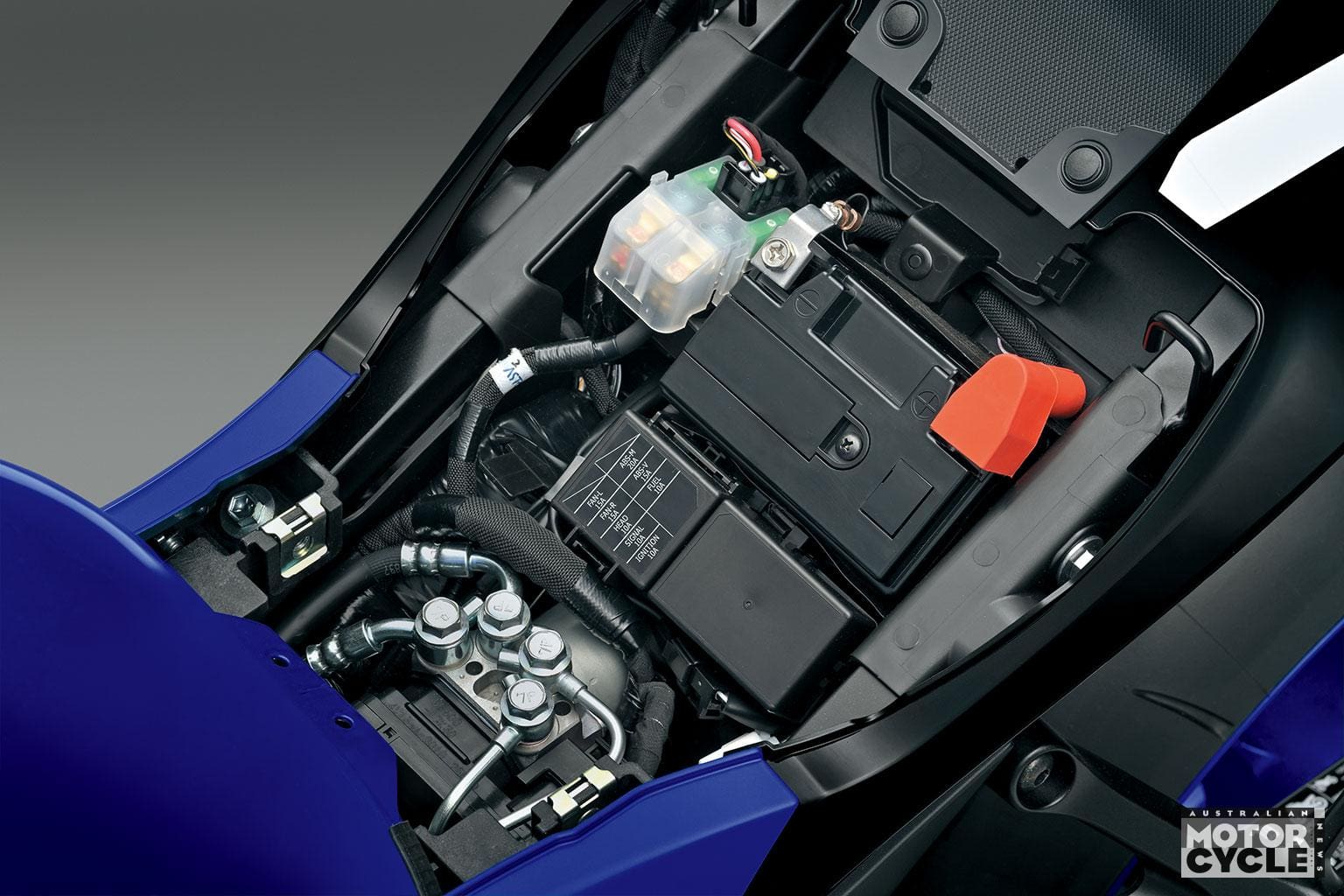
Updated electronics are included, of course, to match the revisions inside the engine, and Suzuki has aimed to save weight via a lighter ABS control unit and a new lithium-ion battery. Even so, the 2026 bike is 1kg heavier than its predecessor, coming in at 203kg.
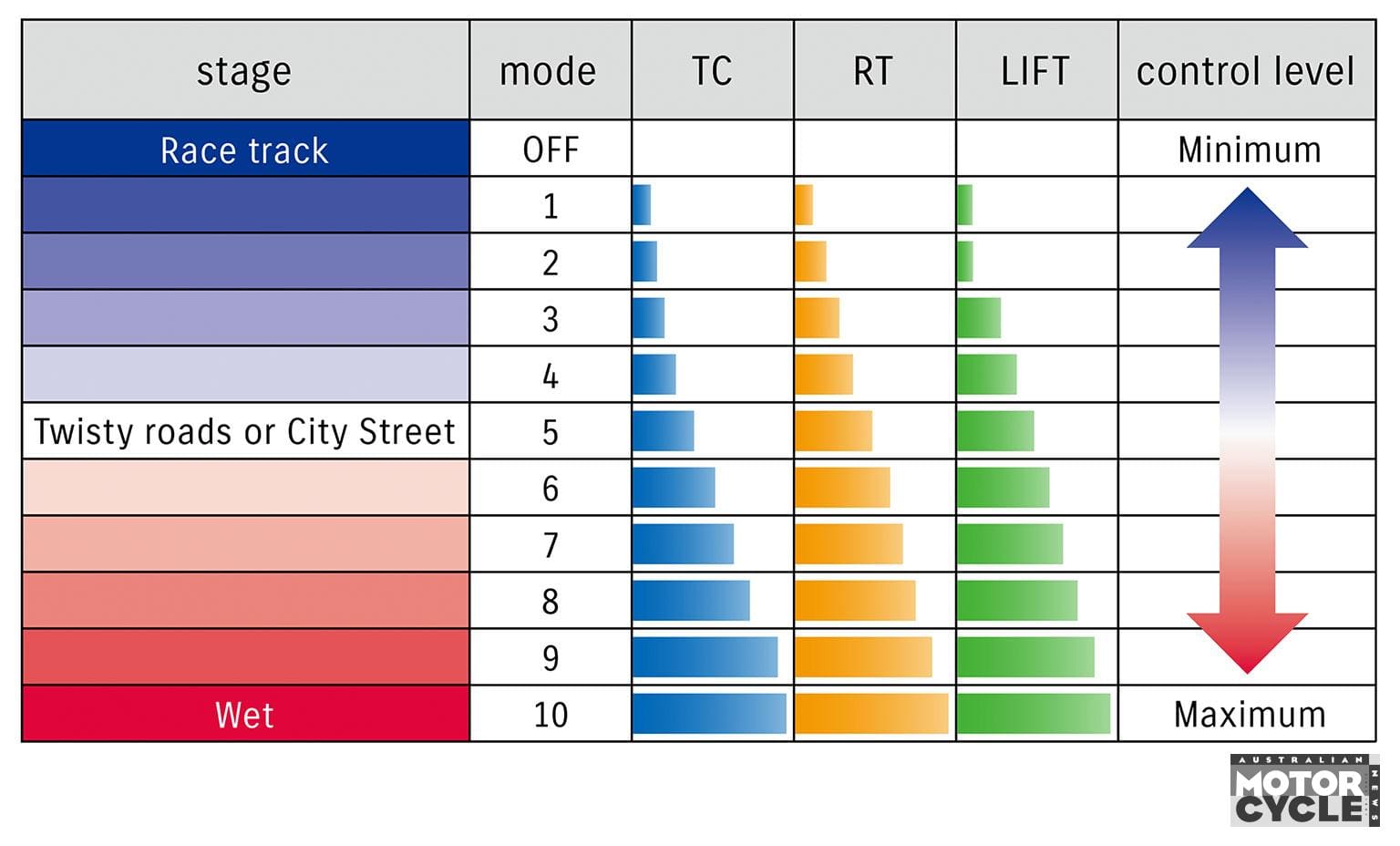
The core electronic features present in the 2025 model are retained, such as the Suzuki Drive Mode Selector (SDMS), Bi-directional Quick Shift System, Launch Control, Bi-directional Quick Shift System, and a 10-level Motion Track Traction Control System (TCS). The SDMS now includes updated throttle response settings across its A (Active), B (Basic), and C (Comfort) modes, while the updated launch control is now integrated with the Lift Limiter system to enhance take-0ff stability.
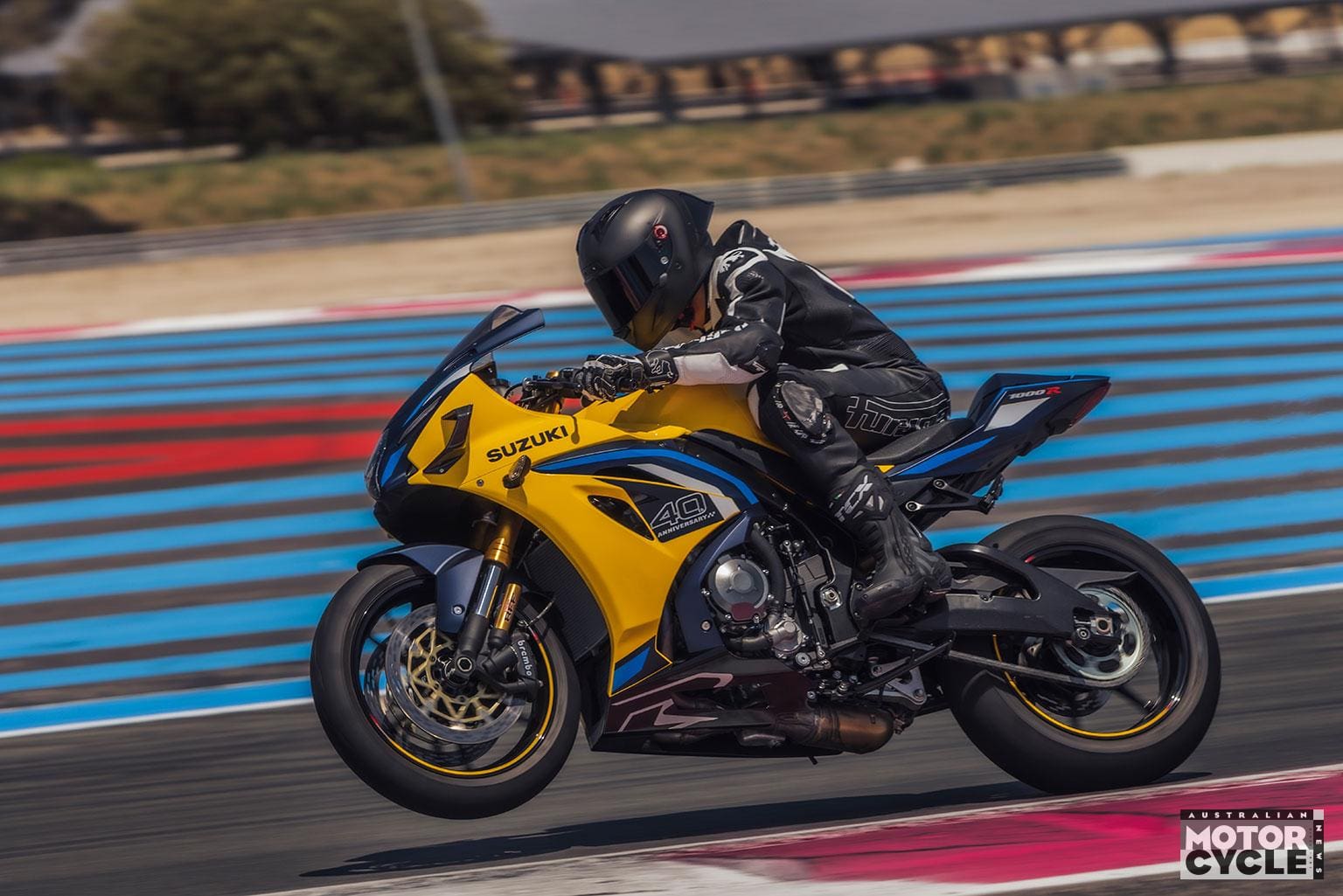
Other advancements introduced in the 2026 model include a suite of supporting systems under the “Smart TLR Control” umbrella. ‘Anti-Lift Control’ appears on a GSX-R for the first time, designed to suppress front wheel lift during acceleration for smoother, more controlled take-offs. This system works in conjunction with ‘Roll Torque Control’, which uses data from the IMU and wheel speed sensors to monitor vehicle posture and velocity, and then adjusts rear-wheel power and torque based on the bike’s lean angle and wheel rotation.
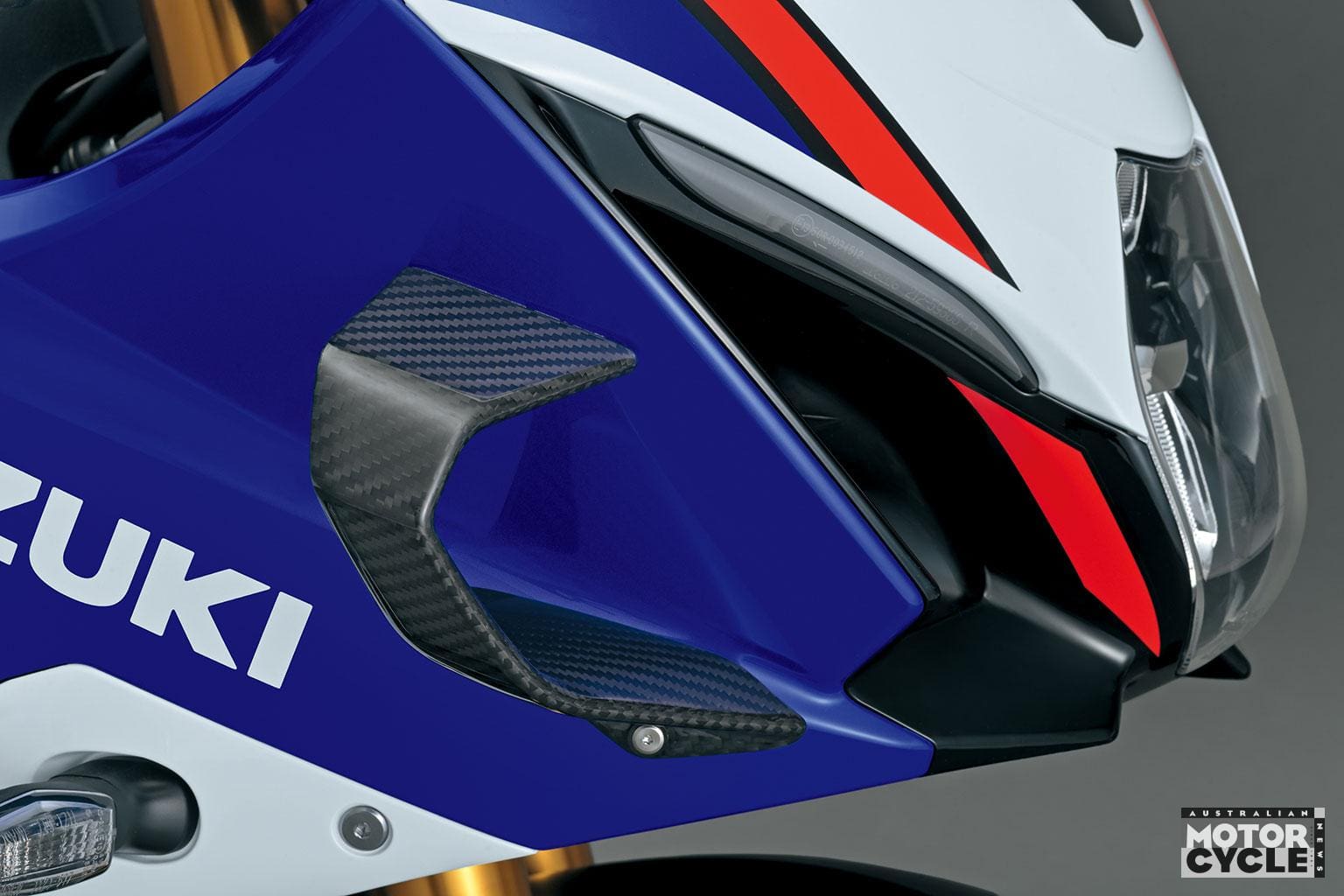
There are visual changes, too, but they’re subtle. Most notably, the 2026 bike gets winglets on either side of the fairing, made from hollow carbon fibre and mirroring the design used on Suzuki’s works bike from the 2024 Suzuka 8-Hours. They’re small, by modern standards, and Suzuki opted to use much larger, more integrated wings on the 2025 Suzuka racer, perhaps hinting at a future upgrade for the street bike.
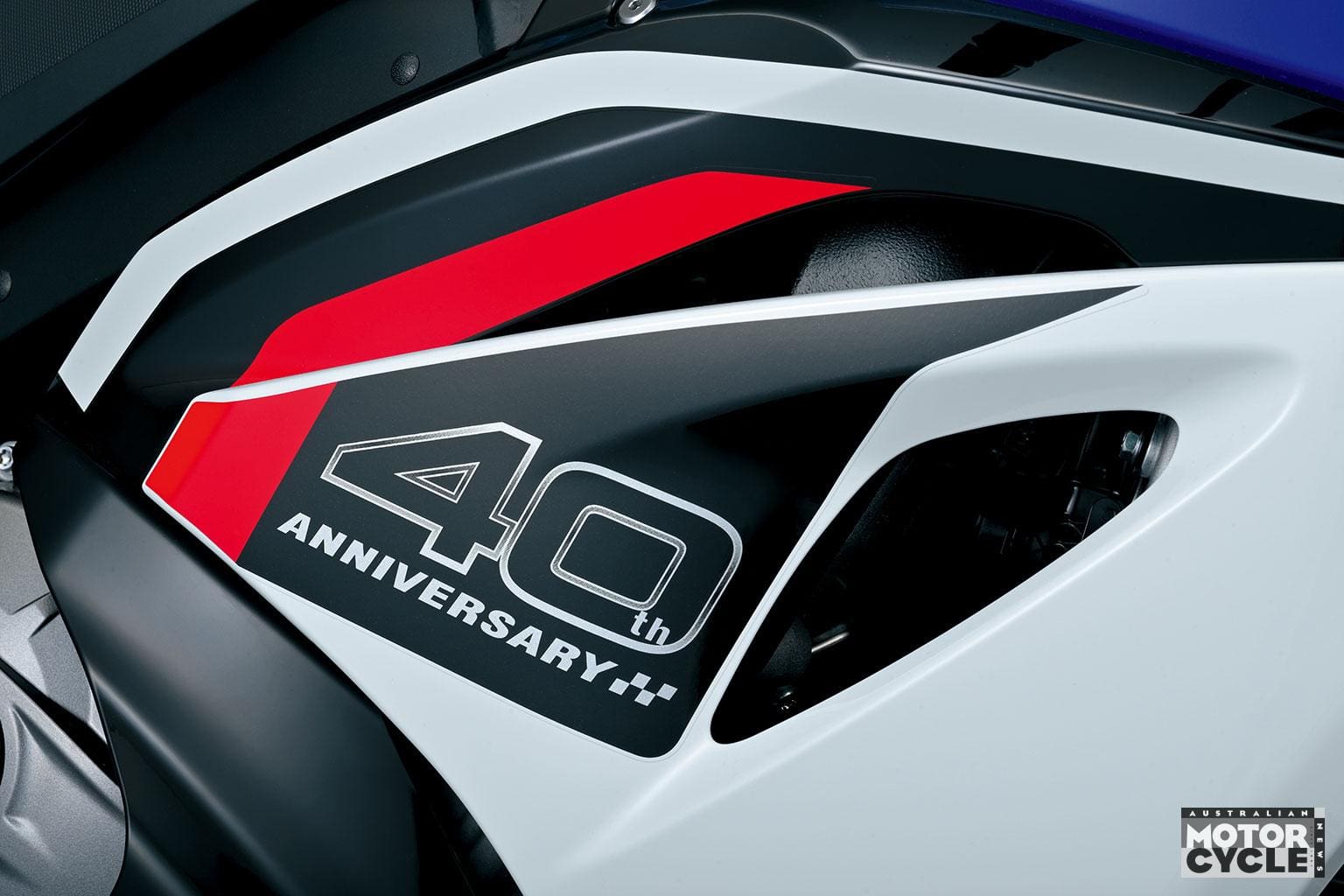
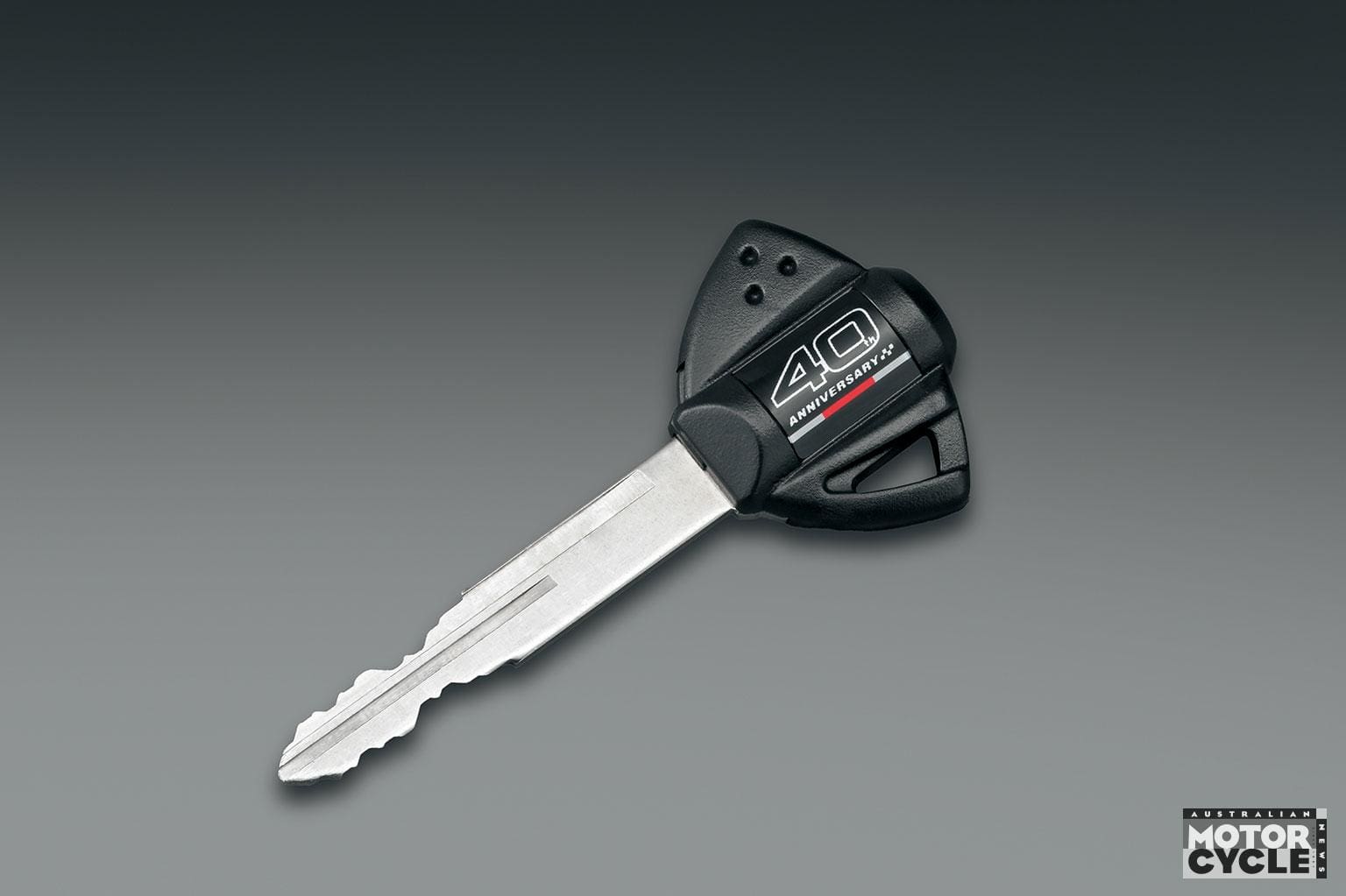
A trio of new colour schemes celebrate the GSX-R’s ‘40th anniversary’ (it’s not really the 40th year of the name, as Suzuki often seems to forget that the GSX-R400 actually predated the GSX-R750, and was introduced in 1984 when it was simply called ‘GSX-R’ and debuted the alloy-framed, four-cylinder layout that became a sportsbike staple in the following years.)
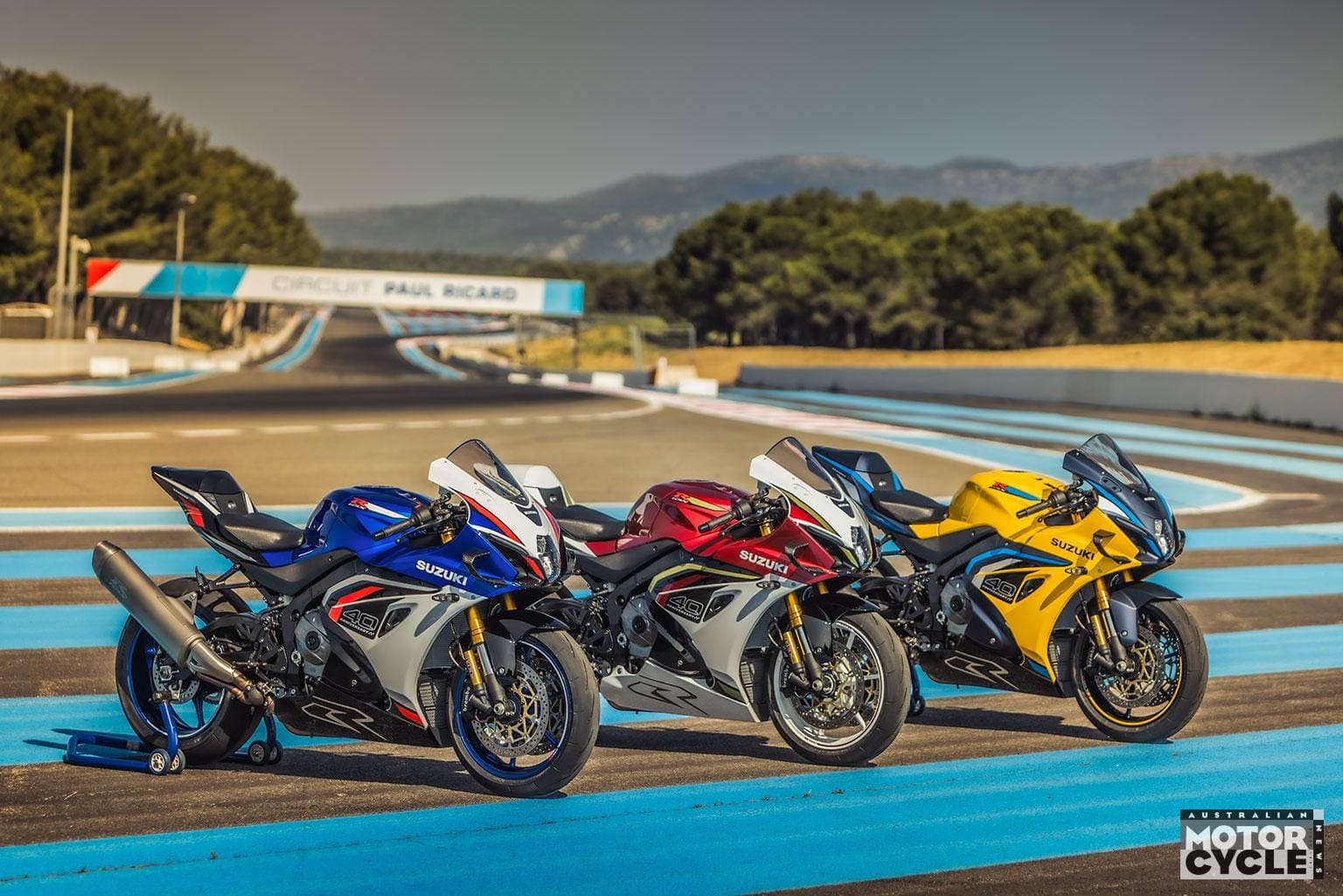
Those colours include the usual blue-and-white nod to Suzuki’s traditional paintwork, but also a red-and-white option with distinct overtones of the Lucky Strike RG500s of 90s, as well as a yellow, black and blue version that hints at the Corona Extra WSBK machines from the 90s and 00s.
HISTORY DOESN’T QUITE REPEAT
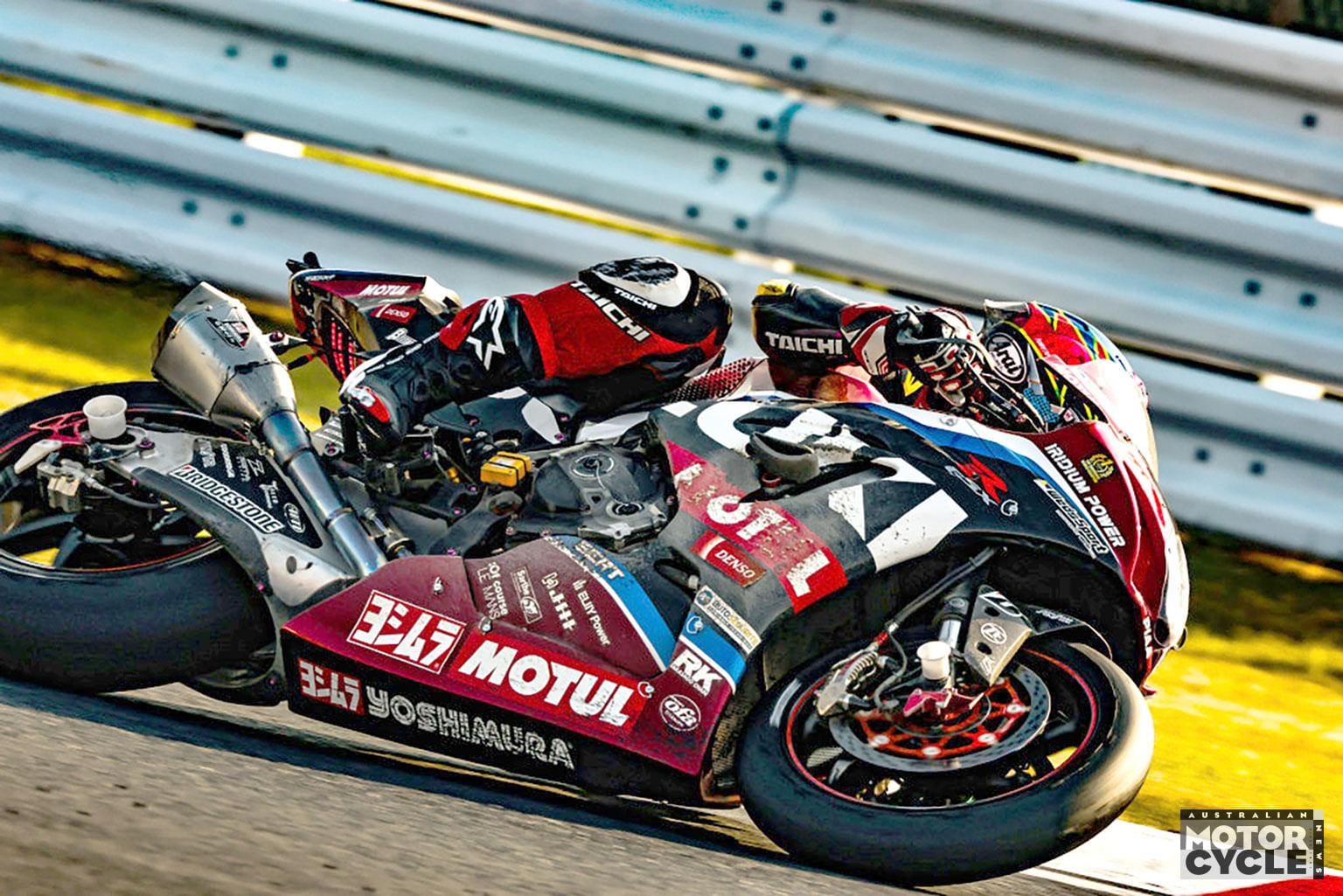
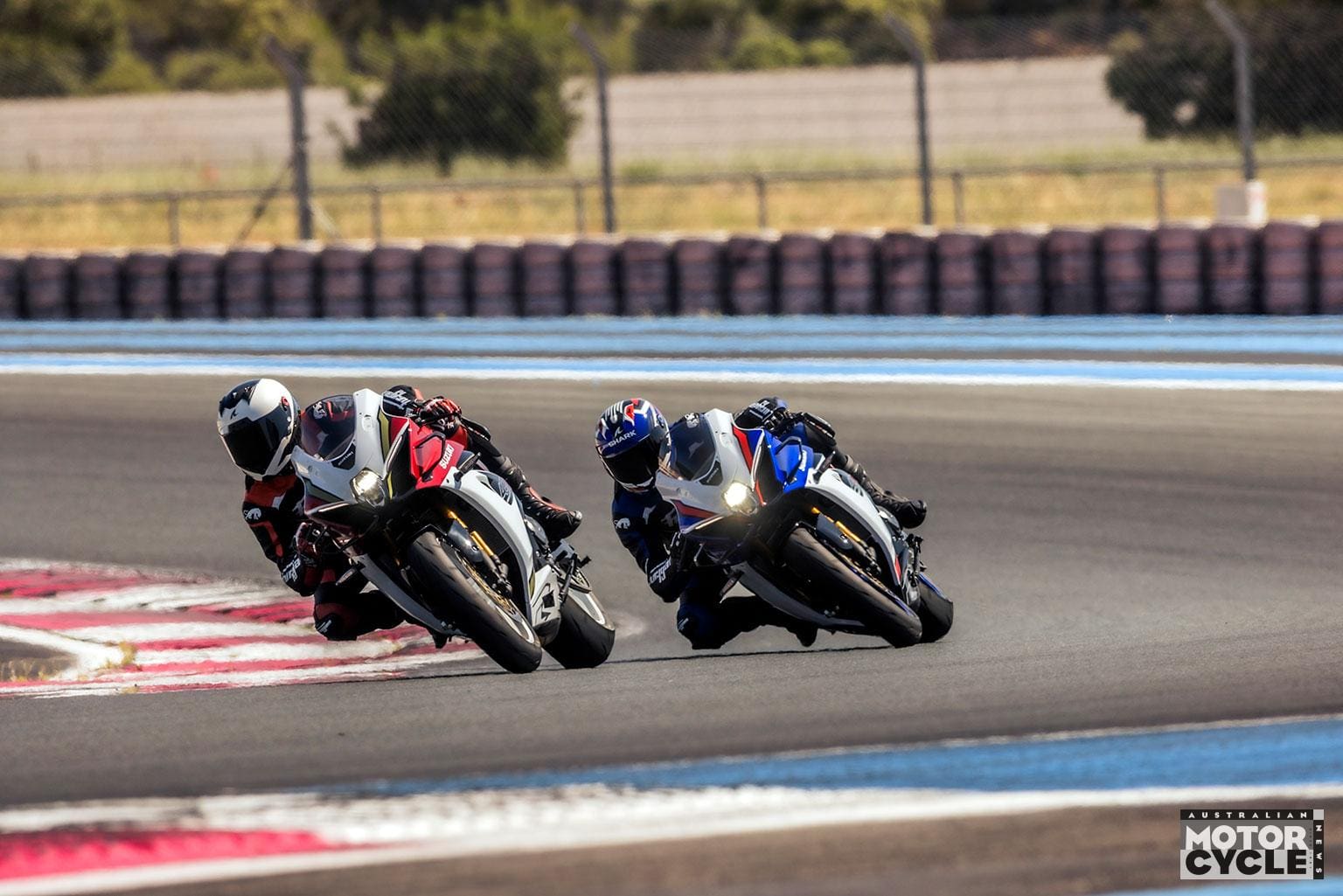
The first Suzuki GSX-R750 was a game changer, winning the 24 Hours of Le Mans in its debut year. Since then it’s been a key part of the Suzuki Endurance Racing Team’s (SERT) success, contributing to their 11 wins in the FIM World Endurance Championship over three decades. This year SERT, run by Yoshimura, kicked their GSX-R1000 back into shape at the Suzuka 8 Hours after Dan Linfoot crashed out early. Using all their skill and experience the team fought back to finish third.
SPECIFICATIONS
ENGINE
Model: 40th Anniversary GSX-R1000R
Displacement: 999cc
Engine: In-line four-cylinder, liquid-cooled, DOHC
Compression Ratio: 13.8:1
Power: 143.5kW (195PS) @ 13,200rpm
Torque: 110.0Nm @ 11,000rpm
Emissions Level: Euro 5+
TRANSMISSION
Gears: 6-Speed constant mesh
Clutch: Slipper (back-torque-limiting) clutch
Quickshifter: Bi-Directional Quickshifter
ELECTRONICS
Riding Modes: Selectable ride modes
Traction Control: Smart TLR Traction Control (including Anti-Lift and Roll Torque Control)
Lighting: Full LED lighting
SUSPENSION
Front Suspension: 43mm SHOWA Balance Free Front (BFF) fork with adjustable compression, rebound damping and spring preload
Rear Suspension: SHOWA Balance Free Rear Cushion Lite (BFRC Lite) shock with adjustable high & low speed compression, rebound damping and spring preload
BRAKES & TYRES
Front Brakes: Brembo Monobloc radial-mount 4-piston calipers, dual 320mm T-drive hybrid discs with ABS
Rear Brakes: Nissin single-piston caliper, 220mm disc with ABS
Front Tyre: BRIDGESTONE BATTLAX RS11 120/70ZR17M/C (58W)
Rear Tyre: BRIDGESTONE BATTLAX RS11 190/55ZR17M/C (75W)
DIMENSIONS
Length: 2075mm
Width: 705mm
Height: 1145mm
Wheelbase: 1420mm
Seat Height: 825mm
Fuel Capacity: 16.0L
Kerb Weight (Wet): 203kg
WARRANTY
Coverage: 3-Year Unlimited Kilometre Warranty (2 years standard + 1-year bonus)
CONTACT
https://suzukimotorcycles.com.au/