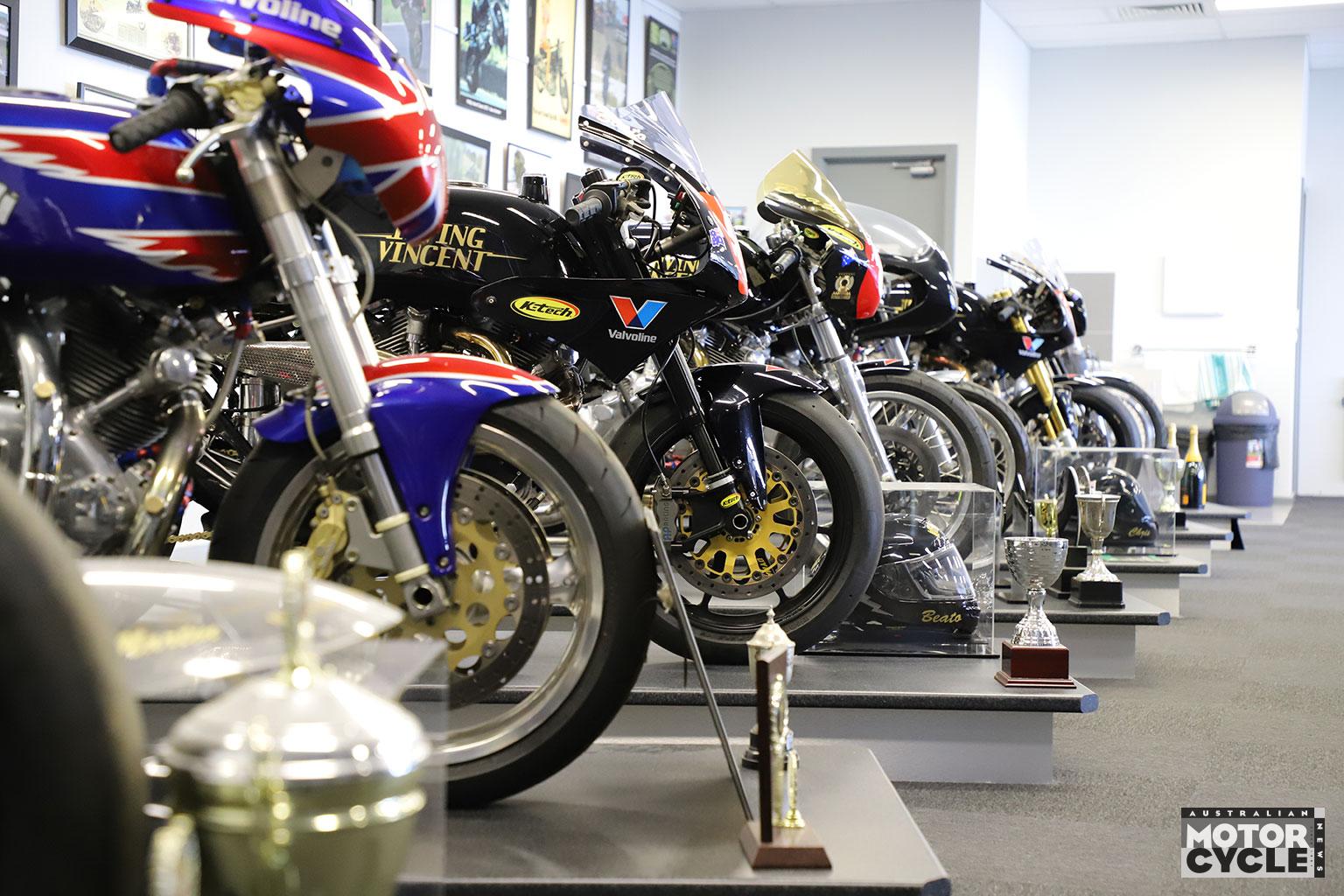
Eighteen years after their unforgettable Battle of the Twins victory, the Irving Vincent team is returning to Daytona with a familiar rider, a reunited crew and a two-valve, air-cooled V-twin built for one of the toughest racetracks in the world
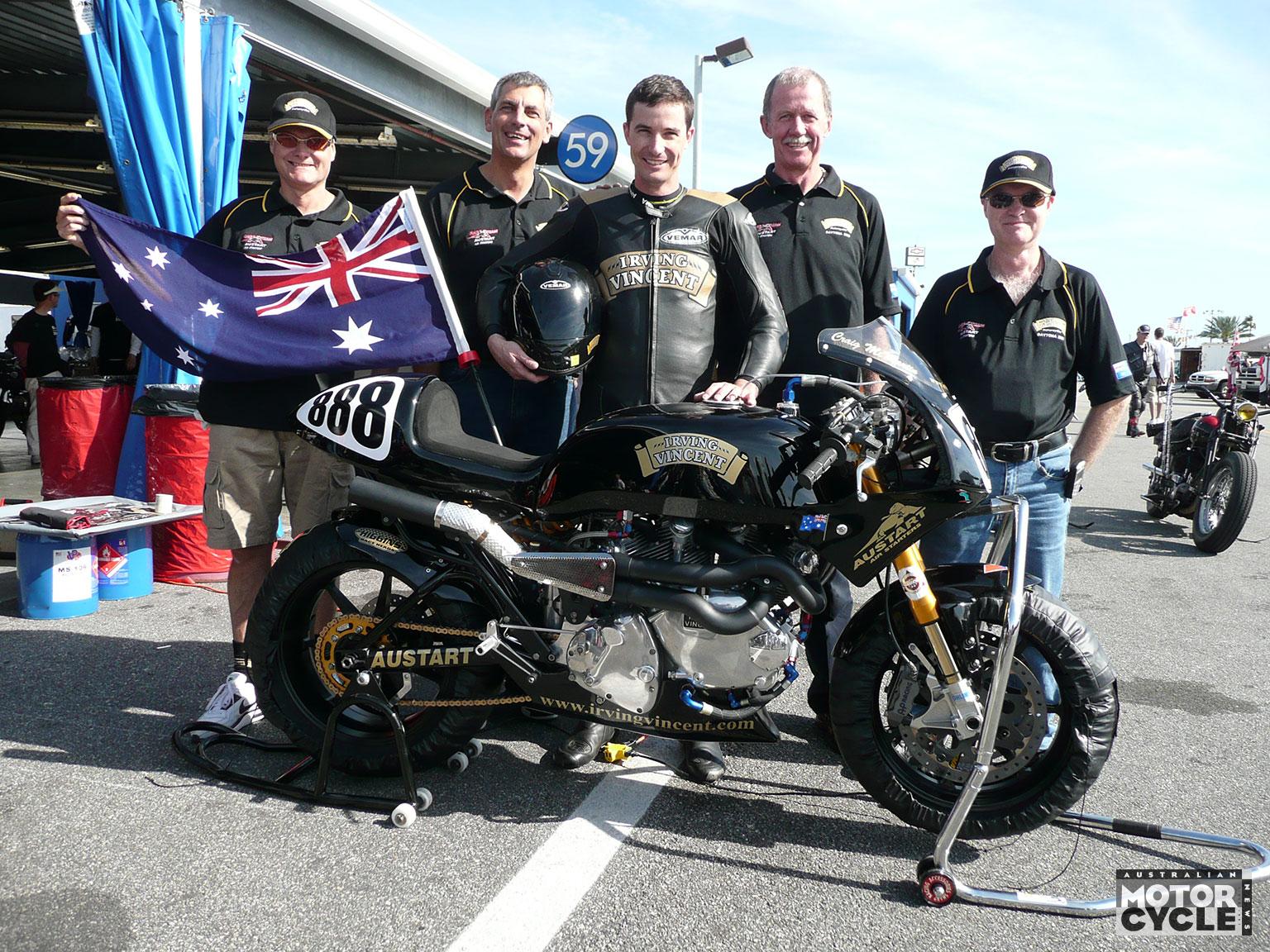
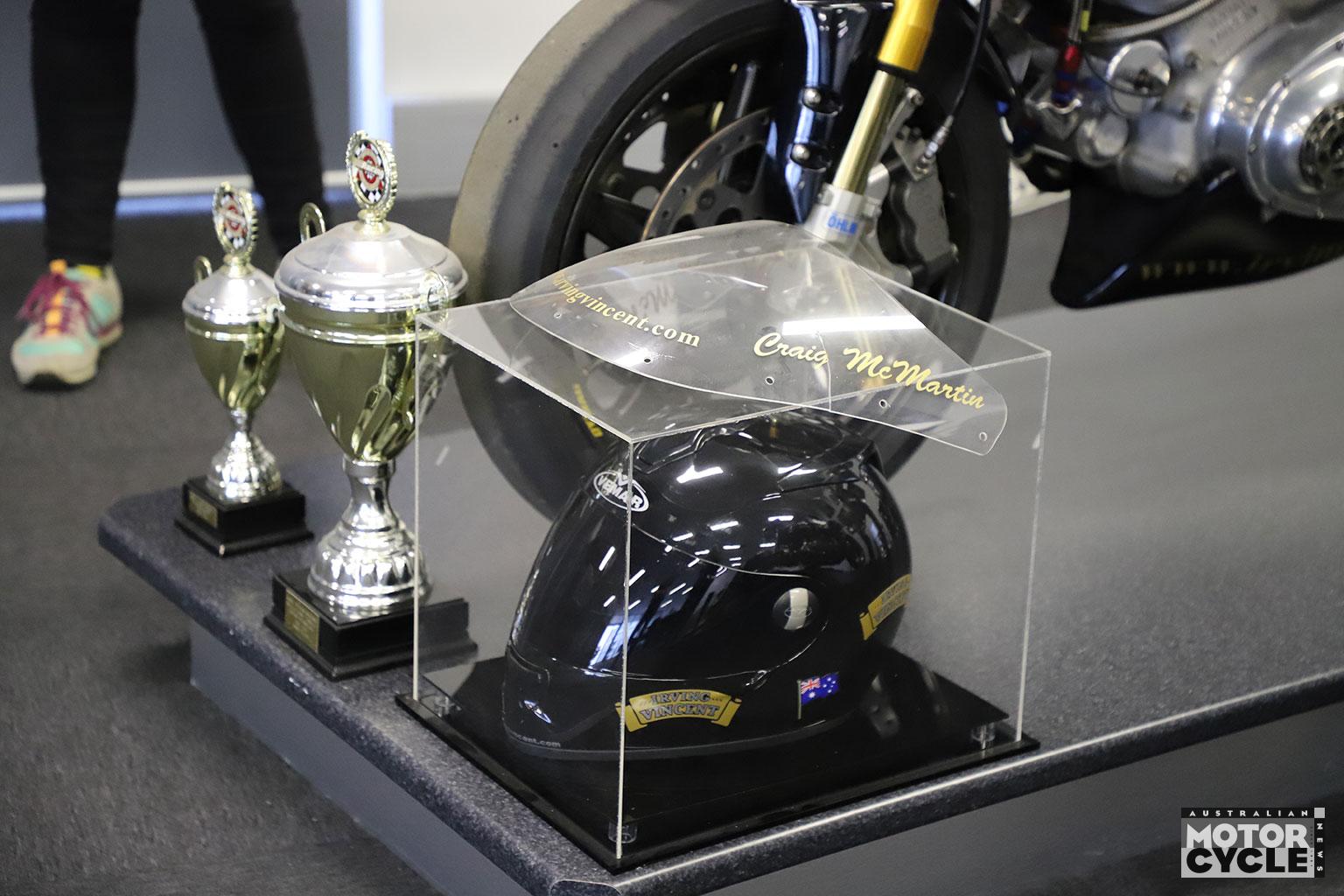
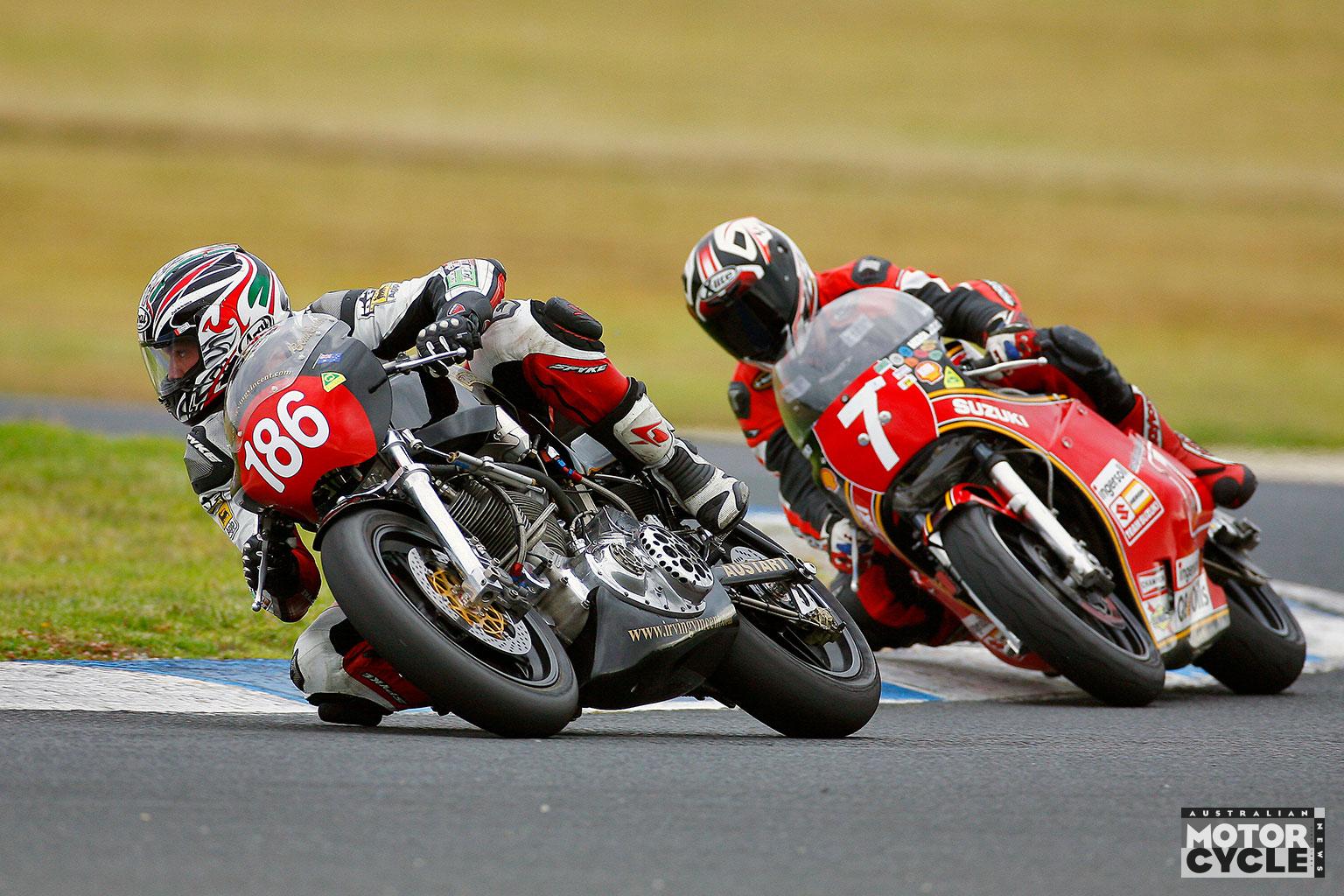
In March 2008 Craig McMartin rode a hand-built Australian air-cooled twin to a landmark Battle of the Twins victory at Daytona International Speedway. It was a win that stunned the locals, elevated the Irving Vincent project onto the world stage and proved that two brothers from Melbourne – Ken and Barry Horner – could take on the high banks of Daytona and leave with a winner’s trophy. Eighteen years later, the team is going back.
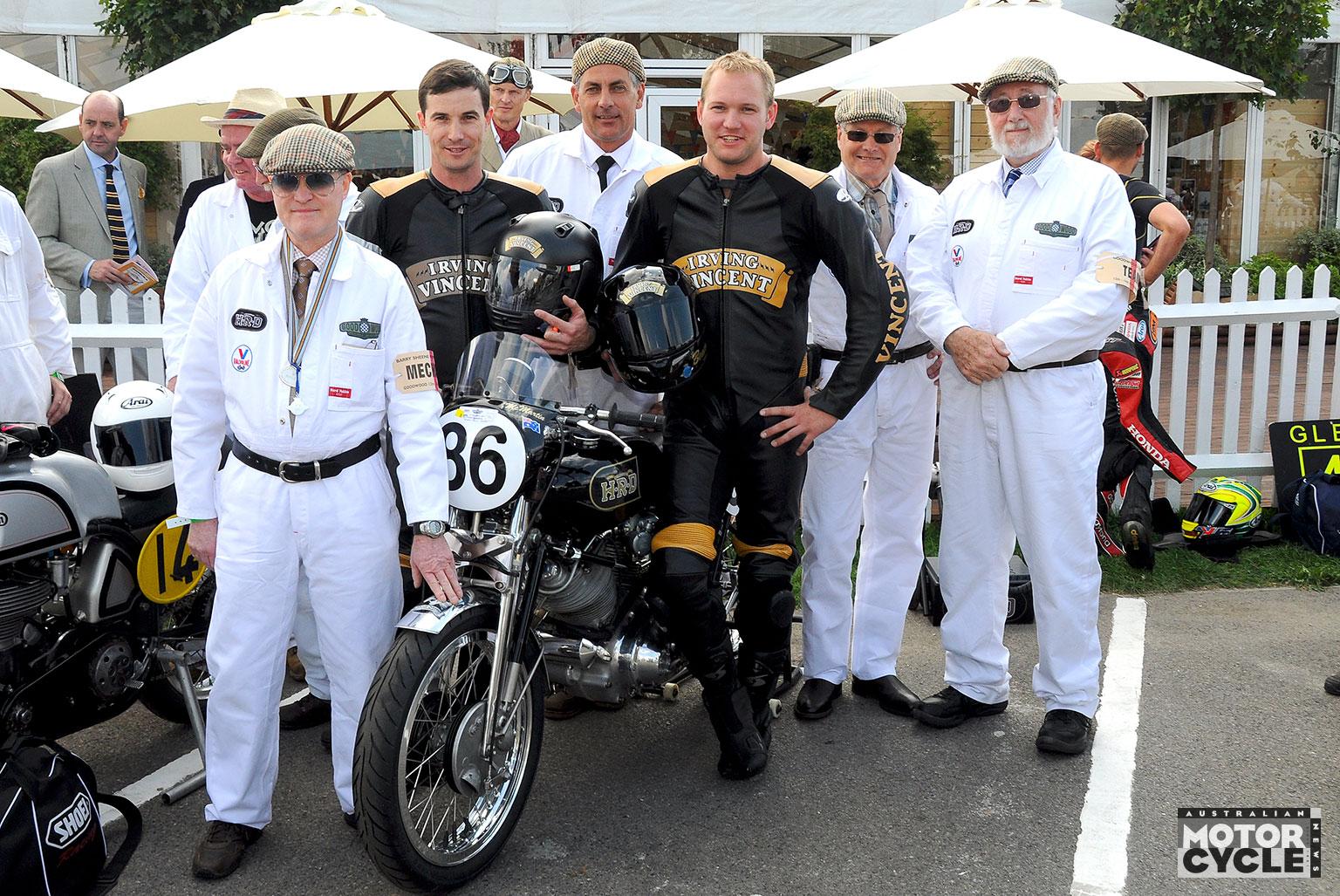
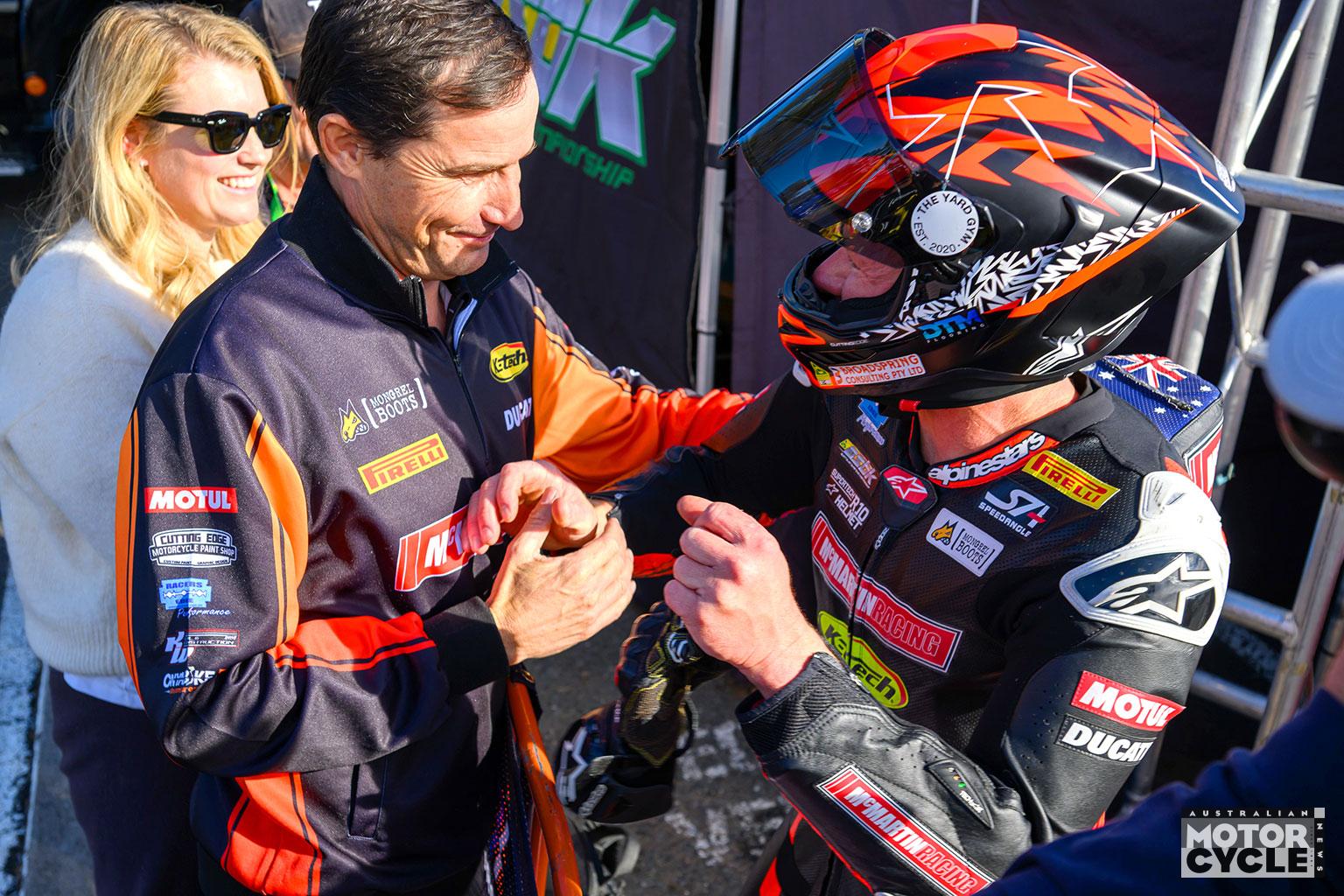
This time Beau Beaton will be the rider. McMartin – who owns and runs the team Josh Waters just won two consecutive ASBK Superbike titles with – will return as crew chief. Chris De Nuzzo and Ian Hopkins, who supported McMartin during that 2008 trip, will join them again. A team rebuilt from familiar pieces, heading to one of the most unforgiving venues in motorcycle racing. Despite the reputation surrounding the bikes, the Irving Vincent project remains a sideline to Ken and Barry’s day job manufacturing sparkless air starter motors at KH Equipment, the industrial engineering business they’ve run since the early 1990s.
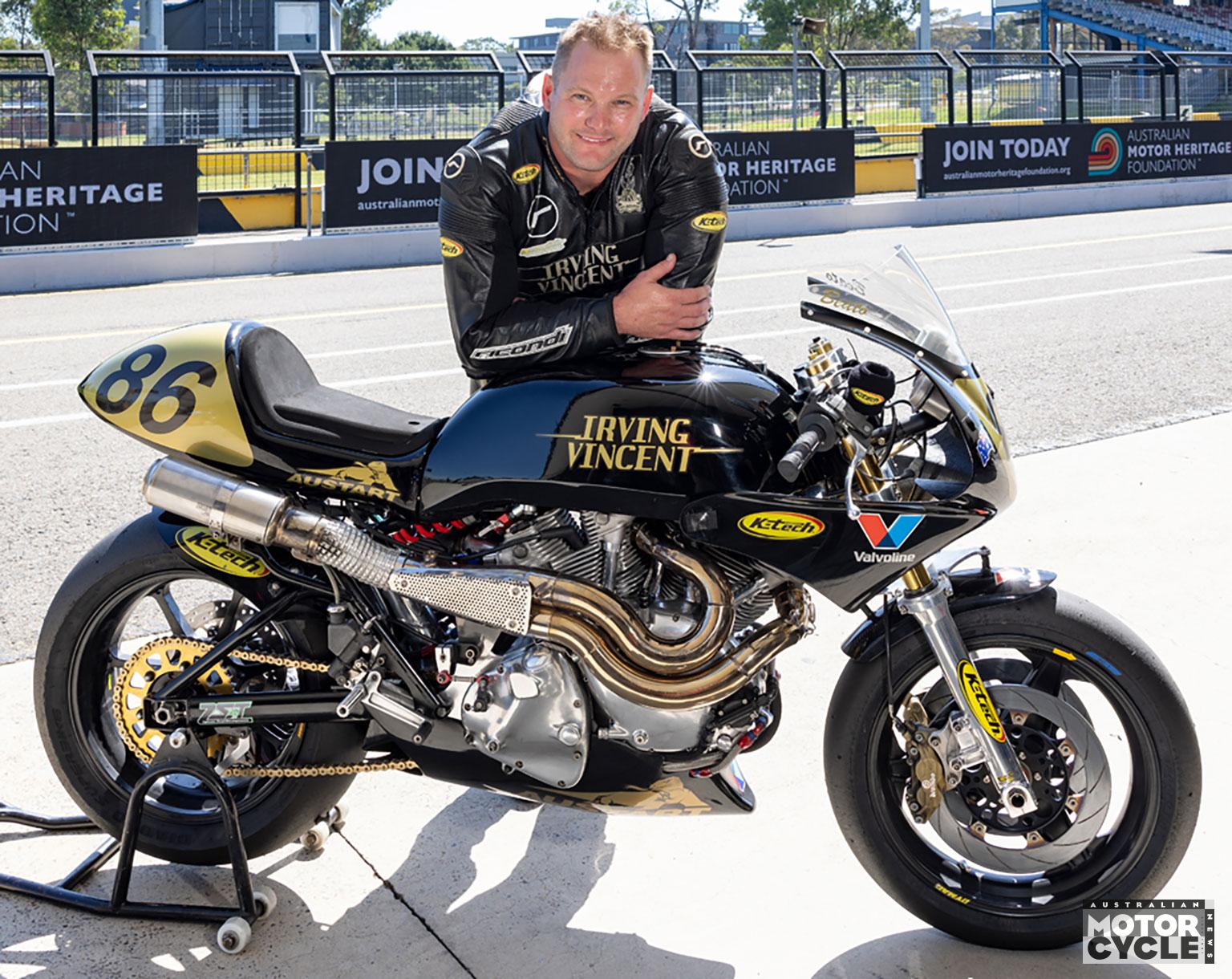
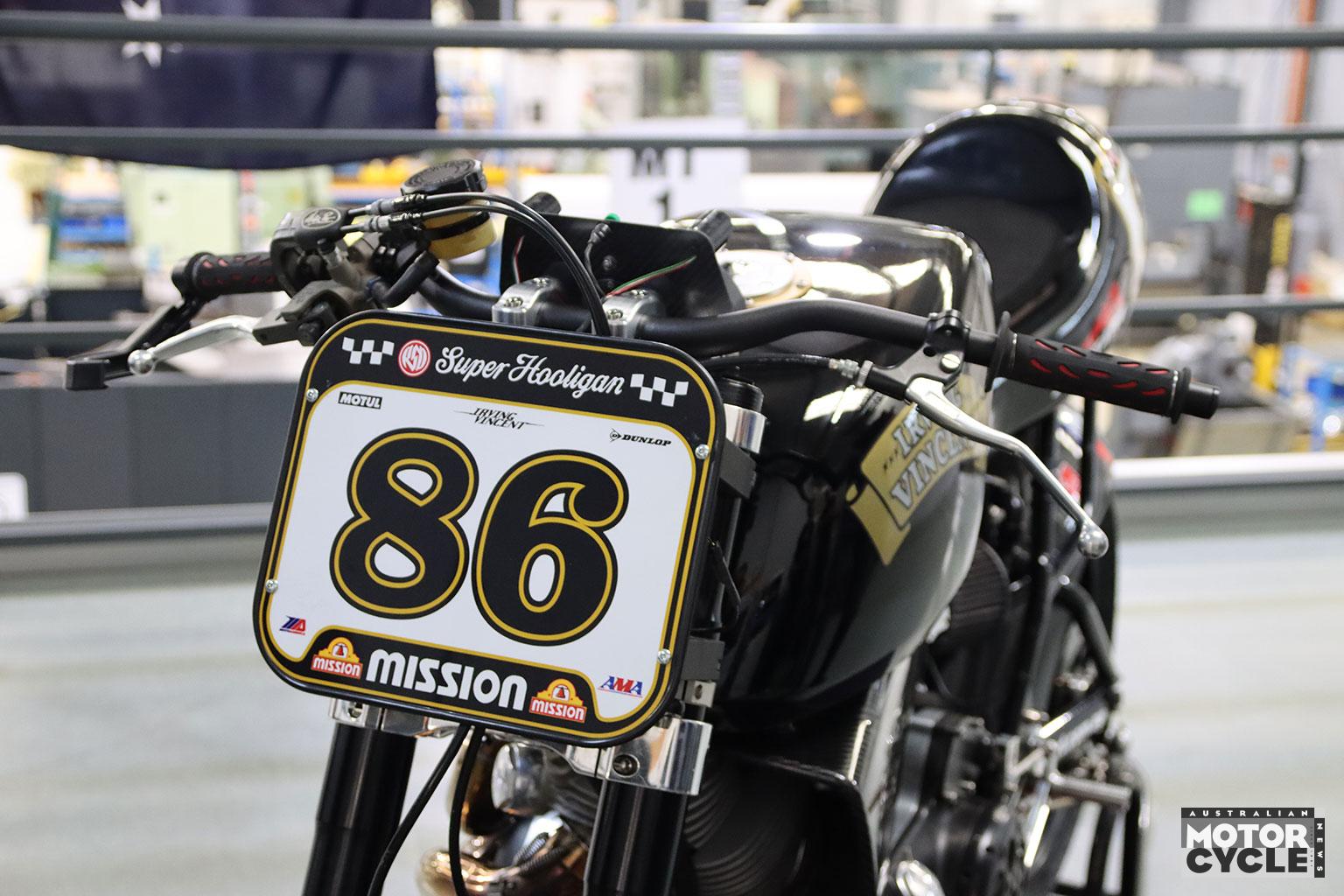
Regardless of what happens in the opening round of the 2026 Super Hooligan National Championship, history is already set. An Australian-built pushrod V-twin returning to Daytona with the men who shaped its legacy, alongside a rider who grew under the wing of the man he now replaces. For the Horners it marks the continuation of work that has pushed through decades of racing, hard-won results, paddock politics and shifting rulebooks.
A team reunited
The decision to return to Daytona came after the team shifted from short-term competition in the final events of 2025 to longer-term preparation, with the Daytona opener set for 5-7 March. It also brings the people behind the project back into a familiar formation. Beaton’s role as rider completes a loop that began in the late 2000s when McMartin mentored him after meeting at a trackday.
“(Beau’s father) Ashley introduced me to him. It was his first time at the track and I said to follow me around. He followed me and learnt the lines and then it wasn’t too much longer after that he was faster than me! And it’s all gone from there.”
Beaton’s first ride for Ken and Barry came in 2009 when McMartin was unable to compete in a MotoGP support race on the Vincent and put his name forward.
“And that was the weekend that started it all,” Beaton says. McMartin has supported Beaton across his career, in ASC, ASBK, Formula Xtreme and even teaming up and dominating at the UK’s Goodwood Revival in 2014.
“Craig’s a huge supporter of mine,” Beaton says. “There’s no way I would have raced for as long as I have without Craig. Having him there is always a boost of confidence for me because he’s been there at race meetings since day dot.”
Beaton’s versatility will be important. He has raced historic superbikes, sidecars, ASBK, motocross, Supermoto, dirt track and even Finke, experience that gives him a broad base to draw from when adapting to machinery and circuits.
With Beaton looking ahead to his first visit to Daytona, McMartin reflects on the trip there that set the benchmark.
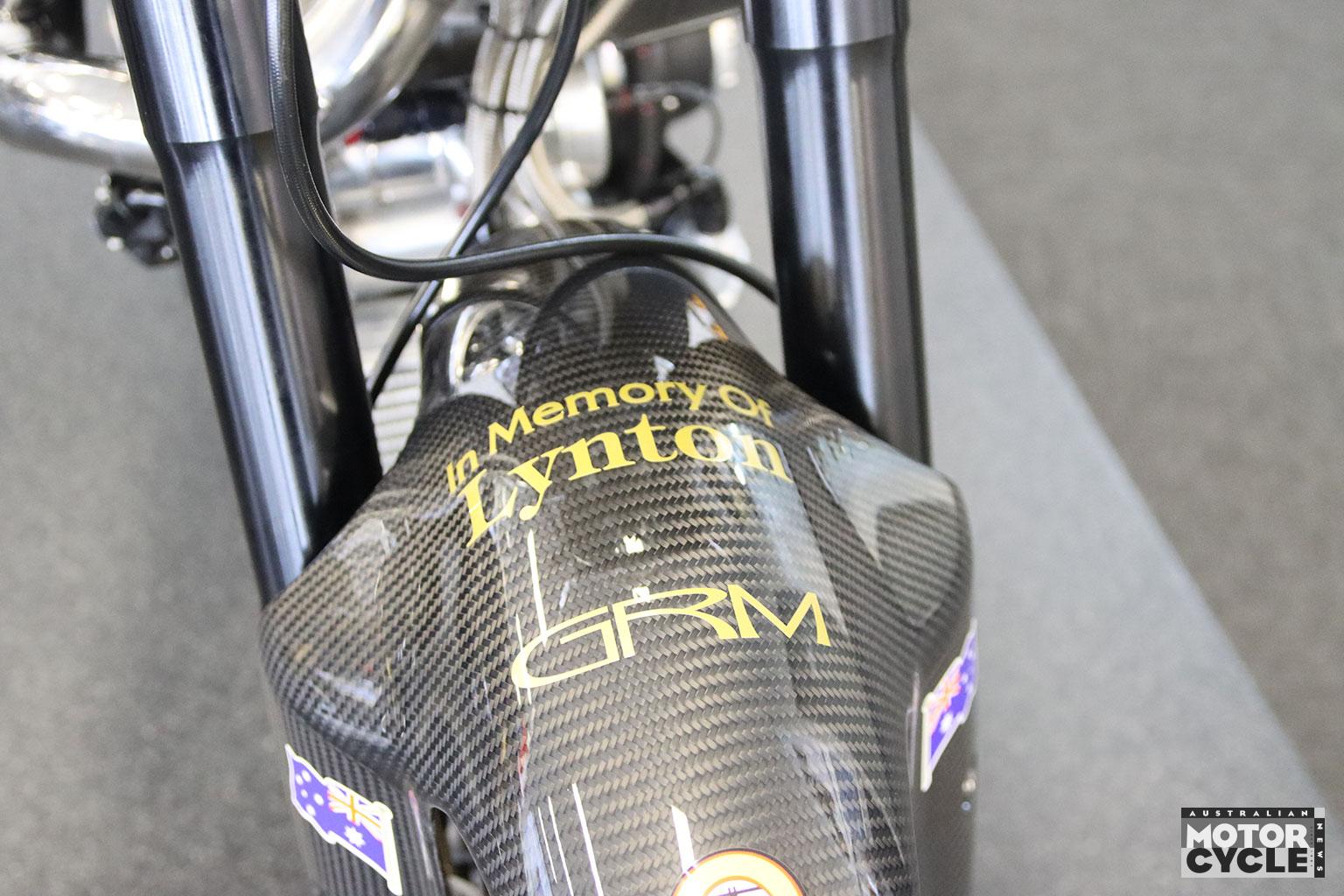
“Oh, it was probably one of the best ones of my riding career,” he says. “We didn’t actually get to test the bike. We went to Broadford, did a few shakedown laps just to make sure that everything worked and then it was put in a crate and sent. So with the little ride time and preparation, and on such a difficult track, to win that one was extremely cool.”
Building the bike
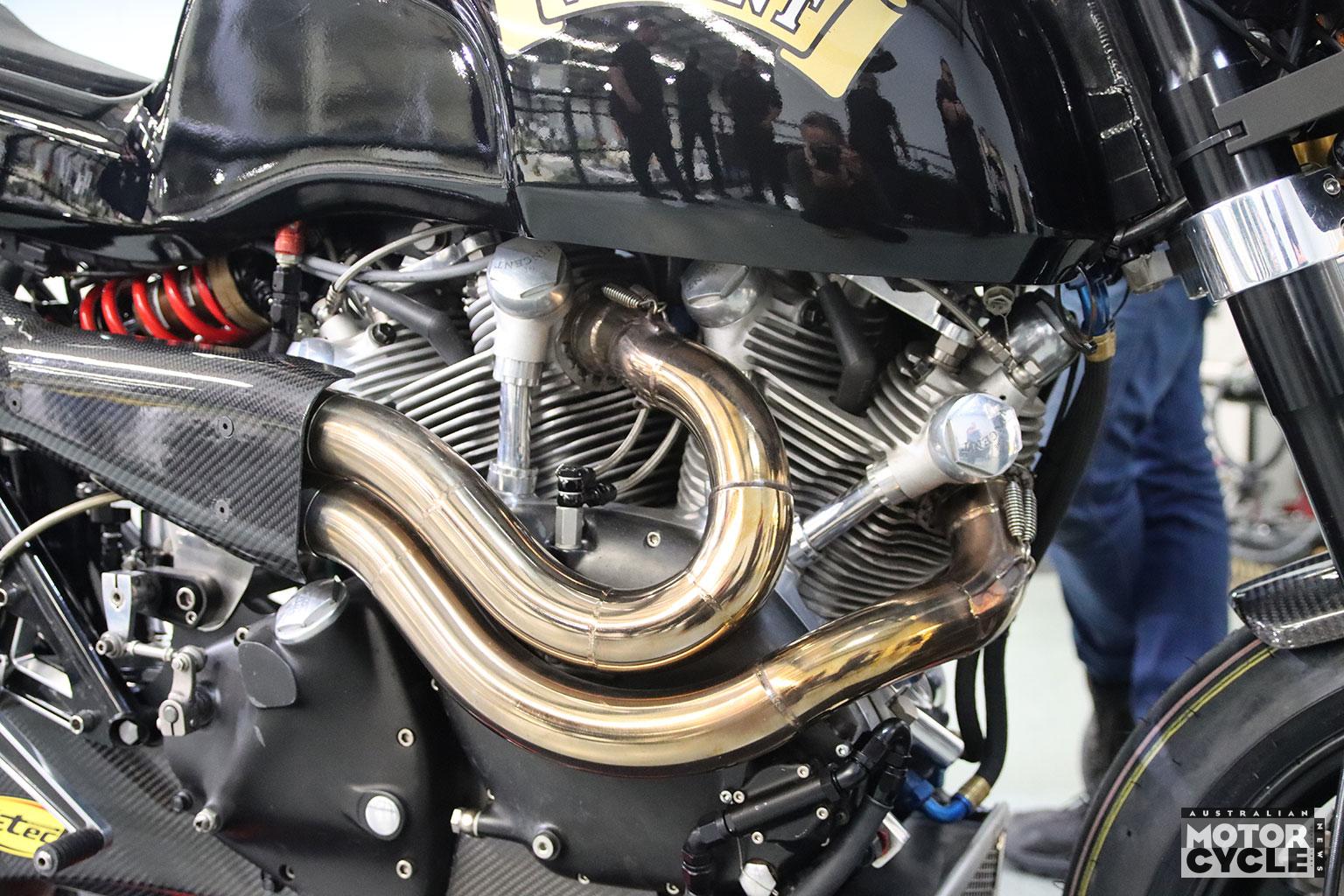
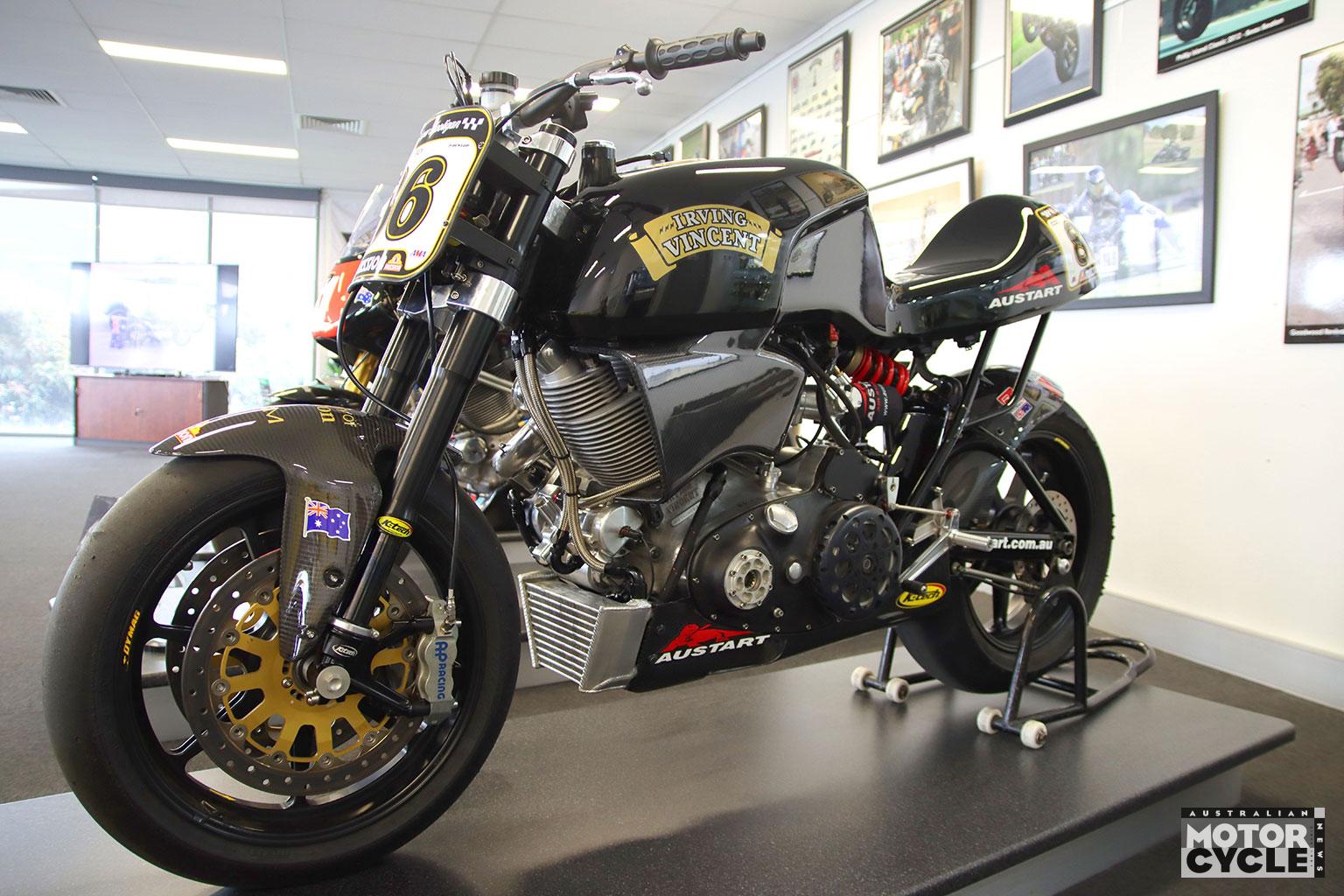
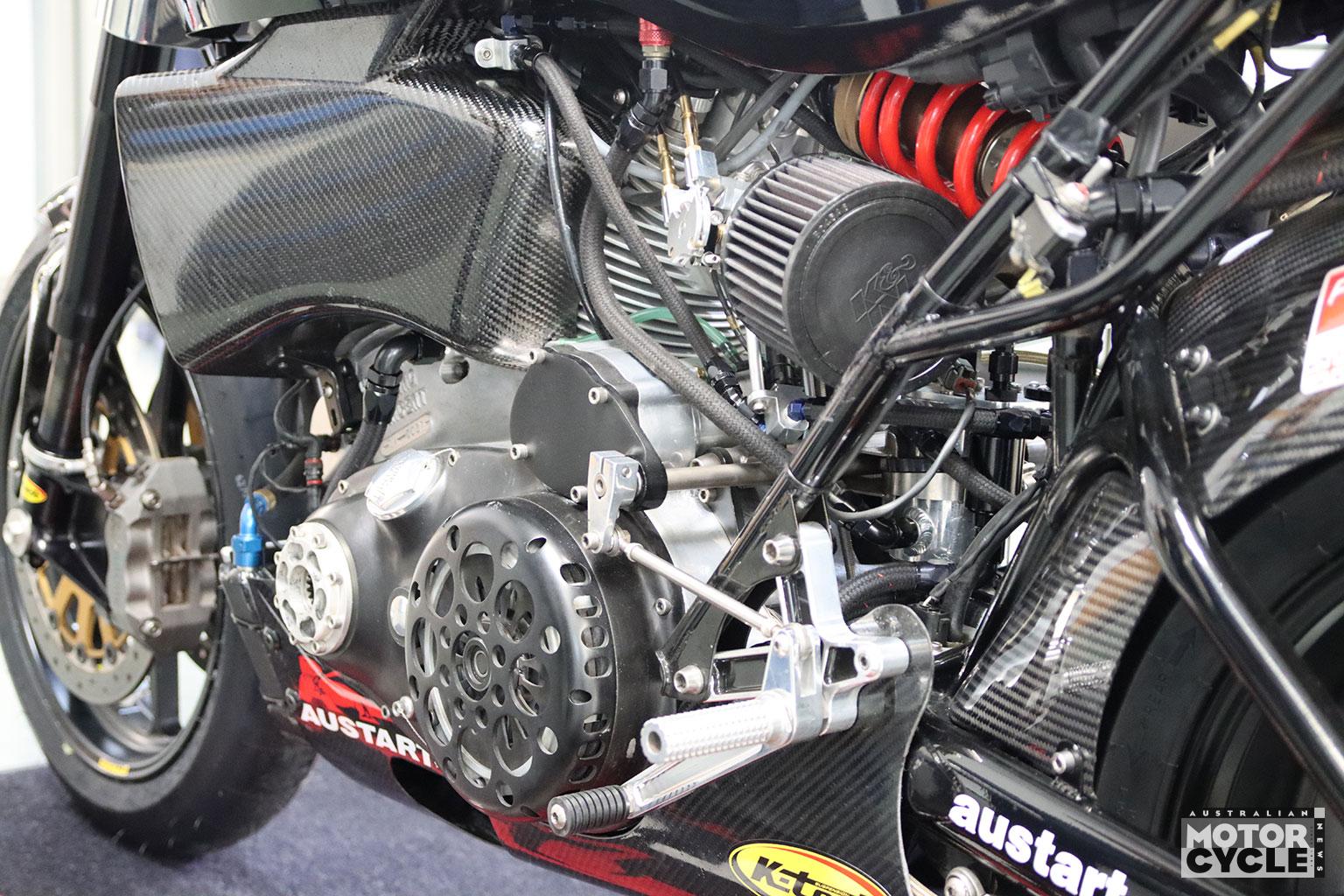
The 2026 return has pushed Ken and Barry into another intensive preparation cycle, just how they like it. They’ve built two versions for Daytona: the established 1620cc air-cooled V-twin and a 1760cc version developed to improve reliability during the extended full-throttle sections on the banking. Both stay true to the project’s foundation, with the 50° air-cooled pushrod layout retained. The output sits near 123kW (165hp) and 190Nm, with the team intentionally reducing power for survival across the long-sustained throttle loads on the banking.
“We had to dumb it down a bit because it’s Daytona,” Barry explains. “You’re on the embankment there at full throttle for over 30 seconds. And being air-cooled and running on petrol as well as the heat and everything else, we’ve had to reduce the power knowing we’ve got to get to the finish line.”
The rules state the bike must run petrol rather than the methanol the engines prefer, so cooling has been a major focus.
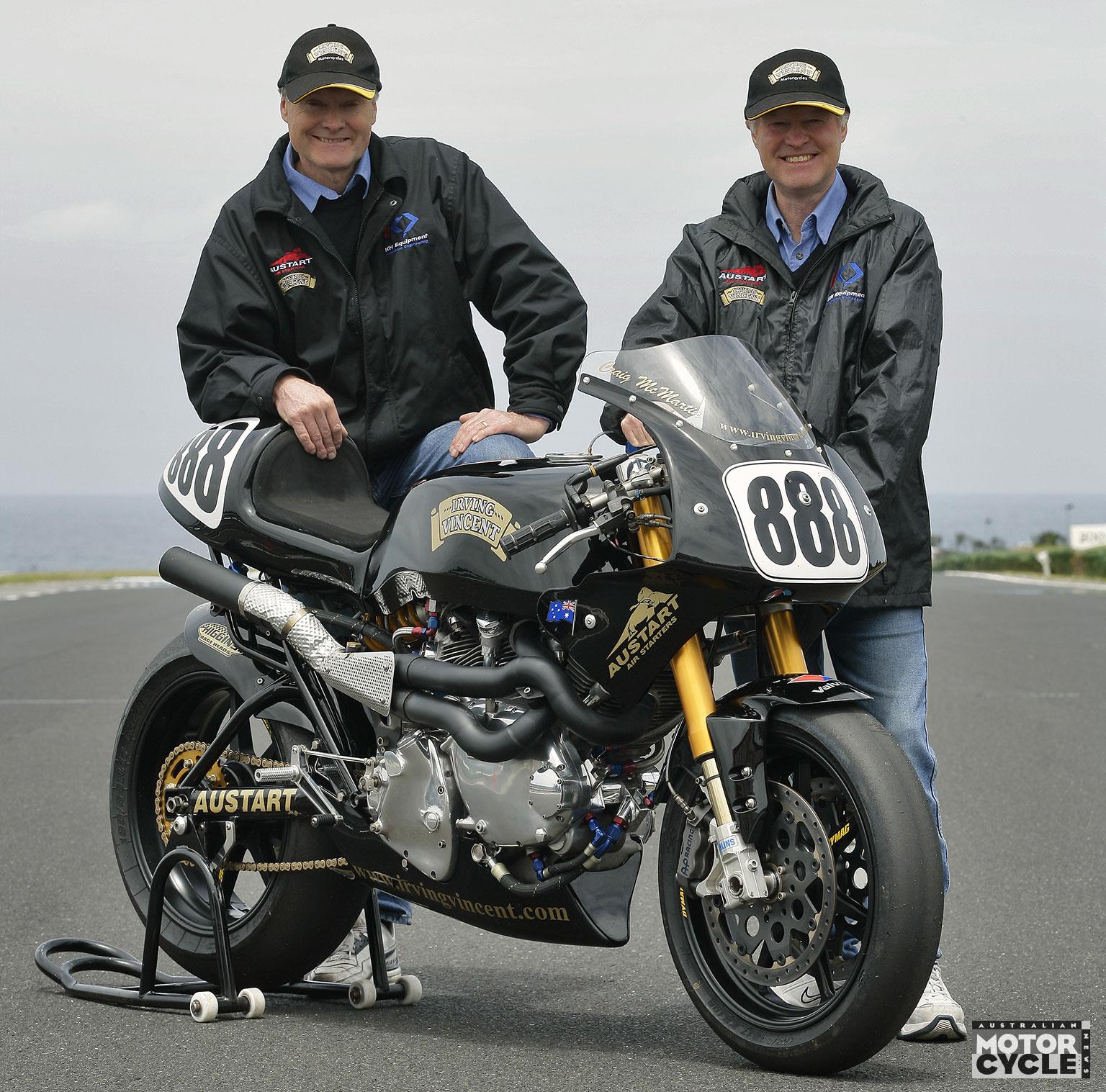
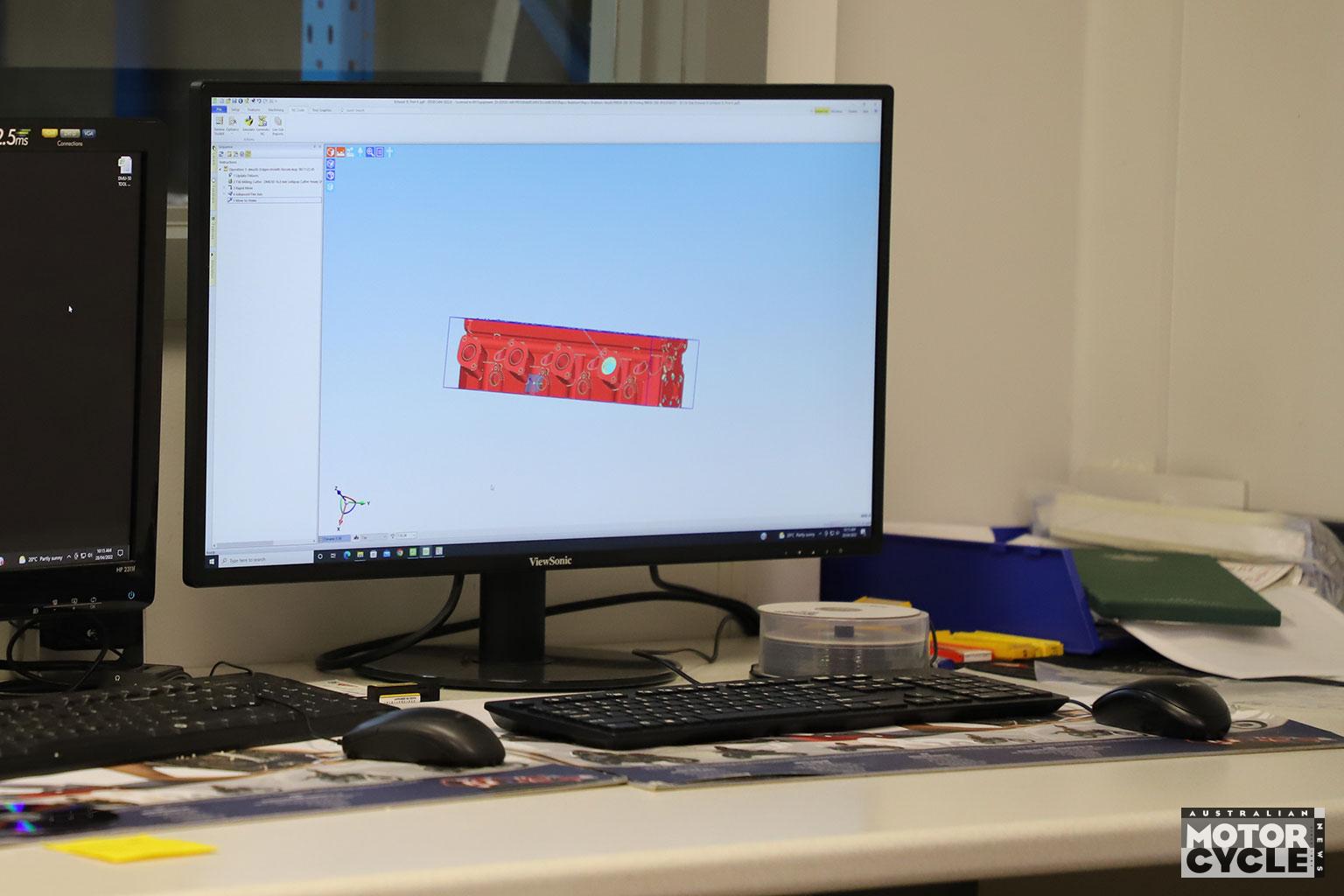
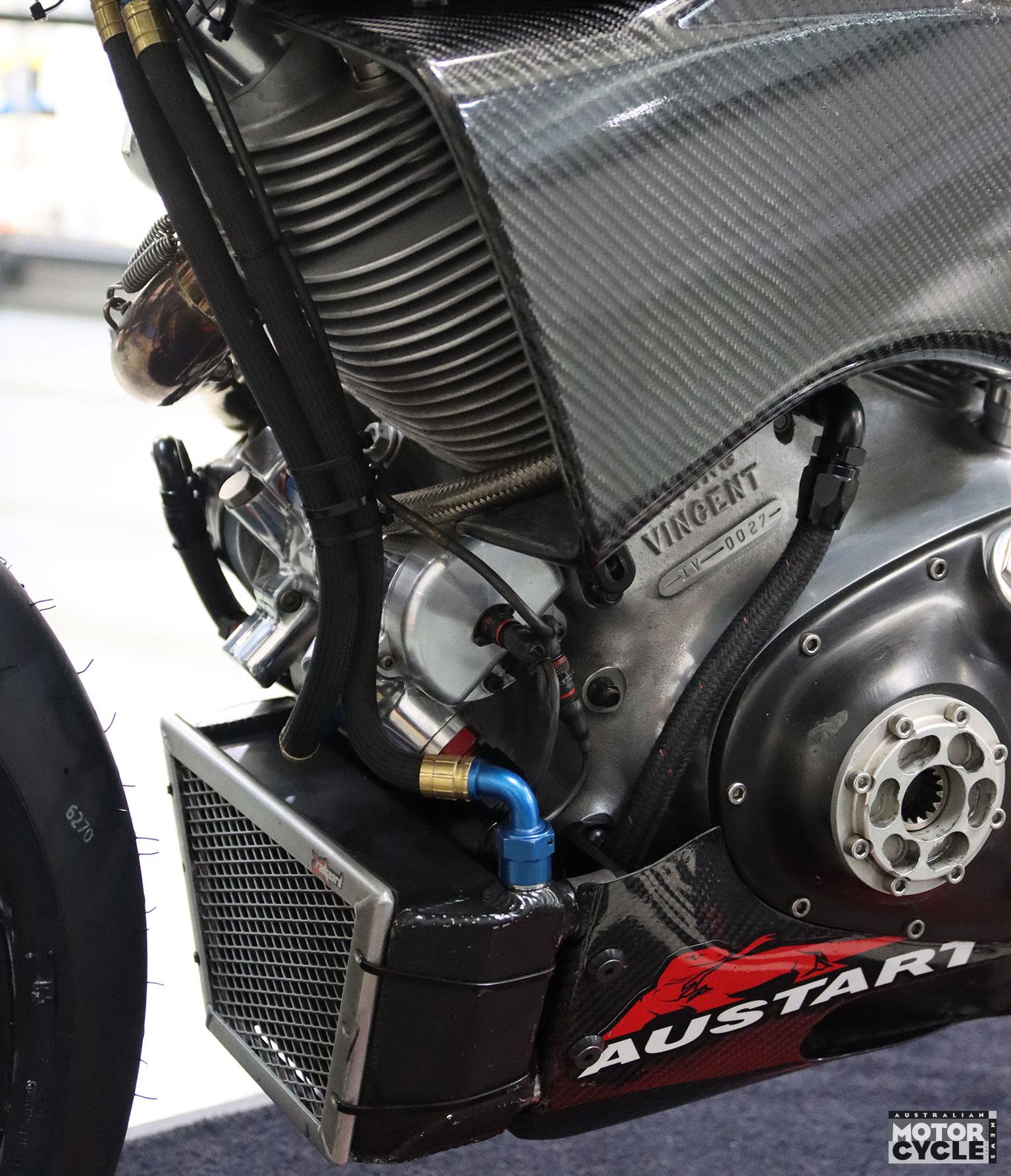
The team has created a CAD-designed carbon-fibre duct on the left-hand side to push air through the engine. The system also includes improved crankcase ventilation through a scavenger pump to manage blow-by and internal pressures during long periods of engine load.
Inside the V-twin, a revised cam and valvetrain package supports the lower rev ceiling planned for Daytona. The internals follow the same broad architecture the team has used before, with refinements made for durability.
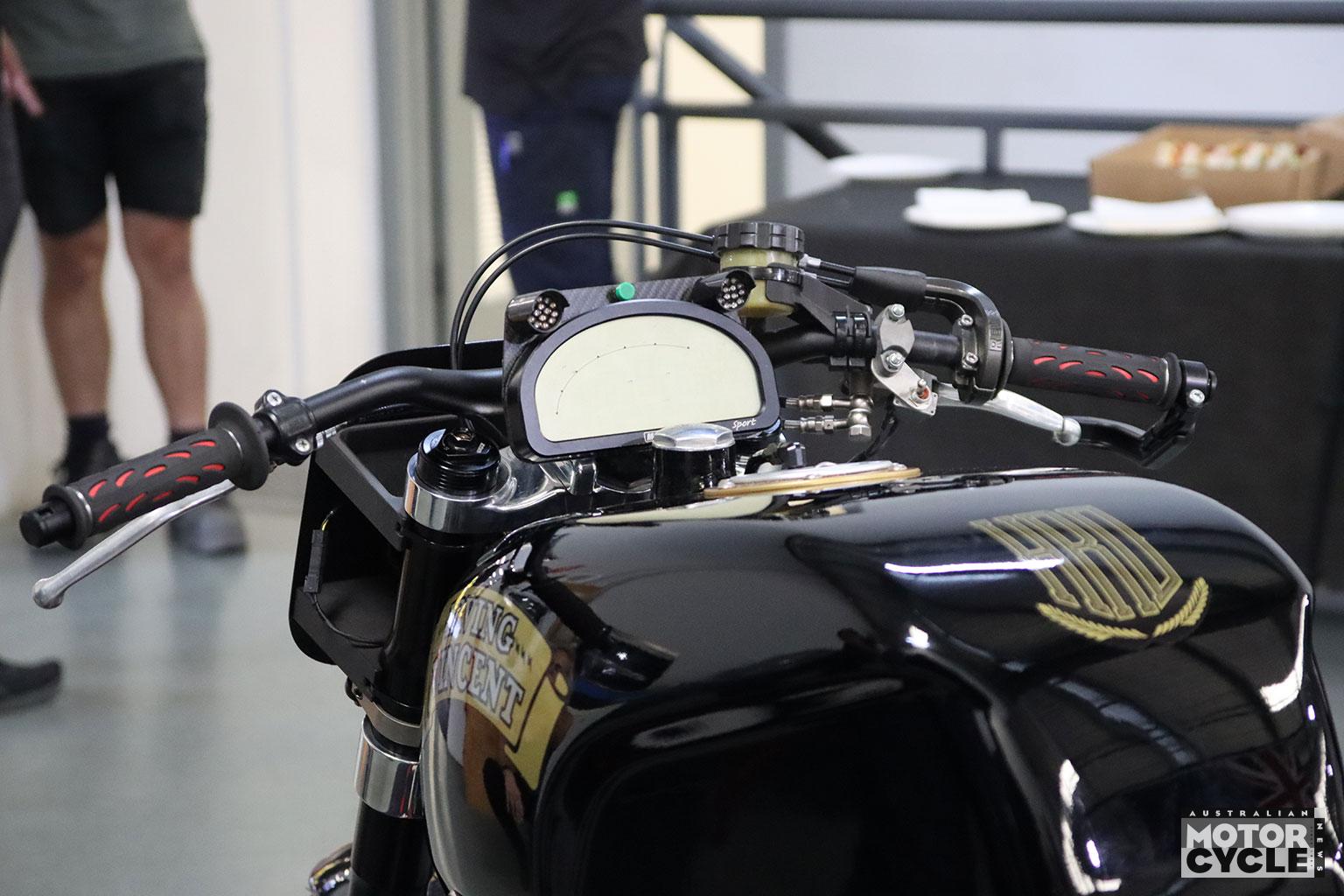
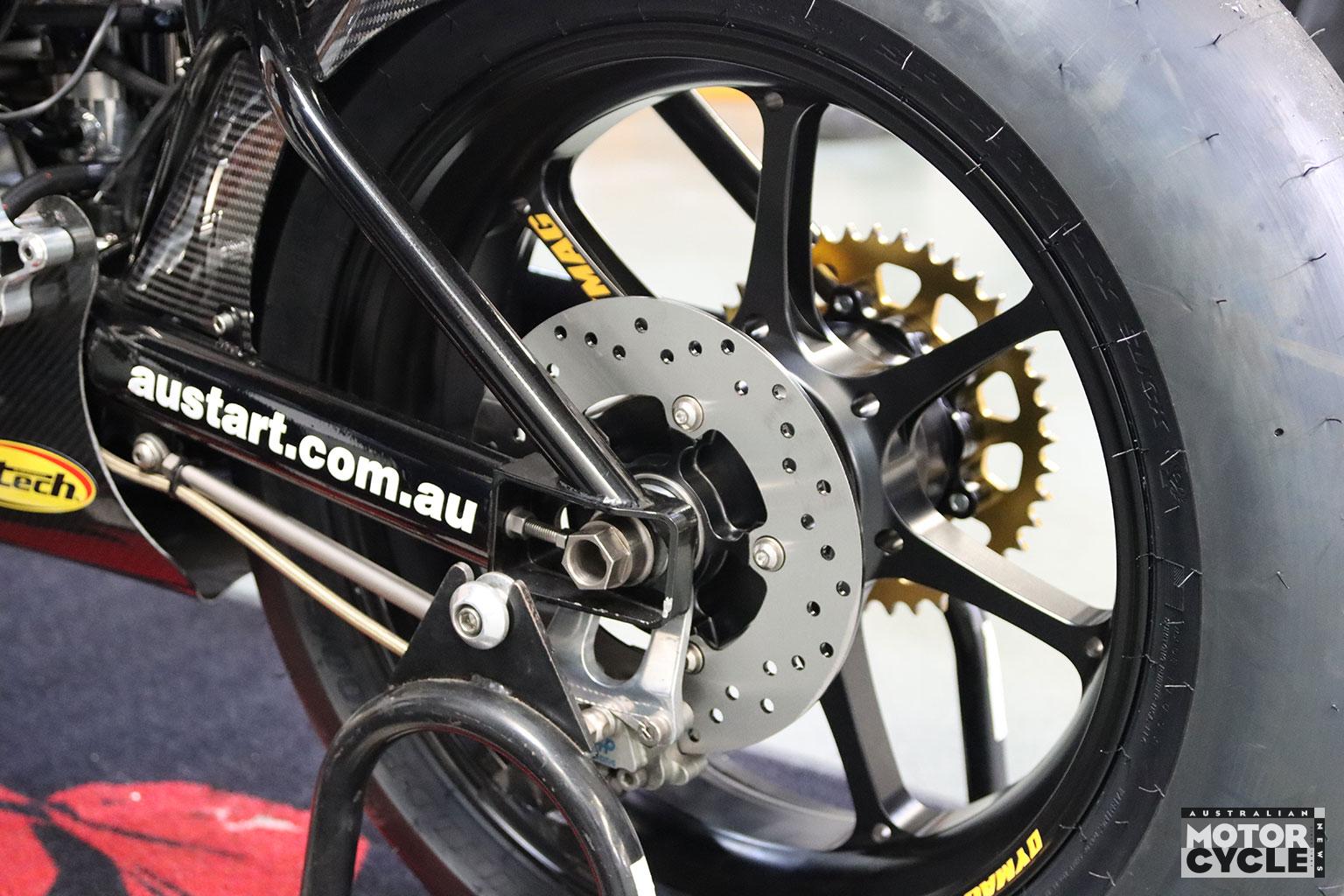
The chassis remains faithful to the original concept created by the engineer whose name the bike carries. The engine functions as a stressed member, following the original Vincent design philosophy, but the materials have been modernised. Chromoly steel replaces the mild steel used in early Vincents. Adjustable elements at the steering head and triple clamps allow significant freedom in set-up. What stands out to McMartin is the speed at which the Horners can turn feedback into new hardware.
“When I very first rode their bikes, there was not a lot of adjustability and some of the geometry of the bike wasn’t so good. I remember when I first rode at Phillip Island and I asked, ‘What’s the triple clamp offset?’ And they told me the number and I went, ‘Can we change it to this offset?’ And they rang me on the Tuesday after that race meeting and said, ‘It’s done.’ They just made a new set of triple clamps at the offset that they wanted. Then I said, ‘Can we make it so it’s got an adjustable steering head angle?’ And a few weeks later: ‘Yep, we’ve made a new frame with inserts to change the steering head.’”
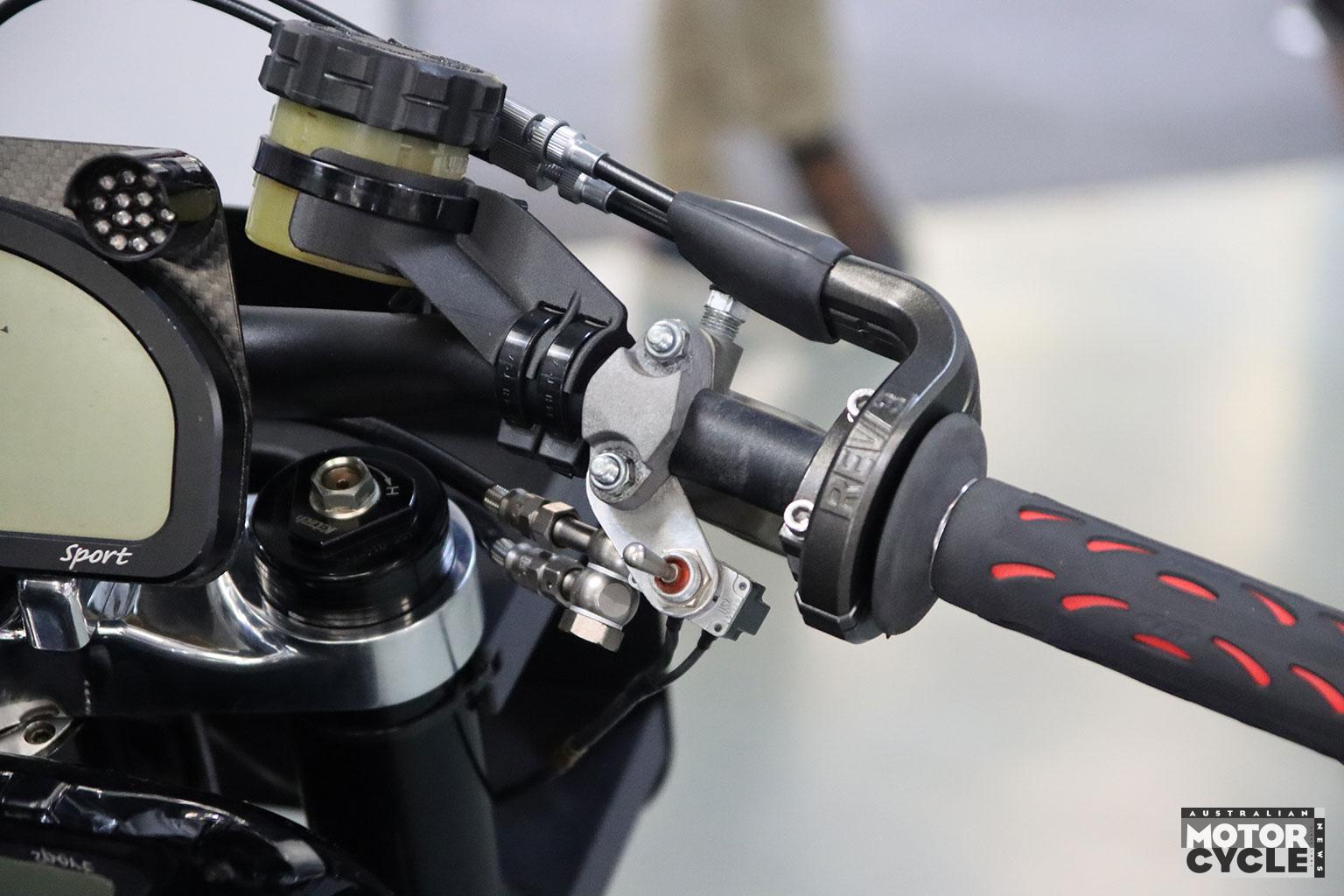
Brakes have become a bureaucratic hurdle rather than a technical one. The team plans to run AP Racing calipers, yet homologation for the Super Hooligan class has not been finalised. Barry explains the frustration.
“That’s the same brake caliper we ran in 2008 with Craig, for god’s sake. The rest have these more expensive Brembos on theirs, 10 grand worth of calipers, but there’s a problem with us running them because they’re not homologated.”
Barry says AP is working with MotoAmerica and the team expects clearance in time, but so far confirmation has yet to be received.
Electronics are minimal. There is no traction control or electronic assistance and even the throttle is cable operated. A MoTeC ECU handles engine management. The simple configuration puts extra weight on chassis set-up.
As McMartin puts it, “Because there’s not a lot in the way of electronics, the chassis set-up will be the biggest thing at Daytona.”
Measuring up
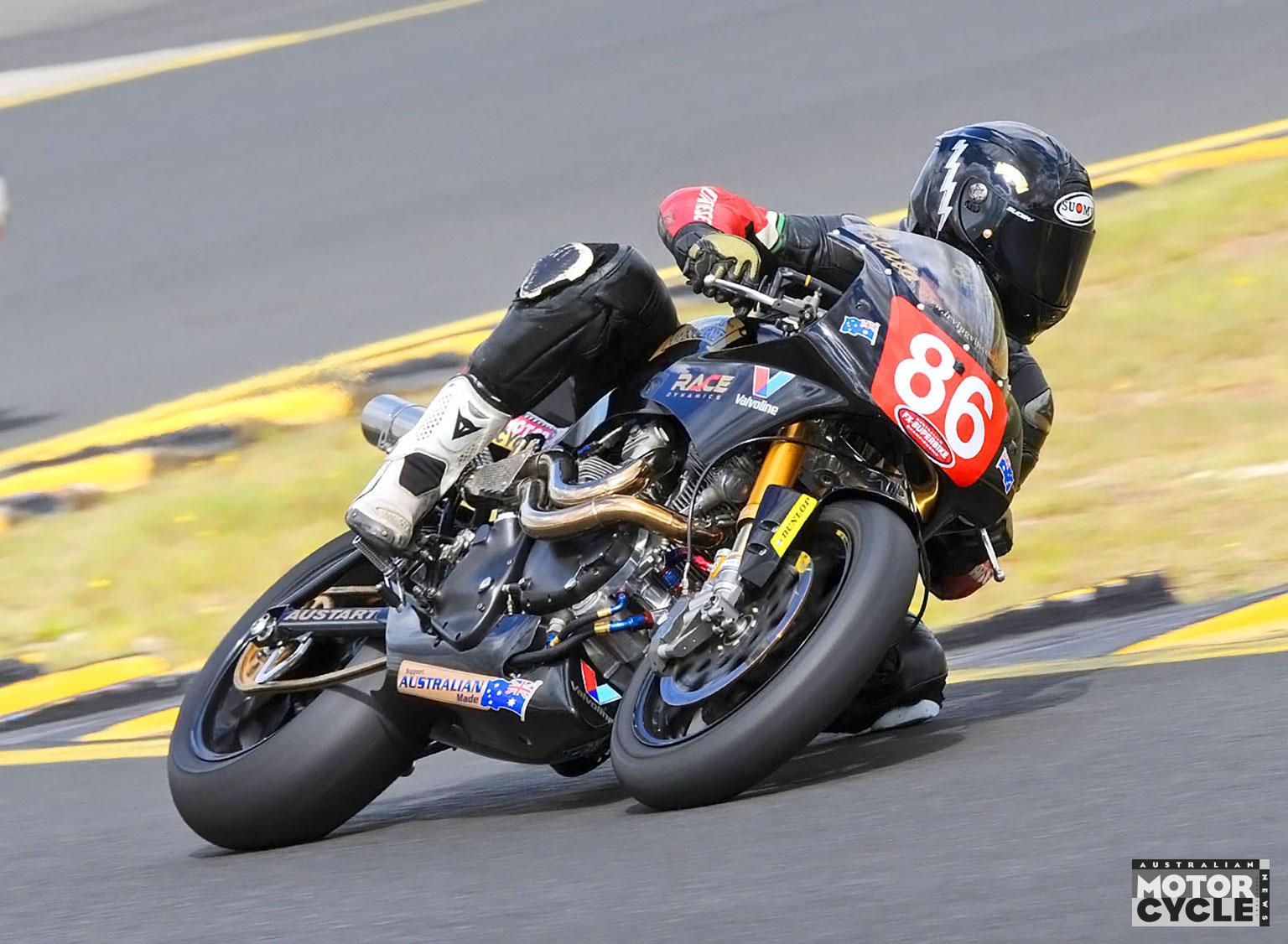
A test was held at Sydney Motorsport Park in August. Beaton lined up against current superbike machinery, including BMW S 1000 RRs and Ducati Panigales, plus a V4RS in the hands of Cru Halliday. Across five races, Beau finished with three second places and two thirds, missing the win in the final race by six hundredths of a second.
“We needed to be able to gauge where we felt we would be, and are we up to scratch with what would be over there? Yes, we are,” says Ken.
The riding position and geometry were new to Beaton, as the rules state a one-piece handlebar rather than clip-ons, and new CAD-designed bodywork has been manufactured in a single piece.
“Compared to the configuration we’ve always run, which has been good, his weight’s back a bit farther and up higher, and the high handlebar and everything else, it changed the whole characteristics of the thing,” Ken says. “It’s probably about 20mm higher than what it’d normally be in the past.”
Beaton adapted as the weekend progressed. “It’s not like I was unfamiliar with the chassis, but it was more just me adapting to the riding position and the lack of aerodynamics.”
His dirtbike background helped. “I’ve ridden all different variants of Ken and Barry’s engines. From the 1000cc Goodwood bike through to the 1620cc four-valve head, so I knew what I was going to be in for when I rode the engine. So it was just the riding position and changing a few things in terms of how I ride.”
Daytona lessons
McMartin’s experience at Daytona provides the most direct guidance. He had never seen the circuit before 2008 and relied heavily on advice from fellow Australian Aaron Gobert.
“We didn’t walk the whole track, but he walked around and showed me, you know, this is where you need to go, you need to do this; this is what you need to do here… so that was a huge help.
“The first thing he said to me, he said you can’t muck around with the banking; he said you have to go straight to the top. As soon as you get out of that chicane, don’t go a third of the way, halfway, don’t work your way into it – you have to go straight to the top.”
McMartin followed it exactly. “There was a white line about a metre from the wall at the top, and he said go to that white line and just follow that; once you get to some light poles, I think they were, once you get to that one there, turn down.
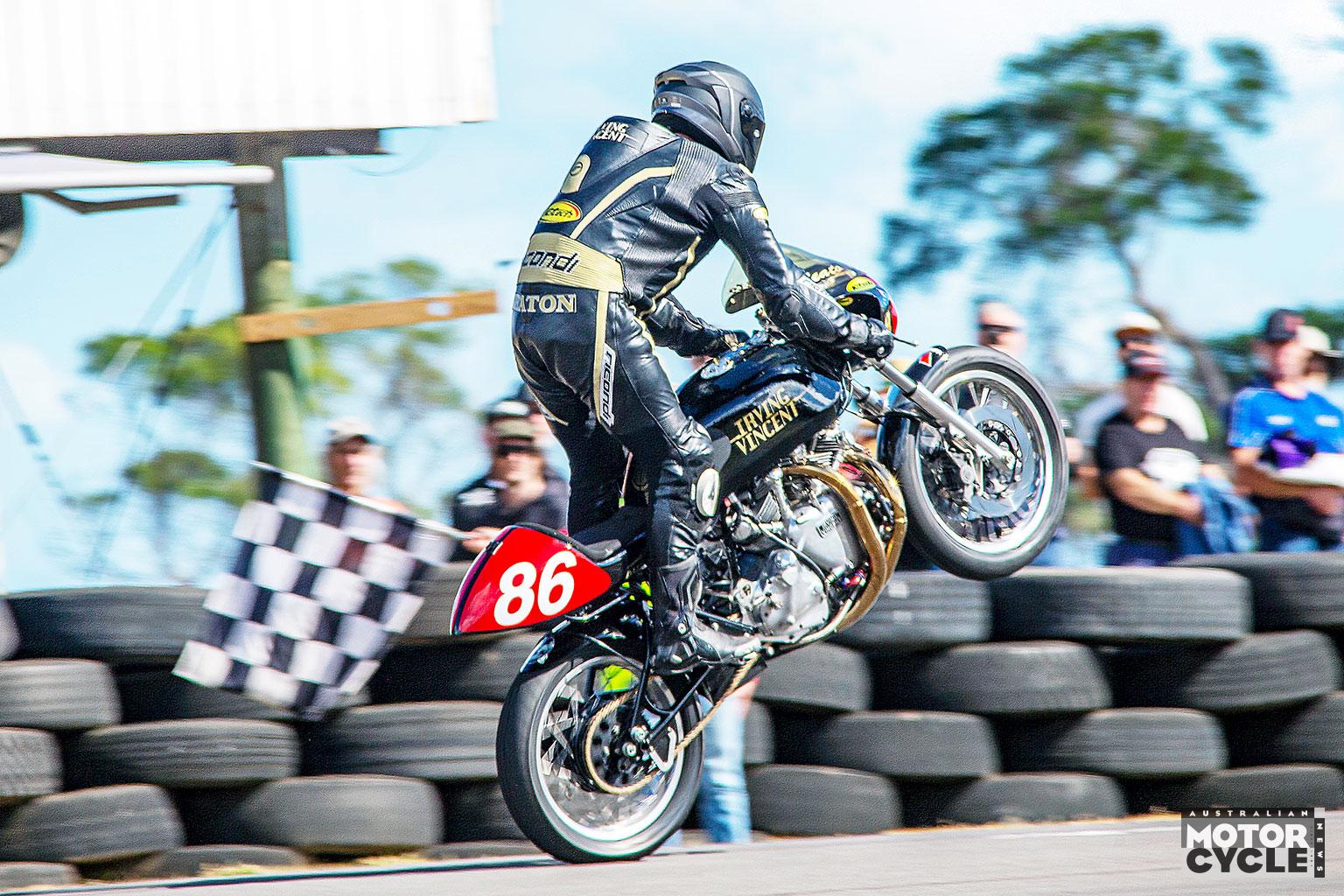
“When I came out of that chicane and just went bang, heading straight to the top, I’m thinking oh my god, what am I doing? But I’m so glad I did it because it’s just that fear factor – he said if you try to work your way up to it, it’s just too scary, you just won’t do it.”
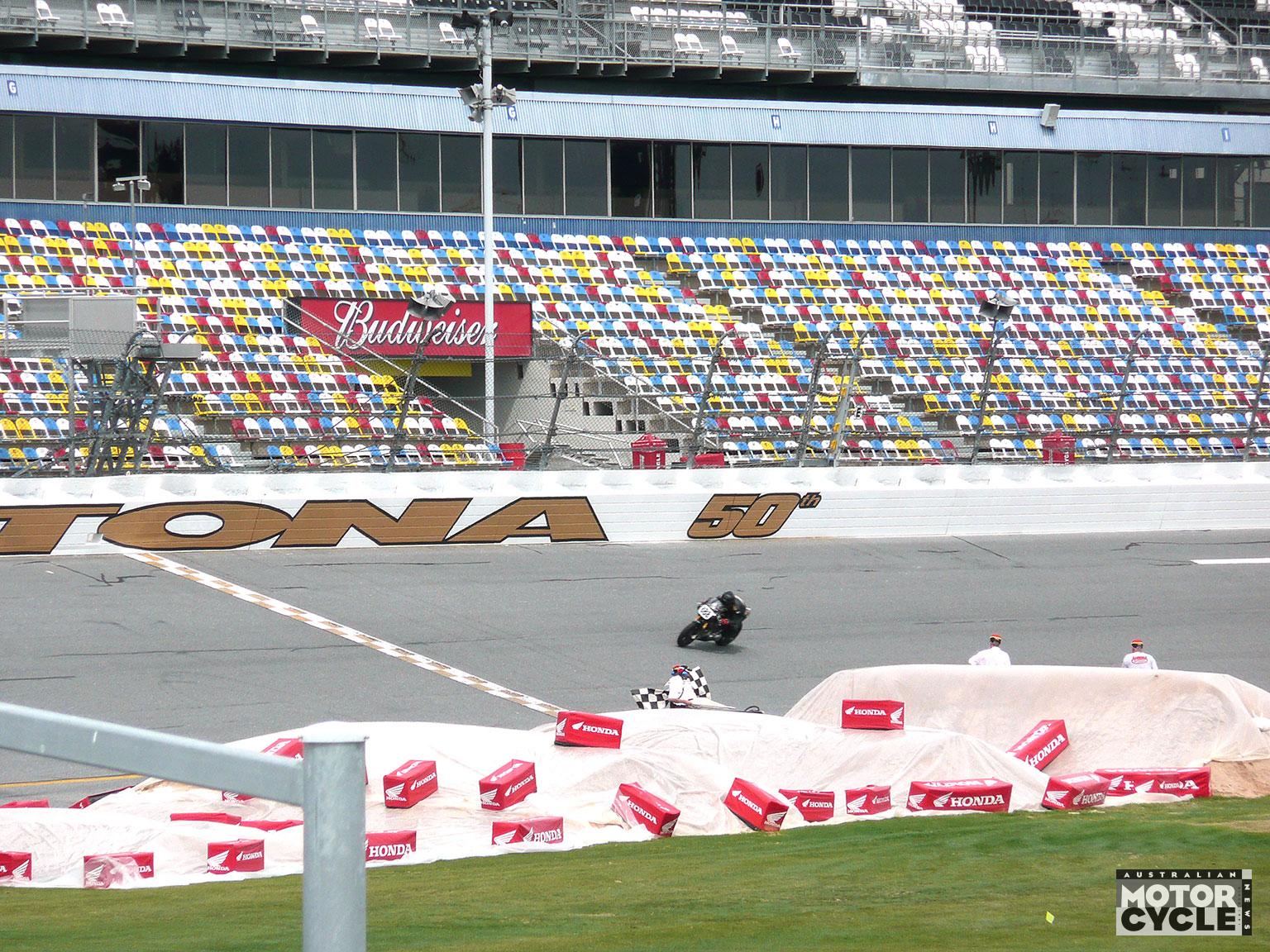
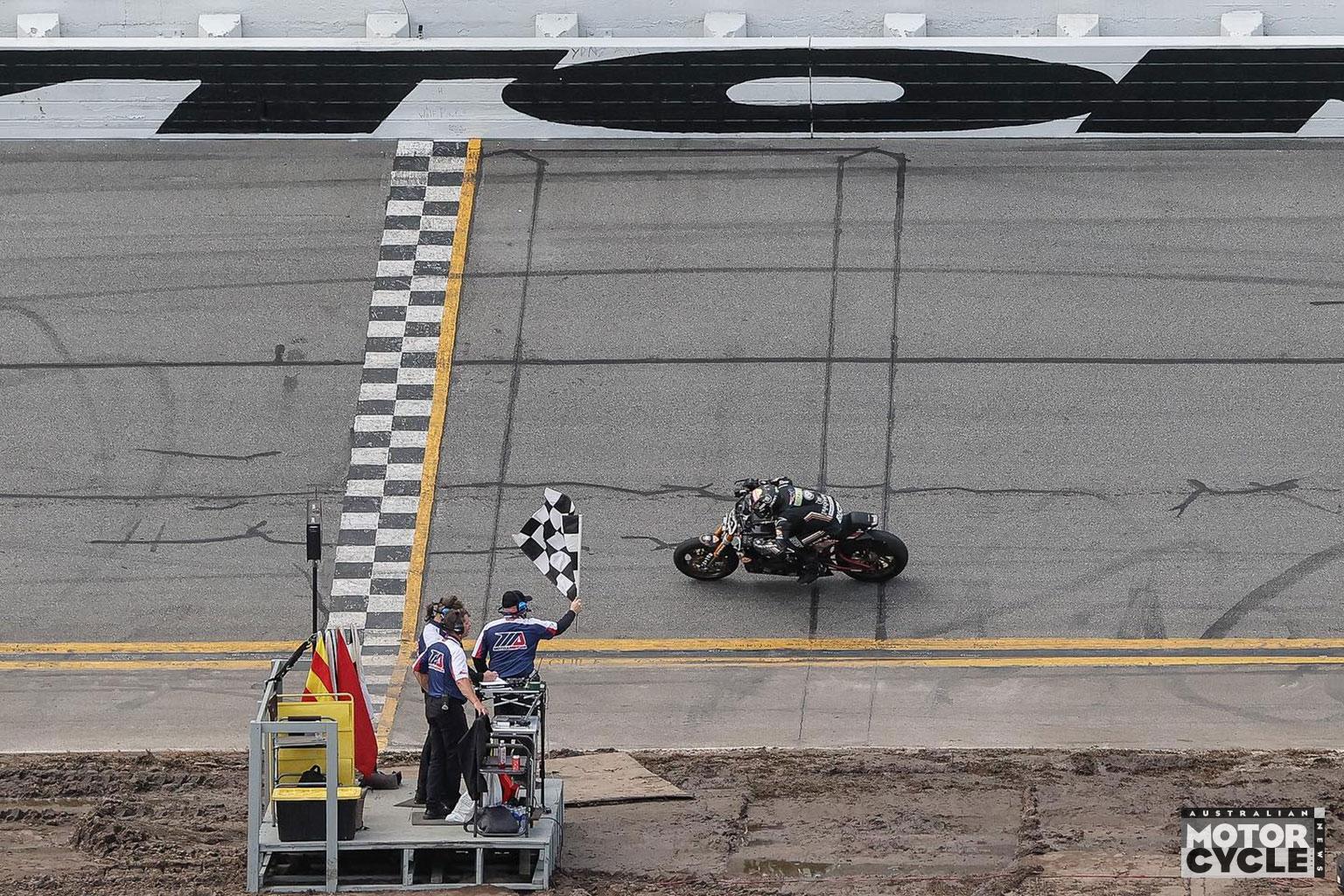
At roughly 31 degrees, Daytona’s banking rises like a staircase and loads the chassis at speeds most riders will never feel anywhere else.
The challenge goes beyond the banking. “And I was warned of this section where it’s really easy to lose the front, so you’ve got to be quite careful. The infield section has changed since I was there and they use a little bit more banking. But realistically, I’ll be telling Beau those things.”
Slipstream strategy through the chicane will be a major factor. Beaton recognises the need to feel the draft in practice and qualifying. “I think I’ll have to experience it. Hopefully during practice or qualifying I can experience a sort of a draft to see how big of an effect it makes before I make a judgement, I guess.”
He is not nervous. “I get excited, but not nervous. I never really feel any pressure from Ken and Barry. They know I’m doing the best I can do out there and I know they’re doing the best they can do in there.”
The competition
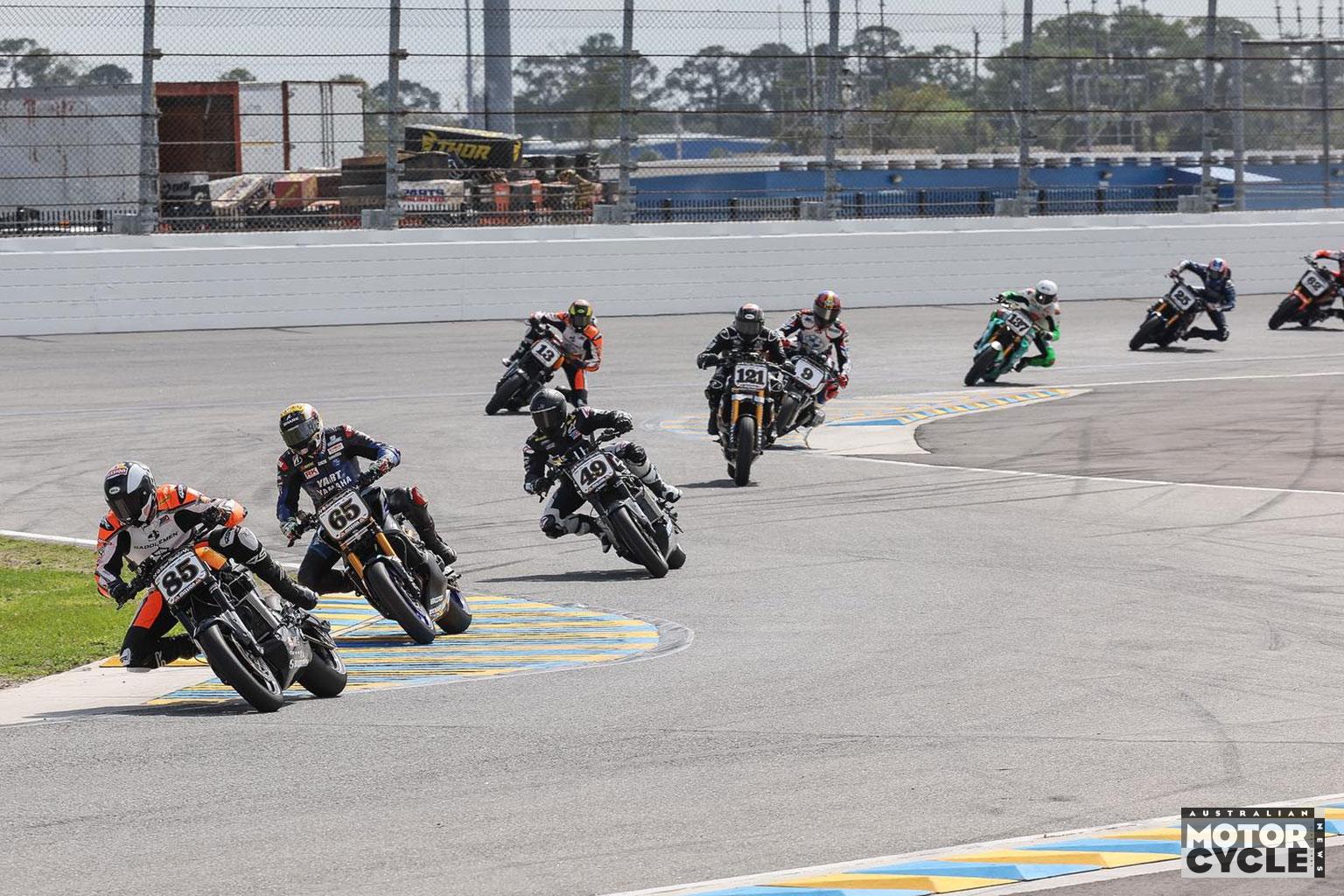
The 2026 Super Hooligan rules open the air-cooled division to all manufacturers, including full custom chassis. This creates space for the Irving Vincent to compete without major architectural compromise. Water-cooled bikes and electric bikes must retain stock frames, while air-cooled entries can run custom frames and modifications. The minimum weight for air-cooled machines is 159kg.
The other air-cooled entry is the Keanu Reeves-owned Arch ridden by Corey Alexander, who finished ninth overall in 2025. Ken sums up the scale of that project. “He’s thrown millions at it!” Barry adds: “It’s a Suter chassis and a Suter engine. From that side of things it’ll be very high profile, but we don’t want to be promising too much. We’ve just got to get all the preparation done here.”
The team has the option to race again two months later at Barber Motorsports Park. Barry says, “We’ll be doing one thing at a time and see how we go, but Barber would be a good one to do, all going well.”
Beaton will rely on the team’s experience to adjust the bike quickly. McMartin feels confident in the process. “The good thing is, Beau will listen. And he’s also smart, he’s good at his feedback and all that stuff.”
And while Keanu might have the cash, McMartin points to Ken and Barry’s unrivalled engineering approach as the factor that could set the Irving Vincent effort apart.
“It’s their engineering expertise; nothing’s ever done in halves. Everything will be CAD drawn, checked, double checked, made, made sure. Nothing’s ever a guess or ‘I hope this will be fine’. Everything’s done perfectly.”
The preparation is done; you can be sure of that. The rest will be decided on Daytona’s iconic banking in March.
Daytona: the wider picture
THE OPENING round of the 2026 Mission Super Hooligan National Championship takes place at Daytona International Speedway from 5-7 March, launching a five-round, 10-race season. The class allows air-cooled and water-cooled twins above 750cc, selected 900cc triples and production-based electric bikes on the same grid, with Daytona’s banking rewarding cooling efficiency, top-end stability and the ability to use the draft.
The Irving Vincent will form one half of the air-cooled presence. The other is the Suter-developed Arch ridden by Corey Alexander. Its 1950cc V-twin and stressed-member chassis were developed by Suter Racing, and the project continues to evolve with planned updates to electronics and data capability. The chassis package features an Öhlins FGR253 fork, Öhlins TTX rear shock and top-spec Brembo brakes, giving the Arch a component set more in line with current superbike hardware.
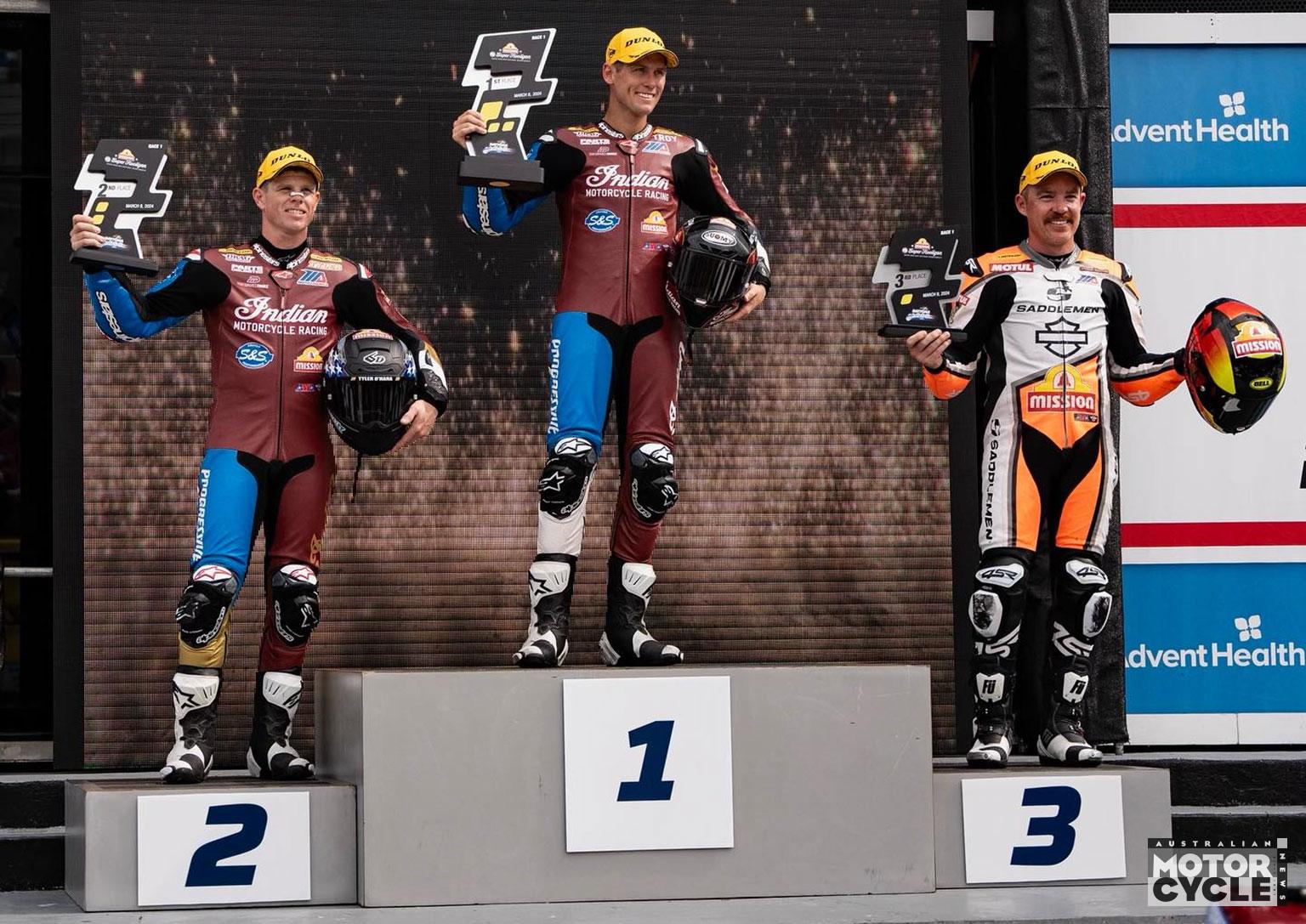
Water-cooled machinery is expected to include entries from Indian Motorcycle, Harley-Davidson, KTM, Ducati, BMW, Triumph and Yamaha. Harley’s James Rispoli enters as the reigning champion after securing the 2025 title.
Electric bikes will also feature through OrangeCat Racing, which has announced a two-rider line-up with multi-time MotoAmerica champion Josh Herrin and Kaleb De Keyrel aboard Lightfighter V3-RH machines.
The season continues after Daytona with rounds at Barber Motorsports Park, Laguna Seca, Mid-Ohio and Circuit of the Americas. Fans can stream the opening round through a one-month access pass priced at $US38.97. Cheaper than a plane ticket!