When injury, age or anxiety rule out solo riding, sidecar outfits are giving riders a new way forward
Simon was on his way to work, taking the same route he always had. Two cars passed safely through the intersection ahead of him and he slowed as a third vehicle waited at a stop sign, just to make sure the driver had seen him. He was barely doing 50km/h when the driver pulled out.
There was no time to brake. He remembers going up, remembers coming down. He landed hard, somersaulted and skidded into the middle of the intersection. His Suzuki SV650S commuter was barely three weeks old. Simon’s left ankle was dislocated, his heel shattered and his knee ligaments torn on both sides. His right little finger was crushed. He lost skin from both shins despite wearing full protective gear. His leg, he says now, feels like it’s permanently asleep. More than a year later, after learning to walk again, he uses a walking stick to get around.
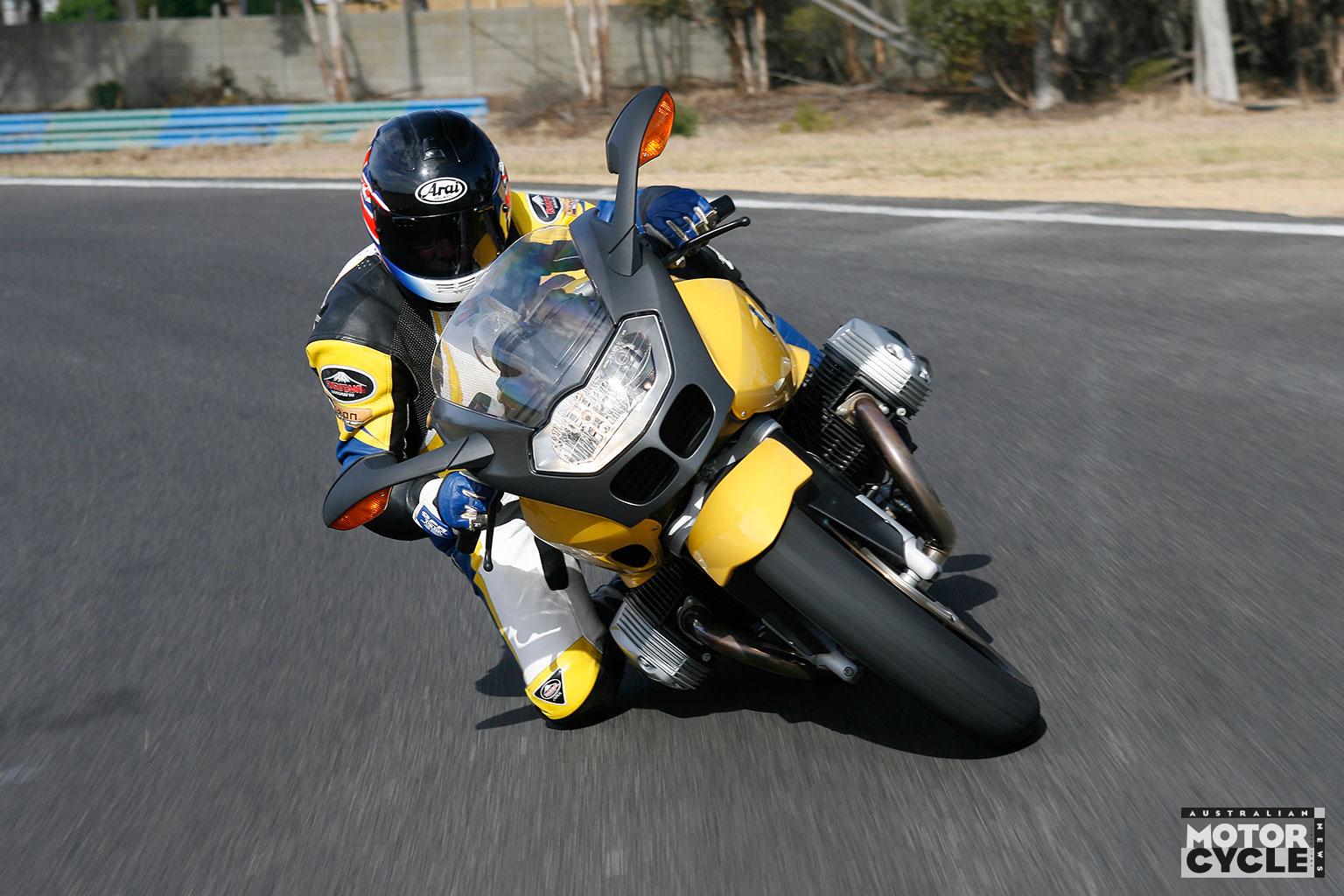
The Aprilia RSV Mille Factory in the shed hasn’t been touched. He’s sold the Ducati 900SS and the 90s Monster. The less we say about his Suzuki Hayabusa the better; he doesn’t have the strength in his leg to hold up a bike anymore.
“And I’ve got an old bevel-drive Ducati with a kickstarter. I won’t be able to start that again ever,” he concedes. But he still wants to ride.
For Simon and a growing number of riders in similar situations, three wheels may be the only way back. Whether it’s injury, age or lost confidence after a crash, sidecars offer a form of riding that doesn’t ask as much from the body.
Sidecars have always had their place on the fringes of motorcycling, but now they’re finding new relevance among riders who once thought they were finished.
Turning point
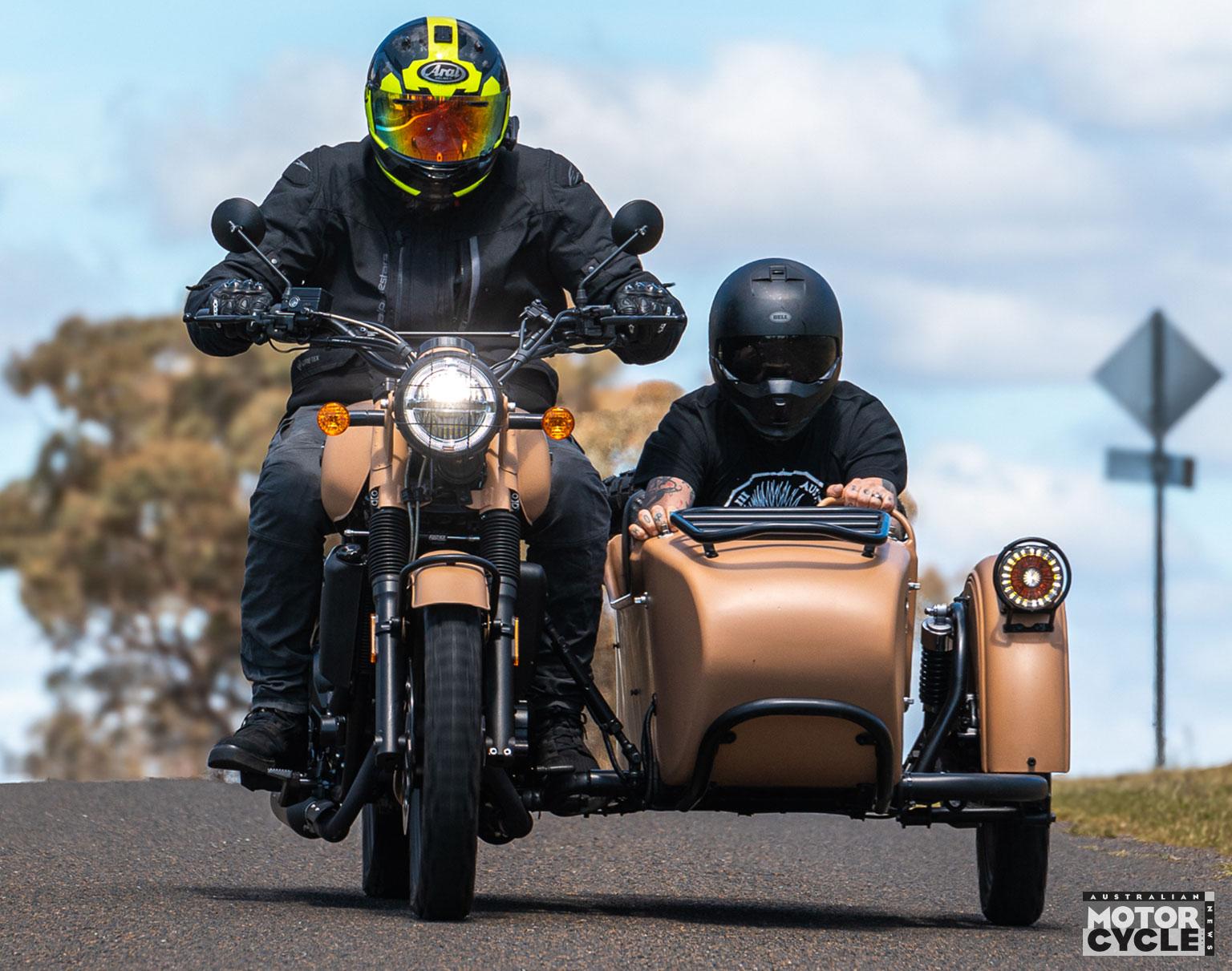
The idea first struck Simon while watching a man on his daily commute steering a Suzuki GSX1100 sidecar outfit from a wheelchair. He’d built the whole thing so the sidecar took the rider – handlebar and all – not a passenger.
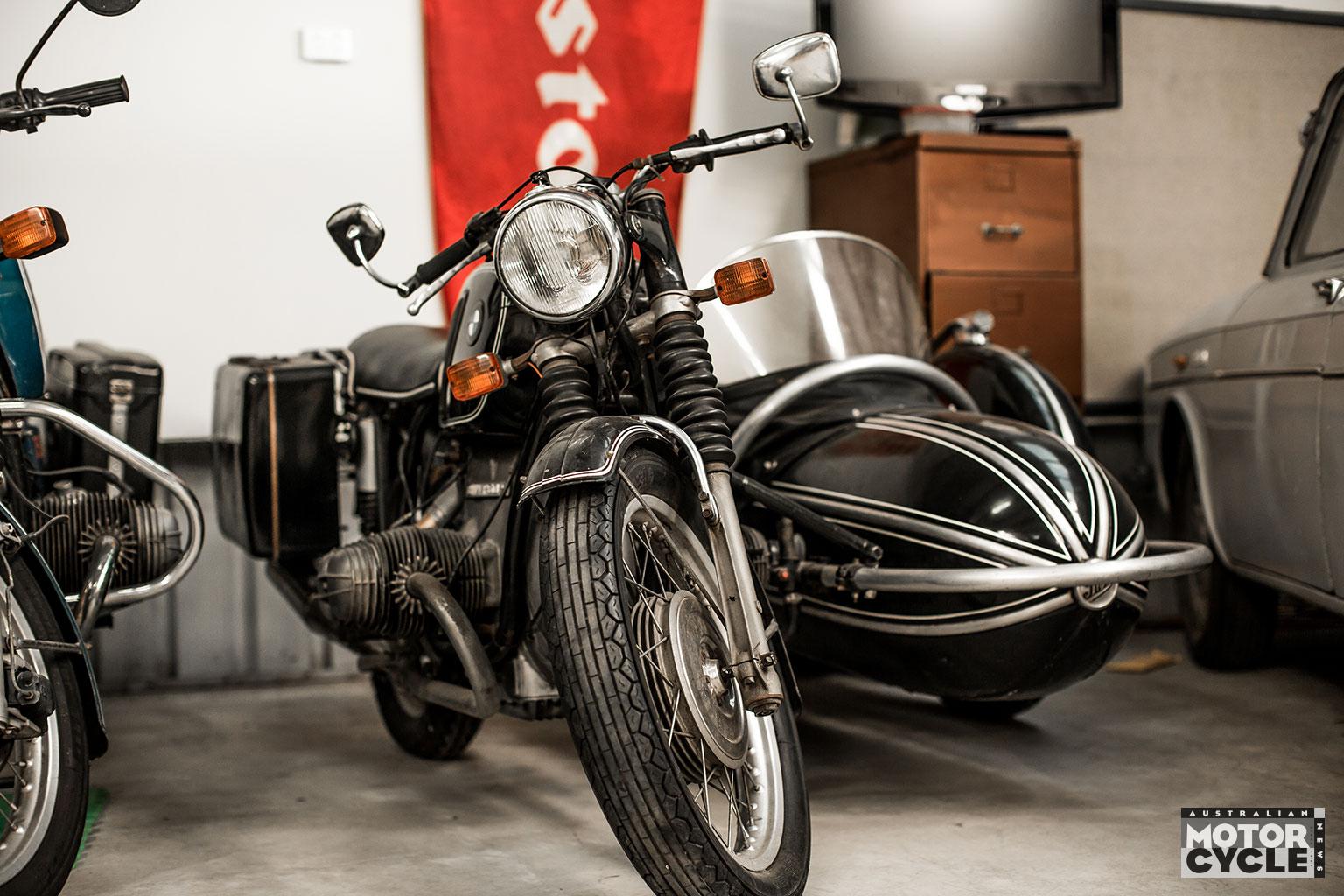
“I’ve never actually stopped him to ask him, because he’s always been going the other way, but I’ve always seen that outfit and thought that’s a really interesting way to do it.”
It wasn’t until long after his own crash that the concept began to make real sense.
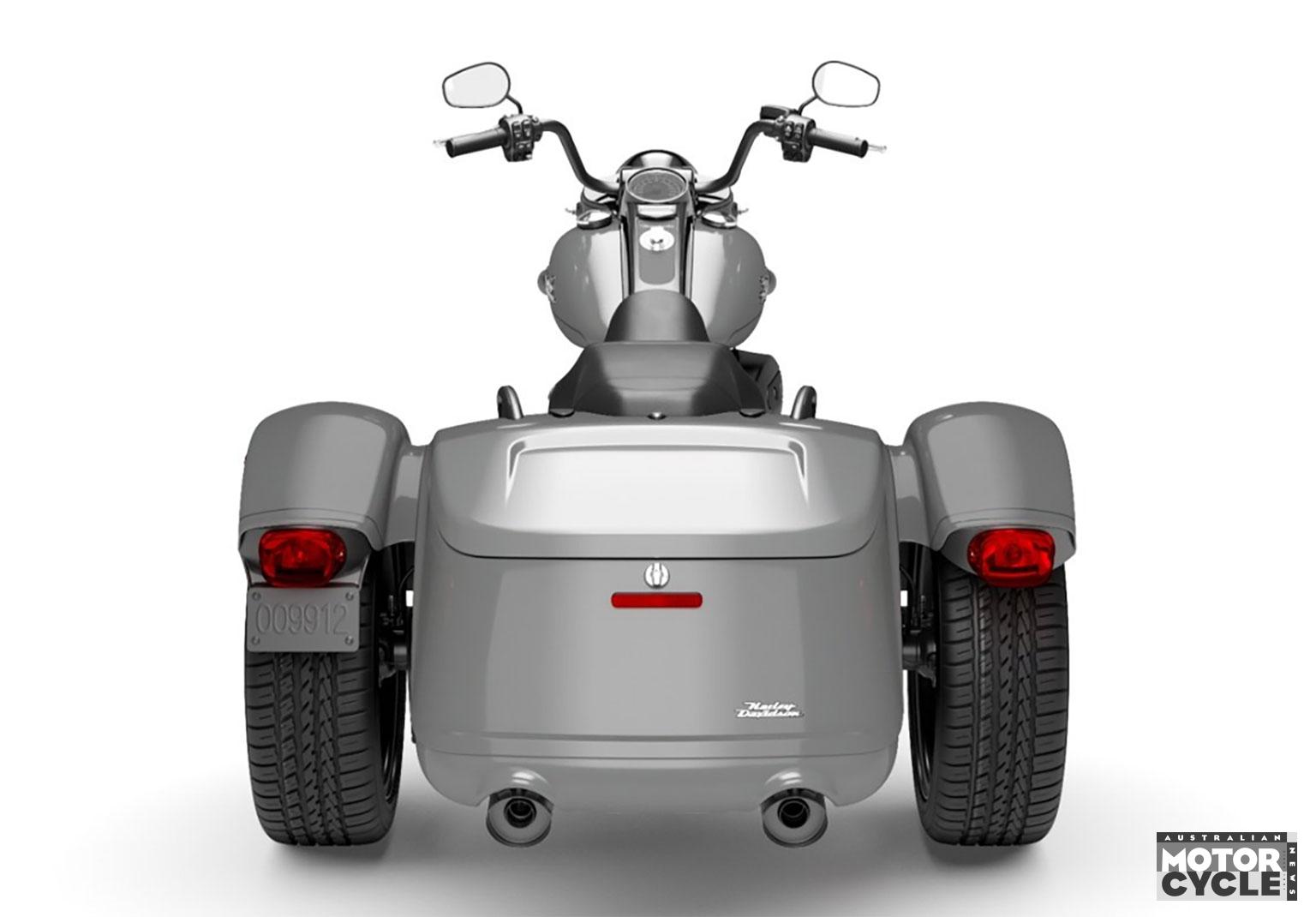
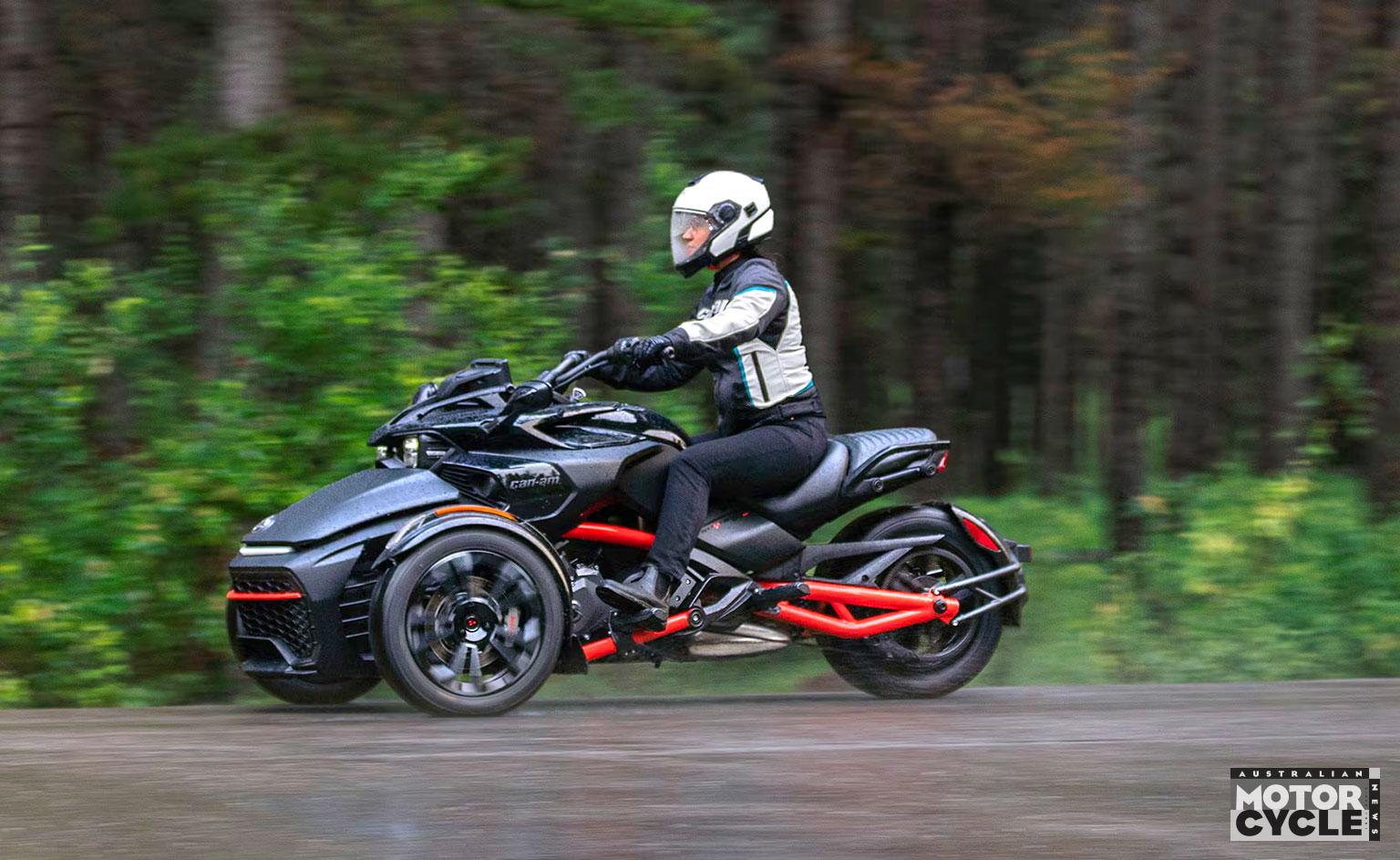
Balancing a bike was no longer an option. Mounting and dismounting had become a genuine challenge. Even a lightweight bike felt impossible due to the lack of strength in his leg. That’s when he started looking into sidecars properly. He’d seen the prices on Urals, glanced at Can-Ams, considered a Changjiang and even googled a Harley Trike. But what caught his attention was a more compact, bolt-on arrangement based around mid-capacity motorcycles. Simple, serviceable and pretty well priced for a complete set-up.
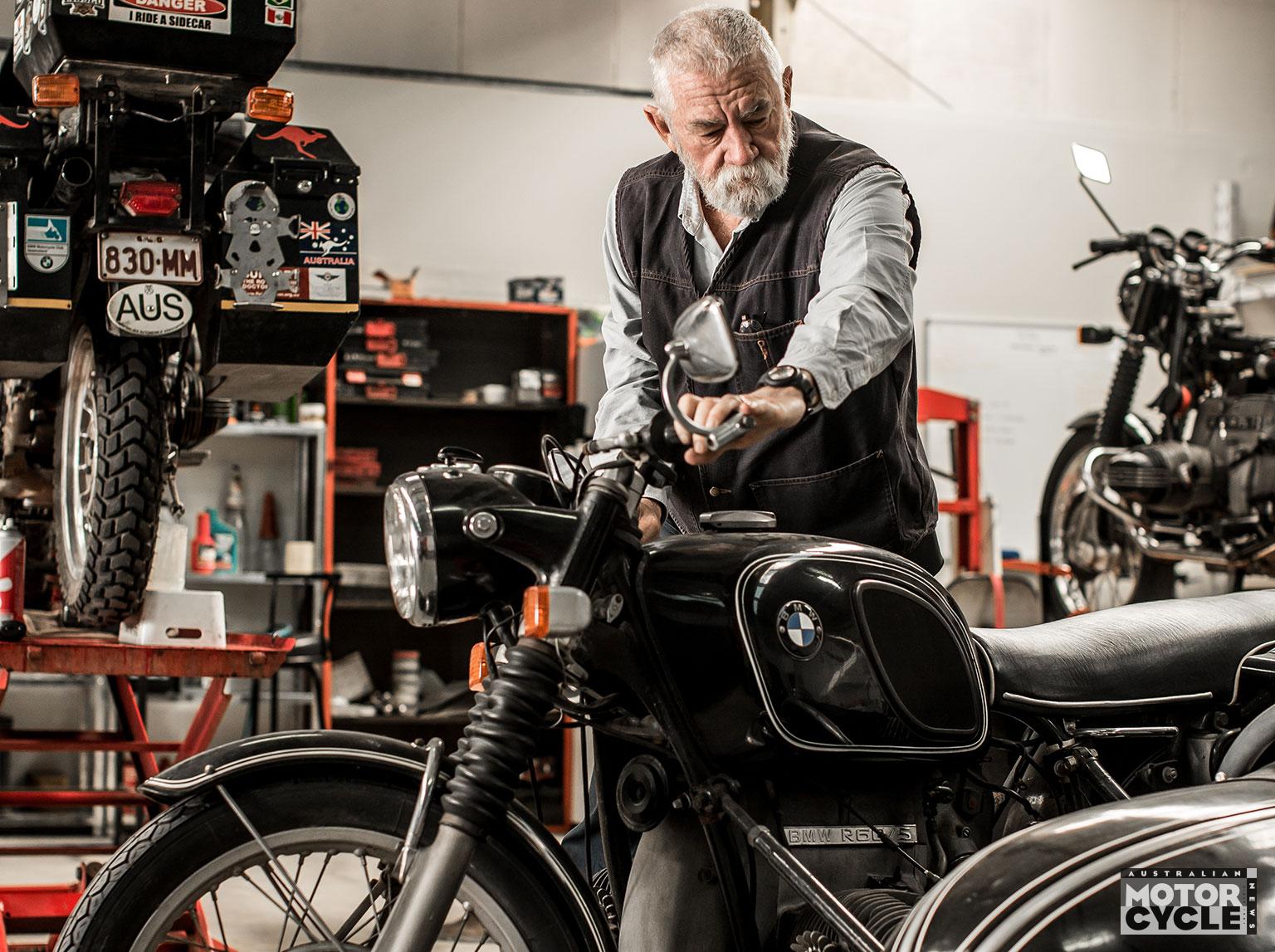
“My days of bungee strapping stuff on to a rack and then heading off for weekends are probably long gone. But because I used to go to rallies all the time back in the 90s, it was great,” adds Simon. “But I think with a sidecar, it’s just got that little bit more comfort, you know; plug-in fridge into the cigarette lighter…”
Simon’s not alone. Across Australia, older riders and those recovering from injury are turning to three wheels. Some have injuries that limit balance or strength. Others have lost their nerve after being hit or seeing too much go wrong. For them, a sidecar could be the solution.
Choosing the right set-up
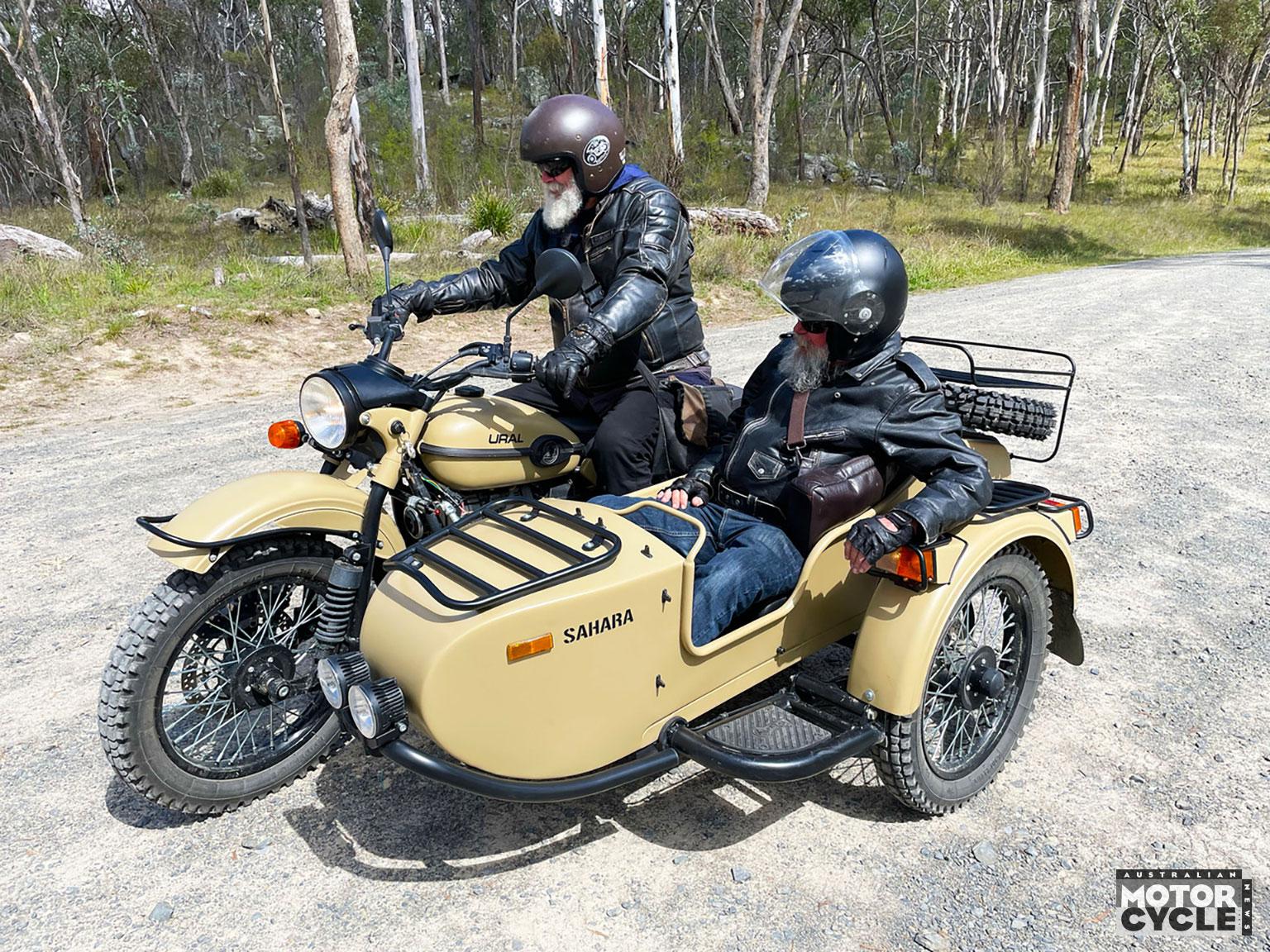
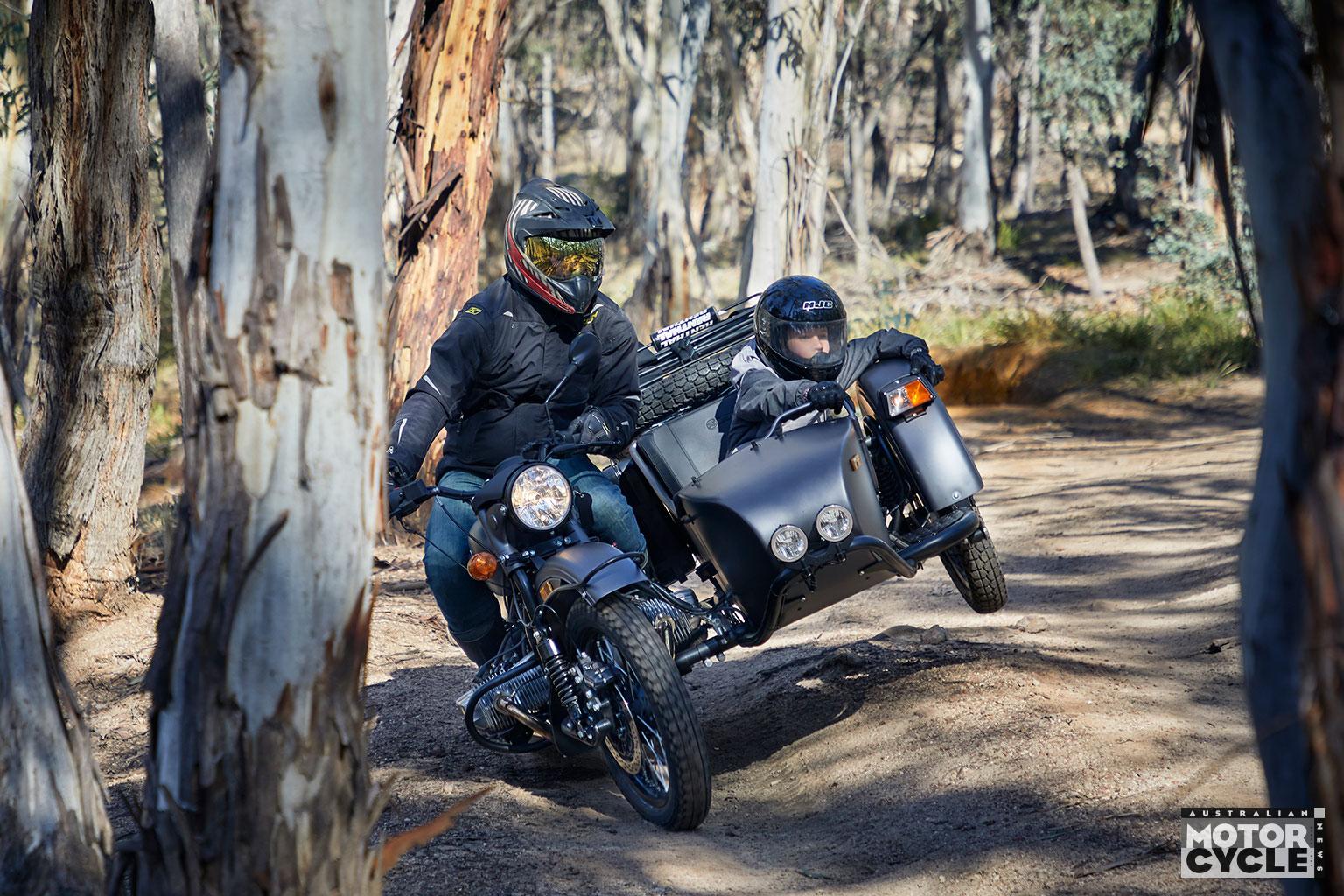
For riders exploring the idea seriously, the path tends to fork early. Do you want something purpose-built or a more affordable bolt-on set-up? At the high end sit models like the Ural Gear Up, complete with selectable two-wheel drive, reverse gear and serious off-road intent. They’re made to take a beating and pack heavy, but the starting price hovers around $35,000 ride away.
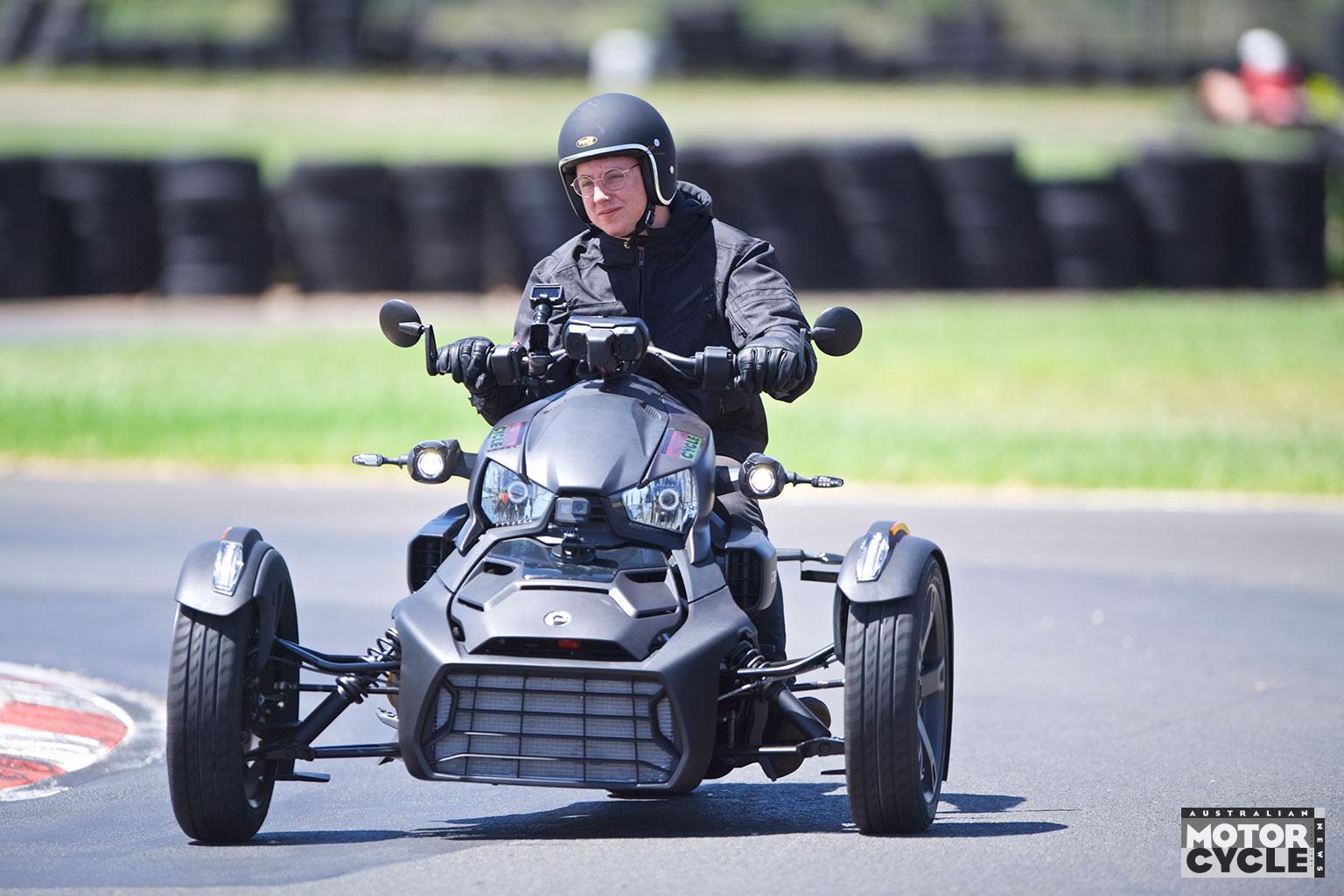
There are also full outfits from Chinese brand Changjiang, styled to mimic the M72 military rigs of the past. And while three-wheeled Can-Ams offer stability and power, they’re closer in feel to a snowmobile than a motorcycle. And for many riders, that’s missing the point.
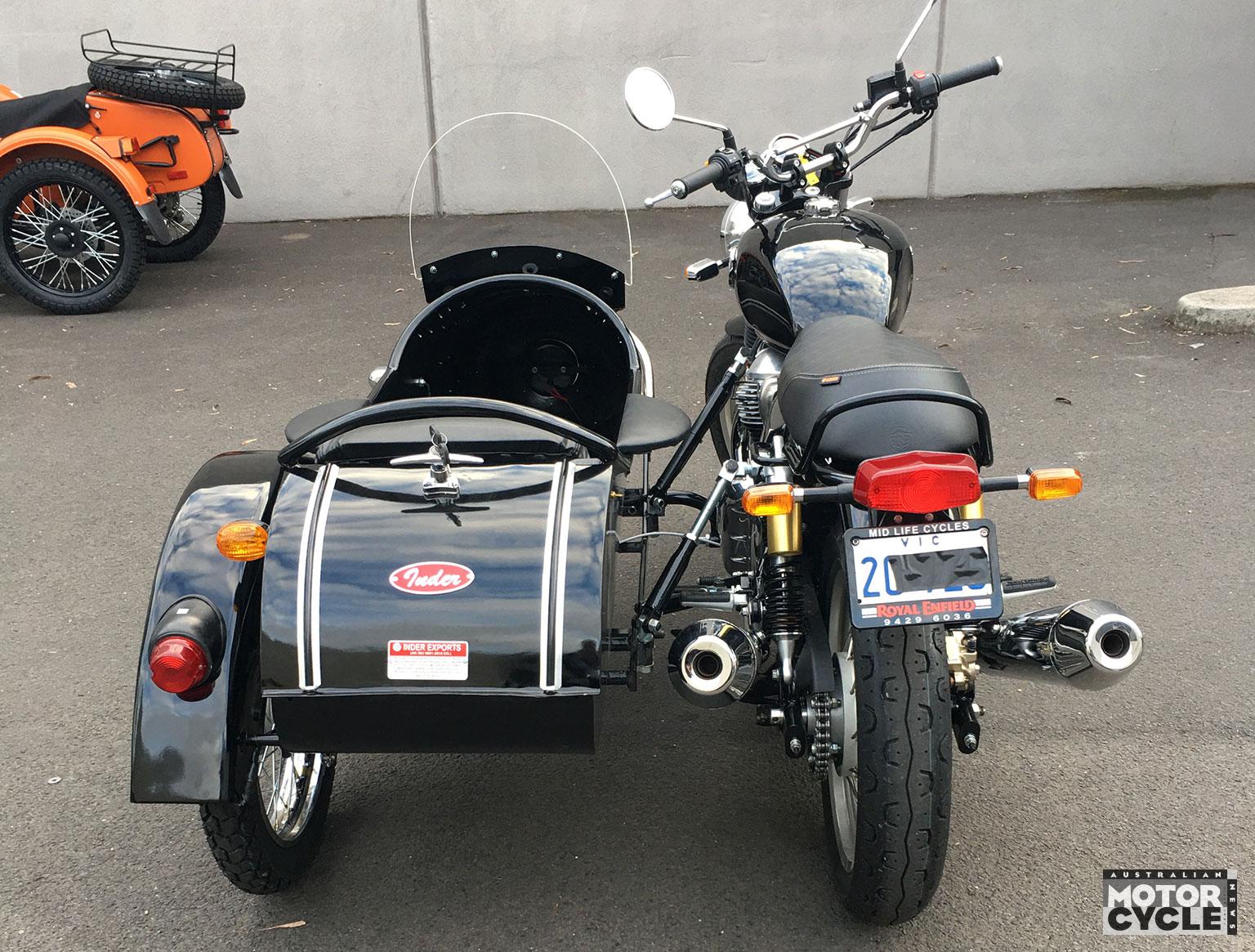
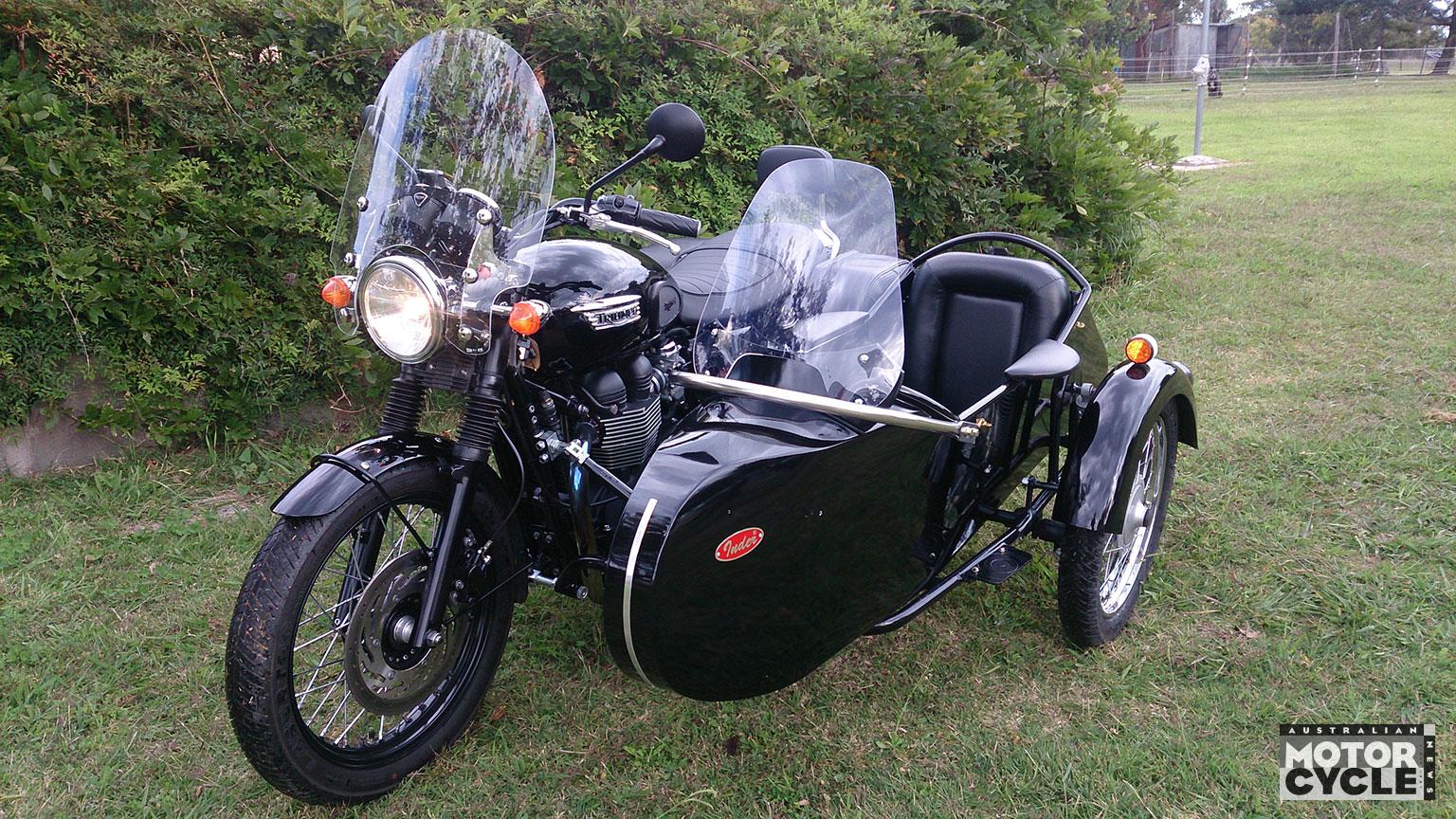
The more accessible option for most is a bolt-on sidecar fitted to a mid-capacity bike. A well-sorted 500cc or 650cc twin can handle the weight without requiring major structural changes, and models like Inder’s retro-style sidecars are designed with this kind of set-up in mind.
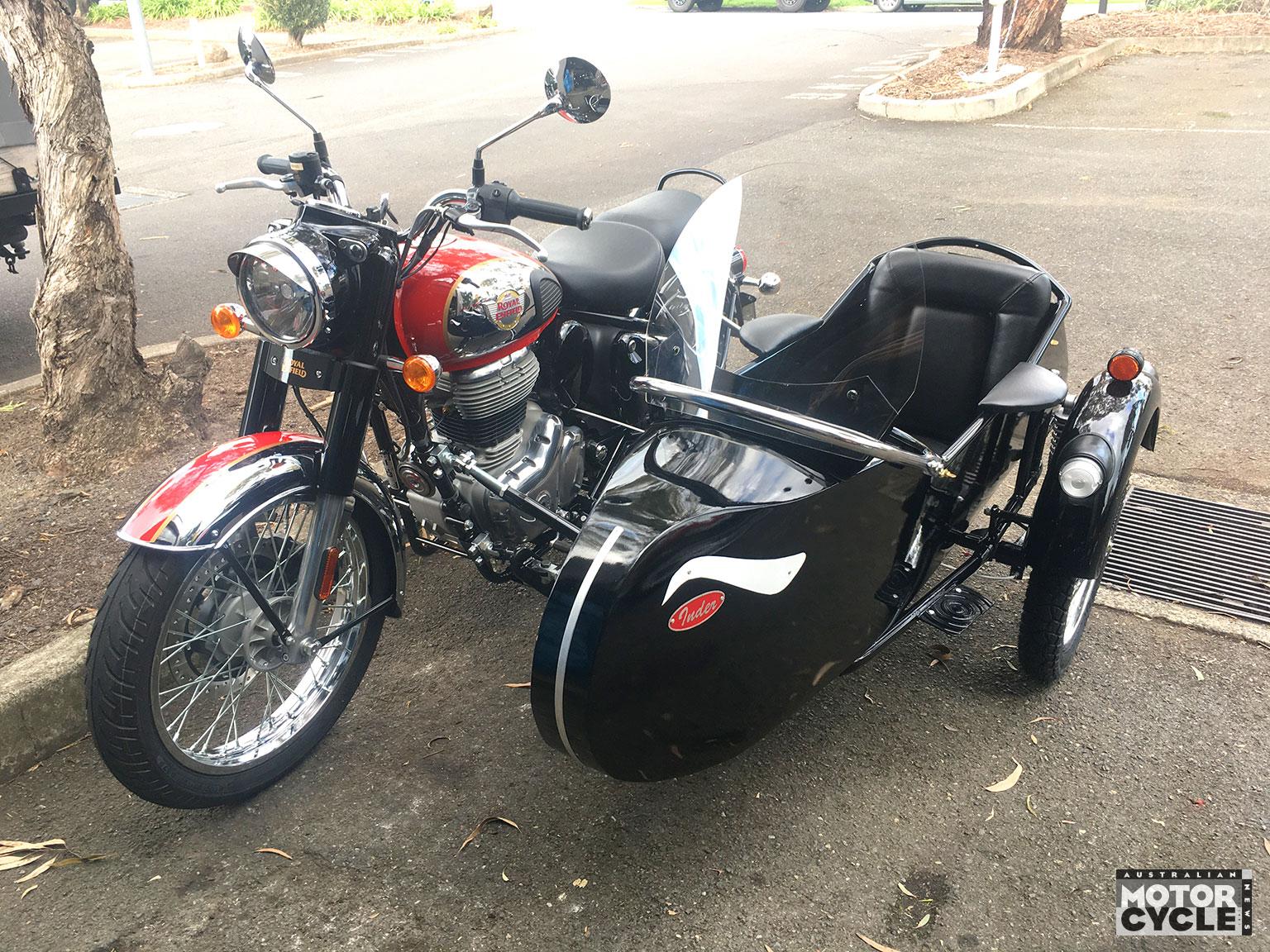
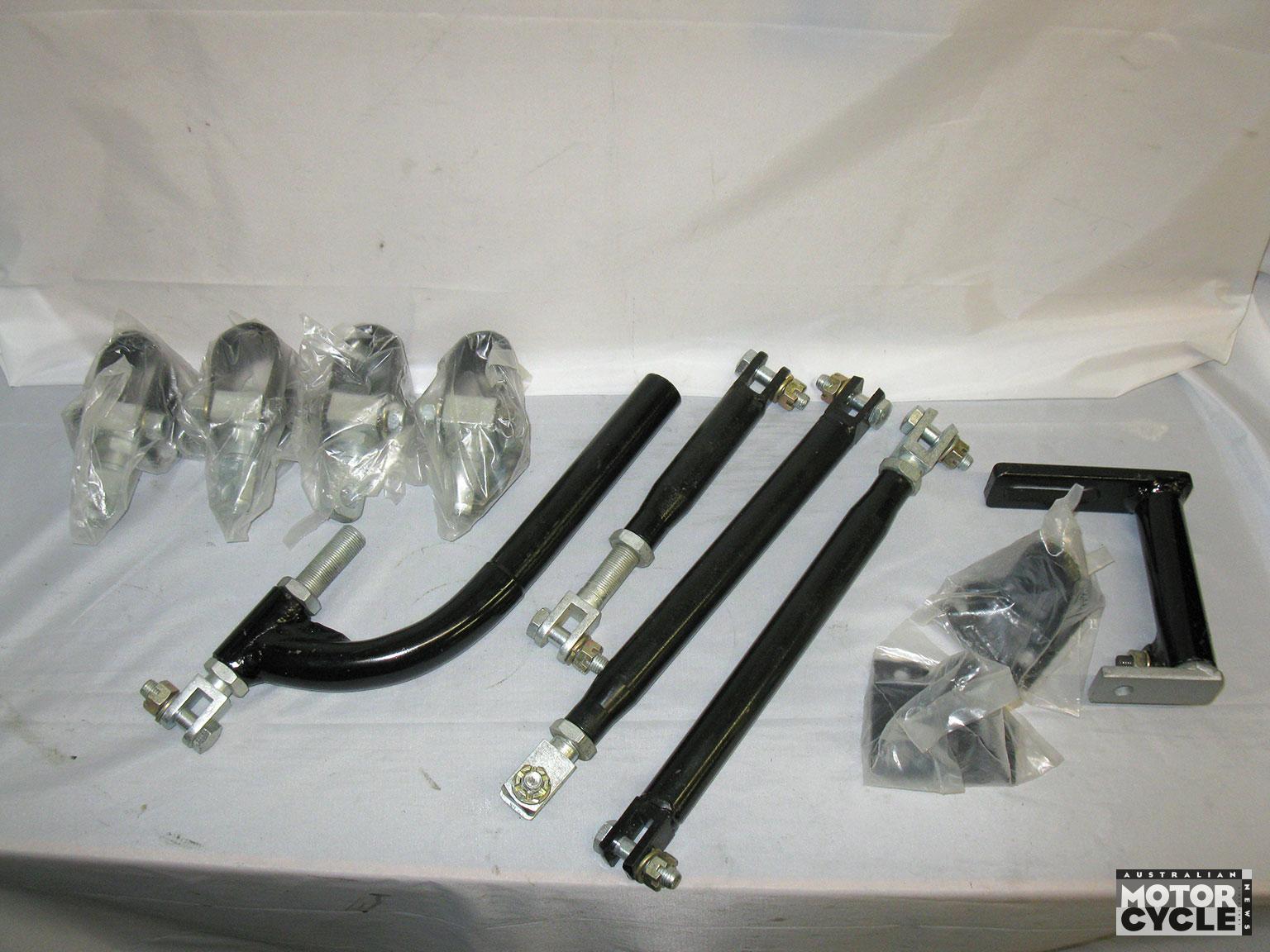
They’ve been produced in India for the past 36 years. Victorian-based dealership EuroBrit has been the official Australian importer since 2010, bringing in more than 22 containers to meet the demand. The sidecar kits sell for $5500 and include a universal bolt-on fitting system, so there’s no welding required and, in most states and territories, no engineering sign-off needed.
“We’ve fitted them to BMWs, Kawasakis, Harleys and plenty of Royal Enfields,” says Derek Rawlings, who has worked at EuroBrit for 21 years. “They go on really well with anything in that mid-weight category. They weigh just 85 kilos, so they go on a smaller bike really well, and it can be a very much do-it-yourself thing if you’ve got a bit of mechanical nous. We provide instructions on how to set up the toe-in and the lean-out and everything else, which is very crucial, but you don’t have to be an engineer.”
Fitting and set-up costs
There’s more to riding with a sidecar than bolting one on and hitting the road. It’s a different machine entirely – not just in feel, but in the physics. Unlike a solo, a sidecar outfit doesn’t lean into corners. Steering effort increases, weight shifts unpredictably and the rig will pull in one direction when accelerating and the other when braking.
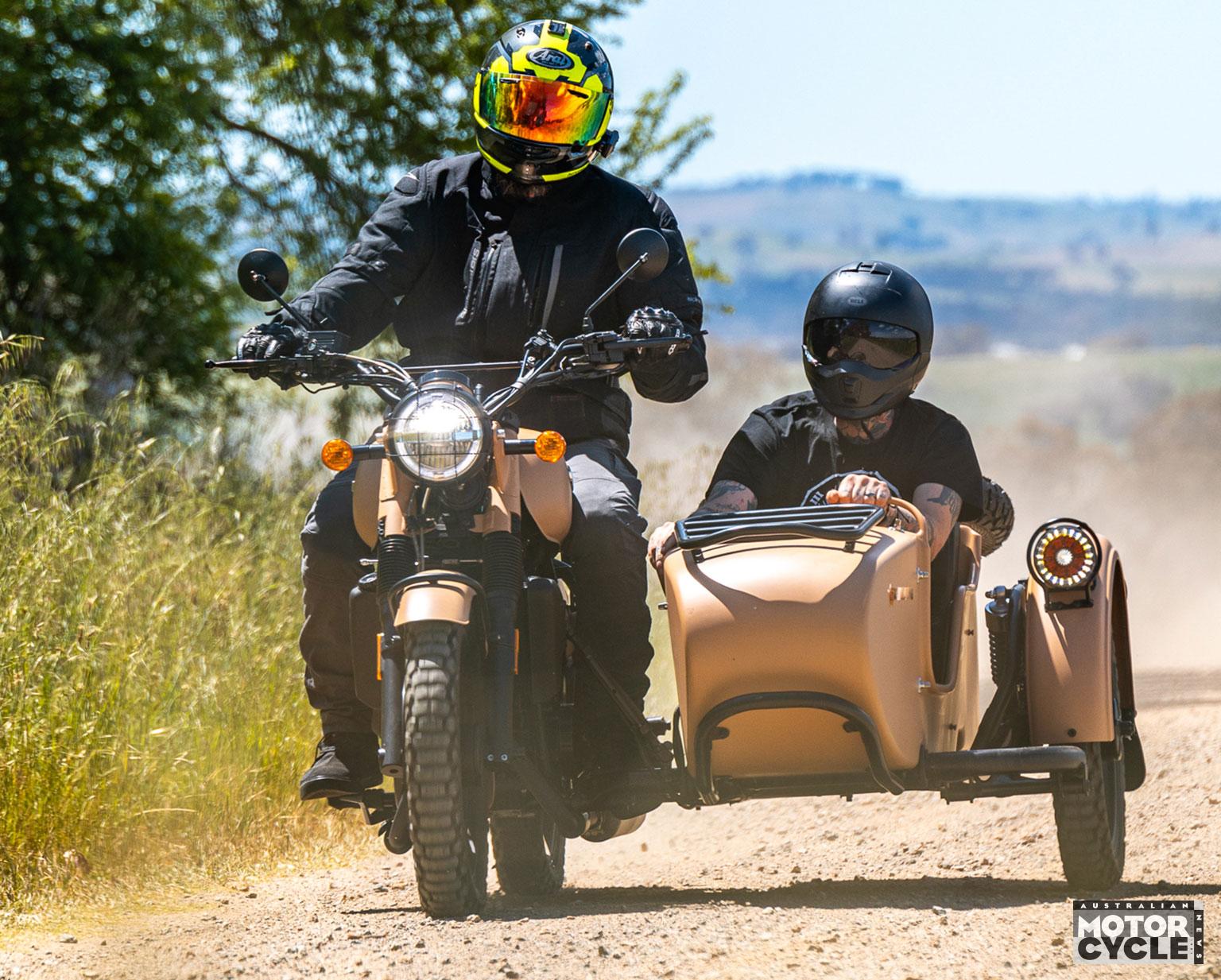
“It’s a totally different set of rules than riding a motorbike,” says Simon. “You know, you throw that out the window.”
Despite how different it is, no additional licence is required to ride a sidecar outfit. Simon isn’t so sure that’s ideal. “I think it’s like people with cars who tow caravans,” he says. “You don’t need a different licence, but you do need training.”
That learning curve makes proper set-up critical. Toe-in and lean-out adjustments must be dialled in to ensure the outfit tracks straight with a rider on board. Inder sidecars come with fitting instructions and, while many owners install them at home, EuroBrit does offer fitment for an additional cost. It even has a qualified engineer on hand for those who want the added peace of mind.

“A lot of people have their sidecar fitted by us, but we have an engineer that fits them too, but you could be looking at between $3000 to $4000 for him, depending on the bike.”
It’s a decent add-on, considering the units themselves cost $5500, and that includes the full fitting kit, valued at around $500. Each of the three available models come with a tonneau cover, armrests, rubber mats, wiring and a six-inch drum brake. The brake is cable-operated and can be used either as a service brake or converted to a handbrake. EuroBrit typically sets it up to piggyback off the bike’s rear brake, helping the outfit pull up squarely.
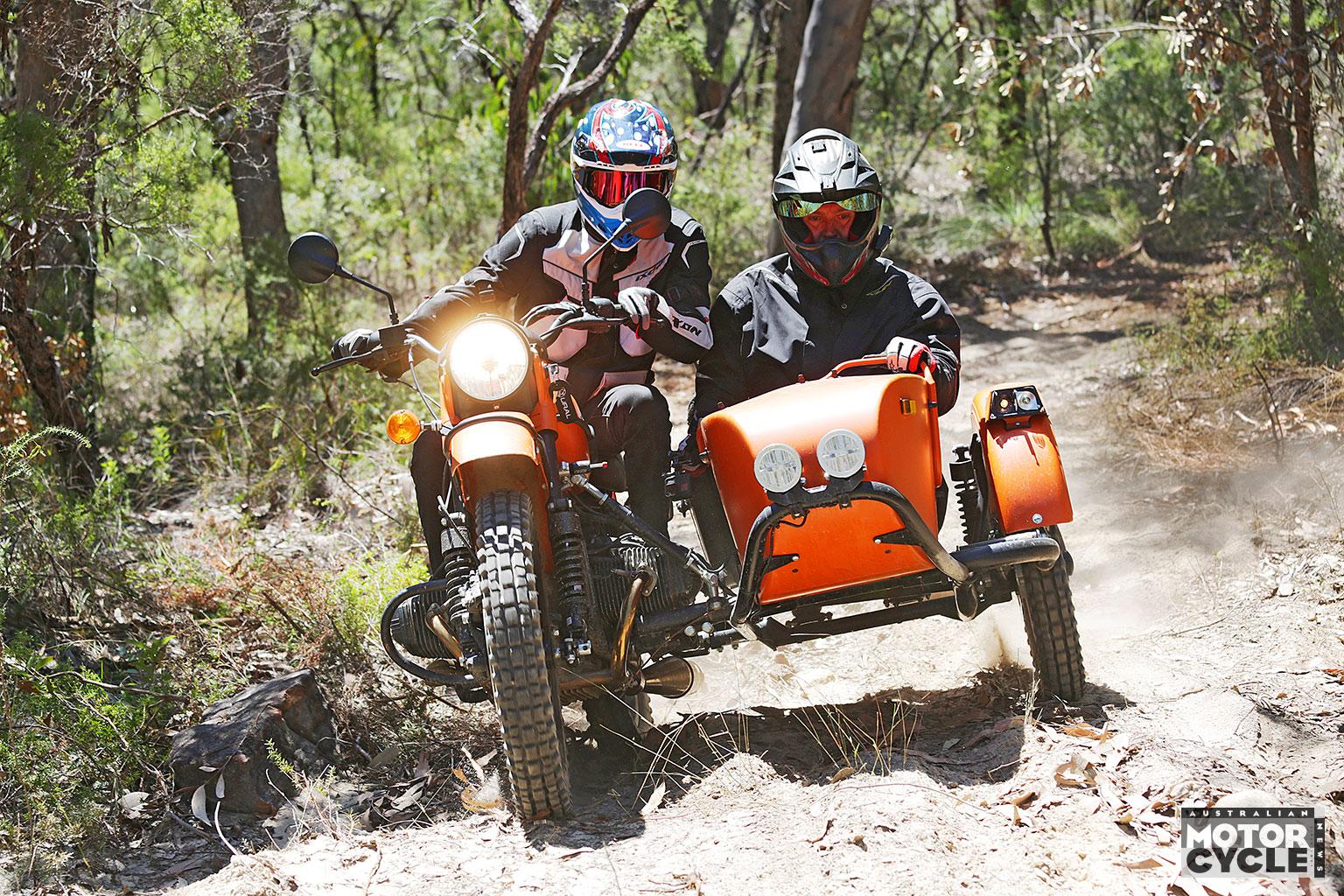
Because they’re so light, a leading-link fork isn’t required, although Derek says a steering damper is often added to manage low-speed head shake. “You might want to add a steering damper just to take out any low-speed shimmies you might get around about 40 kilometres an hour,” he says.
Fitting a sidecar to a new motorcycle will almost certainly void the manufacturer’s warranty. Royal Enfield Australia confirmed that any bike modified in this way is no longer covered – a stance that’s likely to be echoed across most brands. It’s one reason that Simon says he’s on the search for a low-kilometre secondhand bike rather than buying new.
However, Derek reckons a lot of people aren’t too concerned about warranty implications, but adss that running in a bike properly is important.
“We suggest people run that bike in first anyway and break it in a bit before you actually put a sidecar on it,” he says. “Particularly if it’s a smaller-capacity bike.”
While the Inder remains one of the most affordable bolt-on outfits on the market, riders weighing it against larger-capacity outfits may find the gap narrows once extras like reverse gear, cast wheels for tubeless tyres, a spare wheel or luggage racks are factored in.
Compliance and training
Licensing requirements are simple. As long as you hold a motorcycle licence, you’re eligible to ride one fitted with a sidecar. However, registration compliance varies by state. The good news is that Inder sidecars don’t require any welding or frame modification.
“In Victoria particularly, you don’t need a compliance or any sort of certification because it’s a bolt-on unit,” Derek says. “But I think in New South Wales, there is some certification process, but I think all of the others are okay.”
While there’s no additional licensing hoops to jump through, training is recommended. Simon knows how much the crash has changed things, and if he’s going to make the move to three wheels, he wants to get the most out of it.
“I’d rather go to one of the rider-training courses and specialise in sidecar control and say, ‘Hey, give me a couple of days of lessons in what to do’,” he says.
A word of warning though: While you don’t need a different licence, you will need to notify your insurer. Adding a sidecar can increase your compulsory third party premium due to the extra seating capacity, and comprehensive cover isn’t available from all insurers. Some treat sidecars as accessories, others as modifications, but either way, failing to declare it could void your cover. You may be asked to provide details of the mounting kit or fittings, especially if it’s a welded or frame-joined set-up.
Other players
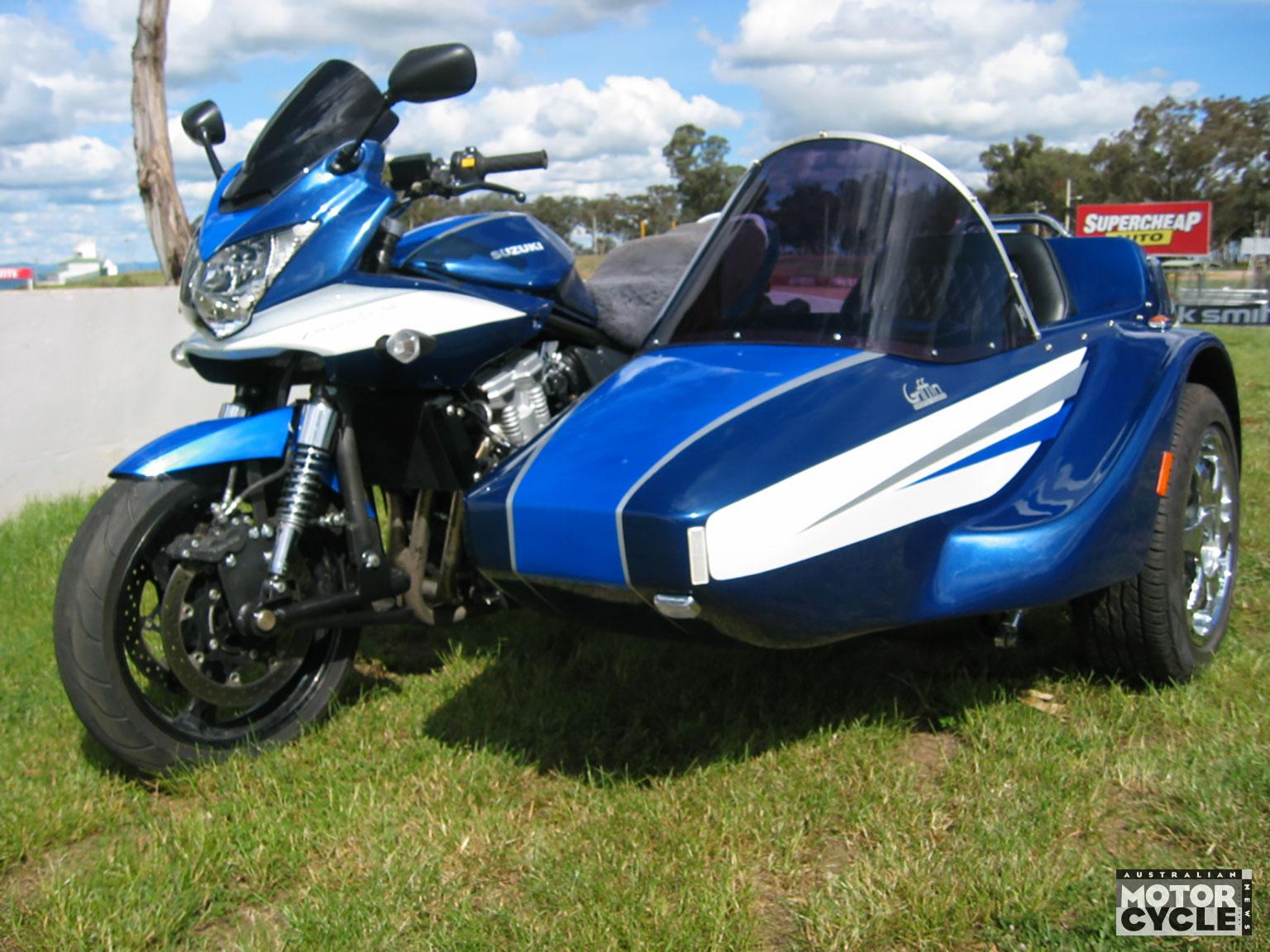
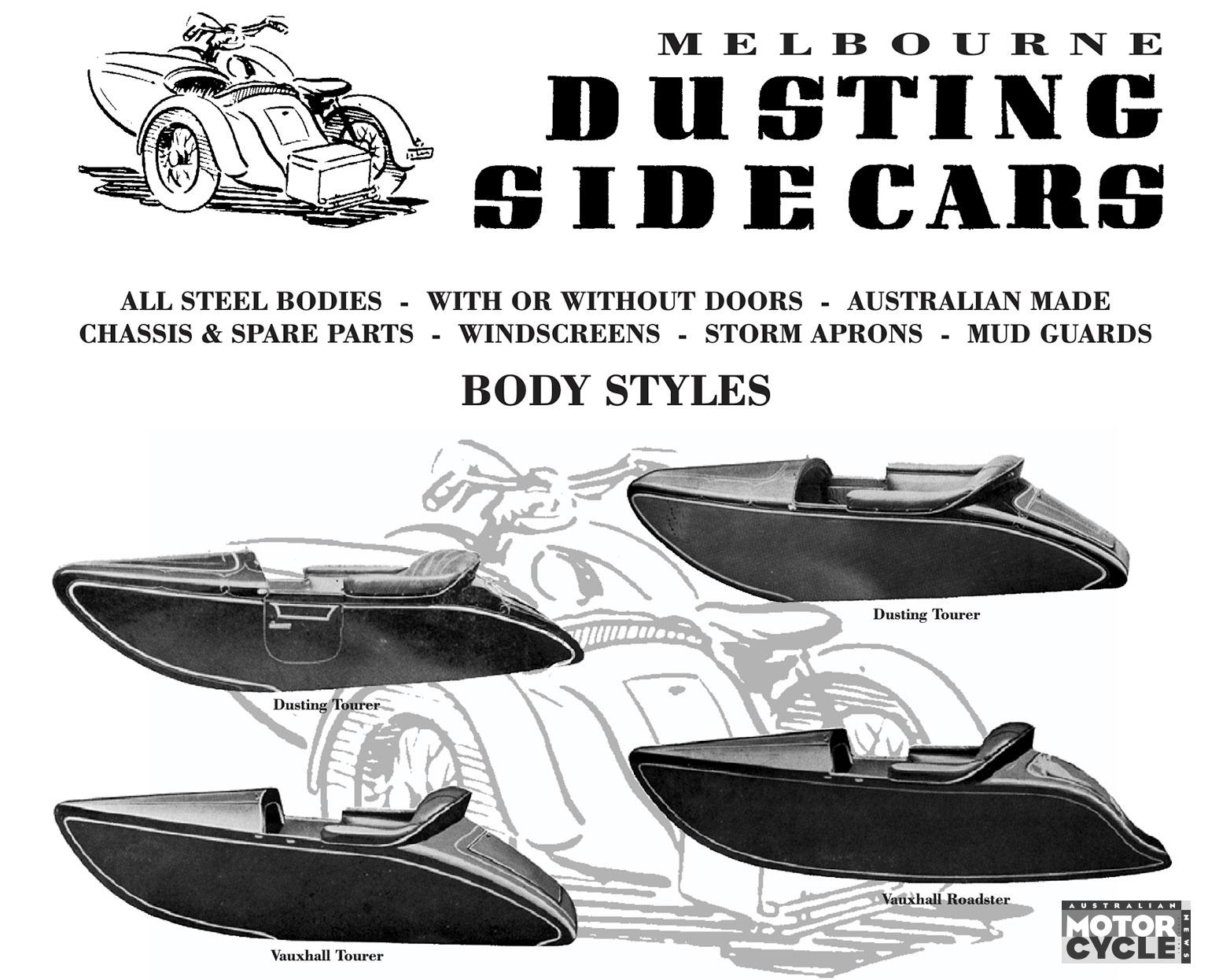
While the Inder kit is one of the few true bolt-on sidecar solutions available in Australia, it’s not the only option. Premier Sidecars in Bathurst also offers bolt-on systems and complete custom outfits. It manufactures leading-link front ends, has its own sidecar disc-brake system and supports it all with repairs, paintwork, wheel and tyre upgrades, upholstery and fibreglass work. Melbourne Dusting Sidecars builds bespoke bodies for Triumphs, Harleys and modern classics, while international options like the UK’s Watsonian offer universal bolt-on fittings that often require dealer-certified installation.
The appeal isn’t limited to riders recovering from injury either. Simon knows others facing similar choices – a mate who shattered his shoulder and femur after hitting a power pole while riding a LAMS-approved Ducati Monster, another with “70 stitches in his guts” after coming off a BMW S 1000 RR. The bloke who hit the pole had ordered a Ducati Streetfighter V4 just before the accident and it still hasn’t turned a wheel.
“You know, with the amount of accidents and traffic on the road, there’s gotta be other people who have done this before or who are in the same position as me,” Simon says. “They want to get back into it, but physically can’t.”
He’s not looking to commute, or battle city traffic, or chase lap times. What he wants is a machine he can trust. Something stable. Something that lets him load up, head out with mates and feel part of it all again.
“My aim is to sort of do social stuff rather than ride every day. And when I retire, I want to do the big lap.”
A sidecar outfit won’t undo what happened to Simon. It won’t bring back the strength in his leg or reverse the damage that’s made ordinary riding impossible. But it’s a potential mechanical workaround for something that might never heal, and a reminder that for some riders, three wheels is better than none.

A Vincent and a Dusting
In 1985, The Classic Motor Cycle profiled Melbourne’s Neville Dickson, who spent eight years restoring a 1951 Vincent Rapide while confined to a wheelchair. What started as a basket-case engine and a dream became an award-winning build: Neville’s Rapide earned the Best Basket-Case Restoration trophy at the 1983 International Vincent Rally.
The restoration was painstaking. With limited mobility, he relied on a home-built workbench, a lifting jig, countless phone calls and endless part-hunting to bring the bike back to life. To complete the project, he added a locally made Dusting sidecar, refurbished in his own garage, so he could finally experience the machine he had spent so many years building.
That first 100km outing, riding in the sidecar while a friend took the controls, was the culmination of nearly a decade of determination. The Rapide and Dusting outfit stands as a testament to what’s possible with patience, ingenuity and a refusal to give up. Special thanks to long-time reader Neil Blunt for sending in the original article.
What’s the Inder range?
Rocket
Styled after classic Steib outfits, the Rocket delivers sleek retro looks with $5500 pricing. It includes an 18‑inch wheel available in either wire‑spoked or cast alloy form, a six‑inch drum brake, lockable boot, adjustable shock absorber, small windscreen, tonneau cover, headlight, clearance lights, wiring loom, rubber mat, armrests and universal fitting kit. Ideal for riders who want a clean, low‑profile set-up.
Retro Royal
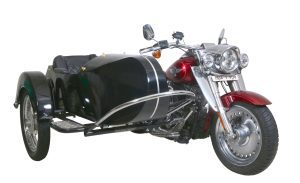
For those wanting more interior space, the Retro Royal offers a boxier post‑war aesthetic. It shares the $5500 price tag and the same universal bolt‑on kit and brake, plus a small windscreen, adjustable shock absorber, tonneau cover, lockable boot, full wiring loom, clearance lights and rubber mat. You can choose between a wire‑spoked or cast 18‑inch wheel.
Bemer
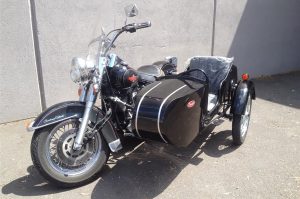
The Bemer shares the same price, bolt‑on kit, 18‑inch wheel (spoked or cast), lockable boot, tonneau cover, adjustable shock absorber and clearance lights as the Retro Royal. What sets it apart is a low step‑in design and a tall windscreen that improves comfort and protection.
Scooter option
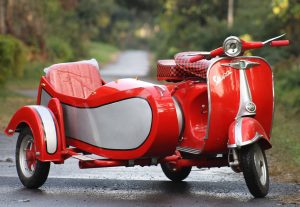
Inder’s Rocket is also available in a scaled-down version for Vespa PX‑style scooters. Priced at $3500, it features a 12‑inch wheel and comes primed for painting in the rider’s colour of choice.
Changjiang’s choices
CJ650B (LAMS approved)
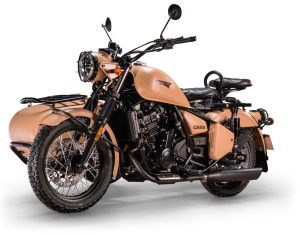
649cc liquid-cooled parallel-twinz
Reverse gear
Kerb weight 365kg
From $25,500
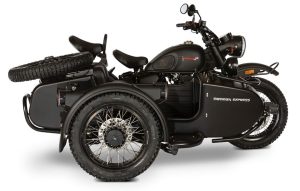
CJ700B
693cc liquid-cooled parallel-twin
Reverse gear
Kerb weight 387kg
From $28,950
Ural’s offerings
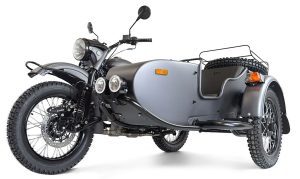
2WD Gear Up Standard
745cc air-cooled flat-twin
Reverse gear + on-demand 2WD
Dry weight 331kg
From $35,350
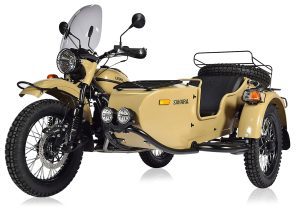
Gear Up Sahara SE
745cc air-cooled flat-twin
Reverse gear
Dry weight 335kg
From $36,350
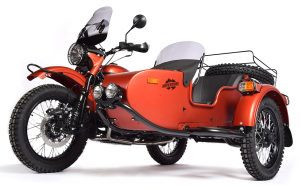
Gear Up Adventure
745cc air-cooled flat-twin
Reverse gear
Dry weight 335kg
From $34,350
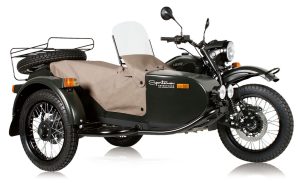
Gear Up Sportsman SE
745cc air-cooled flat-twin
Reverse gear
Dry weight 335kg
From $36,350
Harley’s line up
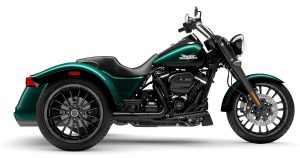
Freewheeler
1868cc Twin-cooled V-twin
Six-speed + reverse
Wet weight 513kg
From $55,250
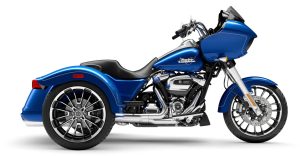
Road Glide 3
1868cc Twin-cooled V-twin
Six-speed + reverse
Wet weight 528kg
From $60,995
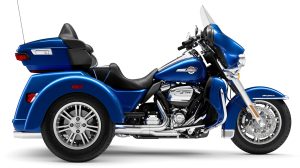
Tri Glide Ultra
1868cc Twin-cooled V-twin
Six-speed + reverse
Wet weight 561kg
From $64,995
Can-Am’s stable
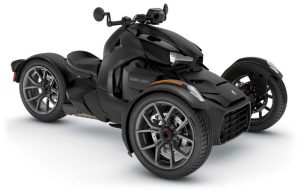
Ryker
600cc (LAMS) twin or 900cc triple
Automatic + reverse
Dry weight From 270kg
From $19,899

Spyder F3
1330cc liquid-cooled triple
Semi-automatic + reverse
Dry weight 448kg
From $40,749
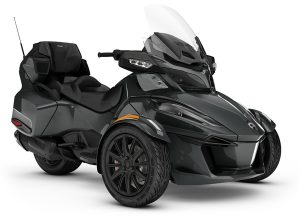
Spyder RT
1330cc liquid-cooled triple
Semi-automatic + reverse
Dry weight 463kg
From $46,349