Lightweight electric bike finally shows its cards
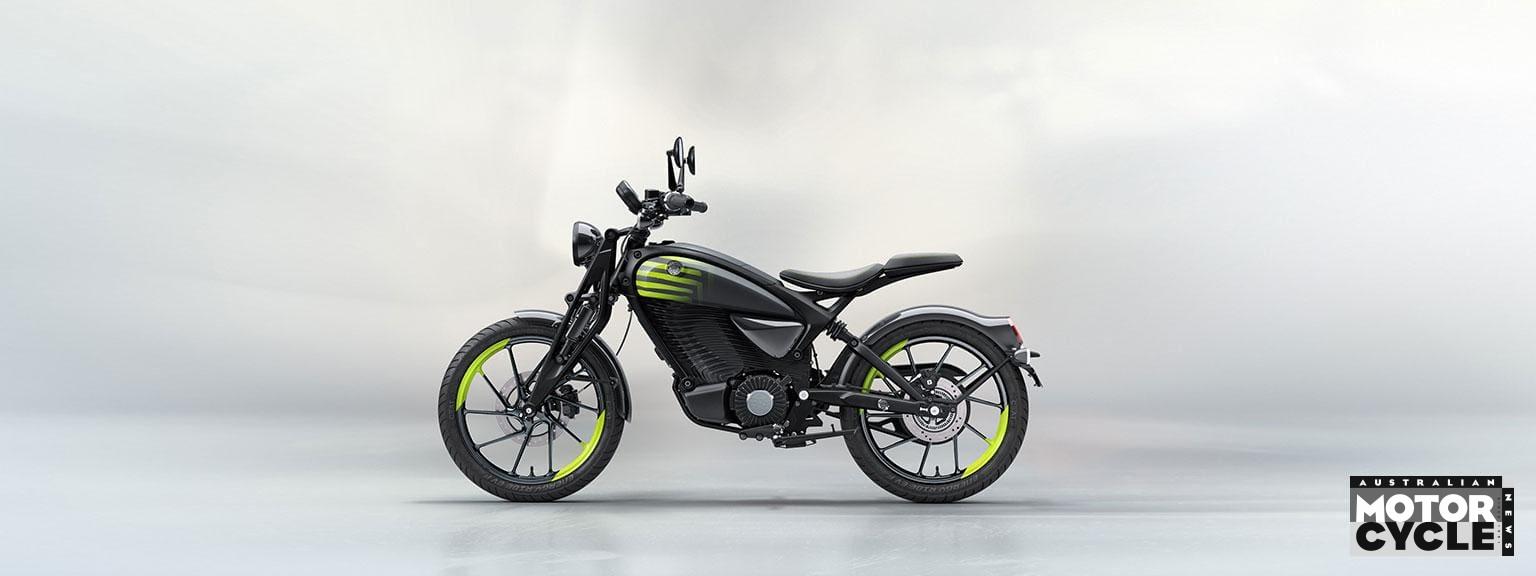
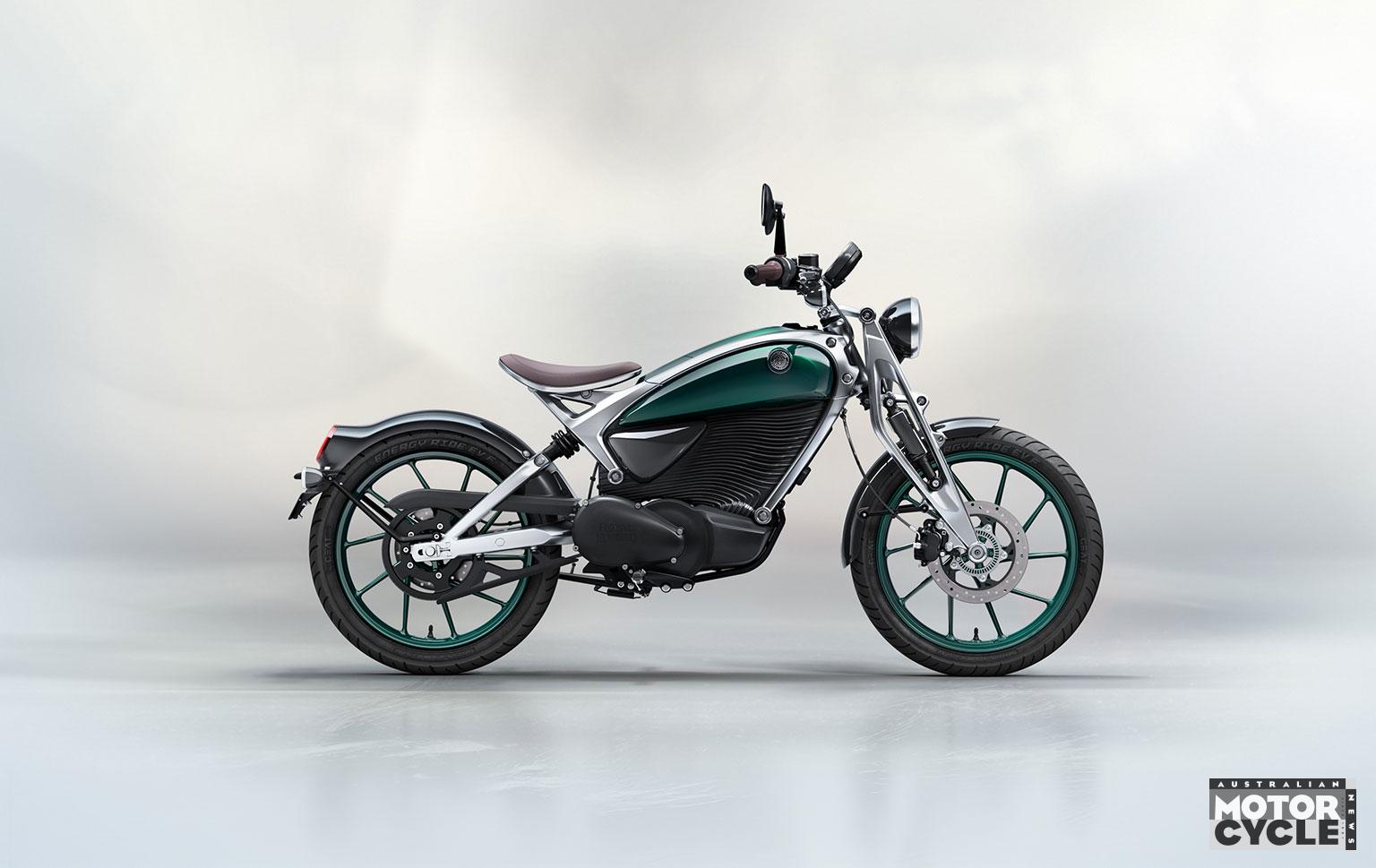
It was back in November 2024 that Royal Enfield first unveiled its Flying Flea C6 electric bike at the EICMA show in Milan – adding the scrambler-style S6 at the same event a year later – but with production only scheduled to start later in 2026 the model’s key specifications have been under wraps until now.
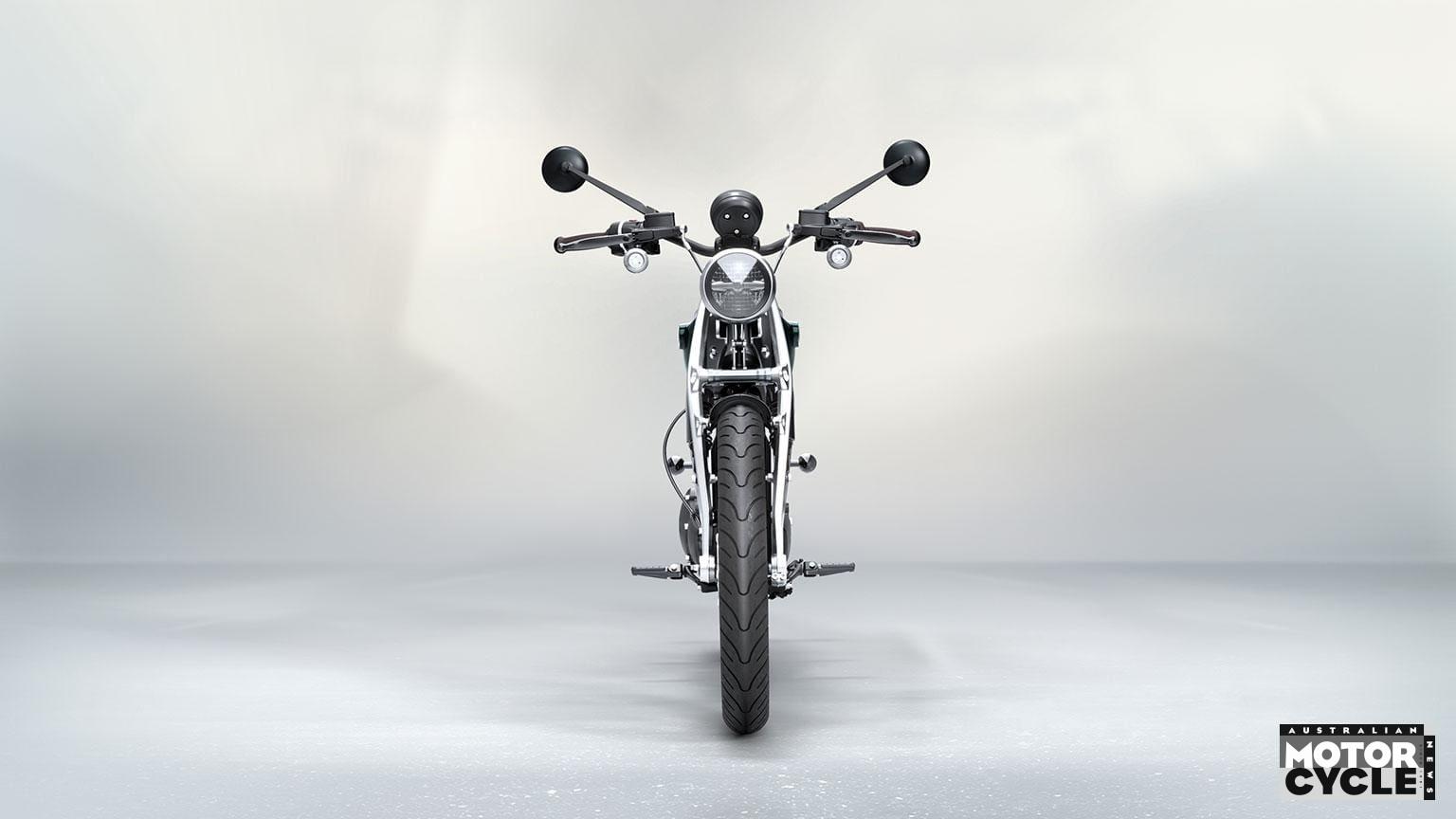
Not anymore. RE has confirmed the first key figures for the initial C6 model in the Indian market, confirming important details including the power, top speed, weight, battery capacity and range.
Let’s take them in that order. For power, the C6 claims 15.4kW from a permanent magnet synchronous motor, putting it on par with a 125cc single-cylinder combustion engined bike. As usual for electrics, the torque figure is higher than an ICE (although there’s no multi-speed transmission to act as a torque multiplier, so don’t get ideas of neck-snapping acceleration). The C6 manages 60Nm, which promises to take it 60km/h in 3.7 seconds. Five riding modes – city, highway, rain and sport, plus a user-configurable one – tweak the response characteristics and battery usage.
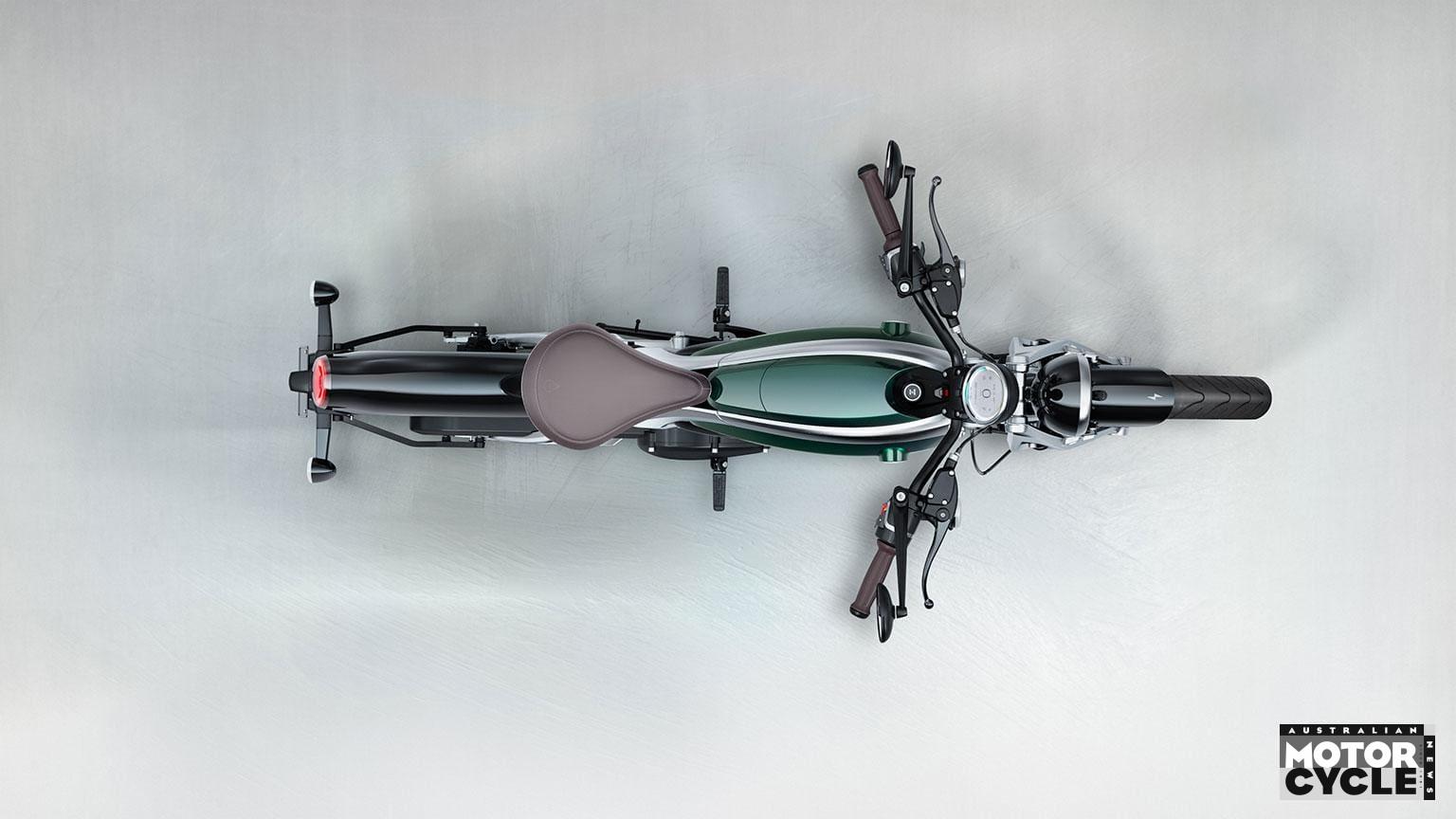
Top speed is a claimed 115km/h, again on a par with a 125cc bike, and the Flying Flea’s impressively light 124kg mass also aligns with expectations in the 125cc market.
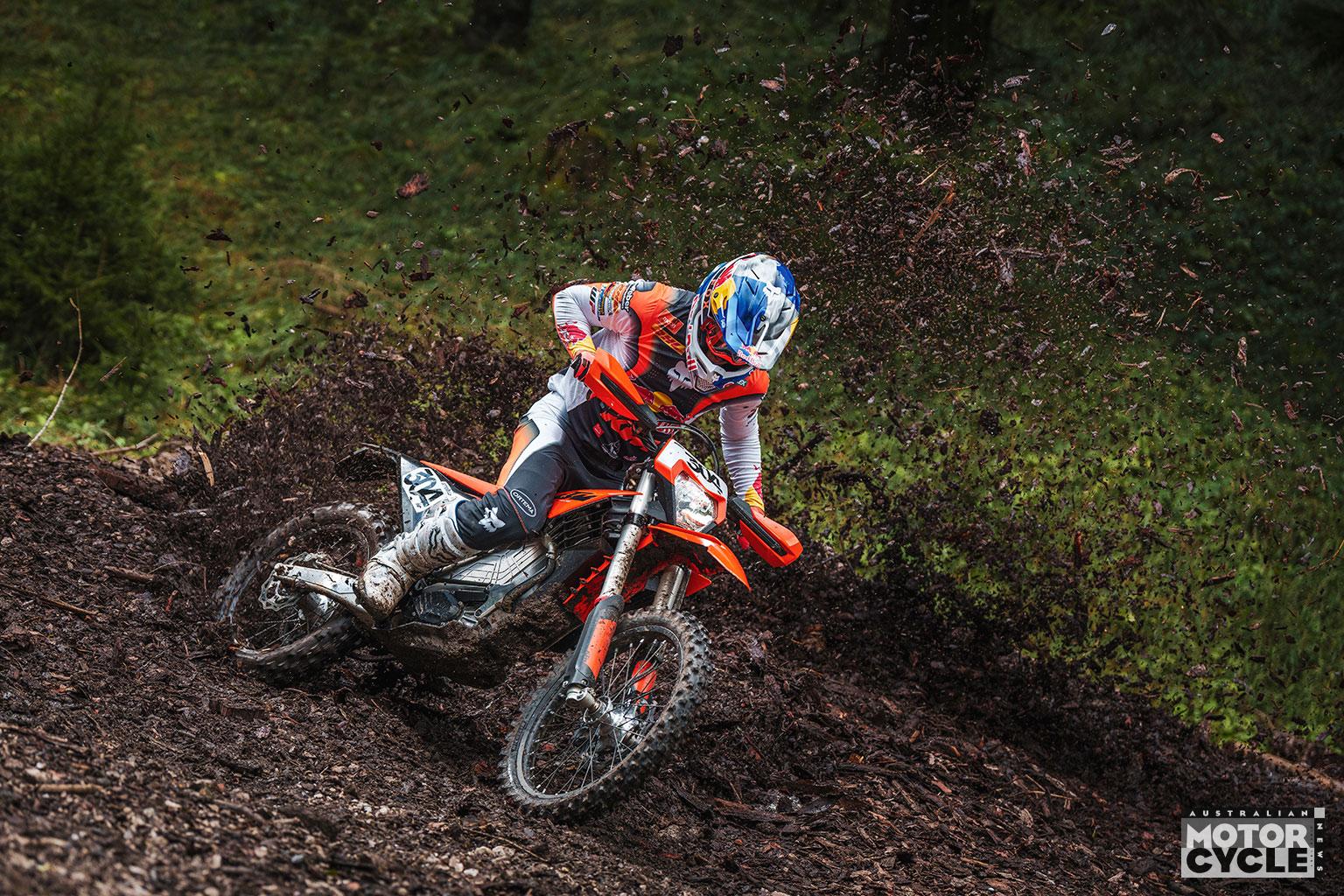
All good, then? Kinda. Making an electric bike light means cutting back on one thing: the batteries. The Flying Flea’s pack measures 3.91kWh, which is pretty tiny. Even the latest, 112kg 2027 KTM Freeride E uses a 5.5kWh battery, so don’t expect to go far on the Flying Flea. Under idealised, laboratory test conditions of the Indian Driving Cycle, it achieves a claimed 154km on a full charge, aided in part by a regenerative braking system that lets you feed power back into the battery by twisting the throttle the wrong way. Realistically, initial riding reports from Indian media suggest a real-world range of around 80km – little over half that ambitious claimed number. Variables like rider weight and ambient temperature will also impact that real world number, so everyone is likely to get different results, but the Indian Driving Cycle is known to be particularly optimistic.