Suzuki’s 776cc twins take aim at the booming retro middleweight segment… and hit hard
Inch by inch, yard by yard, the forgotten Japanese manufacturing giant that is Suzuki is working its way back towards the top table. Not by trying to set the planet on fire with tech-laden, premium-price headline grabbers but with carefully targeted and competitively priced entries.
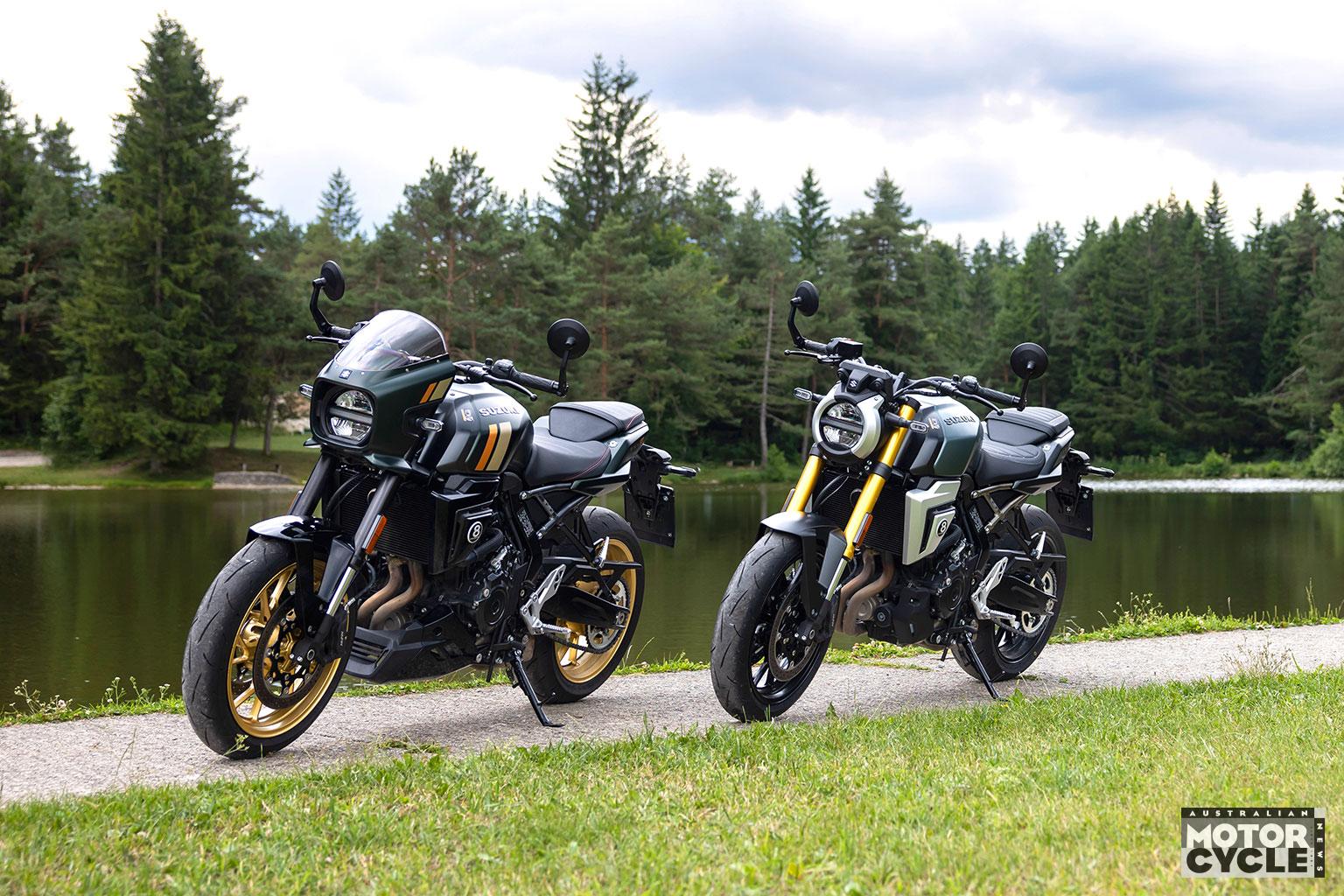
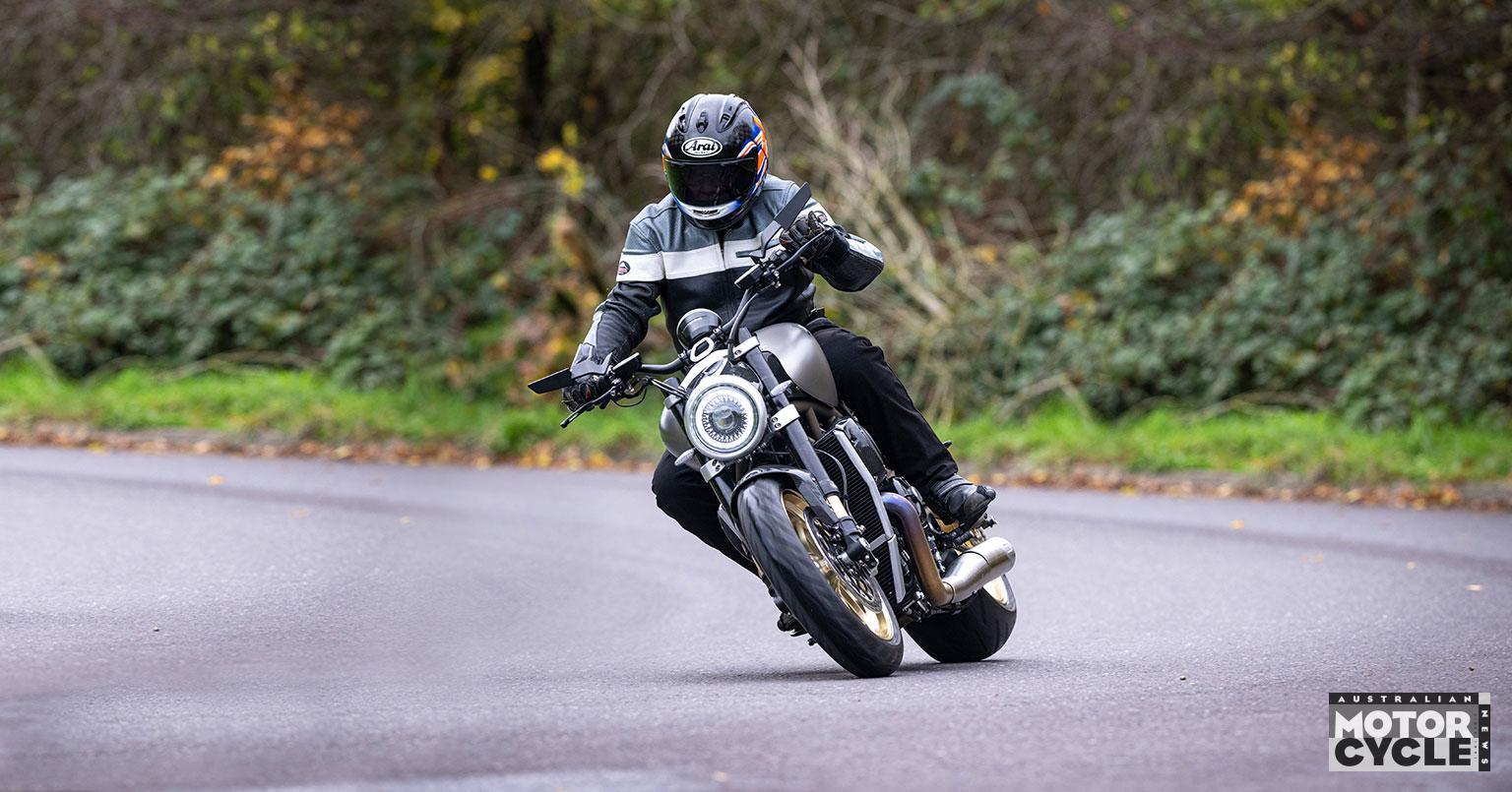
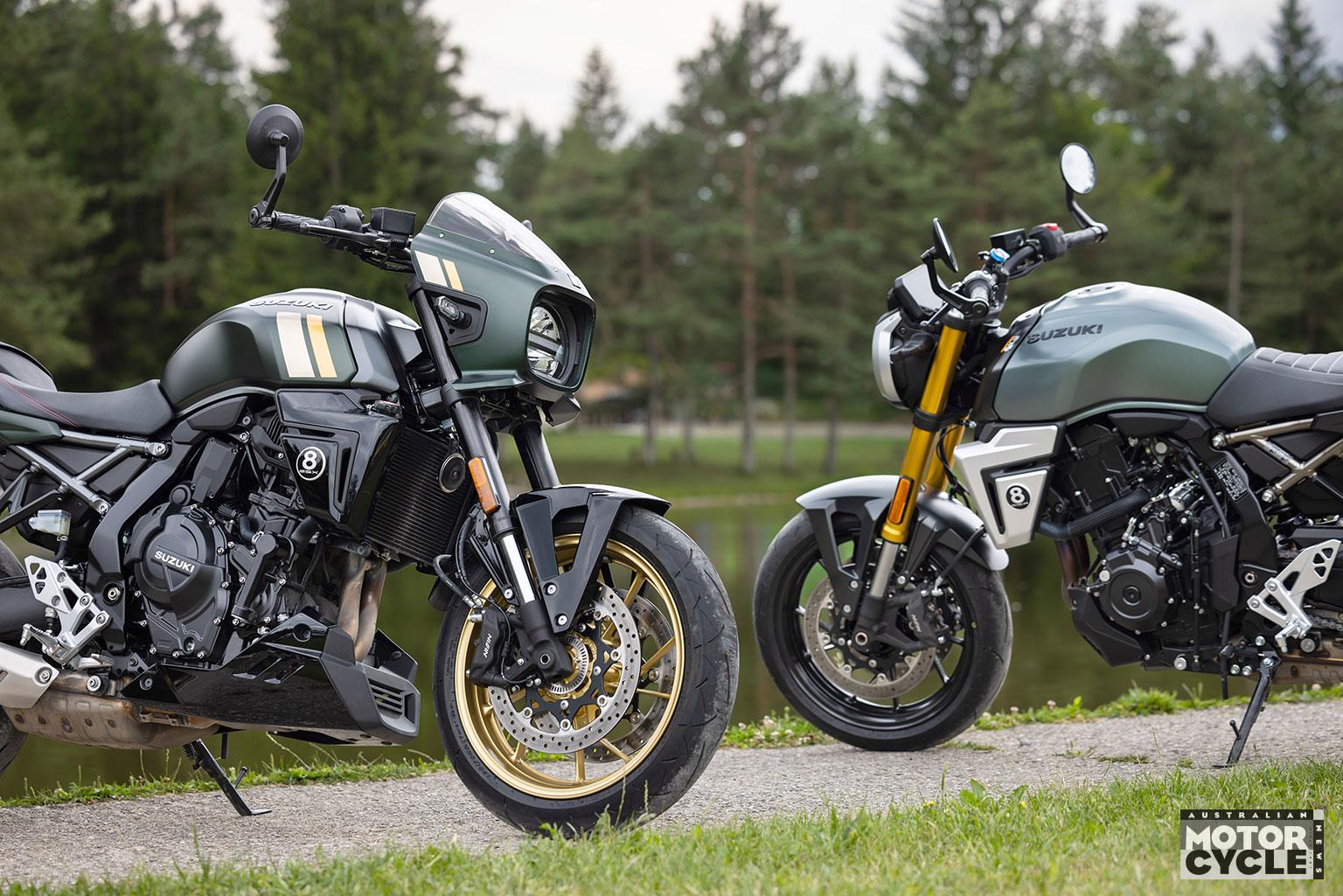
No more is this so than in the middleweight sector, where the GSX-8 range has gained two new models powered by Suzuki’s versatile 776cc parallel twin platform. Both are retros: the GSX-8T a pure naked, the GSX-8TT a more elaborately styled tribute to Suzukis of the 1970s and 80s, complete with period headlight cowl. Prices in Aus start at $17,990 for the naked T and $18,990 for the TT.
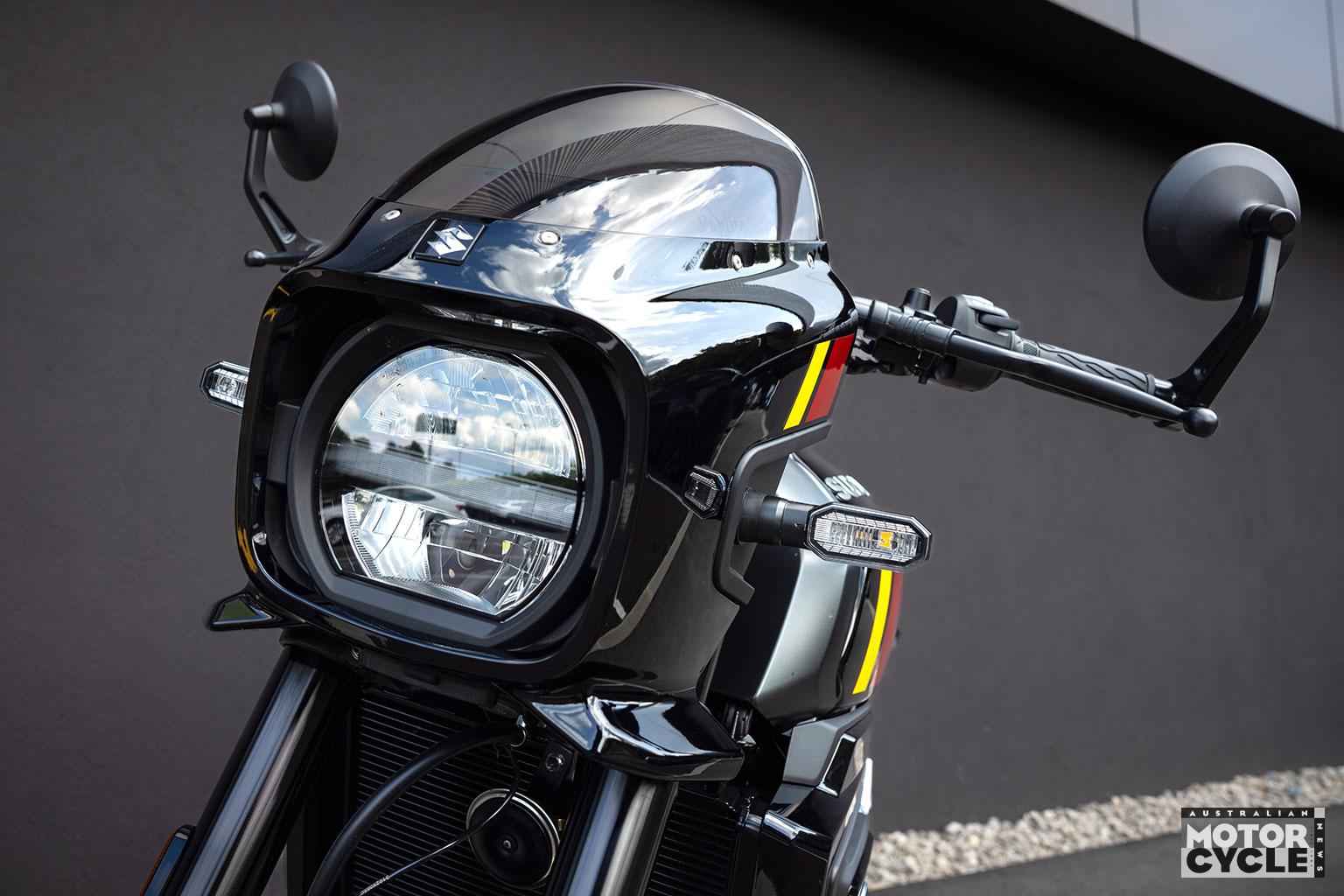
Make no mistake: while the 2026 reintroduction of the much-loved GSX-R1000 may be capturing our attention right now, this is where it’s at. This is where Suzuki plans to make inroads into a market piled high with keenly priced modern classics, such as Yamaha’s XSR range and Kawasaki’s stable of Zs.
Depending on whom you talk to, their silhouette and styling evoke memories of either the brutish 16-valve GSX1100 or the more elegant eight-valve GS1000 – both of them mighty carnivores of the 1980s. Except, of course, power comes not from a big-cube inline four but from a slim and user-friendly 61kW (82hp) twin already proven in the GSX-8S, GSX-8R and V-Strom. Both retros’ chassis have also been carried over from the GSX-8S, and feature the same KYB suspension, frame, wheelbase, rake and trail as the roadster.
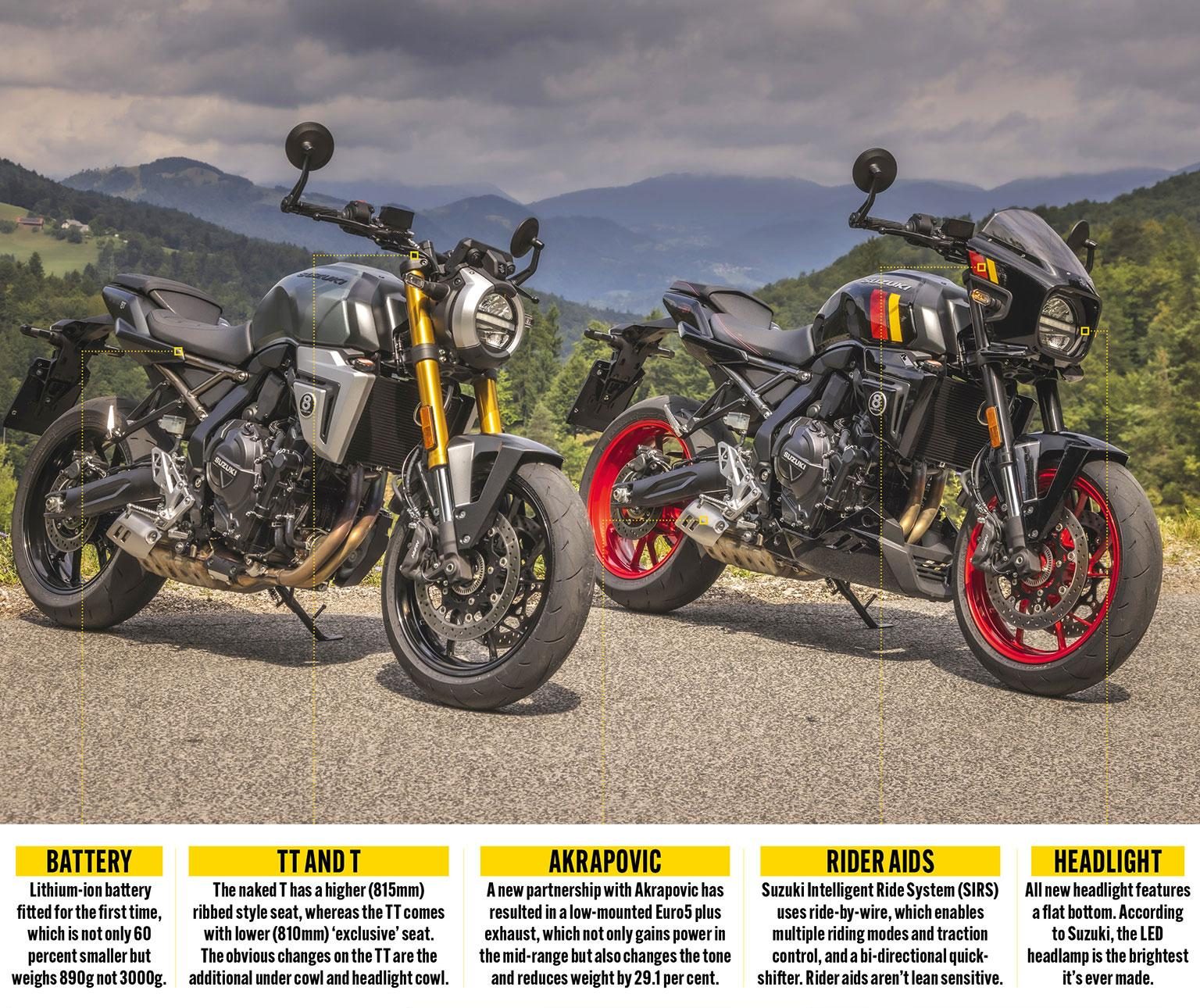
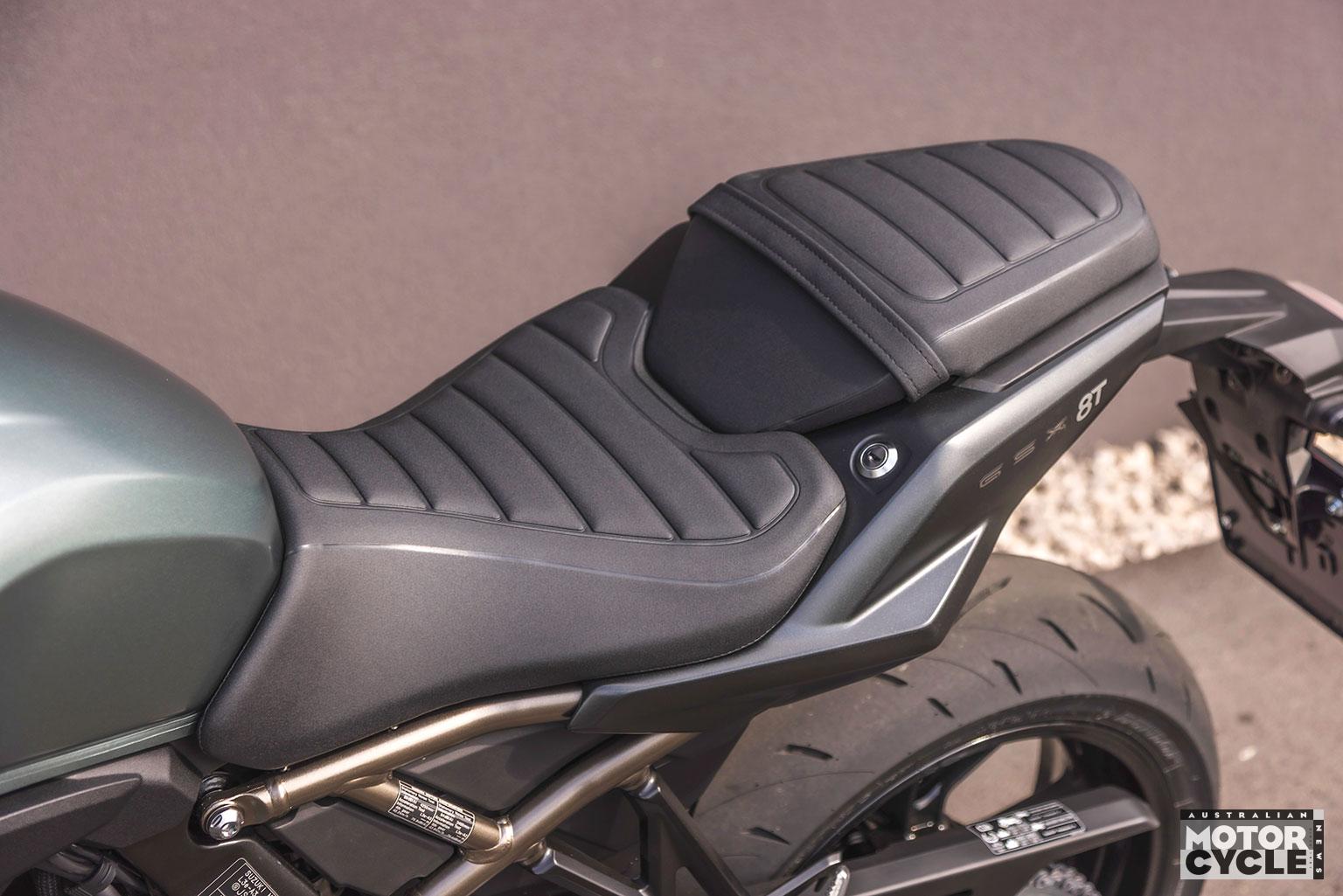
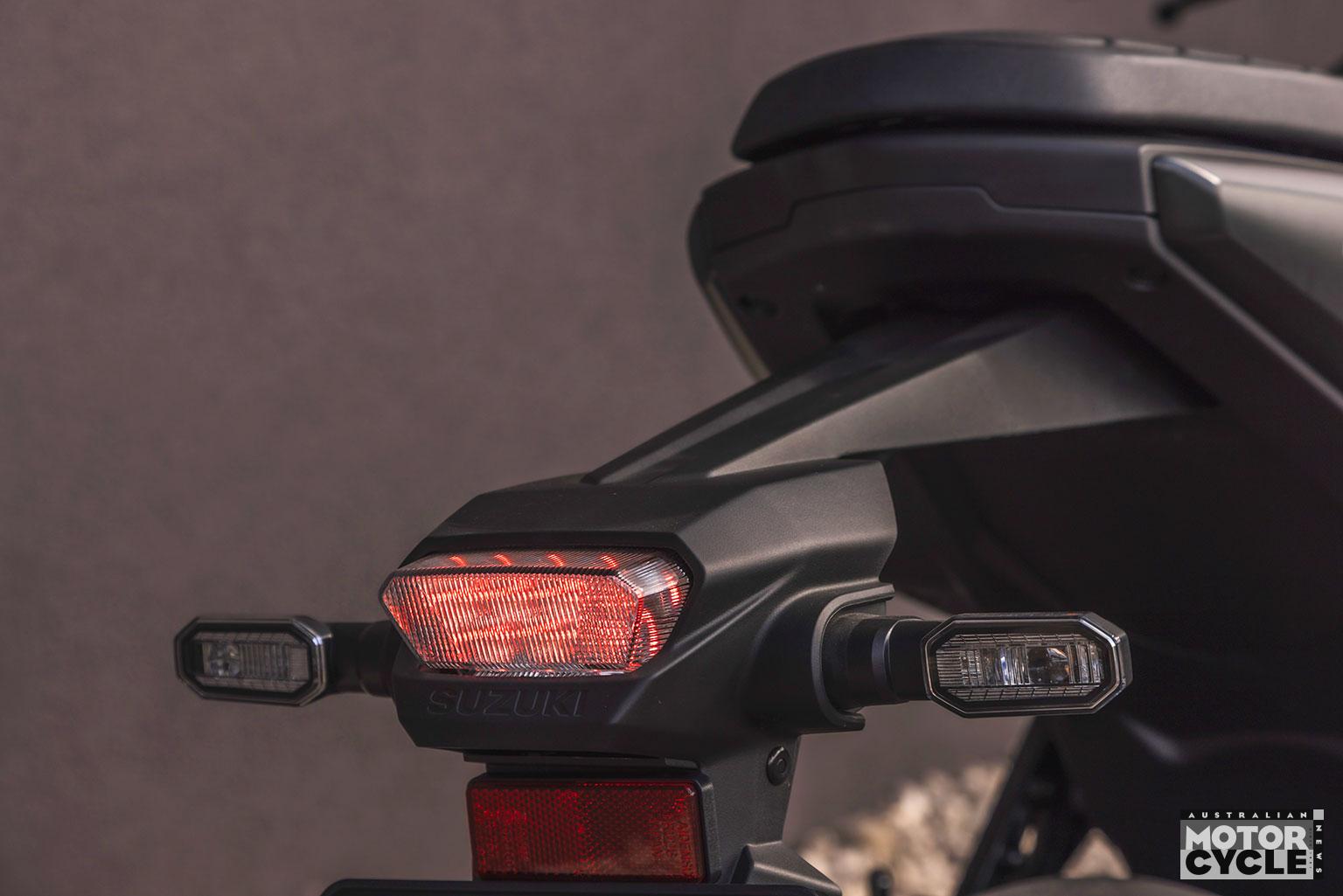
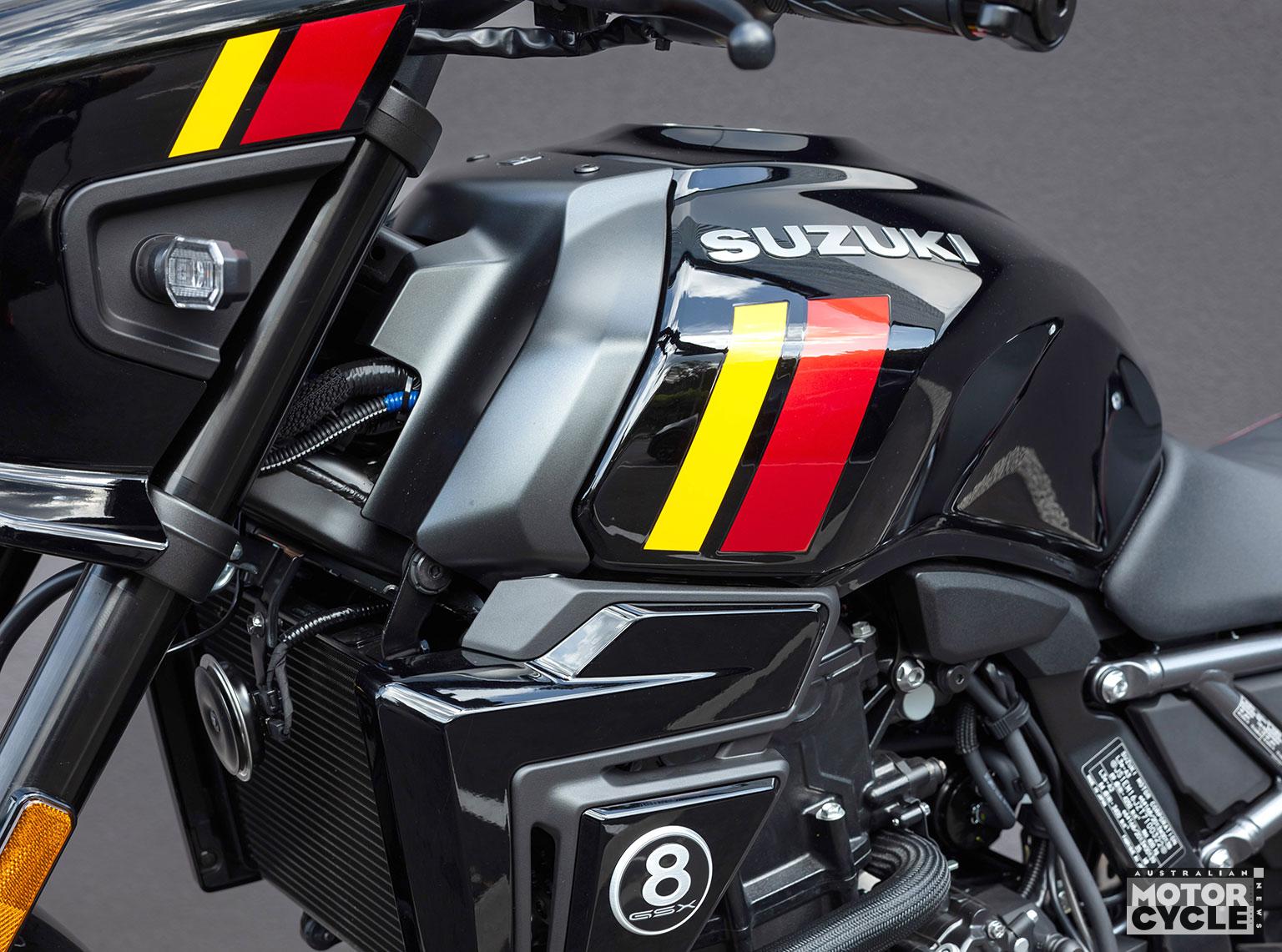
There are some differences: a lighter (by 2.1kg) lithium-ion battery, and a distinctive flat-bottom headlight that is mounted closer to the ‘bars to promote lighter steering. Trendy bar end mirrors are a first for Suzuki, the sculpted fuel tank jumps up in capacity from the GSX-8S’s 14 litres to 16.5 litres, and both the T and TT have individual seats that are larger and softer, for both rider and pillion. In essence, though, we are riding a GSX-8S.
That means the 8T and 8TT should theoretically stop, turn and go with the same lively and uncomplicated gameplan as the roadster.
CLASSIC FEEL, MODERN COMFORT
On board, the T and TT feel slightly more robust, mechanical and solid – like a retro bike should. The modern switchgear and digital dash sit well amid the classic design touches, and given that the naked T has an 815mm seat height, the TT an even lower 810mm, its feet firmly on the floor on both machines. Neither bike feels especially light but at 201kg (T) and 203kg, both are perfectly manageable.
The riding position is again based on the 8S: same ’bars and pegs, with no racy drop-down cafe racer ’bars, despite the cafe-influenced styling.
I preferred the look and comfort of the seat on the T but, as both bikes use the same subframe, you can change the seats via your Suzuki dealer.
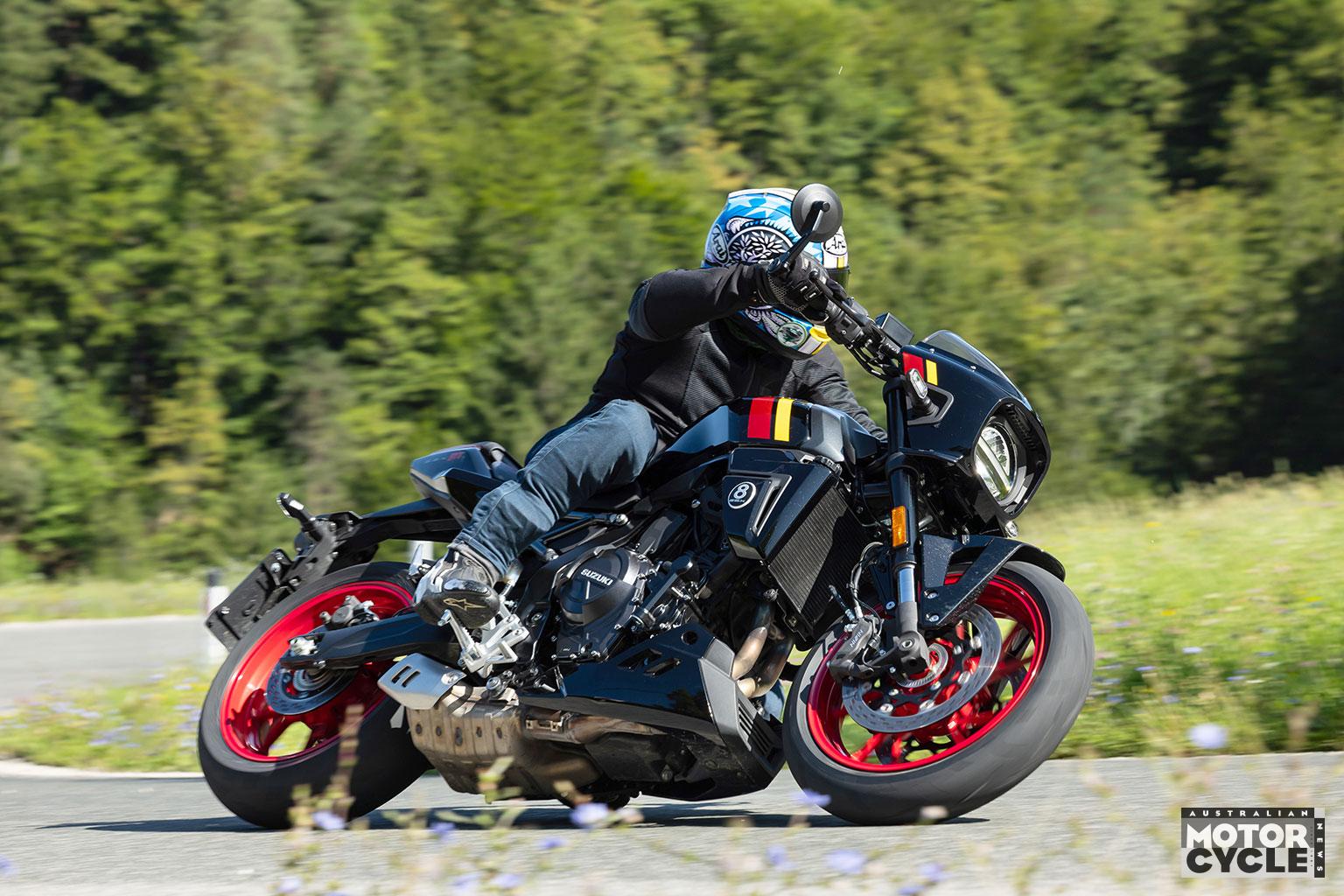
The more overtly retro TT benefits from having a nose cowl, which takes some windblast away from the rider and is a little easier on the upper body on a fast ride. Stability is excellent – properly planted – with neither machine suffering from the somewhat toy-like feel of some of the competition.
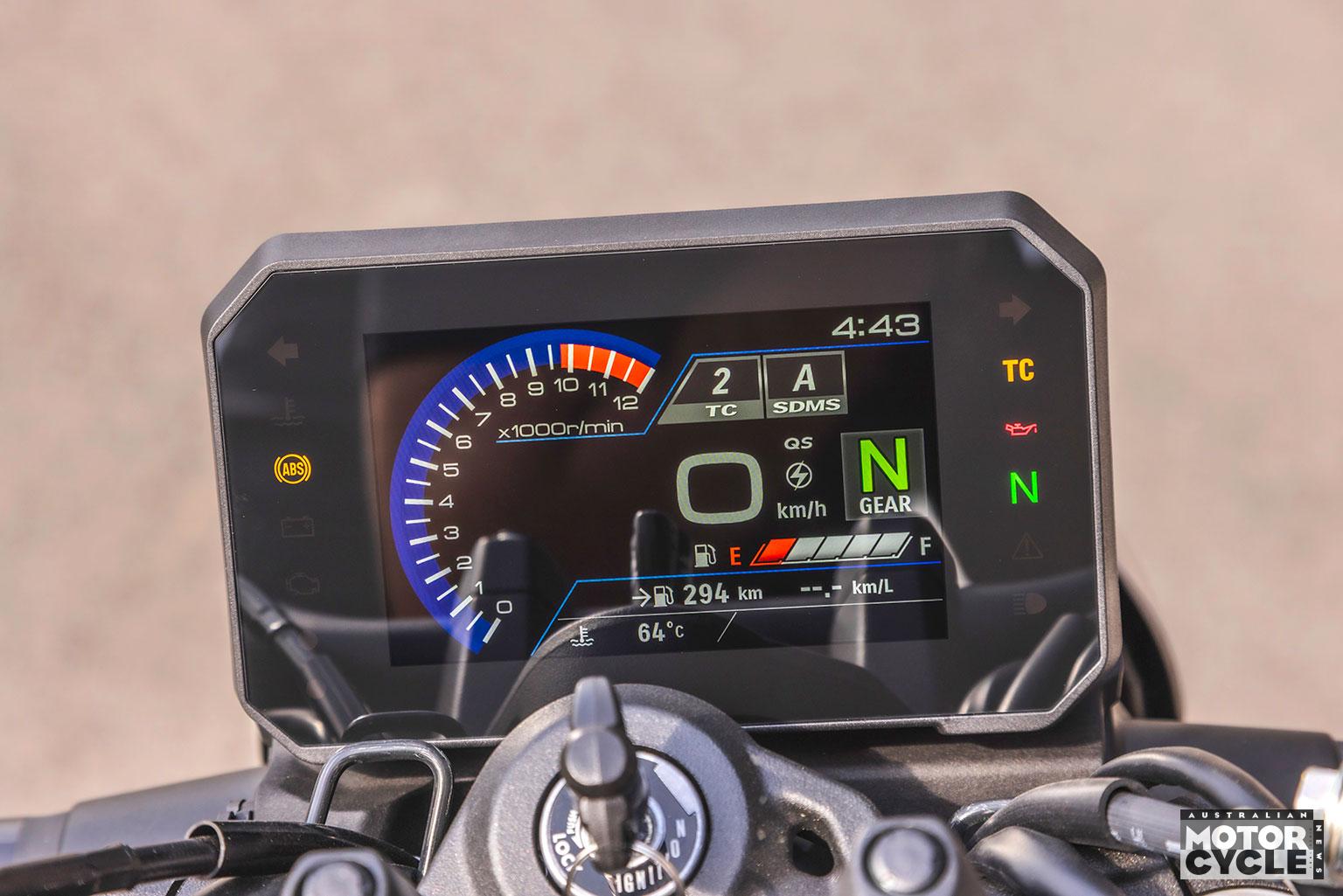
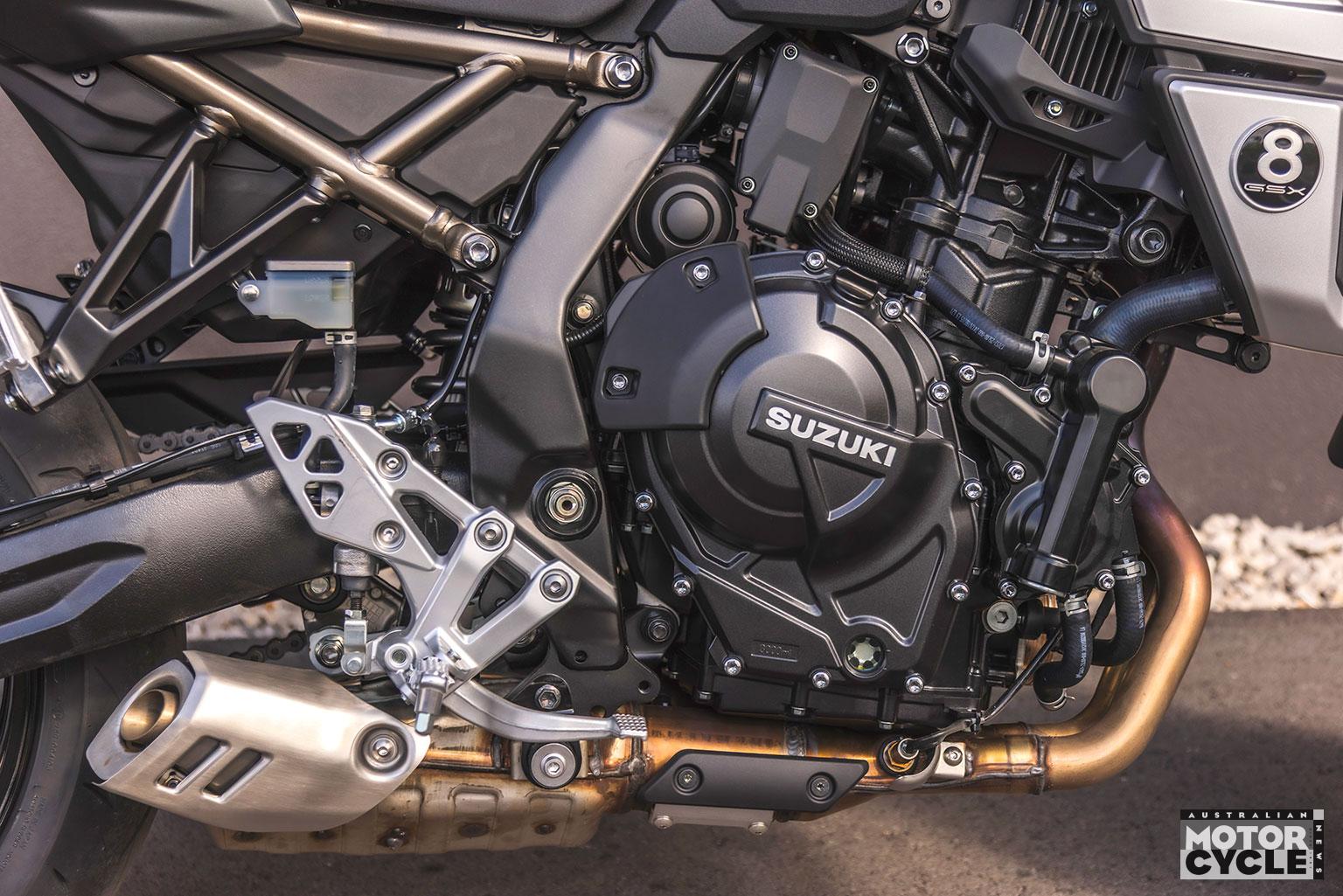
The free-revving parallel twin makes the same numbers as the GSX-8S: 82hp and 78Nm of torque at just 6800rpm. Suzuki Intelligent Ride System (S.I.R.S) uses ride-by-wire, which enables three riding modes – A, B and, you got it, C – and traction control, while precise fuelling, a useful spread of torque, and Suzuki’s effective engine counter balancing make for a smooth and effortless delivery.
Punchy Twin
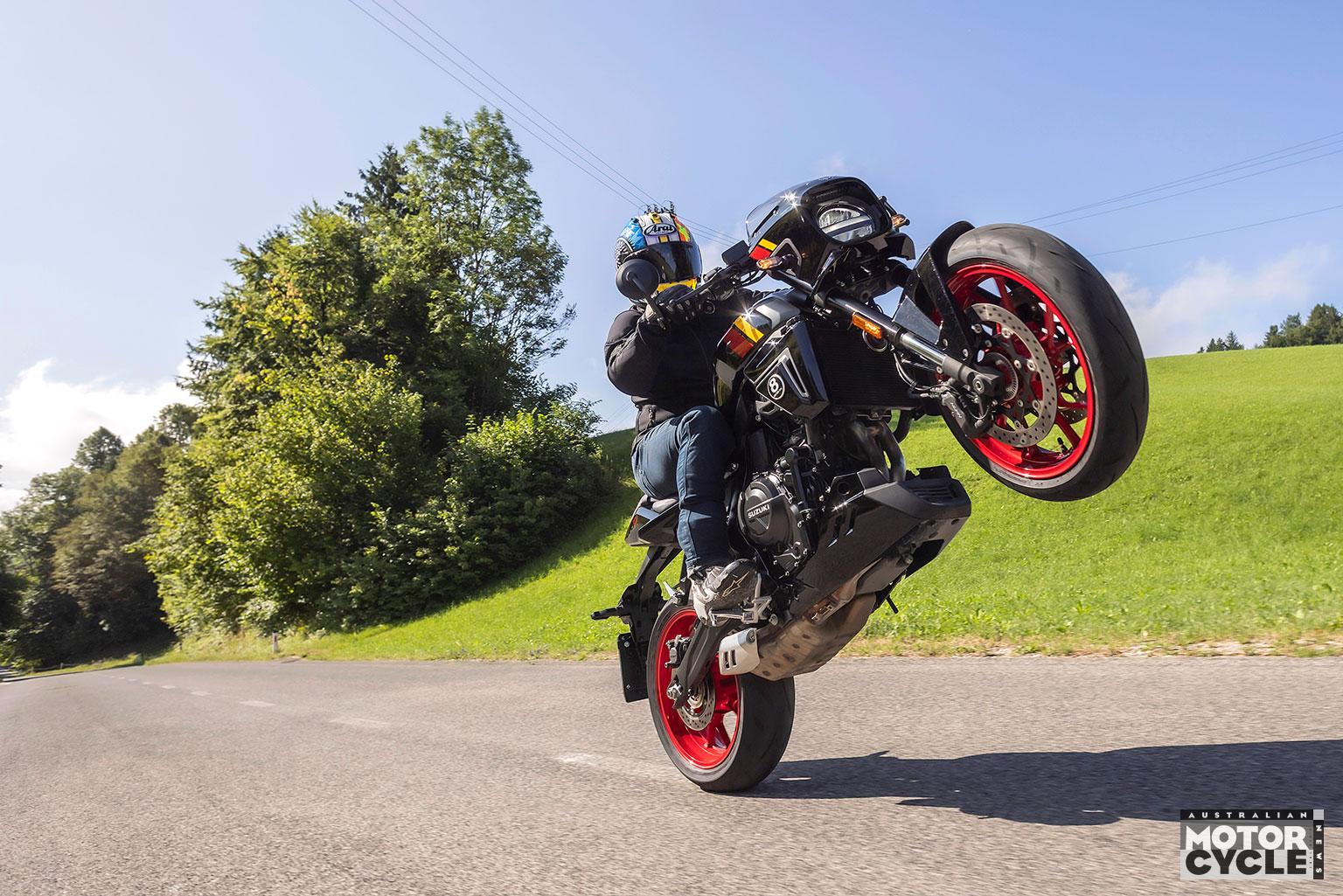
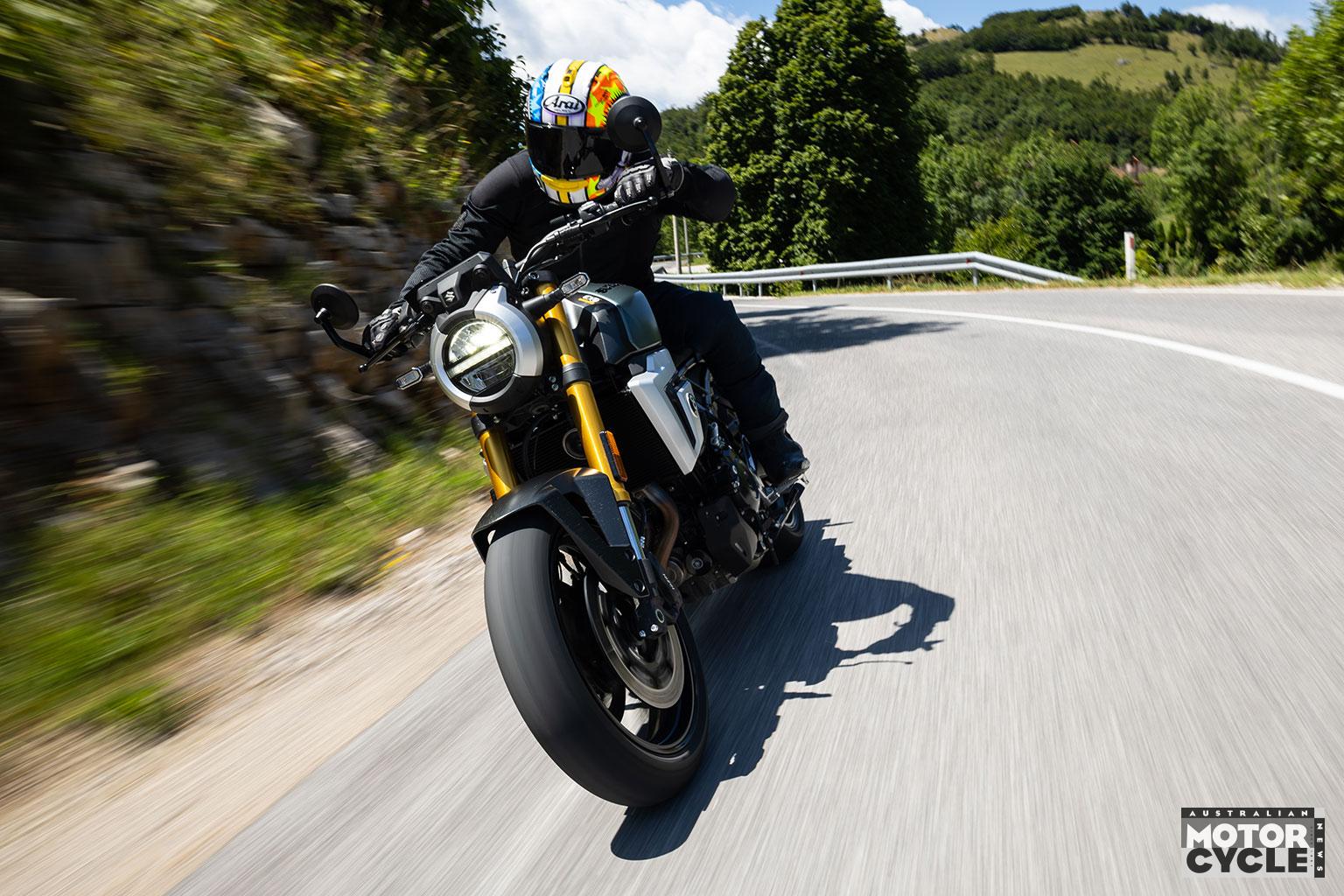
Back in the 1970s and 80s, Japanese parallel twins were far from the versatile and easy-going entities we see powering most manufacturers’ mid-ranges these days. The Suzuki offering is so flexible I’m unsure why you’d even need to switch out of the default B riding mode because, once underway, the 270-degree crank twin feels like it has significantly more grunt than the tech sheet suggests. It drives sweetly and urgently off the bottom and carries that liveliness through the midrange too. The slight downside is that it lacks the appetite to rev on compared to some of the competition and runs out of steam when others are kicking again, but most of us will take real-world grunt anytime (wheelies are easy enough in the first two gears). Add a slick gearbox with a bi-directional quickshifter as standard, find some twists and turns, and let the fun begin.
So far so GSX-8S. But it’s not quite the same story when it comes to handling. I’ve ridden the original sports naked on these same standard SportMax Roadsport 2 tyres and, in cool conditions, found it lacked feel on the limit. Pushing for a truly sporty experience, the rear shock also surrendered and asked me to slow down. But this isn’t the case with the 8T and 8TT.
While both the new retros are set up the same and feel all but identical to each other when the pace picks up, they also gave me more confidence and feedback than the standard 8S. This could be down to the small weight difference (not very likely) or the hot test conditions I experienced on test in Slovenia, or even the excellent grippy roads we rode. Who knows?
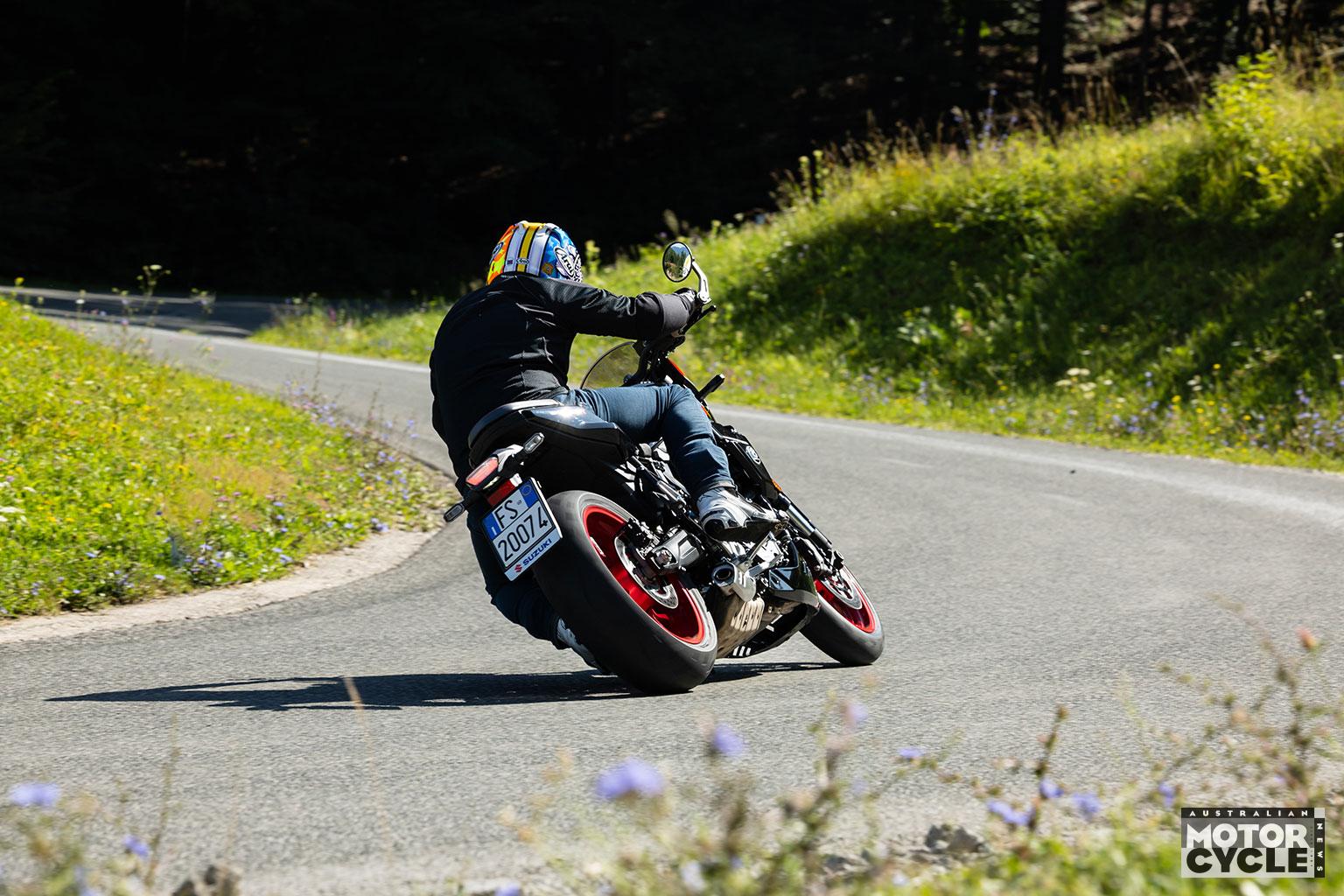
I felt confident enough to lean the bike until the pegs started to tickle the asphalt on the apex. Ground clearance is good, the same as the GSX-8S, but on these retros I felt able to push to the limits. The standard rear shock also feels different; the 8S’s unit I experienced was underdamped on the limit on poor surfaces, but the 8T/TT rear was more controlled.
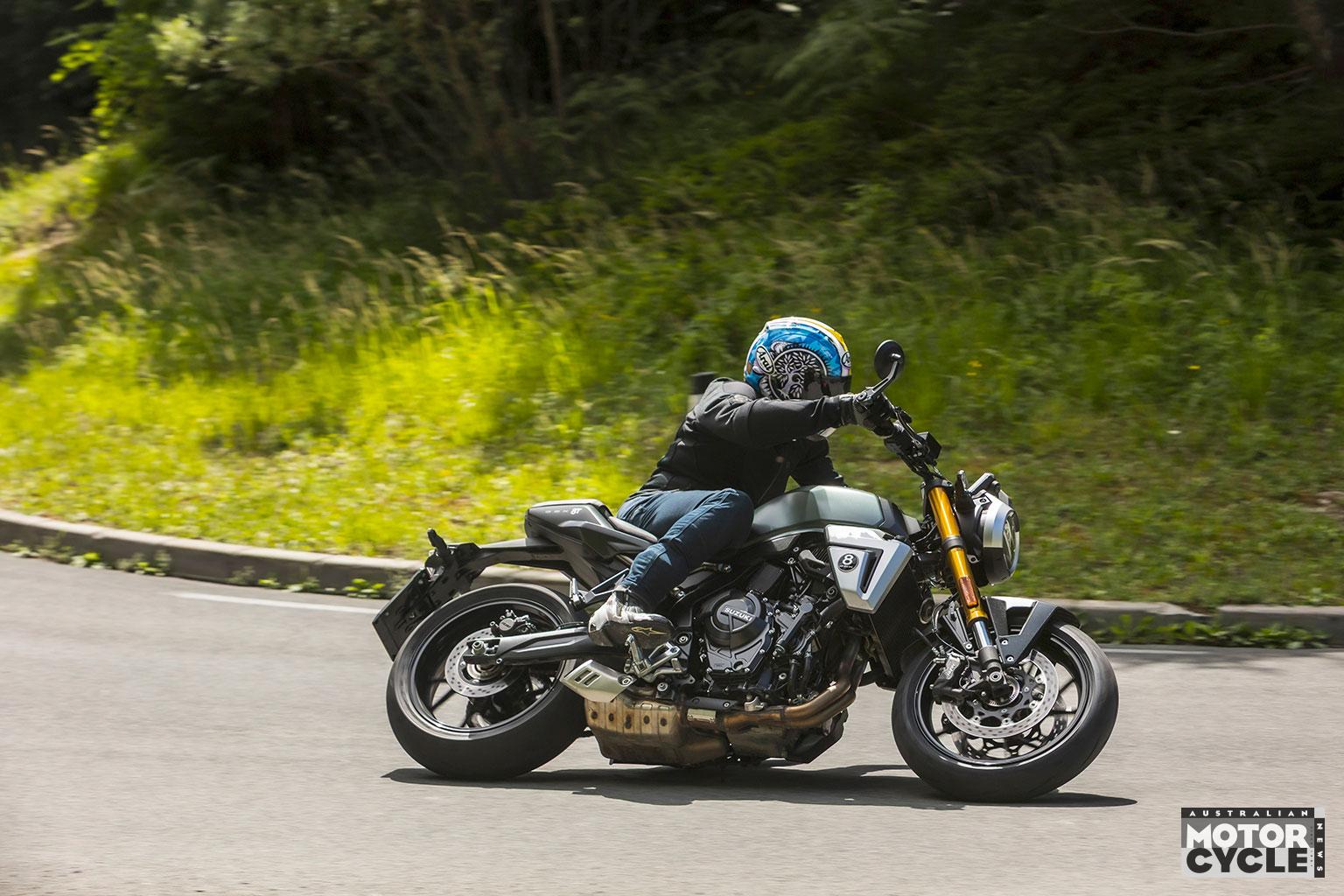
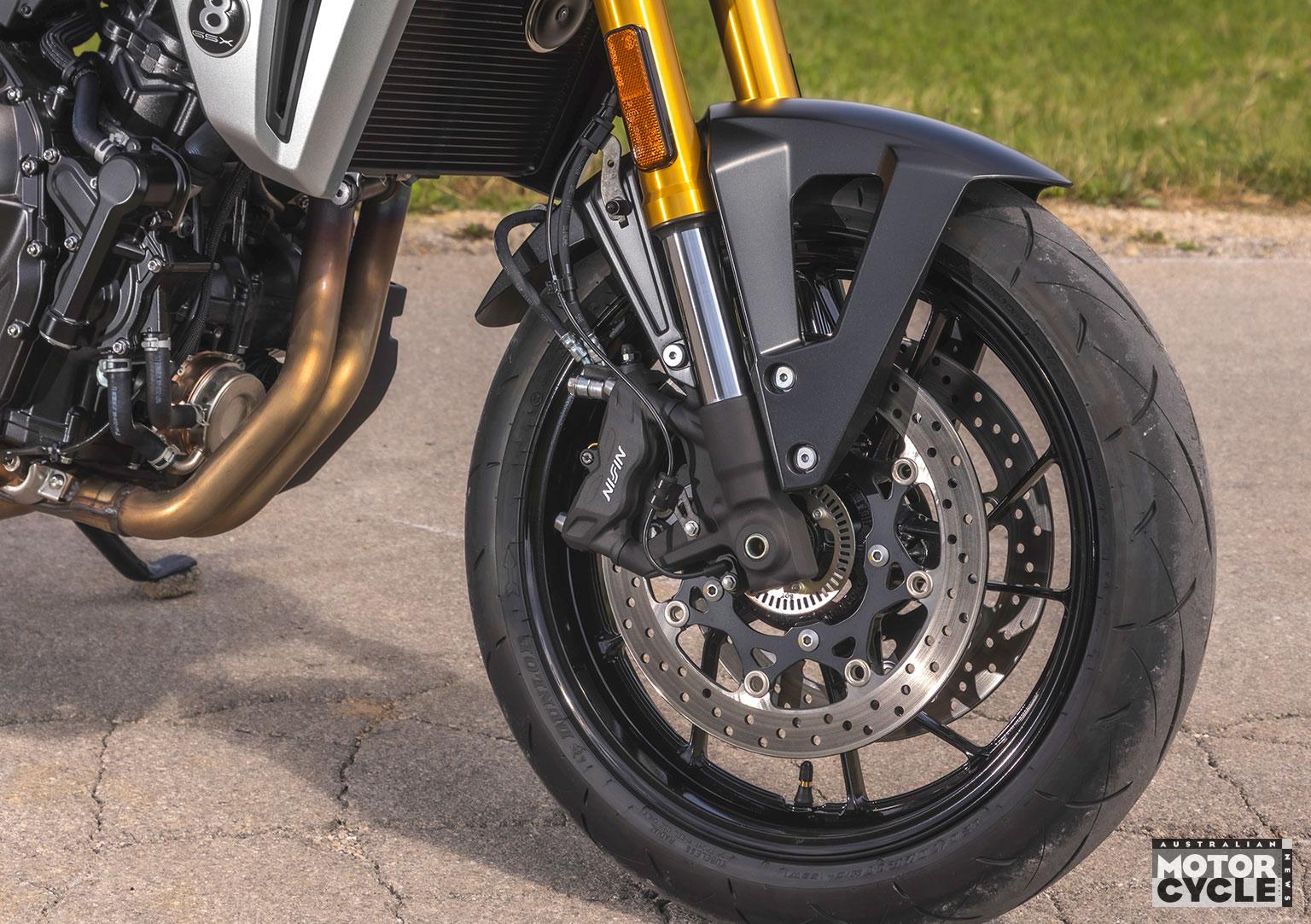
There’s no adjustment on the KYB front fork and only spring pre-load on the rear, but I never felt compelled to stop roadside and make a change as the balance between ride quality and support in turns is well judged. The Nissin radial stoppers are effective if not razor sharp, while the ABS is not lean sensitive, which might raise a few eyebrows on an $18k bike. That said, the system works well with only the rear kicking in from time to time when ridden hard.
Some may argue that the full-colour dash is underwhelming, and the non-lean sensitive rider aids are relatively basic but, like I said, Suzuki doesn’t really compete at the sharp end of the electronics front at present. On the road the display is fuss-free and easy to read at speed, while the rider traction control can be reduced or removed on the move. It all does a good job.
Verdict
You could argue that the GSX8T and GSX-8TT are little more than restyling exercises, but that isn’t necessarily a bad thing. You have to applaud Suzuki for hitting the retro nail so squarely on the head too. The round headlight with a flat bottom, new retro seat, 8-Ball emblem, black engine, those mirrors and a high-quality finish all work superbly in the flesh. The TT especially showcases the resurgent Suzuki superbly well. The only outstanding question is whether $17.990 for the T and $18,990 for the TT is too much considering that the GSX-8S on which they are so clearly based is priced at just $12,990.
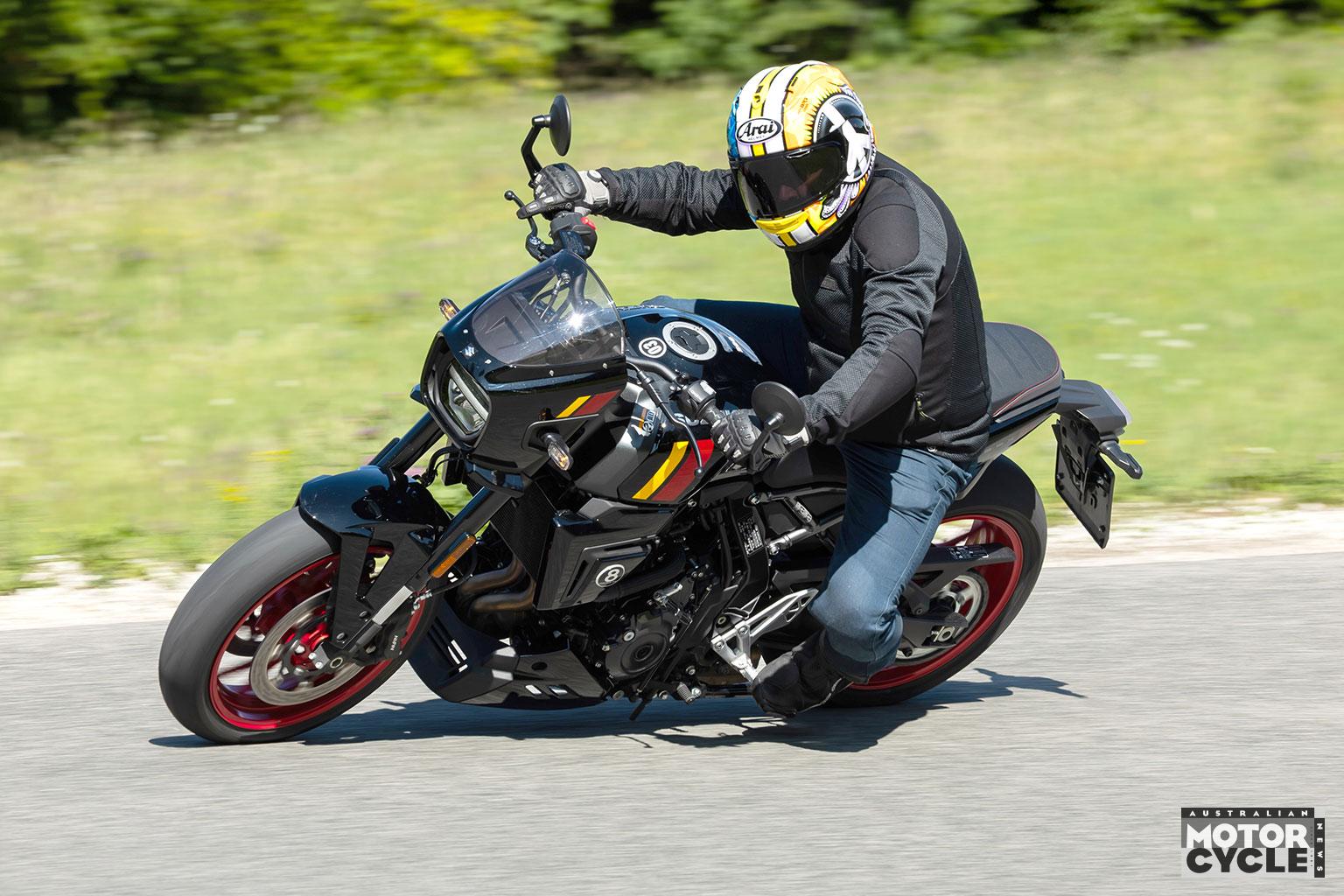
The fact remains that the GSX-8S is an excellent bike with a punchy engine, a simple dash and rider aids and a predictable chassis. It’s a bike that can be used as a commuter or weekend indulgence – and now Suzuki has added even more desirability to the GSX-8 platform.
✅ PROS – These models add desirability to the GSX-8S platform of a punchy engine and a predictable chassis.
❌ CONS – Considering it’s an $18k bike, the ABS isn’t lean sensitive. Some might find the dashboard underwhelming.
THE 776cc SUITE
SUZUKI NOW has six models using the same parallel twin 776cc engine, albeit in slightly different formats and final gearing. The V-Strom 800DE and RE cater for the adventure market, the GSX-8R is aimed at sports riding, whereas the GSX-8S is for street riders in a naked chassis. The new 8T and 8TT share this engine, putting out the same power and torque.
The Adventure V-Strom is a very different layout, with off-road biased suspension, wheels and final gearing. The GSX-R is similar to the new retro T/TT, but suspension has been uprated to Showa items from the standard KYB, more suited to track riding. The closest sibling to the new 8T and TT is the GSX-8S, which shares many components, from wheels, suspension, rake/trail, electronics, etc. The main difference is in the styling, larger fuel tank and weight. The 8T is 201kg and the TT 203kg, while the GSX-8S is 202kg. The bikes are so similar, you can fit some of the aftermarket items across the range. The aftermarket exhaust from Akrapovic, for example, fits all street models.
Competition
Yamaha XSR700 – $14,649 ride away
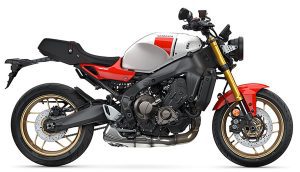
Yamaha XSR900 – $19,549 ride away
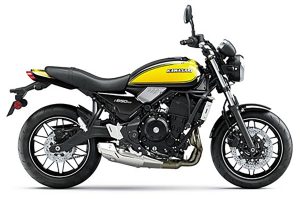
Kawasaki Z650RS – from $14,377
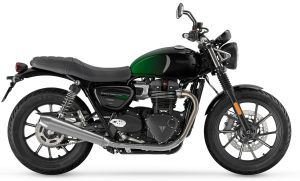
Triumph Speed Twin 900 – $17,800 ride away
SPECIFICATIONS
ENGINE
Type Liquid-cooled, 4v per cylinder four-stroke, parallel twin
Bore & stroke 84mmx70mm
Capacity 776cc
Compression ratio 12.8:1
Transmission Six-speed
Clutch Suzuki Clutch Assist System (SCAS)
PERFORMANCE
Power 61kW (82hp) at 8500rpm (claimed)
Torque 78Nm at 6800 rpm (claimed)
Top speed 217km/h (est)
Fuel consumption 3.5L/100km
ELECTRONICS
Type Suzuki Intelligent Ride System (SIRS)
Rider aids: Three rider modes, traction control, ABS
Rider Modes A,B,C
CHASSIS
Frame Steel tube
Rake 25°
Trail 104mm
Wheelbase 1465mm (std)
SUSPENSION
Type KYB
Front 41mm, USD, non-adjustable,130mm travel
Rear Single rear shock, pre-load only
WHEELS & BRAKES
Wheels Cast aluminium
Front 3.5x17in
Rear 5.5x17in
Tyres Dunlop SportMax Roadsport 2
Front 120/70/x17in
Rear 180/55/x17in
Brakes ABS
Front: 2 x 310mm discs, Nissin four piston radial calipers
Rear: 240mm disc, single-piston caliper
DIMENSIONS
Weight 8T 201kg, 8TT 203kg
Seat height 8T 815mm, 8TT 810mm
Ground clearance 145mm
Fuel capacity 16.5L
BUSINESS END
Price $17,990/$18,990
Colour options: 8T Matt Black, Matt Steel, Burnt Gold. 8TT Sparkle Black, Matt Shadow Green.
Contact suzuki.com.au