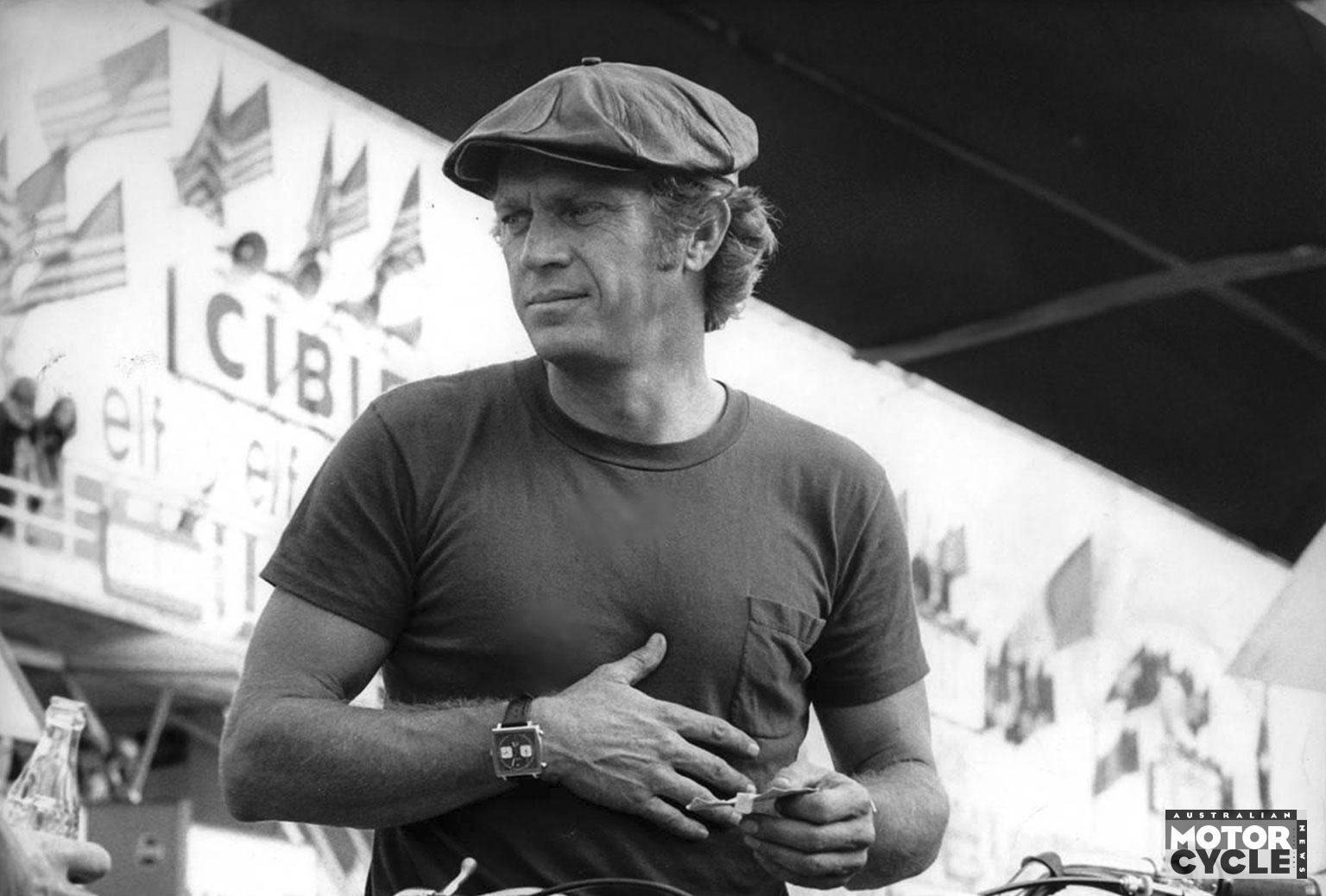
Almost a century on from his birth, Steve McQueen’s legend still rides on
“Racing is life. Anything before or after is just waiting…” By the time Steve McQueen roared onto Hollywood’s A-list, he had already lived enough adventure for three lifetimes. Actor, icon, racer – and unapologetic speed addict – McQueen turned his passion for motorcycles into a defining part of his legend. This March, the King of Cool would have turned 96. We can only imagine the bikes he’d be adding to his garage today.
For McQueen, motorcycles weren’t just machines; they were freedom made tangible. They represented escape, adrenalin and an authenticity that mirrored the way he lived his life. Whether on screen, on a dusty Mojave Desert track or roaring through the Santa Monica Mountains far from the paparazzi’s flashbulbs, McQueen was never more himself than when he was astride a bike.
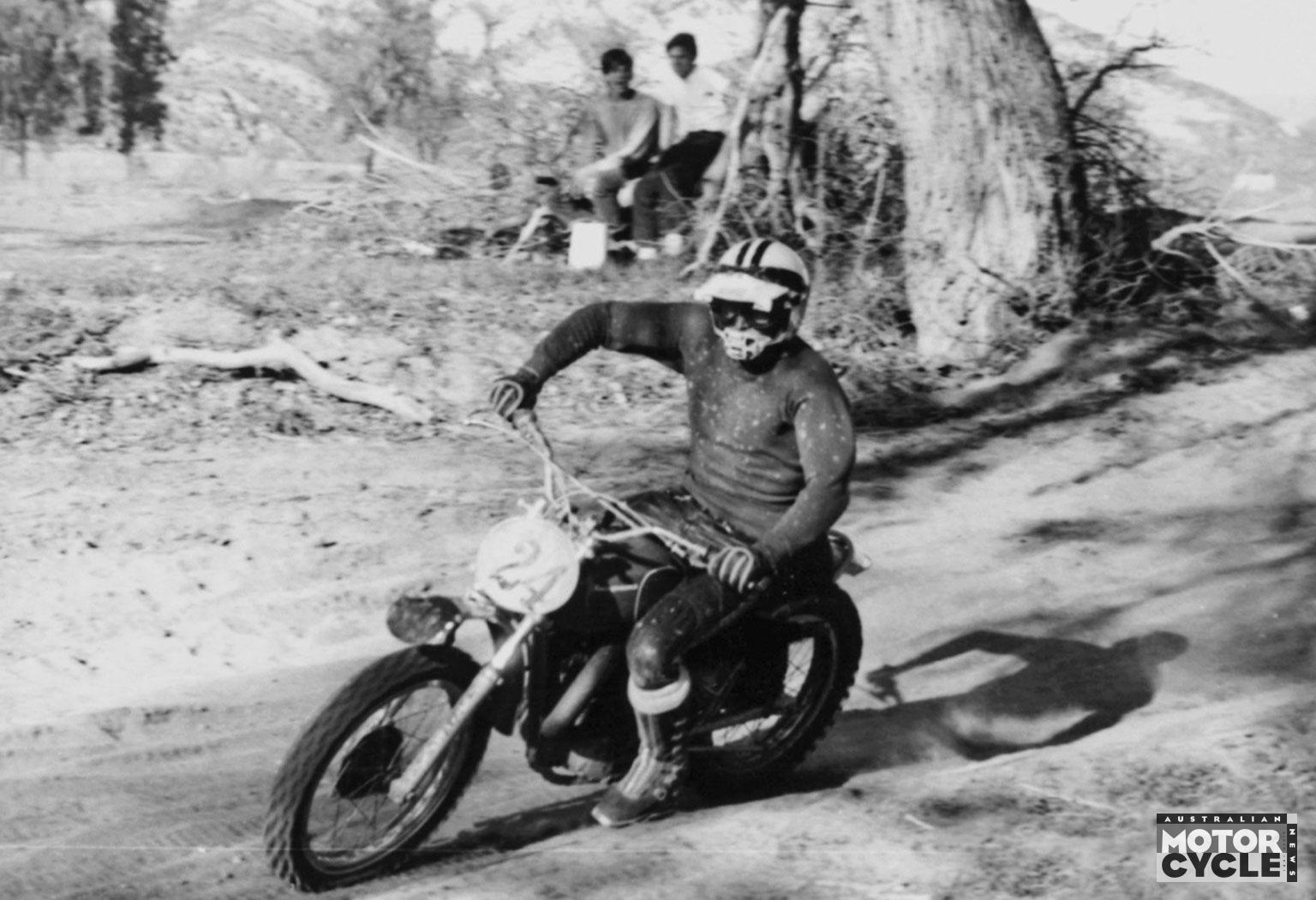
Rough start to the road
Born 24 March, 1930, in a suburb of Indianapolis, McQueen’s early life was anything but glamorous. His father disappeared shortly after his birth; his mother soon followed. Raised by grandparents and an uncle, he was brought back into his mother’s home when she remarried, a move that led to years of abuse from various stepfathers.
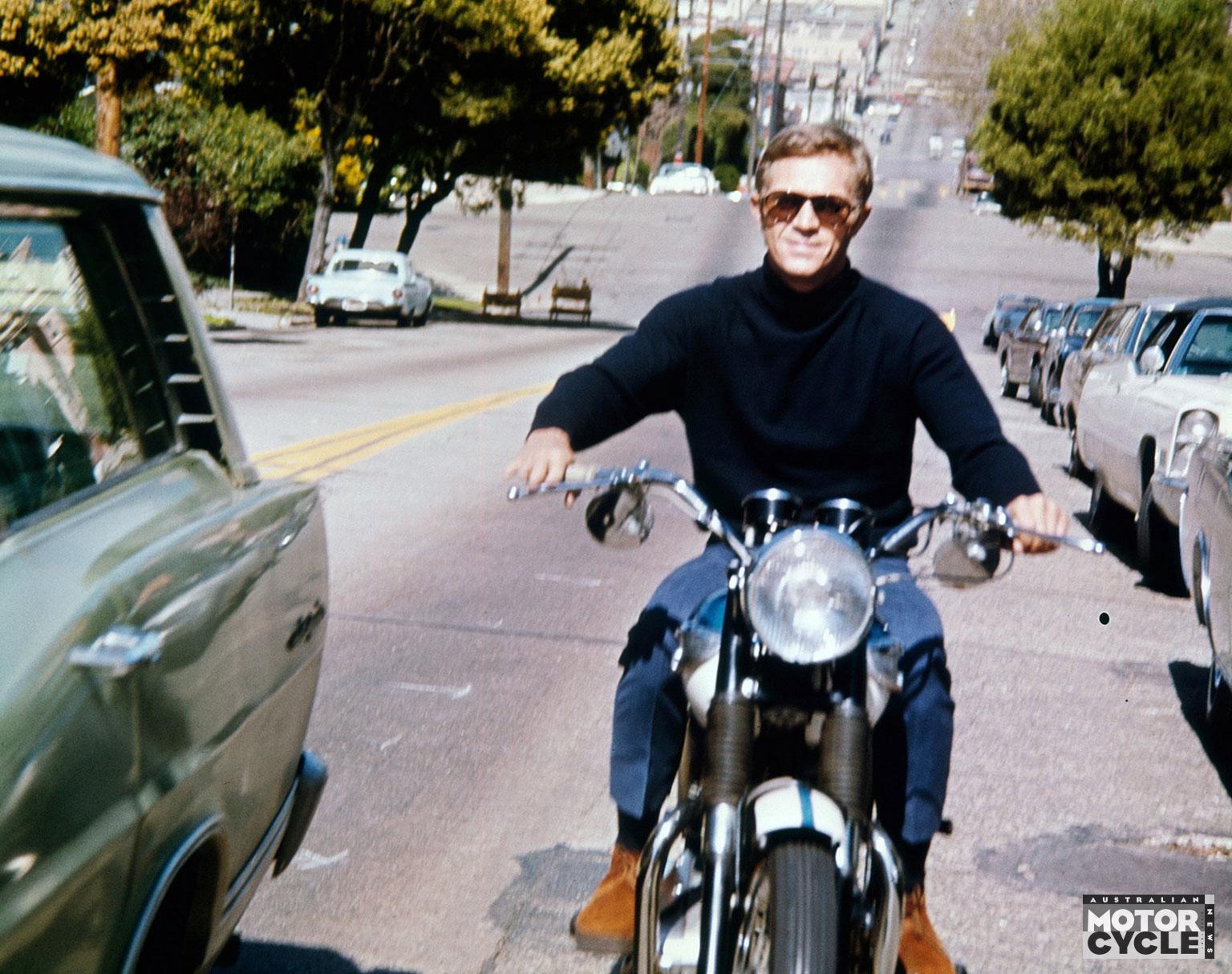
By nine, McQueen was running with a street gang, learning the streets as his playground and his classroom. By his teens, he’d been arrested for stealing hubcaps; a petty crime, but one that confirmed to those around him that his life could easily drift into darkness. After one particularly brutal beating left him barely conscious, he was sent to a strict reform school. That, at least, gave him some structure and discipline, even if the regime was harsh.
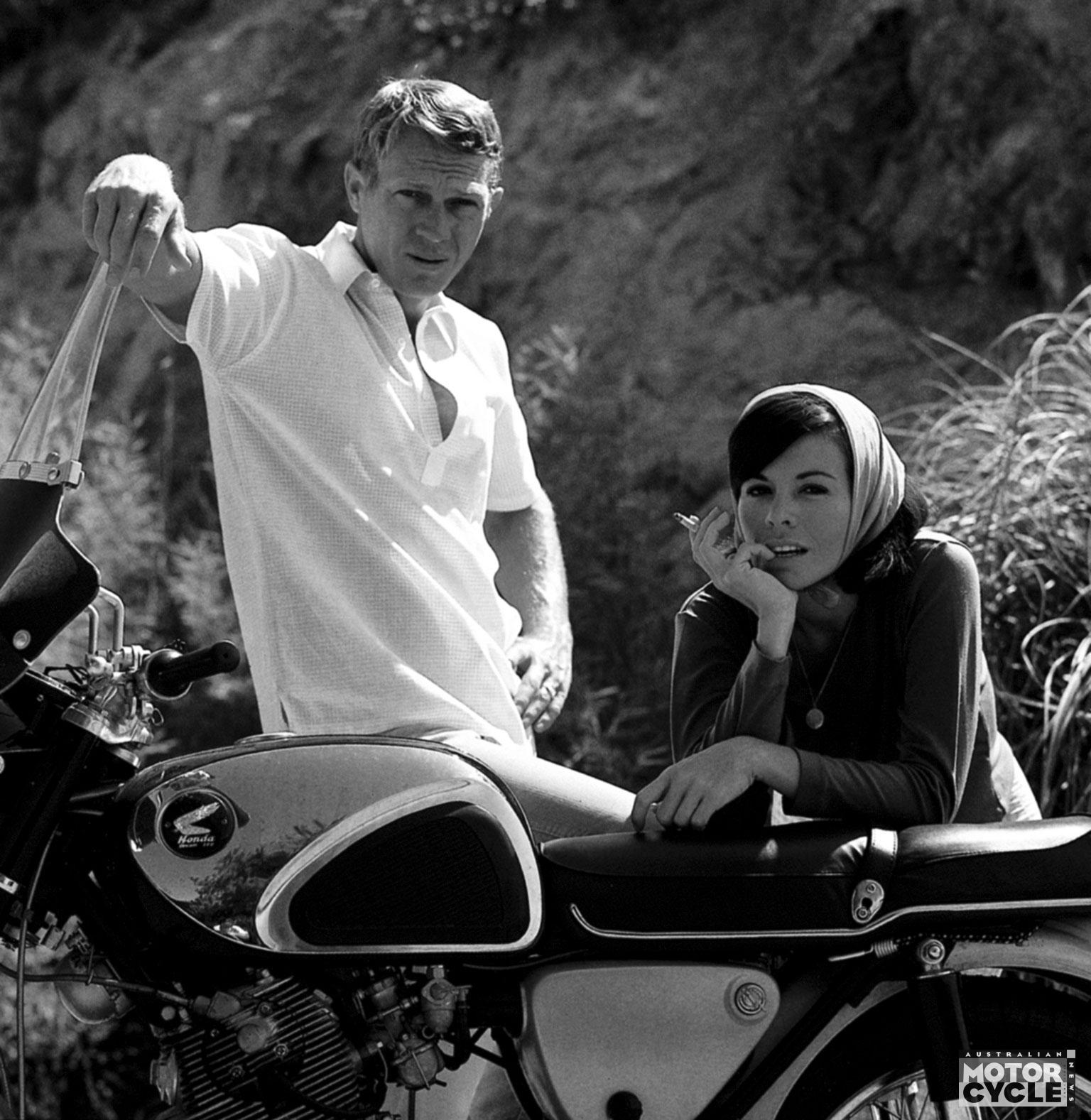
After graduation, McQueen drifted, joining a merchant ship out of the Dominican Republic, taking odd jobs in South America (including a stint as a towel boy in a brothel), before enlisting in the US Marine Corps. The Marines gave him more than a paycheck: they gave him purpose, focus and a belief that he could take charge of his own story. Discharged in 1950, he decided to put his life in order, armed with a small savings account and an appetite for adventure.
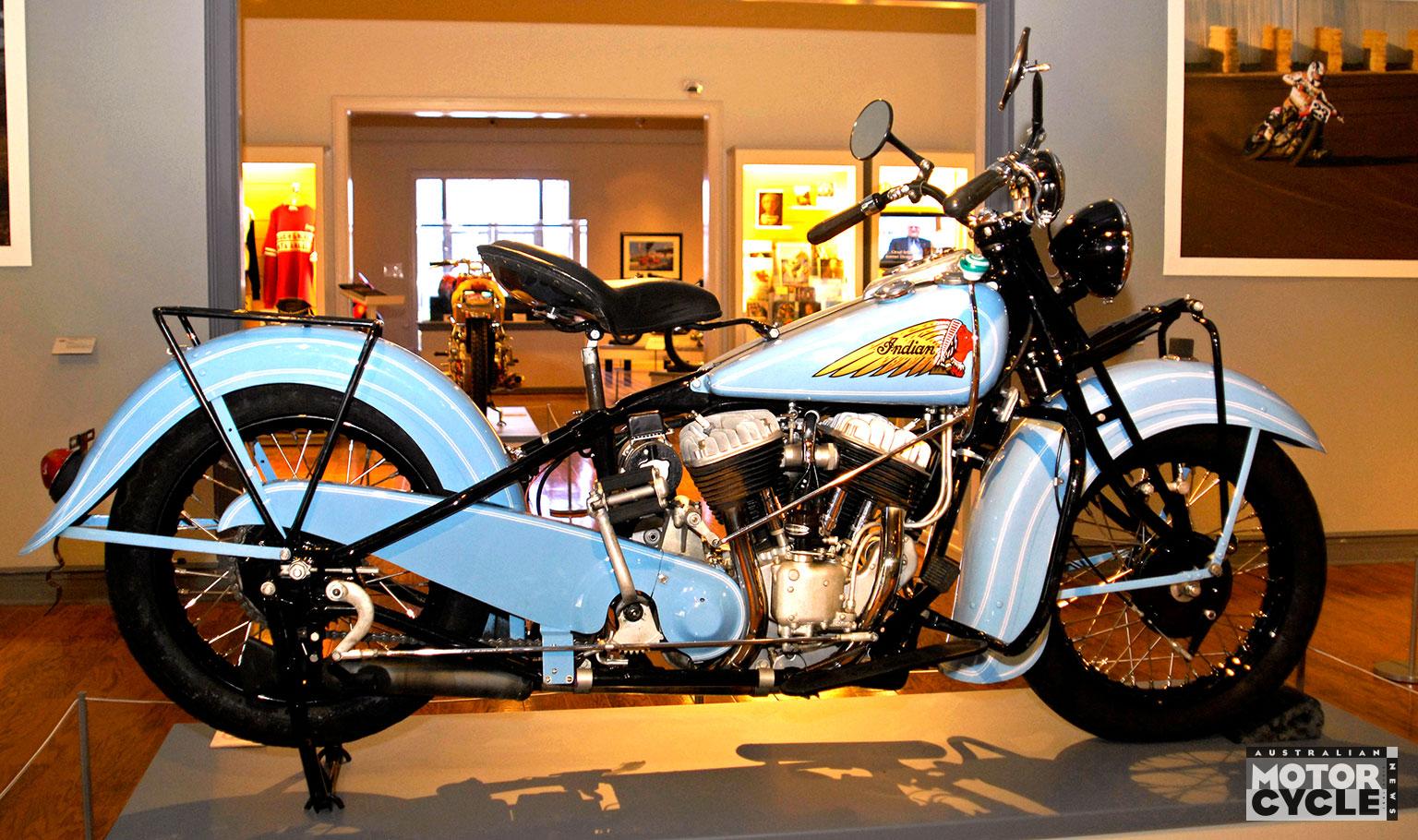
First love: A 1946 Indian Chief
In 1951, during acting classes in New York, McQueen wanted a car but couldn’t afford one. A motorcycle, however, was within reach. On a grey autumn day, he spotted a 1946 Indian Chief with a sidecar for sale… heavy, chrome-laden and brimming with attitude. He bought it on the spot.
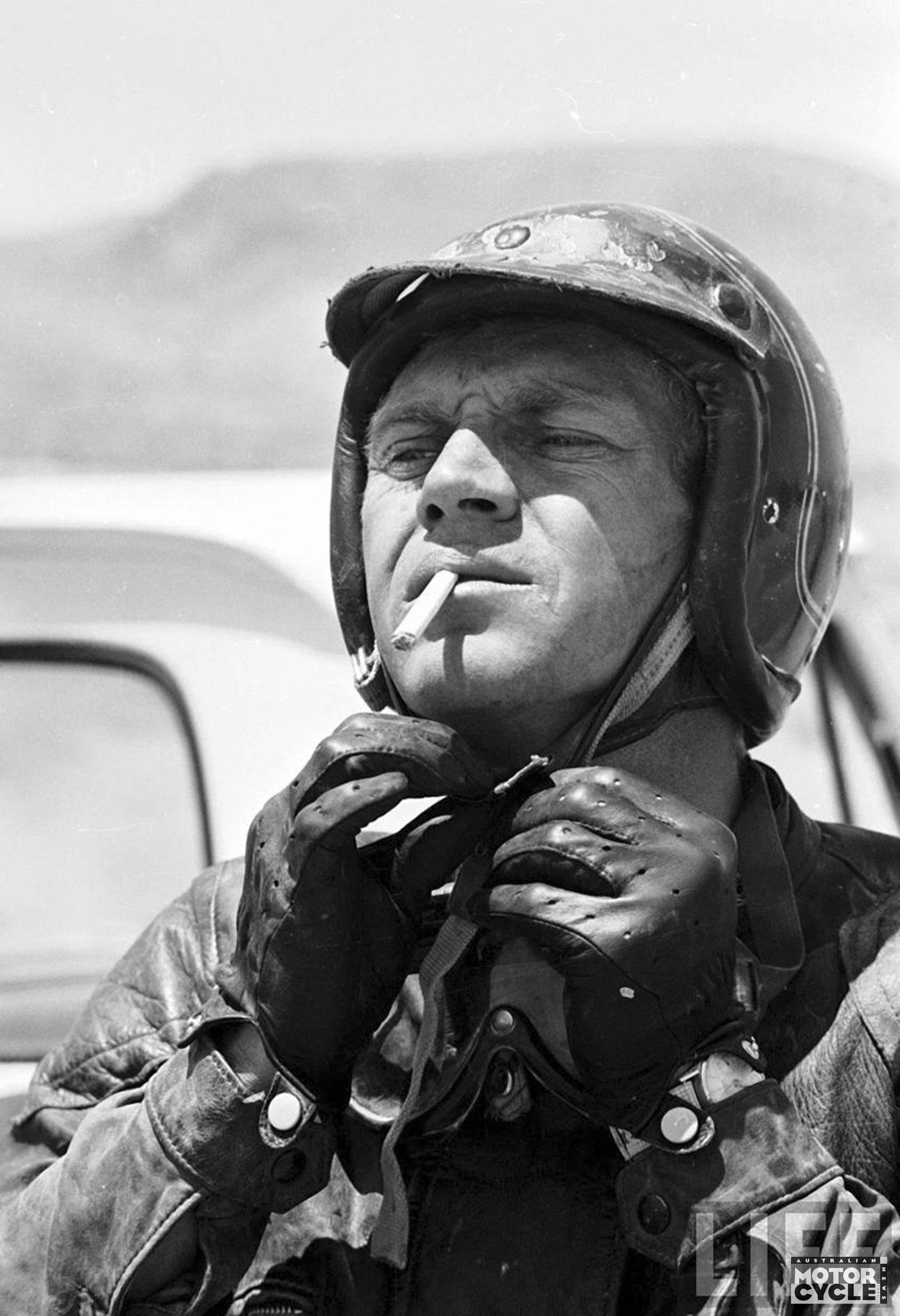
That sidecar, he figured, was perfect for his current girlfriend. She didn’t share his enthusiasm. When she gave him an ultimatum – “It’s me or the bike” – McQueen didn’t hesitate. The girlfriend was gone by nightfall. The bike stayed. That choice was about more than just a machine; it was McQueen choosing freedom over compromise, a decision he would make again and again in life.
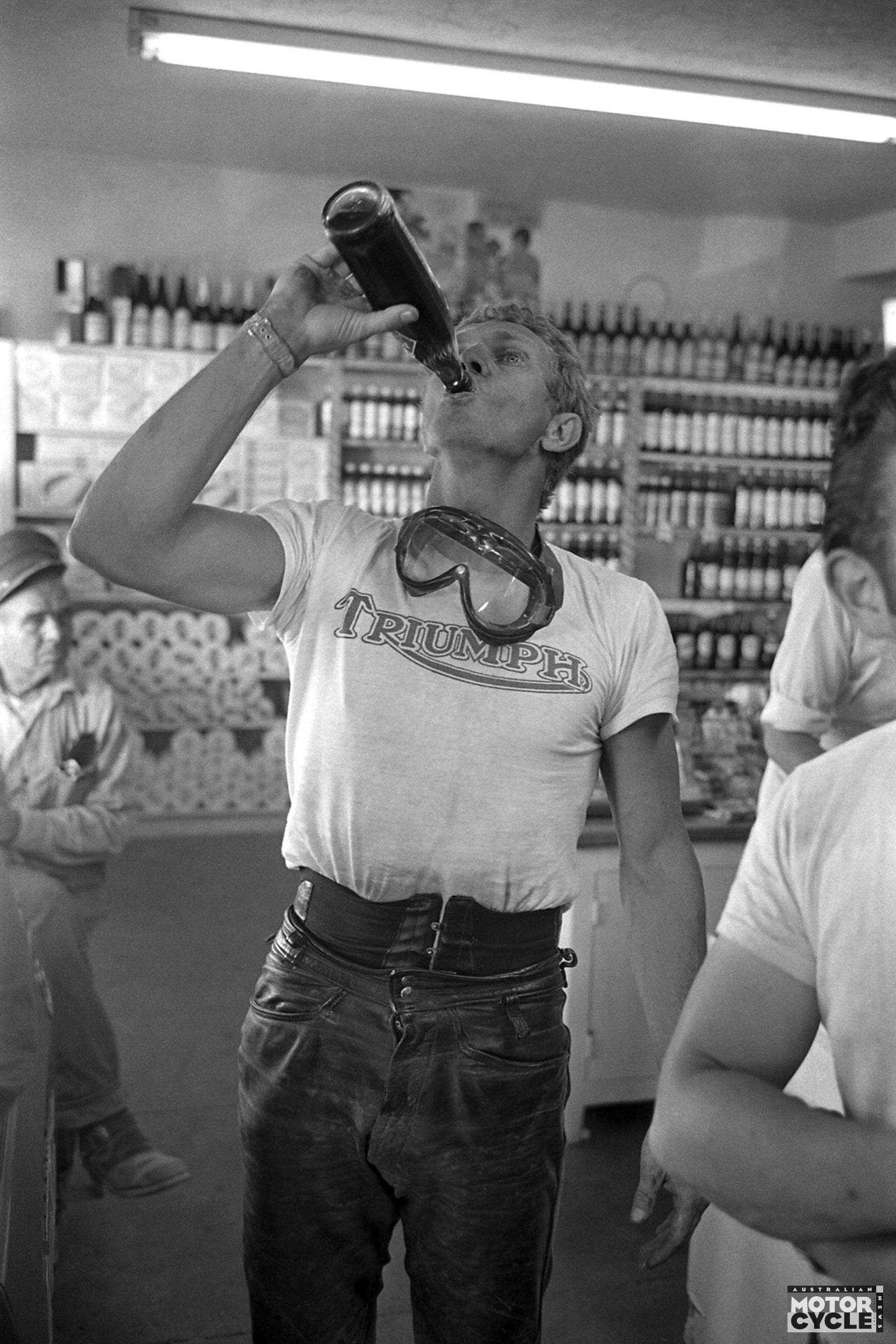
From that moment, riding became as natural to him as breathing. The thrum of the engine, the smell of fuel, the way the world blurred past… it was a sensory cocktail that hooked him for good.
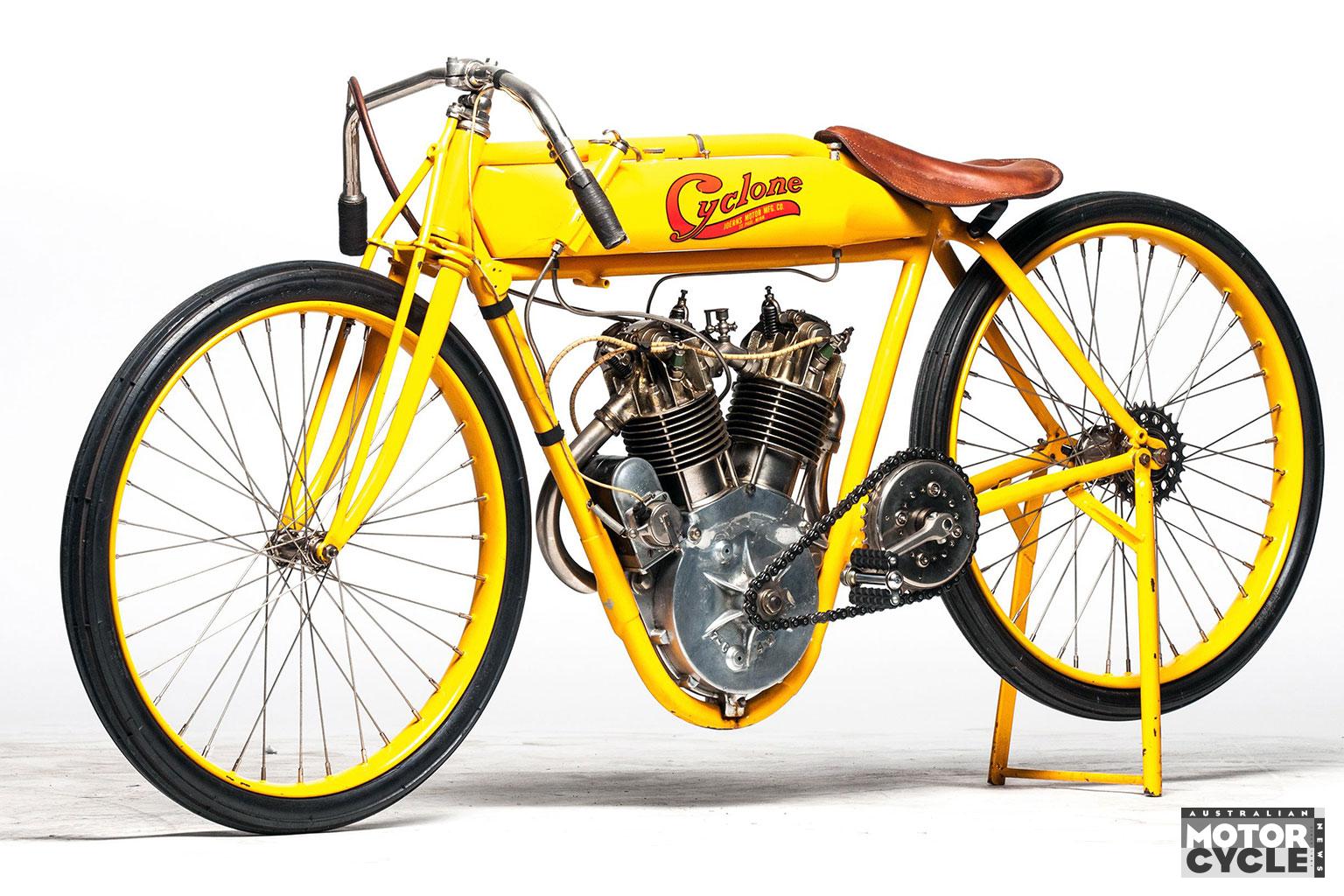
From street races to the silver screen
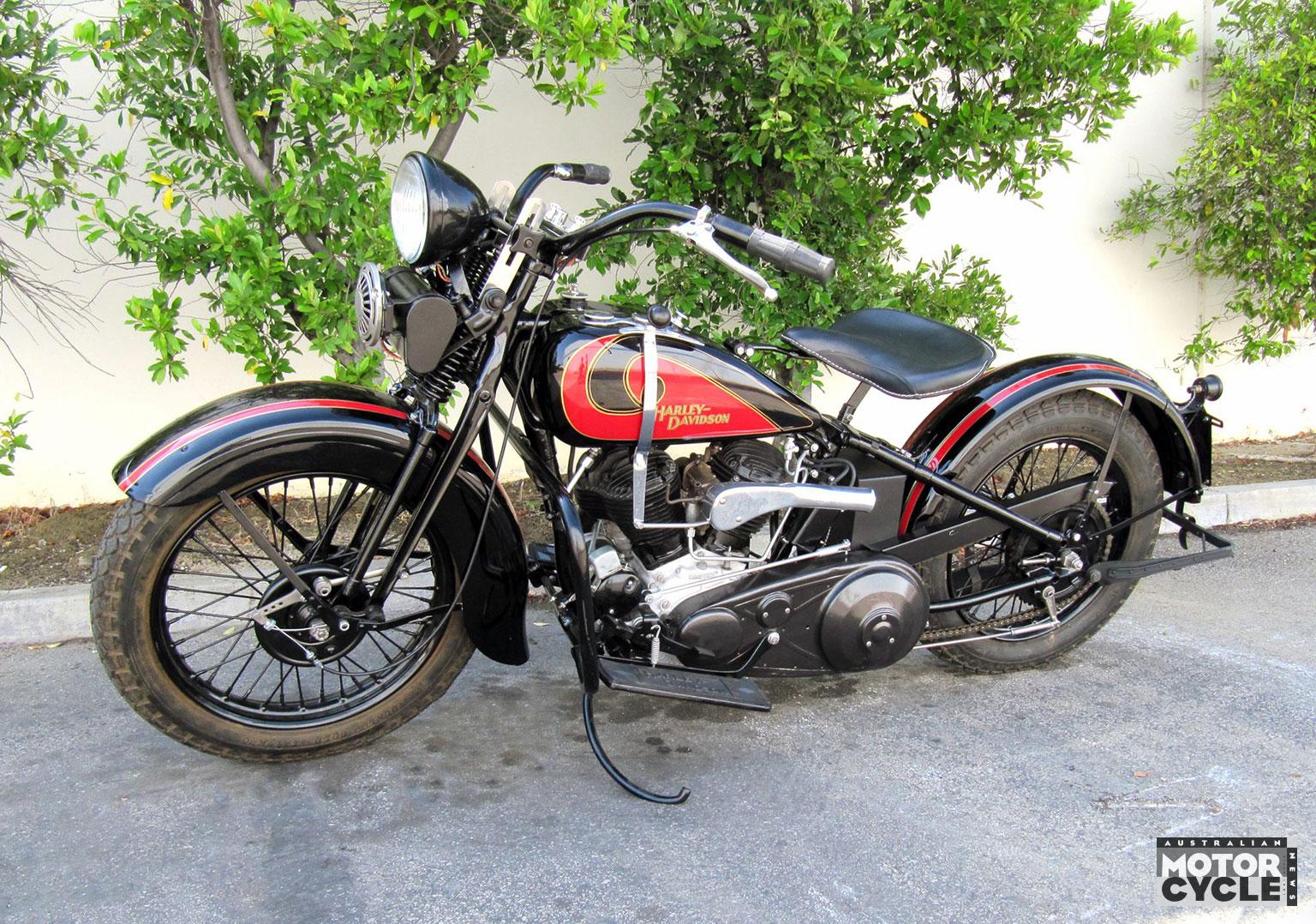
In the early 1950s, McQueen began racing borrowed bikes in local events, winning prize money most weekends. He soon bought a 750cc Harley Model K and raced both legally at the Long Island Raceway and illegally on the street. Those night races, lit only by streetlamps and the glint of chrome, were as much about camaraderie and bragging rights as they were about speed.
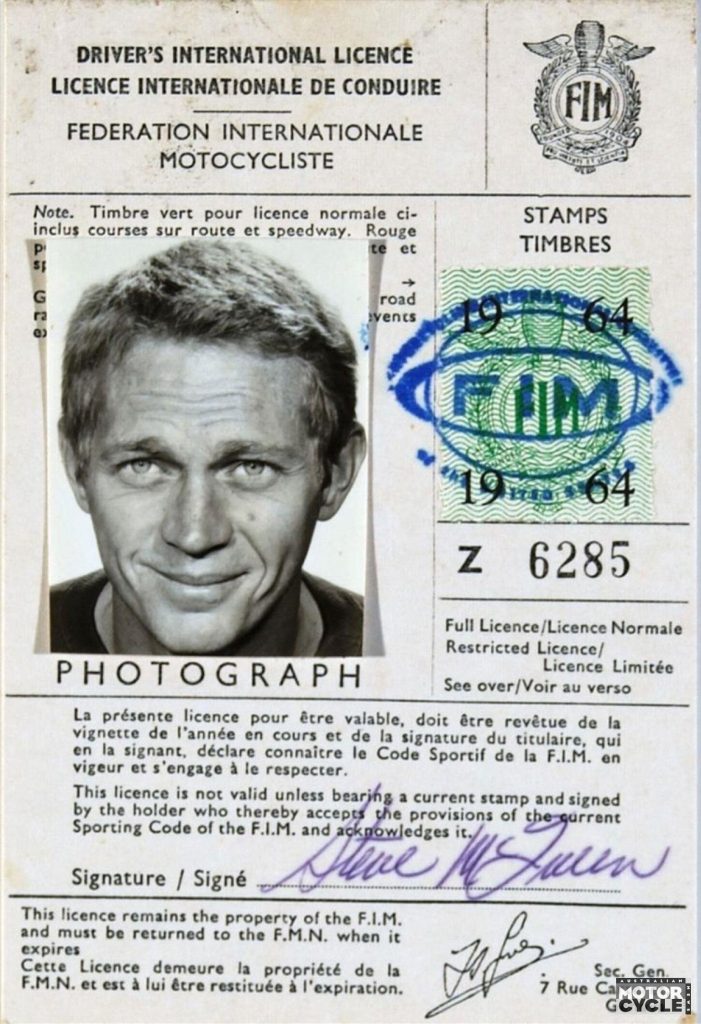
By the late 1950s, acting roles were coming steadily, but his heart still belonged to motorcycles. He bought a 650cc BSA Road Rocket and rode with friends from New York to Key West. On a whim, they ferried over to Cuba, rode a little too close to a rebel outpost and got arrested as government spies during the revolution. The prison stay was short but uncomfortable, a reminder that his impulsiveness had a price.
His girlfriend and future wife Neile Adams, at the time a successful Broadway actress, refused to bail him out. McQueen eventually bought his own way out by selling his helmet and BSA parts. He returned to the US with lighter pockets but another story for his growing legend.
Triumphs and pseudonyms
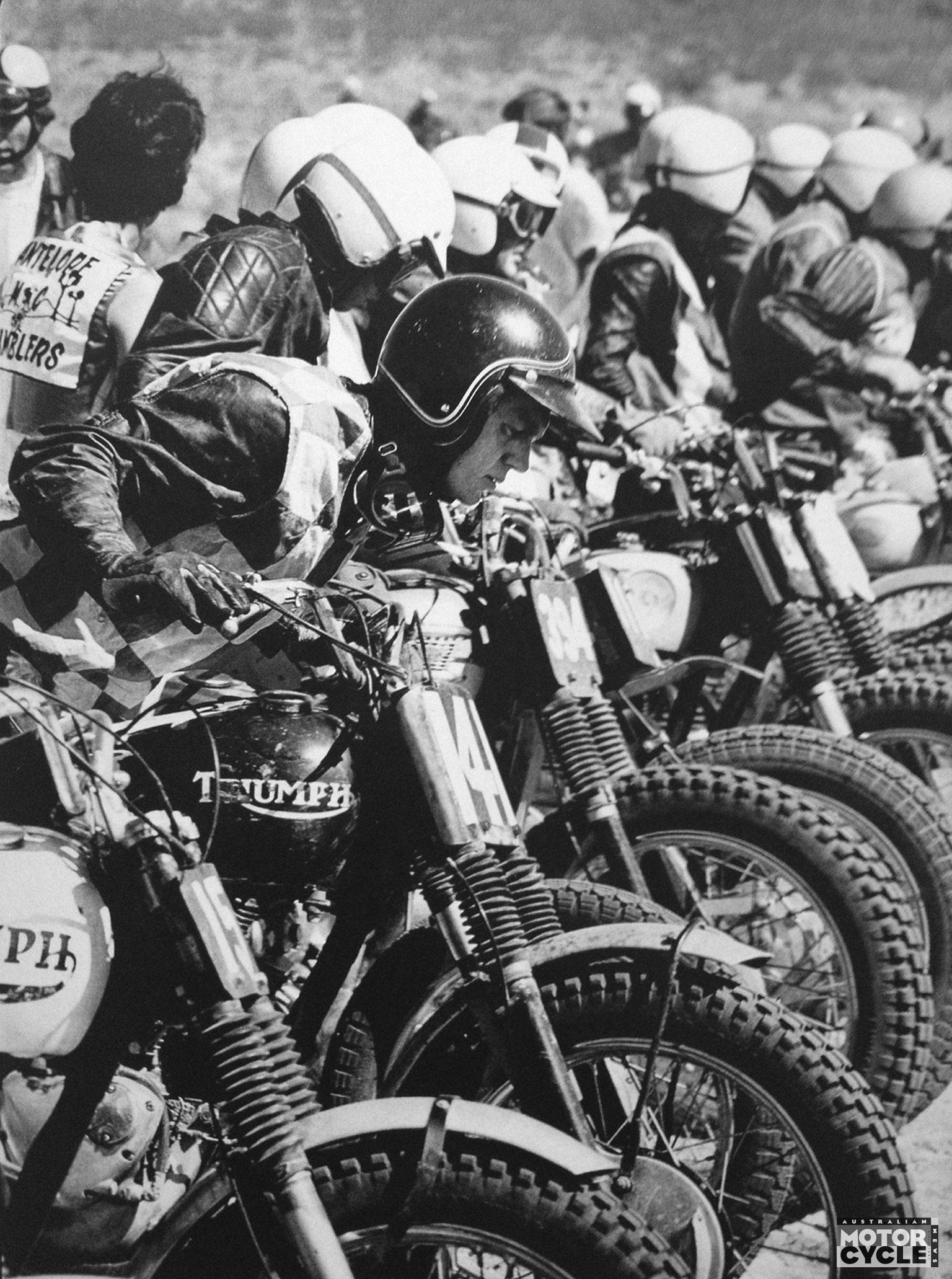
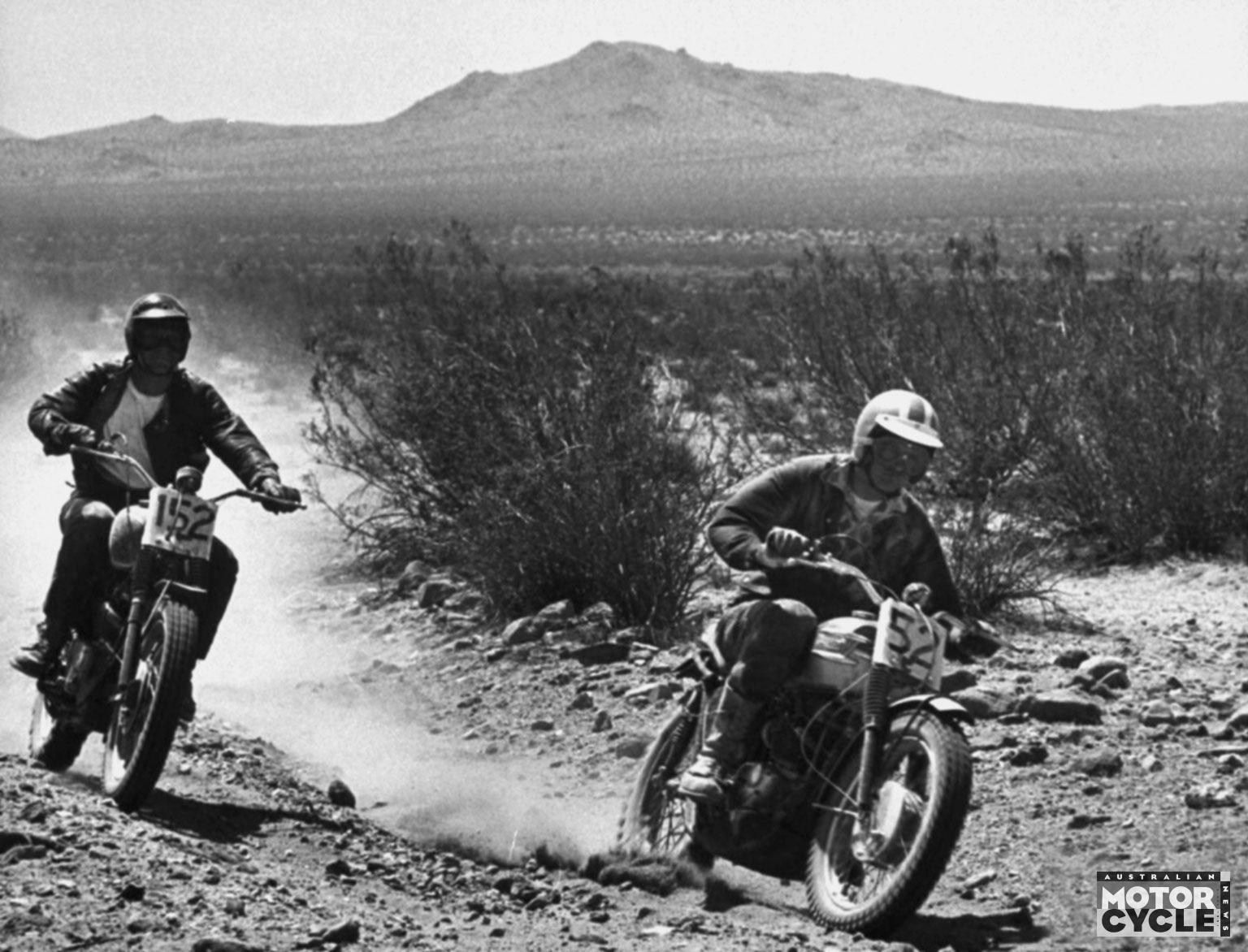
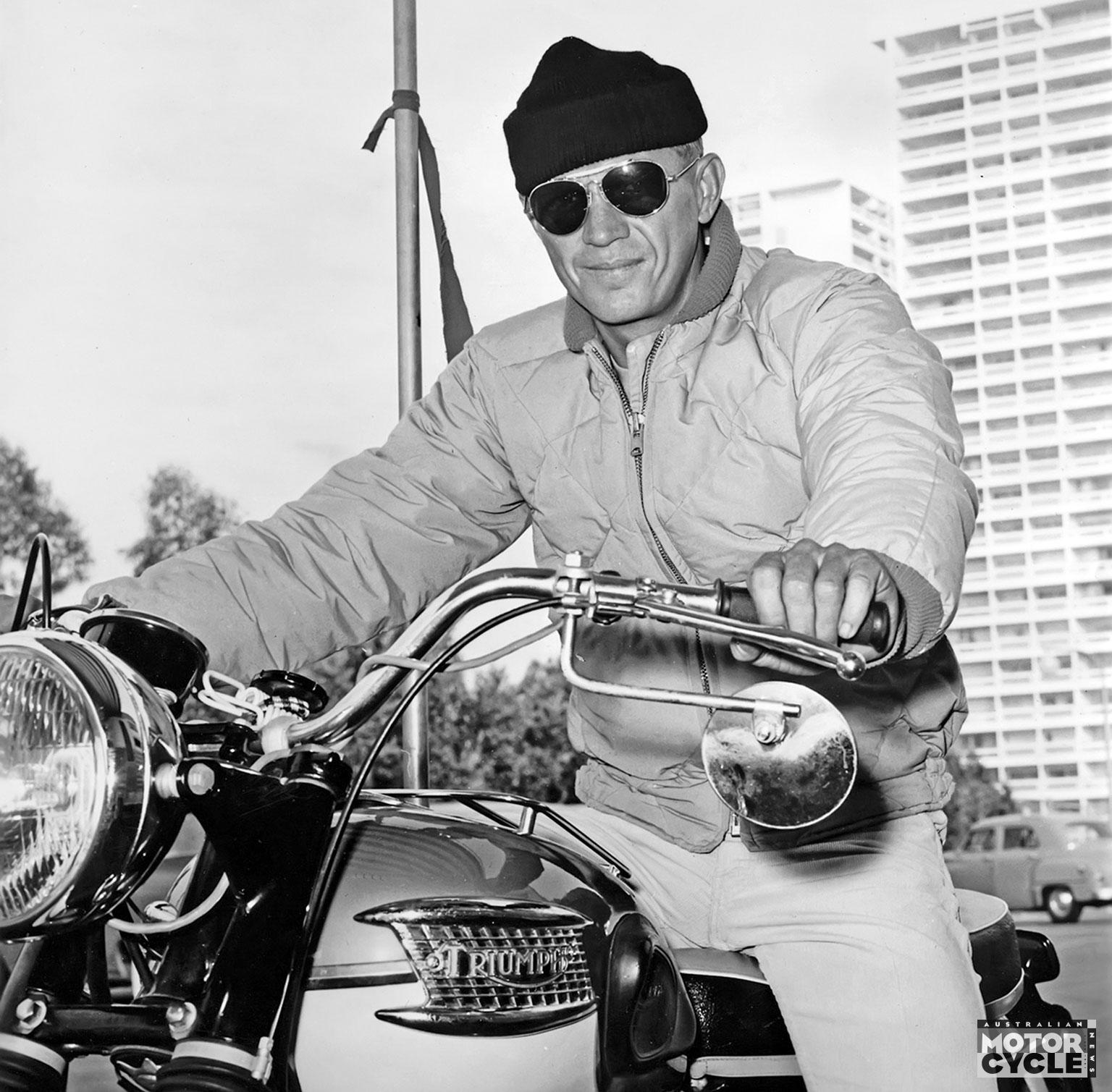
In the early 1960s, now a TV star in Wanted – Dead or Alive and living in Los Angeles, McQueen met stuntman and racer Bud Ekins. He bought a Triumph from him and dived headlong into off-road competition with Ekins as his mentor. McQueen proved himself a fierce competitor who didn’t just dabble; he trained, he pushed, and he took his knocks like any other rider.
Film contracts, however, forbade such ‘dangerous activities’. No problem; McQueen got around that by racing under the alias ‘Harvey Mushman’, a name he first used while racing in New York. On the streets, he still rode hard and often, using his skill to slip through traffic or carve up winding canyon roads.
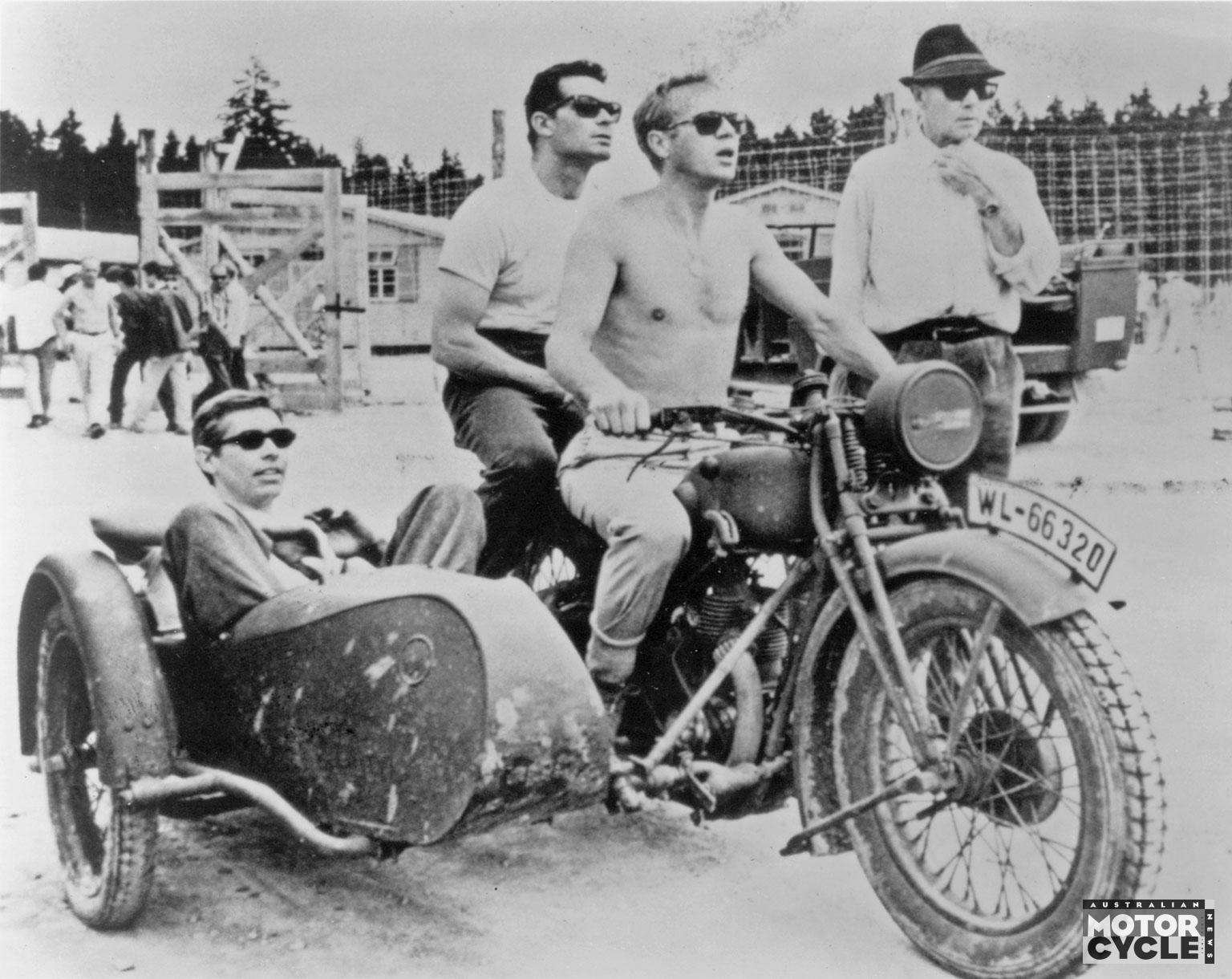
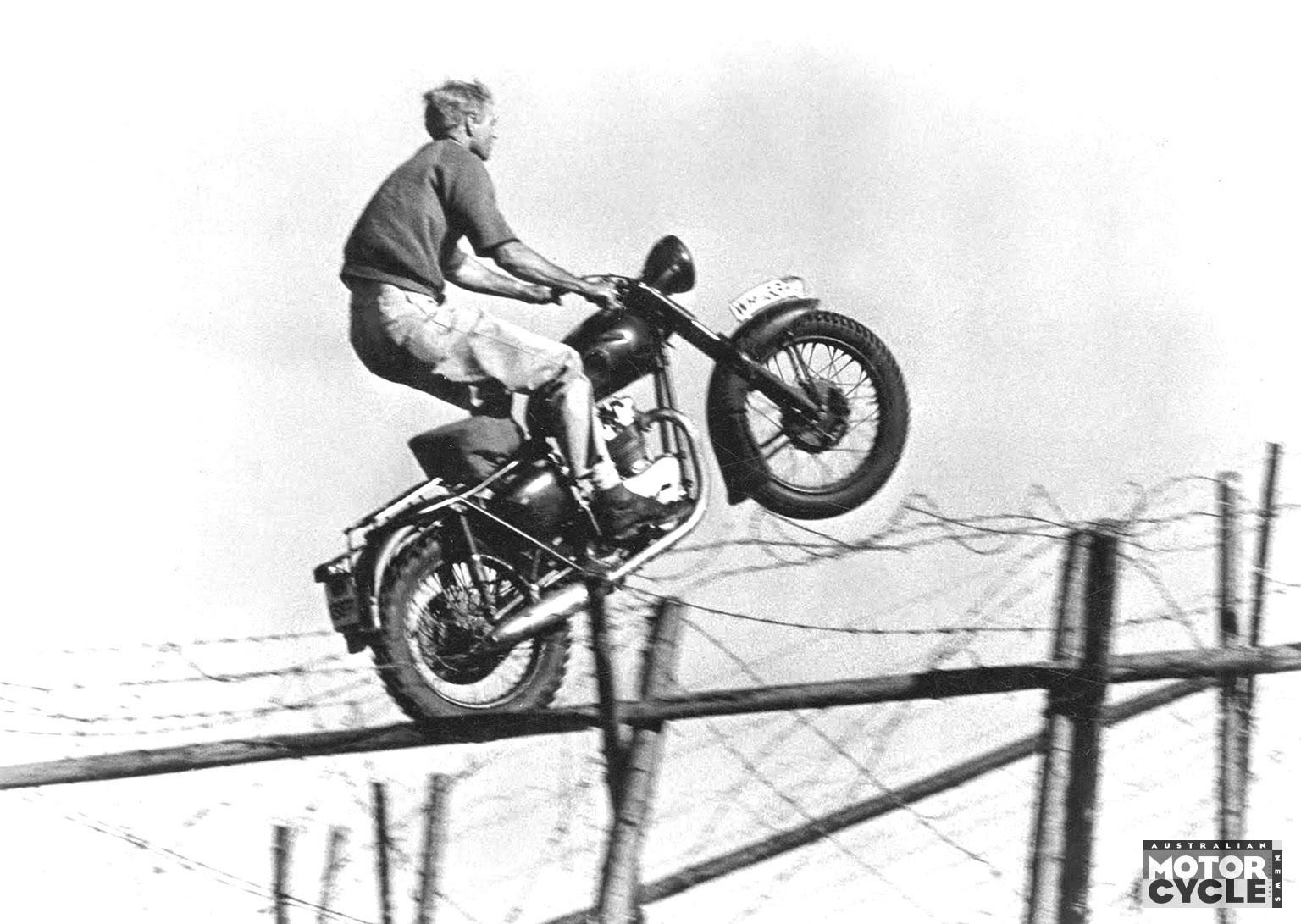
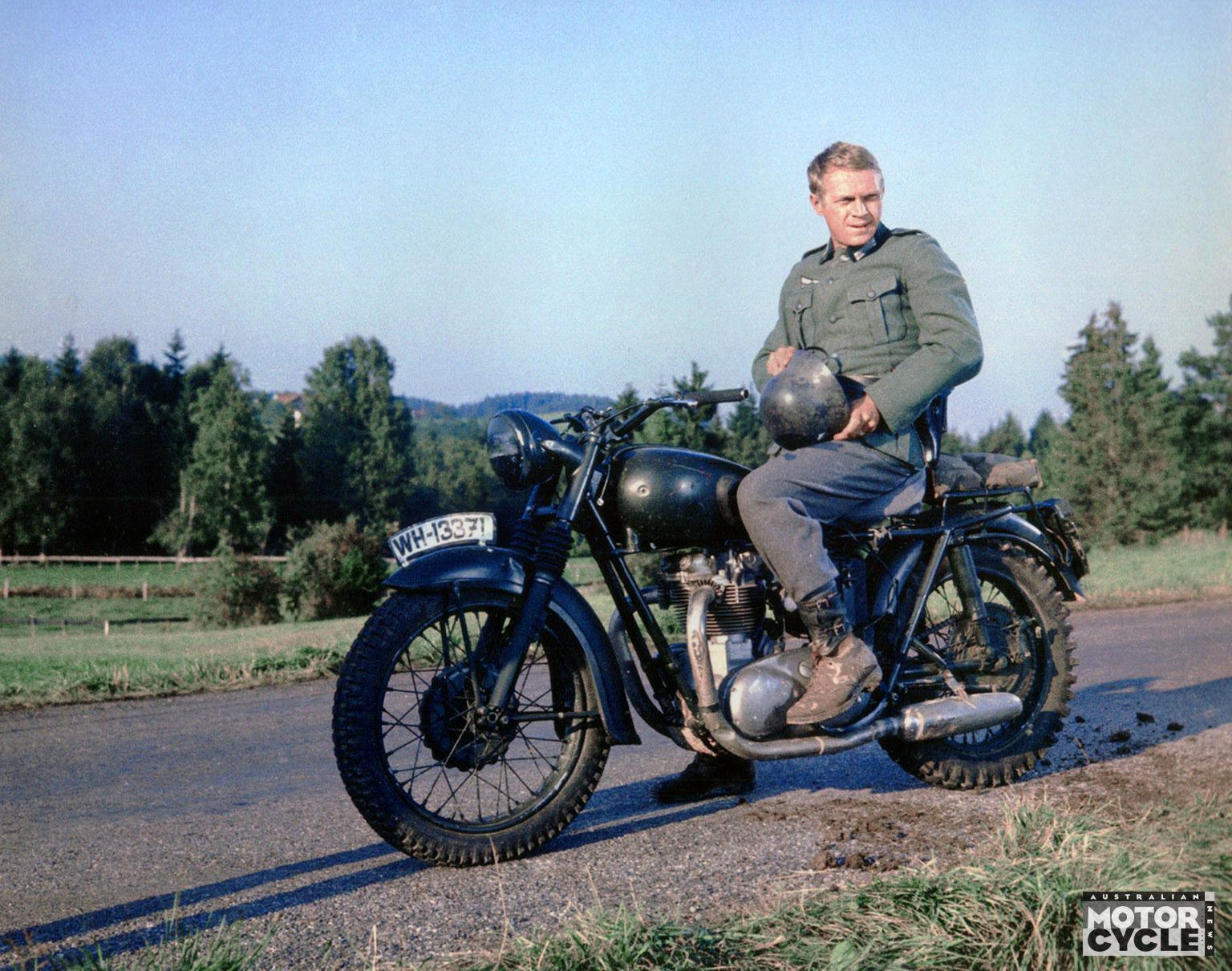
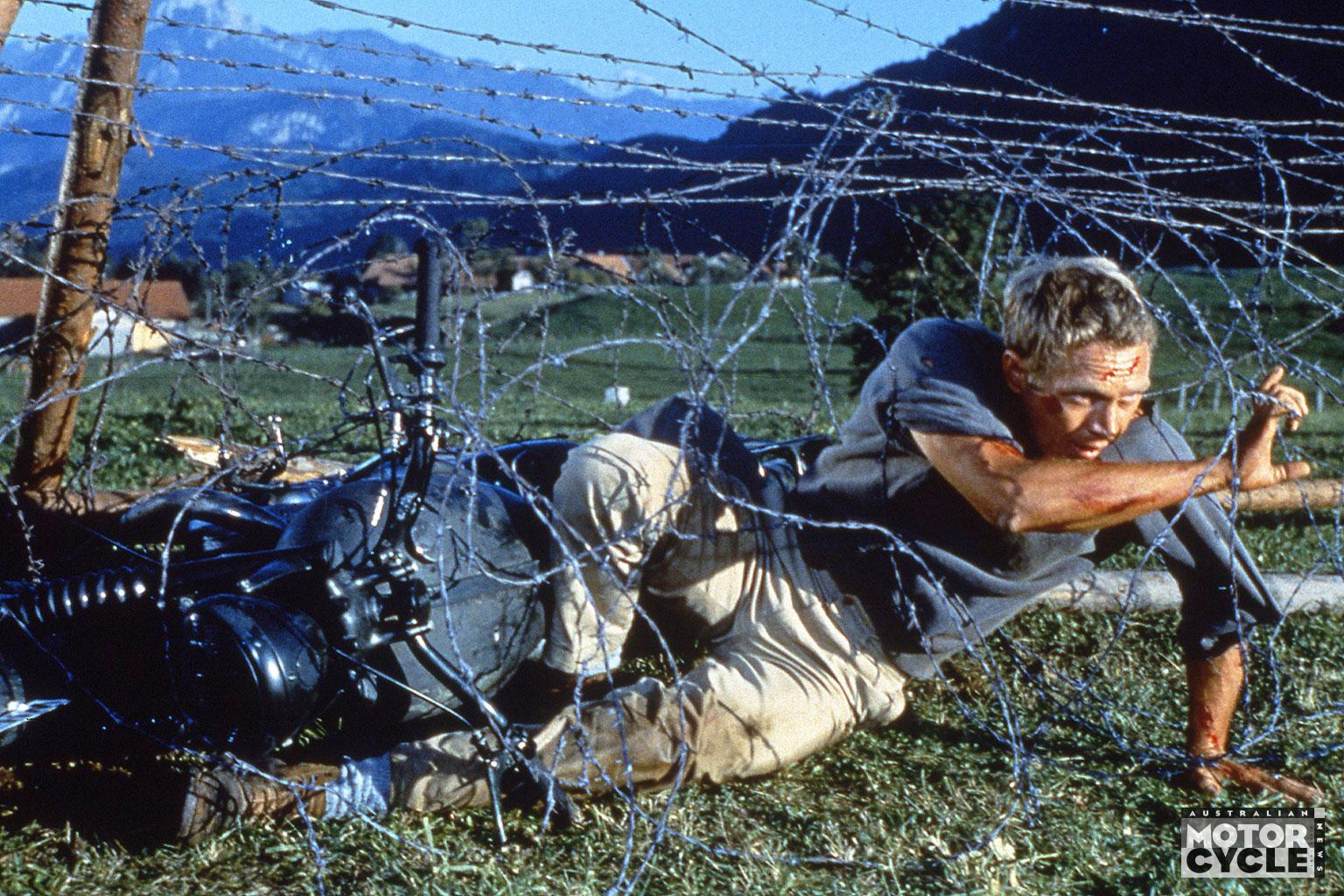
Ekins also doubled for McQueen in high-risk film stunts – most famously the barbed-wire motorcycle jump in The Great Escape (1963). McQueen practised the jump endlessly after insisting motorcycles were made part of the film but insurance kept him from attempting it on camera. The camaraderie between the two men, built on mutual respect and shared passion, would last a lifetime.
Racing for America
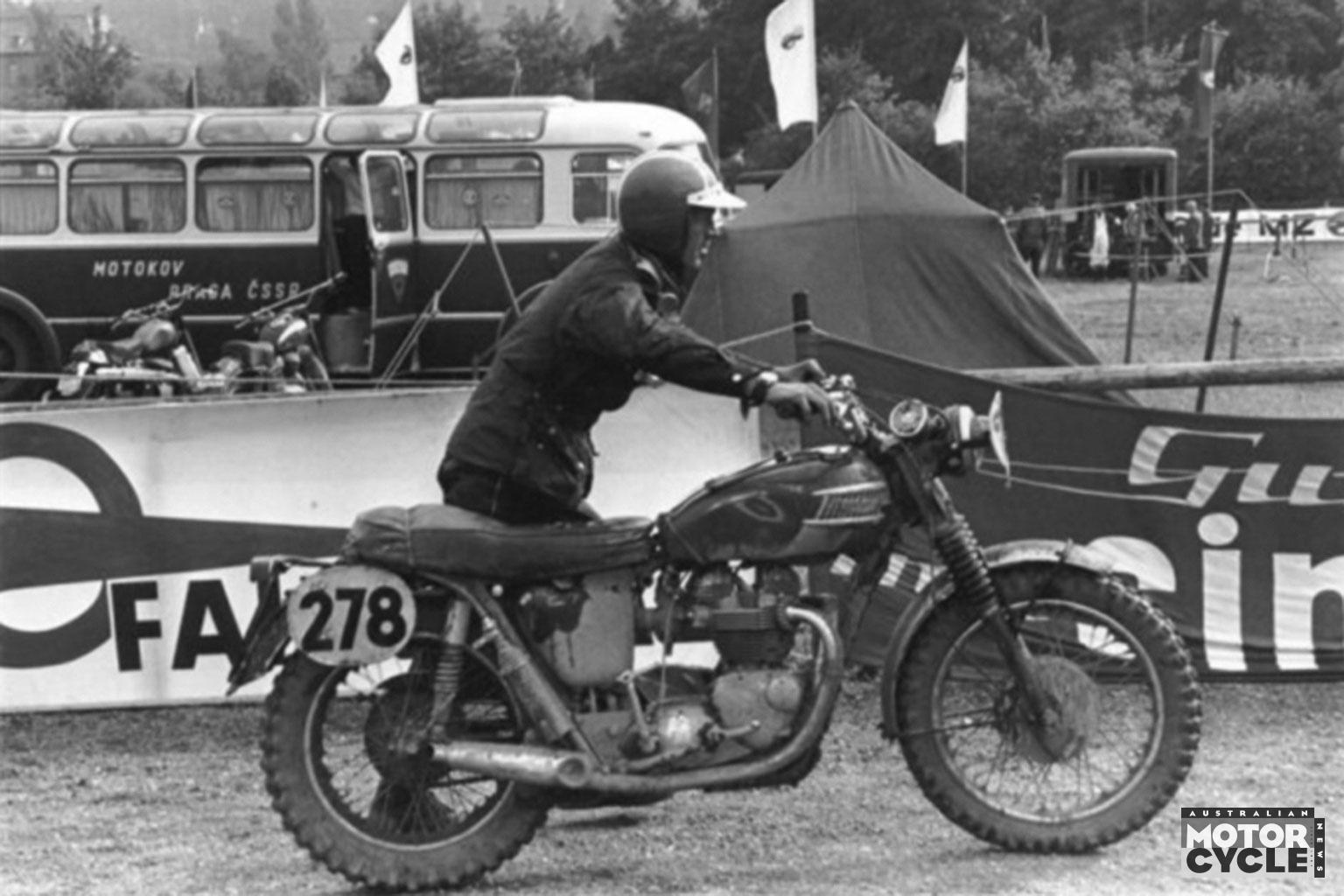
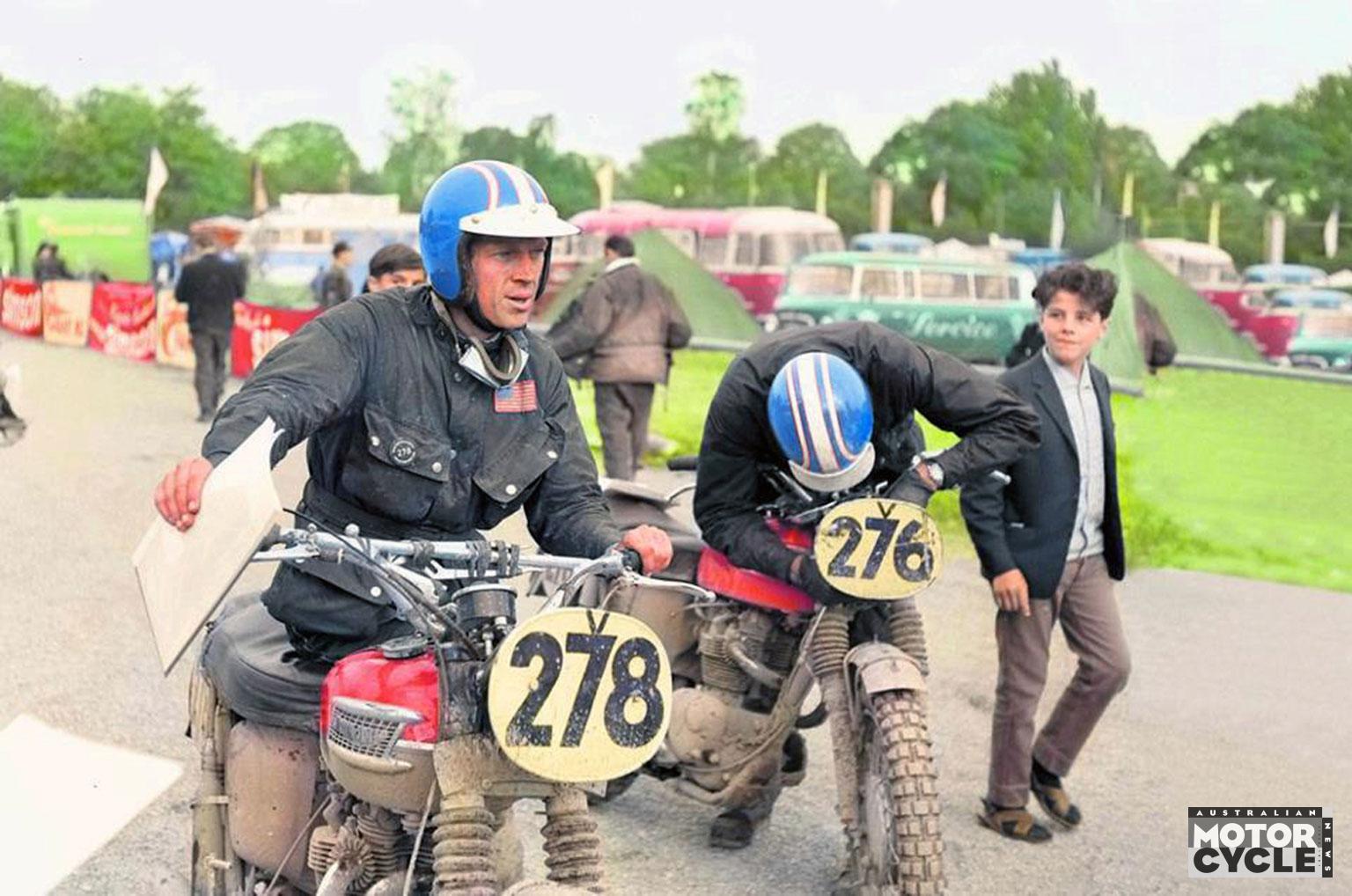
While filming The Great Escape, McQueen attended the International Six Days Trial in Germany. Two years later, he bankrolled and joined the American team for the 1964 ISDT in East Germany alongside Bud and Dave Ekins, Cliff Coleman and John Steen. The team started strong but mechanical issues and a crash ended McQueen’s medal hopes.
Still, his participation boosted the image of motorcycling in the US. At a time when many Americans still viewed bikes with suspicion, McQueen showed the sport’s athleticism and discipline. He tested bikes for Popular Science magazine, writing with a rider’s insight rather than a celebrity’s detachment.
In 1970, he helped finance Bruce Brown’s now-legendary documentary On Any Sunday, which captured the beauty, skill and camaraderie of motorcycling in a way no film had before. Just as the iconic 1971 film Le Mans celebrated car racing (see sidebar), this was a love letter to two wheels – and McQueen was right at its heart.
The collection
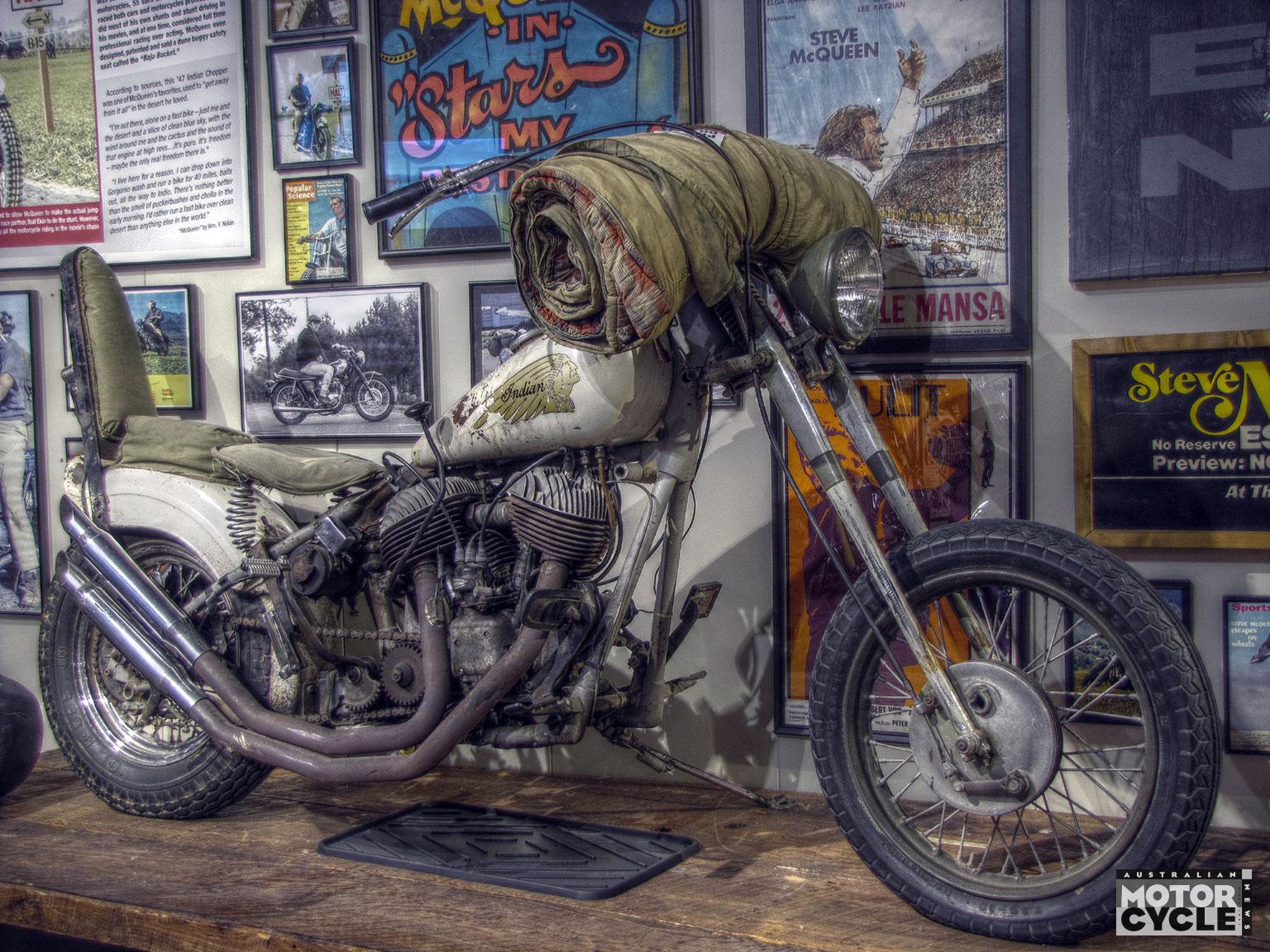
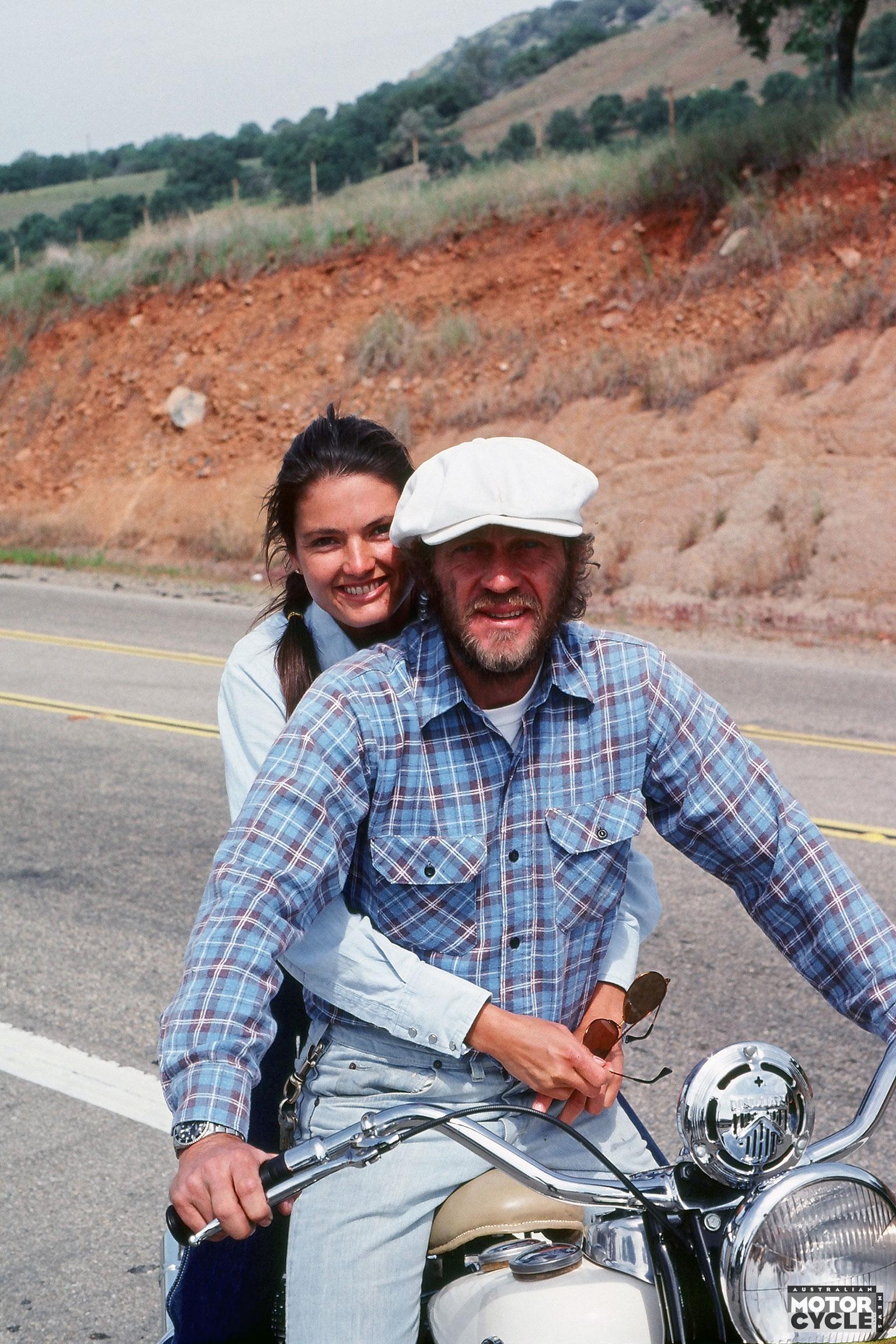
By the late 1970s, McQueen’s garage housed more than 100 motorcycles; everything from pristine vintage American models to rugged British off-roaders that still wore the dust of competition. He preferred older machines, often traveling across America incognito, stopping in small towns where nobody cared about his fame.
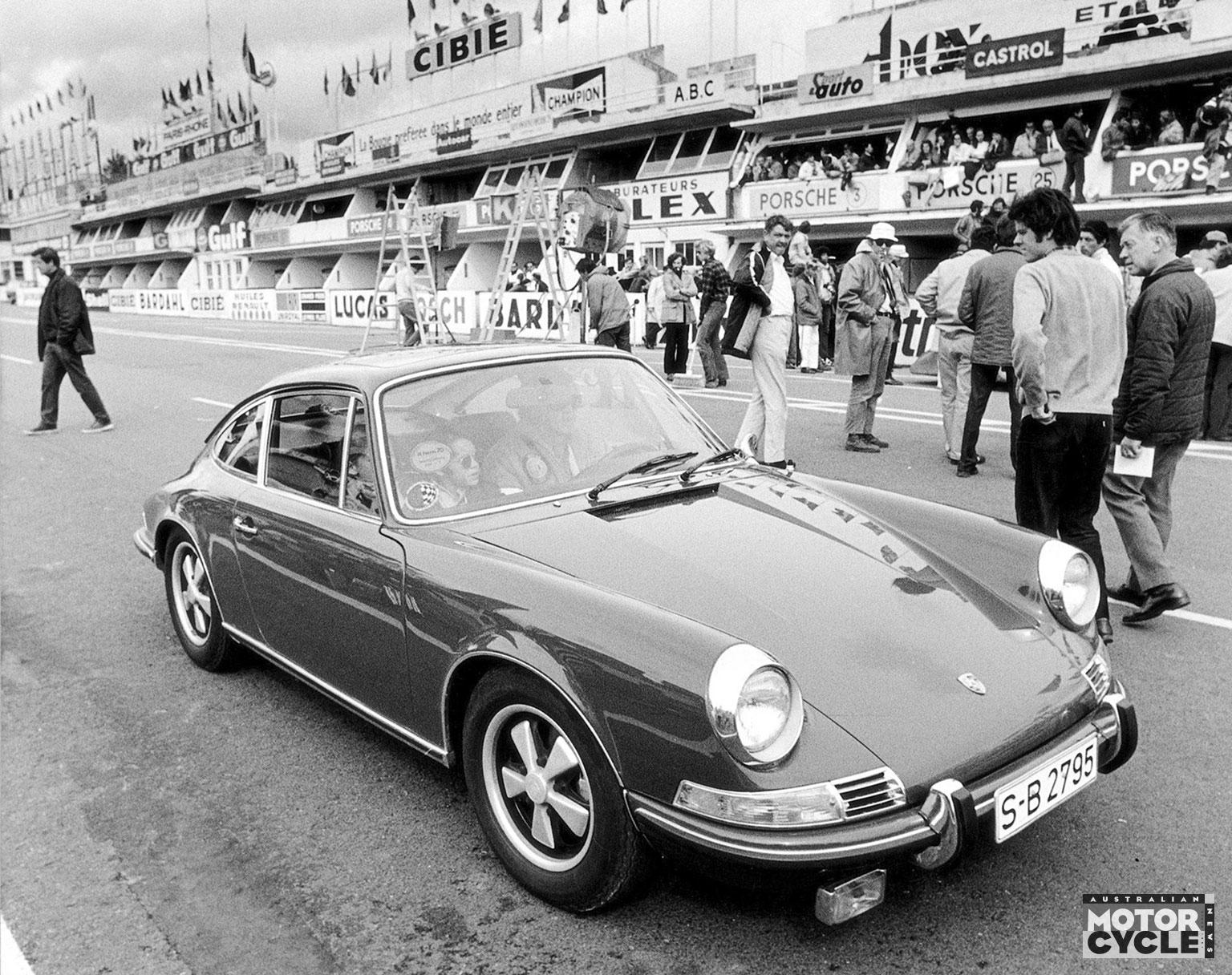
To McQueen, each bike told a story: the hands that built it, the roads it had travelled, the scars and scratches it had picked up along the way. He saw motorcycles as living pieces of history, and he treated them with the same reverence others might reserve for fine art.
Ekins was a crucial partner in his quest.
Then came the diagnosis: lung cancer caused by exposure to asbestos (either due to his time in the Marines or car racing when brake linings and driver’s suits contained the deadly fibres).
Conventional treatments failed. Seeking alternatives, McQueen travelled to Mexico, but on 7 November, 1980, he died of a heart attack following surgery. Aged just 50, he left behind a family, a body of film work and a garage full of priceless memories.
Legacy rolls on
Most of McQueen’s bikes were sold at auction in the years after his death, fetching astronomical sums. Yet the connection between McQueen and motorcycles remains alive. At 95, we can only imagine what his collection might look like today, and what new chases he’d thrill us with on screen.
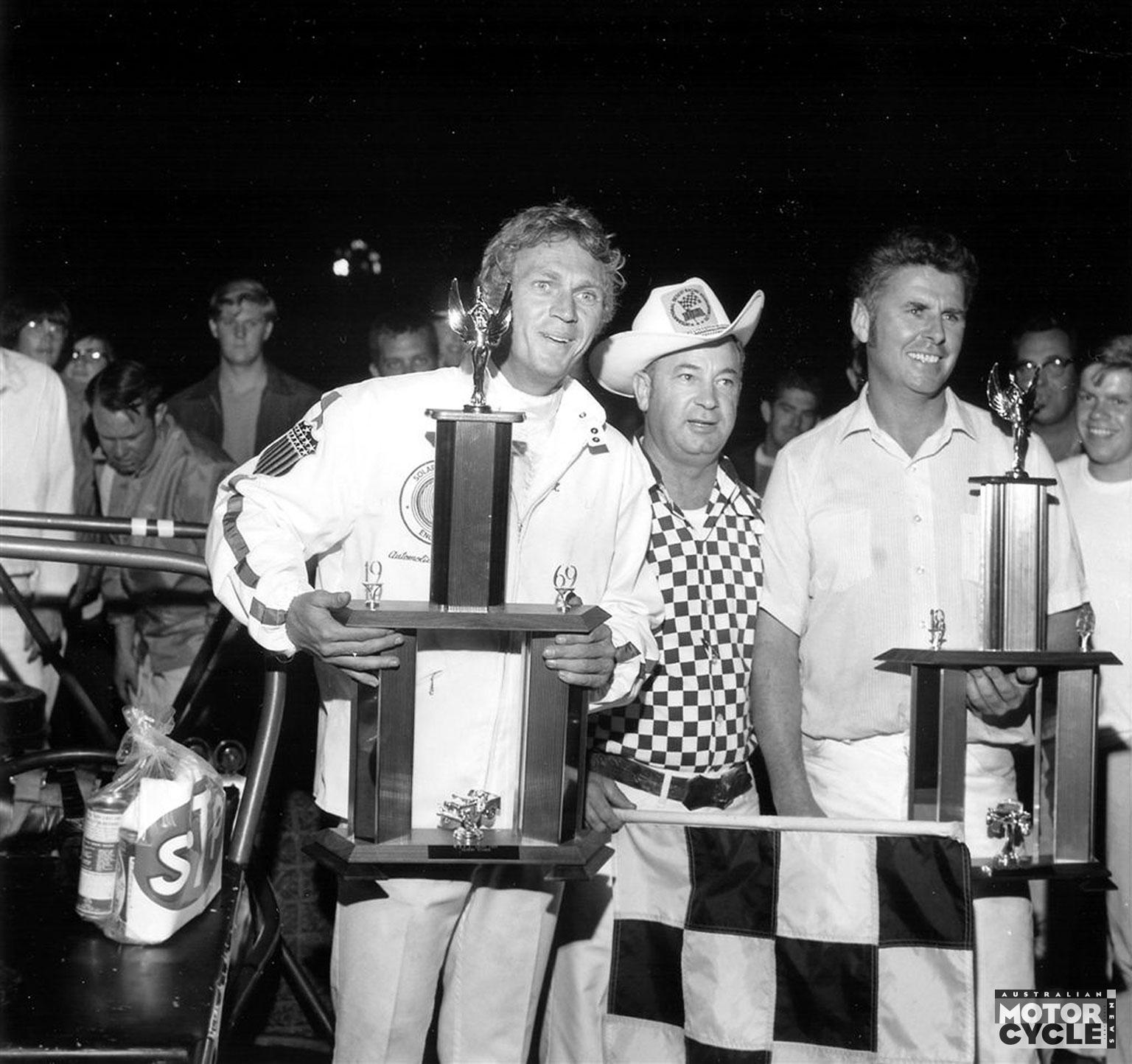
One thing’s for sure: the King of Cool would still be twisting the throttle, still finding the long way home, and still choosing the bike over the easy option.
On Any Sunday at 50
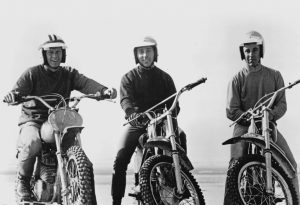
Half a century on, Bruce Brown’s On Any Sunday remains the definitive love letter to motorcycling. McQueen’s funding – and riding – helped bring the sport to a mainstream audience, capturing its skill, camaraderie and joy.
Living the dream
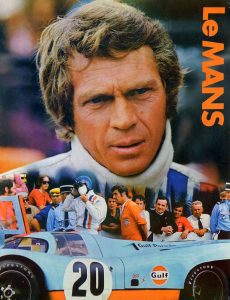
“Racing is life. Anything before or after is just waiting.” That line comes from McQueen’s 1971 passion project Le Mans, but it wasn’t just a scriptwriter’s flourish; it was McQueen’s personal creed. He insisted on shooting the film with real race cars at real speed, surrounding himself with professional drivers to capture the raw truth of the sport. Friends say the quote summed him up perfectly: the track was where life truly happened, and everything else was just marking time until the next race.
The Harvey Mushman story
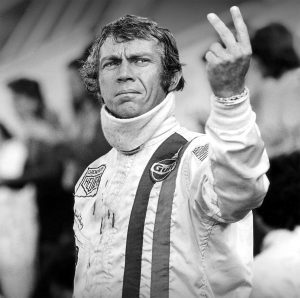
Under strict contracts, McQueen was forbidden from racing. His solution? Enter events under the alias Harvey Mushman. Fans in the know would smile whenever ‘Mushman’ appeared in the results – usually near the top.
Top Five McQueen Motorcycles
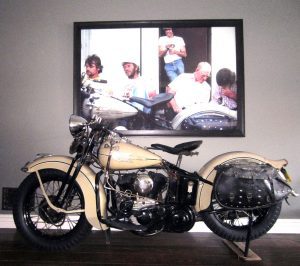
- Harley-Davidson Model K – Early New York race bike, both street and strip
- 1946 Indian Chief – The bike that started it all
- Triumph TR6 Trophy – His first Mojave Desert racer
- Husqvarna 400 Cross – He raced it in On Any Sunday
- Rickman Triumph – His ultimate four-stroke ‘desert sled’