Team green has been busy, with new lightweight adventurer, beefed up Z1100 and fresh Z650 S on the way
Not your dad’s KLE
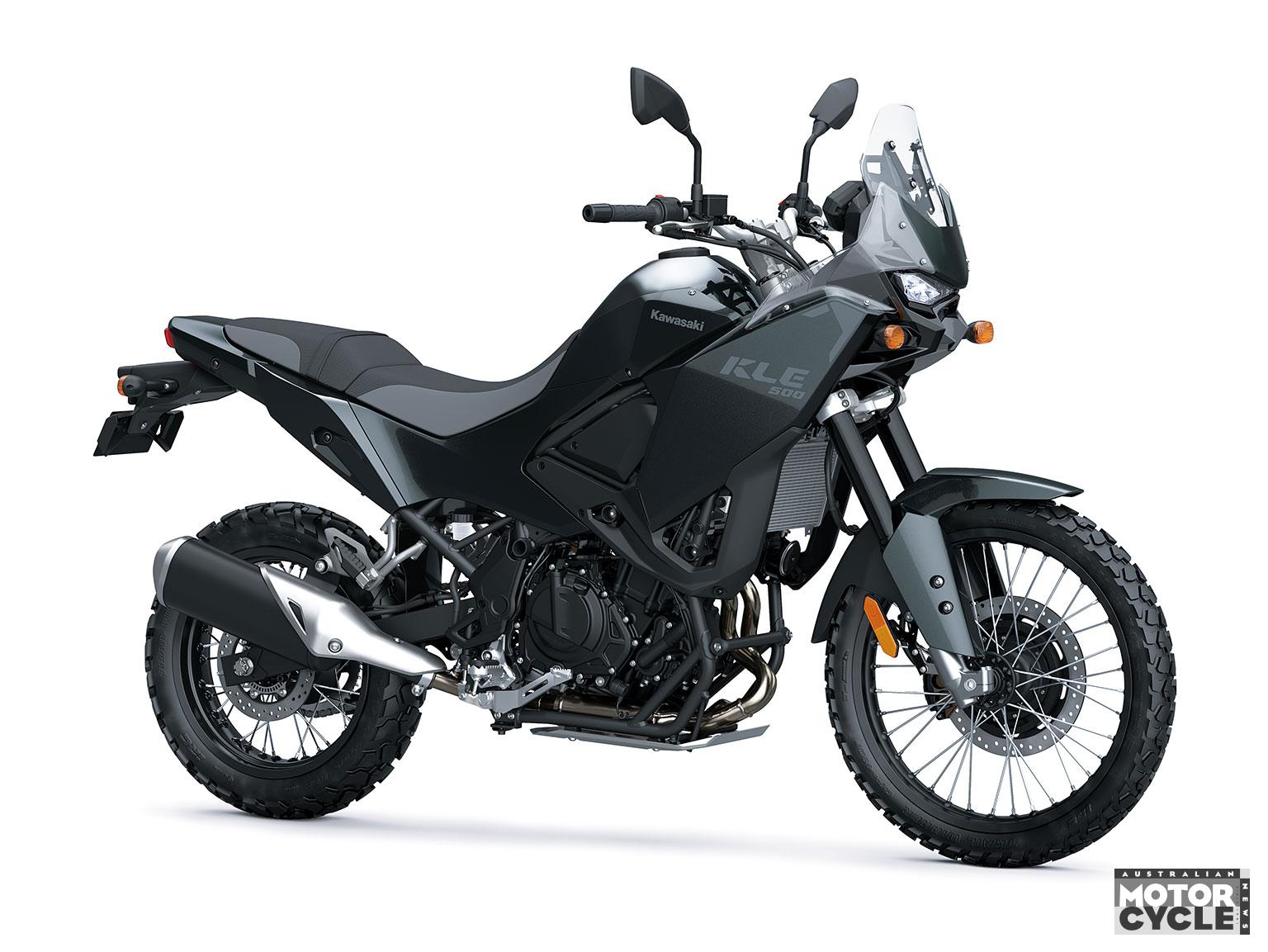
Back in the 90s – long before adventure bikes hit the mainstream consciousness – Kawasaki’s KLE500 was an affordable option for customers who might have really dreamt of a Super Tenere or an Africa Twin at the time. Now the name is once again gracing a low-cost adventure option for the 2026 range.
That original KLE500 laboured on until 2007, by which time it was comprehensively outgunned by newer rivals, before being replaced by the far more capable Versys 650, but the new KLE500 shares only its name with its predecessor and joins the range as an extra model, slotting between the Versys-X 300 and the Versys 650 while offering more genuine offroad ability than either of them.
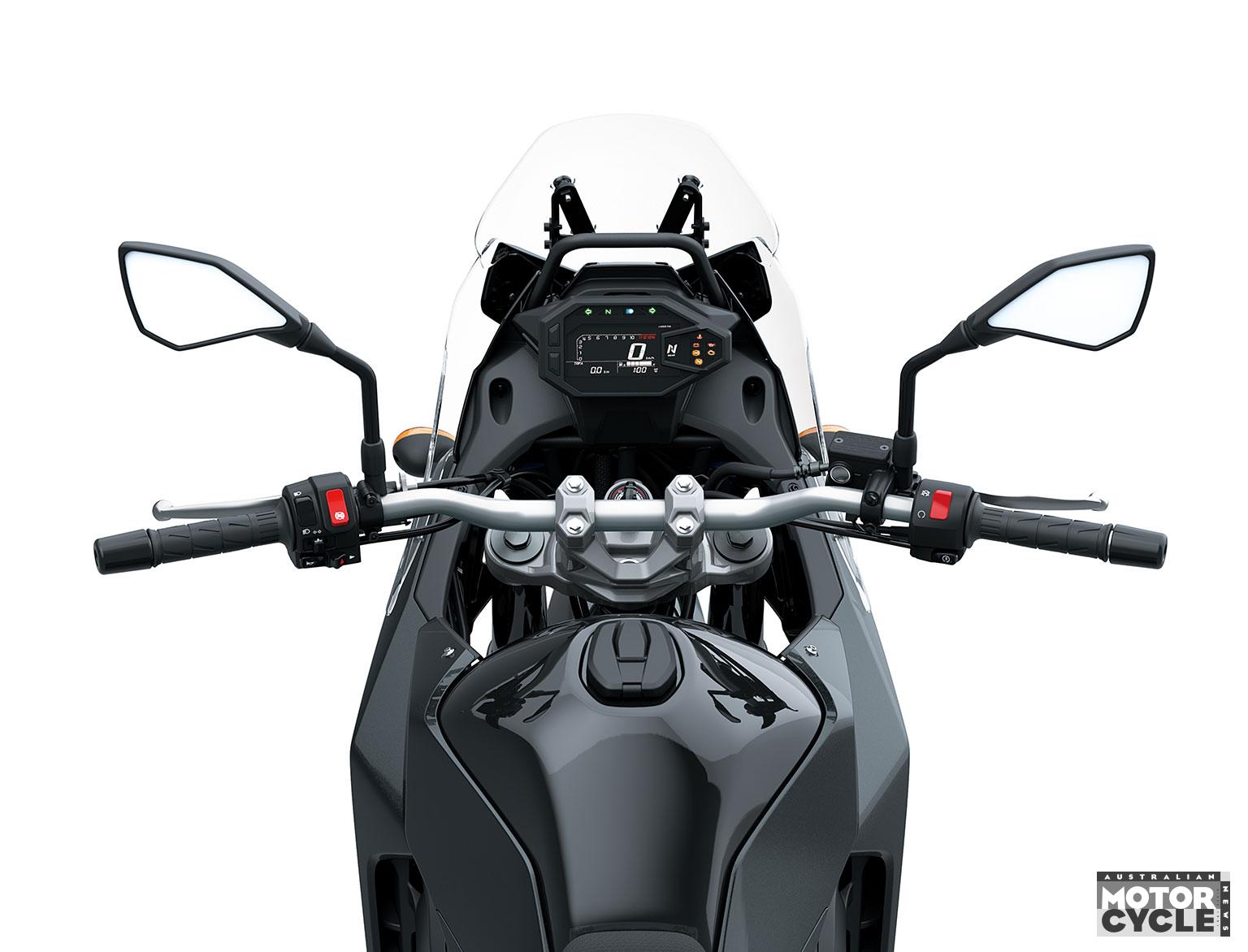
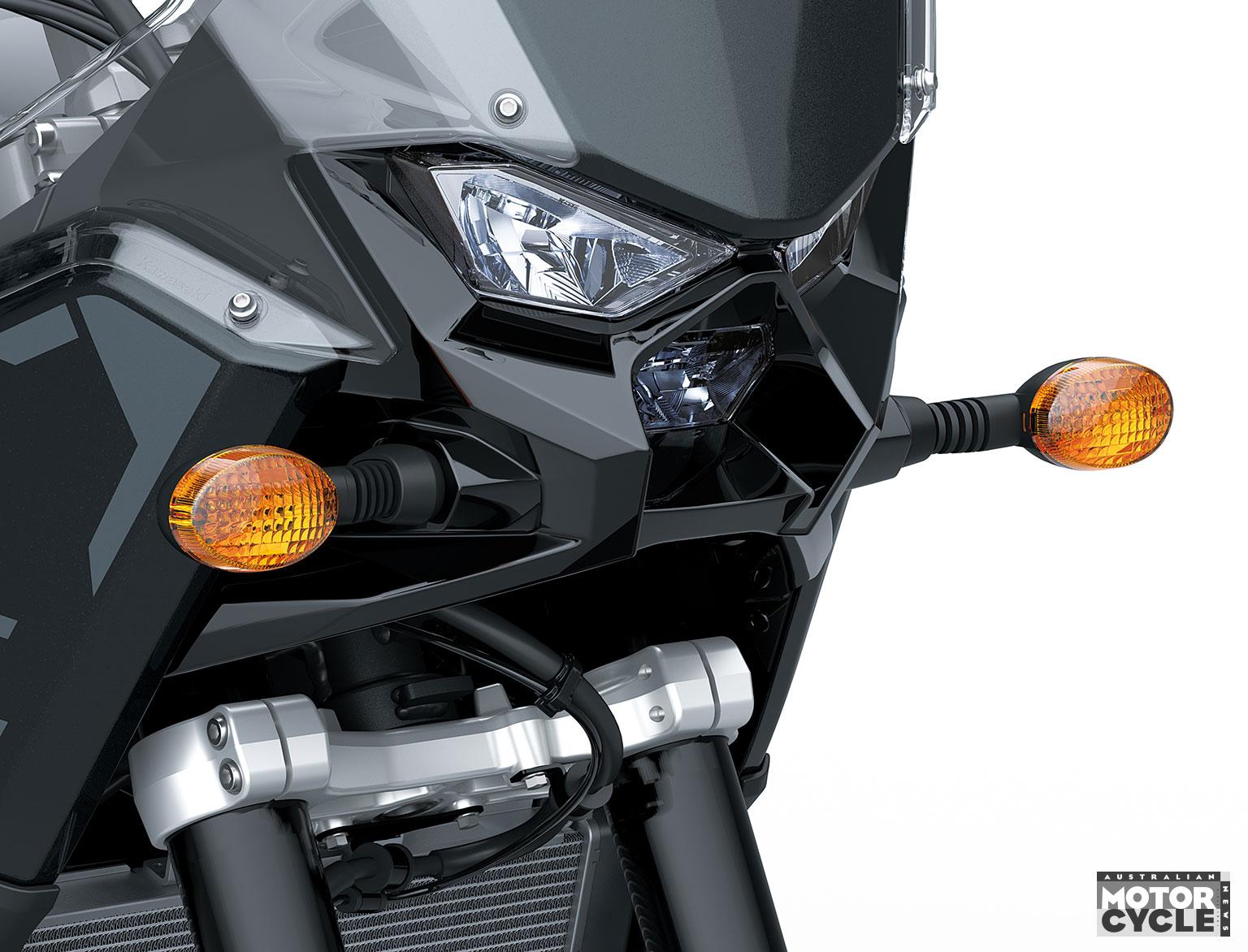
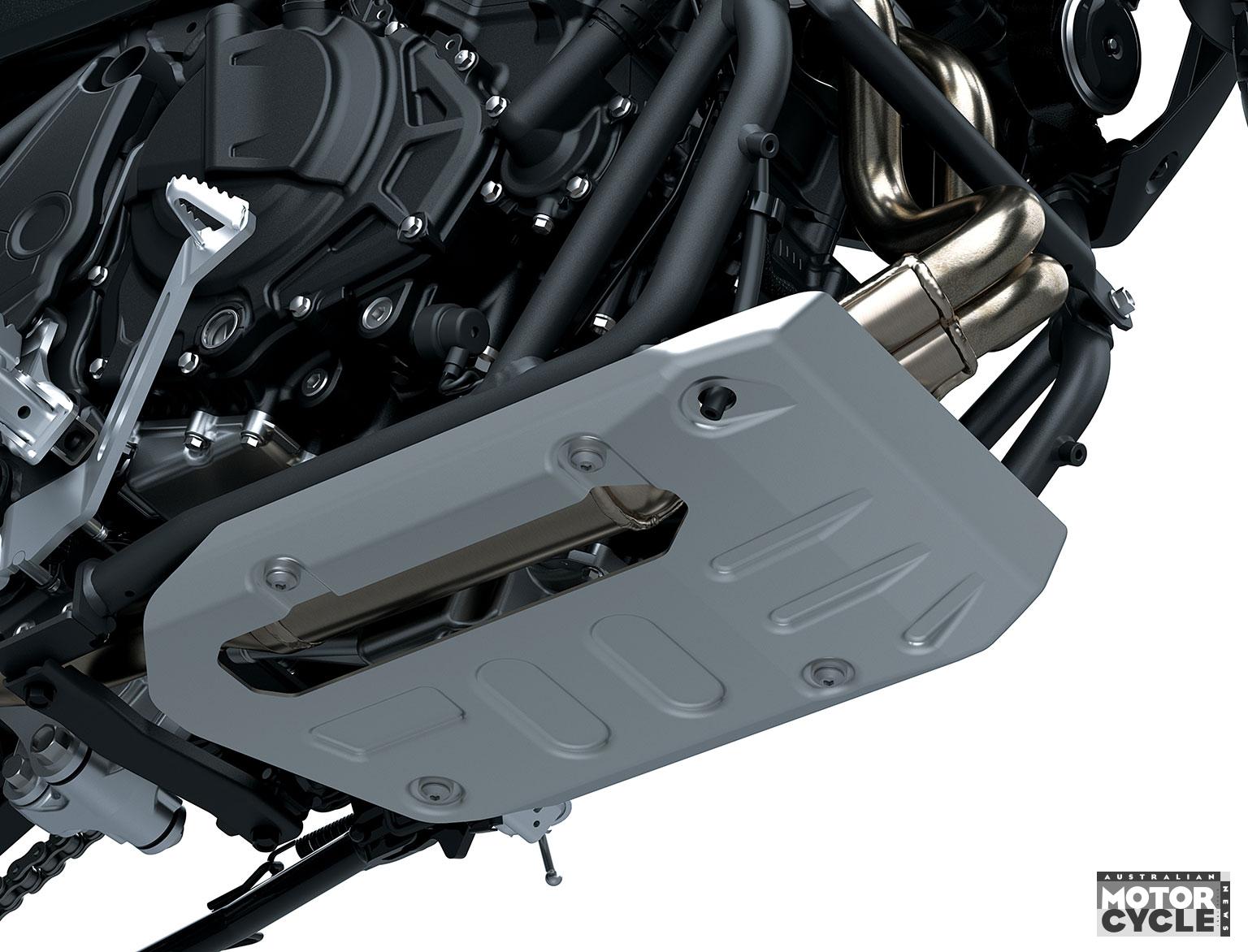
Kawasaki says the slim fuel tank and sleek side covers are intended to make standing easier, with ground clearance and linear power aimed at mixed-terrain use. There’s also an SE model that adds a larger windshield, hand guards, a bigger skid plate, LED lighting, and TFT instrumentation.
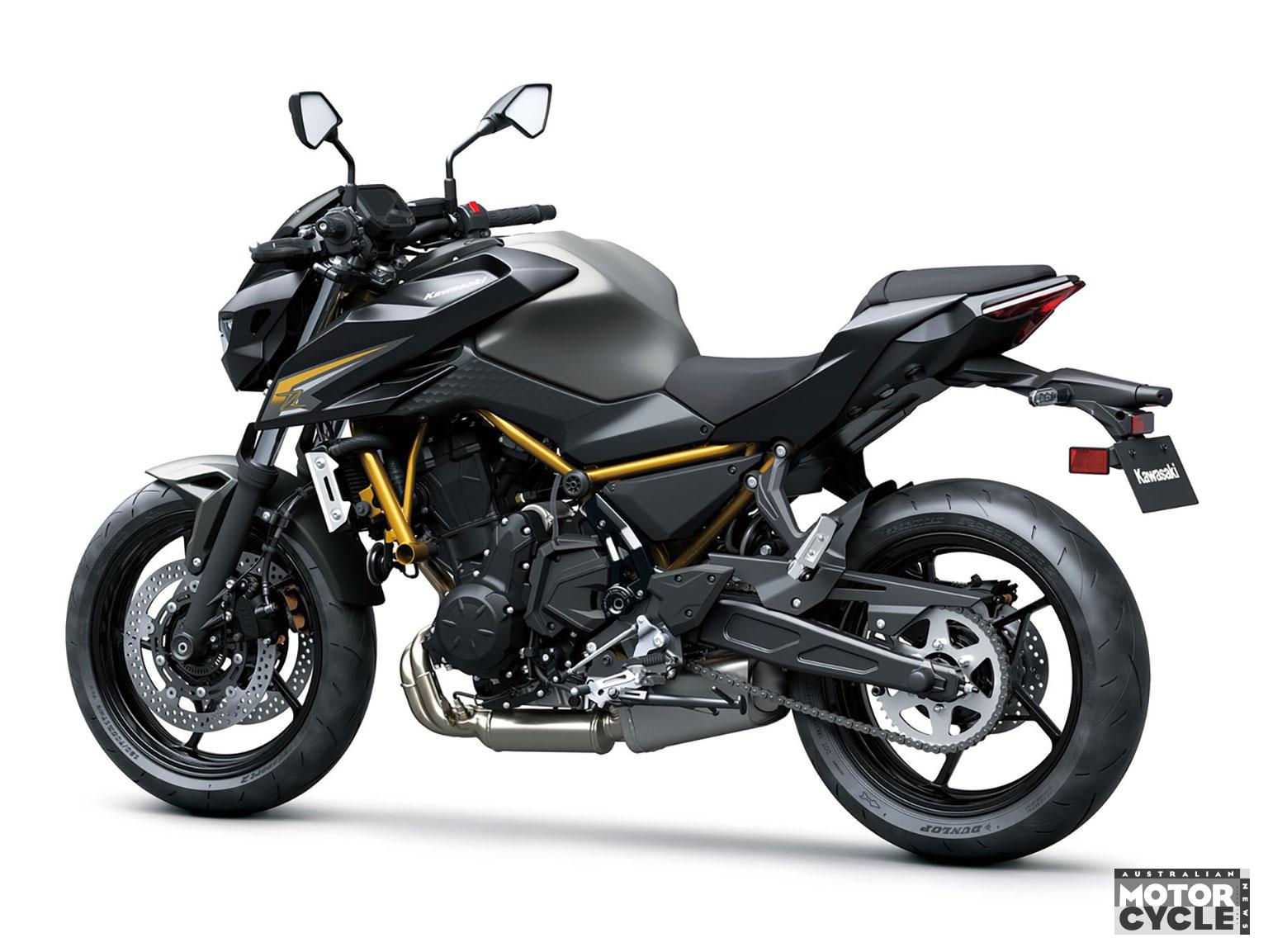
New look and better tech for 2026 Z650 S
Adding an ‘S’ to the Z650’s name for 2026 is the smallest of the changes to one of Kawasaki’s staple models – as it also gets across-the-board revisions and a new look for next year.
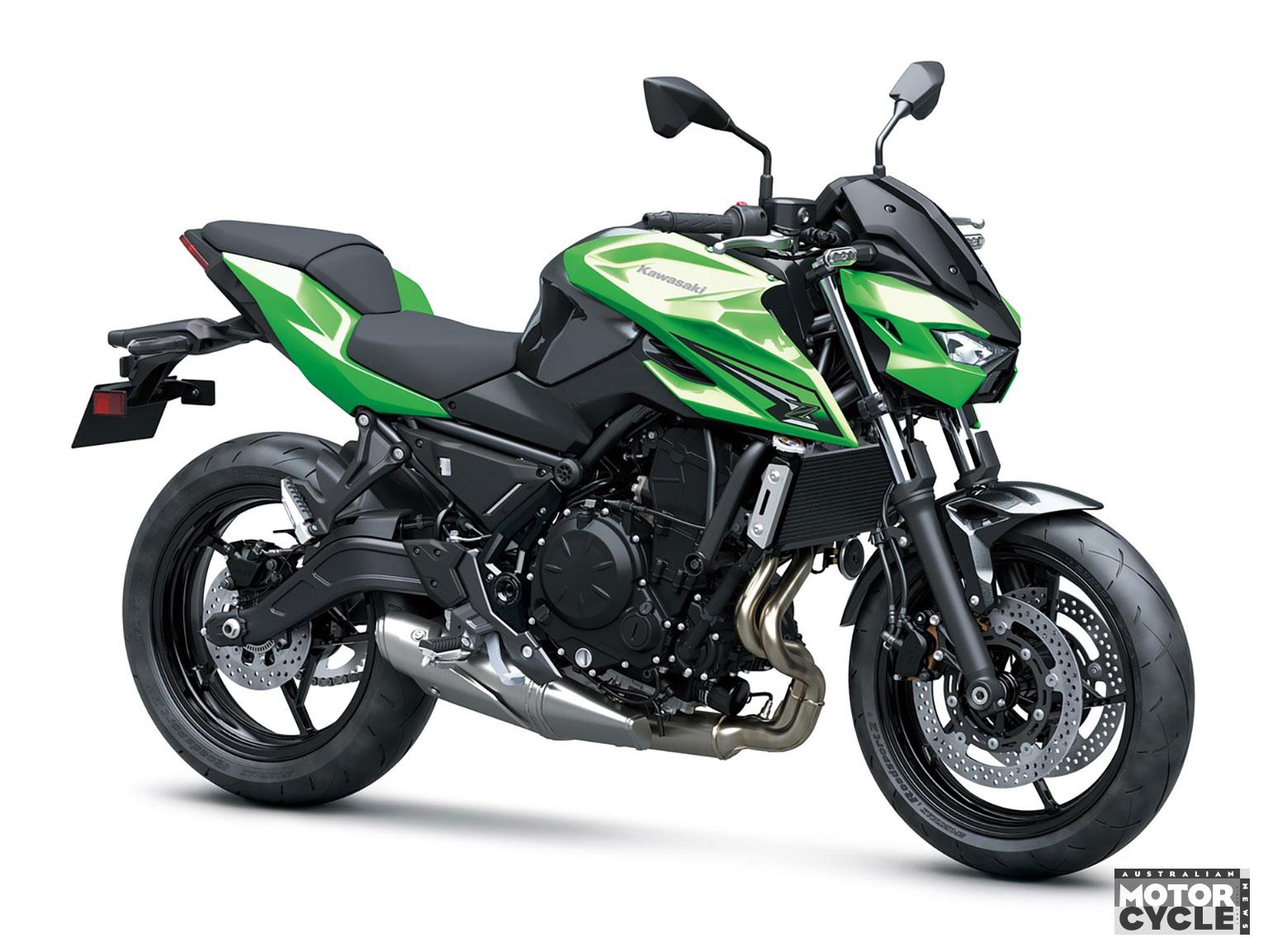
While the basics of the bike including the 50.2kW 649cc parallel twin engine and the lightweight, tubular steel frame are carried over from the previous version, the Z650 S gets a new look that starts with a nose cowl that adopts a family resemblance to the current Z900, backed up by reshaped fuel tank covers, new side panels and a redesigned seat and tail.
But it’s not just a cosmetic tweak. The seat is thicker, 20mm wider and 15mm taller than before, while both the bars and pegs are repositioned, with the latter 30mm wider than before to give a more spacious riding position.
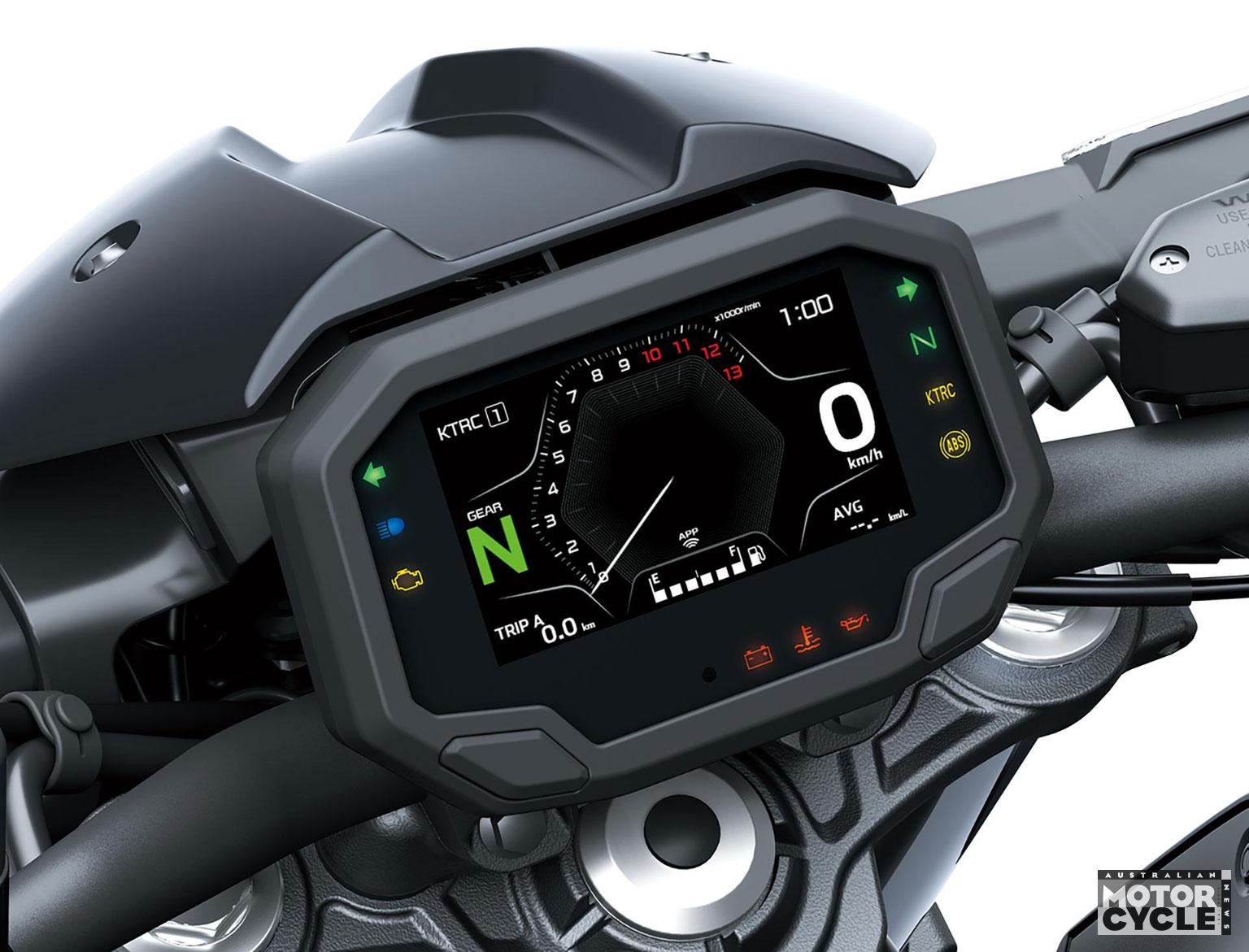
The new nose houses not only a new triple-headlight setup, with two low-beam units flanking a central high-beam light, but also a new 4.3mm TFT dash with two display options and smartphone connectivity.
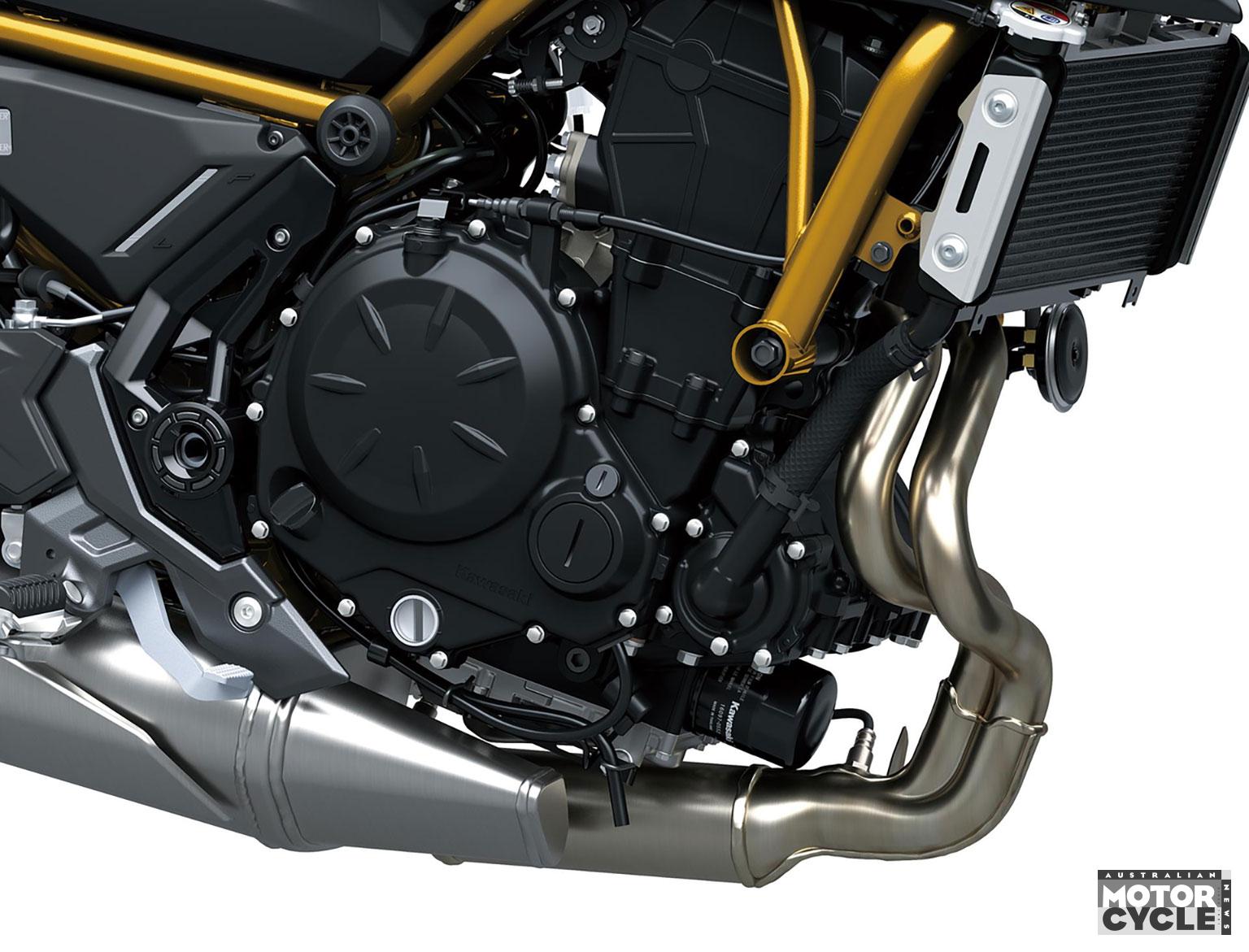
That unchanged engine gains an extra O2 sensor in the exhaust to meet Euro5+ emissions rules, and Kawasaki claims the radiator fan cover is a patented design that pushes hot air downwards and away from the rider. Subtle tweaks include revisions to the braking system, with new 300mm front discs – now conventional rather than the previous petal-style design – and a new ABS control unit from Continental.
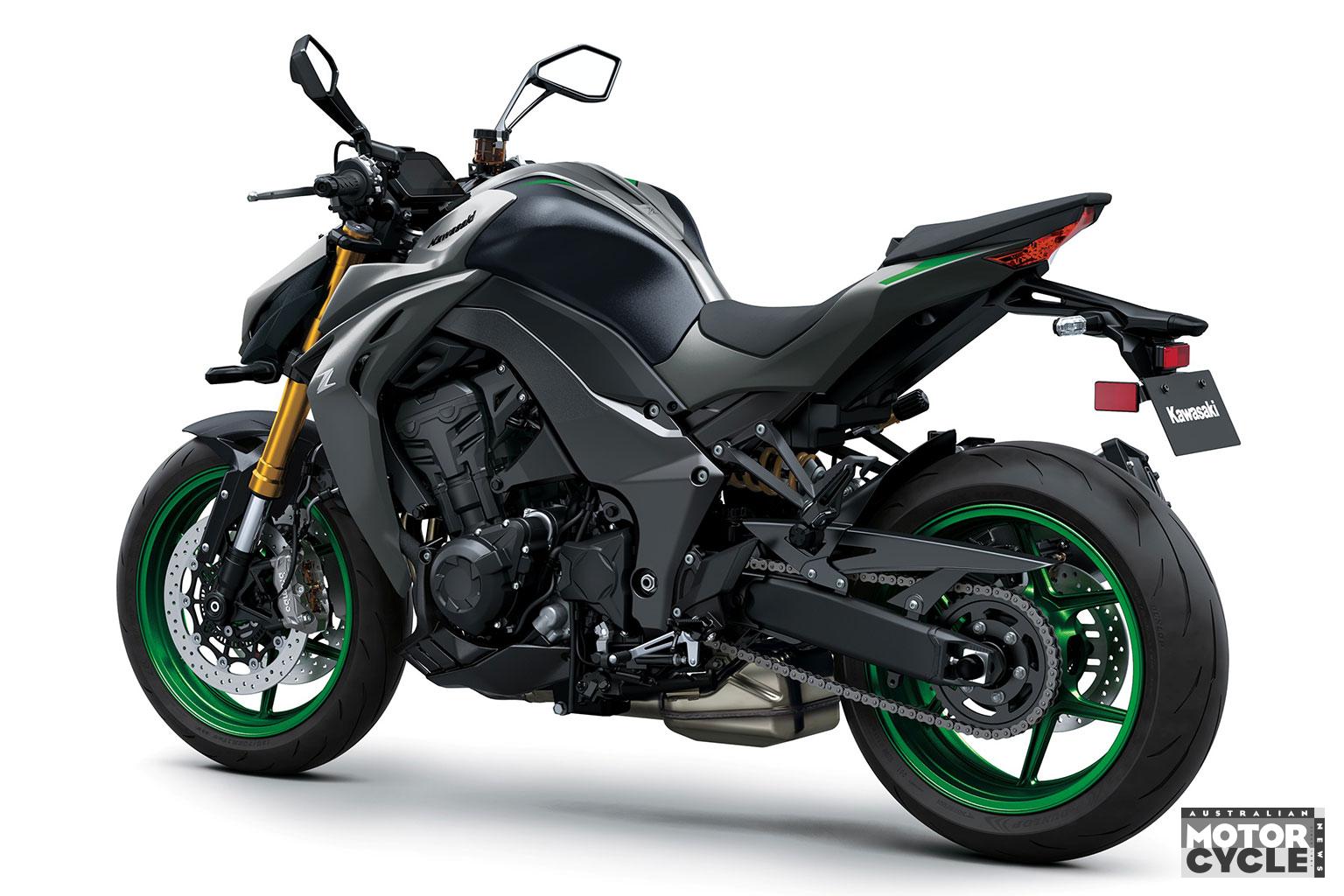
Kawasaki pumps up the big Z
A YEAR AGO, Kawasaki replaced the Ninja 1000SX and Versys 1000 with ‘1100’ models – swapping their old 1043cc fours for a long-stroke 1099cc version – and now it’s time for a Z1100 for 2026.
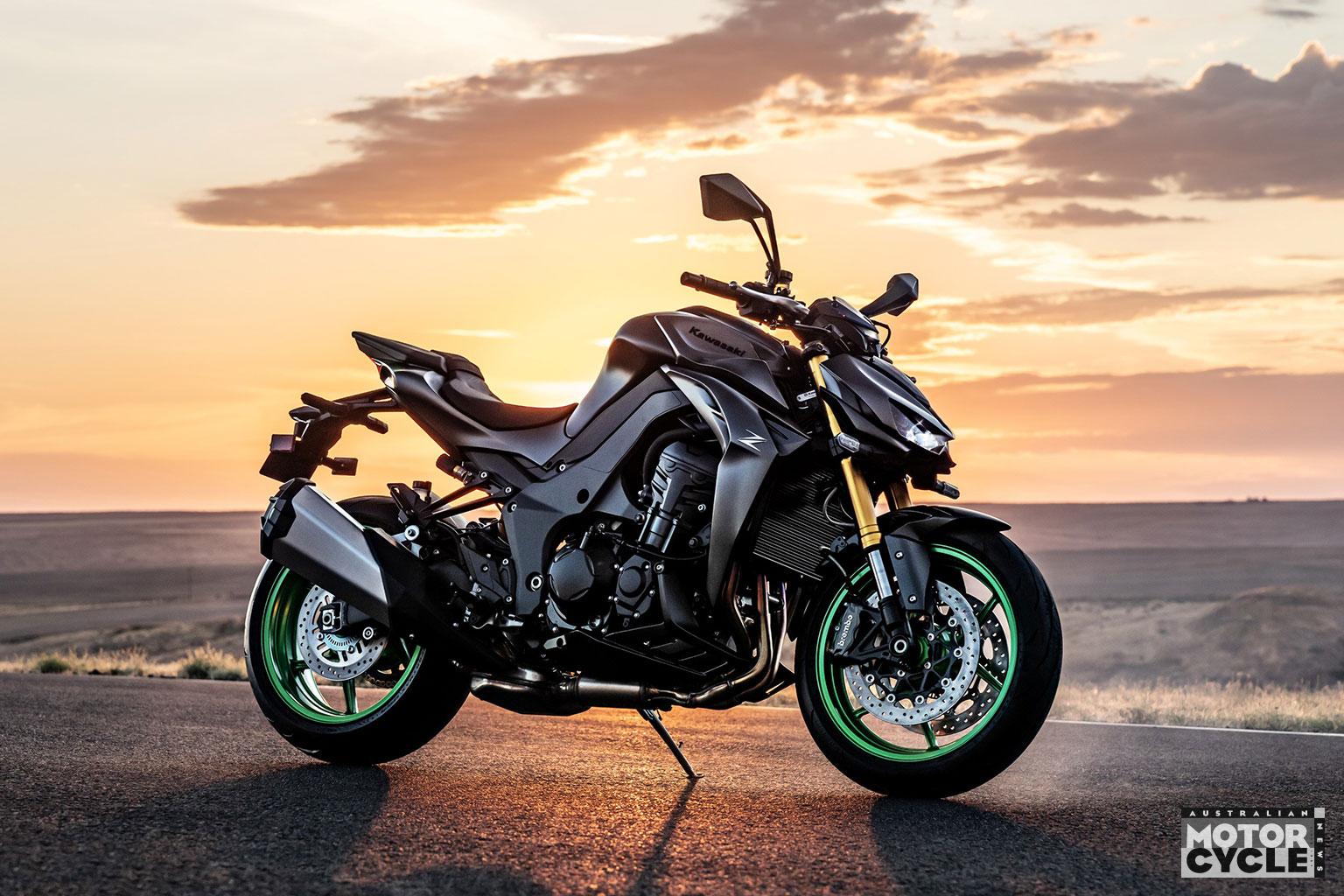
The basics are as expected, and essentially replicate the updates made 12 months ago to the Ninja 1100SX. The longer-stroke engine, as in the Ninja, focuses on torque rather than power. The absolute peak actually drops a fraction, from 104.5kW at 10,000rpm for the Z1000 to 100kW (134hp) at 9000rpm for the Z1100, while torque edges up fractionally from 111Nm to 113Nm, achieved at 7600rpm.
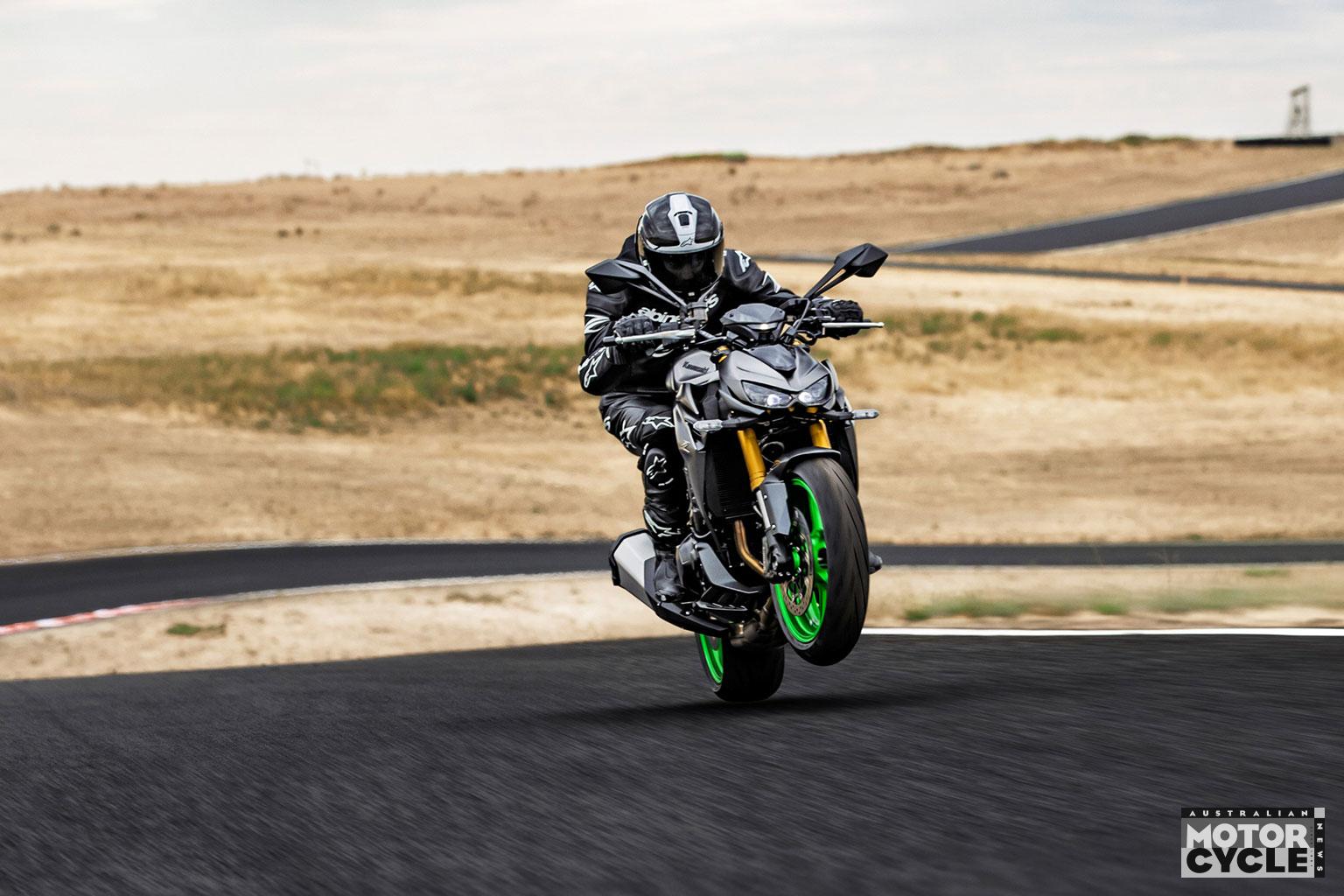
Ride-by-wire throttles bring the Z1100 up-to-date in terms of rider assists and help it meet tougher emissions limits. It also gets an up-and-down quickshifter. A six-axis IMU for 2026 means it also has modern, cornering traction control, with three levels of intervention, alongside four riding modes. There’s a 5in colour TFT dashboard.
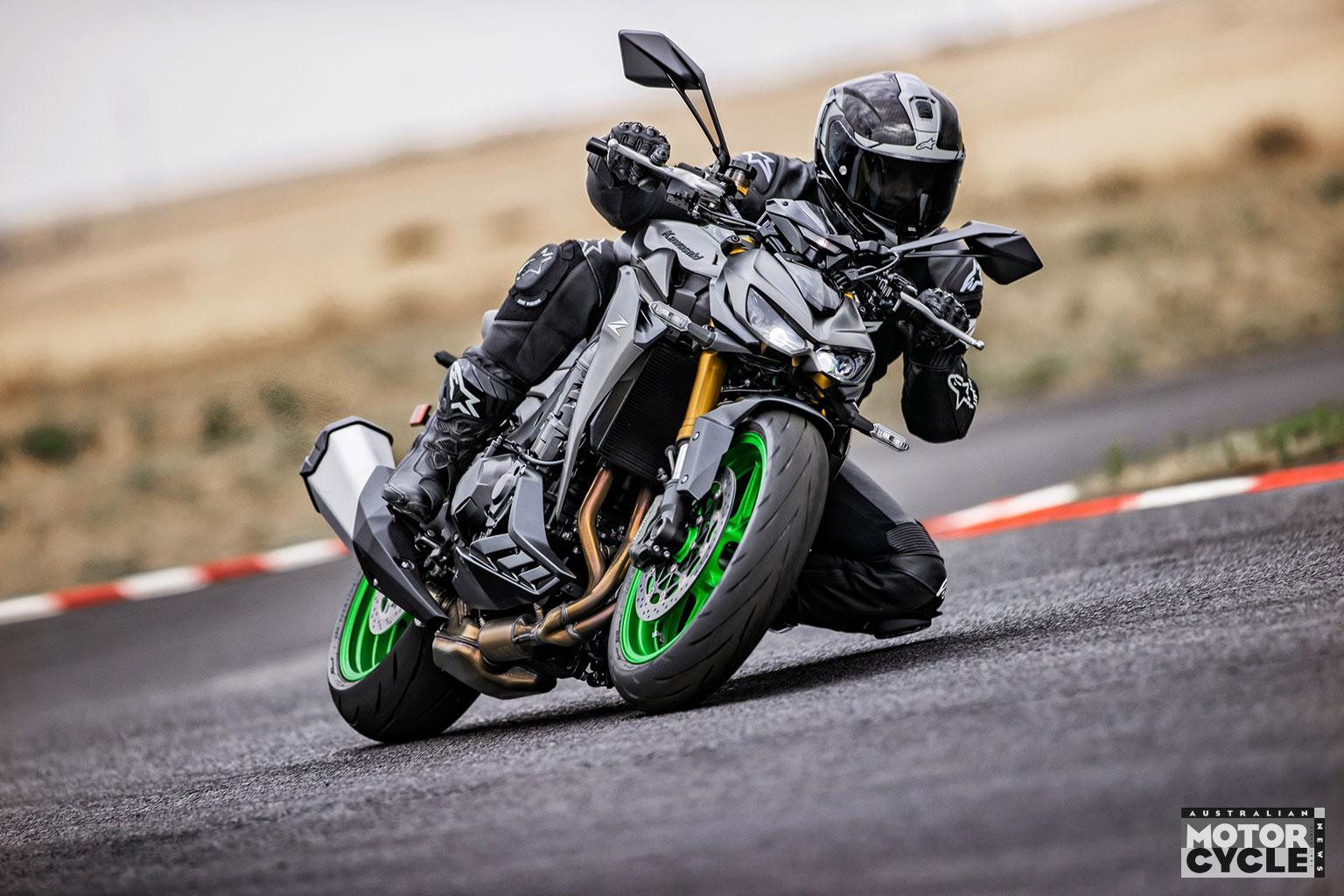
The chassis and styling get less obvious updates. The Z1100 is immediately picked out by its 4-2-1 exhaust, exiting via a single silencer on the right.
While the Ninja 1100SX has been one of the surprise packages of 2025, the Z1100 faces tougher rivals, including Yamaha’s MT-10, Honda’s CB1000 Hornet SP and Suzuki’s GSX-S1000. All more powerful and lighter than the 221kg Kawasaki. But the Z1100 could yet prove to be a genuine contender.