Phillip Island gone! Three words that strike dread into the heart. It’s like cancelling Mozart, or the Beatles. Replace JS Bach with atonal shouty rap. Shakespeare with reality TV.
Or in the case of Australia’s classic seaside track, with a long-redundant ex-F1 street circuit instead.
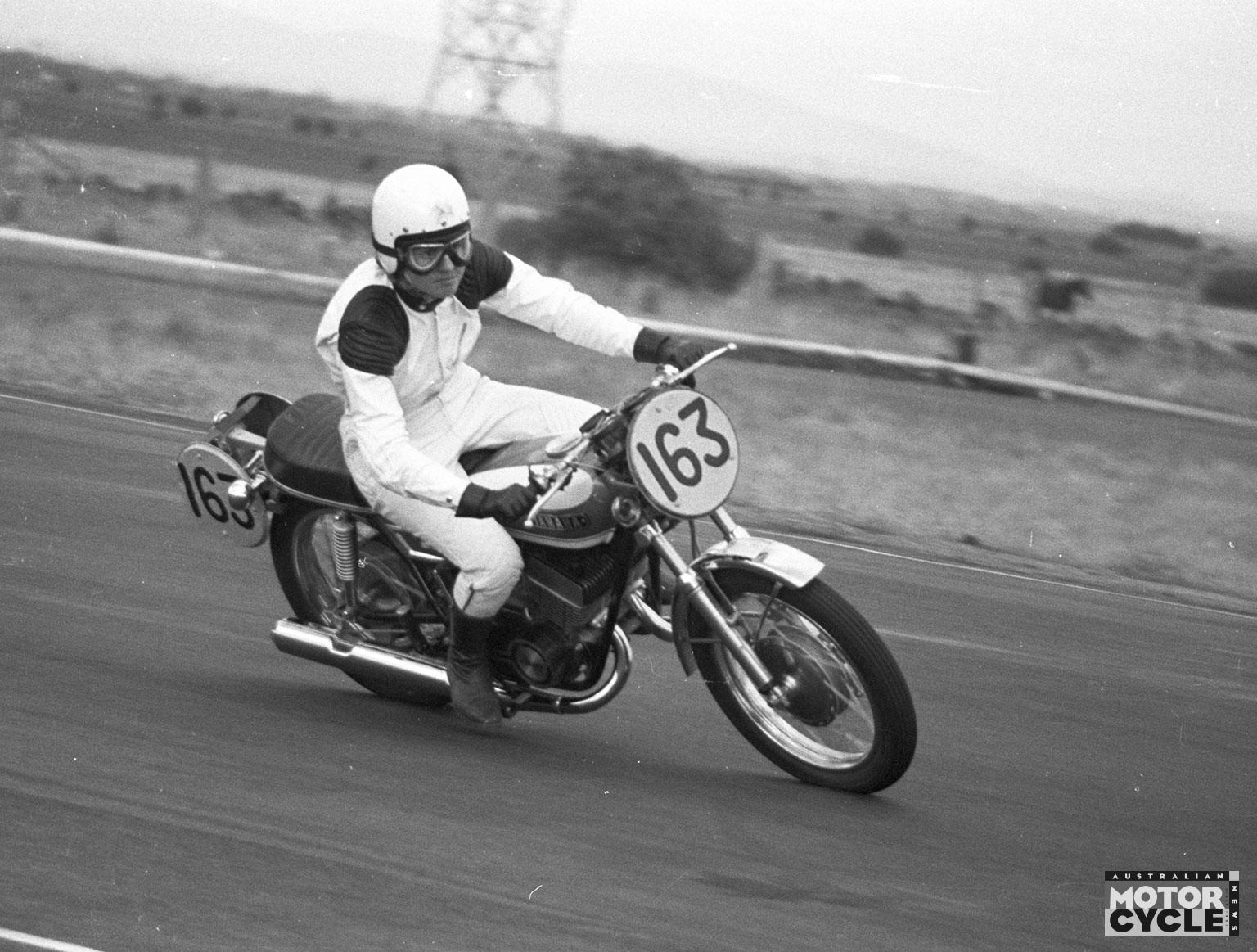
It’s not the first time Phillip Island has lost the bike GP. After the first two blissful years there, 1989 and 1990 (both narrowly won by Wayne Gardner), it migrated to Sydney’s sterile Eastern Creek for six years – which only increased the paddock’s yearning for the fast sweepers of the spectacular Island circuit.
The 1997 return felt like coming home.
Oh, there were shortcomings. Facilities were primitive, the location rather quaint, the accommodation often likewise. The weather wicked. Barry Sheene called it “the world capital of hypothermia”.
But oh, the racing.
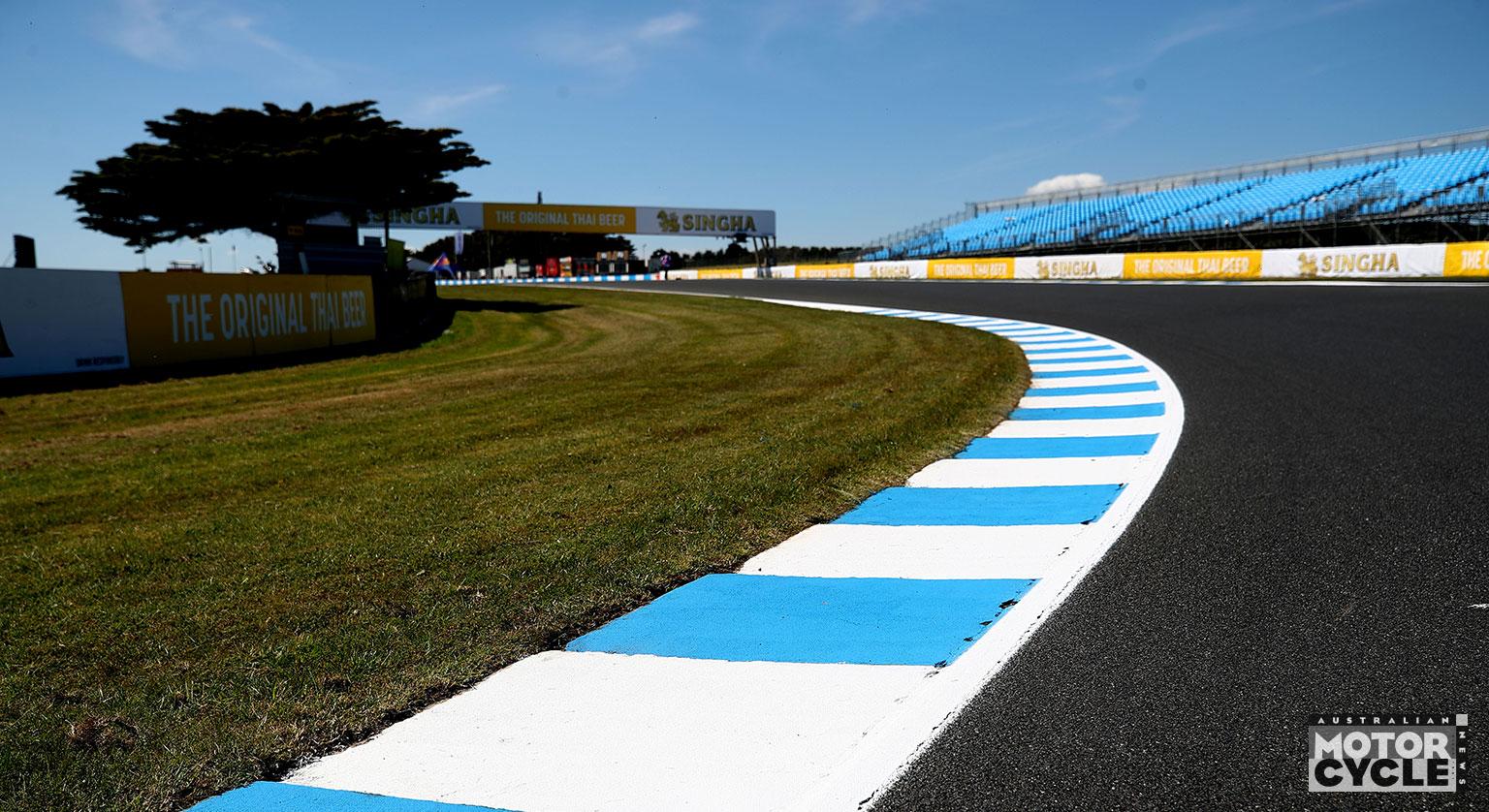
It brought the best old-school virtues to modern racing. Fast, rhythmical, it combined subtlety and speed. Riders loved the need to temper raw courage with the finest technique. Any doubters who found it too daunting kept it to themselves.
A track where riding skill made more difference than horsepower or handling. Here was the true depth of motorcycle racing. No artificiality or pretence. No grandstanding. No sandbagging. Only the real thing.
Rewards for spectators were a natural corollary. Whether braving the breeze off Bass Strait or watching on TV, Phillip Island was reliably marvellous.
Other great circuits exist. Brno, Aragon, Mugello share the ingredients of speed and subtlety. None to the same degree or with the same atmosphere as Phillip Island.
It wasn’t enough to save it. Dwindling crowds, primitive facilities and the failure of over-ambitious promises meant that Dorna has had enough. Short-sighted management must shoulder the blame, along with an unaccountable lack of support for a premier sporting event from the Victorian Government.
But perhaps it was inevitable. Phillip Island was out of its time.
It’s a sad loss.
I am not alone in harbouring deathless memories of epic races there. The Aussieness of it all, to name just one aspect…
Wayne Gardner’s opening two wins, Mick Doohan’s title-decider in 1998, dominant Casey Stoner from 2007 to 2012: four times on a Ducati, twice on a Honda, demonstrating that it’s a rider’s more than a machine’s circuit.
And the unforgettable swell of sound of a close pack of leaders accelerating full bore out of the epic last-corner set.
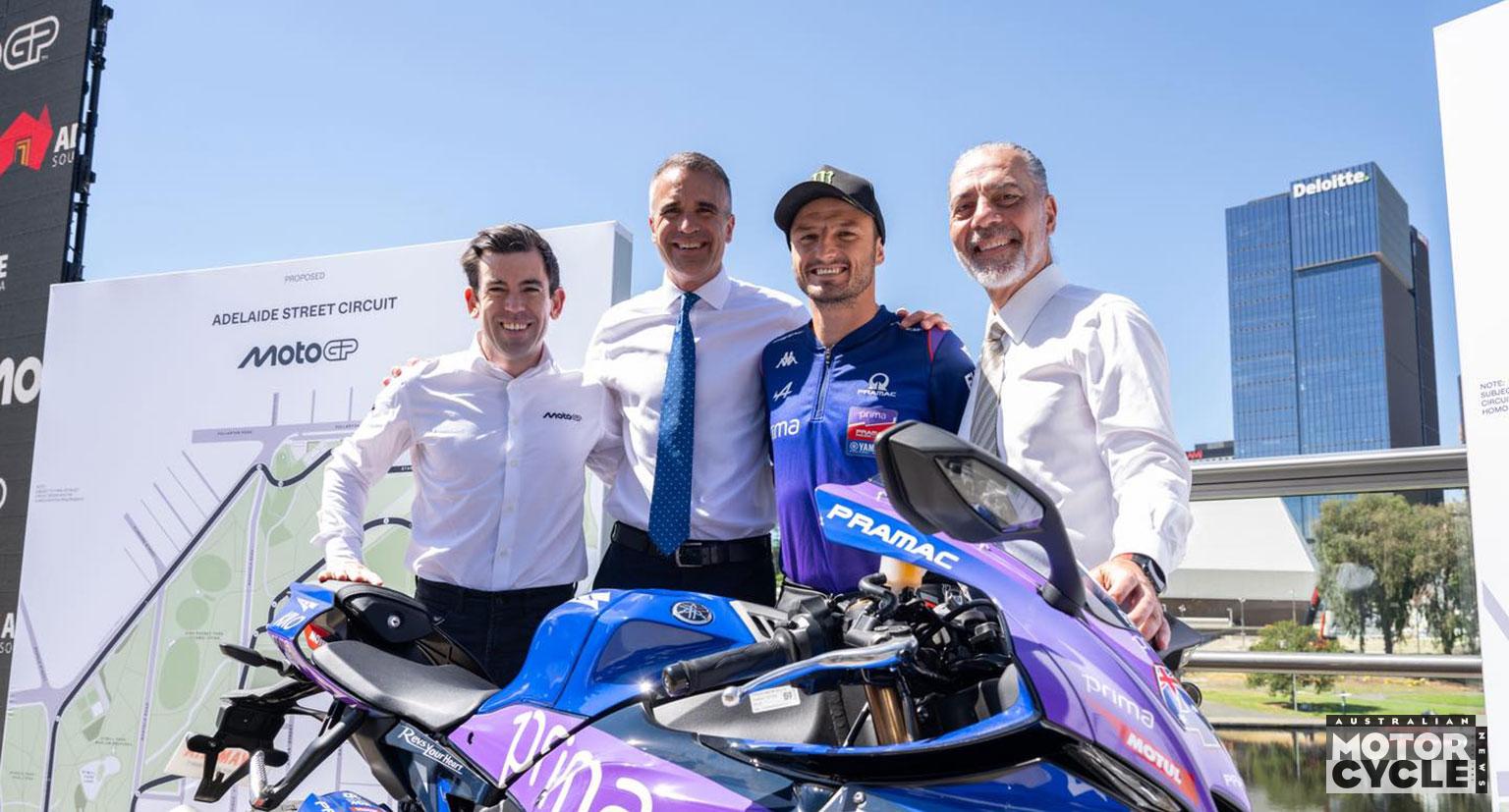
What will replace this epic circuit? Step forward an enthusiastic Adelaide, home of a long-standing if little admired street circuit, used by F1 last century, and set to take over MotoGP from 2027.
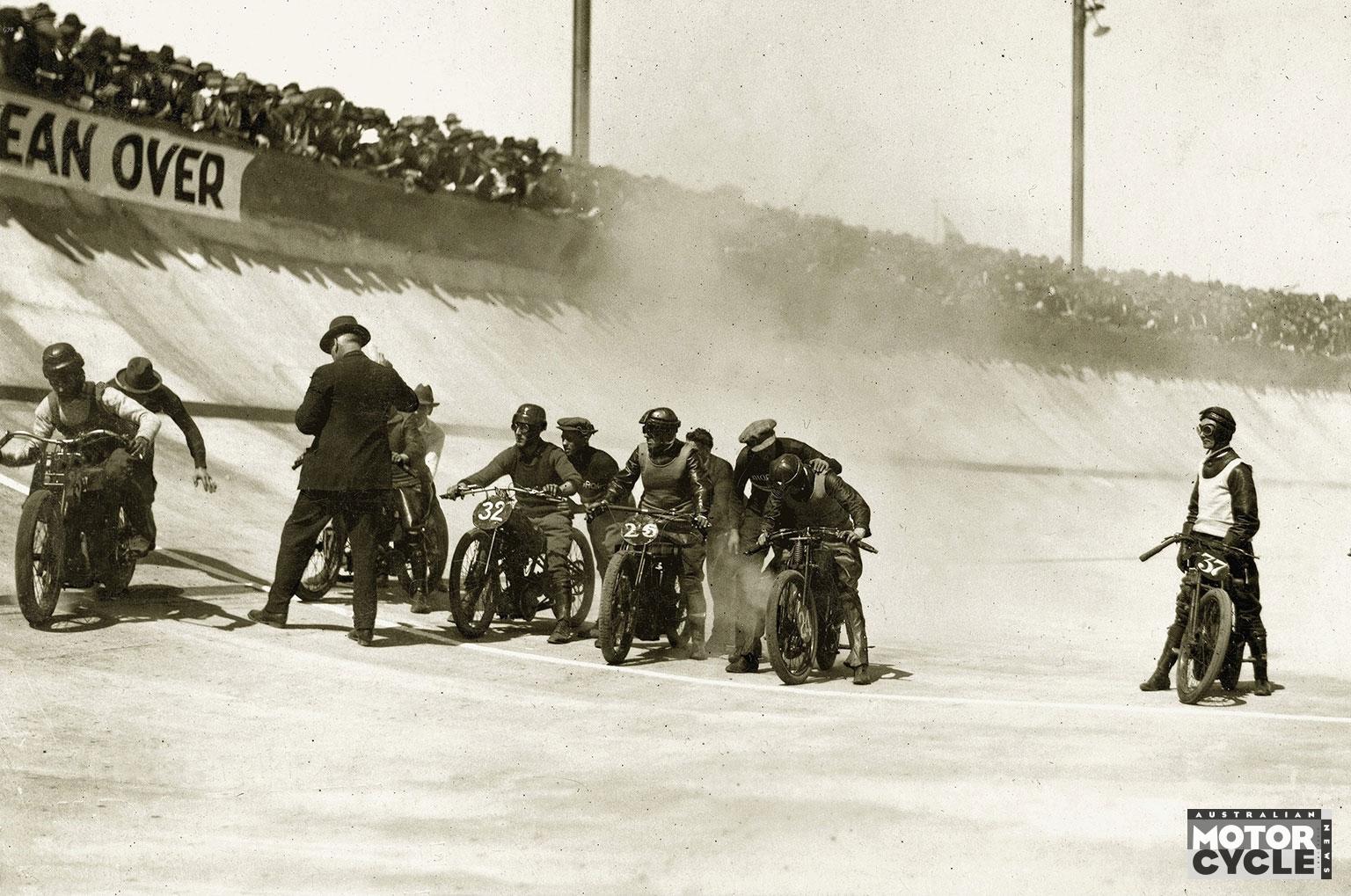
Motorcycle racing and road circuits have an unhappy history of danger and death. Early tracks like Yugoslavia’s Opatija,
Belgum’s Spa-Francorchamps and the Isle of Man were long-since canned, the Netherlands’ Assen emasculated.
Comparisons with Adelaide are moot. But it looks all wrong, with several 90-degree bends, lined with walls and fences. A ‘modified layout’ suitable for MotoGP is promised. Lots of chicanes in lieu of run-off, perhaps?
That remains to be seen, of course, although there are already rumours that in the end the race will move to The Bend Motorsport Park, 100-odd km away.
The shock move, abandoning MotoGP’s remotest but finest track for a city-based venue, is in line with new owner Liberty Media’s liking for street circuits in their highly successful development of F1.
If the people won’t come to the sport, bring the sport to the people. But it’s worrying that MotoGP pilots operate at higher top speeds than F1 drivers, for whom Adelaide’s walls were already considered too close.
Is there anything positive to say?
Just one thing. Phillip Island is home to one of the world’s most charming wildlife spectacles, the nightly platoons of Little Penguins waddling ashore.
The greatest possible contrast to a pack of MotoGP bikes and rowdy fans. The penguins won’t miss the grand prix.