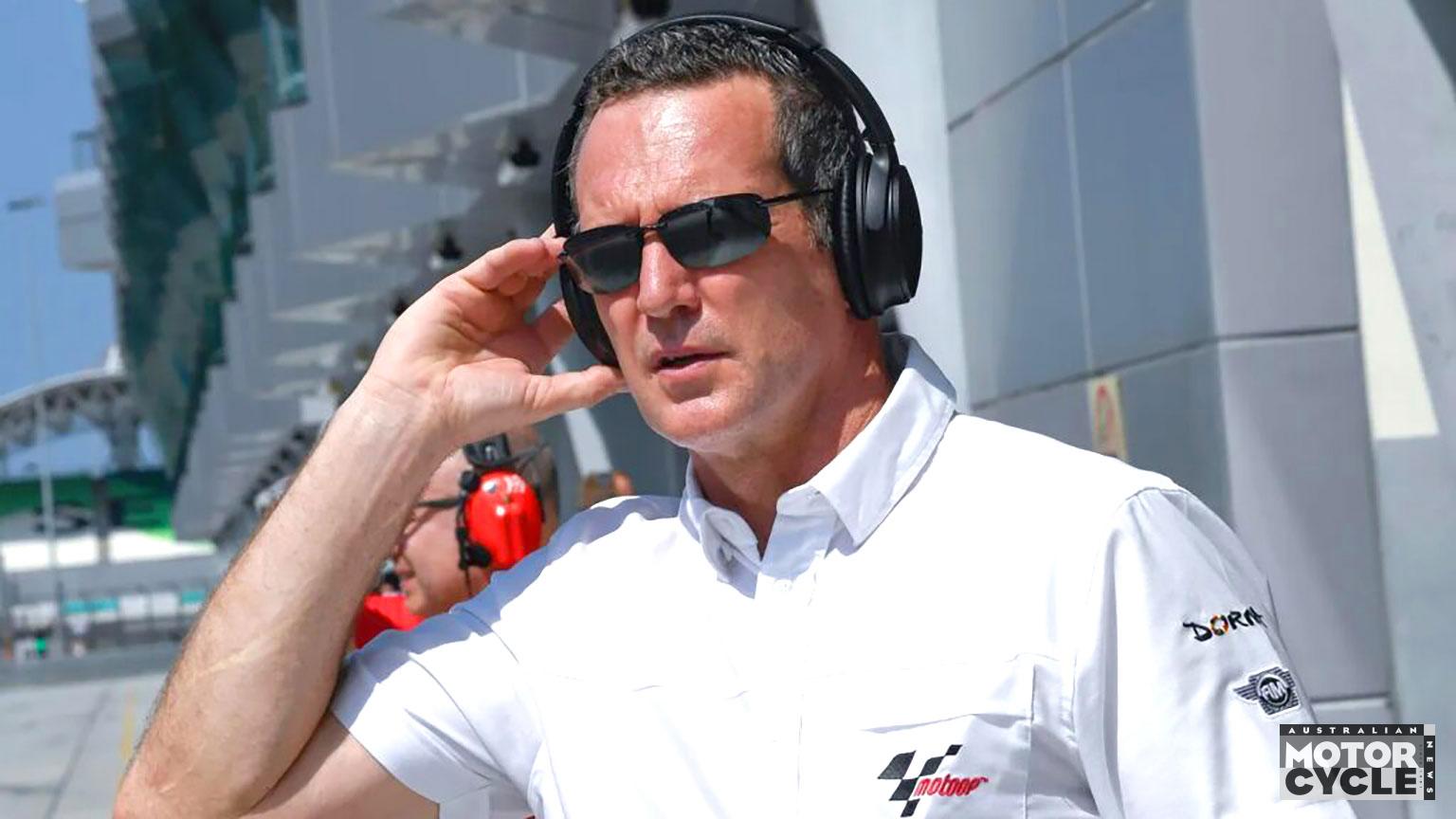
Simon Crafar was warned he was taking on the most difficult job in the MotoGP paddock in 2025. Here, the Chairman of the FIM Stewards tells AMCN how he’s been getting on…
How did you enjoy your first year in the job?
Everyone looked at it as the most difficult job. I also got warned when I signed up to do it. The guys (in Race Direction) didn’t want me to come to them six months in and say, ‘This job’s horrible!’ But I had already made the decision. Like everything I’ve ever done which was worth it, it’s scary going in and this was no different.
Has the job surprised you?
I really thought there’d be a learning period, like commentary was. Racing was a brutal learning period. I had to be cautious not to make a mistake early on. But I never expected the first year to feel like it has. I feel like I’m where I belong. All of the professions I’ve done in the past gave me the tools to do this job, which I hadn’t realised before doing it.
Can you talk us through the process of your job when a controversial incident happens?
We have a crash detection system. It’s software that says someone’s crashed. It tells you the rider, and the turn. The yellow flags come out. Tamara (Matko) and Andres (Somolinos – FIM Stewards) manage quickly who passes the yellow flags and Andres deletes their laps while Tamara confirms who passes the yellow. The rule is the rider has to have time to react to the yellow flag. We don’t delete their lap if they don’t have time to see it.
While they’re doing that, I look at the crash and decide if we need to take action. If they crashed alone, it’s pretty easy, we normally don’t. If it’s contact, I have to investigate and let the other two know that we have to look at it as a crew and decide what to do. If it’s during the race, the lap deletion under yellow flags isn’t necessary – it’s checking who overtook under the yellow flag.
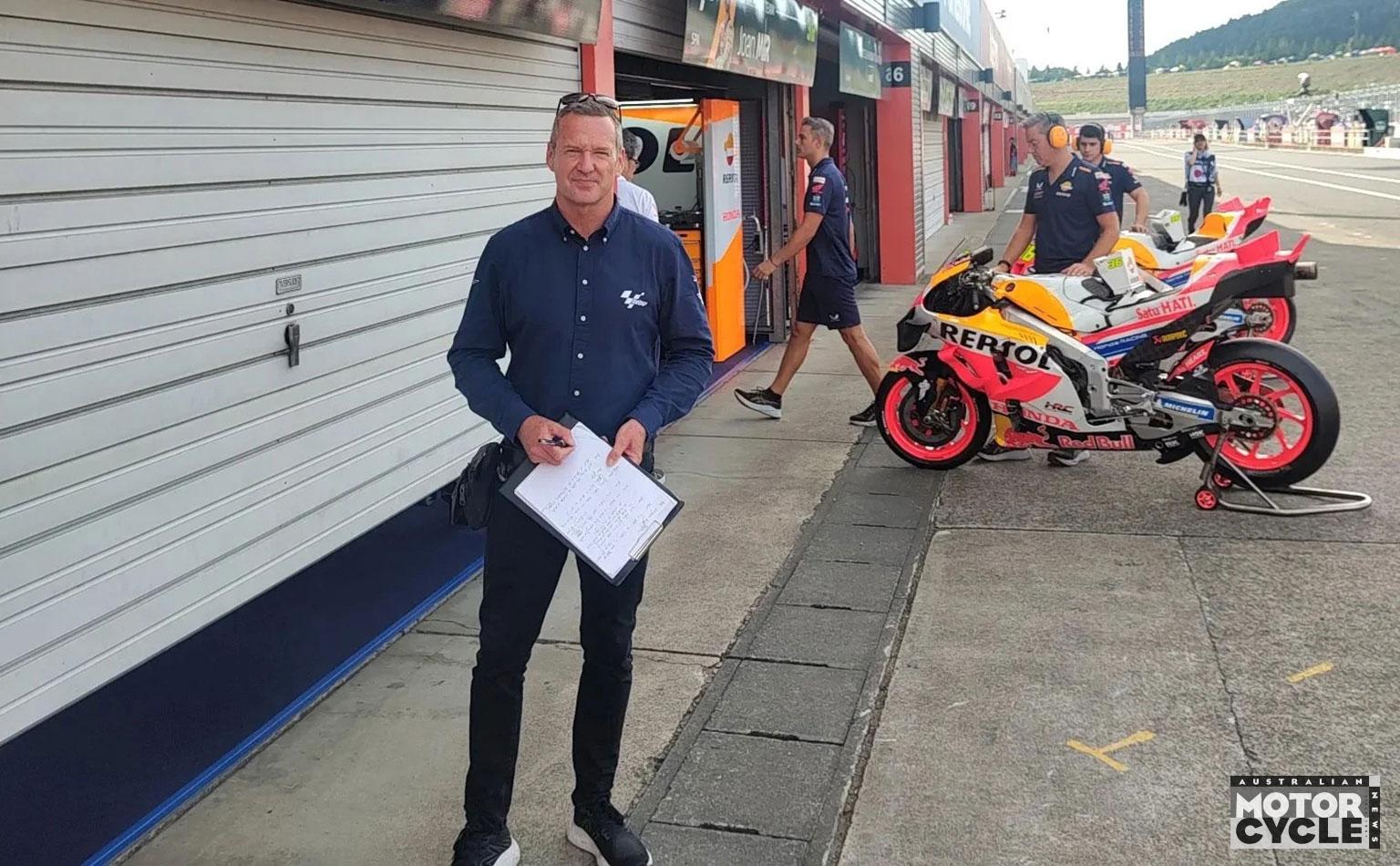
Tamara’s had decades of experience working at circuits. She worked in WorldSBK before. Andres had decades of experience working in Spanish championships. I feel lucky to have them. In our first year we never had a grumpy word between us. I think it’s because we bring different things. They trust me with my knowledge of riding. Andres knows the rules inside out. We also rely on Mike Webb (Race Director) for that as he writes the rulebook. We have between 150-160 cameras and Tamara sees so much of what we don’t notice. I have to pay credit to Mike, who came before me and did this job while also working as Race Director. Then to Freddie Spencer, who put this team together.
How do you approach an angry rider when they’re called to your office?
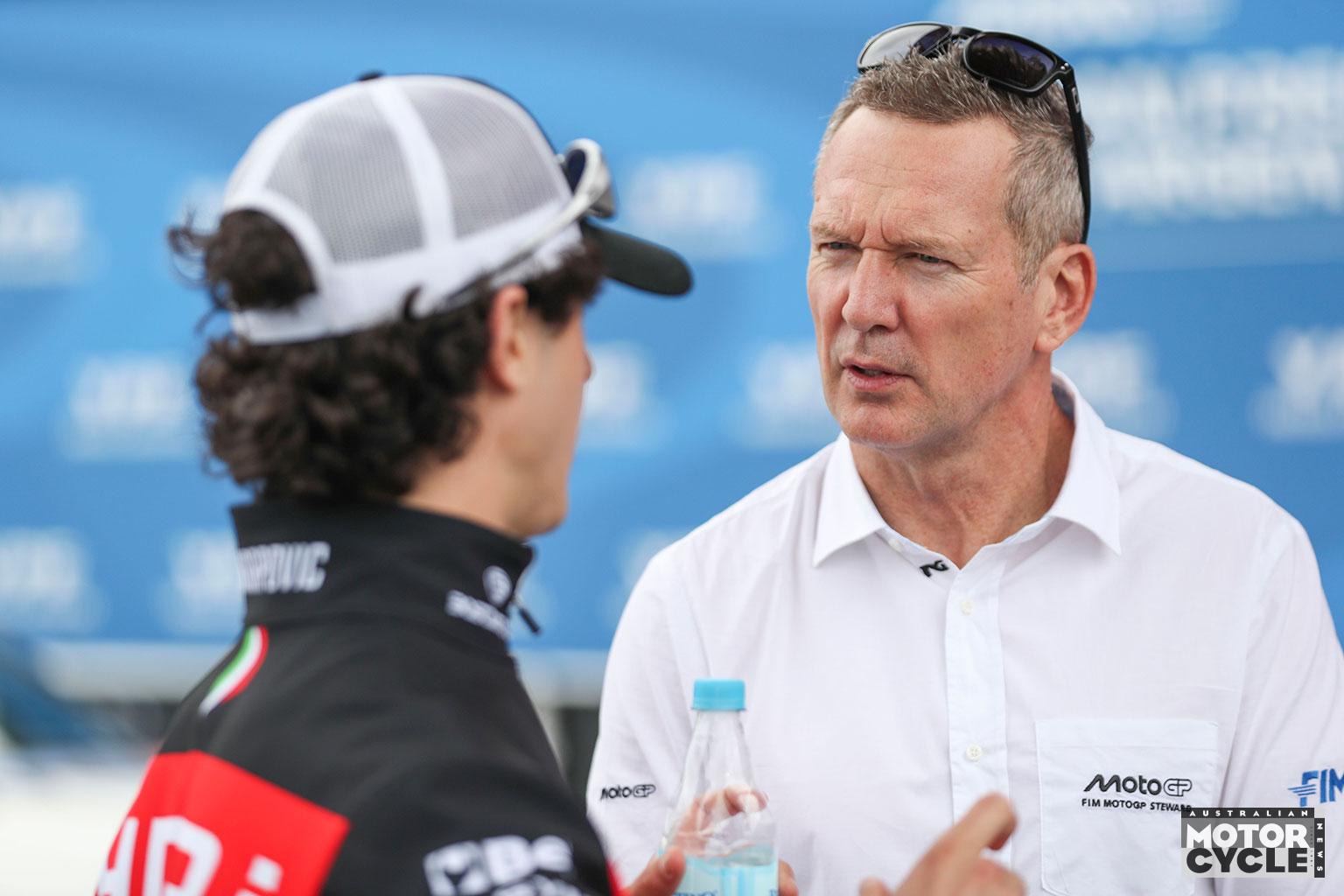
Communication is the biggest part. If you jump out of the grass like a policeman and give someone a ticket and don’t explain it, you create anger. We do the opposite. We try to show them what’s happened and why we have no choice but to give them a penalty. We also listen to them and let them vent. My age helps. In my 20s, 30s and 40s I’d have bitten back if someone’s yelling. Being 56, the old testosterone levels go down and I don’t bite unless I’ve had enough! I can’t sleep if we get something wrong. I don’t have a problem enforcing it. If we’ve explained everything and they’re still disrespectful, we don’t put up with that. I’ll threaten to no longer do this process. Thankfully we haven’t got to that point.
Have you found your relationship change with riders since taking on the role?
The riders that come up regularly, we end up having a good relationship. They realise we’re on their side. Sometimes they’ll tell us about something we didn’t see and we’ll follow up on that. That sounds like squealing, but we need teams to tell us someone’s done something dangerous. We have 160 cameras but not 160 pairs of eyes!
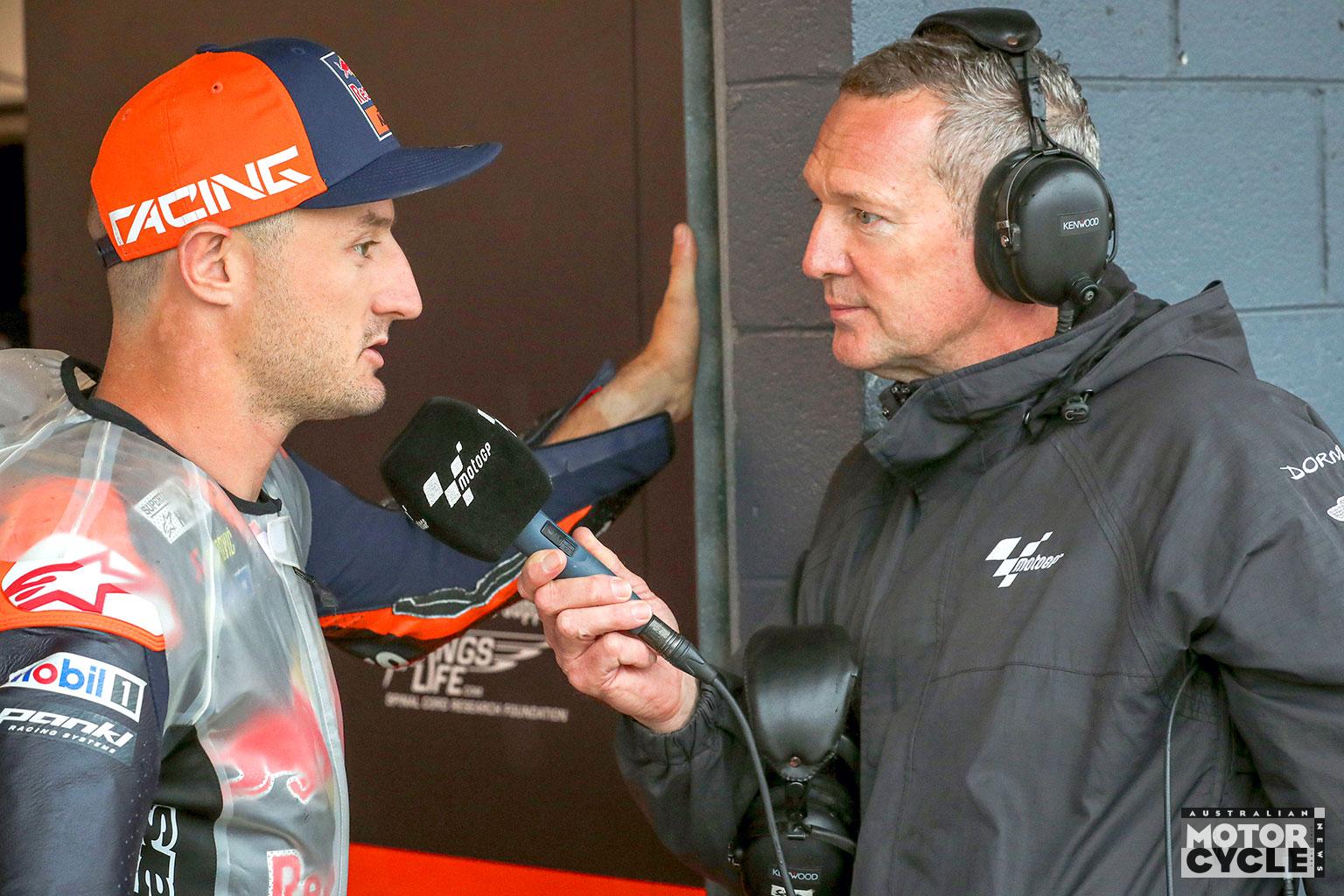
If I see something on the screen or something’s been reported and it’s not quite a penalty but is damn close, we get the riders up anyway. We tell them before they don’t have a penalty because they come up super defensive. We show them it and say, ‘Please, we can’t have that, next time it’ll be a penalty.’ They go off thanking us. Nine times out of 10 they don’t do it again. We’ve found the more we do that, the less of it we see on Sunday.
So, you’re showing riders where the line is?
Yes. And that we’re seeing it. A lot don’t realise we even saw it. So they won’t do it again as they know they won’t get away with it.