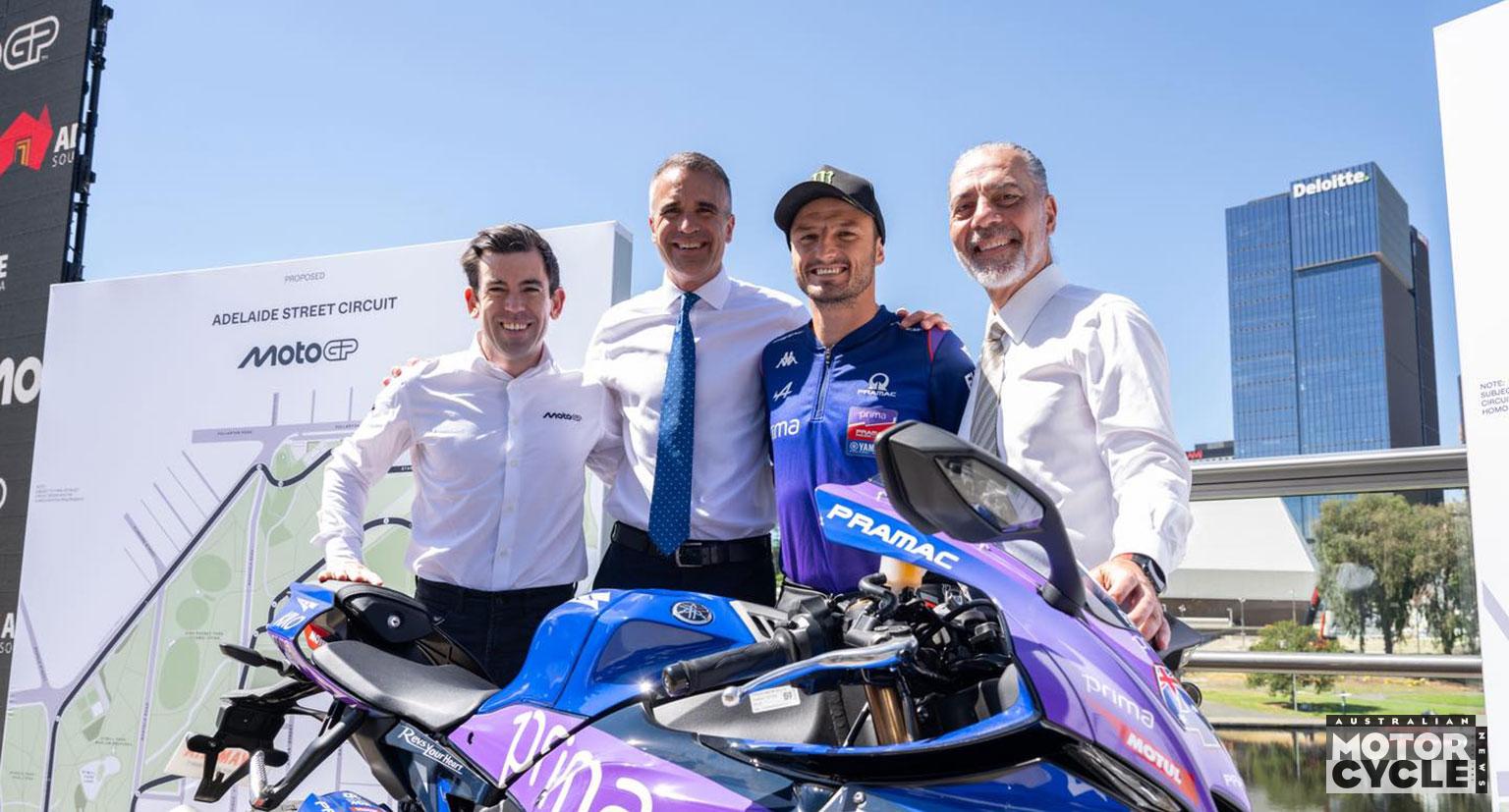
With the Australian MotoGP set to move to an Adelaide street circuit from 2027, riders forever linked to Phillip Island – from its greatest winners to names etched into the track’s history – have had their say on the controversial decision
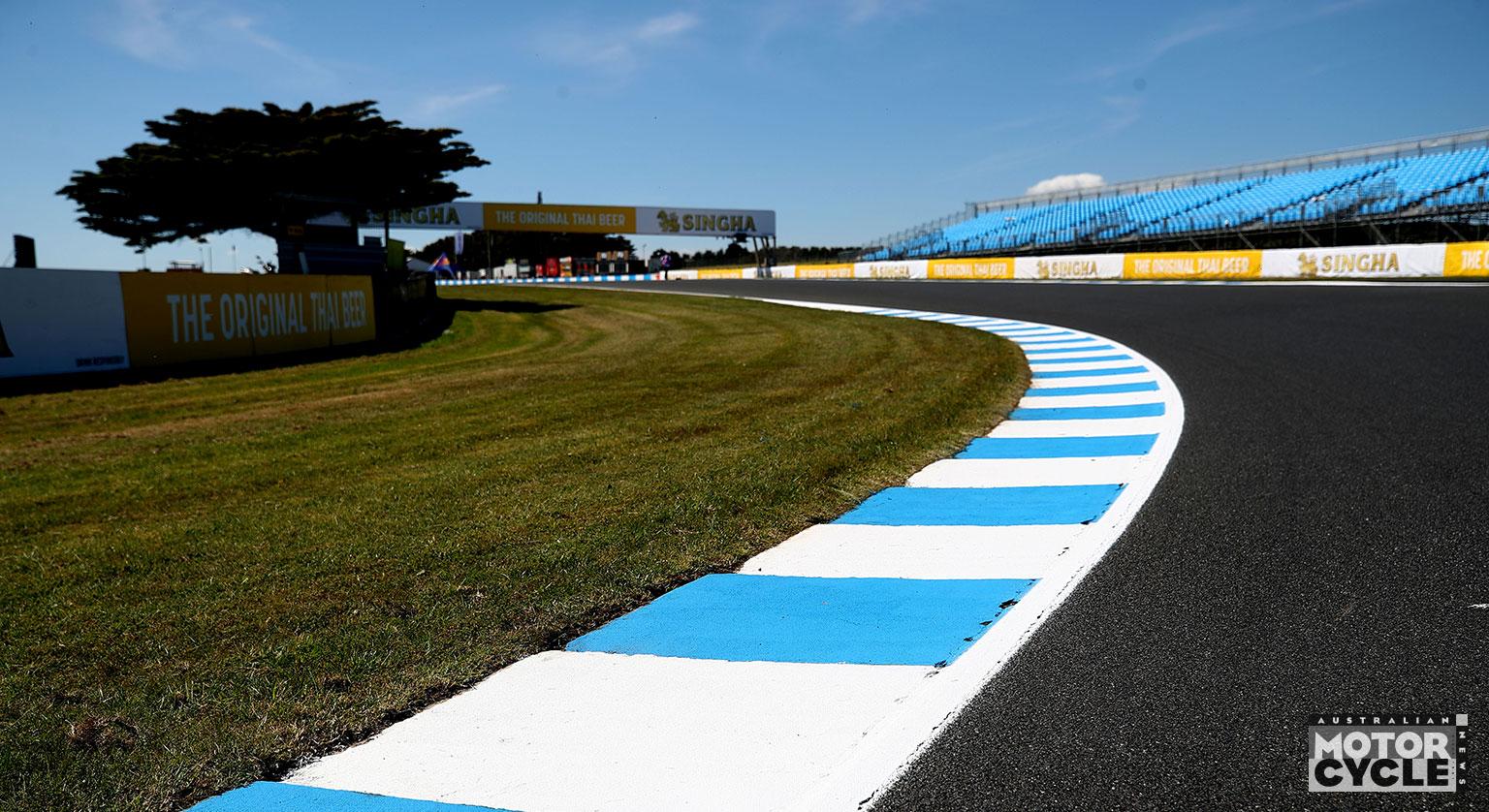
MotoGP’s Australian round is set to move from Phillip Island to a new Adelaide street circuit from 2027, ending a near 30-year run at one of the championship’s most revered venues. For generations of riders, Phillip Island has been more than a stop on the calendar: it’s where home heroes have dominated, titles have turned, and history has been made. With the move to Adelaide now confirmed, some of the people most closely connected to the ‘The Island’ – including riders honoured with having sections of the track named after them – have weighed in on what the sport stands to lose and what Adelaide might offer.
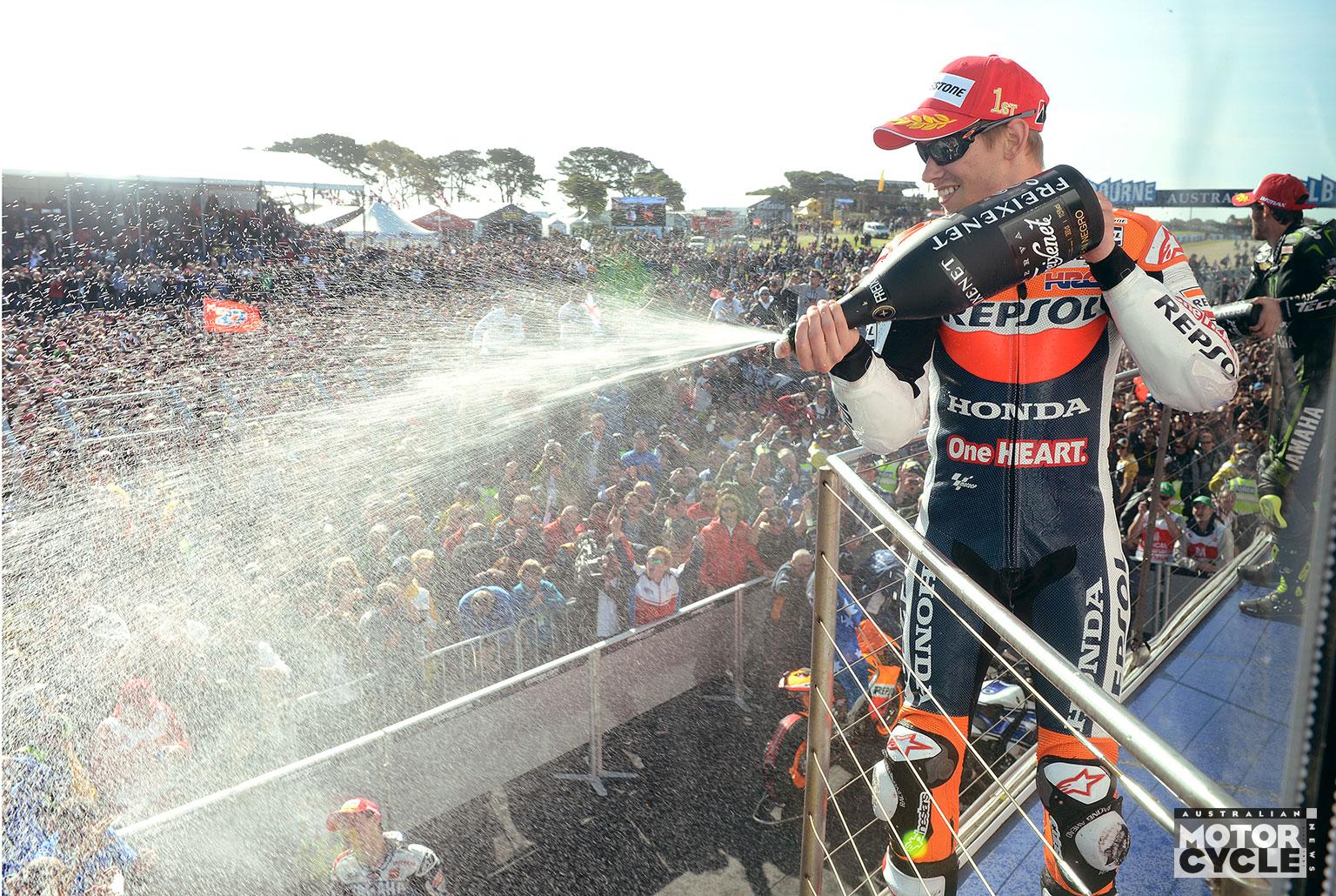
Casey Stoner: The modern Phillip Island master
Stoner won the MotoGP Australian GP at Phillip Island six consecutive times (2007–2012) – one of the most dominant home-track streaks in premier-class history. Several of those wins became signature Stoner performances, demonstrating his genius talent through the Island’s high-commitment direction changes. His domination at the track culminated with his last victory in 2012 where he again showed his superiority at ‘The Island’ despite struggling with an ankle injury that kept him on the sidelines for multiple races. His spectacular exploits through turn 3 – where he regularly slid the rear wheel through one of the fastest corners on the MotoGP calendar – earned him the honour of having the corner names after him.
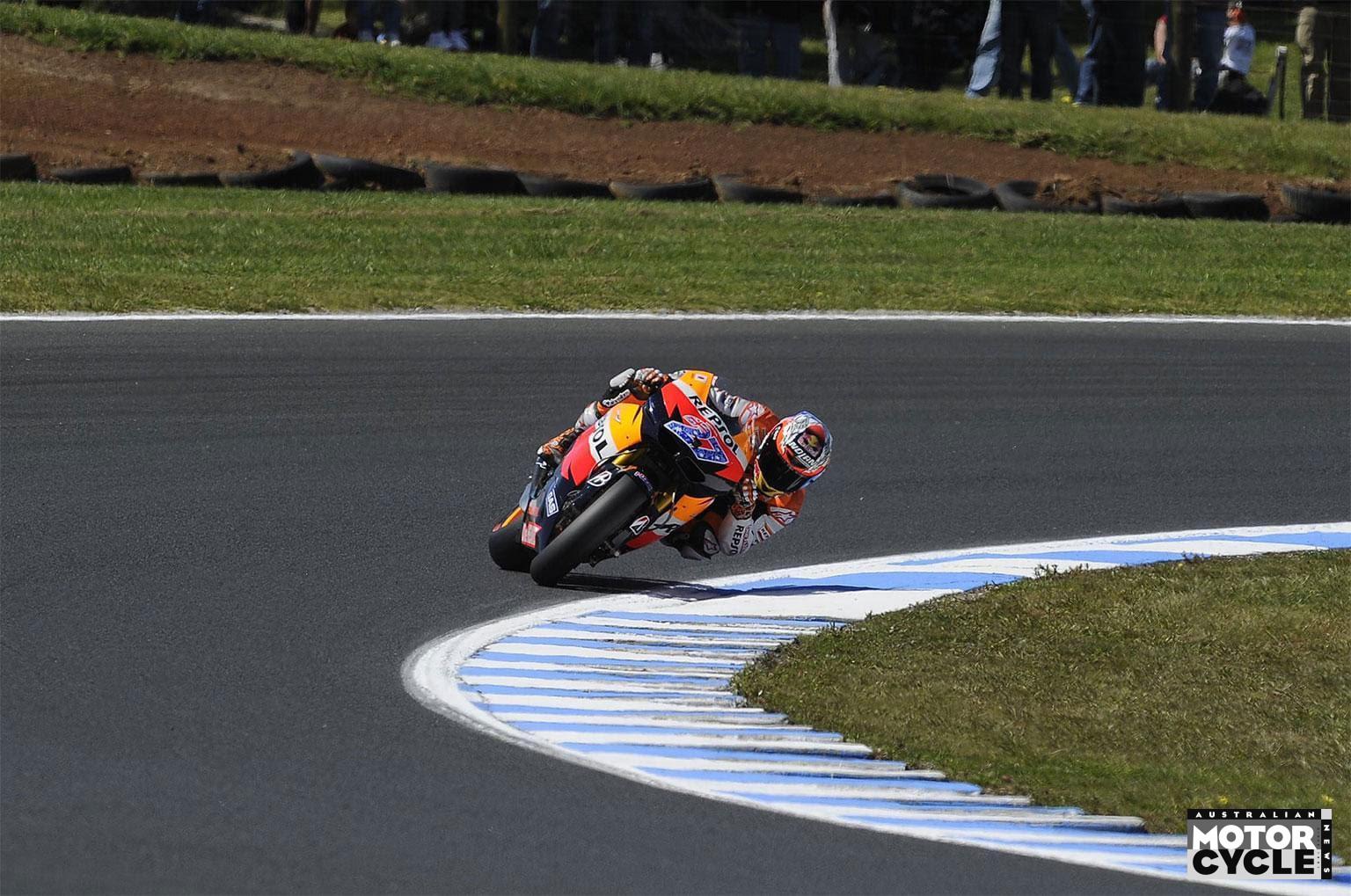
Stoner sees the move as discarding a world-class circuit in favour of an unproven concept, and he framed it as a decision that risks sacrificing racing quality for novelty.
“One of the greatest Motorcycle circuits in the entire world that has produced some of the greatest and most entertaining races we have witnessed, and continues to do so year after year, is being pushed to the side in place of a race in Adelaide and supposedly a street circuit.”
“Why would MotoGP take possibly their best circuit off the calendar…I’ll let everyone decide.”
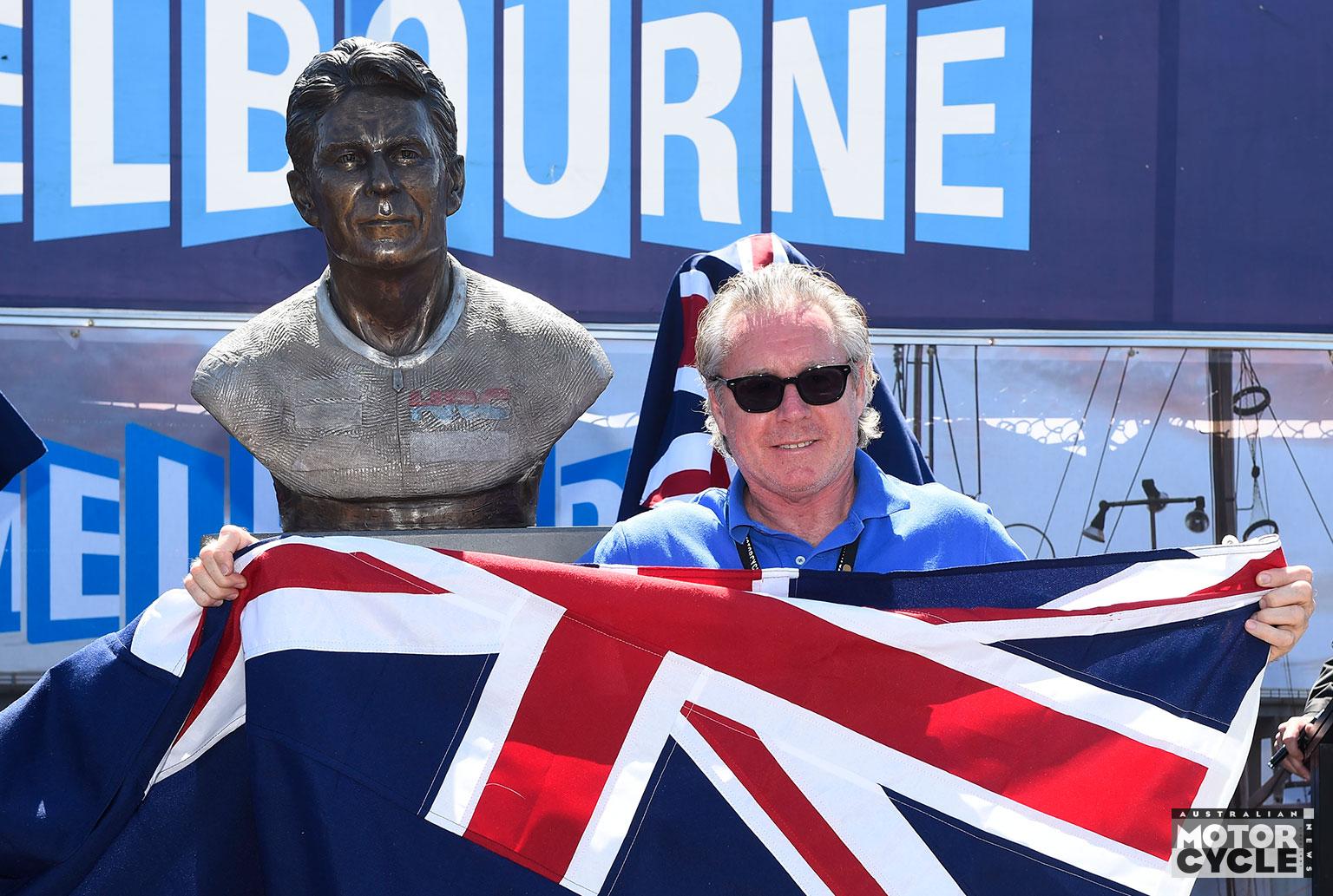
Wayne Gardner: The Phillip Island GP trailblazer
Gardner won the Australian GP at Phillip Island twice—taking victory in 1989 and 1990, the first two Australian GPs held at the circuit in the modern era. The track’s main straight is named Gardner Straight, a lasting tribute to his impact both on-track and in helping to establish the event.
Gardner is furious at what he sees as neglect and mismanagement of the Phillip Island event, pointing the finger at the Victorian government and the Australian Grand Prix Corporation and saying the writing had been on the wall for years.
Asked whether he’d take back his statue, he replied:
“I might jam it up their arses actually.”
On the decision itself, he said:
“I’m not surprised, I’ll be honest. This has been coming for some years, but I’m certainly not surprised,”
“The Victorian government, they have a reputation of winning, losing, disappearing, and then they come back, and then they go again — it’s just on and off.”
“It’s a disappointment. I never thought I’d see that happen after the success (of the race).”
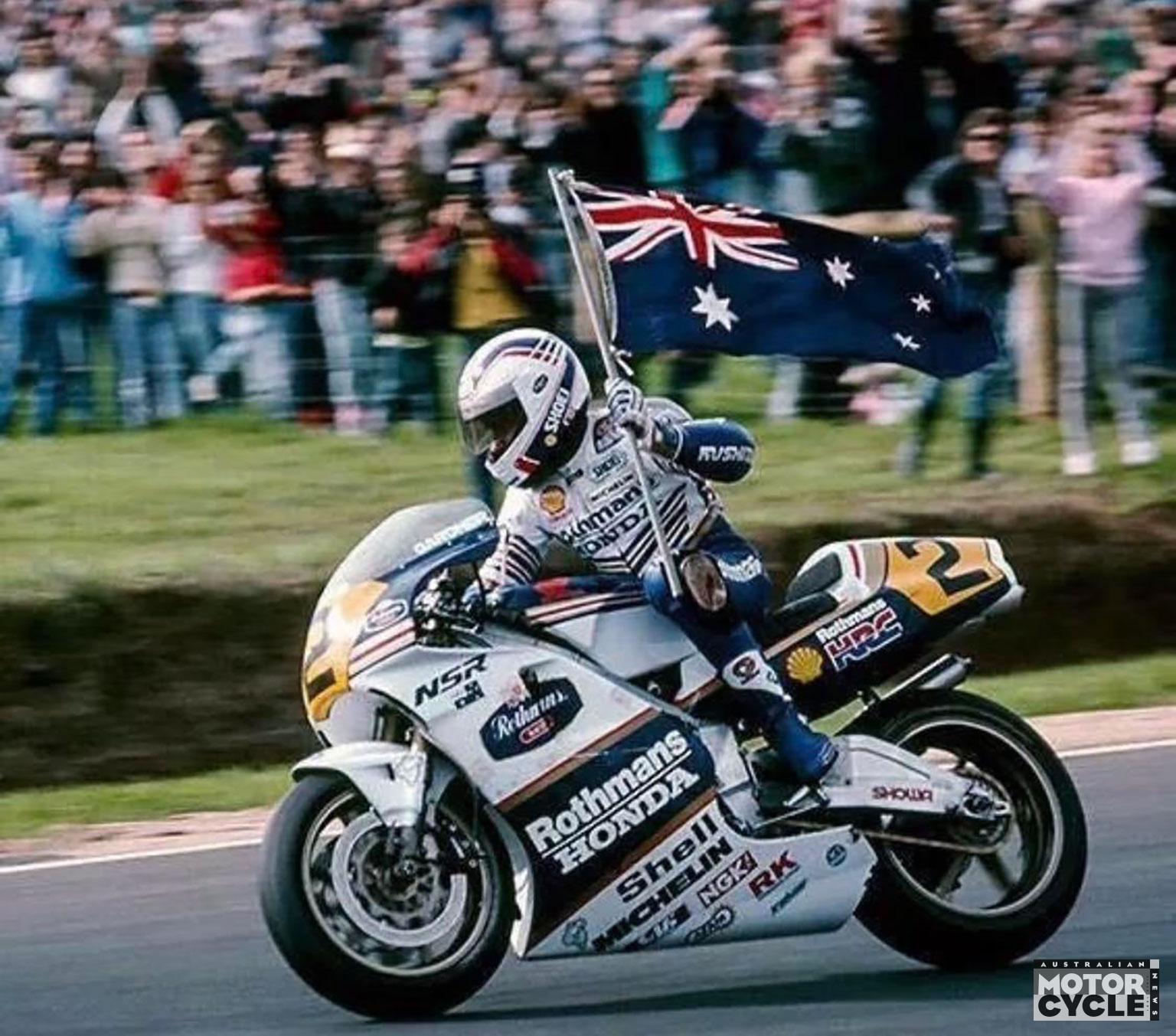
Gardner also recalled how personally involved he was in getting the modern Phillip Island event established:
“Bob Barnard, he laid the circuit and he approached me, he said, ‘I’ll go and do this, I want to re-pave this track, but only if you’re involved, and you can lobby the government, you can do all the media and so on.”
“So, we worked together, just the two of us, to put that event on…”
He believes the event experience was stripped back over time, eroding value for fans and riders alike:
“they started stripping the event of all the entertainment, not just on the track, but off-track; taking the shops away, the bike stores — they just cut it to pieces, and it was only a matter of time.”
Valentino Rossi: The Phillip Island record-holder
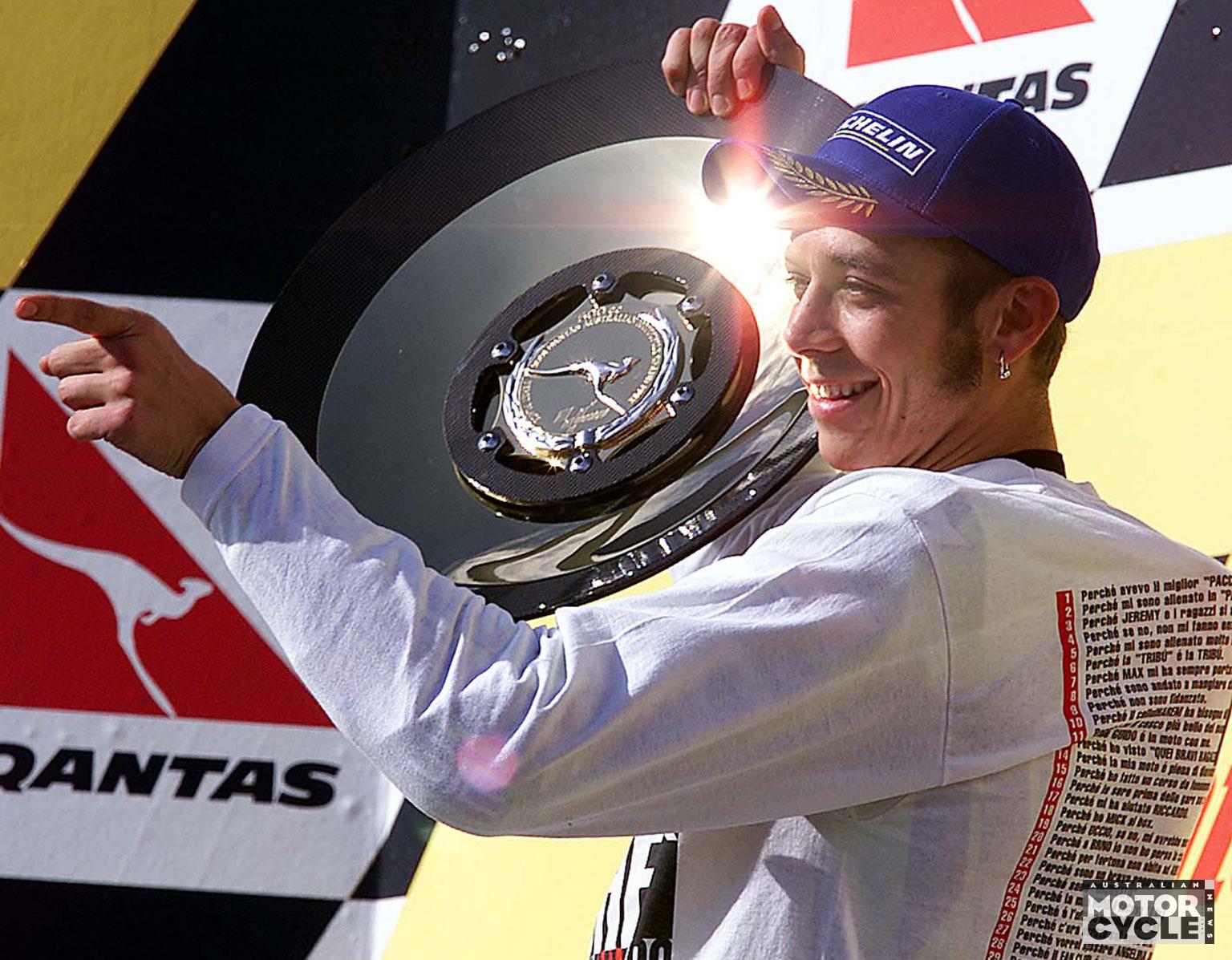
Rossi won at Phillip Island eight times across all classes, including six MotoGP wins. Among the most famous was 2001, when his victory helped secure his first premier-class world championship—one of the defining moments of his early superstardom. He also famously overcame a 10 second penalty to take victory in 2003 after overtaking under yellow flags when Troy Bayliss had crashed.
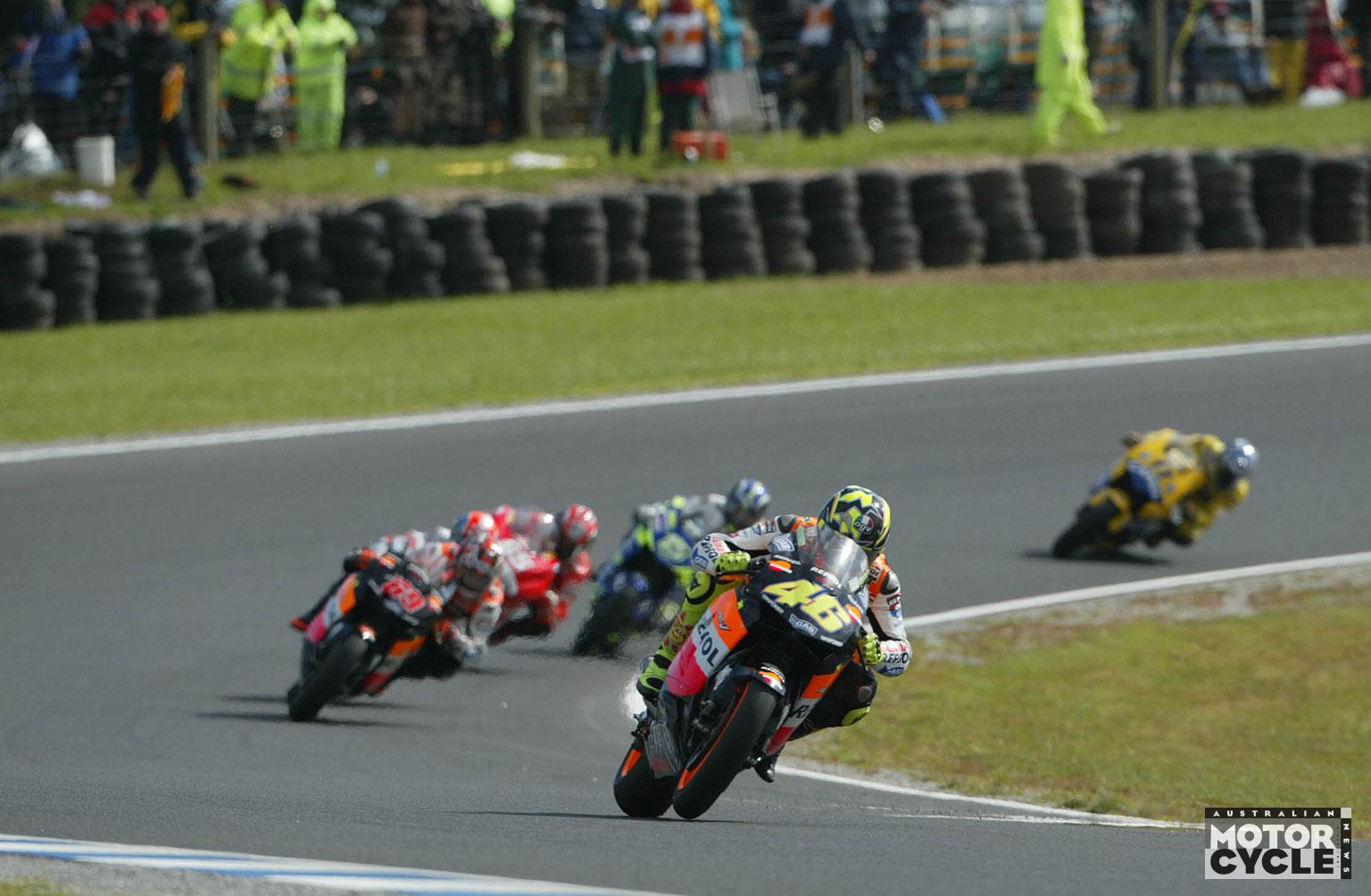
Rossi’s view is rooted in what Phillip Island represents to the championship’s story and to riders who have experienced it.
“It’s a shame because Phillip Island is a piece of history of MotoGP,”
He also highlighted how unique the circuit feels compared to much of the modern calendar:
“I raced in Eastern Creek the first year and after ’97, we moved to Phillip Island. It’s a fantastic track, it’s really special, and it’s different than the other track.”
“We can say that it’s a little bit like Bathurst, so it’s a great shame if they stop with Phillip Island.”
“Phillip Island has a great charisma. It’s a track that you never forget.”
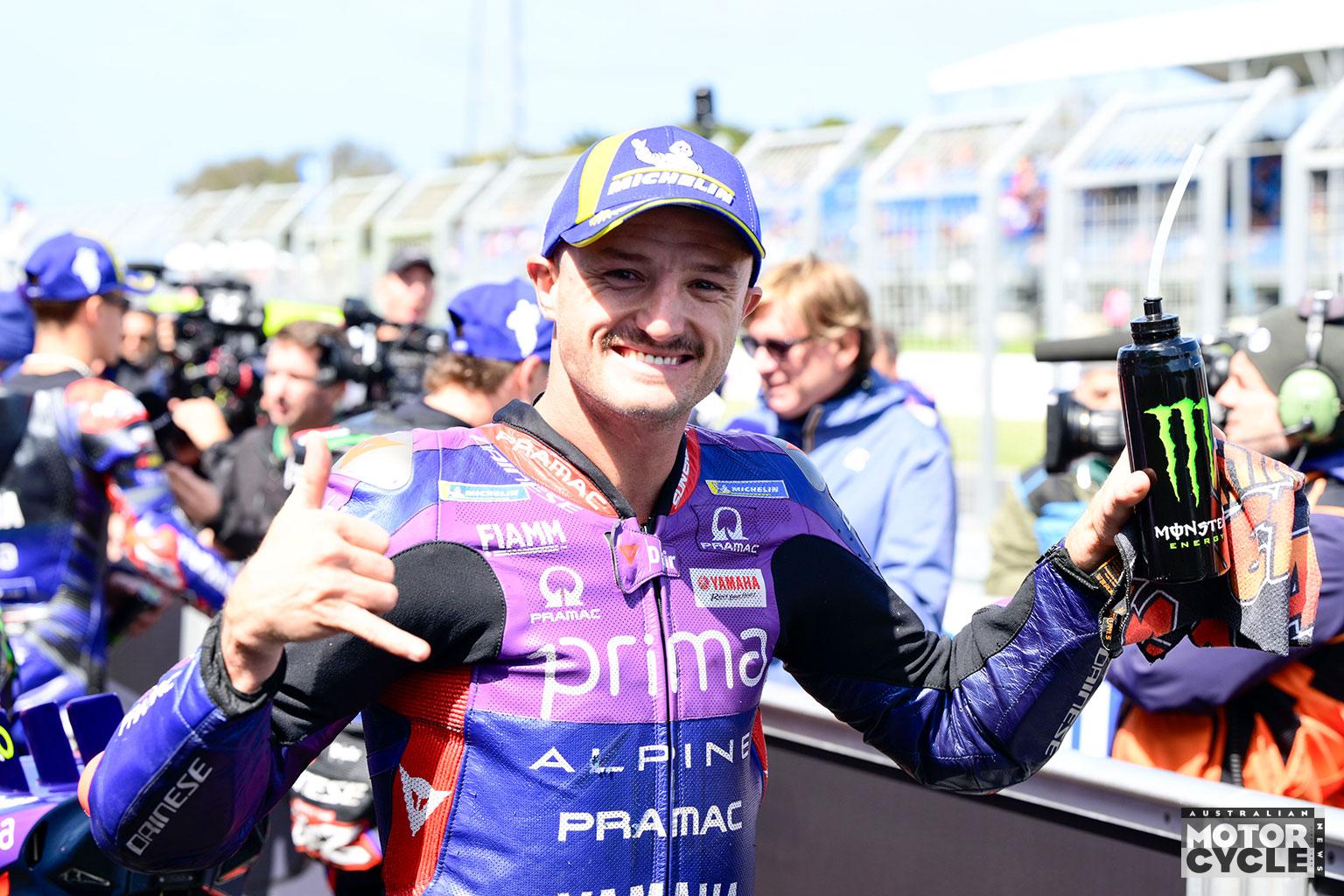
Jack Miller: The current Phillip Island hometown hero
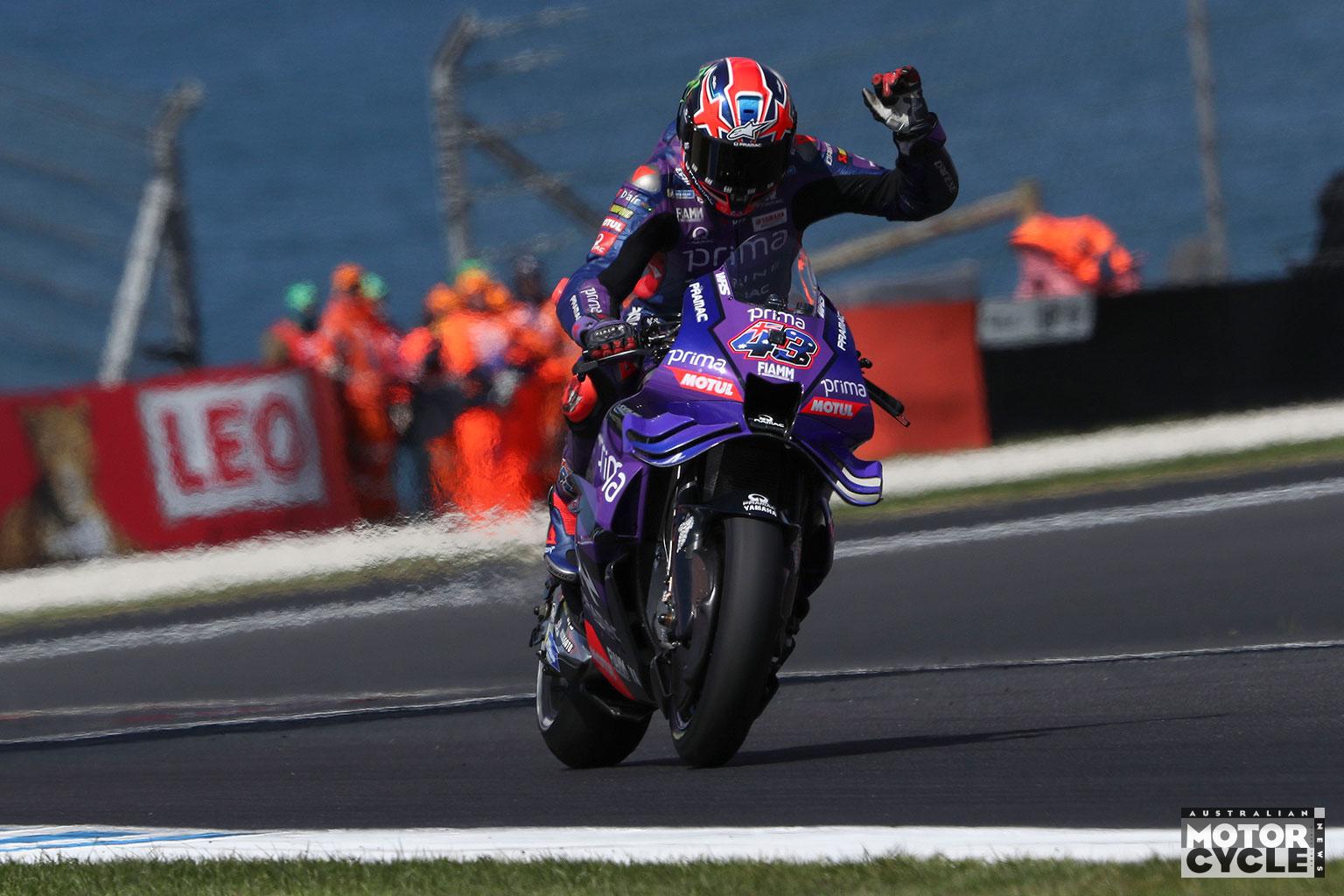
Miller’s best premier-class result at Phillip Island is a MotoGP podium (3rd), and the circuit has long been one of his strongest and most celebrated stops. Miller also had turn 4 named after him in 2022.
Miller has defended the idea that modern MotoGP safety standards and data-led circuit design can make a street event viable.
“There won’t be a concrete barrier or an air fence in touching distance,” said Miller.
“I fully trust [MotoGP boss] Carlos [Ezpeleta] and their calculations.”
“You know, we sit every Friday afternoon [of a race weekend] and have a meeting with them and discuss queries that we have, whether it be track safety, or run-off area, depth of gravel, gravel consistency, down to literally the size of the rocks.”
“They have an incredible array of knowledge when it comes to crashing…”
He admits Phillip Island will be missed by the rider group, even if its weather is notoriously unpredictable:
“Everybody will be deeply disappointed; I mean, Phillip Island has been one of the favourites for a very, very long time in terms of riders,” he said.
“It is sad, extremely sad…”
But Miller also sees Adelaide as a potential win for fans, arguing a city-based round could be far easier and cheaper to attend than the long trip and high accommodation costs associated with Phillip Island.
“The biggest thing for us is getting people to come and watch,” he said.
“To get to Philip Island, for example, it’s an undertaking for the average punter. As we know, times are getting tougher and tougher.”
“To go to Melbourne, to rent a car, to transit your whole family out to the island, rent a house… it’s upwards of six, seven thousand [dollars].”
“I know that from my family doing it year in, year out. It’s hard for a young family to get out and take the kids to watch a motorcycle race.”
“I mean, you speak to people and it’s cheaper to go to Malaysia, simple as that, because [the Sepang circuit] is right next to the airport.”
“To try and get those people that want to come, but they’ve don’t have the means to, when you can come to the city, you can walk around, you can walk and see the track and watch the racing and get on a plane and go back home… I mean, it helps.”
“Australians love motorsport, and live sport in general, so to the access like they’re going to get here in Adelaide, I think is phenomenal.”