Tired on Two Wheels? What Riders Told Us About Fatigue
We all know the drill. You throw a leg over the bike feeling fresh and ready for miles — then, somewhere down the road, your eyes dry out, your shoulders turn to stone and the brain fog rolls in.
Fatigue hits different on a motorcycle… and it can hit fast.
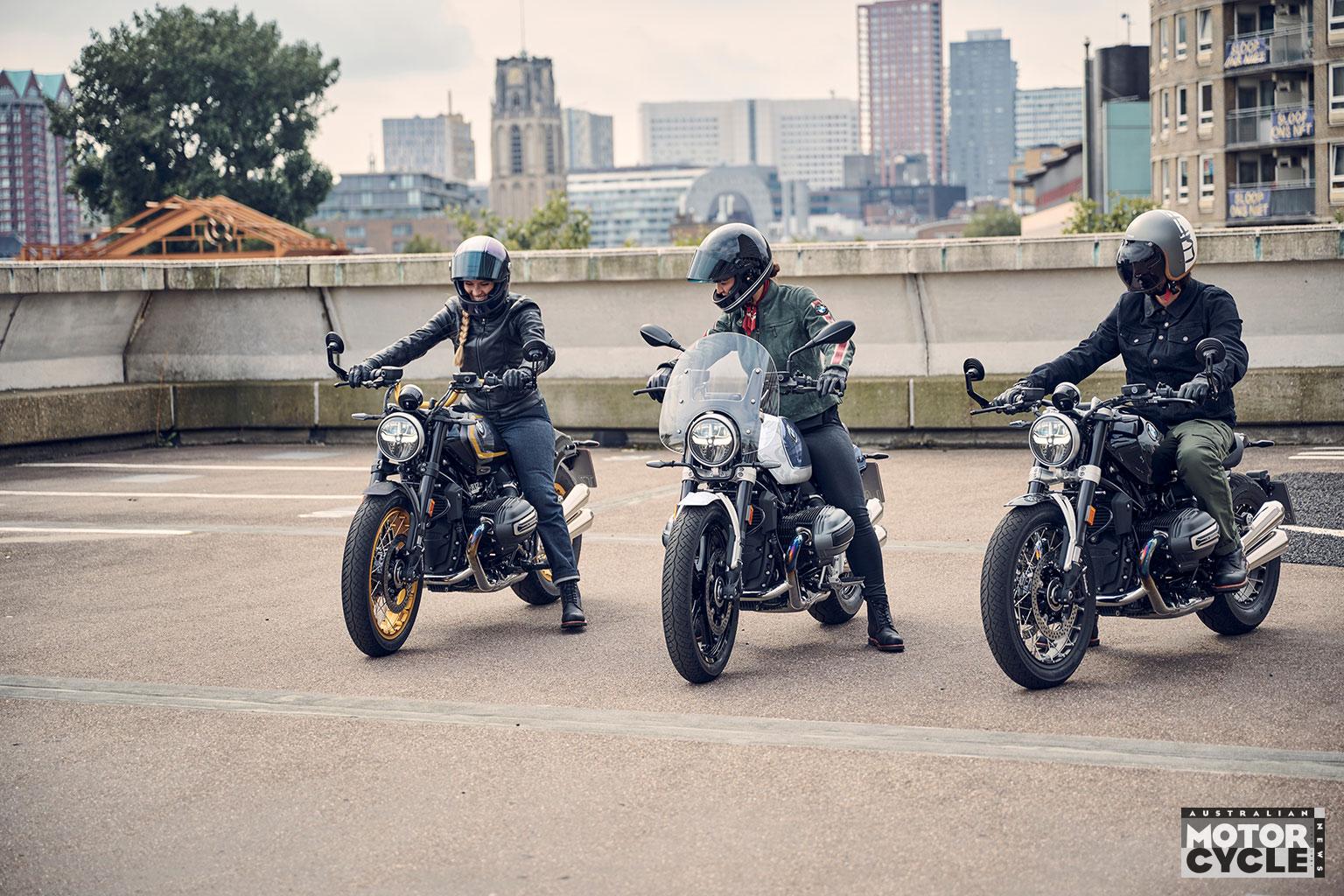
To dig deeper into how riders deal with tiredness on the road, the Motorcycle Council of NSW surveyed more than 320 riders and drivers during Motorcycle Awareness Month 2025. Most respondents were experienced riders aged 50–69 — the backbone of Australia’s motorcycling community.
Riders feel it sooner — and act faster
The majority of riders surveyed said they’ve experienced the physical warning signs: stiffness, slower reactions and delayed reflexes. One in four admitted to struggling to concentrate at times — but that’s still far better than the three-quarters of drivers who confessed to nodding off while behind the wheel.
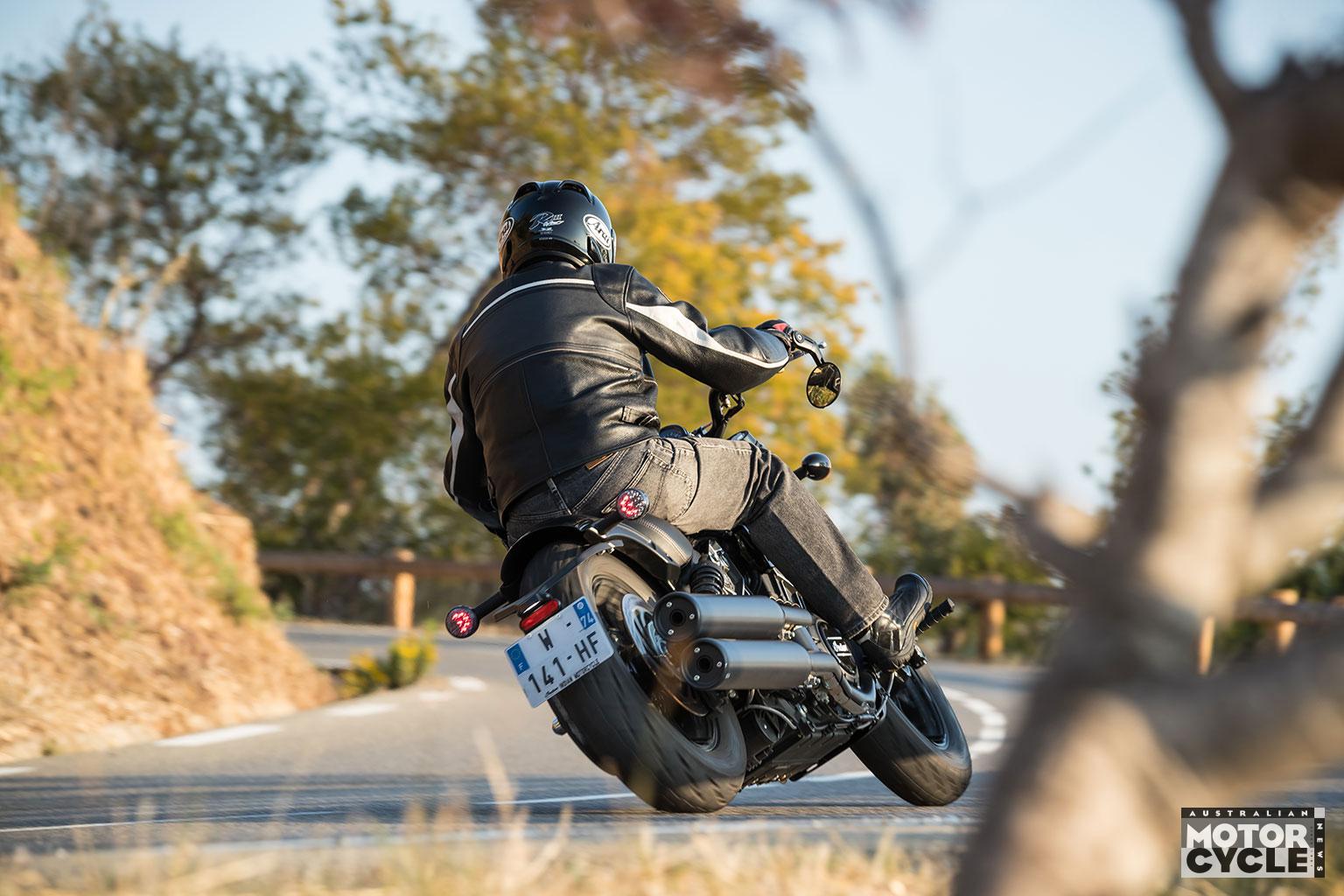
Drivers often keep pushing. Riders don’t — because we can’t.
Managing fatigue: the rider way
Most riders said they rarely or never head out if they’re already tired. And when fatigue starts creeping in, the response is simple:
• Pull over
• Take a proper break
• Rehydrate
• Stretch
• Reset
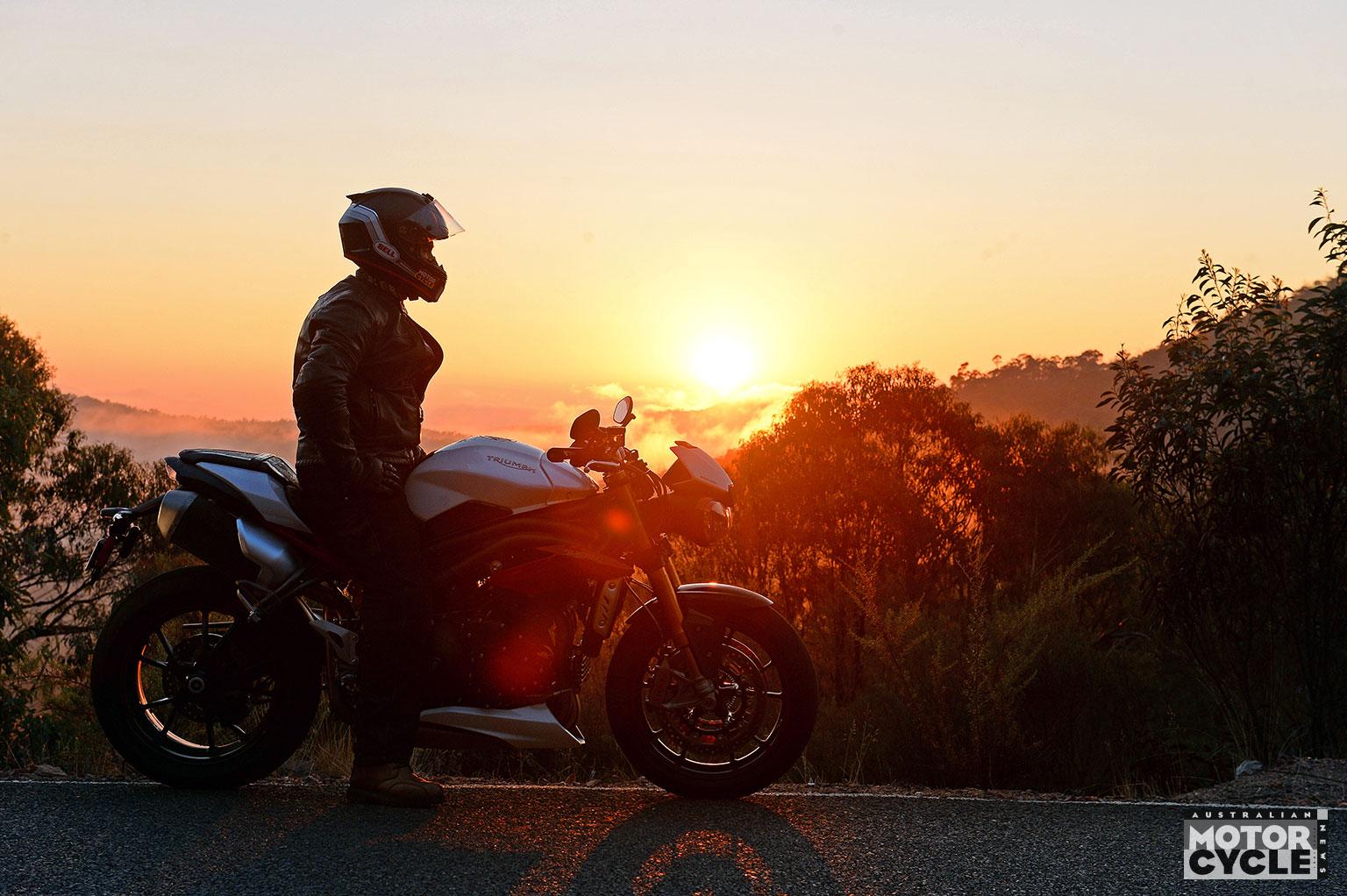
No air-conditioning. No comfy seat. No cruise control. Just you, the bike and the consequences.
The biggest fatigue triggers reported:
• Long days in the saddle
• Late-night rides
• Lack of sleep
• Aussie heat + layers of protective gear
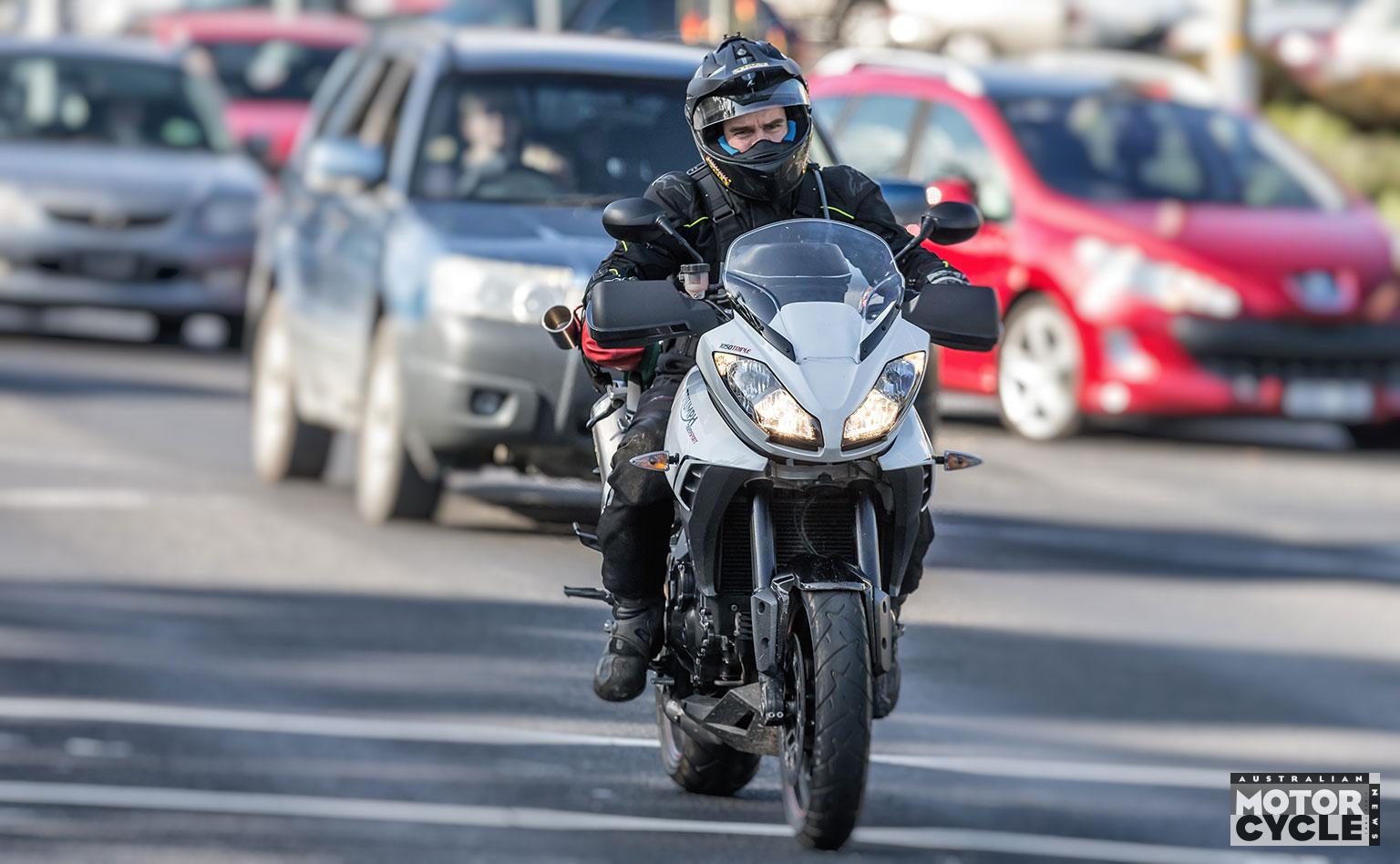
And unlike drivers, riders are far more likely to cancel or postpone a trip if they’re not feeling sharp. Because fighting fatigue while balancing a few hundred kilos of machinery is a losing battle.
Fatigue campaigns? Too often written for cars
Most respondents said they’d seen driver fatigue campaigns — but almost none felt those messages spoke to riders. The realities aren’t the same:
• In a car: you drift
• On a bike: you crash
Riders want messaging that’s direct, real and acknowledges how quickly tiredness can turn into trouble.
What riders want
• Campaigns that actually mention motorcycles
• Facts and real-world examples
• Advice based on how riding works — not how driving works
The big takeaway
Riders treat fatigue as a high-risk safety issue.
Drivers treat fatigue as an inconvenience.
That difference matters — and so should the way fatigue messaging is delivered.
After all, we’re out there with zero room for error.