Japan enters the electric era
Honda’s all-electric WN7 has already had a soft launch – appearing as a concept bike last year and with photos and basic specs announced earlier in 2025 – but the full details were revealed at EICMA including the all-important range and power figures.
It’s the first full-size, full-performance electric production bike from any of the Japanese brands, and since Honda’s name is on the tank, it can lay a claim to be the most significant battery-powered production model that the world has yet seen. Honda’s record, remember, includes mobilising the globe with the Cub and revolutionising the superbike with the CB750 and later the Fireblade.
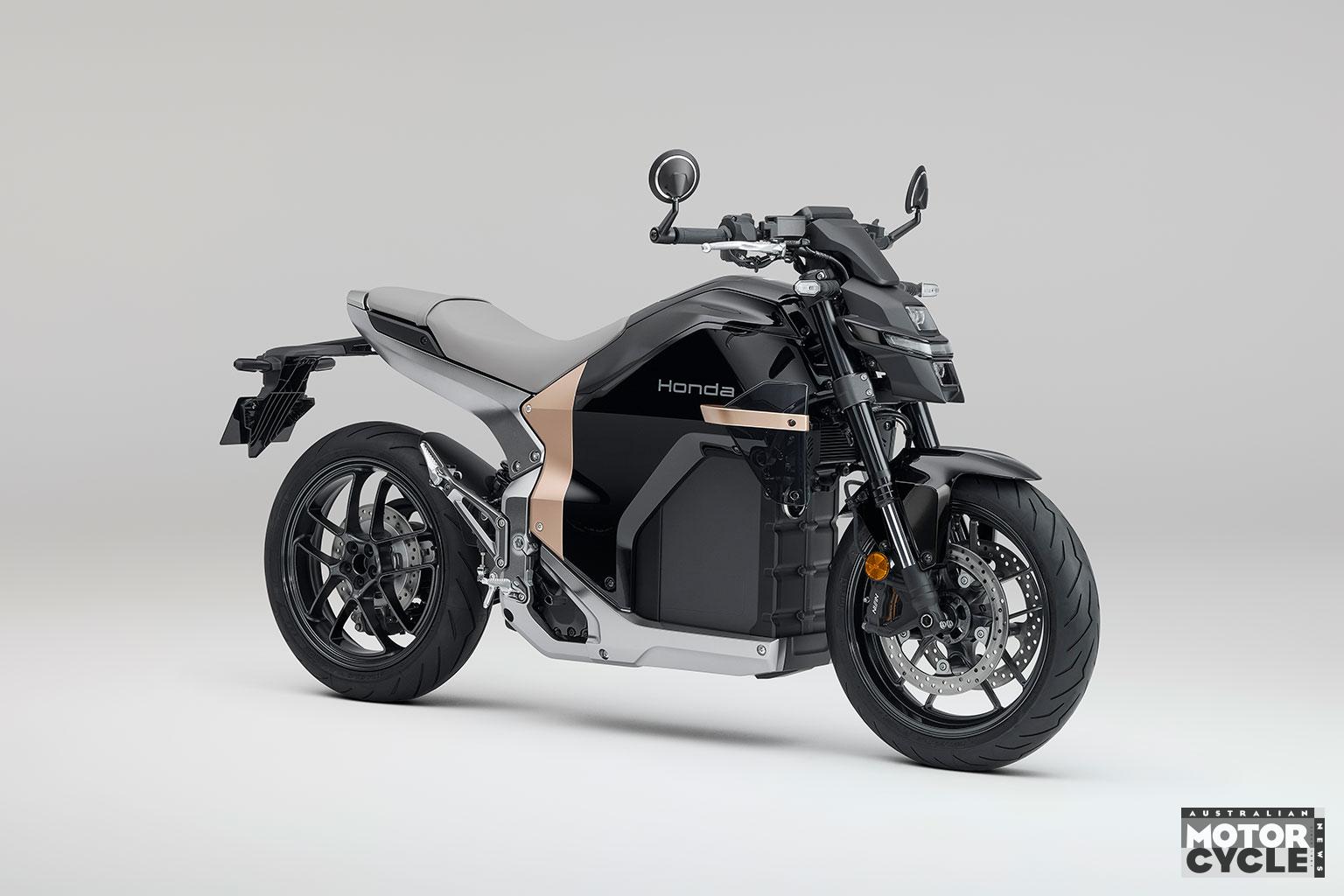
Can the WN7 be another CB750 moment? Or is it destined to be one of Honda’s bold failures like the DN-01? Only time will tell, but we now know the hand Honda is playing.
On the face of it, the WN7 isn’t holding a royal flush. In full-power form, the electric motor puts out 50kW, while the bike weighs 217kg, putting it more into the realm of some low-powered cruisers than a comparable ICE roadster. It’s a performance level not a million miles from the old Harley Sportster 1200, for example, but even so it’s impressive that we are able to compare an electric bike at all to a combustion-engined machine, and an indication that the technology has improved vastly over the years.
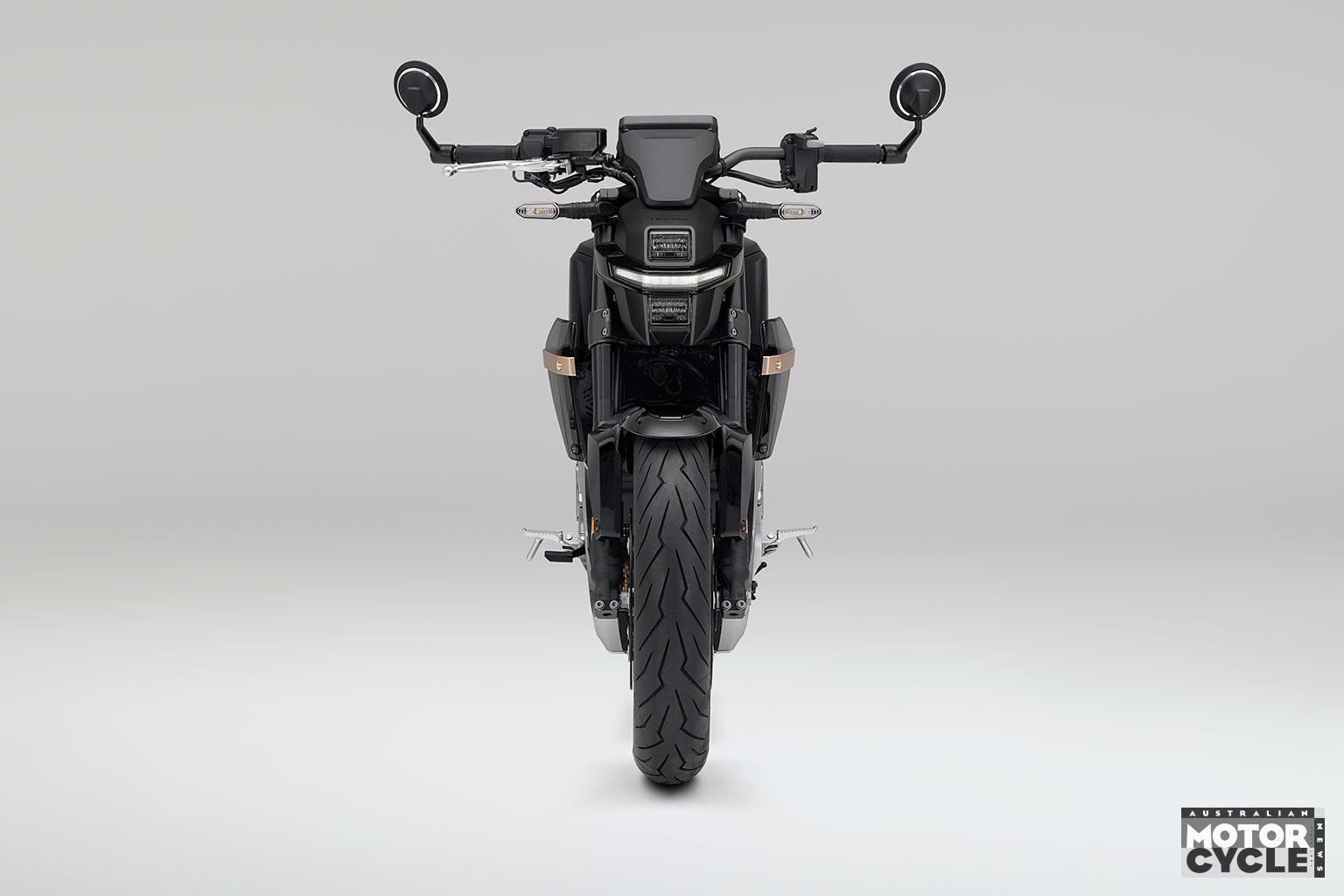
The peak torque, 100Nm, is more impressive, and allows the WN7 to use a single gear ratio, helical-cut to keep the noise down and eliminate lash, paired to a belt final drive that, again, is quieter than a chain. Top speed? 129km/h is the outright peak, with the bike capable of sustaining a continuous maximum of 127km/h. Again, not amazing, but enough to keep up with traffic.
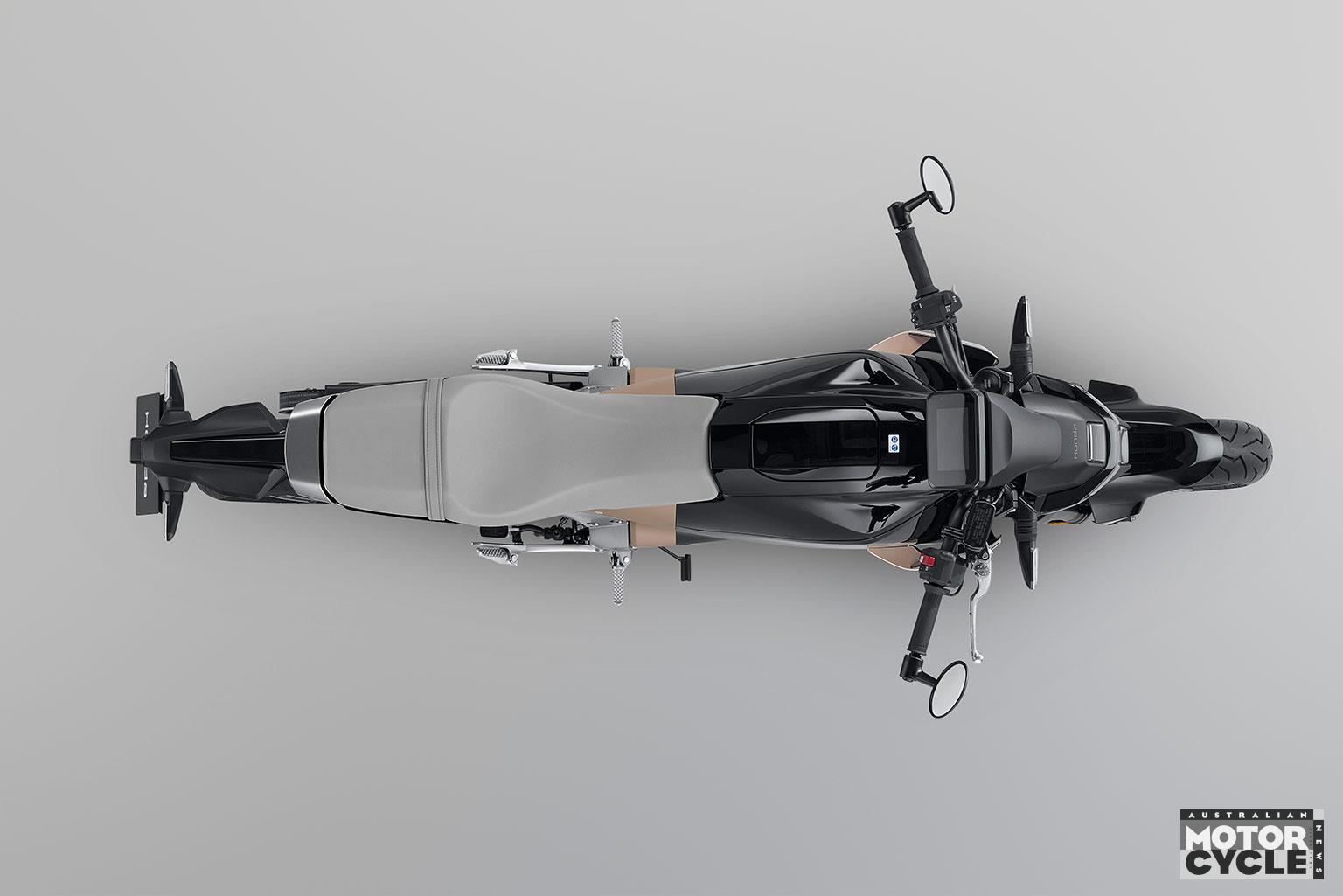
The liquid-cooled motor is fed by an air-cooled, 349.44-volt, 9.3kWh battery pack, giving a range of 140km under WMTC test conditions. More importantly, perhaps, it’s unusual among electric motorcycles in using a CCS-2 connector that allows both AC and DC charging. At home, you’d use AC – the battery will charge in around 2.4 hours from a car-style 6kVA home charger, or in 5.5 hours simply plugged into a conventional mains electricity socket – but on the go it can use the sort of DC rapid chargers used by most electric cars, which can take the battery from 20% to 80% full in just 30 minutes, giving another 89km of range.
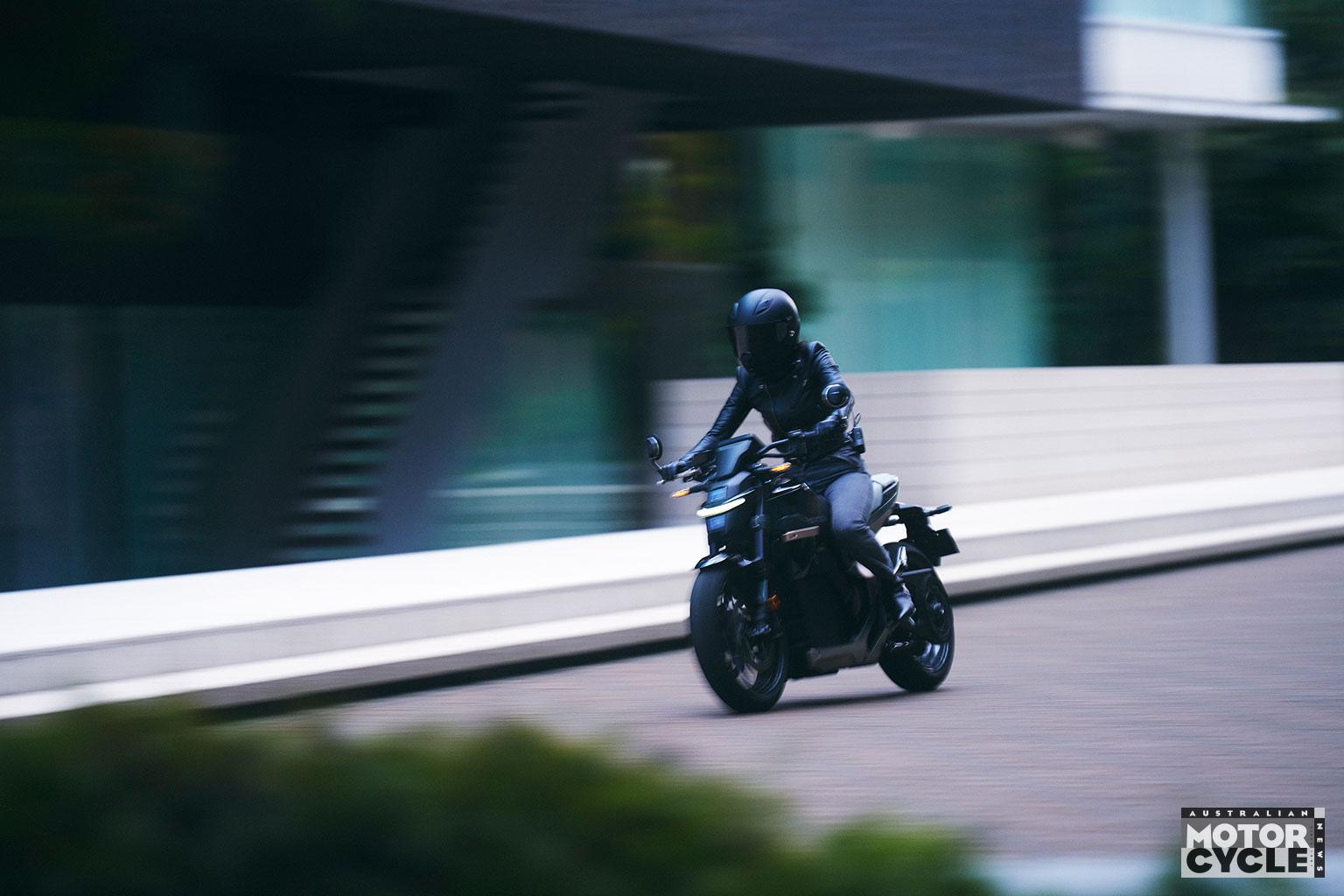
It’s typical to use the 20% to 80% figures because you’re unlikely to leave charging until the battery is completely empty, and the last 20% of charge takes a disproportionately long time – again, a feature of Li-ion batteries, not the WN7 alone – so it makes more sense to stop at around 80% than to try to reach 100% at a roadside charger.
The WN7 has four drive modes – Standard, Sport, Rain and Econ – and you can alter deceleration through three levels using a finger/thumb paddle on the left bar, using it like a downshift to increase the regenerative ‘engine-braking’ effect when required.
The instruments are a 5-inch TFT, albeit with some unfamiliar readouts, and there’s all the normal phone connectivity for music, calls and nav.
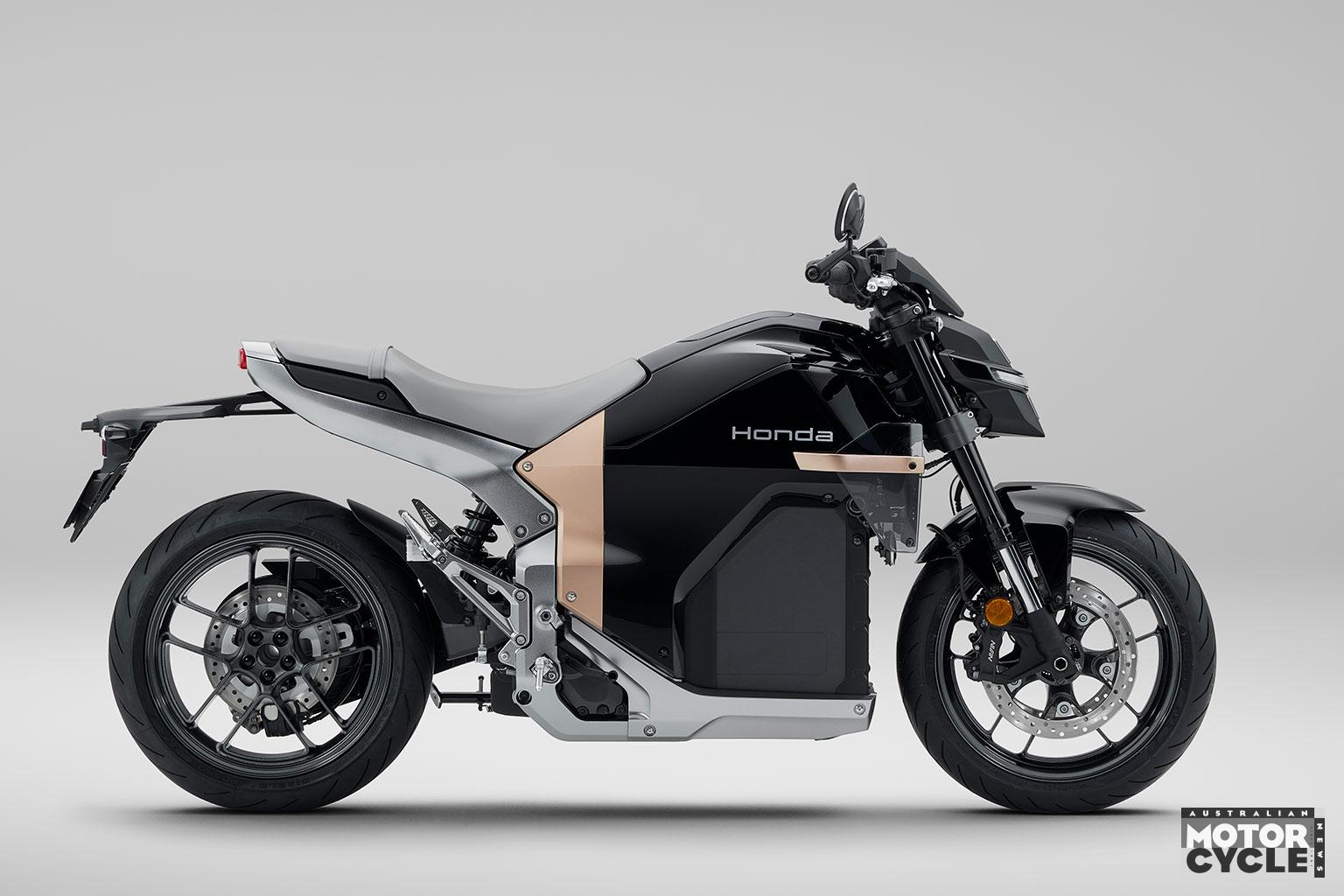
The chassis is, essentially, the battery case – a cast aluminium monocoque – fitted with non-adjustable 43mm Showa forks and a preload-adjustable rear monoshock, plus Nissin brakes with cornering ABS. The 1480mm wheelbase is relatively long, but the 25-degree rake is borrowed from the CB1000 Hornet, which is something of a template for the bike’s dimensions. The seat is 800mm high, with low-ish pegs and an upright riding position that reflects the fact that the WN7 is intended more for use in cities than on highways.
The pricing, where it’s been announced, significantly undercuts existing electric bikes like the Zero S and LiveWire S2 models, putting it closer to the likes of the Can-Am Pulse.