More power, less weight for Bologna’s new hyper hooligan
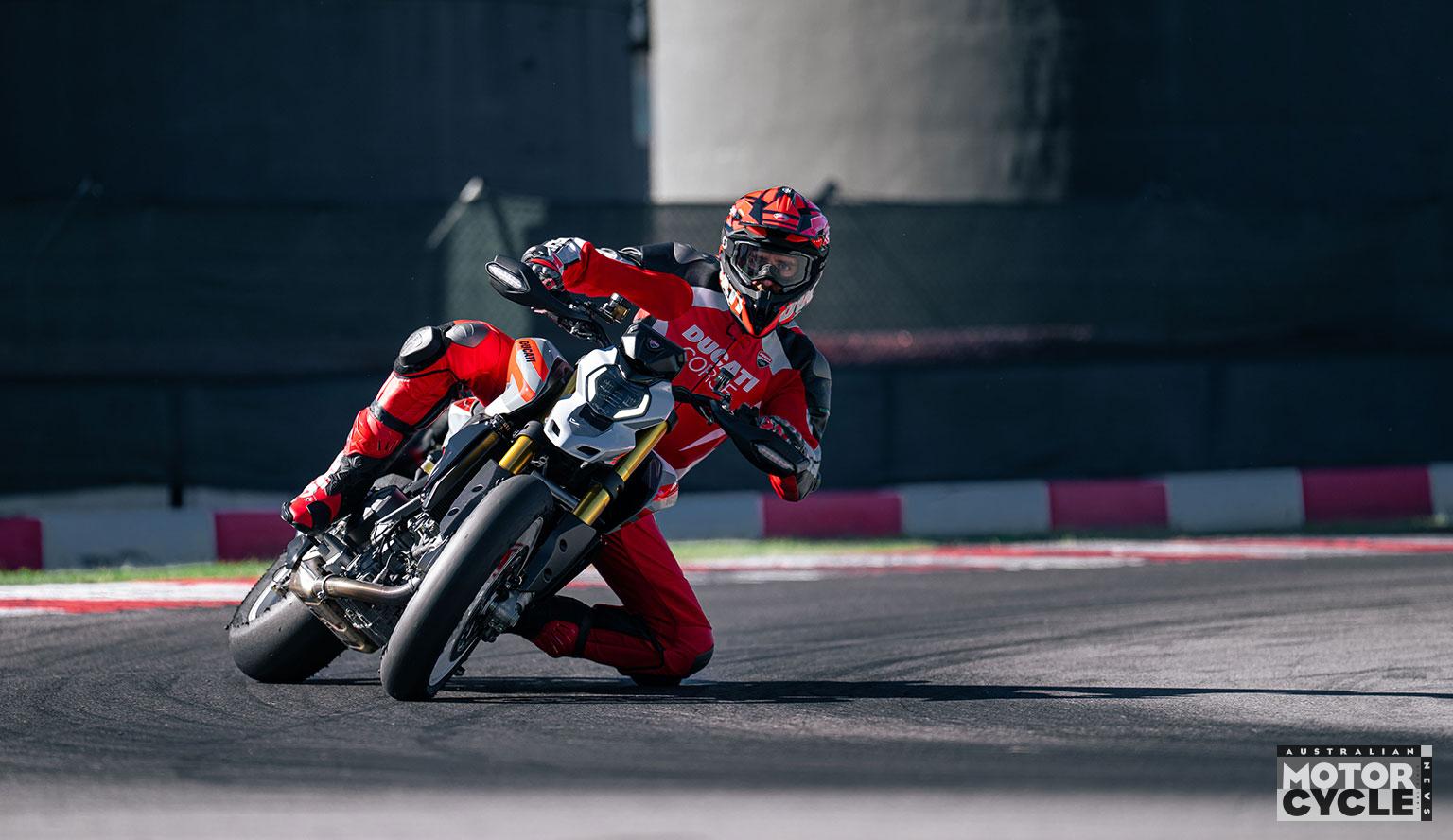
Ducati continues to excise the last vestiges of its desmodromic-valved V-twin engine from its range by launching the Hypermotard V2 for 2026 as a replacement for the Hypermotard 950.
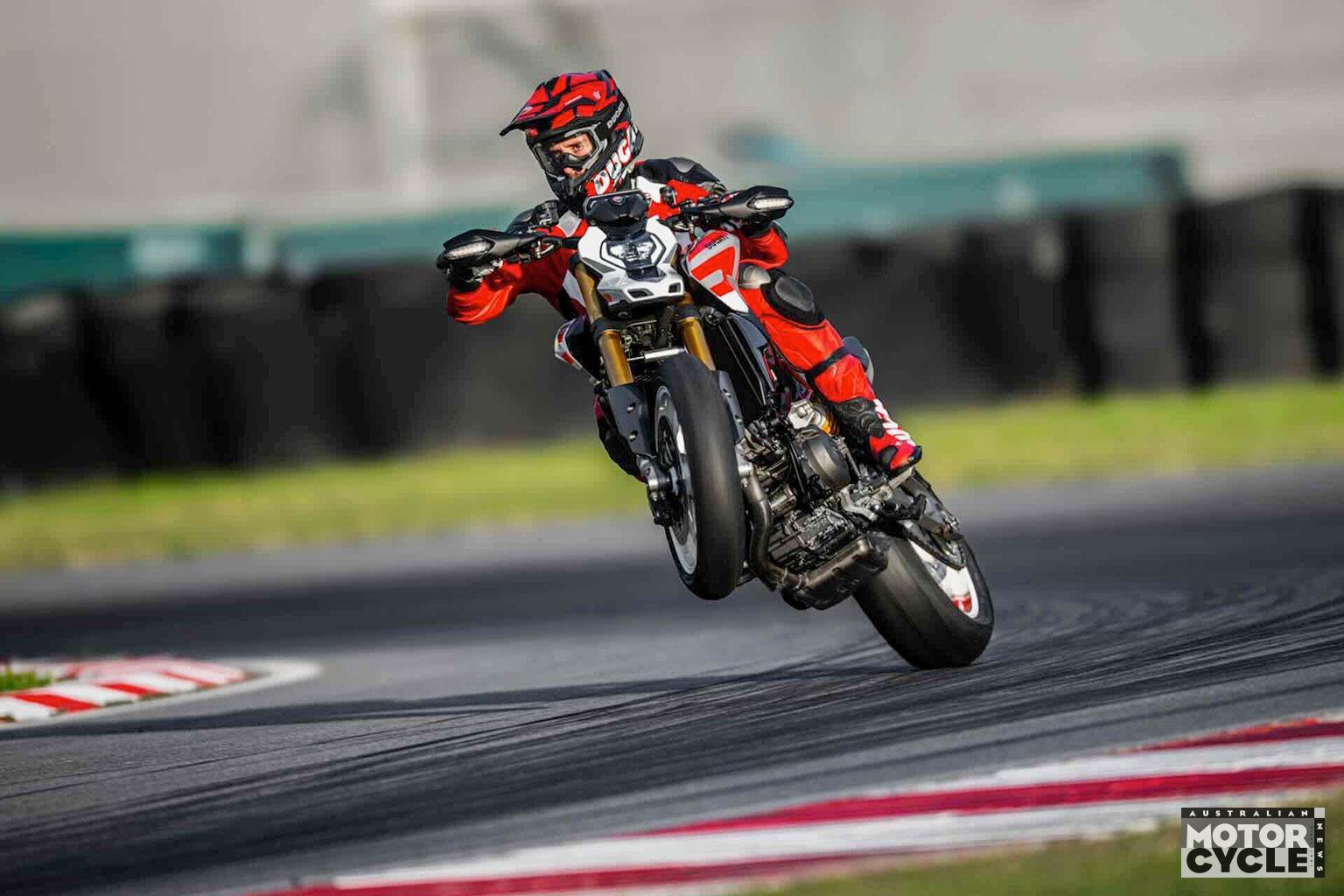
That seemingly small name change underplays how substantial the redesign is: the Hypermotard V2 is really a completely new bike, following in the footsteps of the latest Panigale V2, Streetfighter V2, Multistrada V2 and Monster by adopting Ducati’s 890cc V-twin engine. It replaces the 937cc Testastretta that powered the Hypermotard 950, and eliminates the Desmo valvetrain that’s been a signature of V-twin Ducatis since the early 70s in favour of conventional, sprung valves.
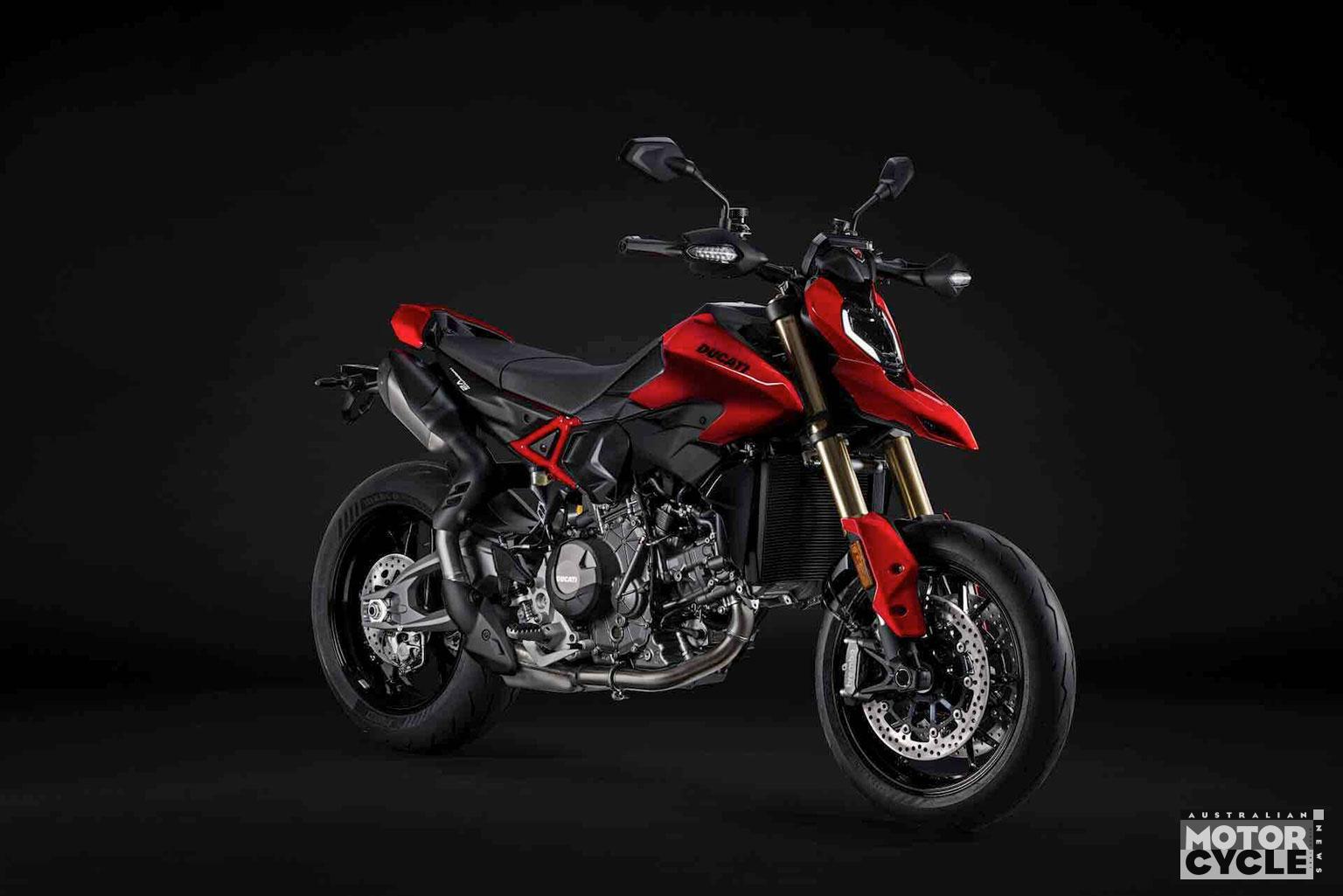
The fact that Ducati calls its latest twin-cylinder engine simply ‘V2’ is a clear signpost that it’s intended to be the sole V-twin powerplant in the company’s range. It’s already replaced the 955cc Superquadro engine in the Panigale and Streetfighter as well as the Testastretta in the Monster and Multistrada, and with the launch of the Hypermotard V2, only the DesertX is left with a liquid-cooled, desmodromic V-twin engine.
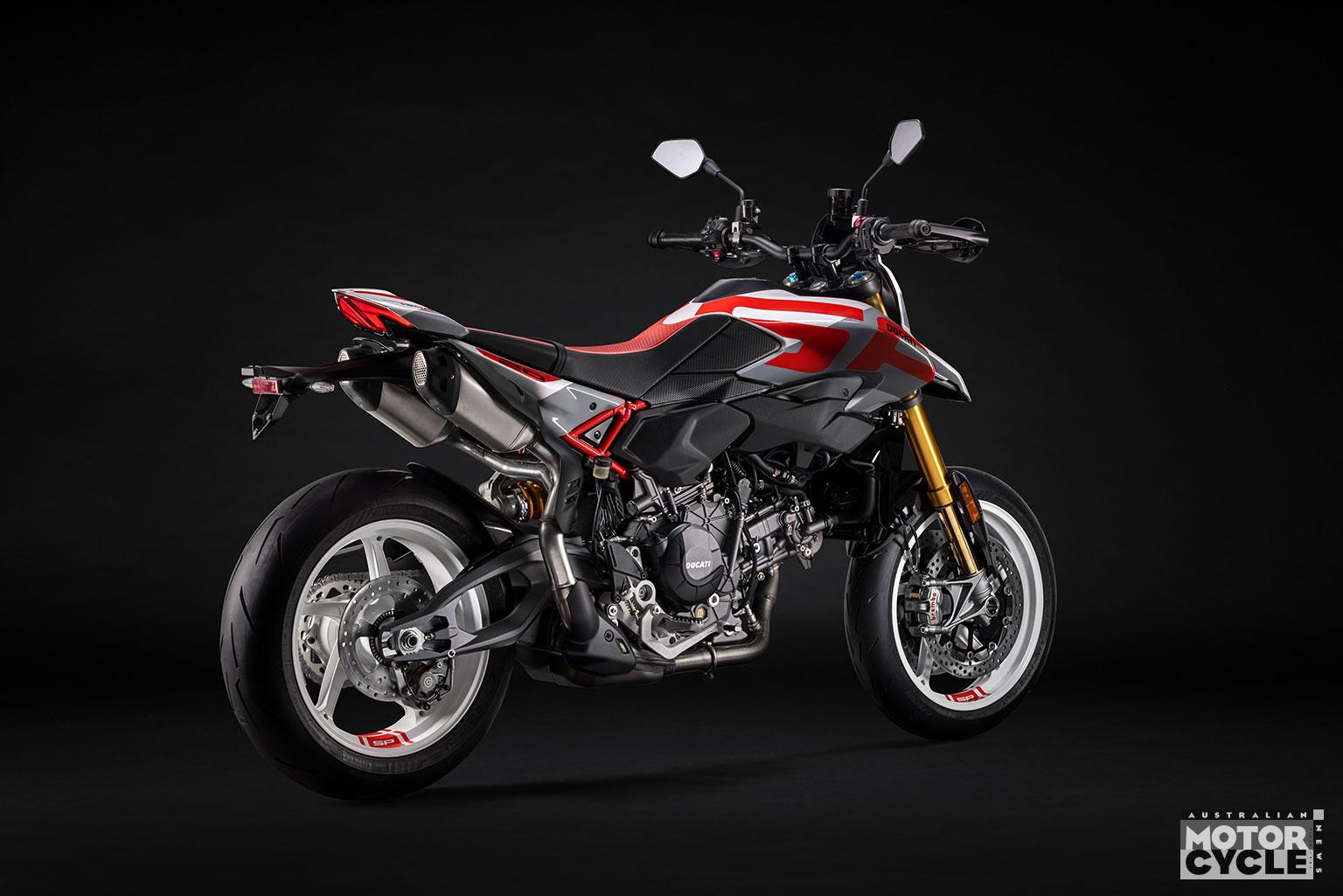
While it lacks Desmo and drops a few cubic centimetres compared to the Testastretta, the V2 engine has variable intake valve timing and boasts a claimed 120hp, up from 114hp for the old bike. It’s a lighter, more compact engine, too, helping bring the bike’s kerb weight down from 193kg to 180kg without fuel, while the SP version is lighter still at 177kg. That’s partly down to the engine itself, which is around 6kg lighter than the Testastretta, but also because the V2 is designed to be a completely structural part, doubling as the bike’s main frame. The swingarm – now a double-sider instead of the old single-sided design – mounts directly on the engine, while the steering head is fixed to a small aluminium monocoque that bolts to the cylinder heads and also houses the airbox. The seat subframe is still a tubular steel trellis to keep a visual tie to the old Hypermotard, which first debuted in concept form exactly 20 years ago in 2005 before reaching production in 2007.
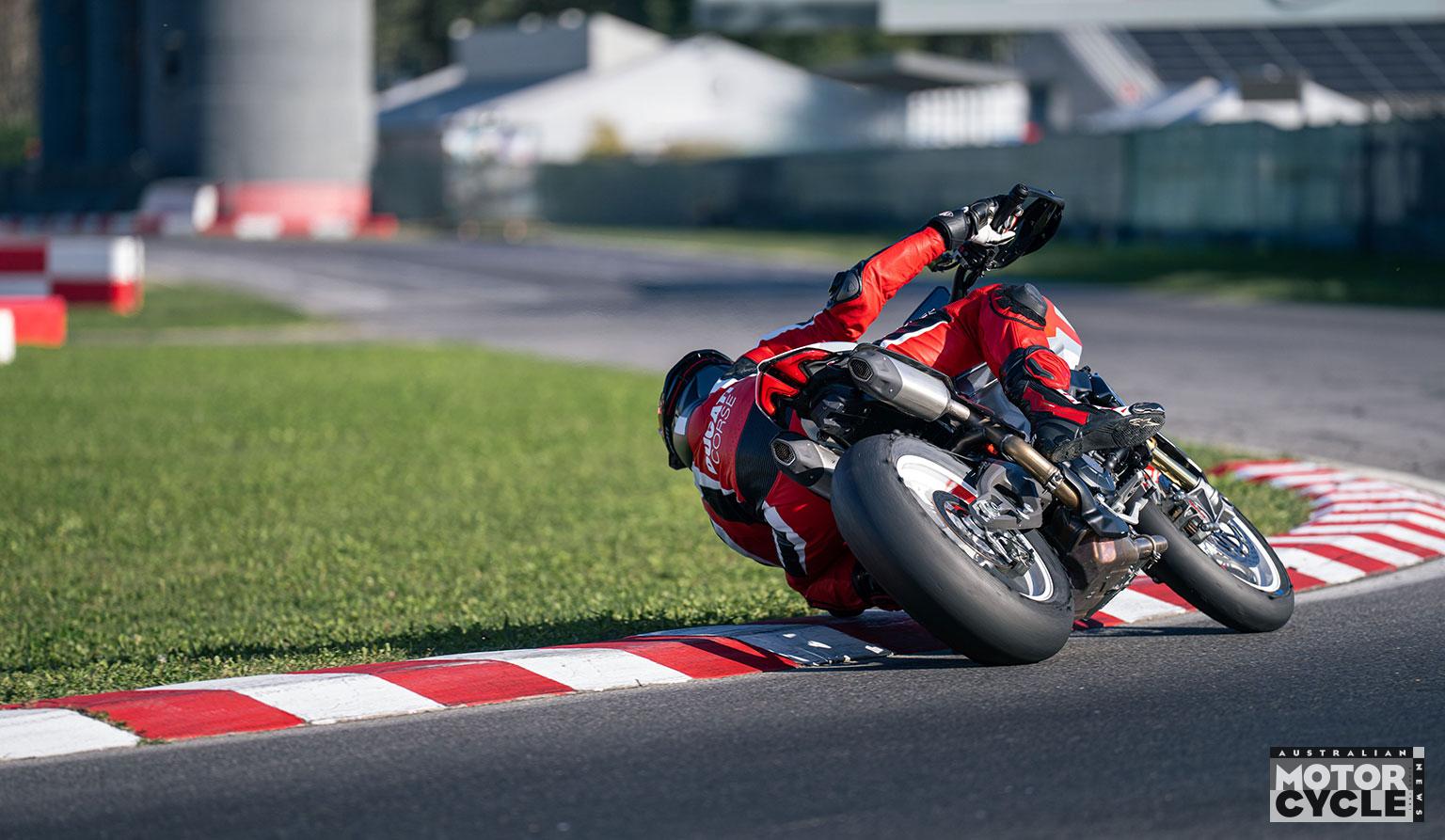
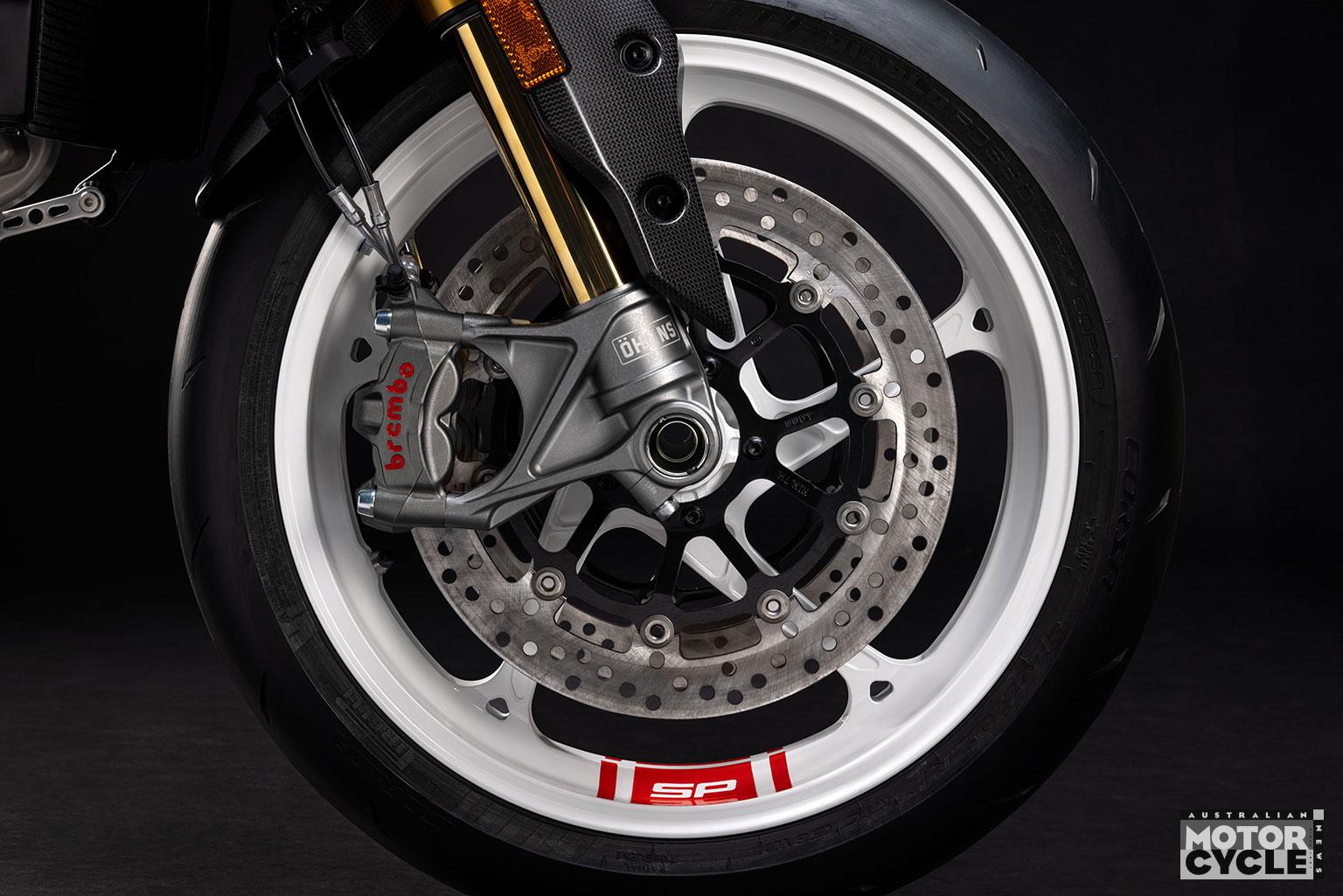
Suspension is via fully-adjustable 46mm Kayaba forks and a preload-and-rebound adjustable monoshock on the base model, while the SP version switches those for Ohlins components, 48mm NIX30 forks and an STX46 shock. The SP also upgrades the brakes from Brembo M4.32 radial calipers to Brembo M50s, while switching the six-spoke cast alloy wheels for five-spoke forged alloys that slice even more weight from the bike.
Like virtually all new Ducatis, there’s a host of three-letter initialisms for an array of rider assists including cornering traction control, cornering ABS with four selectable modes, wheelie control, engine braking control, launch control and even a pitlane limiter.
While the DesertX still currently retains the old Testastretta engine, leaked information from Ducati’s own type-approval documents shows that a version of that bike with the 890cc ‘V2’ motor is coming in 2026, eliminating the last vestige of Ducati’s desmodromic, four-valve, liquid-cooled, V-twin engine heritage from the company’s range. The Scramblers, with their air-cooled, two-valve Desmo engines look set to remain for the moment, though, and Ducati is still using desmodromic valves in its highest-powered Desmosedici Stradale V4 engine, used in the Panigale V4, Streetfighter V4 and the RS versions of the Multistrada V4 and Diavel V4.