Will Chucky become the first back-to-back winner in more than a decade?
There was an era when predicting the Dakar winner was as easy as a coin toss. Heads: Marc Coma. Tails: Cyril Despres. For 10 years in succession the Catalan and the Frenchman totally dominated the Dakar Rally during the time of its relocation from North Africa to South America.
Then along came Toby Price, the Ocker from Oz, disrupting the Eurocentric circus with his laissez faire attitude to preparation. A bloke with the speed and determination to overcome politics, personal injury and ‘technical issues’. Who can forget Price reconstructing his rear tyre with cable ties and gaffer tape midway through a marathon stage?
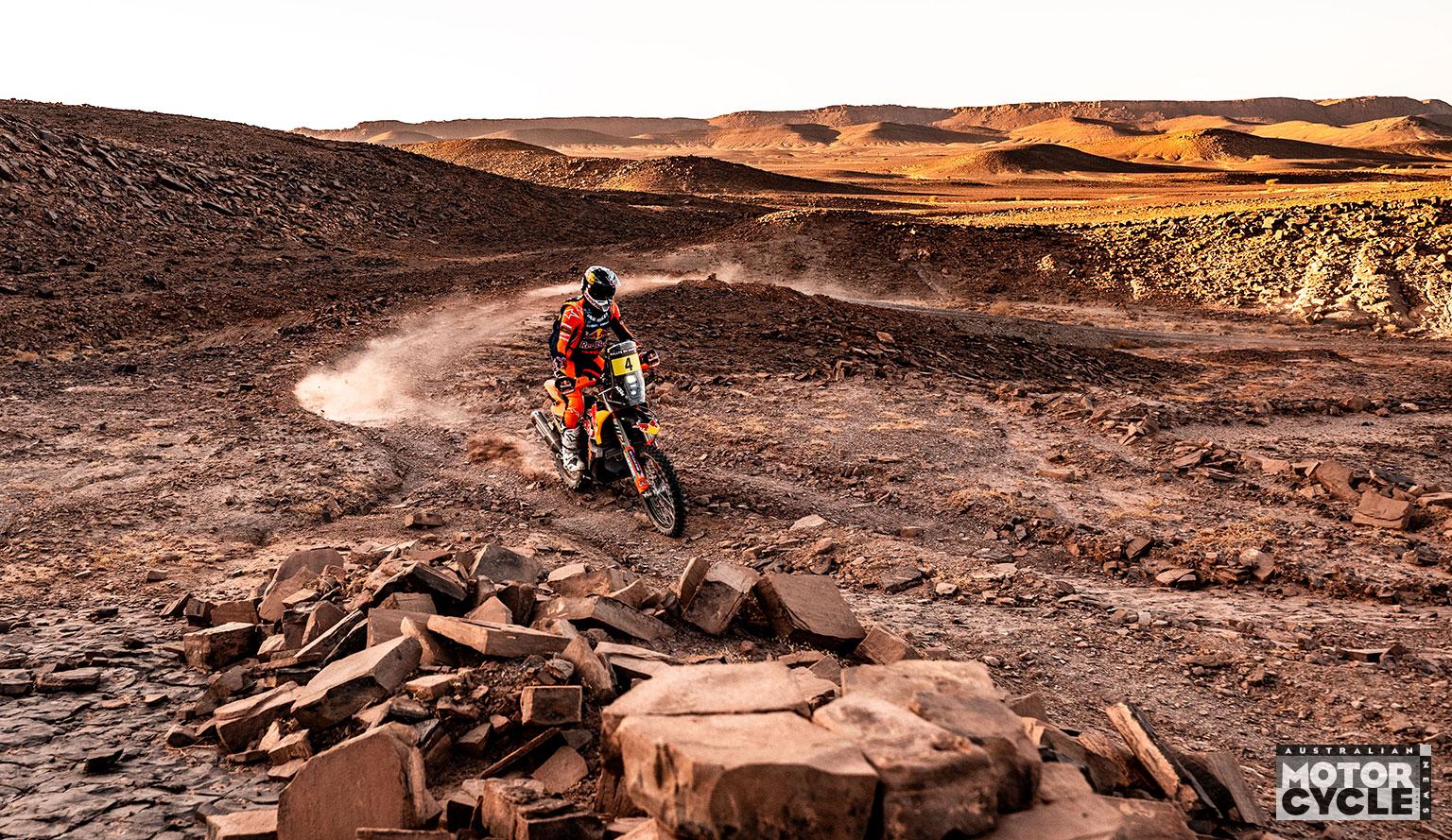
Lured by lucre, the Amaury Sport Organisation (ASO) moved the Dakar to Saudi Arabia in 2020. Gone were the captivating images of the Andes bordering Chile, the flooded Rio Mendoza in Argentina and the endless salt lakes of Bolivia. All replaced by massive piles of sand, petrodollars and publicity.
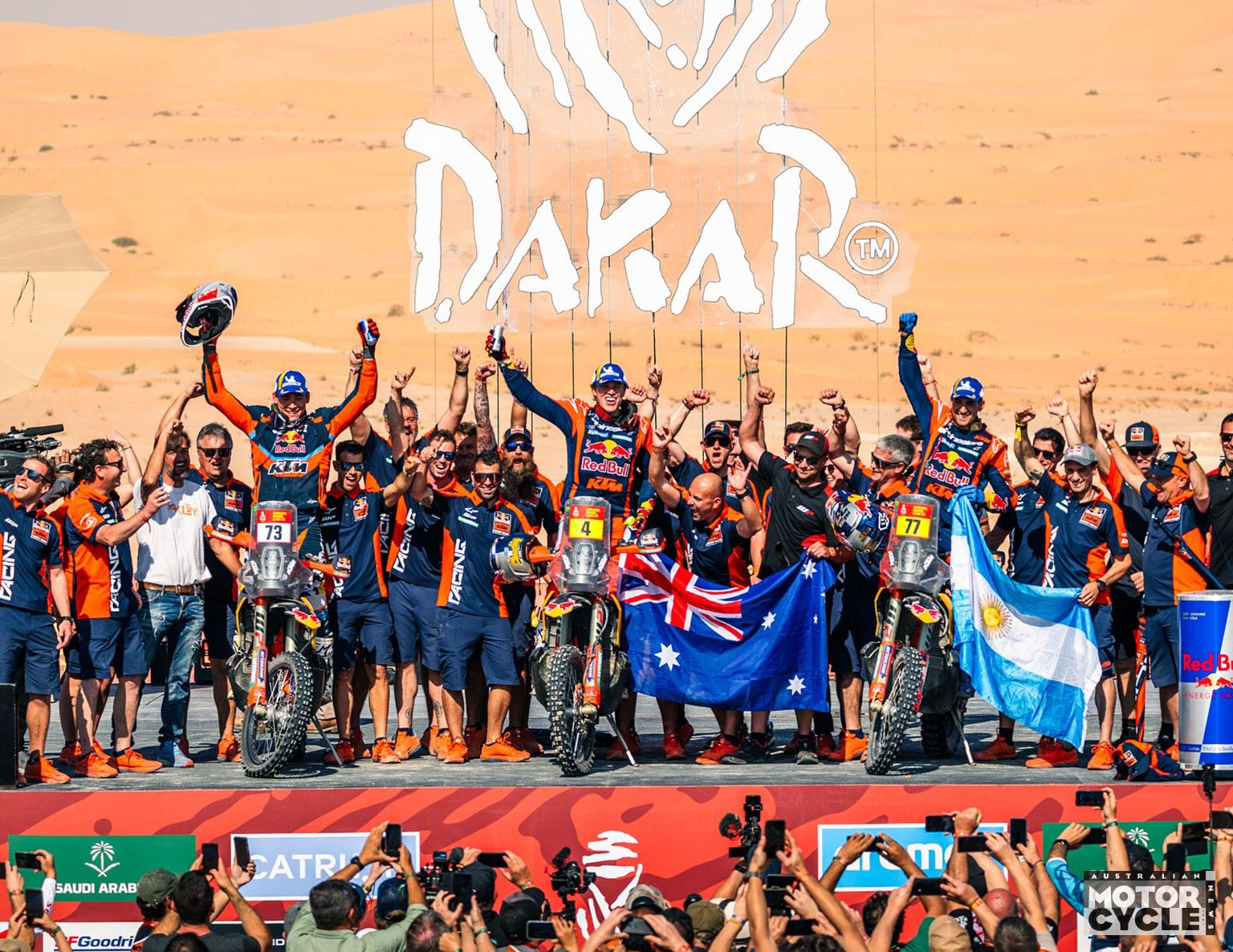
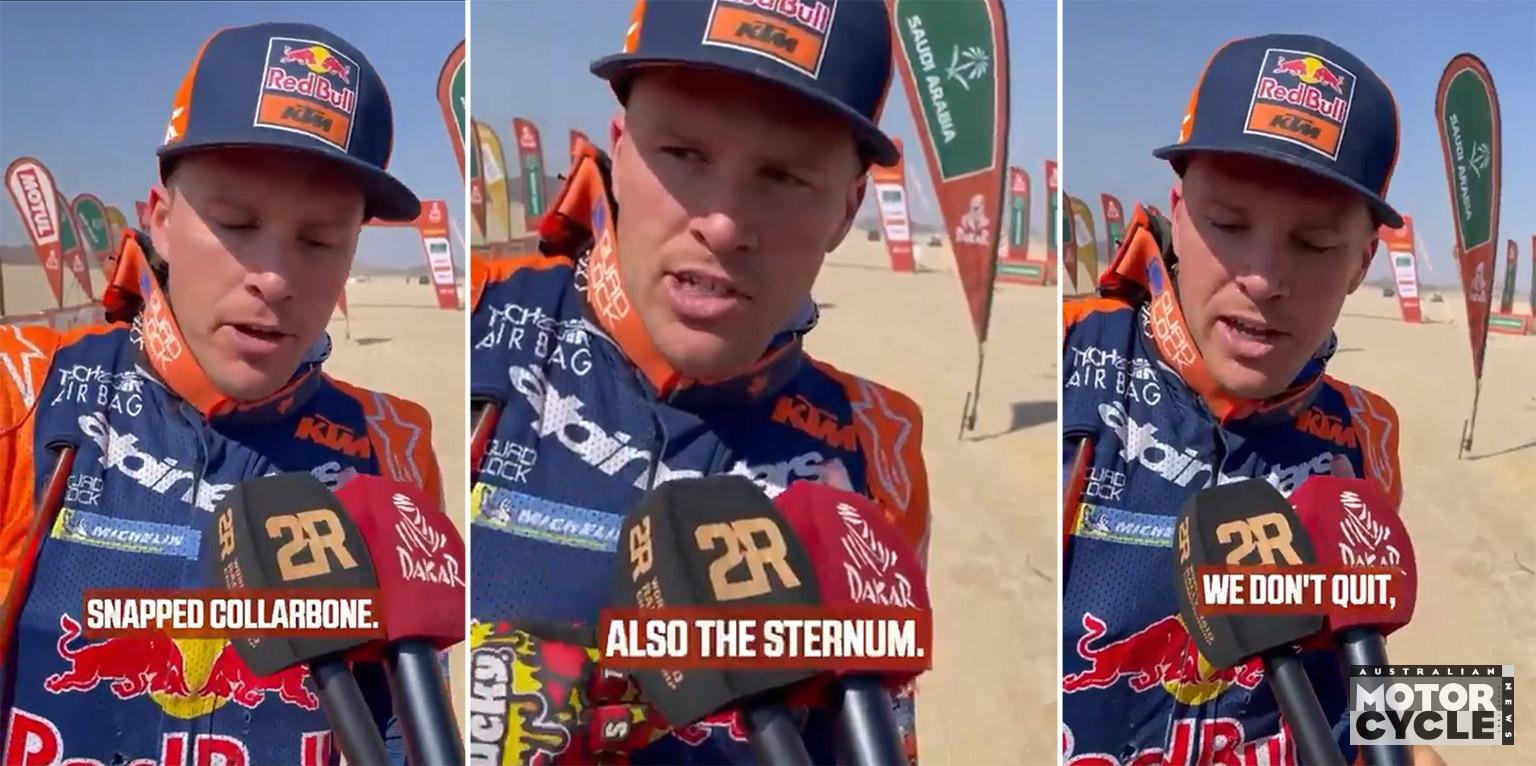
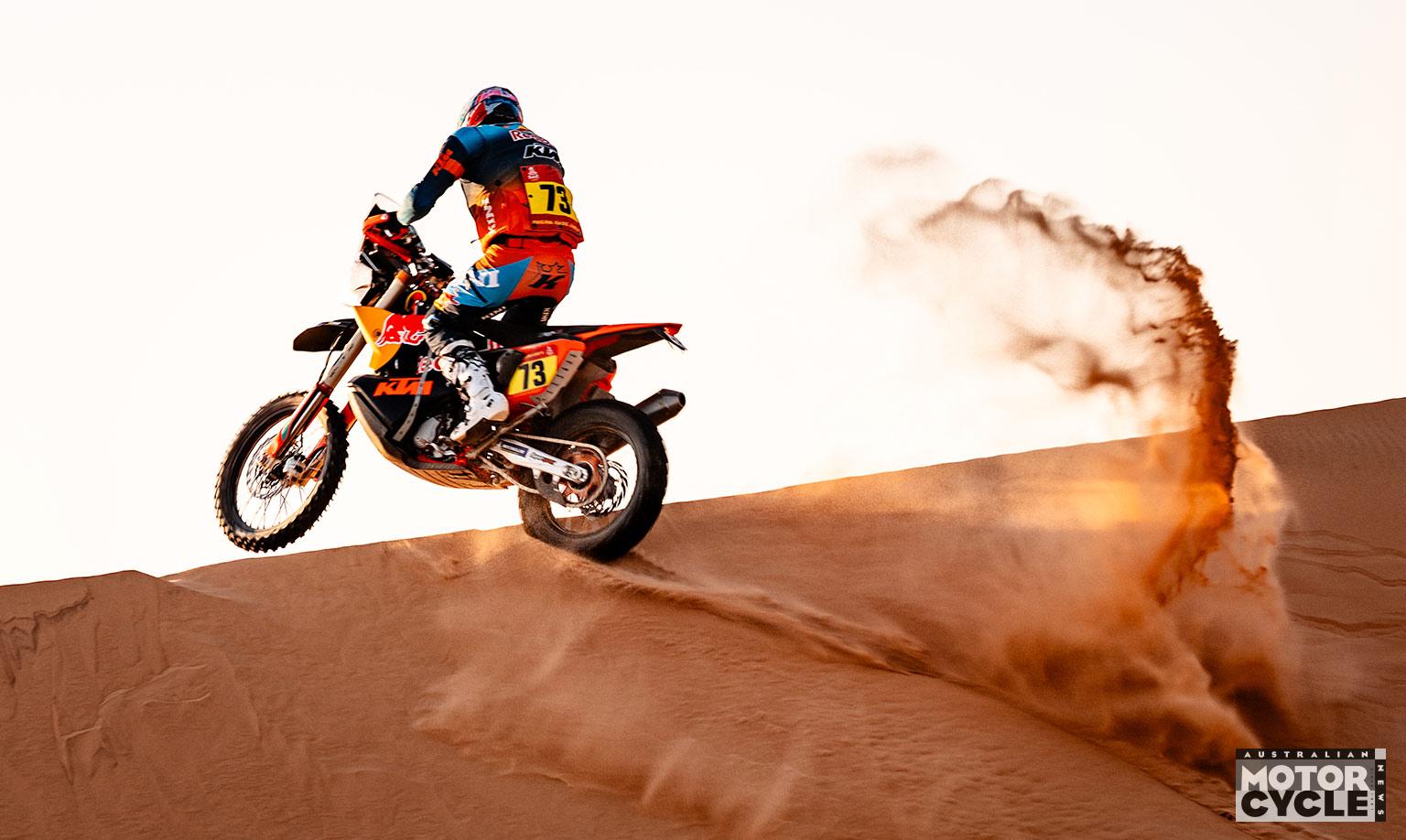
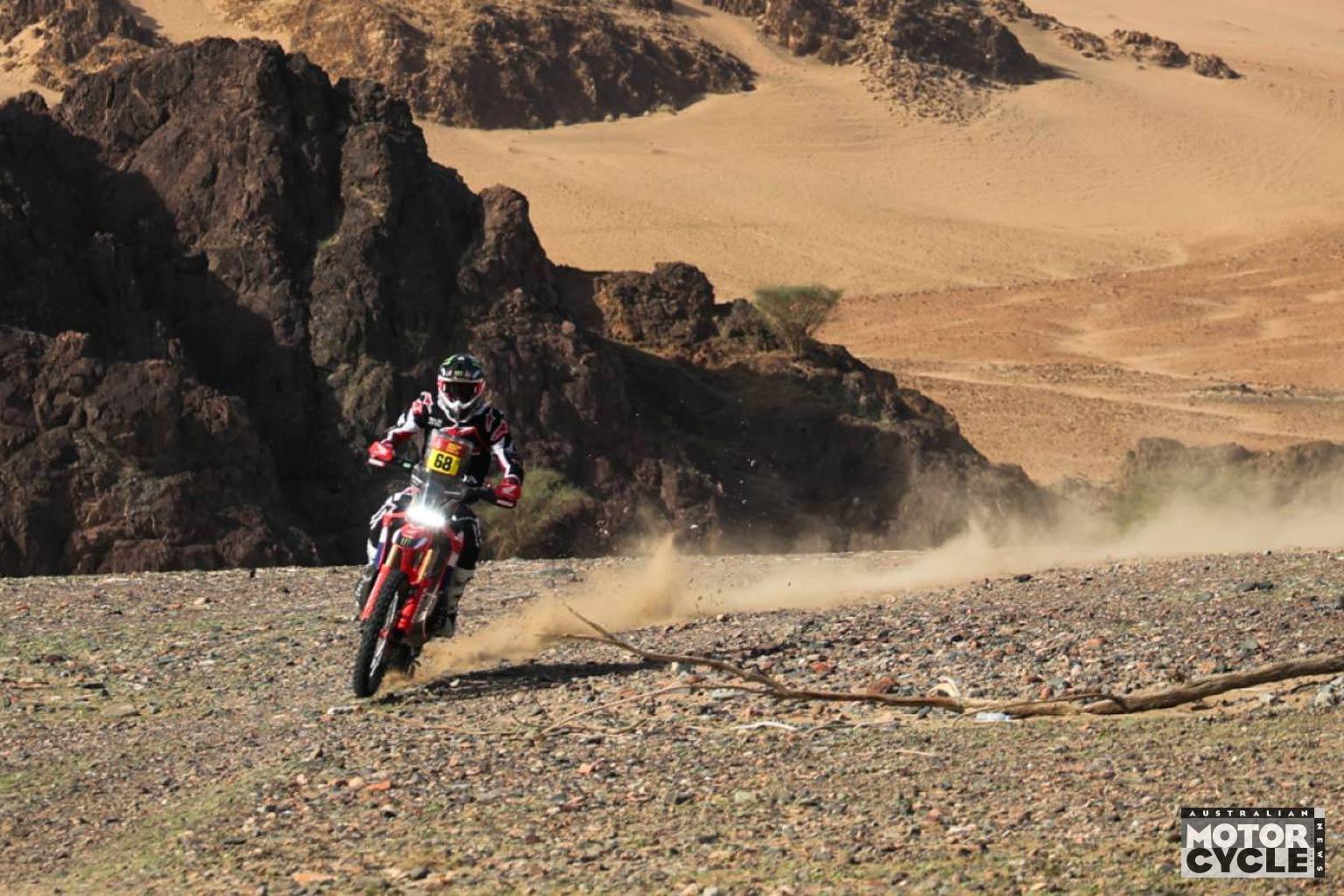
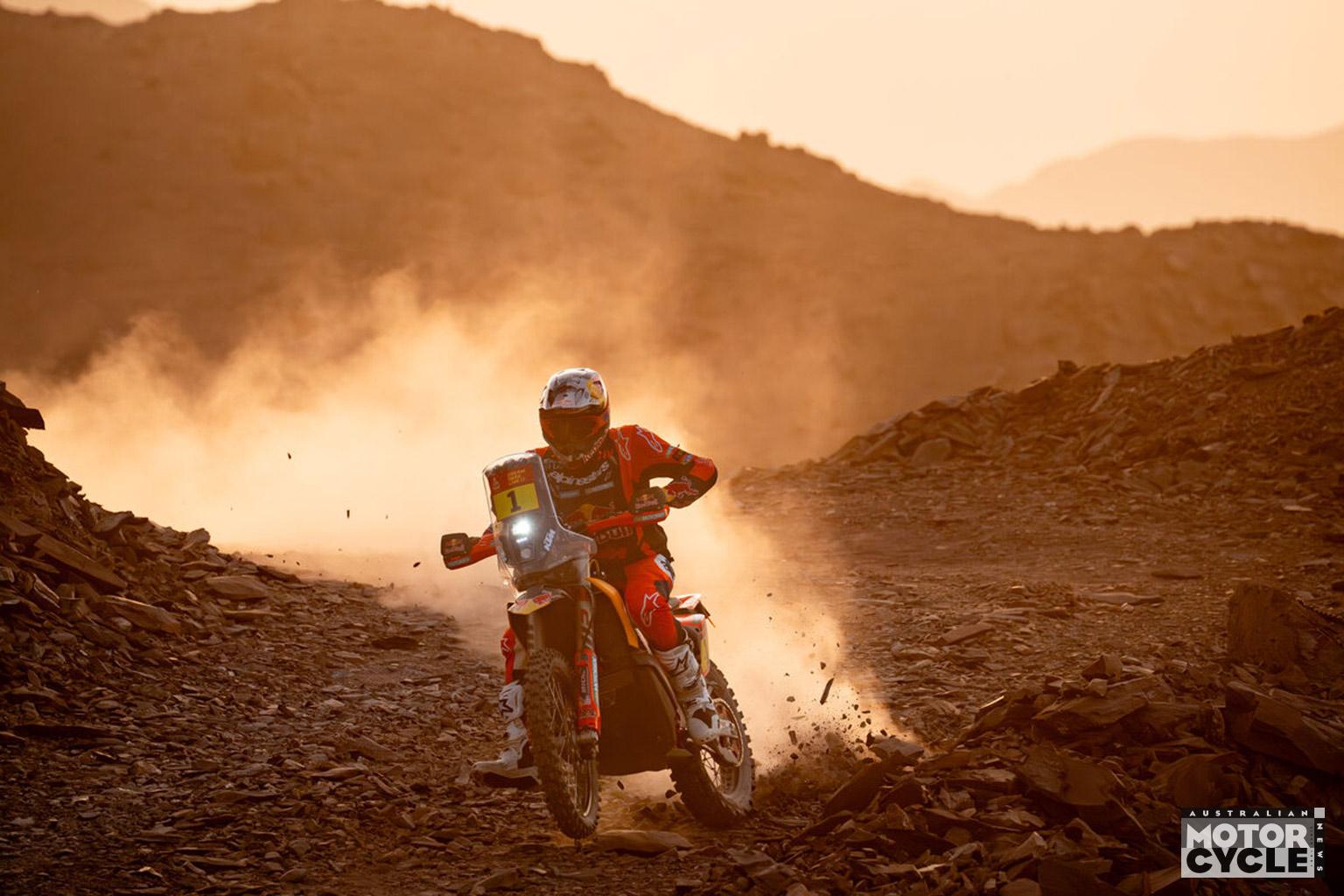
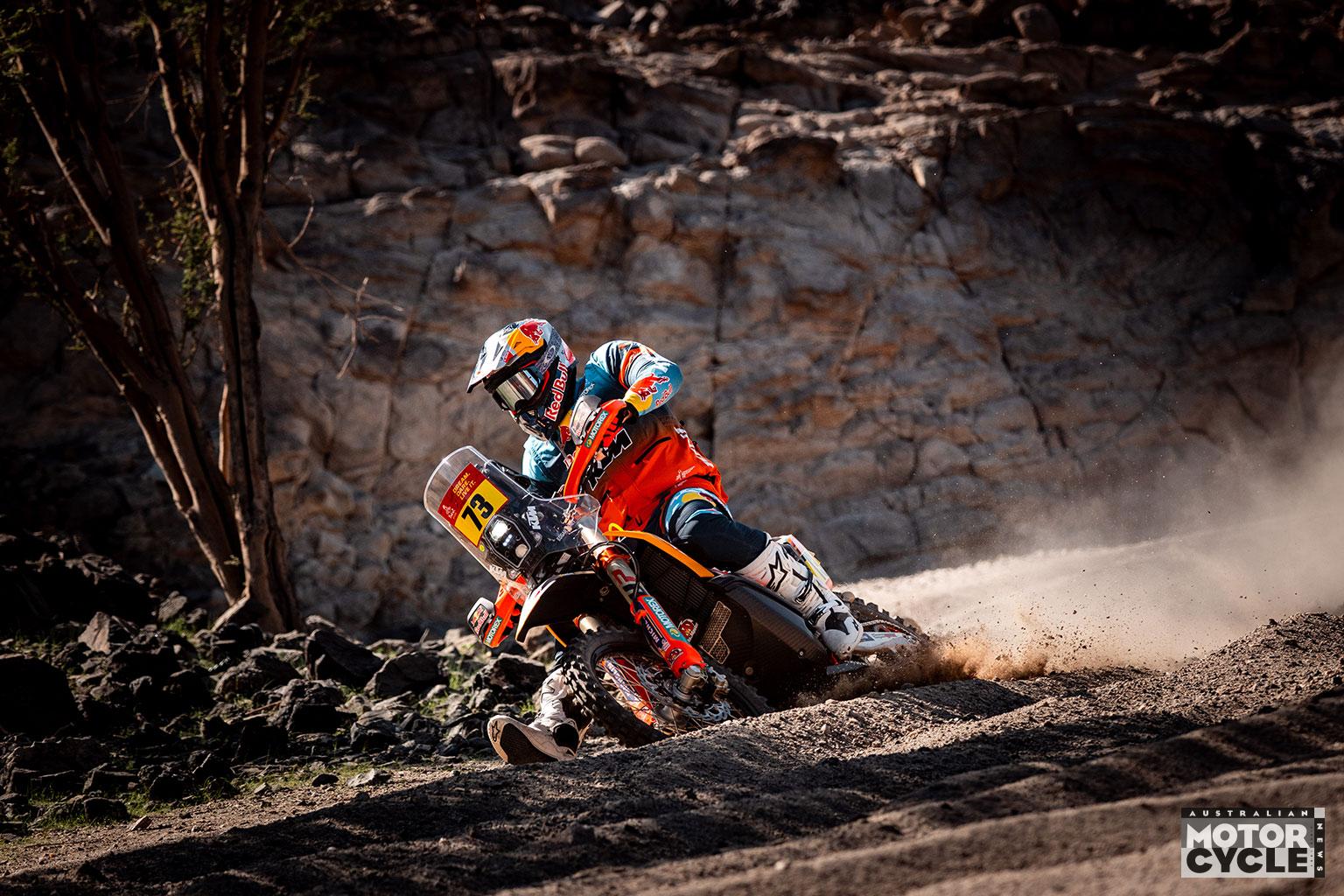
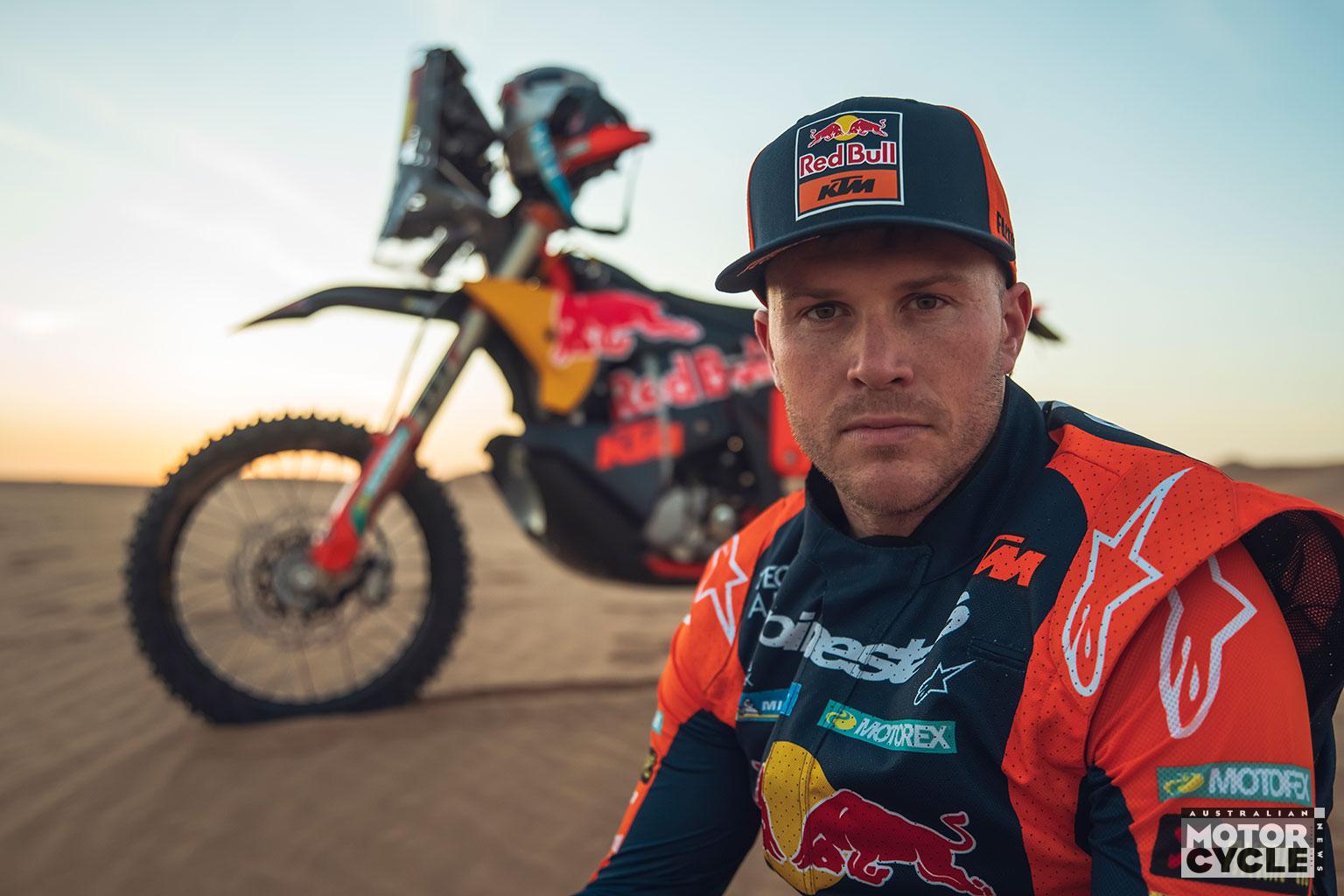
Also missing was the prevalence of European competitors in the moto division. With the exception of Sam Sunderland – an Arab Emirates-based Cockney – the Saudi-based rallies have all been won by Americans, Argentineans and Aussies. And, if Daniel ‘Chucky’ Sanders has his way, 2026 will mark the first back-to-back Dakar victory for Australia.
Long has the ASO desired a photo finish, something they almost achieved in 2023 when, due to missing a waypoint in the final stage, Price failed to take his third win by 43 seconds; after which he said truck it and went hunting for an English-speaking navigator and the most powerful V8 on the planet.
The known unknowns about 2026
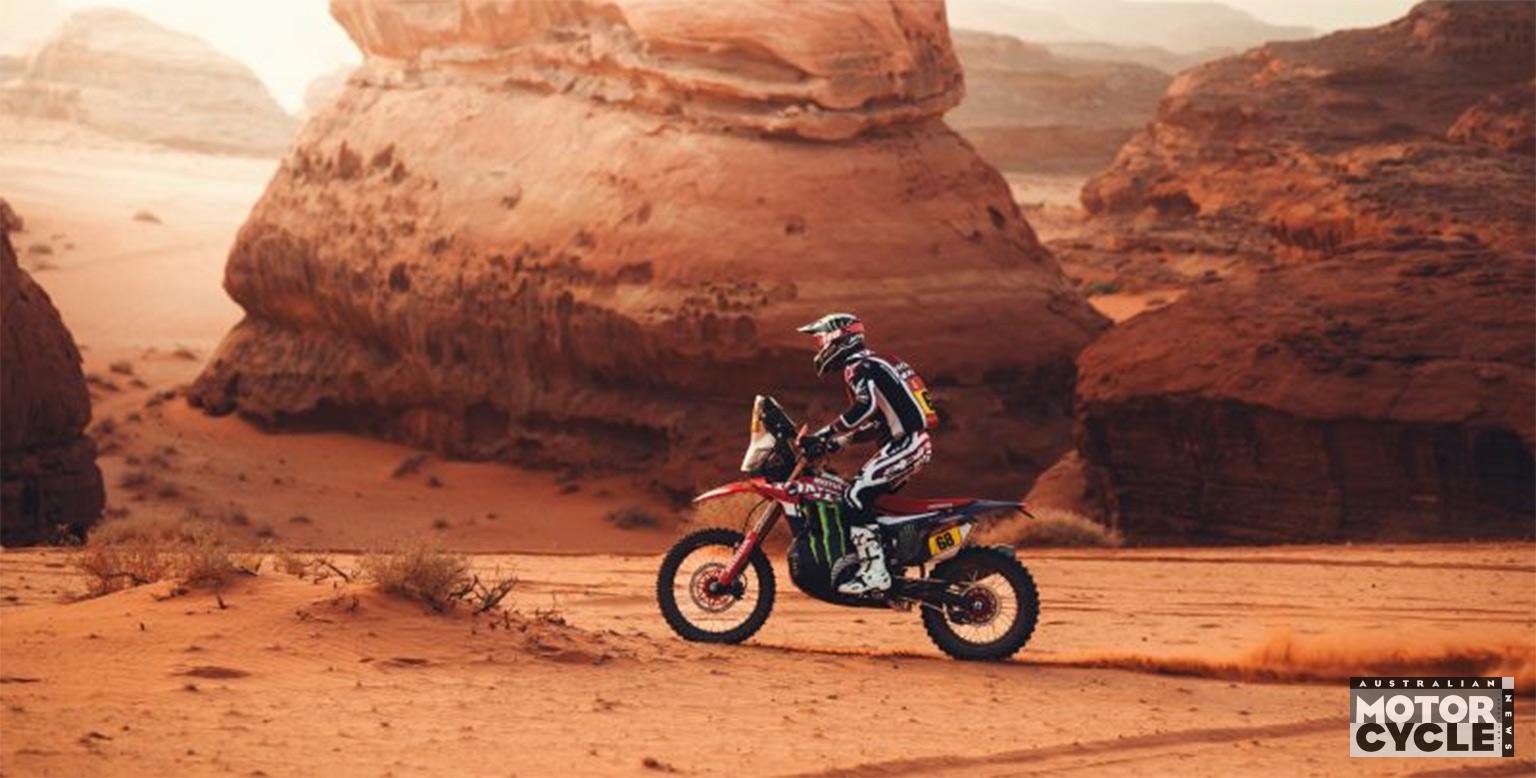
Past events have gravitated around the mystique of Saudi Arabia’s ‘Empty Quarter’, although it appears the media gurus have finally woken up to the notion that, no matter the creativity of drone operators or the expertise of chopper pilots, the ‘Empty Quarter’ is just that. Hundreds of hours watching riders roosting over dunes with the occasional cutaway to a lonely bull camel was becoming a little tiresome for armchair adventurers – of which the ASO now claims a cumulative audience of two billion.
The Dakar Rally will roar back into Saudi Arabia in 2026 with a route designed to push competitors harder than ever before. ASO has confirmed the event will run as a full loop from the Red Sea city of Yanbu, combining nearly 8000km of mountains, dunes, rocky expanses and demanding navigation.
Motorcycles will face 7,906km overall, including 4,748km of special stages, while cars will tackle 7,994km with 4,840km against the clock. Organisers promise greater technical variety, fewer unnecessary liaison sections and a course that rewards focus and mechanical sympathy as much as speed.
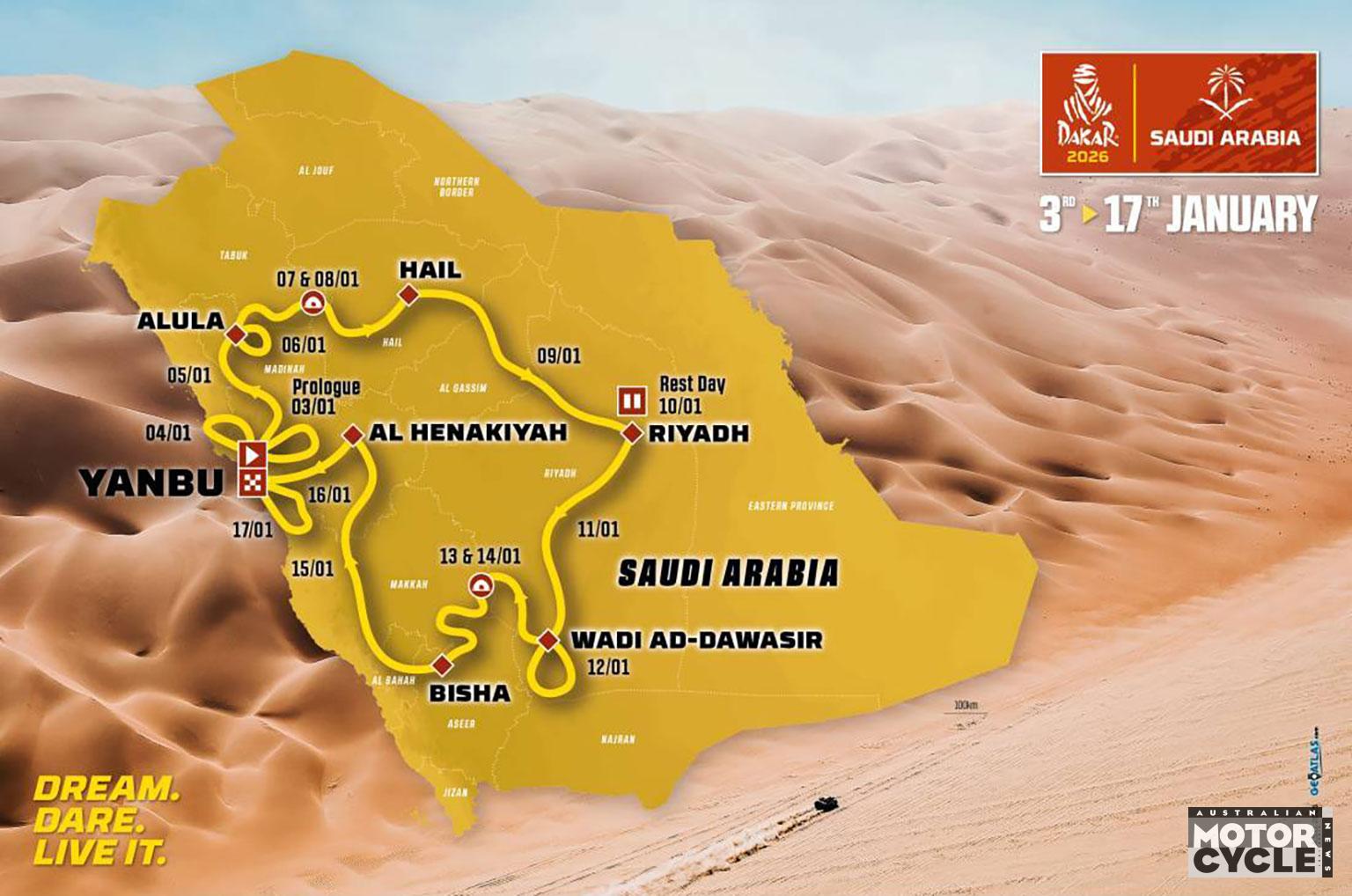
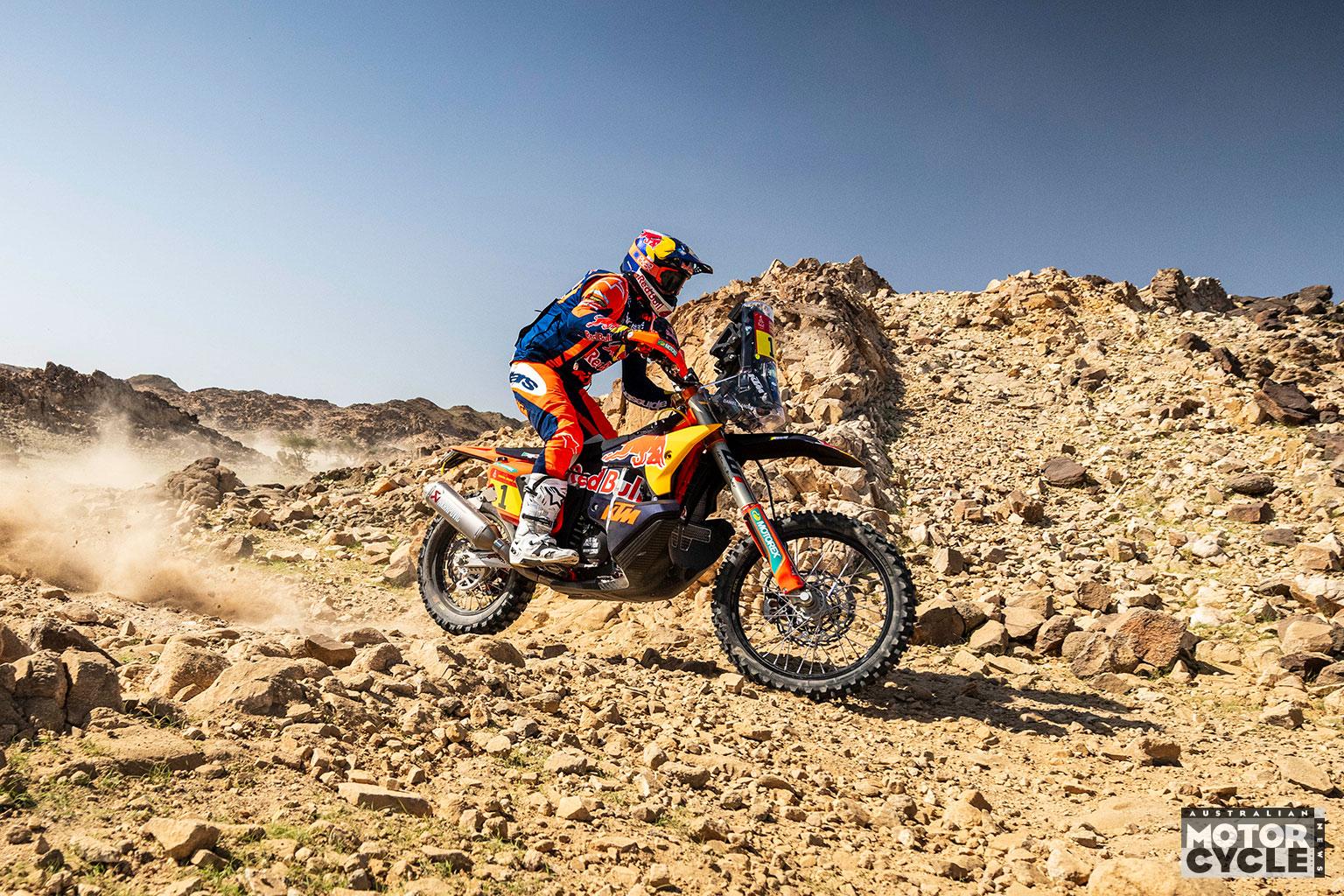
Course Director David Castera has confirmed the rally will avoid the Empty Quarter entirely, instead introducing two brutally rocky stages. These will be so punishing that autos will be granted a mid-stage tyre change — “no such joy for the motos,” he stated. Other sectors will feature “gravel tracks”, a description that may point to agricultural regions; given Saudi Arabia’s leadership in date production, these could well be service roads threading through date-palm orchards.
Castera also revealed there could be “up to 45 route variations to separate the motos, autos, quads, lightweights, classics and trucks,” with some alternate lines potentially shorter “allowing all competitors to reach the bivouac before dark.” The expanded routing system is aimed at improving safety and reducing congestion across the diverse field.
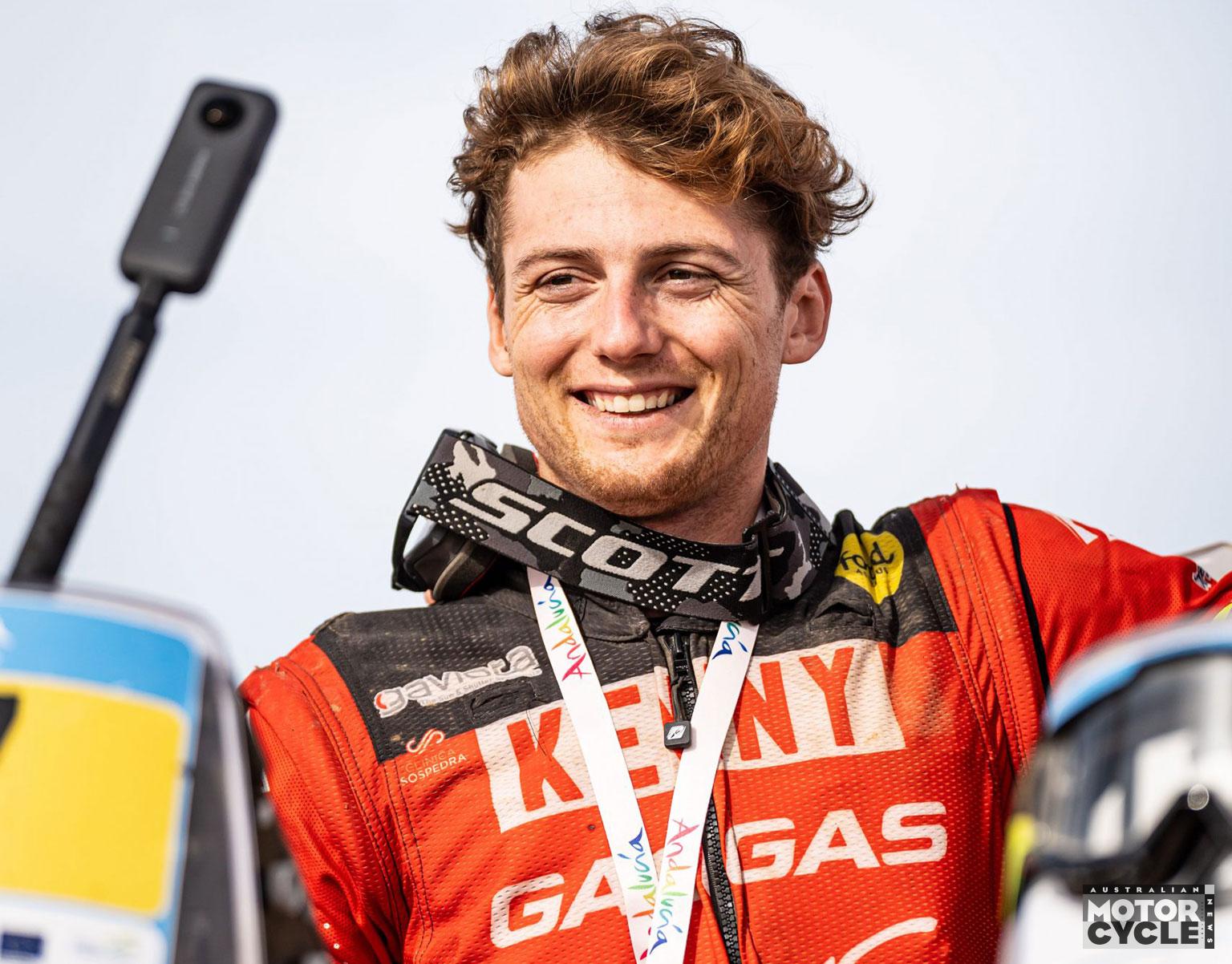
A major evolution for 2026 is the introduction of the Refuge Bivouac — a hybrid concept blending elements of the classic Marathon Stage with the recent 48H Chrono. Competitors will be provided with only “a tent, sleeping bag and basic MREs. No entrenching tools,” Castera noted. He says these minimalist camps are intended to “disrupt team strategy and pre-empt any technical manigances”, while emphasising that “the starting order (from these bivouacs) would follow the standard Dakar rulebook.” This implies there may have previously been some unreported tactical skulduggery that Castera hopes to eliminate.
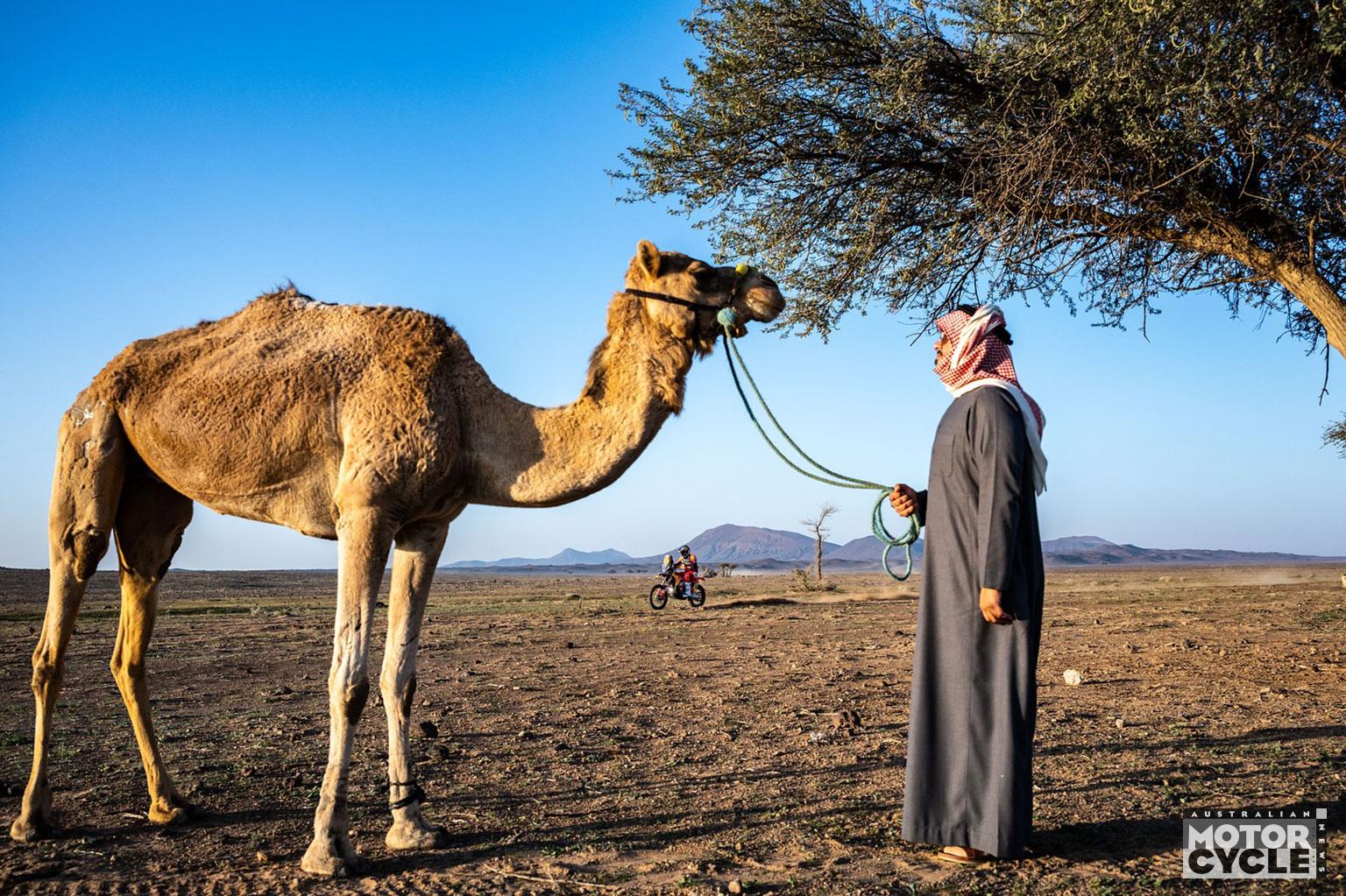
The Contenders
Picking the top 10 requires no more than scanning the 2025 results. Picking the top-five is only a little more difficult. Getting them in order is near impossible – especially when the official starting list has yet to be finalised. Well, we’ll give it a go.
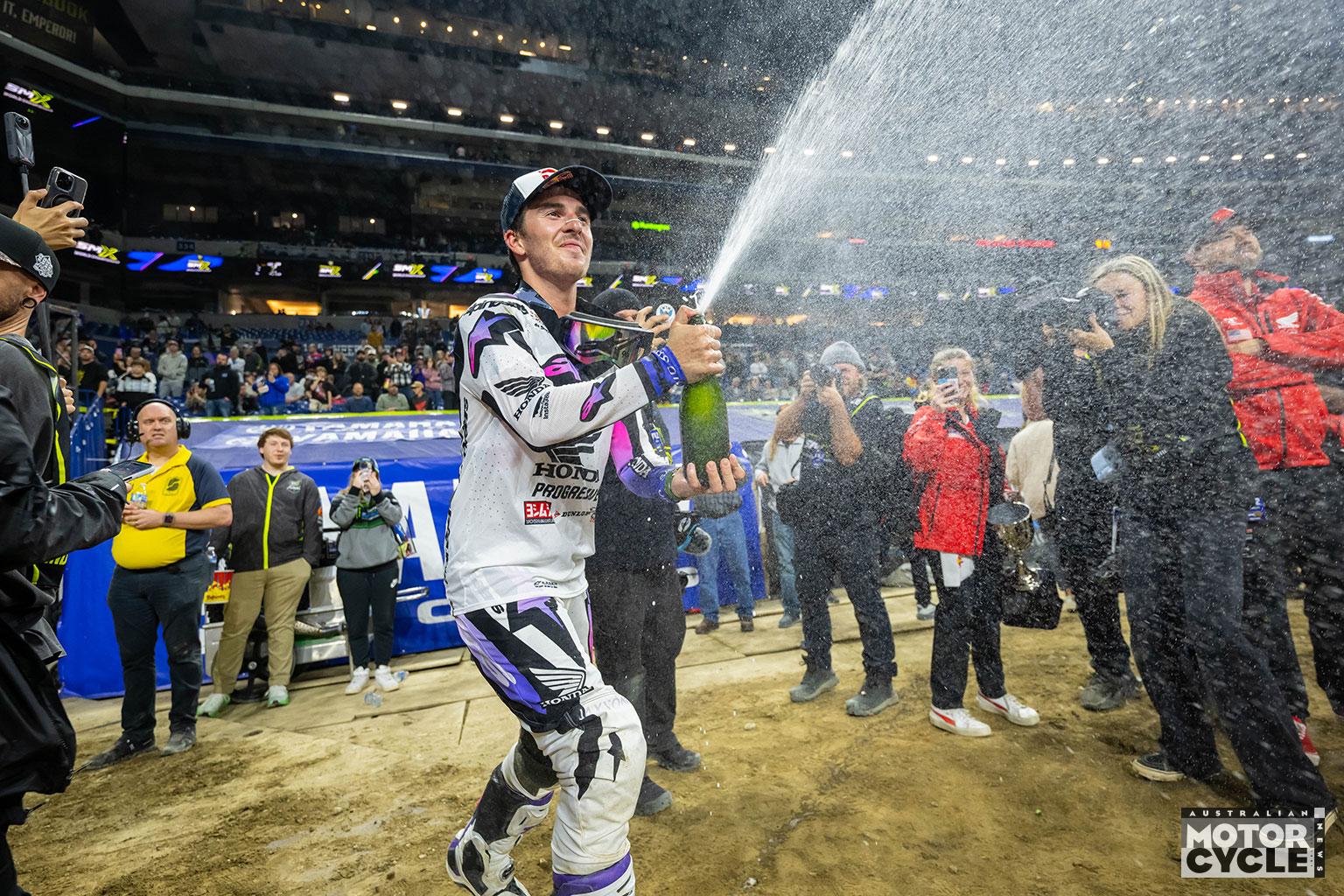
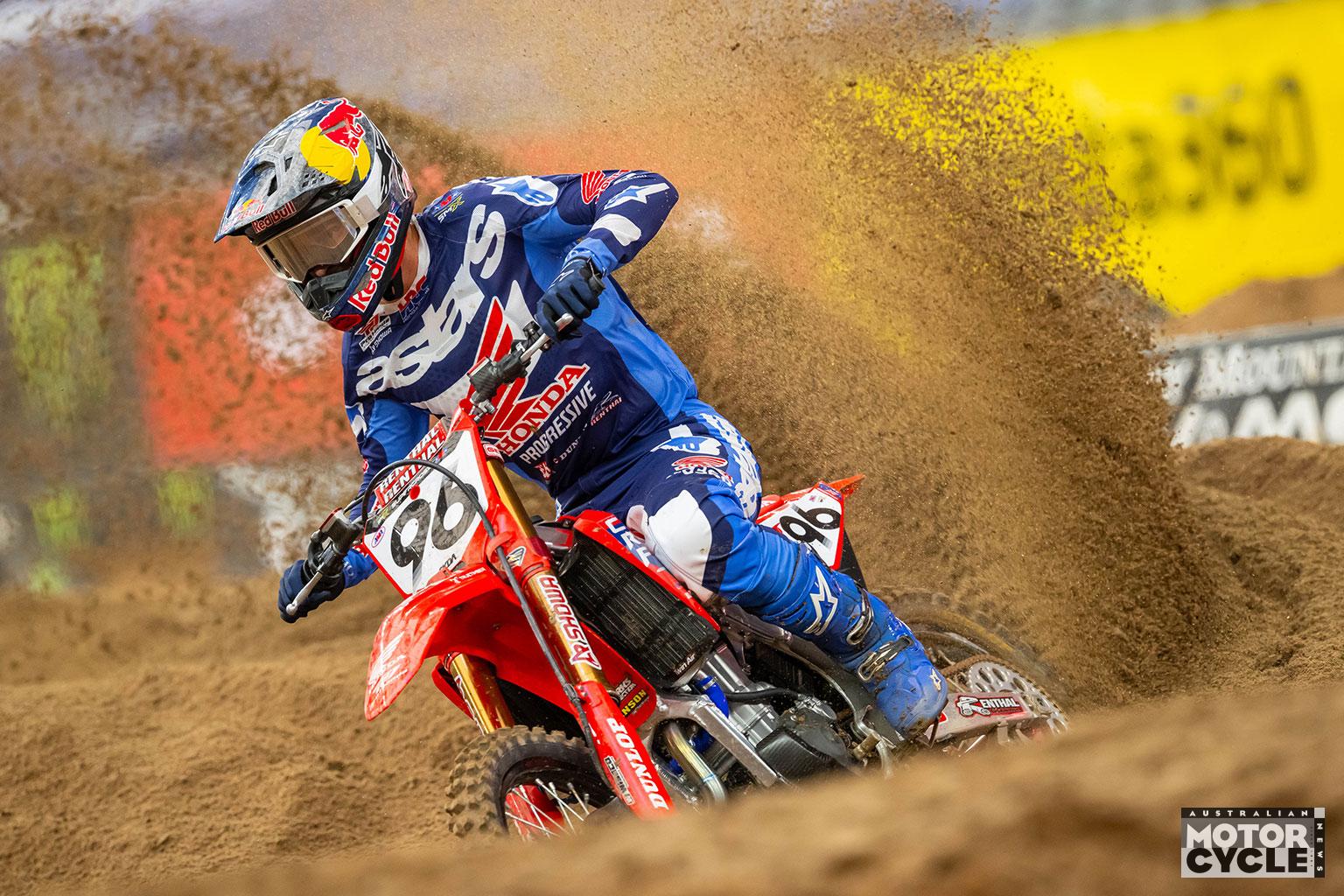
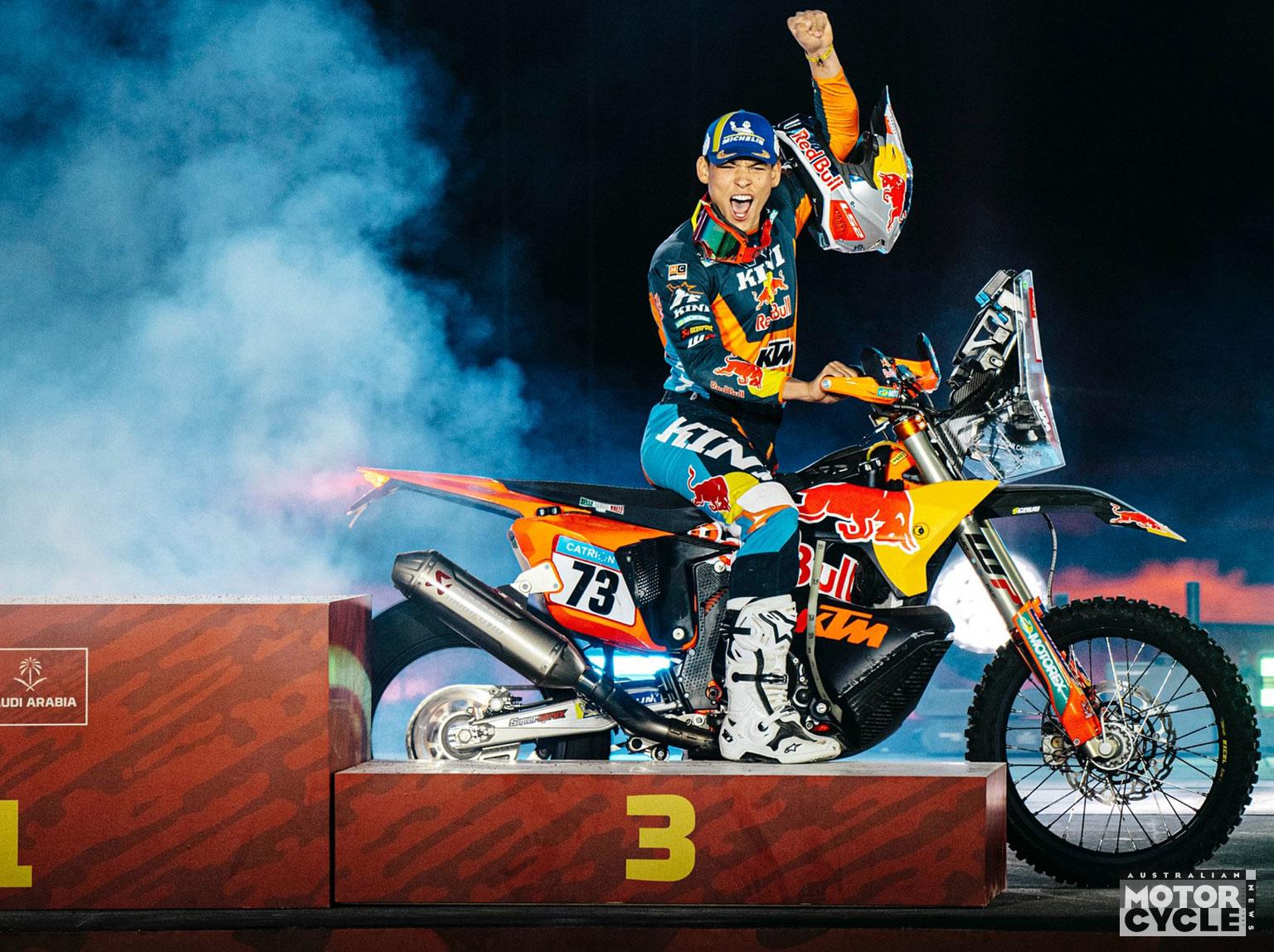
On his Dakar debut, Spanish Cross-Country Champion Tosha Schareina was widely touted to win Rookie of the Year, an accolade snatched from his grasp by a bloke known only as Chucky. Schareina finished second and both riders were quickly elevated to factory status. Then, when Chucky won his first RallyGP event in Mexico, it was Schareina who was best of the rest.
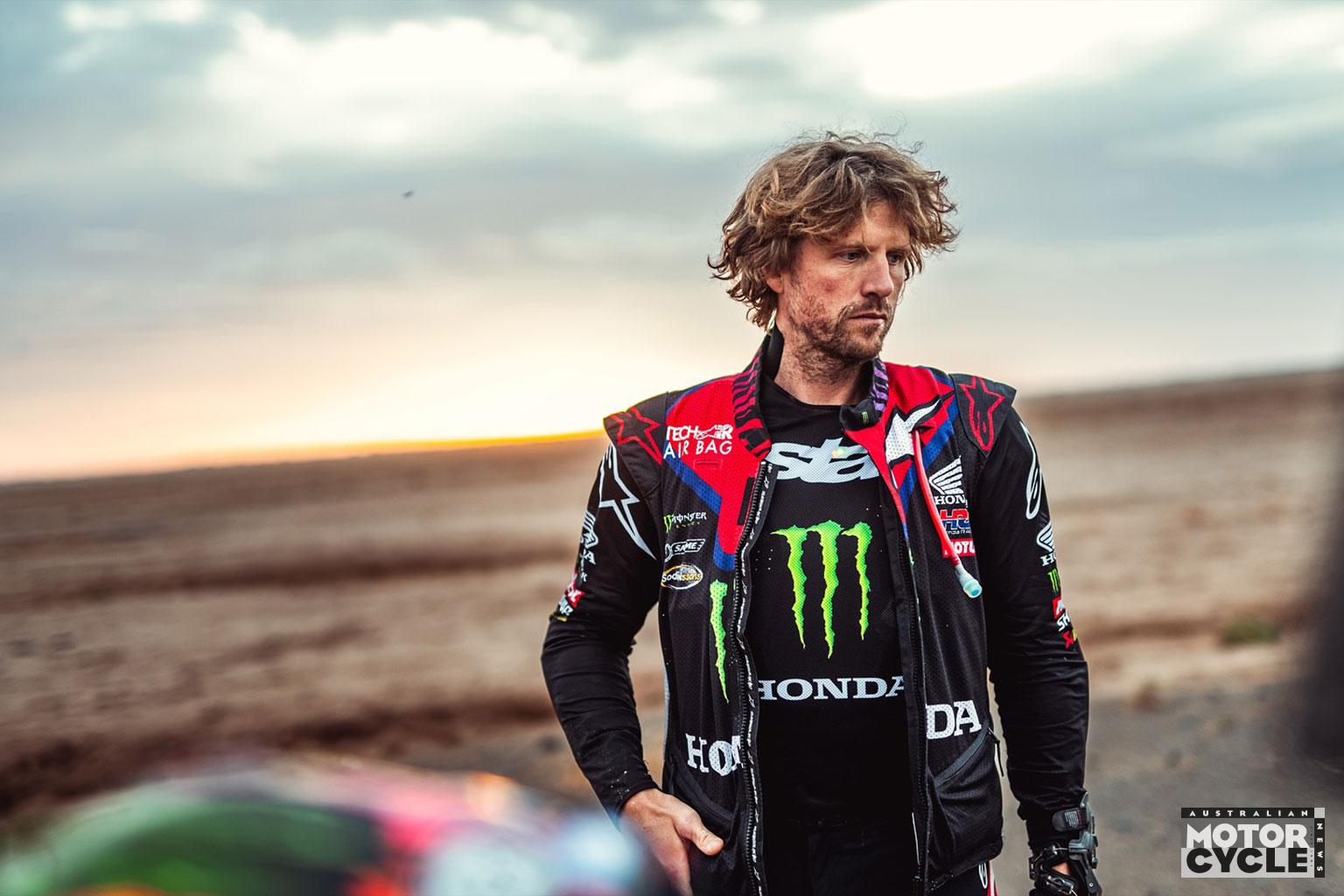
Fast-forward to Chucky’s first Dakar victory, noting that it was Schareina who took second step on the podium; again it was Schareina who finished second in the 2025 RallyGP Championship. So, there’s your quinella for the New Year.
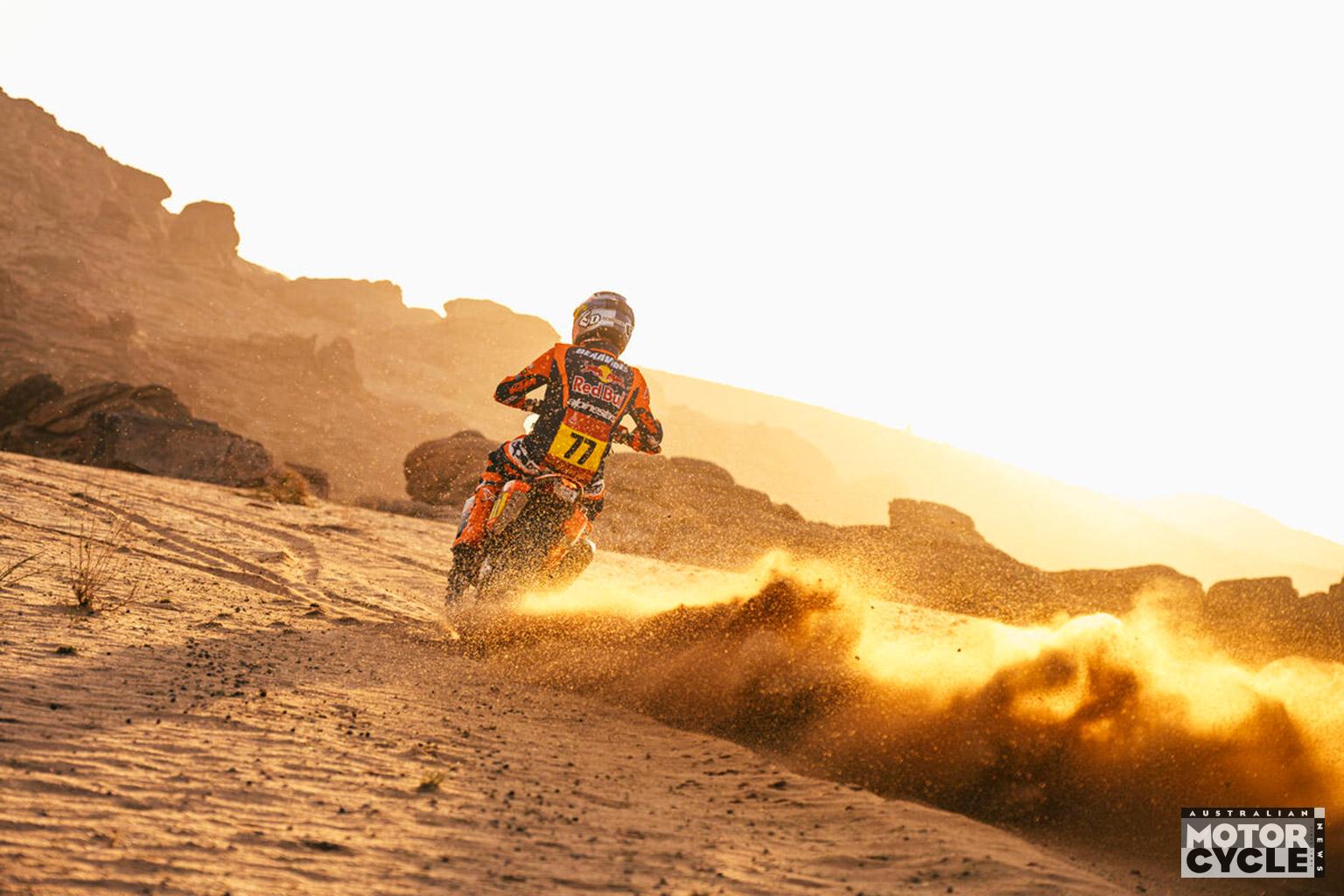
Had he not busted his knee in the Rallye du Maroc, Chucky’s teammate Luciano Benavides would have finished on the podium of the RallyGP Championship, and he’s primed to go one better than his fourth in the 2025 Dakar.
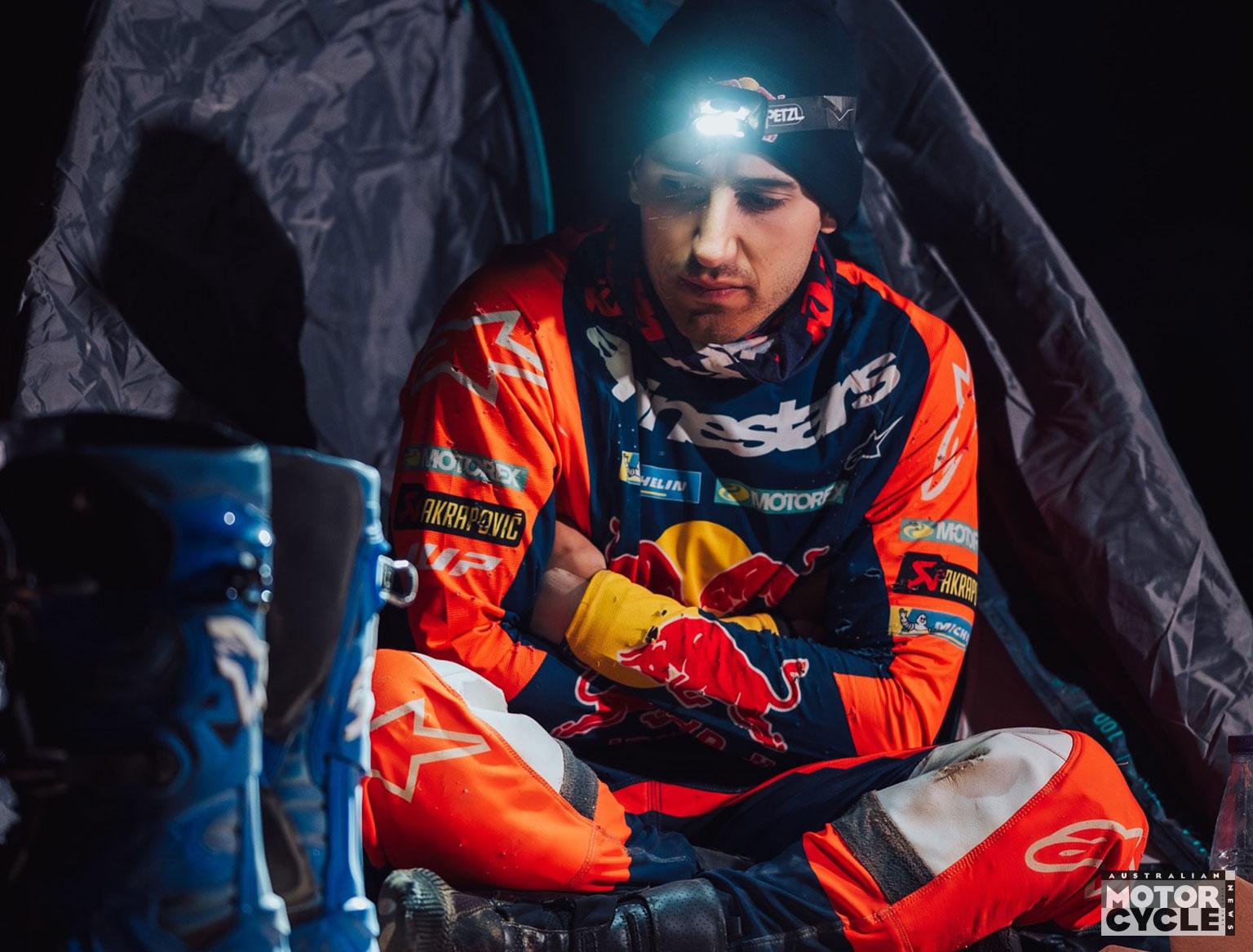
Adrien Van Beveren will start the event on his 35th birthday, three years beyond his last rally victory. A Dakar podium in 2025 proved his mastery of speed and strategy in the sand, but he’s more than met his match against the new breed of speedsters.
There’s none faster than the current Rally2 Champion, 20-year-old Edgar Canet, who has shown he can match the pace of any top contender; but has yet to demonstrate he possesses the essential ability to open the piste.
Dakar runs 3-17 January.