Why do riders corner so differently? AMCN’s testers reveal how their body positioning styles evolved – and what you can learn from them
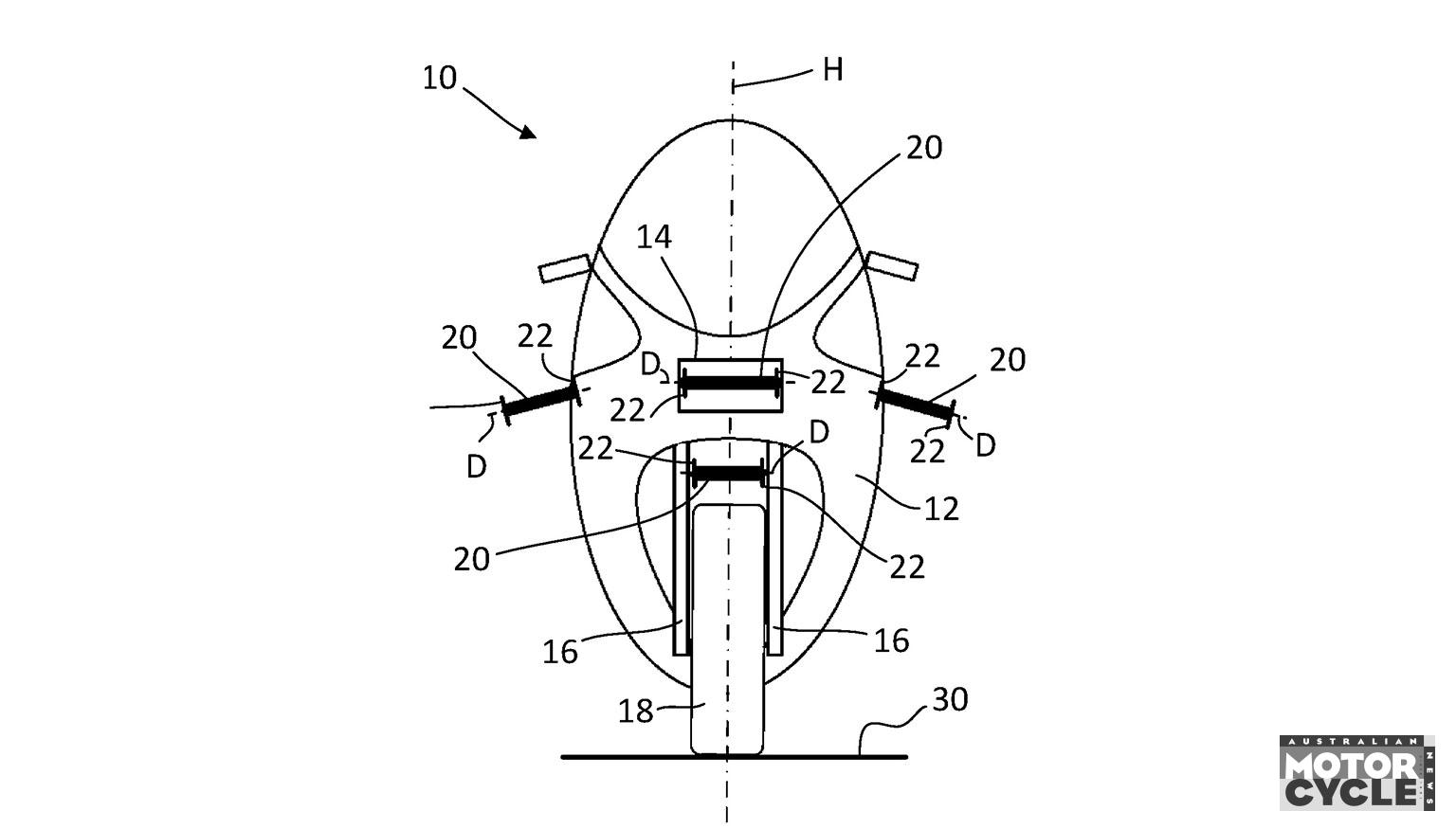
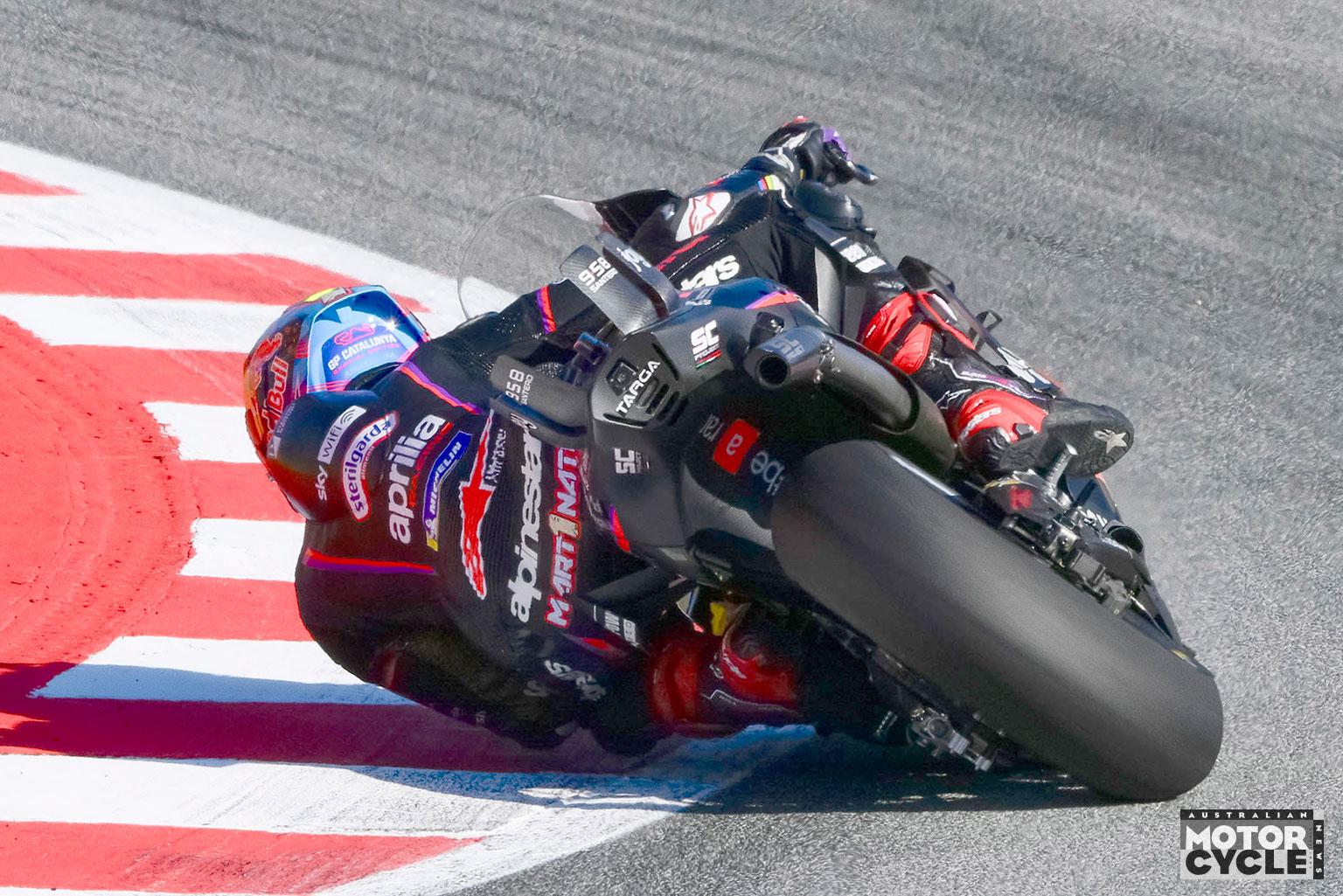
Every corner is a negotiation between grip, lean, gravity and confidence. The faster you go, the more the motorcycle has to lean to balance the forces pushing it wide. Shift your body to the inside and you move the combined centre of mass of rider and machine, which lets the bike stay a little more upright for the same speed and line. Keeping more of the tyre’s contact patch on the tarmac is the reason racers hang off the bike through a corner.
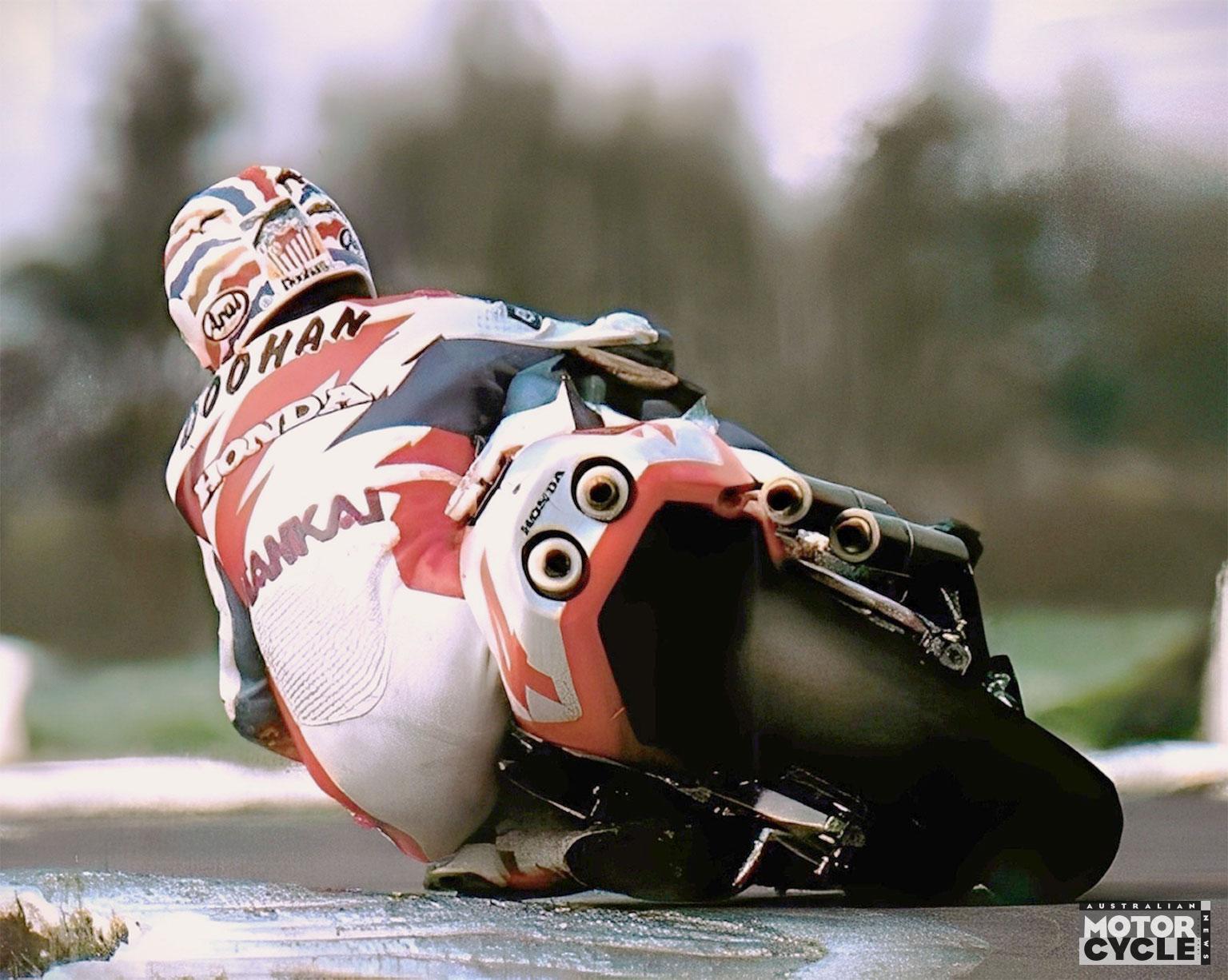
That relationship between physics and feel has always shaped the way riders corner, but often with different outcomes. Mick Doohan’s unconventionally compact style, where his upper body would stay close to the bike, probably came from taming brutal and often unpredicable 500cc two-strokes. His technique was about keeping the bike composed and the power manageable as he let its geometry and his throttle control do the work.
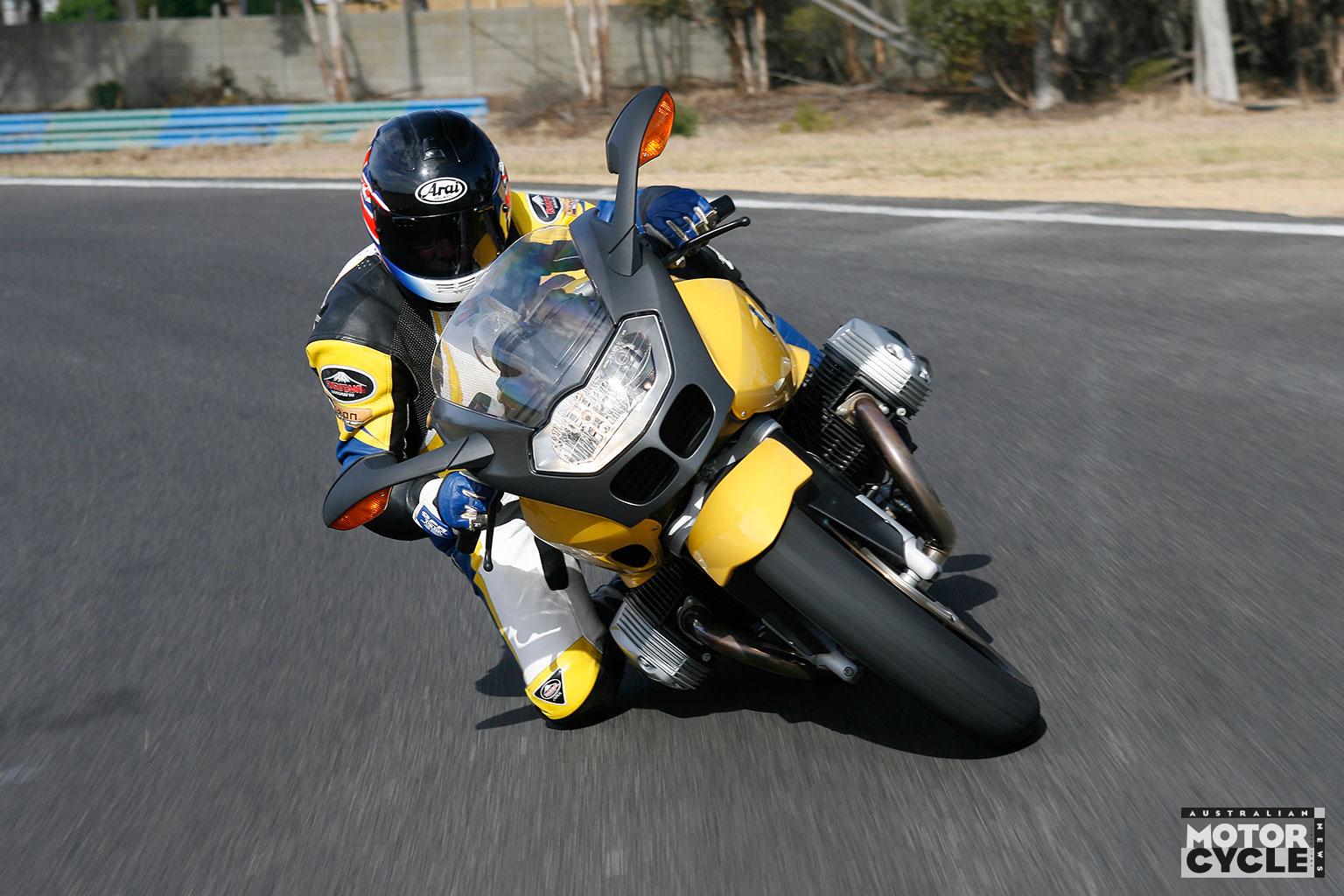
Modern MotoGP riders represent the other end of that spectrum. Advances in tyre technology and electronic assistance have transformed what’s possible mid-corner, allowing lean angles, slip and recovery that simply didn’t exist 30 years ago. Their aggressive riding styles are formed by control on the limit, the product of skill and science. Both approaches work because they answer the same problem differently: how to balance grip, speed and confidence when the limits are constantly changing.
On the road, though, there’s a different kind of balance to be struck. Few corners demand full-body theatrics. Public roads bring limits of vision, surface, traffic and expectation. The style that works best is usually the one that feels stable, gives clear feedback and leaves room for error.
Riding style is formed through a compromise between physics, conditions and comfort. The maths says there’s an optimal line and lean angle for every corner, but it’s the rider who decides how to get there in safety.
AMCN reader Alan from North Lake in WA picked up on that recently, noticing how differently road and track testers appear to approach corners, and wondered what those variations reveal about technique, and how understanding them might help other riders build confidence through turns.
So I asked a handful of AMCN’s most prominent testers to unpack their own approach to cornering, what goes through their heads when they chuck a bike on its side, and discovered nearly every rider’s style is a product of experience. And to try and make sense of it all, we’ve grouped them not by discipline or speed, but by mindset…
The thinkers
Experience and analysis define this pair. Every input has purpose, every adjustment comes from understanding how a bike behaves under load. For Cathcart, it’s a method refined over five decades of racing and factory testing. For Damo, it’s the product of unlearning bad habits.
Alan Cathcart
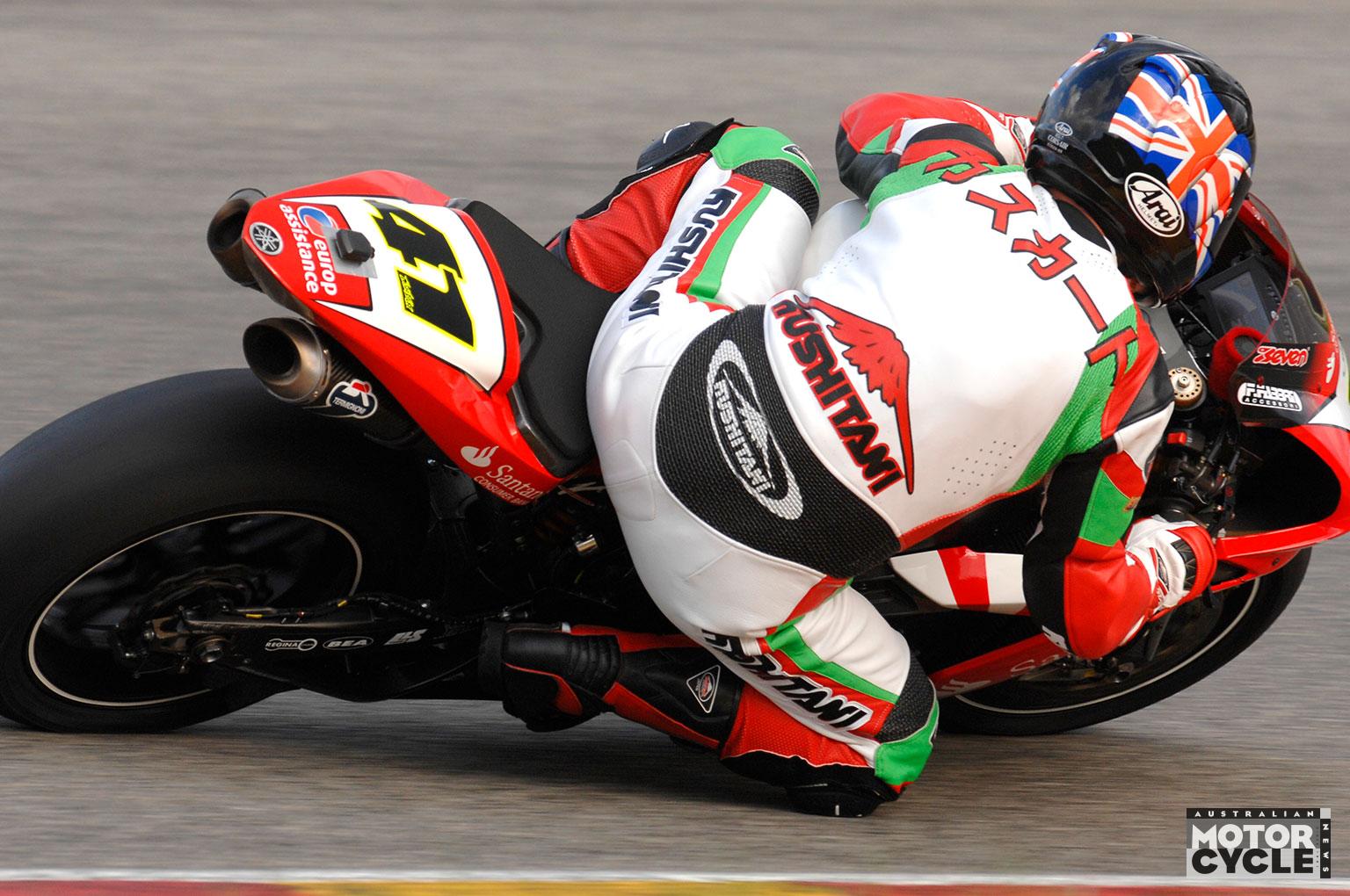
Sir Al’s view of cornering is rooted in the evolution of machinery itself. His career spans an era when motorcycles demanded mechanical sympathy rather than electronic intervention, and his style developed to suit the limitations of the bikes he rode.
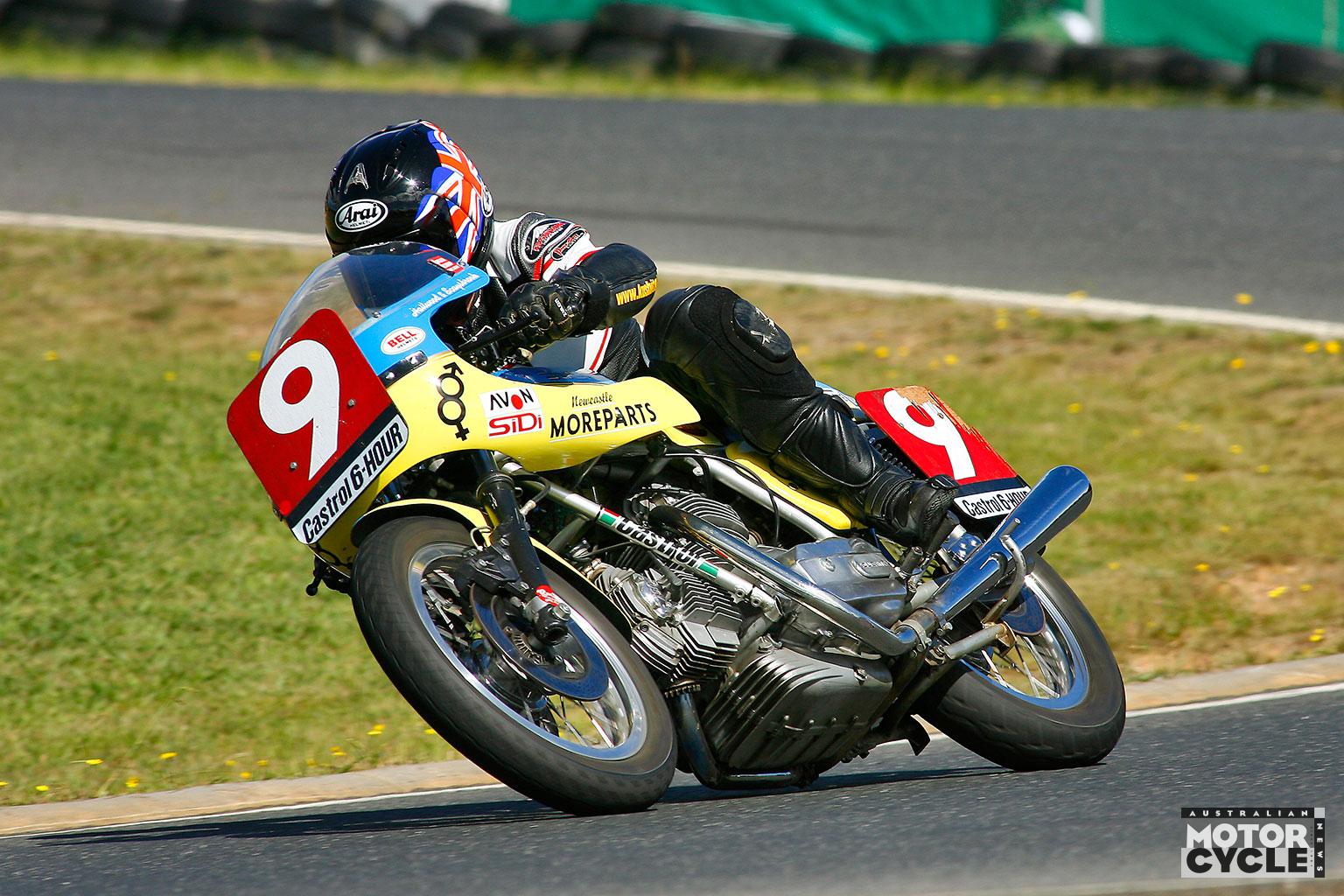
“Originally I just sat on the bike and leaned into turns,” he says. “But I did much of my early racing aboard my 1974 green frame Ducati 750SS in the UK’s Production class. This meant I wasn’t allowed to modify the stock exhausts, so that the rear cylinder’s pipe would easily ground out at only a moderate angle of lean.”
That mechanical constraint forced a rethink. Where others might have accepted slower corner speeds, he learned to shift his bodyweight to keep the bike upright.
“Turn speed is all about cranking the bike over as hard as you can to maintain momentum and maximise exit velocity,” he explains. “That meant I had to copy my hero Paul Smart… hanging off the side of the bike as much as possible to gain precious extra ground clearance by keeping it more upright, while at the same time keeping up turn speed.”
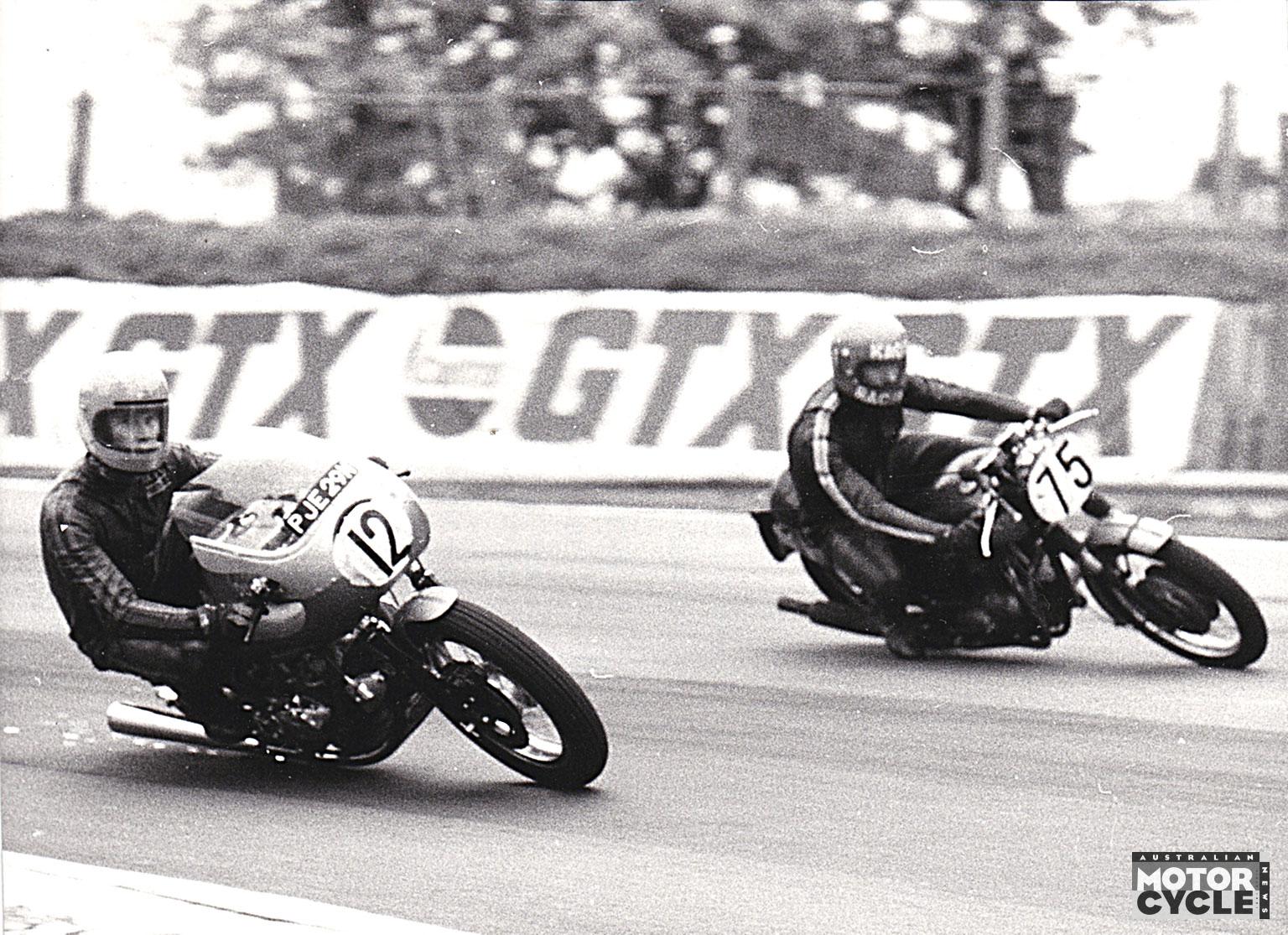
That necessity became second nature. Once he moved onto slick-tyred GP and World Superbike machinery, he was already conditioned to use his body as an extension of the chassis.
“Once I began getting used to riding on slick tyres… I rapidly became adept at using an angle of lean that wasn’t so far behind the guys who raced them for a living,” he recalls.
He also spent his formative years on slender Italian and British singles, machines that rewarded corner speed and momentum over brute force. The difference in power and mass demanded a complete stylistic shift.
“Turn speed was hyper-important because they lacked acceleration compared to the bigger twins and fours,” he says. “That meant the style I still have today on such bikes of flattening myself on the fuel tank, and trying as much as possible to be at one with the bike, evolved.”
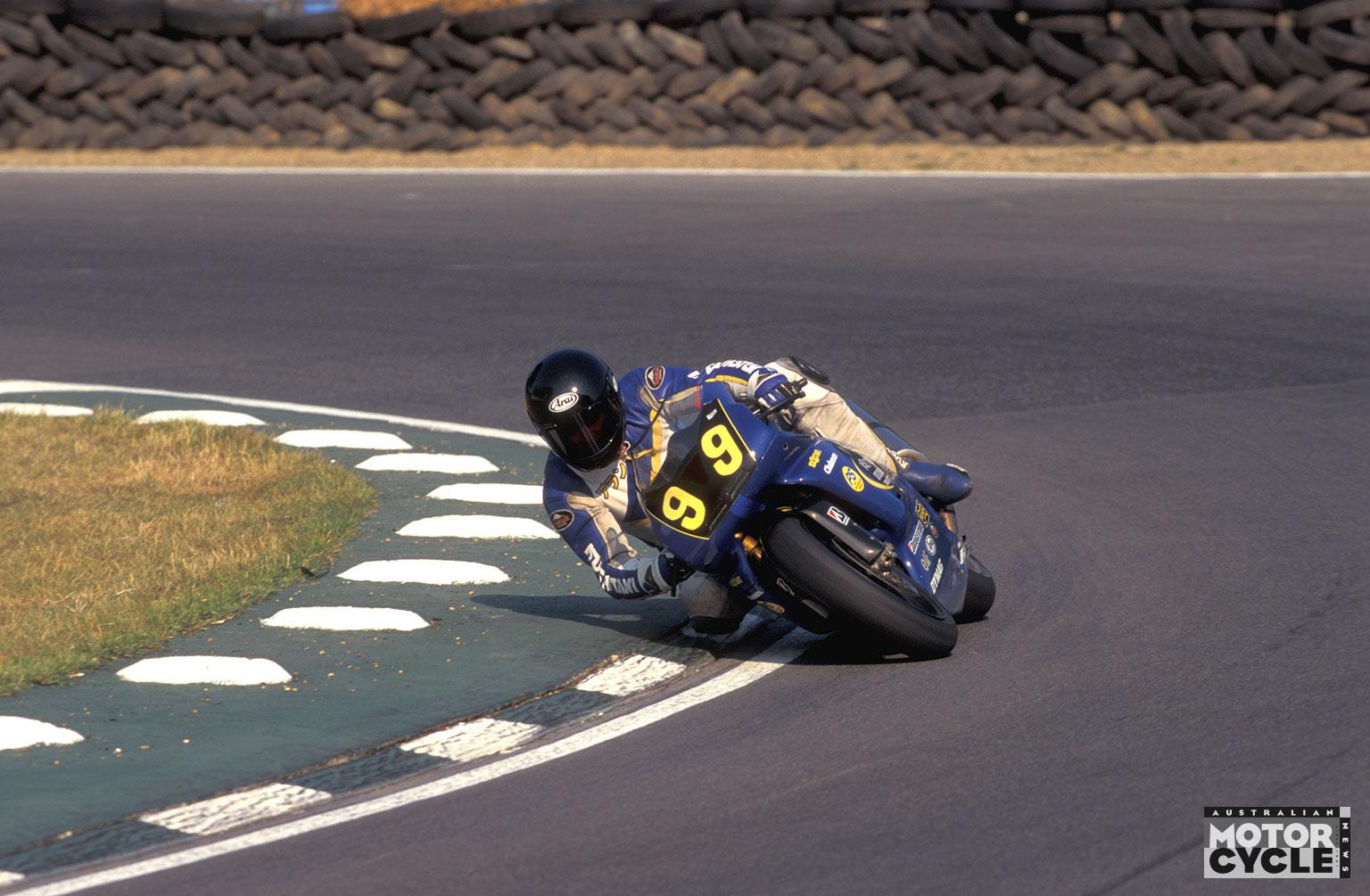
Racing bikes like the Aermacchi singles, and later Ducati’s lightweight Supermono, taught him the fine balance between aerodynamics and traction.
“Because (the Supermono) was underpowered compared to the bigger Japanese-engined bikes, you had to maximise turn speed as much as possible by staying low on the bike at all times,” he says. “I always tried not to drag my knee on the ground, because the ensuing friction slowed the bike down. Yes, really…”
When the rain starts to fall, Cathcart’s focus narrows to the contact patch of the front tyre – the one thing connecting him to the road through a turn.
“Since maintaining turn speed is all about the front tyre, that’s the first thing I worry about when it starts raining,” he says. “Being smooth and progressive in opening the throttle is also critical. Traction control has resulted in many of today’s racers not being as sensitive about this.
“There are lots of other issues,” he adds. “Trail braking, preloading the throttle, front suspension settings – then you have the completely unique way a non-tele forked bike responds to braking on entry… but that’s another story!”
Damien Pelletier
Where Sir Al’s insight was born from mechanical limitation, Damo’s was forged through correction. He’s the first to admit that his early attempts at ‘hanging off’ came from mimicry rather than understanding.
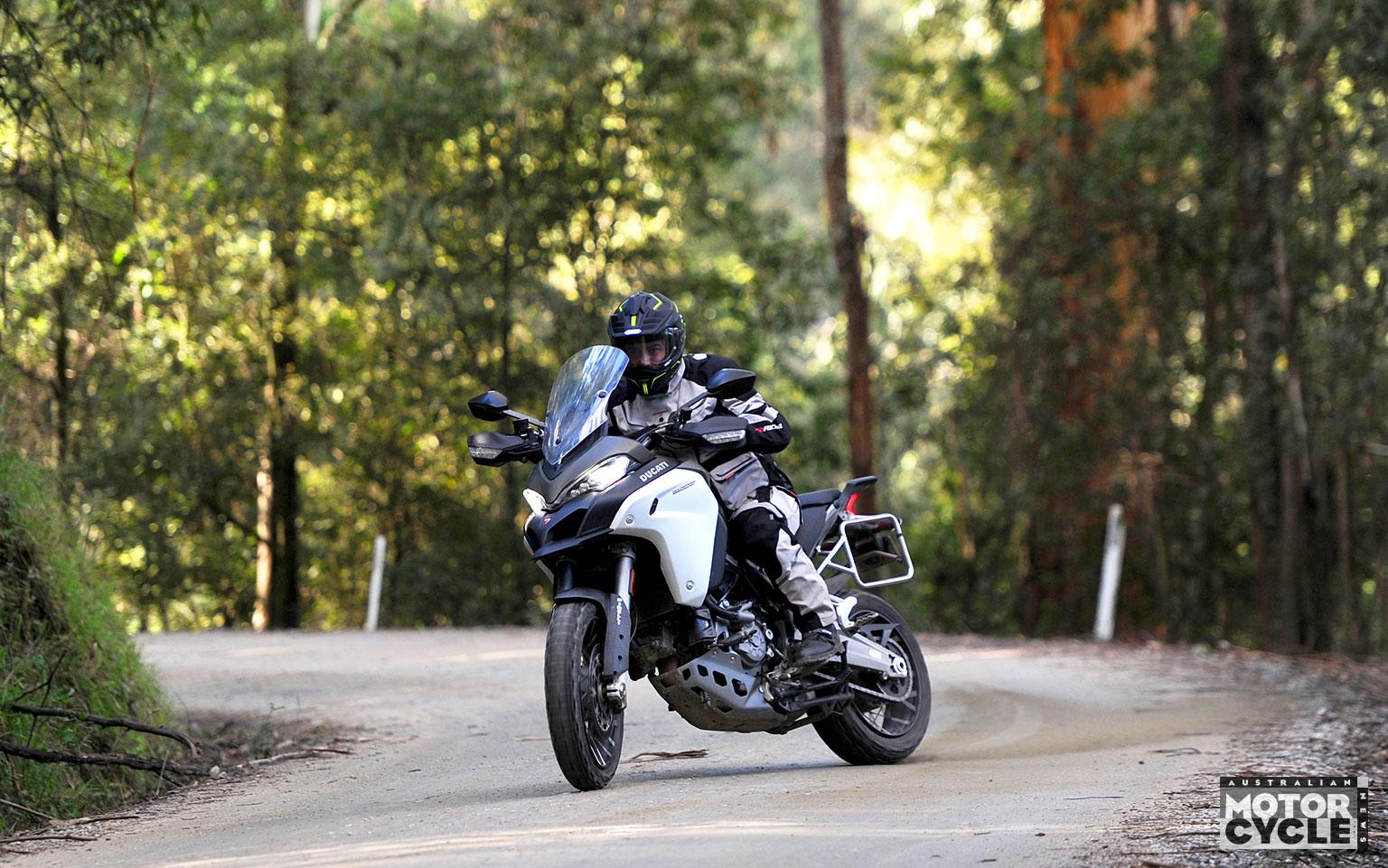
“My habits when I first started riding were based around what I saw racers doing on TV, without much understanding of what was going on,” he says. “It was pretty funny actually looking back.”
That self-awareness led him to California Superbike School (CSS), where structured coaching reshaped his understanding of how to corner efficiently and safely. It’s a transformation many readers will relate to – going from copying pros to understanding the physics behind their movements. And another reason to seek advice.
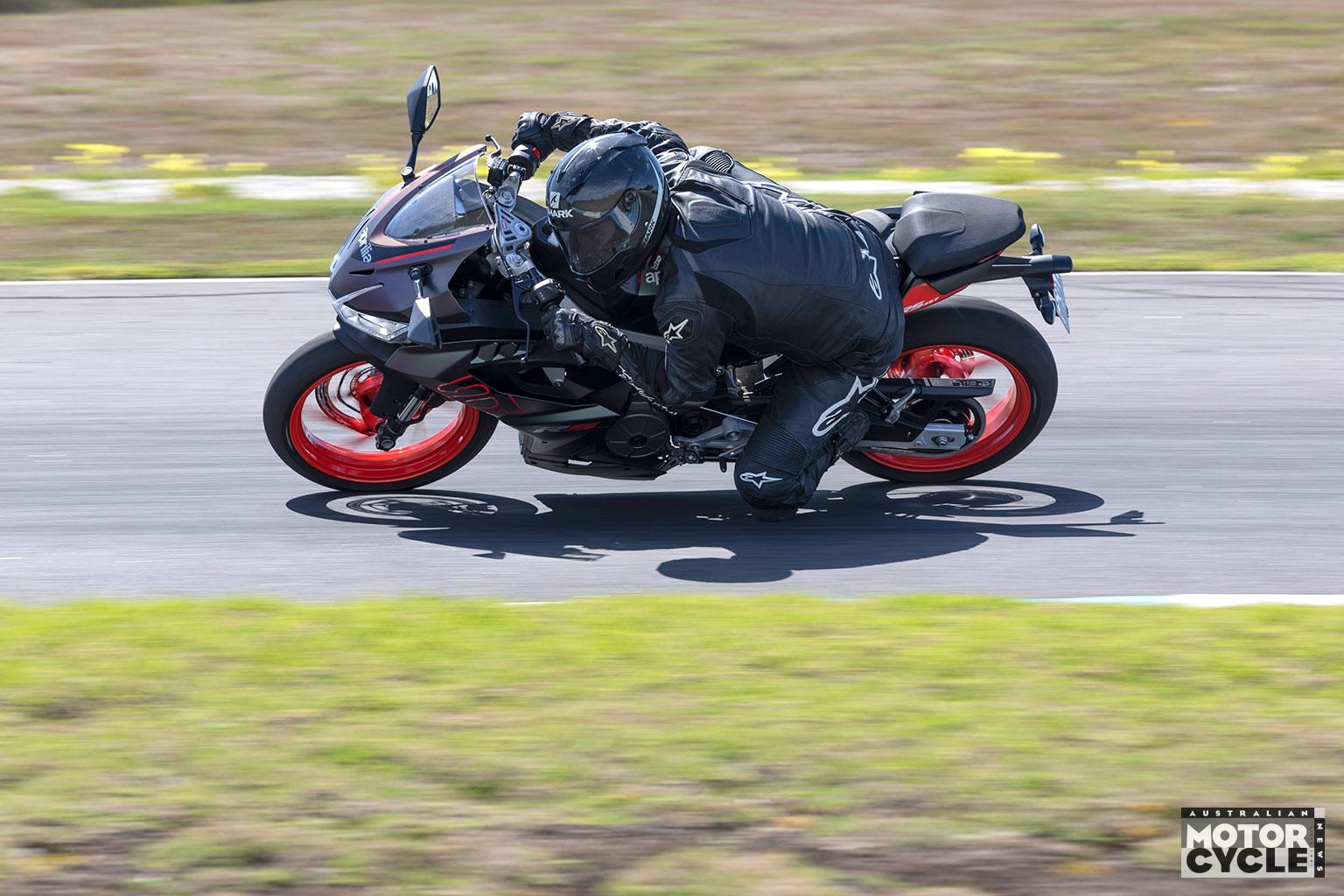
“My main passion is sport riding so my style for that is based on the techniques I learned through CSS,” he says. “I can’t recommend it enough for new and experienced riders alike, whatever style of bike you ride, as the skills learned at the track apply to the road as well.”
Now, his approach is pragmatic. On dirt, he uses balance and movement to keep traction; on tarmac, he refines his inputs for smoothness and stability.
“Riding well really means cornering well, and the biggest thing I learned back when I was starting out was how to use my knees to smoothly shift my weight from side to side rather than weighting the ’bars, which allows you to flow from turn to turn without upsetting the chassis.
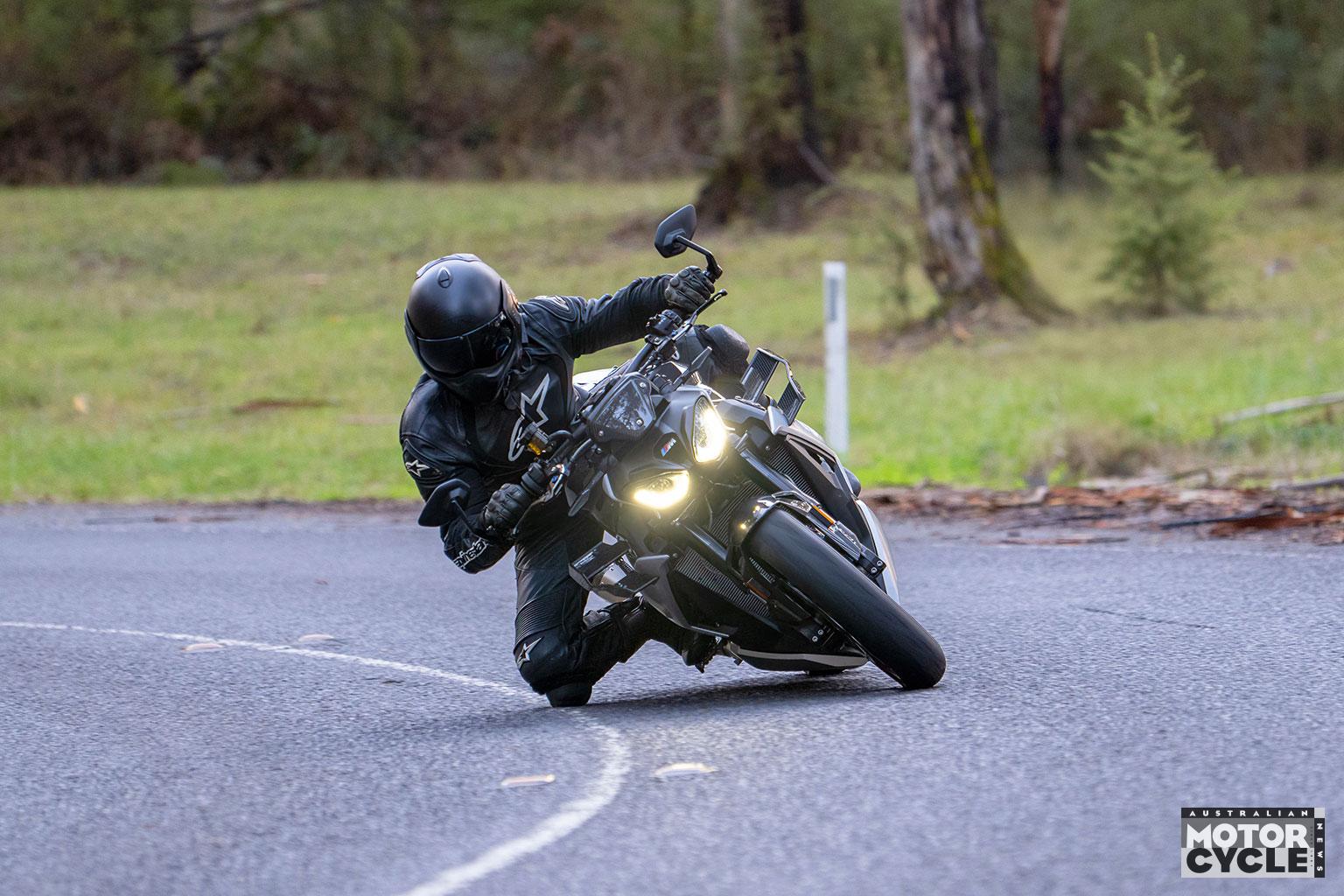
“On dirt I spend a lot more time standing on the ’pegs and moving my weight forwards and backwards, where on the road it’s more about shifting my bodyweight to the inside of the corner and staying smooth and compact.
“Wet riding should really be just like dry road riding, but slower and more deliberate,” he says. “On wet roads I try to be really smooth with my inputs, stay loose and resist the temptation to target fixate.”
The naturals
Some riders approach corners like engineers, analysing every input. Others rely on feel – decades of muscle memory built on dirt, tarmac and instinct. Both Wattie and Chad have raced, crashed, slid and saved enough to know that control is about being comfortable with movement.
David Watt
When ‘Wattie’ calls his riding style “adaptable and energy-efficient,” it’s done with both tongue in cheek and a hint of understatement. Beneath the self-deprecation lies a philosophy that every rider could learn from: move only as much as you need to.
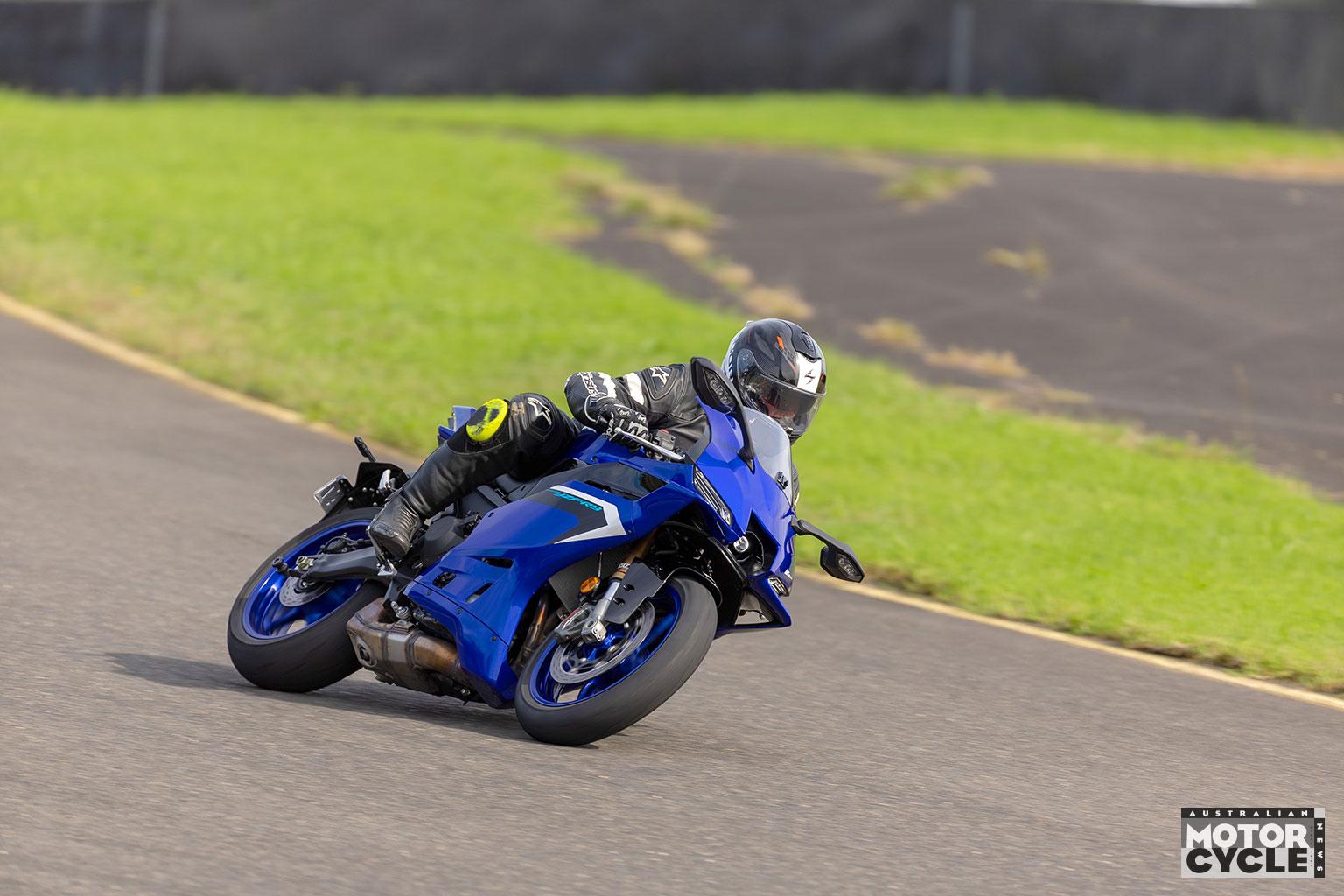
“I tend to adapt my riding style based on comfort, feeling from the bike and available lean angle,” he says. “I try to reduce fatigue by not jumping all over the bike from corner to corner.”
That pragmatic restraint was shaped by a lifetime on dirt. Wattie started riding at three years old, and by the time most kids were learning to ride bicycles, he was already competing in gymkhana and enduro. Those years taught him to stay relaxed and to know what to expect.
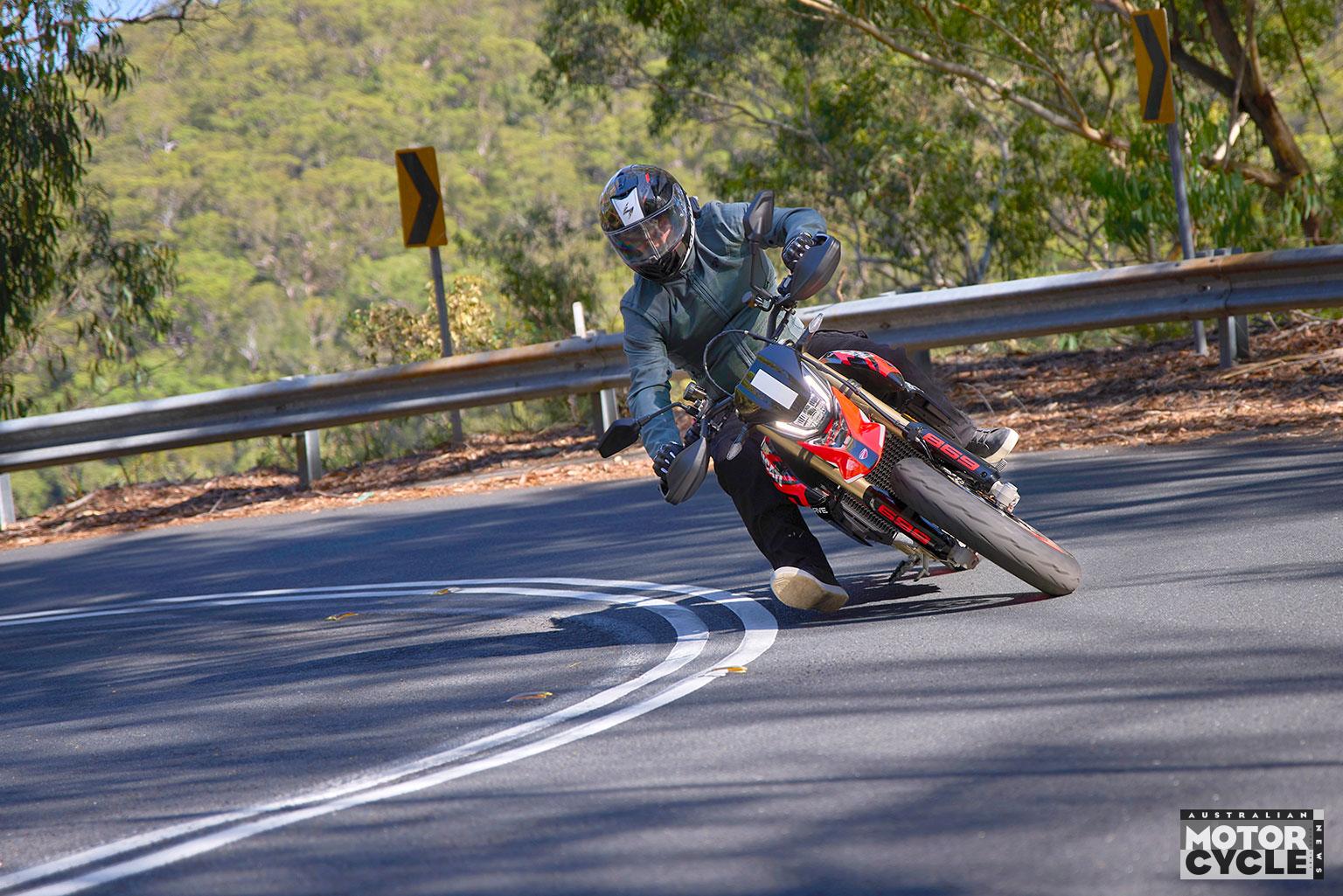
“From the dirt, I became comfortable with the bike sliding and moving around underneath me,” he says. “I adapt that onto road and racetracks while saving energy and being efficient with my movements.”
He explains how those habits naturally carried over when he began road riding. “My first road bike was a 2003 Kawasaki Z1000 and I would ride with my body in line with the bike, not leaning away from the centreline of the bike. This was okay at first, but I soon found myself running out of ground clearance in corners and started to adapt by moving my butt off the seat and poking my elbow out to the inside.”
The use of body movement as a means of managing ground clearance rather than getting more lean angle is about making the physics work for you, not against you.
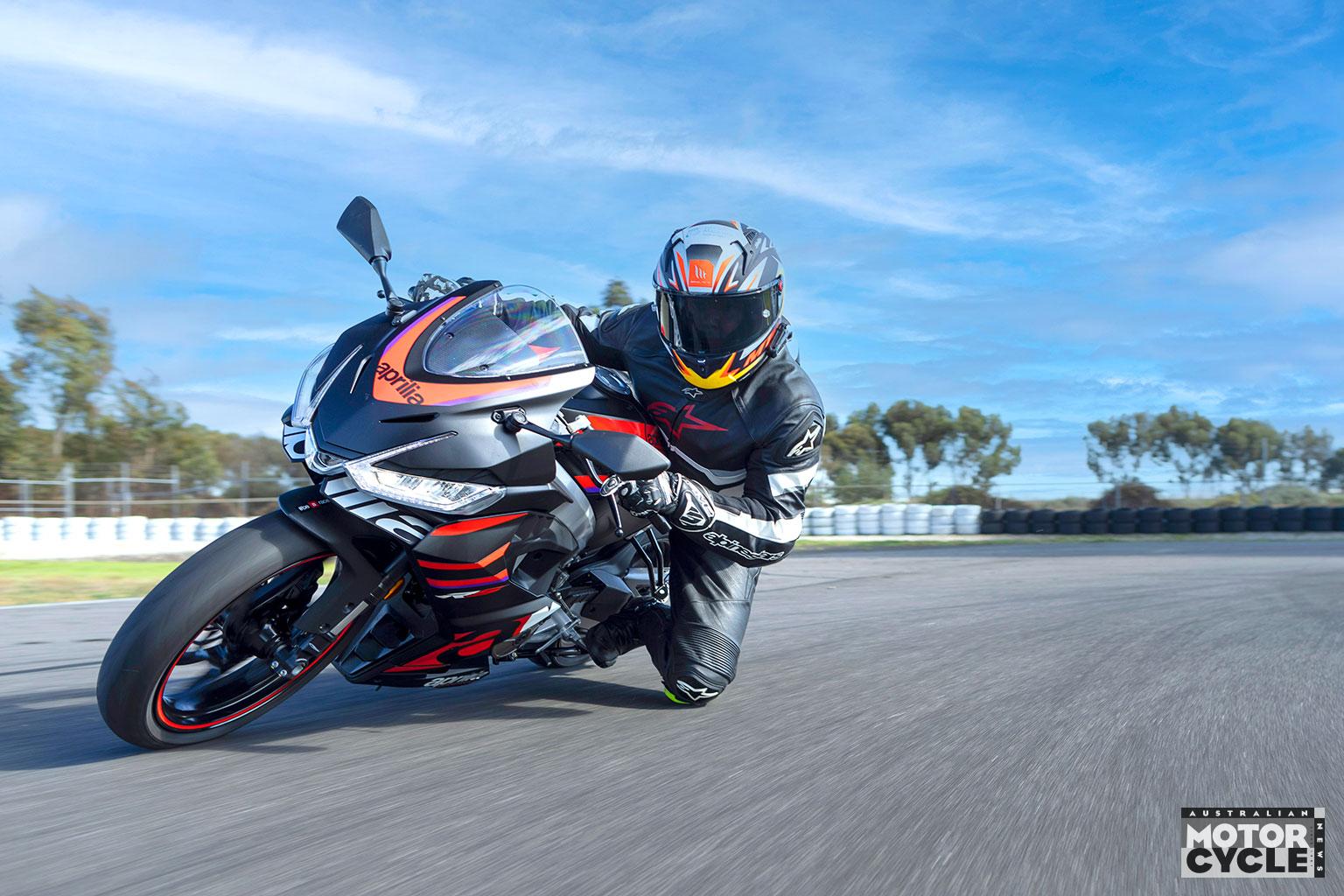
“On the track, you know what’s around the corner and you know you have grip, so I really throw my weight into the inside of the bike to increase corner speed and buy ground clearance.”
He loves riding in the wet for the same reason many avoid it, and that’s because grip becomes a game of feel.
“I enjoy riding in the rain,” he says. “Not the getting wet part or getting water inside my visor, but the chasing grip on a wet road part. I have always felt comfortable with a bike moving around underneath me thanks to dirtbikes. So I don’t get too worried about a little slip here or there.”
His approach is a lesson in energy management and trust. He doesn’t fight the bike, instead he looks for the flow. And for all his humility, Wattie’s philosophy captures the essence of what makes a skilled rider: adaptability born from comfort, rather than confidence born from control.
Adam Child
Where Wattie’s roots run through dirt paddocks and Australian backroads, Chad’s run along narrow, hedge-lined Irish roads. His cornering style is shaped by both the unpredictability of road racing and the precision of track testing.
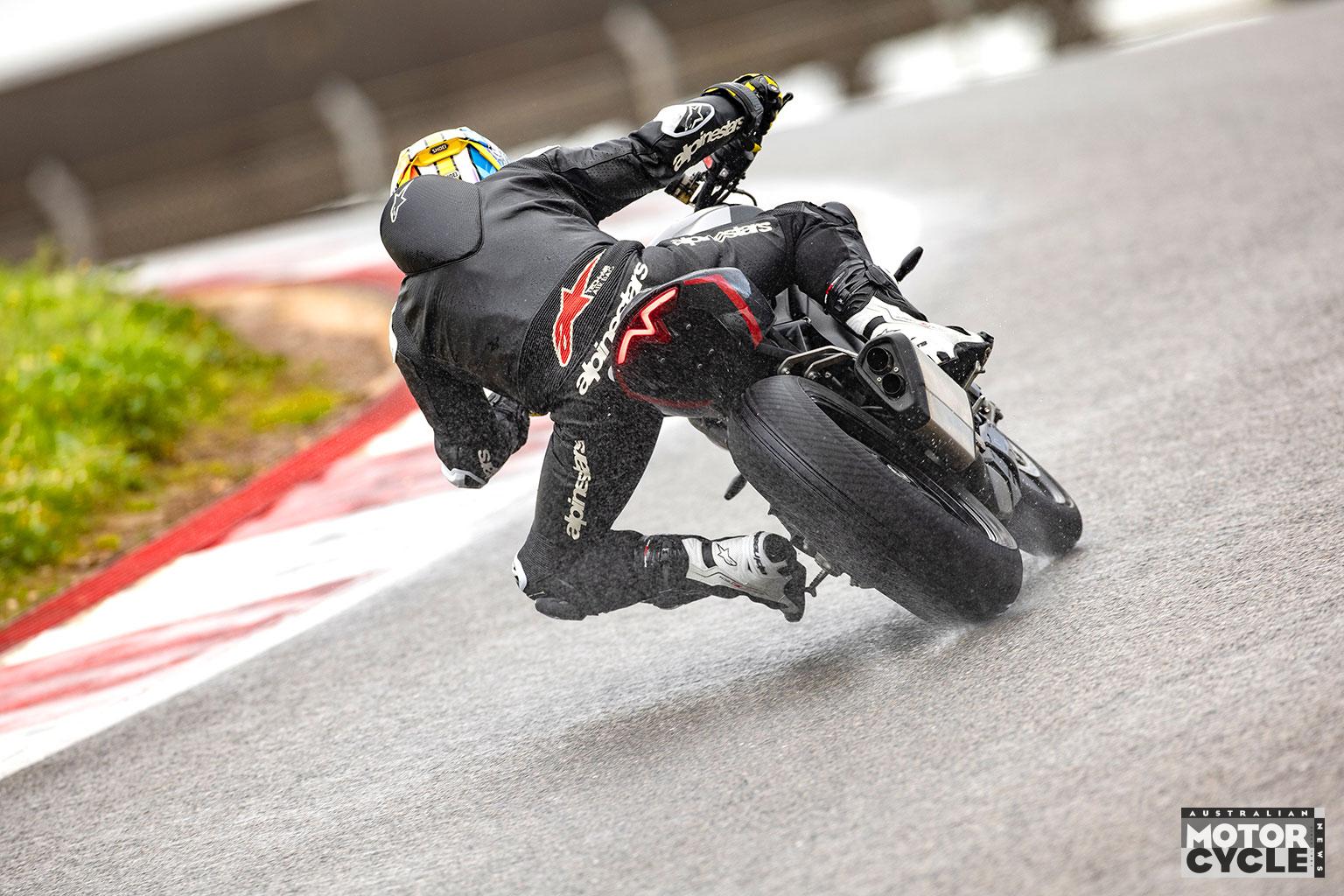
“I know my style is a bit unusual, but I think that comes from my road-racing roots and the riders I’ve always looked up to,” he says. “Ryan Farquhar has a similar style. Both Robert and Joey Dunlop rode in that same way, not hanging off too far on the inside.”
That upright, measured, even slightly Doohan-like form – somewhere between classic and modern – is a survival tool developed in a discipline where every corner could kill you.
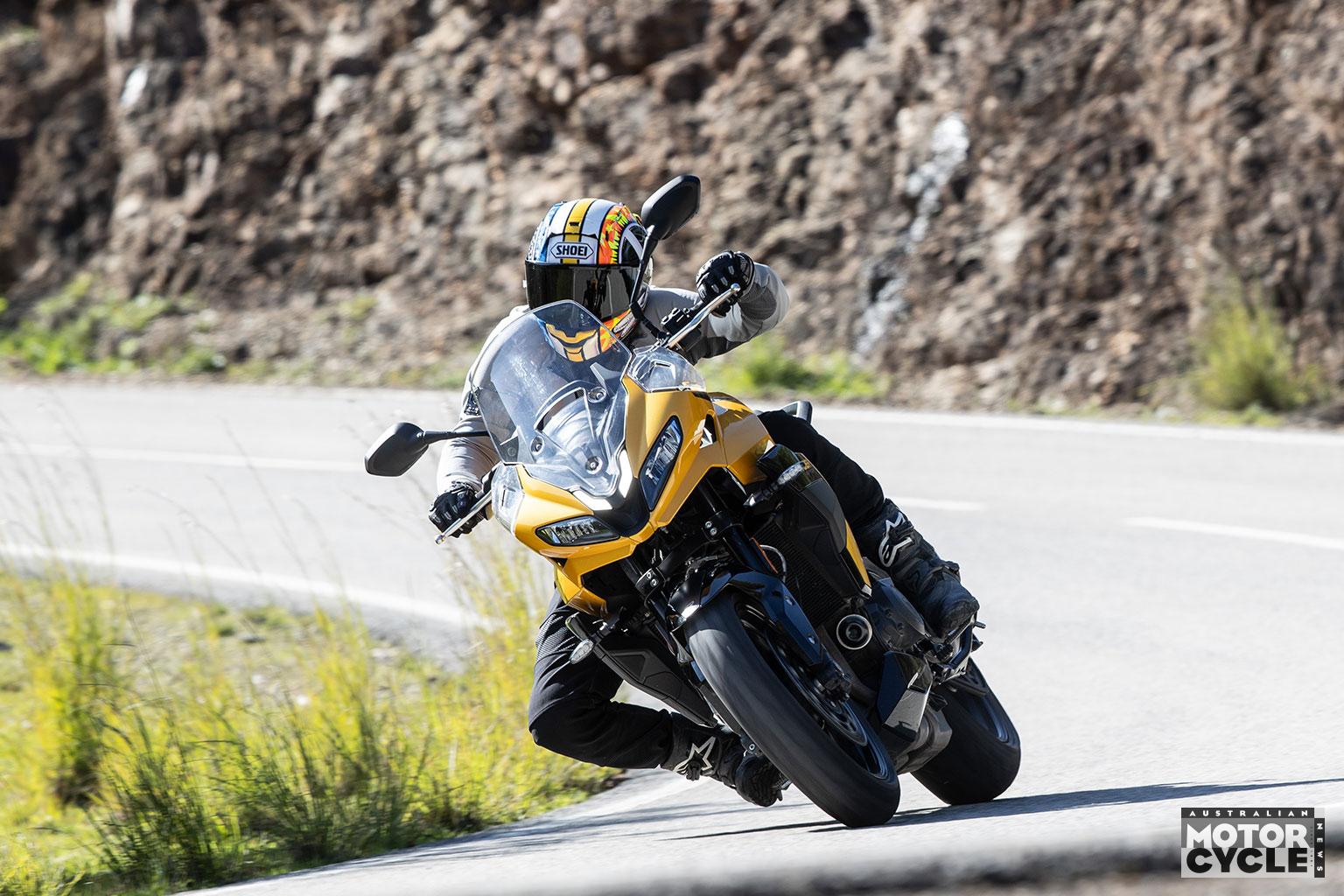
“On the road, I tend to ride a bit like that too, almost Supermoto-style, but on track I switch to a more modern, elbow-down technique. It really depends on the bike and the conditions.”
Chad’s awareness is impressive. When the grip is unknown, he modifies his technique for maximum feedback. “When conditions change, the first thing I adjust is my body position and how I load the bike. I’m often photographed on unusual bikes, on cold tyres and on roads I haven’t ridden before. In those situations, I want to test the bike properly and still ride hard, but I’ll push the bike into the corner, Supermoto-style, especially on a nakedbike. This gives me more feel and time to react.
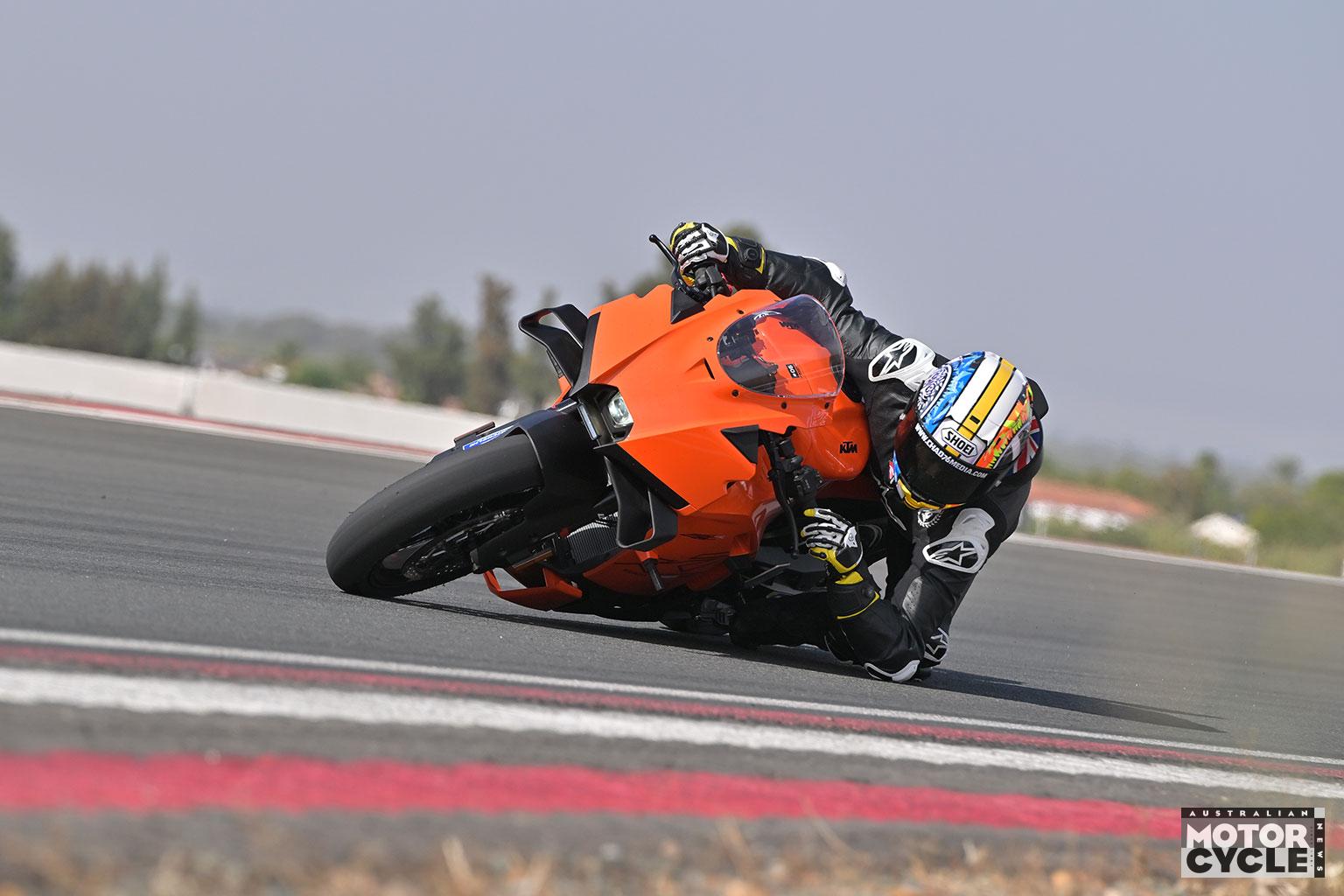
“Once there’s some heat in the tyres and I can carry more lean speed, my style becomes more traditional. At that point, I have confidence in the grip, so I focus on getting the bike upright quickly and driving off the corner on the fat part of the tyre.”
The stylists
As well as grip and geometry, cornering is about expression, the way a rider’s history and personality translate into body language on the bike. For Tarzy and Hammer, their styles couldn’t be farther apart in background, yet both prove that control doesn’t have to look conservative.
Tara Morrison
Tarzy laughs when asked to describe her style. “Tricky to describe in a sentence or two,” she says, before offering one of the most self-aware answers of the lot.
“I’ve been known to have a really old-school style. I’m quite upright compared to other racers in the Supersport 300 category, which are closer to getting their elbow on the ground. I have more of an upright position, still leaning off the bike, but my head and elbow aren’t as low as the others.”
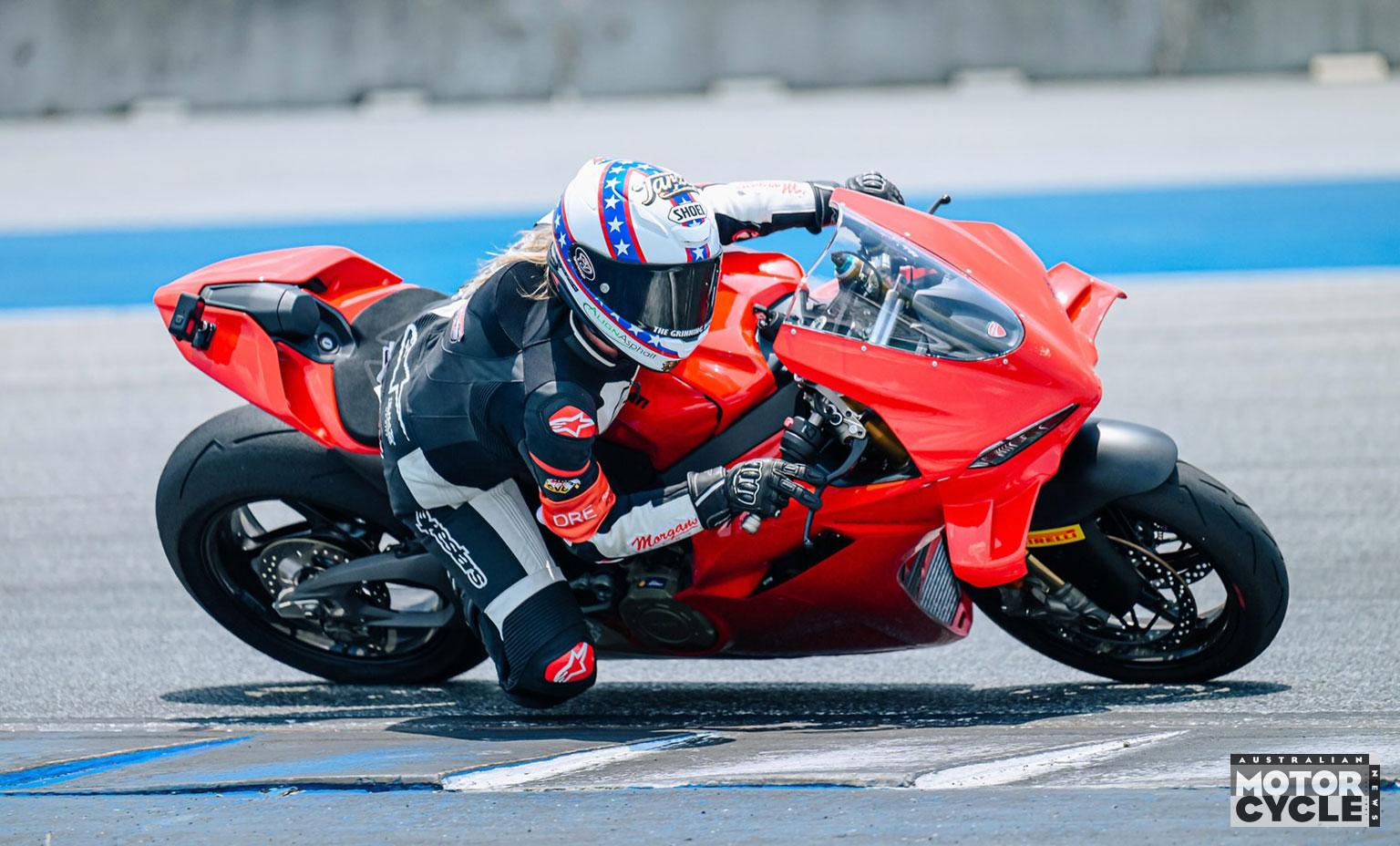
It’s an honest admission that her natural position runs against current trends, but it doesn’t mean she’s not fast. Her approach works because it’s consistent and composed, and because it suits the circuits she cut her teeth on.
“I think I first started riding and got really comfortable at fast, swoopy tracks where you don’t have to lean as much,” she says. “I started riding at tracks like Phillip Island and Tailem Bend pretty early on in my career. So I think that made me not have to lean off the bike as much and I have more of a relaxed body position.”
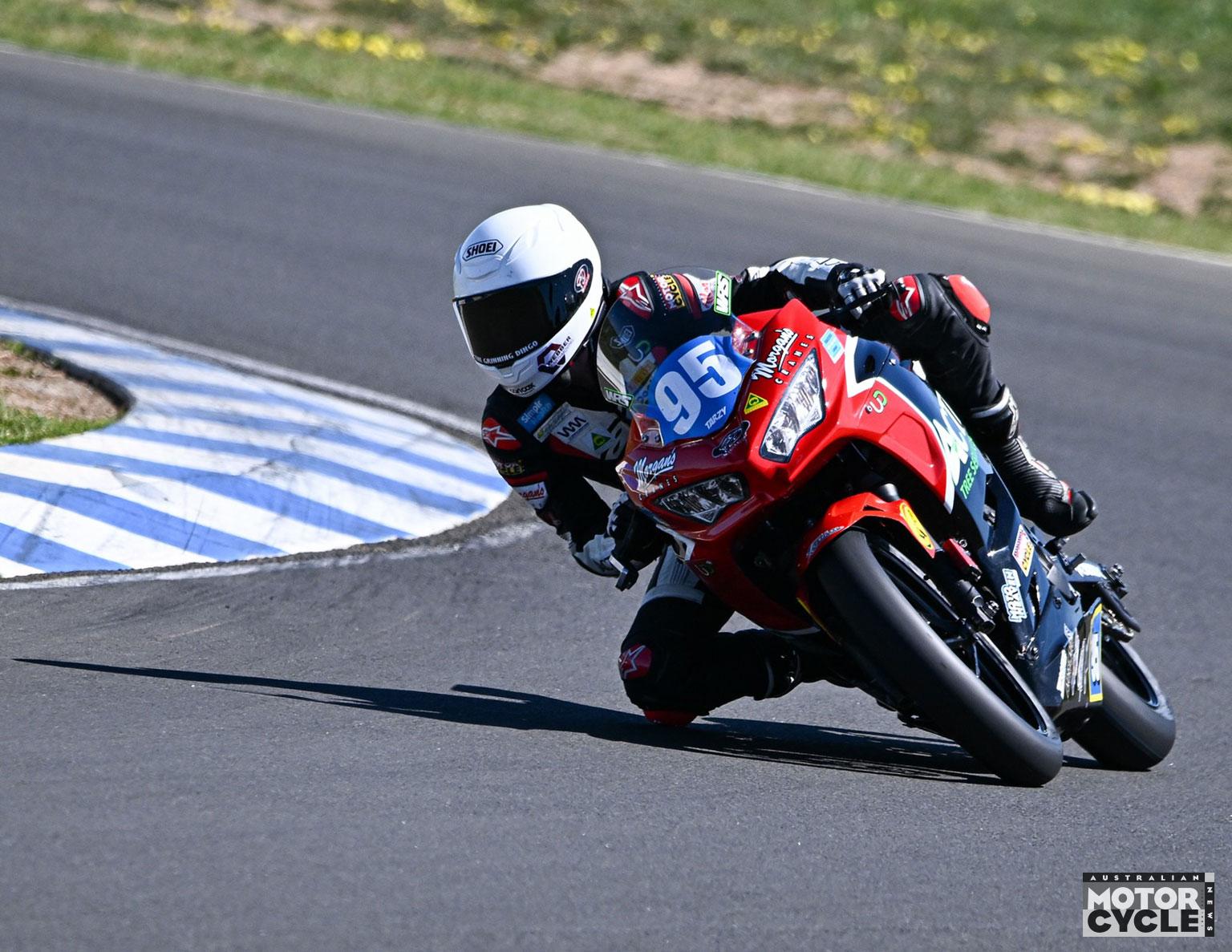
That relaxed economy translates into efficiency. She even credits her more upright posture for better adaptability between categories. As she steps up to bigger machinery, her focus is on refining feel rather than forcing change.
“I’ve never ridden dirtbikes, but I would love to,” she says. “Hopefully that would help me with my rear wheel slide and everything as I’m moving up to the YZF-R7.”
When the weather turns, her precision becomes even more deliberate. The lessons learned from seasoned BSB racers like Billy McConnell. “The main thing he taught me was to get all of my braking done in the upright position when it’s wet. Usually in the dry you’re trail braking into the corner, on the brakes when you’re on quite a big lean. But when I’m in the wet, I get all of my braking done when I’m in an upright position, at least if it’s a really tight corner.”
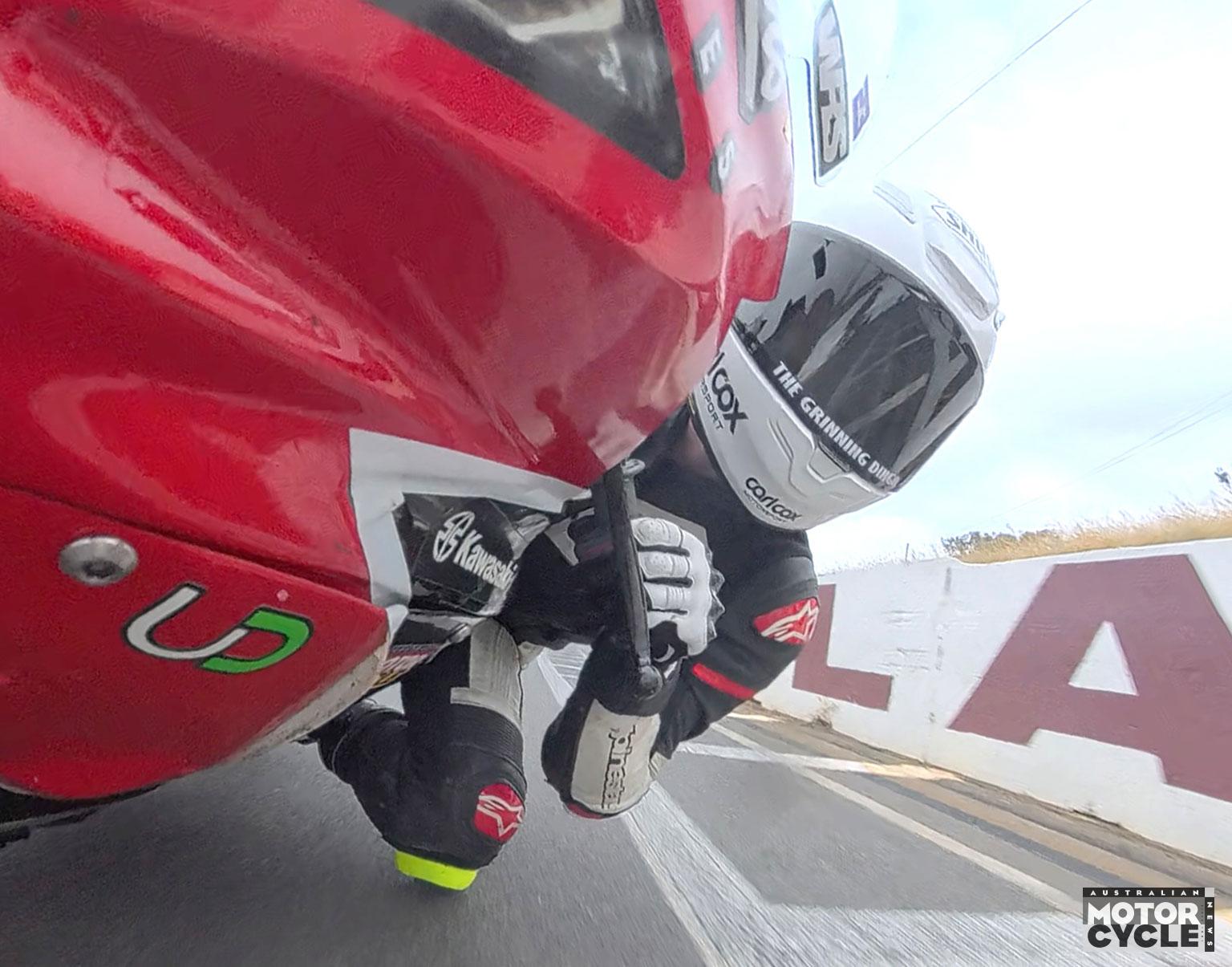
She goes on: “Then I just make sure that I don’t have the brakes on at all when I’m at max lean. In the wet I kind of coast a bit, and I do try to keep the bike more upright because you can’t rely on your tyres to have that grip.”
It’s a pragmatic, mature understanding of limits; her body language looks relaxed, but every input is calculated to maintain speed.
Hamish Cooper
Hammer’s style was forged in an era when motorcycles were long, heavy and far less forgiving. His approach was born from the realities of 70s chassis design.
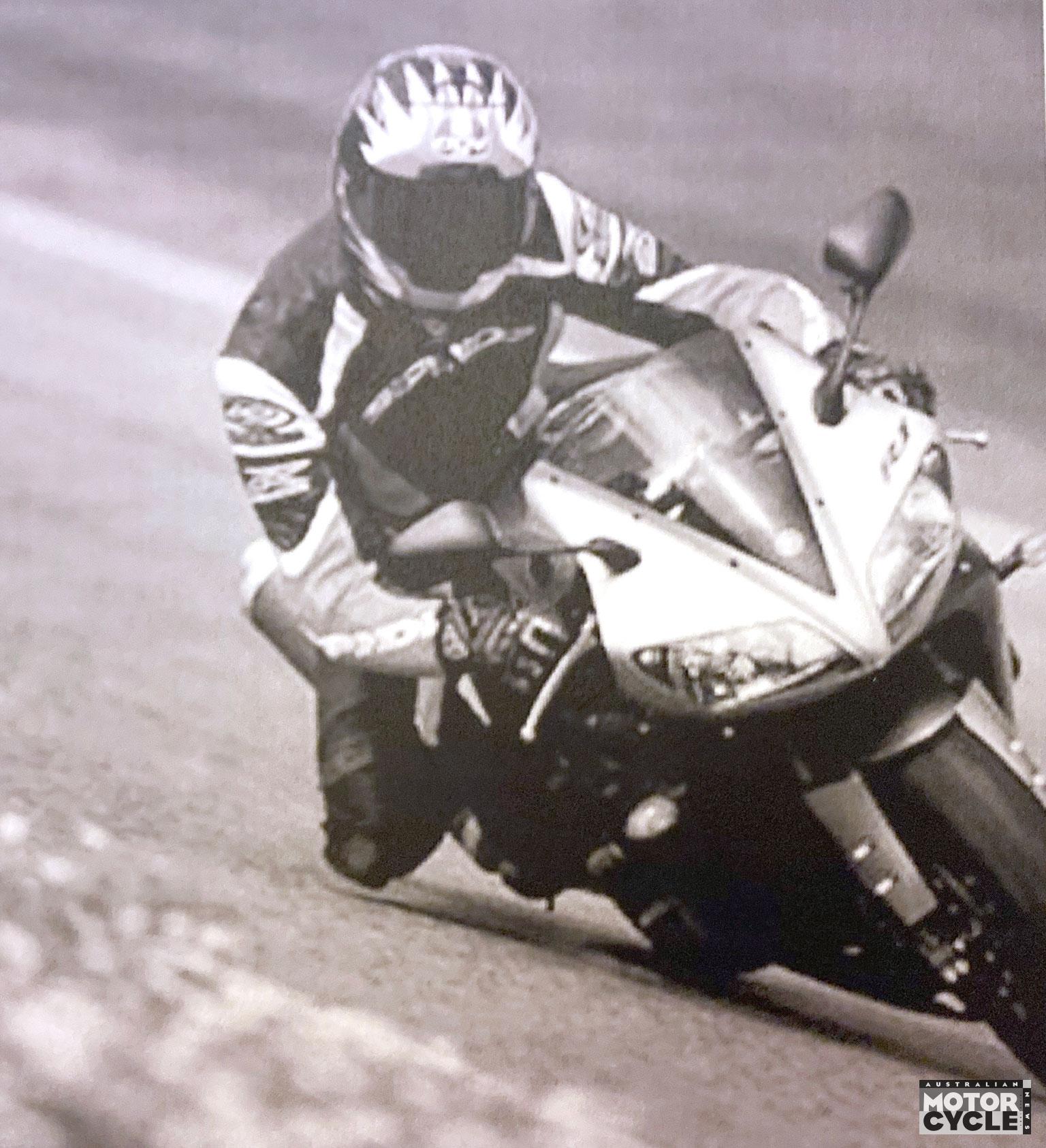
“My cornering style is probably best described as slow-in/fast-out,” he says. “This probably is a hangover from my days as a young Seventies longhair riding the bikes of that time. Compared to current motorcycles, most had a long wheelbase, a raked-out steering head angle, compromised suspension with limited adjustment and questionable ground clearance.”
It’s a window into a generation that learned to carve smooth arcs rather than snappy changes of direction. “If you watch racing videos from the era you will see what I mean with sweeping lines taken, not the ‘point and squirt’ styles of today’s riders,” Hamish says.
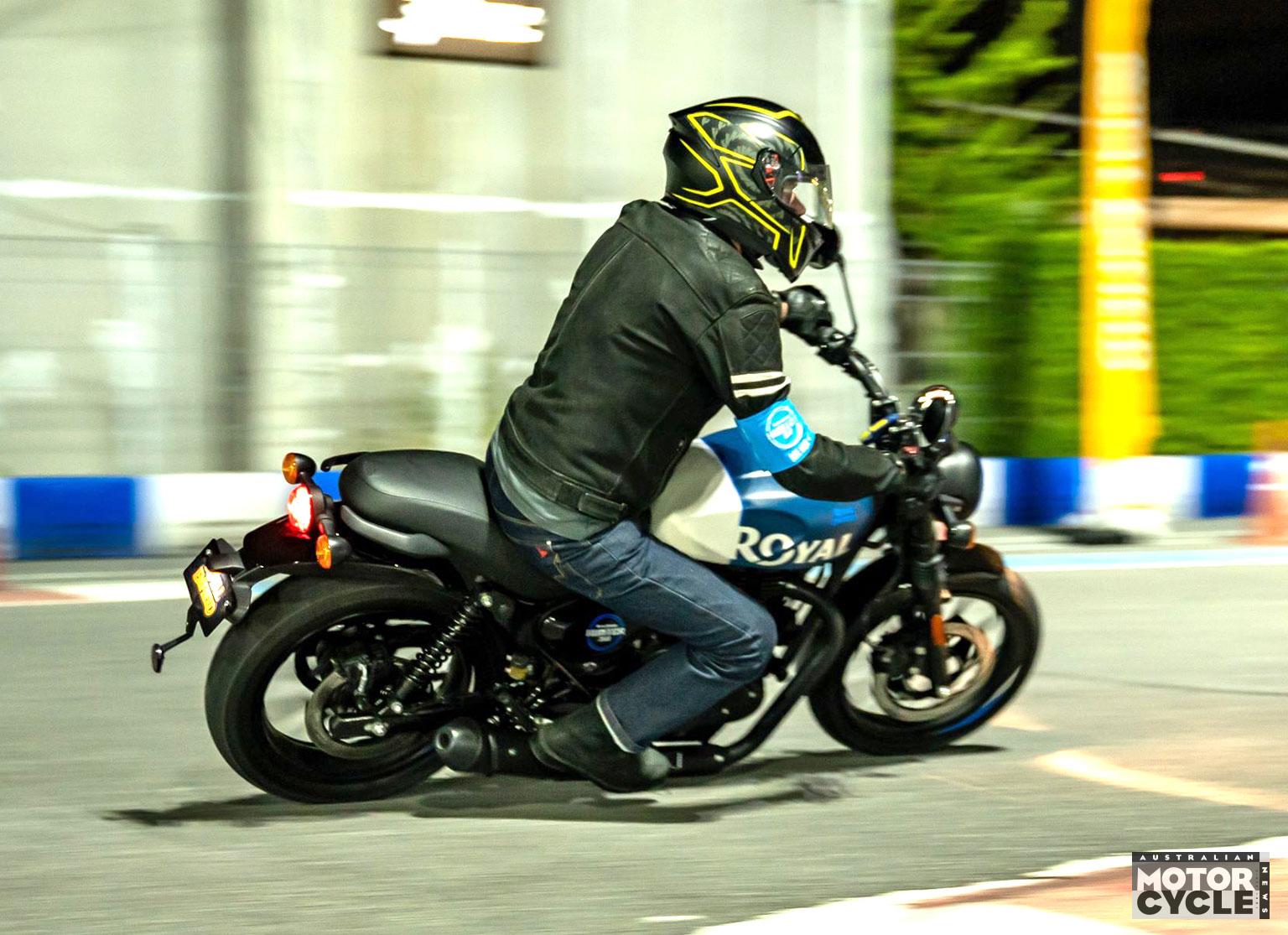
That ingrained smoothness has evolved alongside modern technology. As bikes became shorter, stiffer and more powerful, Hamish adjusted, but he never abandoned the logic of flow.
“As I started riding and testing every new generation of motorcycles from the late 1980s, I found my style being adapted by the evolution of sportsbikes,” he says. “Suddenly I could charge deep into a corner, slam on the brakes, flick it on its side and power out.”
He remembers the moment vividly – a photo taken at the international launch of Yamaha’s R1 at Catalunya, mid-corner at 160km/h in slightly damp conditions. Even then, his form was unflappable: smooth entry, minimal drama. That same restraint carries over to today.
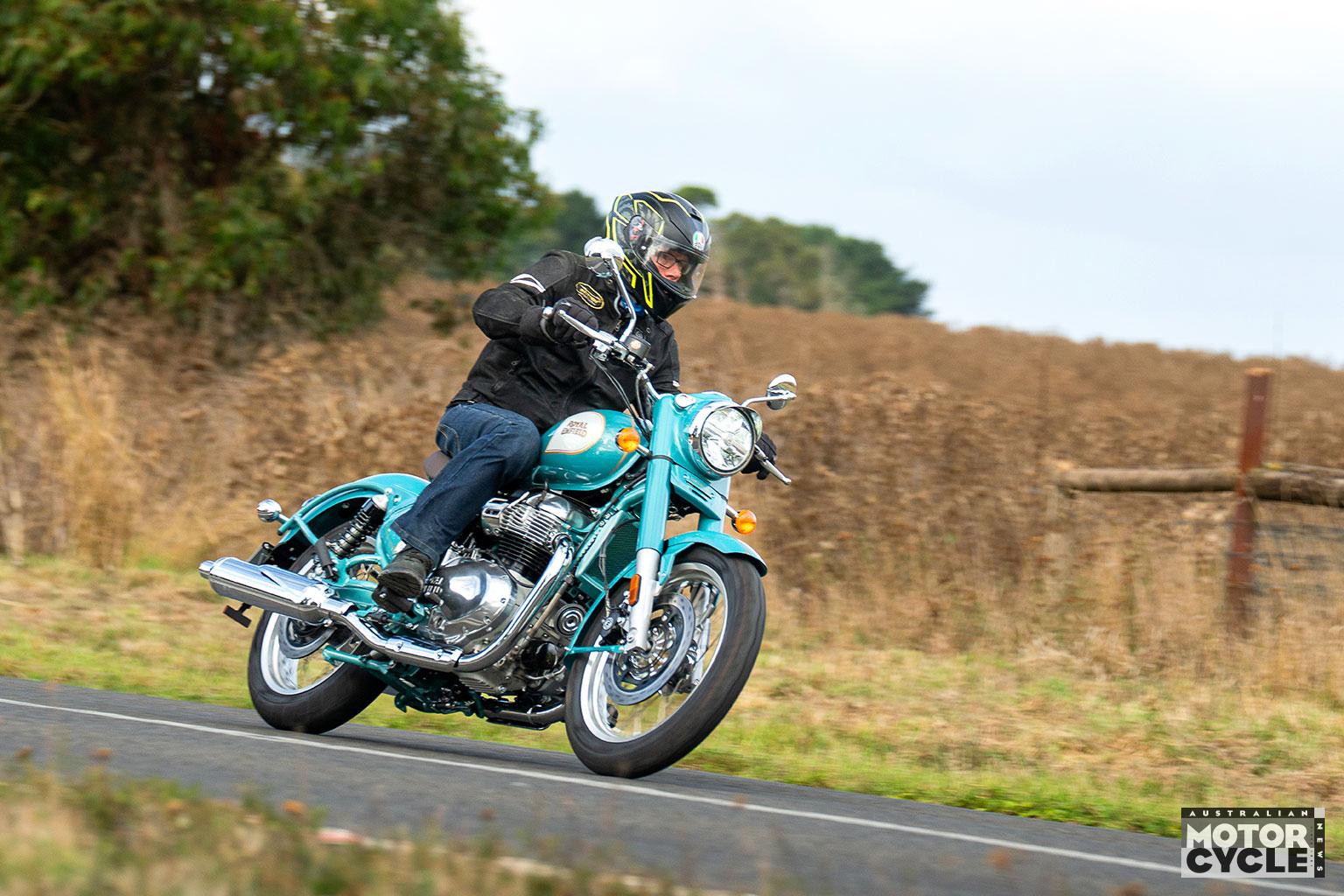
“Talking about riding conditions, I quickly go back to the ‘slow-in/fast-out’ style on wet roads,” he says. “On dirt roads, I’ve slowly evolved my style to suit improved rider aids regarding braking and steering but still maintain my original style.”
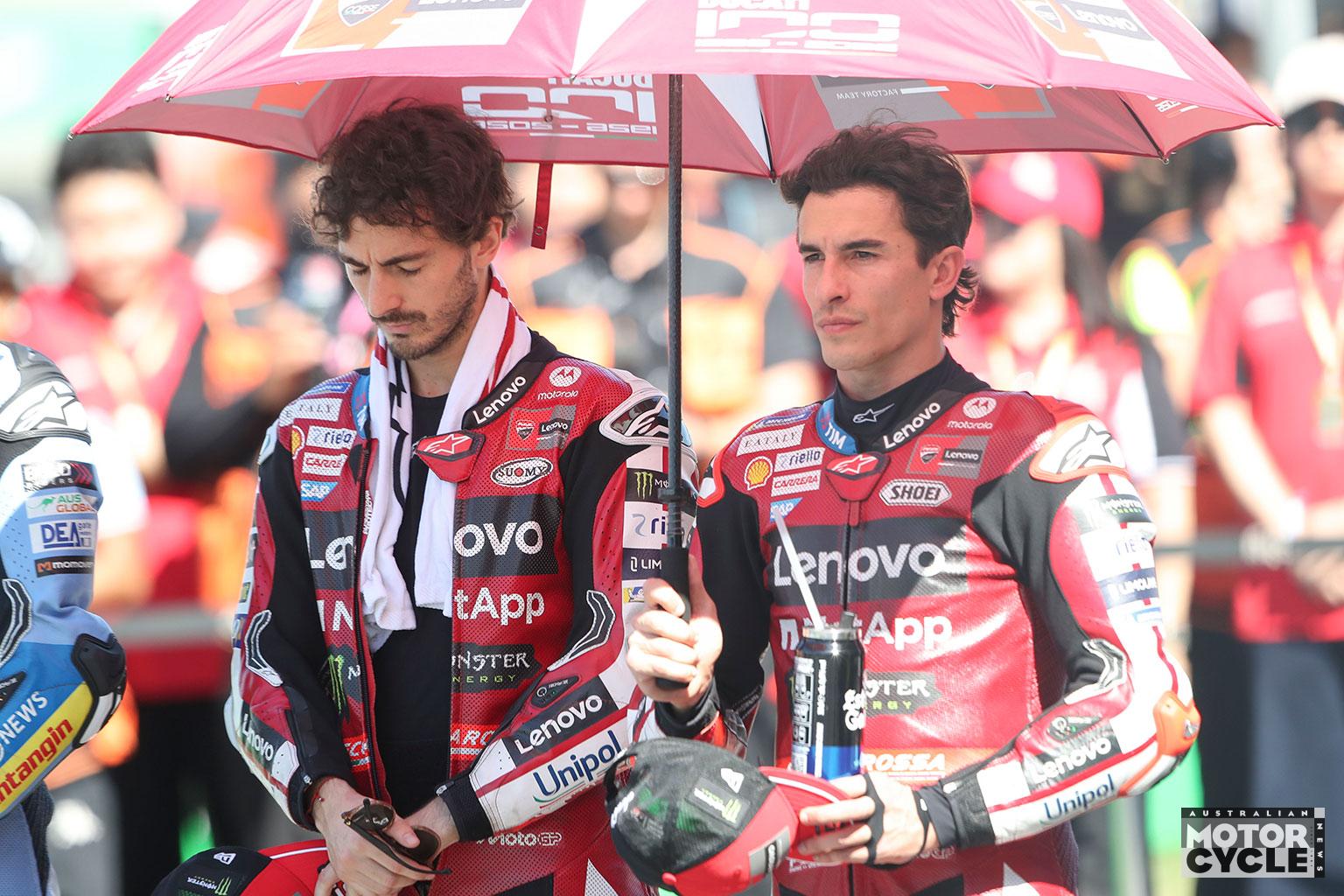
Hamish’s technique has followed the machines, because as bikes change, so must the rider – just ask Pecco Bagnaia. But the underlying principle really doesn’t: style is less about appearance and more about understanding what keeps you stable, fast and in control.