Banned, broke and determined, Keith Campbell’s journey to a race in Sweden in 1956 marked the moment the future world champ proved he belonged among the best
In his new biography of Australia’s 1957 World 350 Champion Keith Campbell, Don Cox revisits the 1956 Swedish Grand Prix at Hedemora – a non-championship race that became the turning point in Campbell’s career. Still under a partial suspension for joining the 1955 Dutch TT riders’ strike, Campbell headed to Europe determined to prove himself.
He bought two new Manx Nortons, a second-hand Cadillac, and set off with fellow Australian Eric Hinton, choosing lucrative non-championship races over prestige Grands Prix. But by July, joined by Ron Day, Campbell’s journey led him north to Sweden – and to the race that changed everything…
1956: Hedemora and Beyond
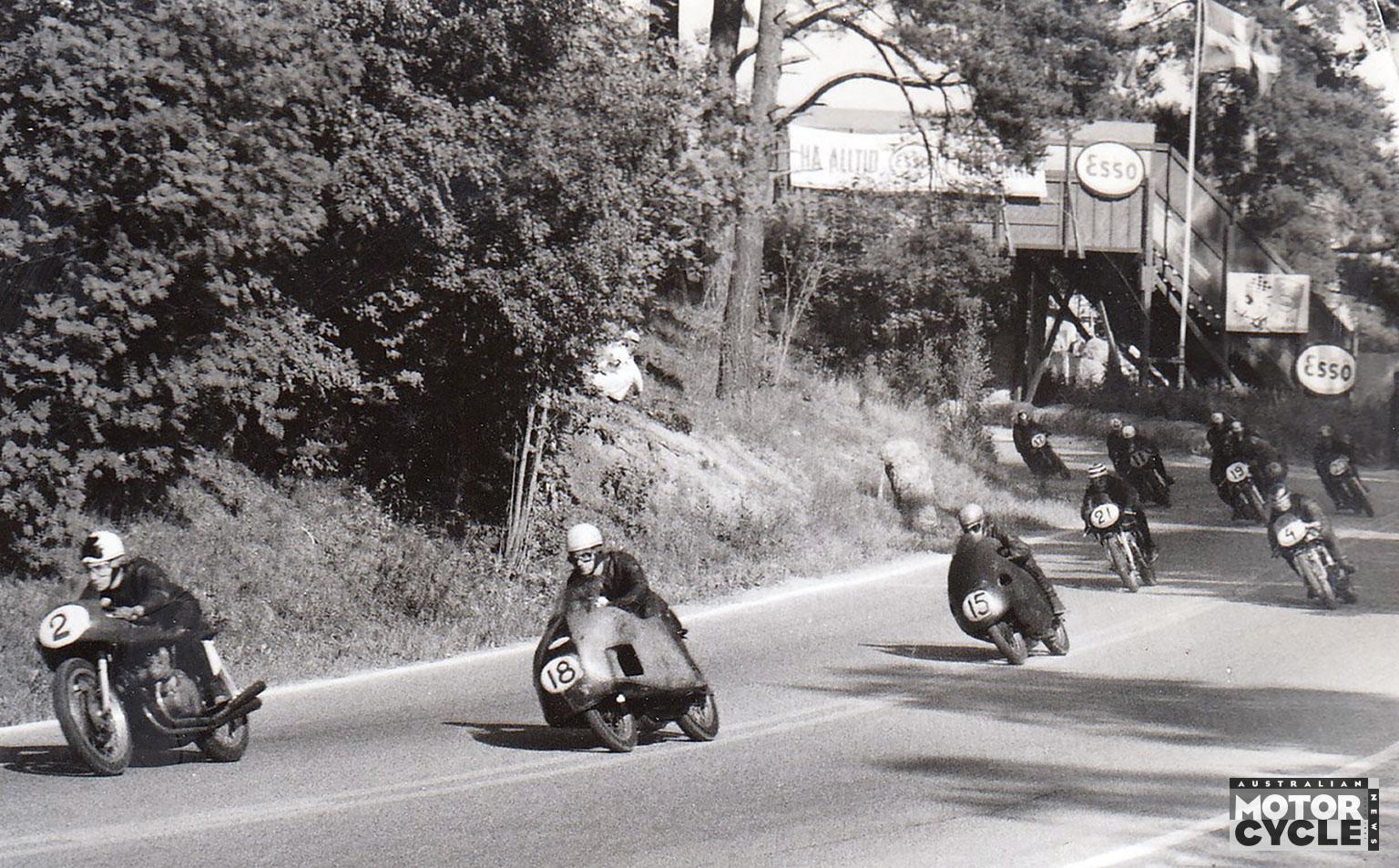
You could say Keith Campbell knew the 7.26km Hedemora public-road circuit back to front. He had raced it anti-clockwise in the 1953 Swedish TT, the only time it was used in that direction, and clockwise in 1955, finishing fifth in the 500 class.
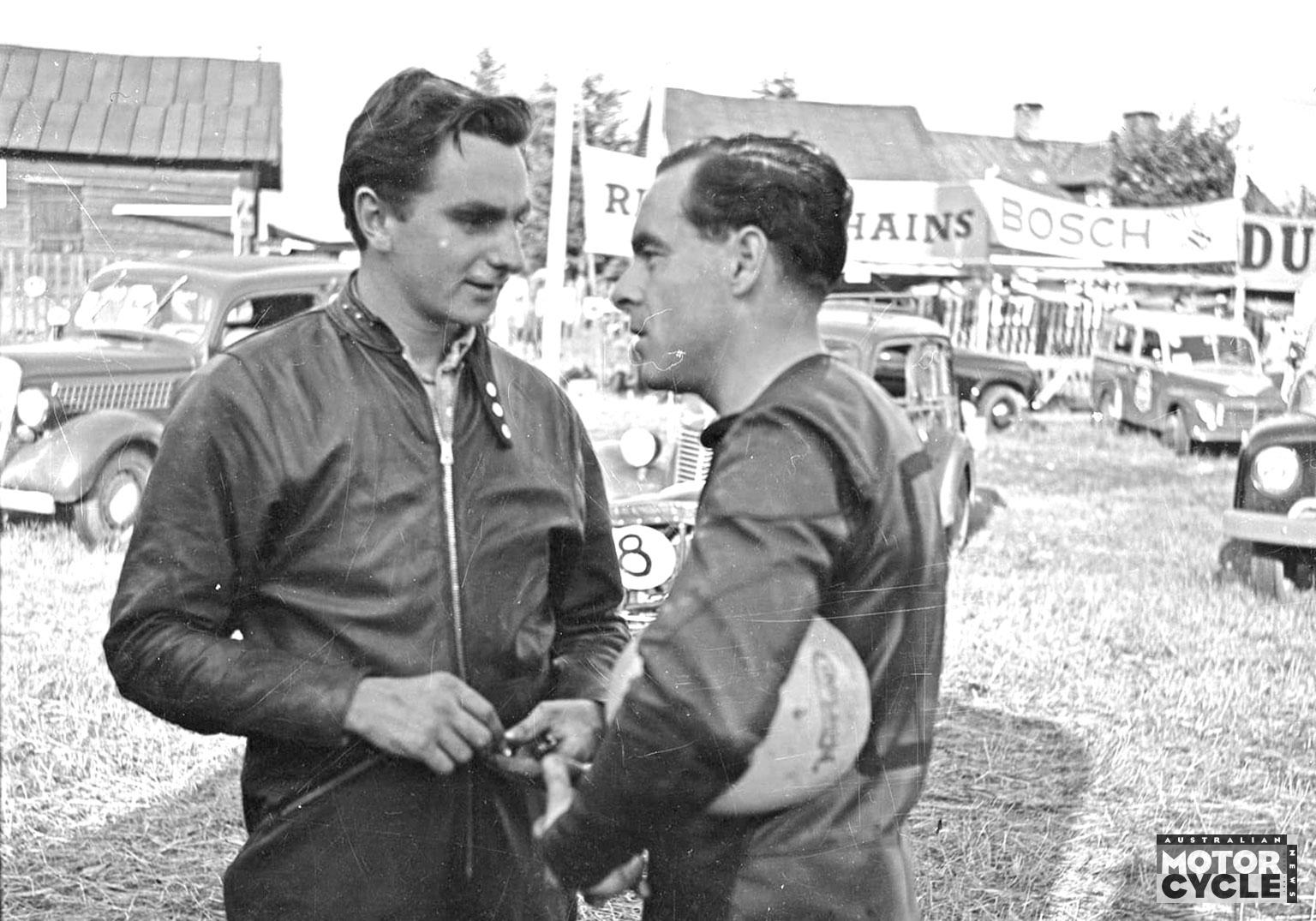
In 1954, the FIM raised the event’s status to a category 2A grand prix, one rung below a world championship classic, and the name was changed to the Swedish Grand Prix.
The Hedemora event had been inaugurated in 1933 and was important to the British manufacturers to promote sales in Scandinavia. Norton sent works rider Ken Kavanagh there in 1952 and 1953, and continued to support the meeting with factory entries.
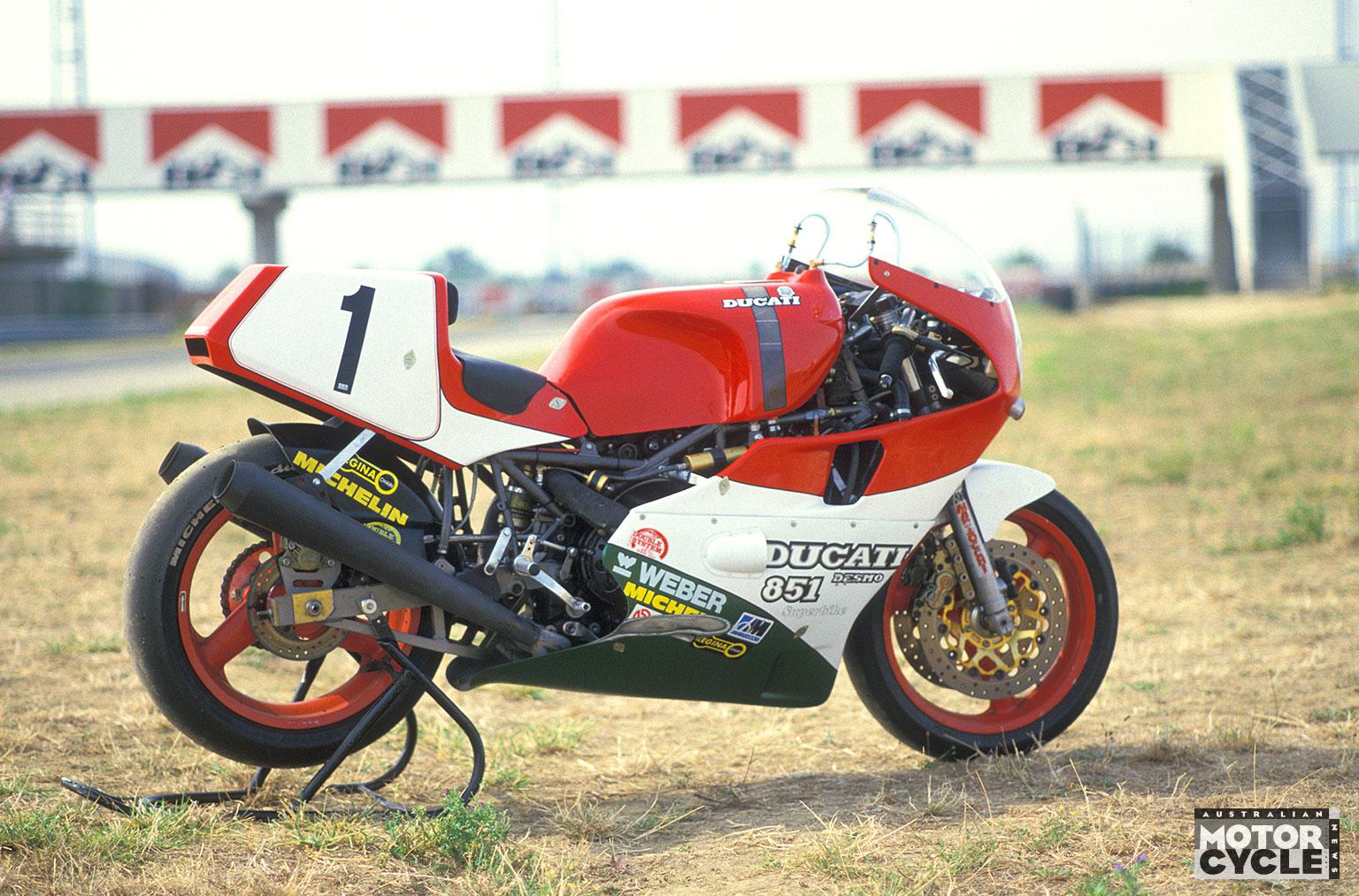
Italian makes joined the party and Gilera’s Geoff Duke visited the circuit for the first time in 1955, setting a new outright lap record at 166.57km/h. Ducati debuted fully streamlined works desmo 125s in the 1956 meeting, the first time the factory contested a road-race in Scandinavia. The works Gilera and Ducati entries surely boosted Italian press interest in the meeting.
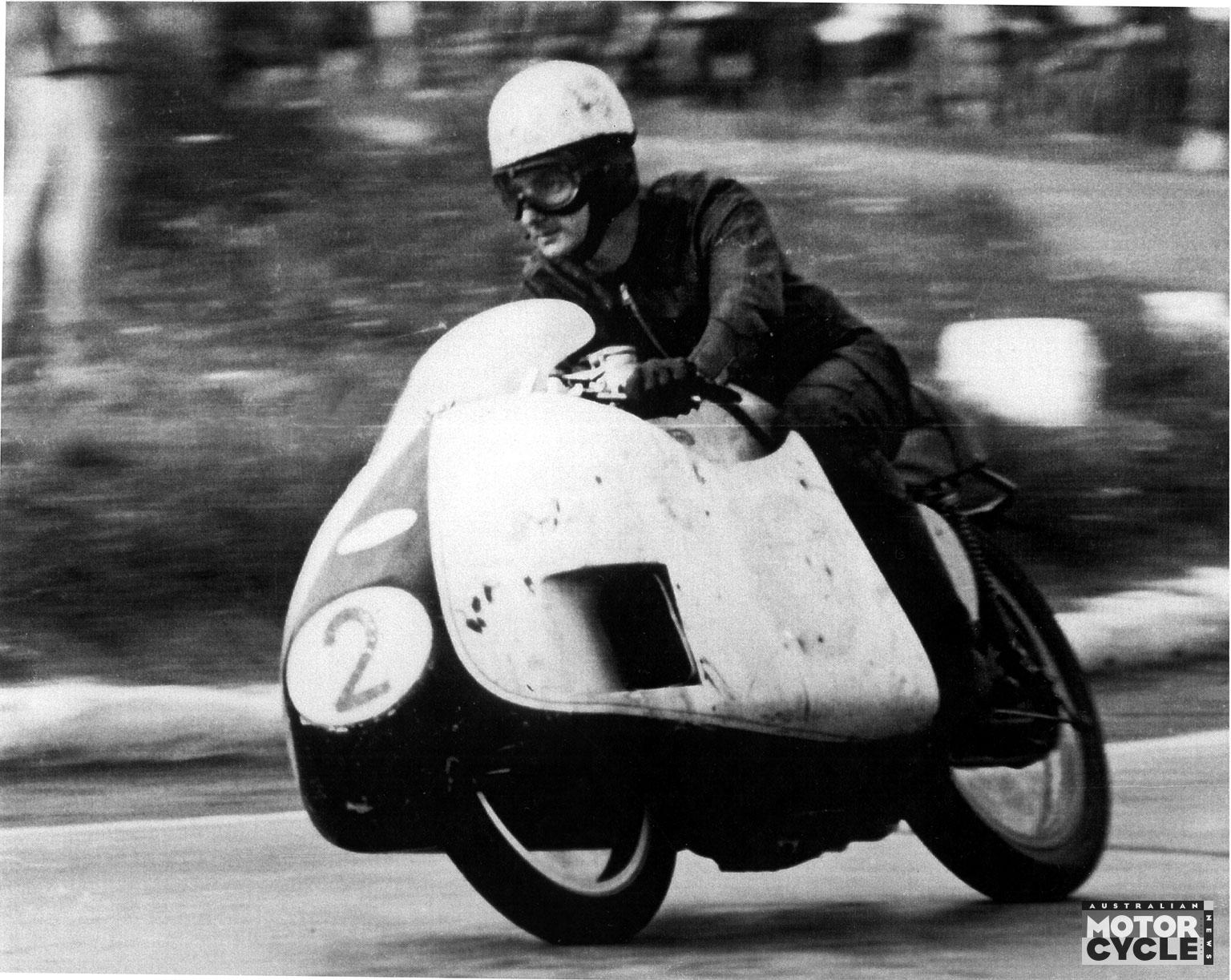
Campbell trekked north again in July 1956 for the Swedish Grand Prix, this time in his black Cadillac. It was some trip. Hedemora is in the centre of Sweden at latitude 60 degrees North. That is six degrees below the Arctic Circle and 14 degrees farther from the Equator than Invercargill, at the bottom of New Zealand.
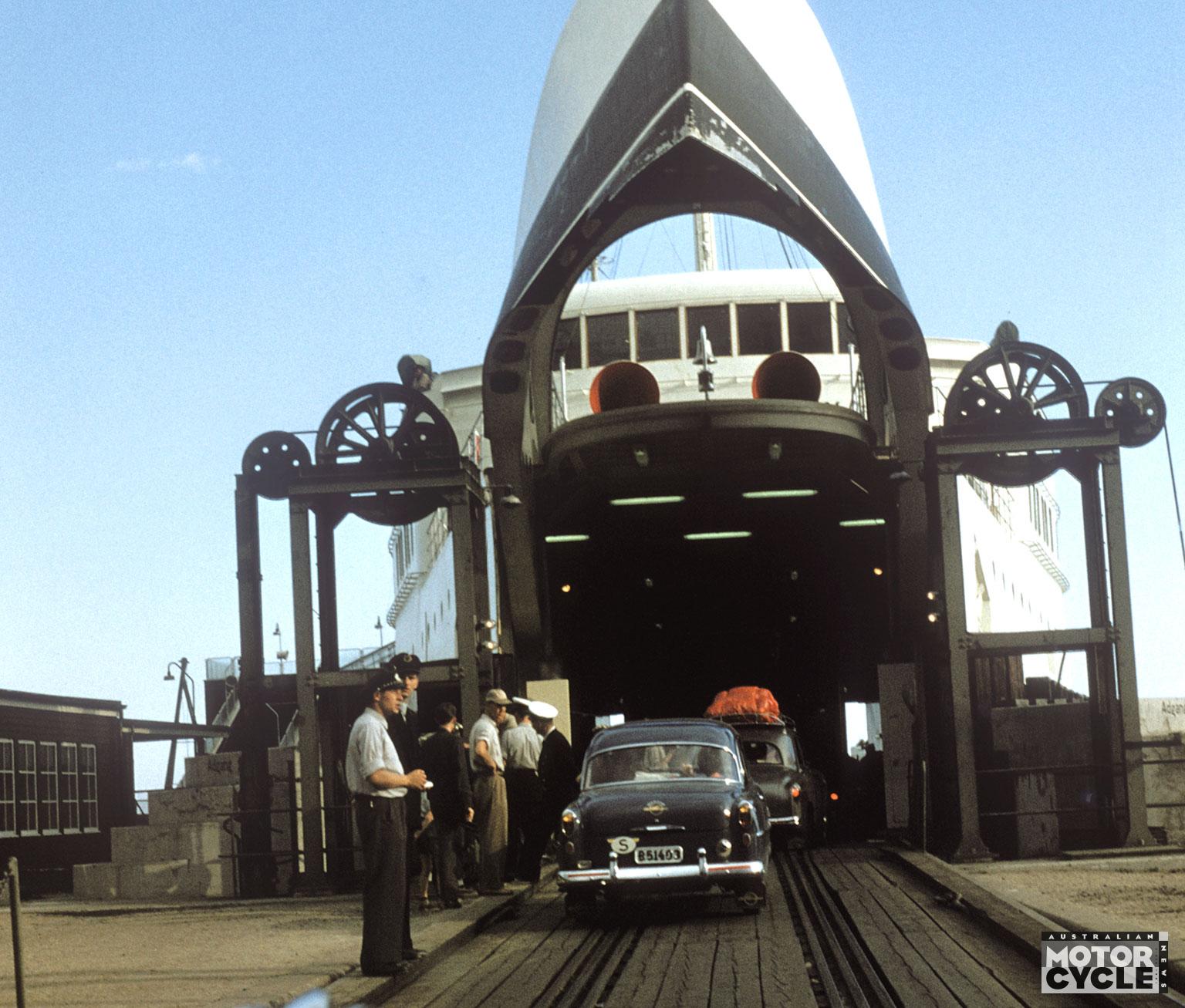
Mildura’s Ron Day had been helping Keith Bryen on tour, but he travelled with Campbell from Belgium. “We drove to Liege, then Holland and across Germany to Grossenbrode. We took the ferry to Gedser in Denmark, drove across Denmark to Helsingoer, took another ferry to Helsingborg in Sweden and then had an 800km drive to Hedemora. On the first night we slept in the Caddy, due to thick fog, and we slept in the car again on the second car ferry. We arrived in Hedemora at 6pm on the Wednesday, found the room the local motorcycle club provided at the Stadshotell and went to bed.
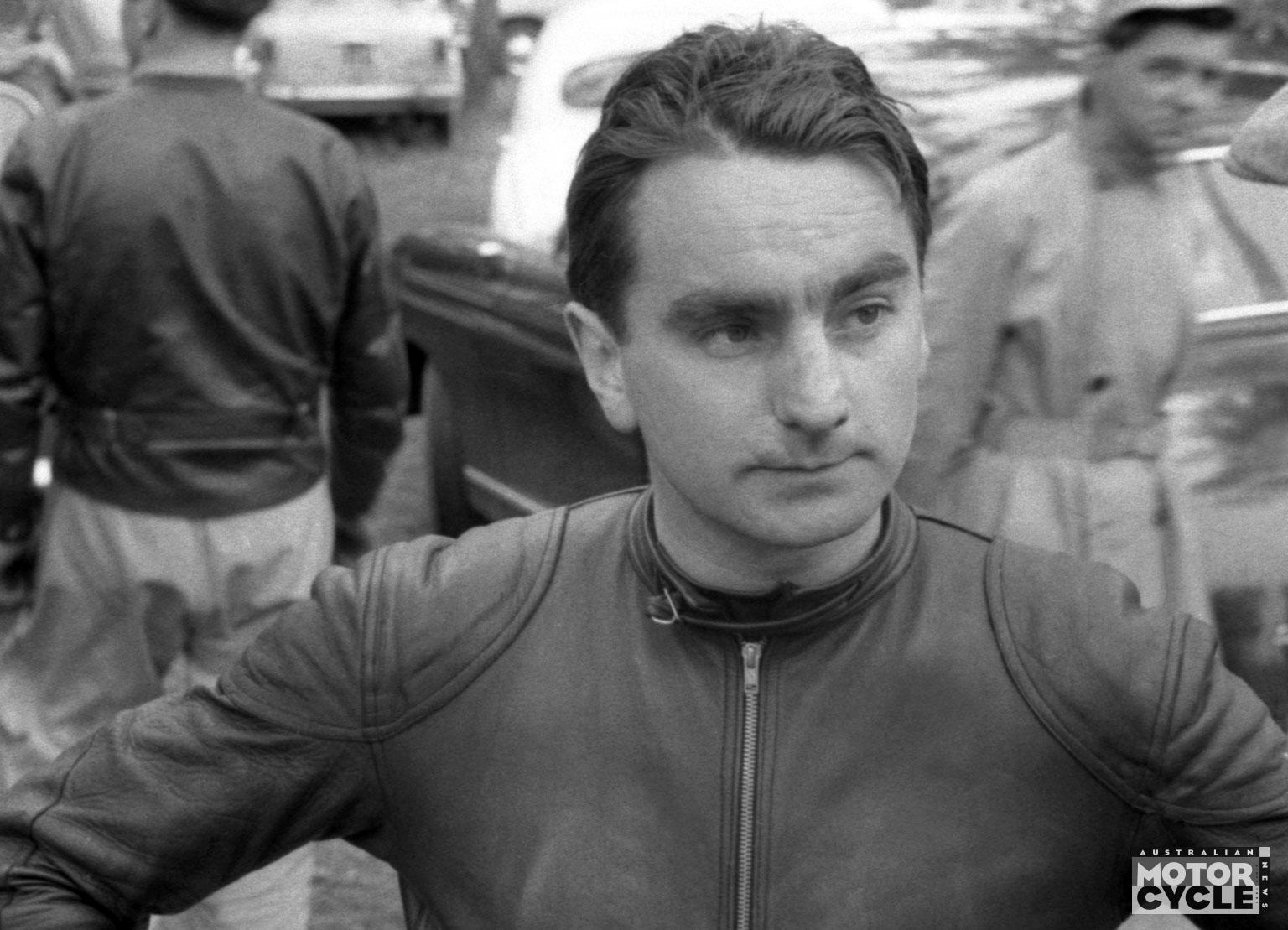
“Next morning, we worked on the bikes under the building, to have them ready for practice, and did two exploratory laps of the circuit in the Cadillac. Keith had blown up his 350 engine at a race in Germany before the trip. When we stripped it down before the race (the 350 race was on the Saturday), it had a blown piston. Keith had a spare ‒ one he’d used at Mildura back in December ’55. It was not the right compression ratio, but we had to make do.” Day also records that they had a visit from Campbell’s Finnish girlfriend, Moya.
Campbell’s opposition in the 25-lap 350 Grand Prix included three works AJS machines and three factory Nortons. His Norton was self-tuned, but it did have a full fairing. The weather was glorious ‒ so hot that the tarmac road surface began to melt in some parts of the circuit.

“We were running short of time when we finished the 350, so I took the bike to scrutineering while Keith got changed. When he came up, the bike wasn’t where I had left it, parked against a fence. The Norton team manager had moved it. Keith resolved then and there he was going to beat the works team. (And he did.) When he finished, he crossed the finishing line, parked the bike farther up the track and walked back to the starting line. The footrest and gear change were all worn and he said he’d been ‘ear-holing’ (the expression of the day for riding with plenty of lean angle). The presentation was in the town square.”
Race reports from the day estimated the crowd as 50,000 and noted while the main roads department tried to cure the molten tar, its temporary repairs only made the surface more slippery.
Norton’s Alan Trow was the early race leader, ahead of local hero Olle Nygren on a works AJS, but Norton’s top man John Hartle led at the end of the first lap. Campbell swept into the lead on lap two, with Hartle in second, and then a squabbling group of Ireland’s Bob Matthews, veteran Englishman Jack Brett, Manxman Derek Ennett, Gavin Dunlop and Auguste Goffin. The Belgian ace crashed on oil, bringing down Dunlop and Ennett, and sustaining a leg injury that ended his career.
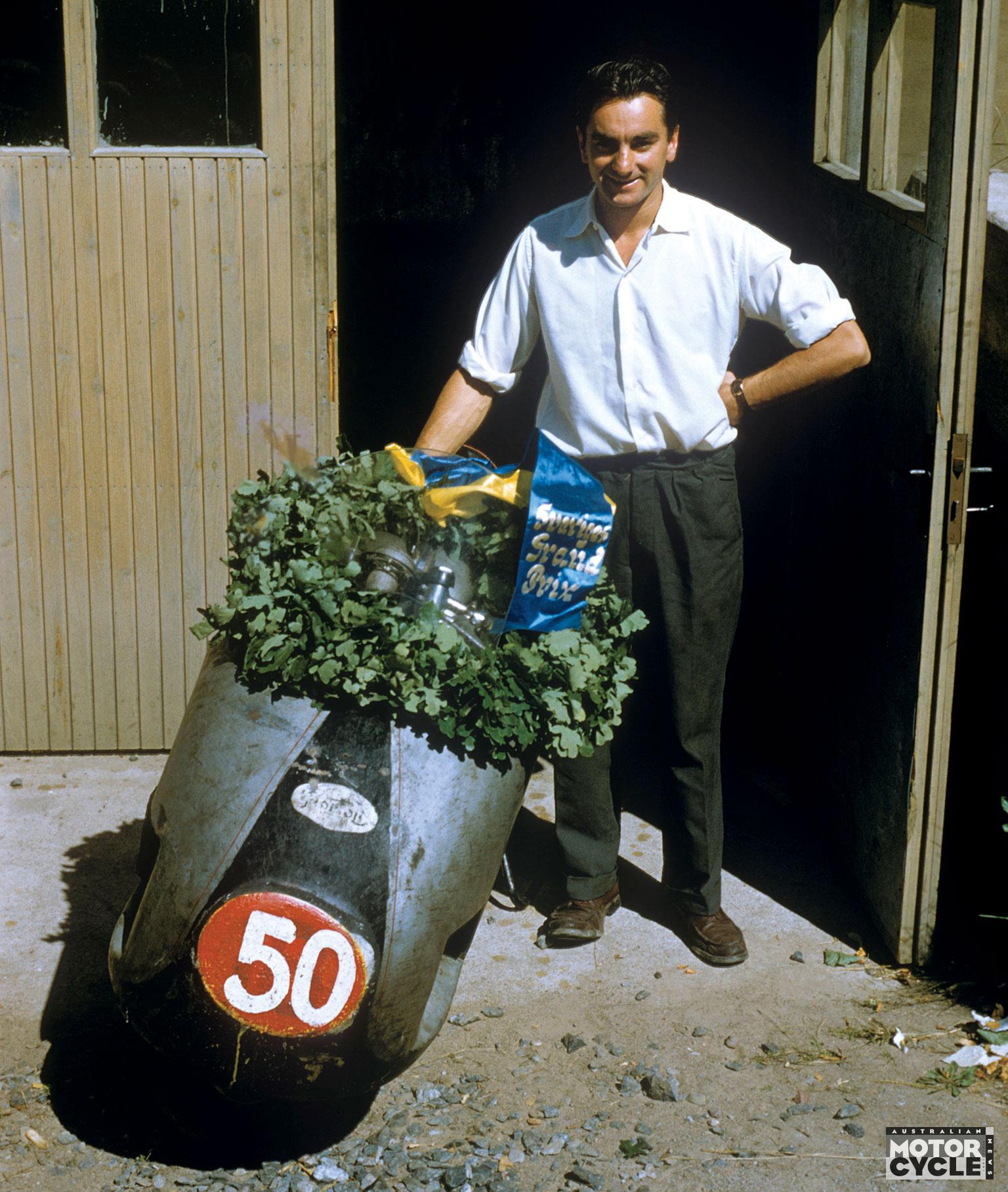
On the penultimate lap, Campbell’s engine went off song. Hartle was several hundred metres behind, but put in the fastest lap of the race at 158.99km/h, using the entire road and a little more, as he gave chase. Campbell held on to win the 70-minute race by 1.1 seconds; at an average speed of 156.01km/h, from Hartle, Brett and Nygren. His engine had virtually no compression by the finish, so he did his lap of honour as pillion on Nygren’s bike.
The next day, with temperatures even hotter, Campbell was once more in top form on his 500. Race reports mention unsuccessful attempts to treat the molten tarmac with fine gravel.
Brett led one lap for Norton and then Geoff Duke took charge on his factory Gilera four. The Nortons of Campbell, Hartle, Trow and Matthews were next, then Reg Armstrong (Gilera) and Nygren on a factory Matchless G45. Duke raced on to win, with a best lap of 168.30km/h. Campbell pushed his private Norton ahead of the factory models, to finishing 66.2 seconds behind Duke but 15.1 seconds ahead of Hartle’s Norton team machine.

Brett, Nygren and Matthews were fourth, fifth and sixth, ahead of Jackie Wood and Jean-Pierre Bayle, father of future motocross and grand prix racer Jean-Michael Bayle.
Only three riders (Campbell, Hartle and Brett) finished on the same lap as Duke. Australia’s Richie Thomson ran as high as eighth on his private Matchless G45, before slipping off on molten tar and breaking his collarbone.
Ron Day said the trip south to the next event, the West German Grand Prix at Solitude, was another epic. “We packed the trailer to leave for Solitude, and then had lunch with a local watchmaker. We also called in to visit Auguste Goffin, who was in hospital. We drove all night to the first ferry. When we reached Gossenbrode in Germany, we drove all night again towards Stuttgart. We covered 1758km in two days, with the last 550km on the autobahn, and arrived at the circuit at 6.30pm, in time for tea with Keith and Gwen Bryen.”
While Campbell and Day were fighting fatigue on the road, important moves were afoot regarding the composition of the Moto Guzzi team for 1957 and those discussions would change the former welder’s career.
Bill Lomas and Dickie Dale were well established in the team. According to Lomas in his autobiography, word was that the factory would sign any rider of ability to replace Ken Kavanagh (even thought he had won that year’s IoM 350 TT for the make). The Englishman gave management a list of riders he considered worthy of a trial. In alphabetical order, his list was: Campbell, Derek Ennett, South Africa’s Edwin (Eddie) Grant, Eric Hinton, Bob McIntyre and Cecil Sandford.
Grant was given a 350 Guzzi ride at Solitude on July 22, but fell while well placed. According to Lomas, Kavanagh was especially keen at Solitude to outshine his two English teammates. However, he crashed in the 350 Grand Prix.
This was the race when 22-year-old John Surtees also crashed, sustaining a serious break to his upper arm. His season was over, but the points he amassed from victories at the TT, Assen and Spa-Francorchamps were sufficient to claim the 500 championship, ahead of BMW rider Walter Zeller and John Hartle. Doctors at Stuttgart Hospital saved Surtees’ career by inserting a metal pin between his elbow and shoulder. The presence of the pin (later removed) ruled Surtees out of national service in the British Army.
Based on Campbell’s performances in Sweden, Guzzi invited him to race a 350 at Senigallia, on the Adriatic Coast near Ancona, on July 29 ‒ alongside Dale, Grant, Kavanagh and Adelmo Mandolini. After four years on tour, this was a prized opportunity for Campbell after four years on the tour and he wasn’t about to let it slip.

Hedemora TT
66 years after the last race at Hedemora in 1958, local enthusiasts keep the spirit of the event alive with the Facebook page Hedemora TT. It notes that many of the stars of the 1950s competed there, including Ray Amm, Keith Campbell, Geoff Duke, John Hartle and Ken Kavanagh.
The circuit, twisting through hills and fields, is heritage listed. In the 1950s, locals built viewing platforms around their house chimneys and the Larrson family rented its garage to Campbell. Others mention Campbell grinding a valve for his Norton pre-race at Hannson, a workshop in Station St, and Keith’s 350 engine failing at the end of the 1956 Grand Prix.
Riders were more intent on having fast bikes than clean or pretty ones. “The main thing was the engine went and the wheels turned,” wrote Ingvar Hedlund. “These boys drove hard; they were no polish guys.”
Several contributors told of seeking autographs from their heroes from riders staying at the Stadthotell in Stora Torget or the City Hotel Main square.
Per-Olov Pelle Aberg sought Campbell’s signature. “Me and two little guys snuck into the City Hotel where he stayed. Our first attempt failed. Later we saw which room he walked into, knocked on the door and when he opened it stretched out our autograph books. Just then the hotel manager came and drove us out. He was not happy but we had our autographs.”
Noah Ljungberg was another successful Campbell autograph collector. “I was a little girl then and that autograph took me to the biggest happiness.”
GET THE BOOK
Keith Campbell by Don Cox costs $50 (+$15 postage and handling in Australia).
For orders and more info, email: krcampbellbook@gmail.com