Savic’s electron-powered two-wheeler is creating a lot of noise without making a sound
Electric motorcycles are coming – maybe sooner than some Aussies would like judging by some of the reactions on AMCN’s social media pages. In a country still grappling with range anxiety, limited charging infrastructure, and a love affair with cubic centimetres, the idea of a silent, battery-powered motorcycle can be met with everything from vague curiosity to muttered profanities. Yet the march of legislation and technology means it’s only a matter of time before two-wheeled EVs start replacing their petrol-powered predecessors.
While electric cars have become fairly commonplace on Aussie roads, electric bikes are an altogether tougher nut to crack. It seems many two-wheeled enthusiasts in Australia regard engine noise, exhaust notes, and snicking gearshifts as central to the riding experience. Lose that character and what’s left? It turns out the answer is plenty — at least if you do it right.
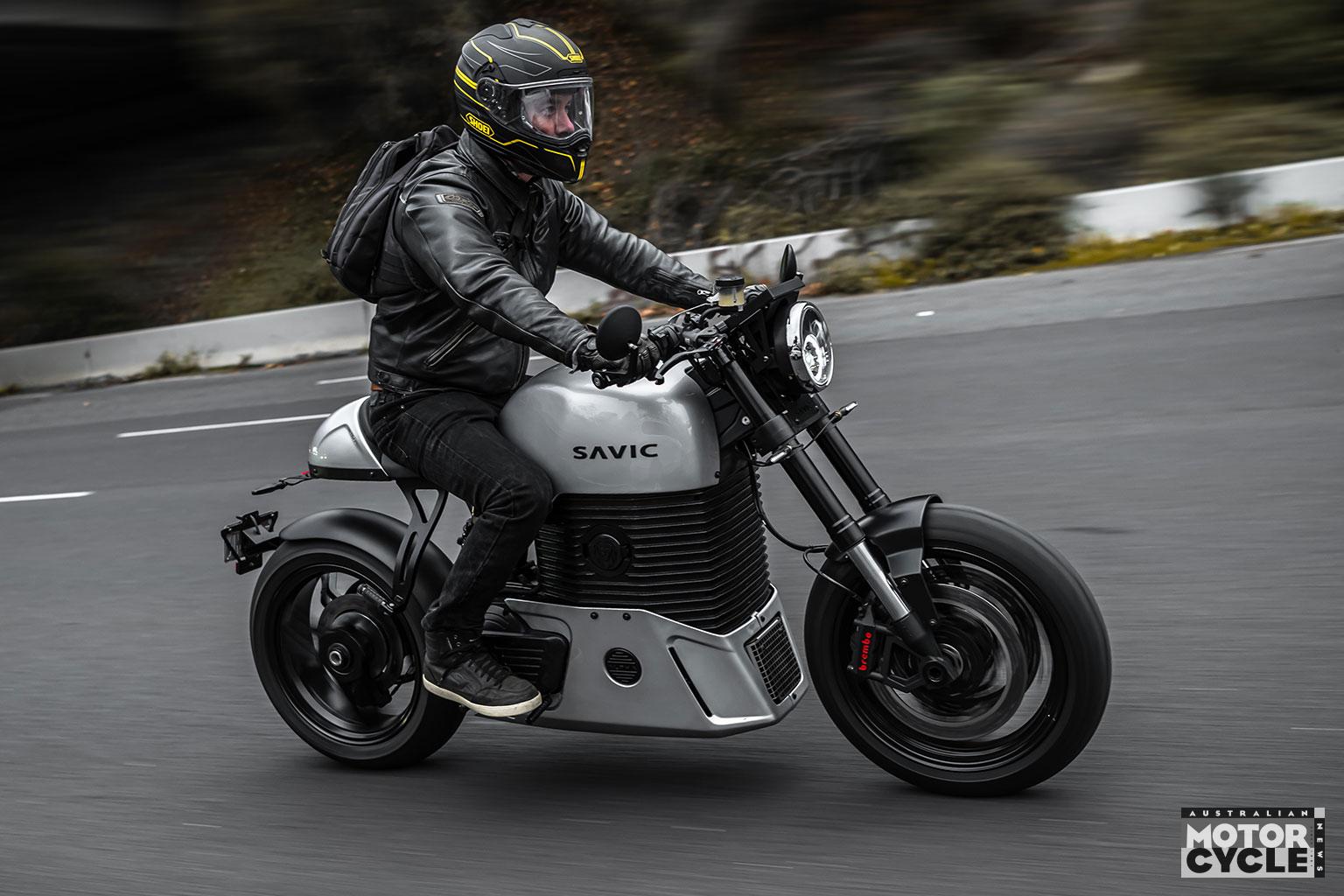
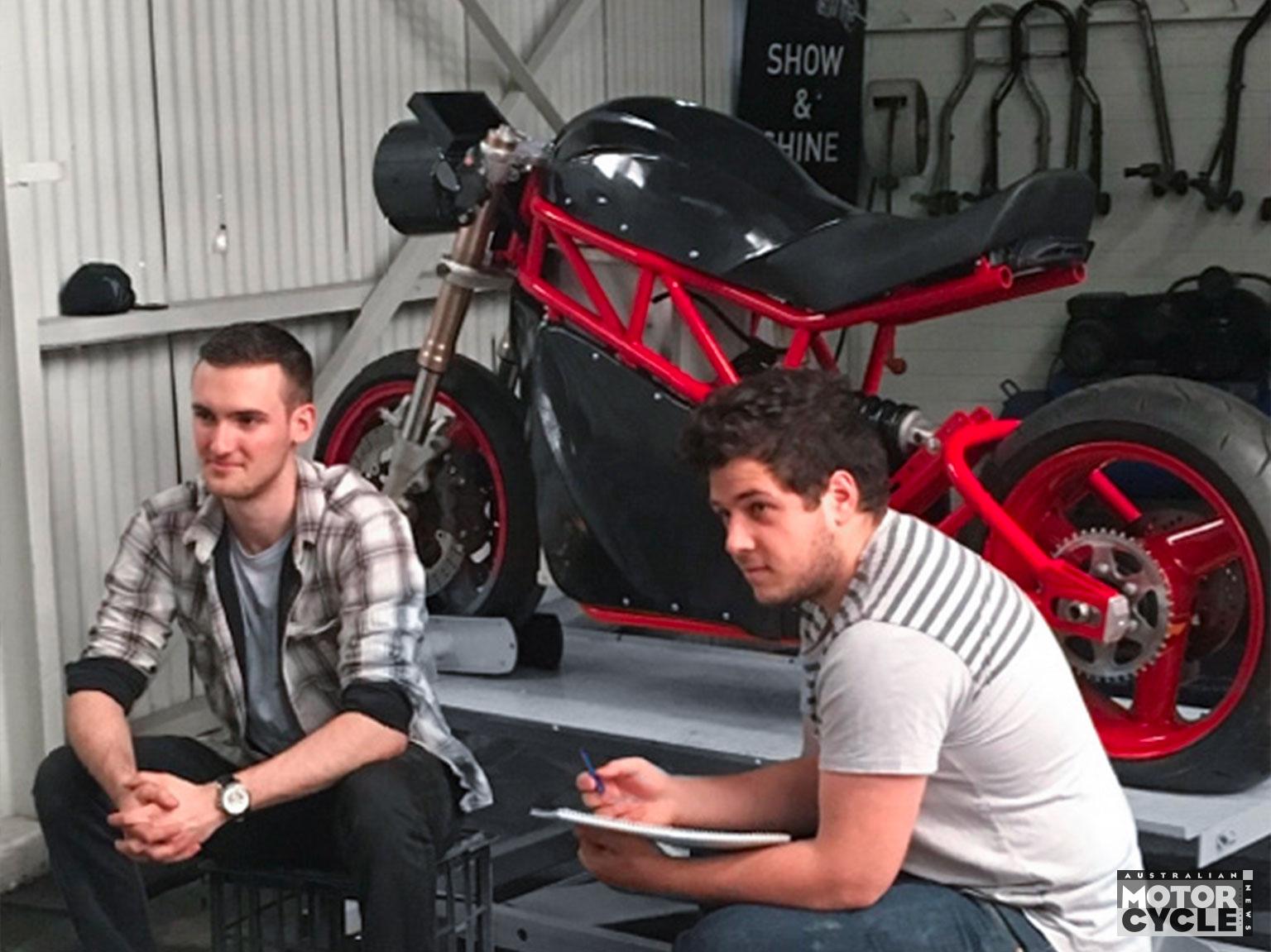
It’s rare to see a motorcycle attempting to change the rules, rarer still for one to be designed and built in Australia. Savic Motorcycles is the brainchild of Dennis Savic, a young engineer who, frustrated by traditional motorcycle design and inspired by the potential of electric mobility, decided to build something different. Teaming up with award-winning concept designer David Hendroff — a man who’s been sketching futuristic motorcycles since the 1980s — the C-Series took shape. Together they evolved the design through six major iterations, finally settling on a naked roadster aesthetic that shows off the core tech rather than hiding it.
THE TECH
While the quality of the C-Series finish is undeniable, its aesthetics haven’t been met with universal appreciation. In press images it can look a bit boxy, but the proportions make more sense in the metal, especially in carbon fibre bodywork that gives it a kind of sci-fi, road-warrior vibe. The looks are certainly distinctive and unlike anything else on the road, which to many is a virtue in and of itself. Buyers can also tailor the final spec to their precise tastes, with details such as finishes, seat trims and badge colours customisable via the online configurator.
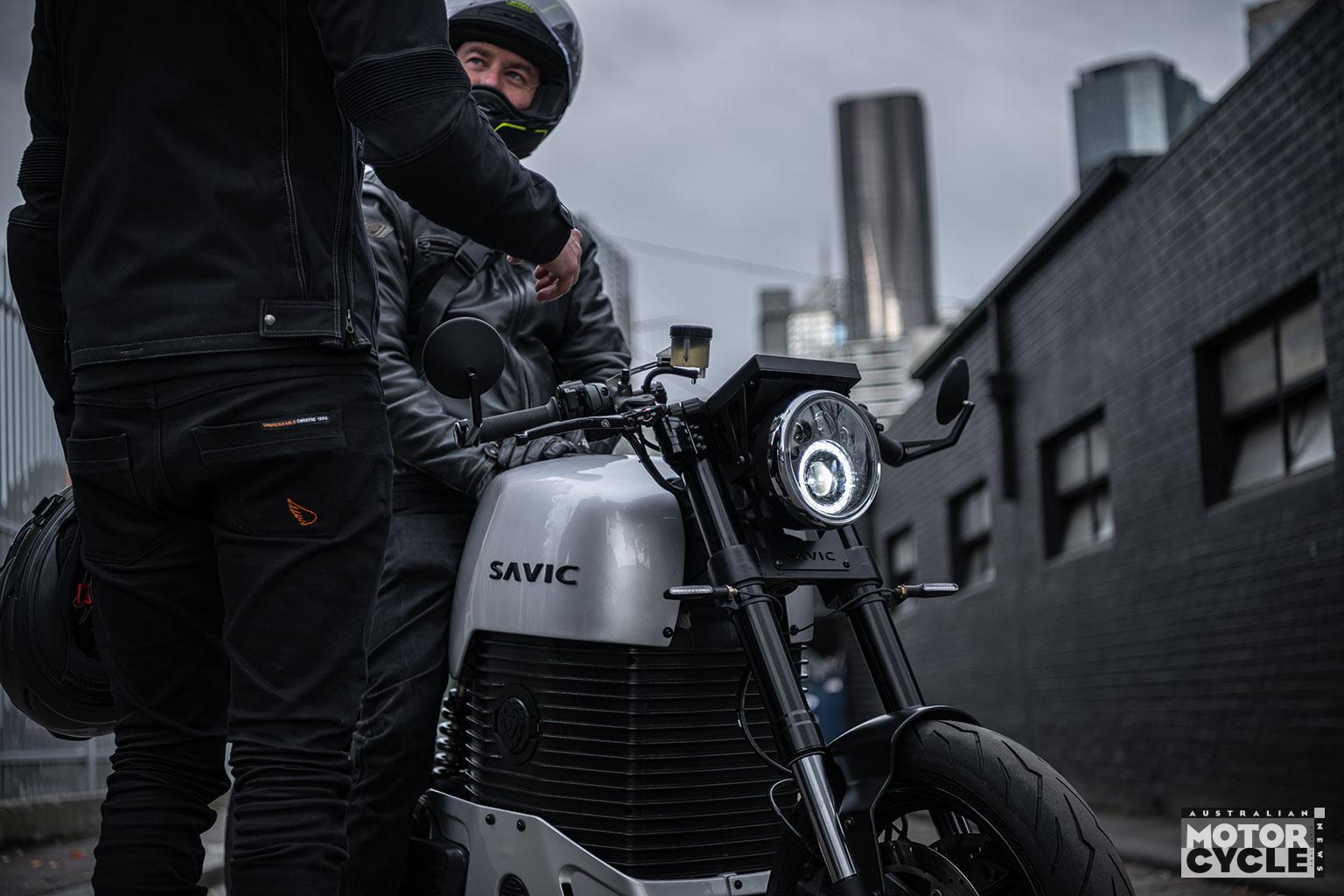
Underneath that unique shell is a serious piece of technology. The proudly-displayed battery has a capacity of 16.2 kWh, while the 3-phase AC motor delivers 60kW (around 80 hp) and a monstrous 200Nm of torque – a figure more commonly associated with four wheels than two. Shelf life shouldn’t be a concern either, with the battery designed to last approximately 150,000 km or 10 years before range starts to reduce. An 80% recharge takes 7 hours at home via a wall plug, or 4 hours via a 15-amp outlet. Fast DC charging was left off the menu due to extra weight it would have added to what is already a hefty 280 keg package.
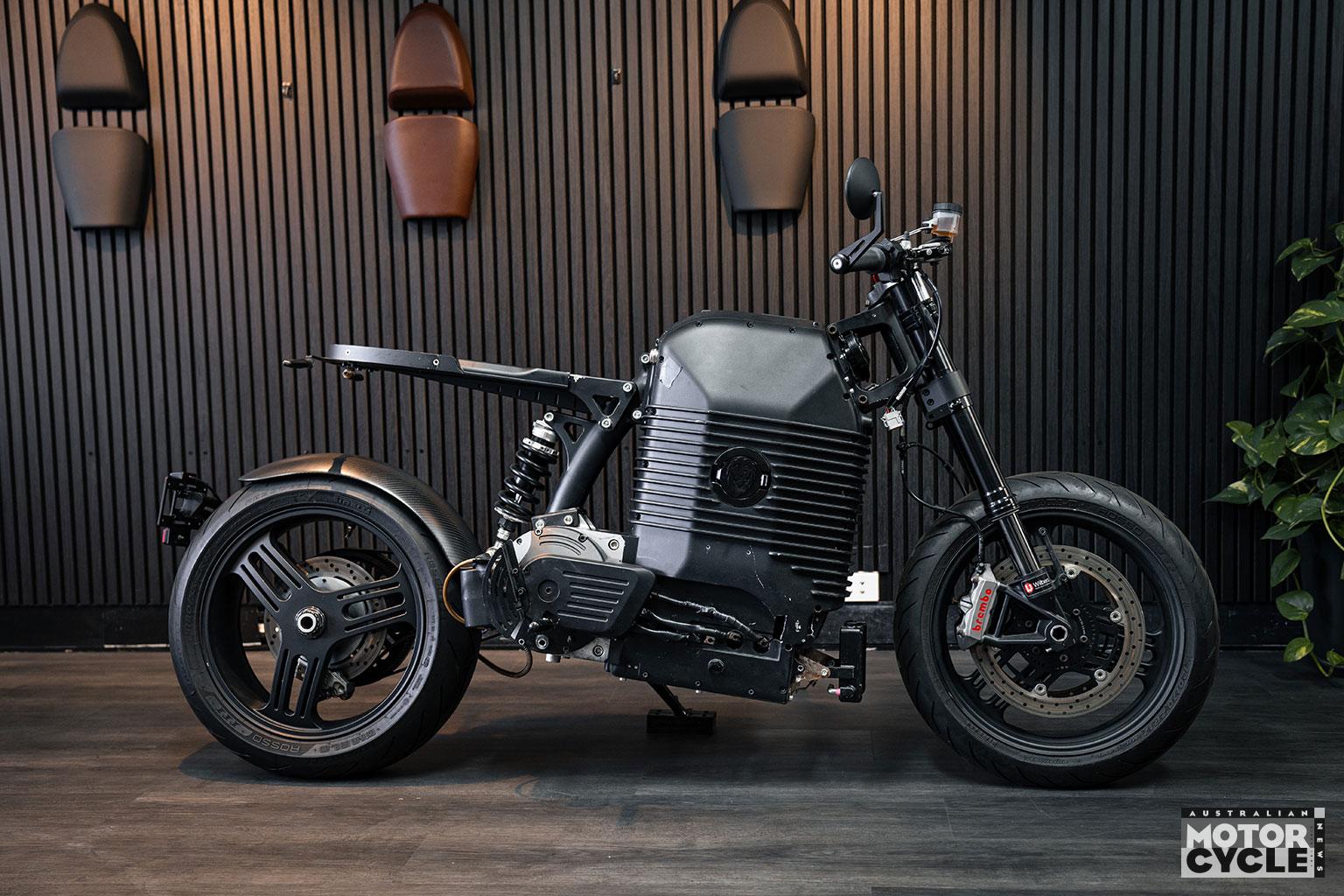
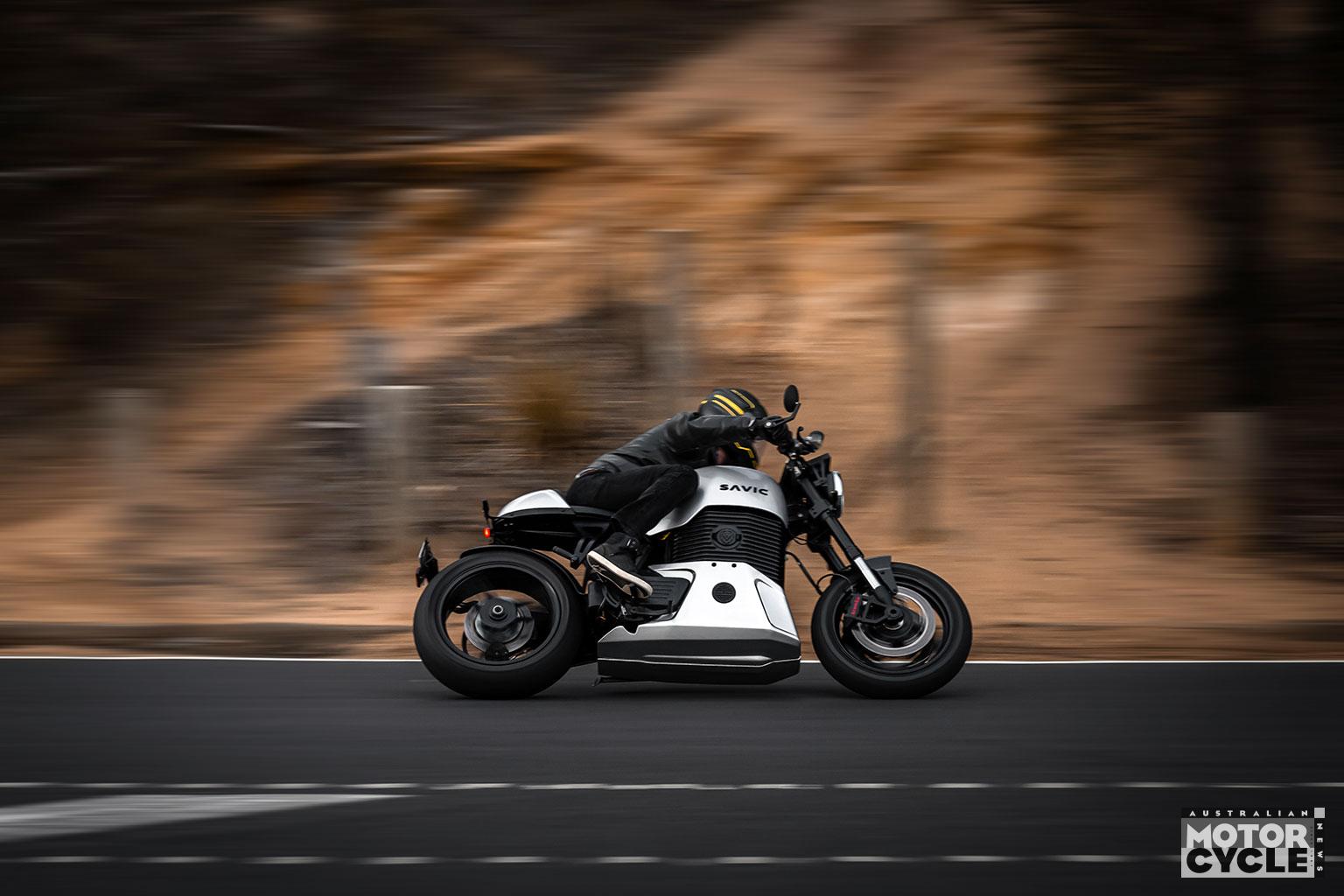
The battery connects to the C-Series’ cast-aluminium backbone as a fully stressed member, centralising mass and providing ample stiffness. Nestled beneath is the liquid-cooled, 3-phase AC motor powering an Opti-Belt drive — a virtually maintenance-free alternative to chains that delivers smooth, near-silent power to the rear wheel. The wheel itself features a bold, minimalist 3-spoke design supported by a sculptural single-sided swingarm, giving the C-Series a custom-looking stance straight from the factory.
Brembo brakes provide the stopping power, bolstered by ABS developed specifically by Bosch Australia. There’s also customisable regenerative braking to extend the range, generating torque opposite to rear‑wheel rotation as you slow. The ‘engine brake’ effect can be adjusted through 10 levels according to rider preference via the matte-finish 7-inch capacitive touchscreen.
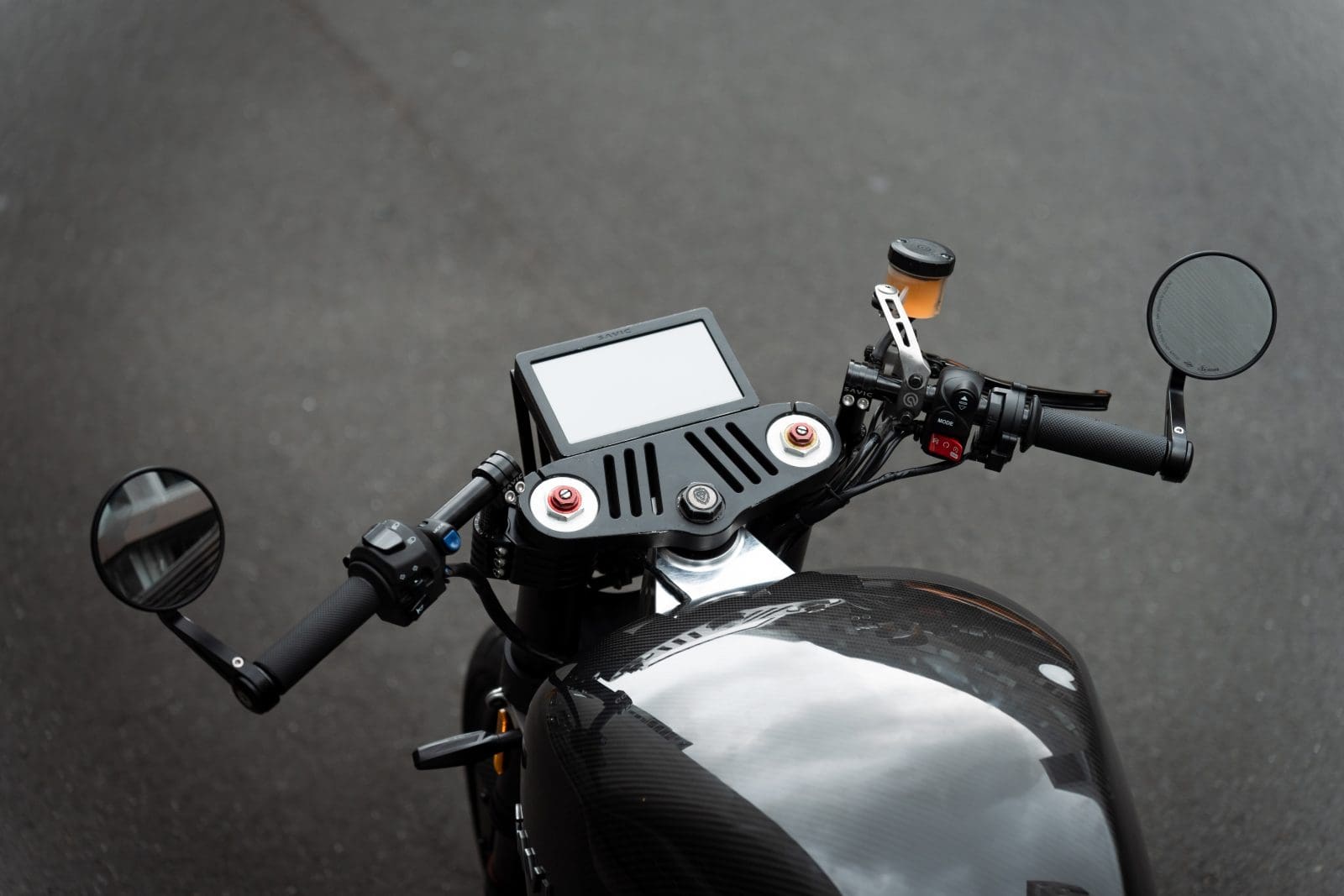
The digital dash also allows riders to tailor the display to suit their preferences, including layout themes and riding data. Savic plans to roll out additional display options and visual themes via over-the-air updates, ensuring the easy-to-use interface continues to evolve. Navigation is also built in.
Four integrated ride modes are available – Eco, Rain, Normal, and Sport, along with 3 modes that can be customised to rider preference. Eco mode dials down throttle response and maximises regenerative braking, making it ideal for city commuting where range efficiency is key, while Normal mode sacrifices a little frugality for more responsiveness. In Sport mode the full 200Nm is delivered to the rear tyre without preamble, propelling the C-Series to 100 km/h in just 3.5 seconds.
THE RIDE
A 280kg electric bike with a truckload of torque at zero rpm sounds excessive on paper, but the C-Series is actually very approachable, with the slightly forward-canted riding position providing plenty of legroom and the low, firm-ish 780mm seat allowing for plenty of leverage at a standstill. And they’re not outlandish figures for a machine packing this much grunt anyway. About the only other motorcycle with anything like this amount of torque on tap is the Triumph Rocket 3, which weighs about 40kg more.
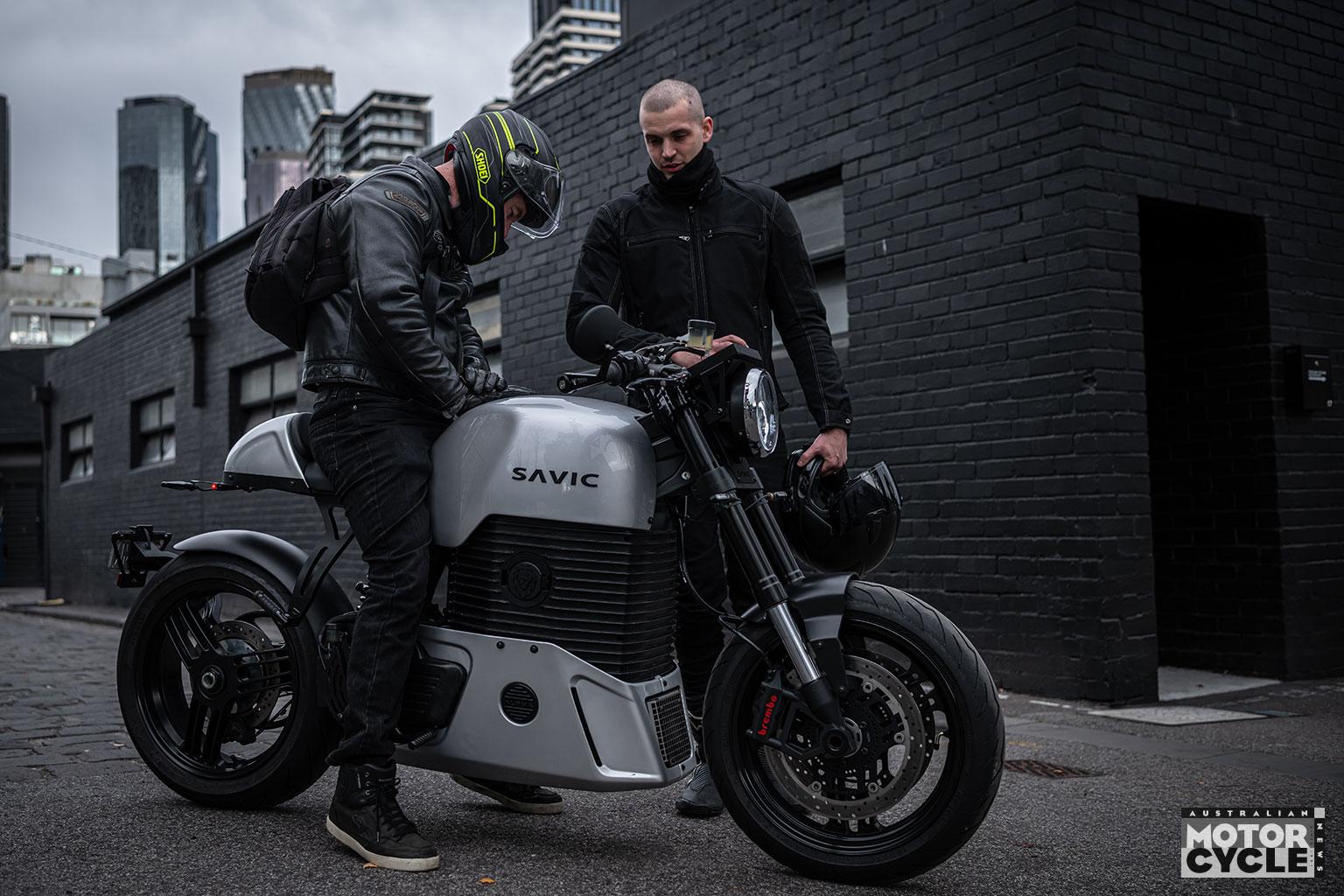
Tapping the throttle for the first time is met with easy, linear progress, and once you get used to the lack of engine noise it all feels very natural. The weight doesn’t completely melt away on the move with much of the battery mass unavoidably high in the chassis, but low-speed manoeuvring is still a cinch, and it even has a super-handy reversing function for parking and navigating tight spaces. Around town the C-Series does an admirable job of combining the twist-and-go utility of a scooter with the dynamics and performance of a full-sized power cruiser.
‘Eco’ mode does exactly what it says on the wrapper, feeling a little dull compared to Normal mode while eking out more distance, but I was keen to see how the big C responded with full power enabled. And it doesn’t disappoint. After scrolling through the modes via the handlebar toggle, Sport mode is selected but not enabled until you close and reopen the throttle, and when you do the difference is immediately obvious. The bike whooshes forward with urgent, clean thrust, with a throttle response that feels much more direct without being twitchy. But unlike a petrol engine, where the drama and speed rise with a crescendo of revs, the C-Series silently dishes up a big serve straight away, making it terrifically responsive in traffic. It really is the antithesis of internal combustion performance in so many ways, but no less rapid for it. The rolling acceleration is properly impressive, seeming to launch forward at the same rate no matter what speed you’re doing when you nail it. The pace is deceptive without the bike shouting at you – you just get 200Nm obediently delivered without lag or fuss… and without any great charisma it must be said. I wouldn’t mind a little more volume, even if it’s an amplified electric hum of some sort, but the 3-phase PMAC motor is whisper quiet, with just a subtle ‘vmmm’ audible before the road nose drowns out even that faint note. The lack of a soundtrack doesn’t prevent it being able to keep up with sportsbikes up to 100 km/h though, and you can feel the excellent rear Pirelli squirming as it transfers all that turning force to the tarmac.
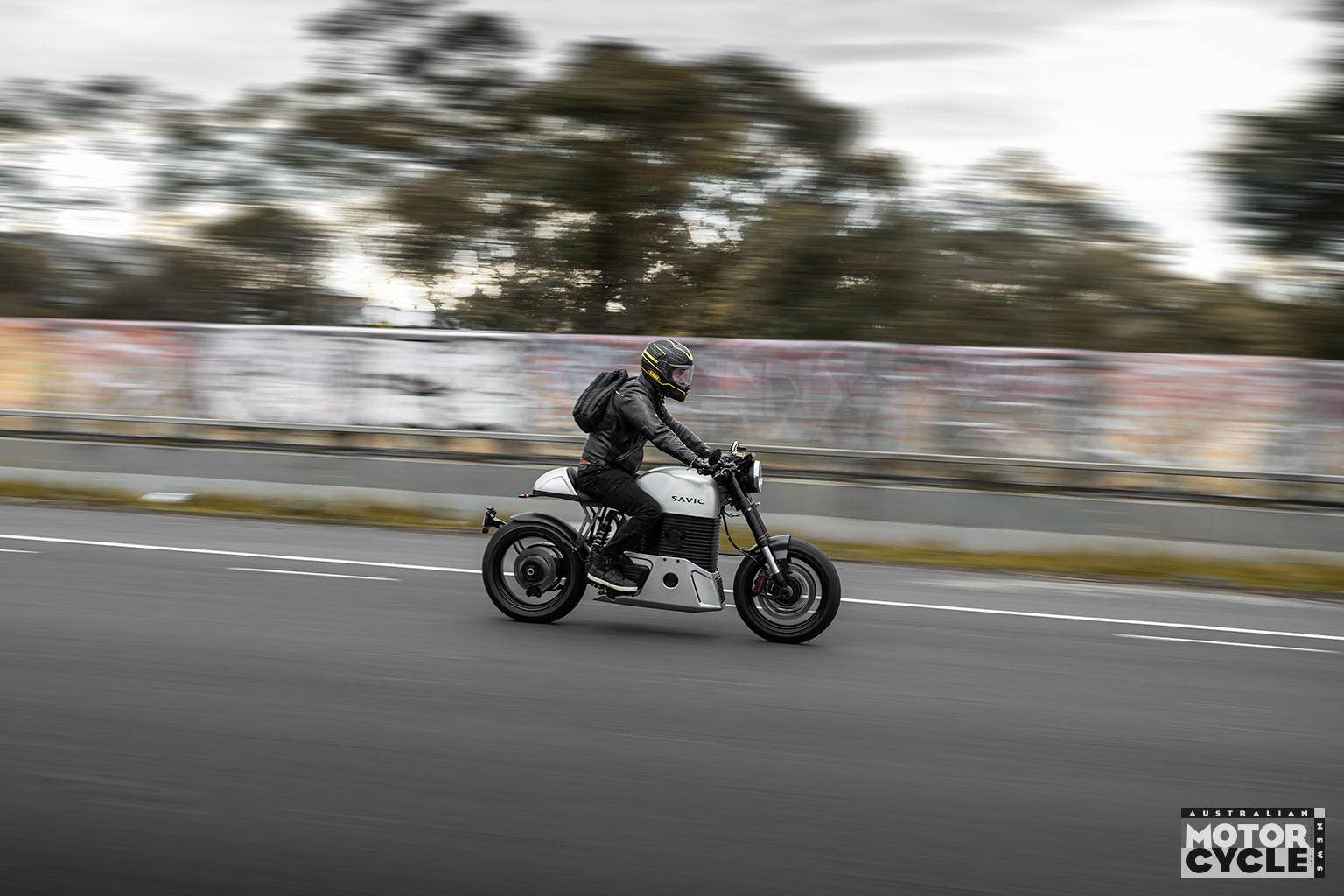
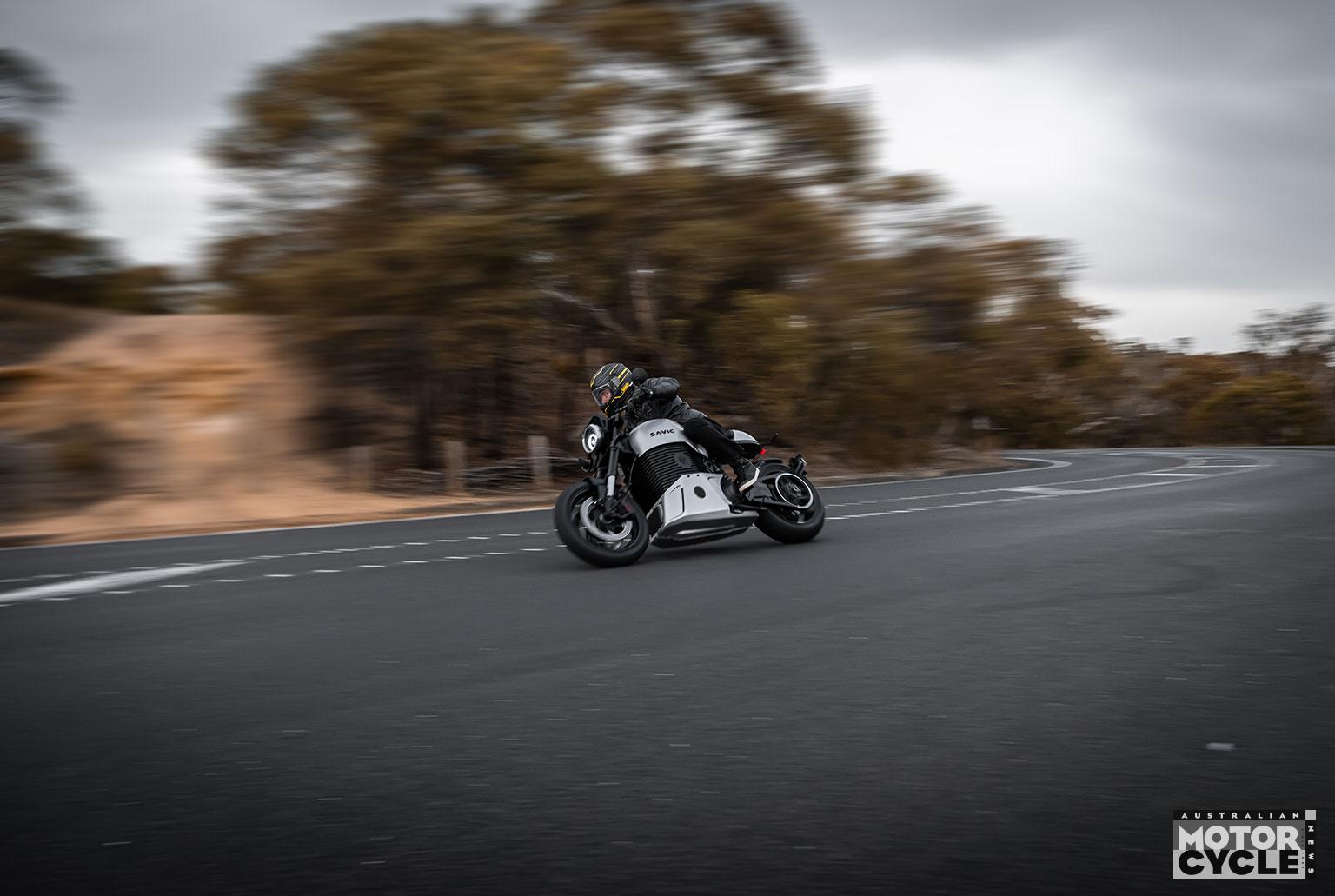
The beefy, non-adjustable forks at the front and preload-adjustable shock at the rear were developed in-house under the guidance of Aussie racer Jed Metcher, and they do a solid job of keeping the C-Series settled despite the bulky battery. You get the impression the forks and shock need to be sprung reasonably heavily to ensure the mass doesn’t oscillate over bumps, providing a reassuringly firm feel that’s entirely in keeping with the café racer genre. You can hustle the chassis confidently enough through a set of bends, but there isn’t a level of feedback from either end that will have you harrying sportsbikes in the hills. In terms of weight and torque it’s more like a big power cruiser, rewarding a slow-in, fast-out cornering approach to maximise all those newton-metres.
While you wouldn’t describe it as scalpel-like on a twisty road, the Savic feels utterly at home in urban settings, where it never failed to elicit double-takes from passers-by as they witness you ghost past with only the whisper of disturbed air to proclaim your passing. Indeed, I was surprised just how much attention the stealthy Savic received on our ride around Melbourne. People were genuinely enthused to see the Aussie-made machine pull up noiselessly near them and I’ve never been met with so much curiosity and positivity on a motorcycle of any sort. It was also refreshing to be able to pull up next to my riding partner and have a normal conversation, instead of bellowing like a lunatic over the engine noise and nodding stupidly while pretending to understand the reply.
THE VERDICT
So, to the bottom line – does the Savic C-Series stack up compared to petrol counterparts? Well, first off, I disagree with those who say electrical propulsion makes a motorcycle inherently boring or appliance-like. The thing is quick and cool, and while the lack of an evocative mechanical roar might not provide as much emotional connection, there’s a symbiosis of rider and machine required to gracefully arc through a corner on any motorbike, experiencing the elements as you power down the road, that doesn’t rely on aural histrionics to be plain good fun. And in bringing proper power, sophistication and range to the table, the C-Series is absolutely a viable alternative to a gas-guzzler.
For city commutes, suburban carving, and some weekend fun, it’s spot-on. The riding experience is satisfying in a totally new way, and there’s something very cool about pulling silently into a parking spot on a locally engineered machine. The measure of how modern it feels is apparent when you jump back on a conventional petrol-burner after a few hours in the C-Series saddle, and all of a sudden the clutch, gears, and engine rattle feel a tad quaint.
I do wish it cost a bit less but assembling, engineering, certifying, and marketing a motorcycle from scratch in Australia wouldn’t be easy and, in some ways, it’s staggering that Savic have managed such a low price for the C-Series.
It also has an obvious ace up its electric sleeve when it comes to ongoing fuel and maintenance costs. The main service items are occasional fork and brake fluid changes, a drive belt swap every 48,000 km and head bearing checks. No valve clearances, oil changes, clutch plates or chain to worry about, and, if you have solar power, you can ride along with the smug satisfaction of knowing you’re benefiting the environment as well as your hip pocket. Whether the C-Series is your cup of electricit-tea or not, Savic is to be applauded for pushing boundaries. The C-Series is definitely worth a test ride if you’re in the market for a premium commuter.
✅ PROS – Distinctive, cool, quick, supremely simple to use, more than adequate range for an urban commuter and you’ll never have to visit a servo again
❌ CONS – Lacks some charisma, no rapid charging, no traction control at the time of writing
SPECIFICATIONS
MOTOR
Type SM1 3-phase AC IPM
Peak Power 60kW (80hp)
Peak Torque 200Nm
Cooling Liquid for motor, cold plates for inverter, charger, and AC/DC converter
Transmission Clutchless direct drive with Reverse Mode for slow-speed manoeuvring and parking
Final Drive Optibelt Delta with carbon cord (8mm pitch, 36mm width)
POWER SYSTEM
Battery Li-Ion
Capacity 16.2kWh
Charging Level 1 1.8kW/8A from wall
Charging Level 2 3.3kW/15A from wall or Level 2 public AC EV
Charge time 4 hrs to 80 per cent at 3.3kW, 7 hours to 80 per cent at 1.8kW (DC fast charge not compatible)
PERFORMANCE
Top Speed 180km/h-plus
Acceleration 3.5sec 0–100km/h
Combined range (city and highway) 200km-plus
ELECTRONICS
Regenerative braking Deceleration and braking (both customisable)
Rider aids ABS, regenerative braking
Ride modes Normal, Sport, Eco and Rain pre-programmed and three customisable options
Screen 7in touchscreen
Connectivity Built-in cloud connectivity allows for system updates and security location as well as keyless smart phone ignition activation
CHASSIS
Frame Cast-aluminium backbone with 144V battery pack incorporated as structural member
Swingarm Cast-aluminium single-sided
Wheelbase 1440mm
Rake 24°
Trail 103.5mm
Lean angle 40°
SUSPENSION
Front Savic-developed telescopic fork, 160mm travel
Rear Savic-developed monoshock, adjustable preload, 49mm travel
WHEELS & BRAKES
Wheels Cast aluminium, three-spoke
Front 17 x 3.5in
Rear 17 x 5.5in
Tyres Pirelli Diablo Rosso III
Front R5 120/70ZR17
Rear 180/55ZR17
Brakes
Front Dual 4-piston Brembo M4 Monoblock, twin 320mm discs
Rear 2-piston Brembo, 260mm disc
DIMENSIONS
Weight 280kg (Kerb)
Seat Height 780mm
SERVICE AND WARRANTY
First service 1000km
Minor 12,000km
Major 24,000km
Warranty Two years (components other than Energy Storage System)
Battery warranty 5 years (Energy Storage System)
BUSINESS END
Price from $29,990 plus ORC
Colour Options Carbon Fibre, Atomic Silver, Dark Matter Black, or the owner’s personal CONTACT
Contact savicmotorcycles.com