AMCN joined Honda on the Gold Coast to find out whether its latest E-Clutch system is a clever convenience, an answer to a question nobody asked, or something riders might actually want…
I knew I could drop the NX500 into gear and pull away without touching the clutch lever. We’d been fully briefed on it the night before and I understood exactly what the system was supposed to do. Doing it for real still felt like a leap of faith.Working through morning Gold Coast traffic, I had to make a conscious effort to leave the clutch lever alone. Years of muscle memory kept telling my left hand to get involved, particularly every time we slowed to a stop. But it didn’t take long before doing nothing started to feel natural.
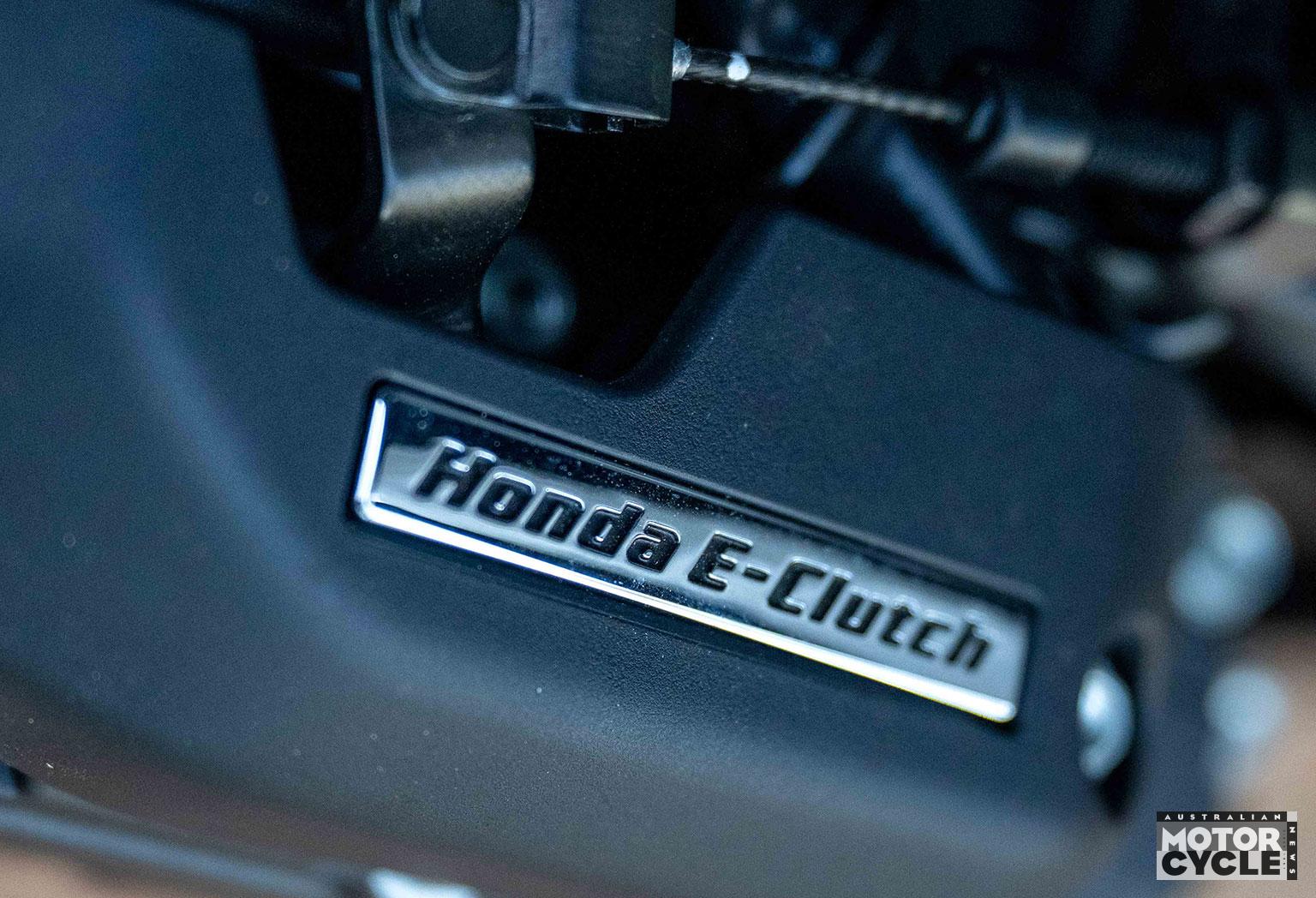
That, ultimately, was what Honda had brought us here to discover. For 2026, its E-Clutch has spread to three more models: the NX500, CB750 Hornet and XL750 Transalp. We had a full day and a 380km loop to try all three, taking in plenty of quiet, twisty backroads, traffic and some gravel.
It was clear from the briefing the night before that this was an important launch for Honda. Seven staff turned up, all genuinely fired up about the technology and curious about what we’d make of it once we were out riding and testing it.
And the question hanging over the whole exercise was pretty simple: would we actually want it?
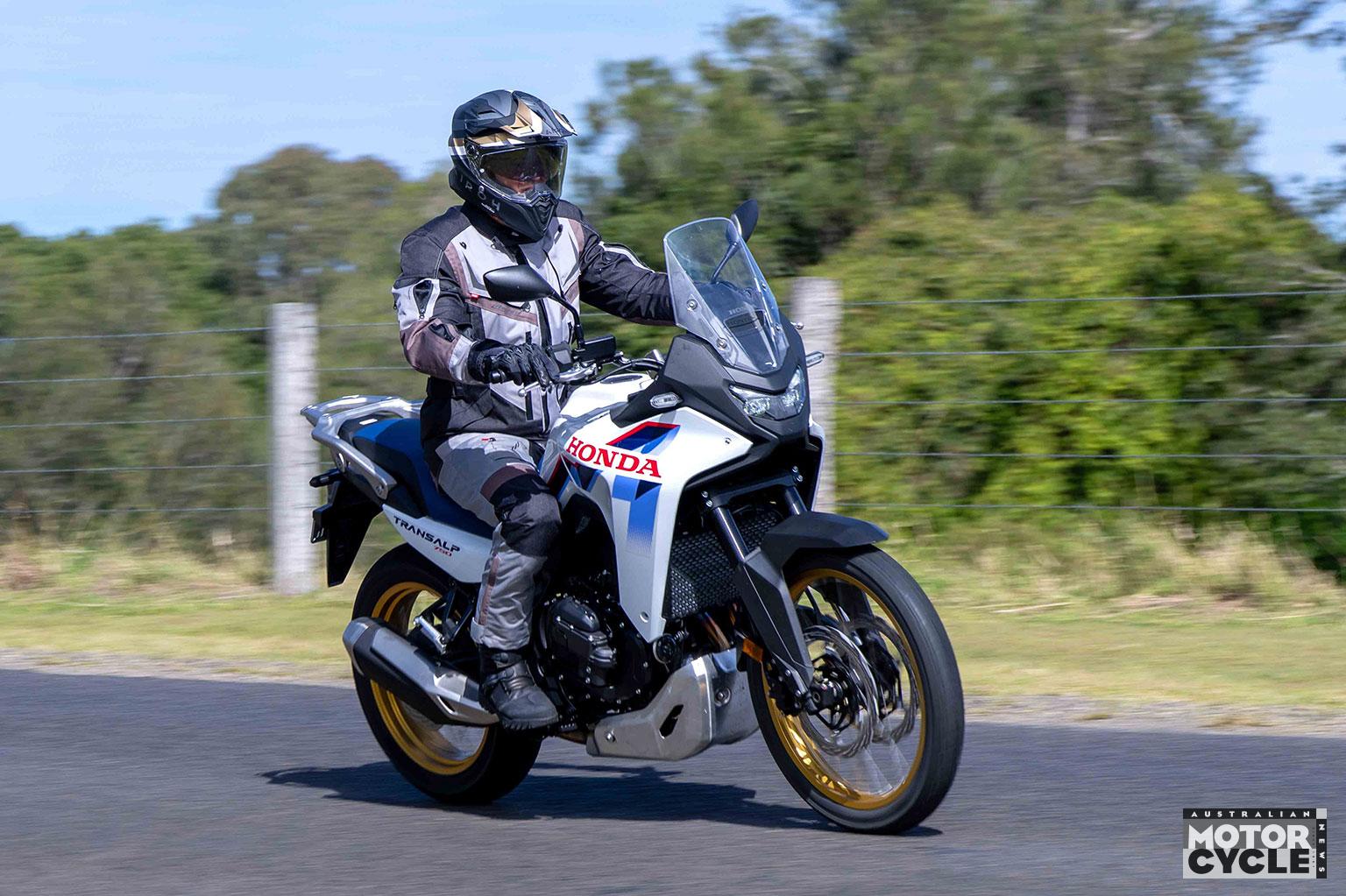
WHAT E-CLUTCH ACTUALLY IS
For anyone who’s missed the earlier rollout, E-Clutch isn’t a CVT and it isn’t a DCT-style dual-clutch gearbox. The conventional six-speed gearbox, foot shifter and clutch lever are all still there in place.
What’s new is a pair of small actuators handling the clutch modulation for you – engaging smoothly from a standstill, slipping through the gears as you shift with your toe and taking care of things again on the way down. Pull the lever yourself and it’s a normal manual clutch; leave it alone and the bike’s control units do the work.
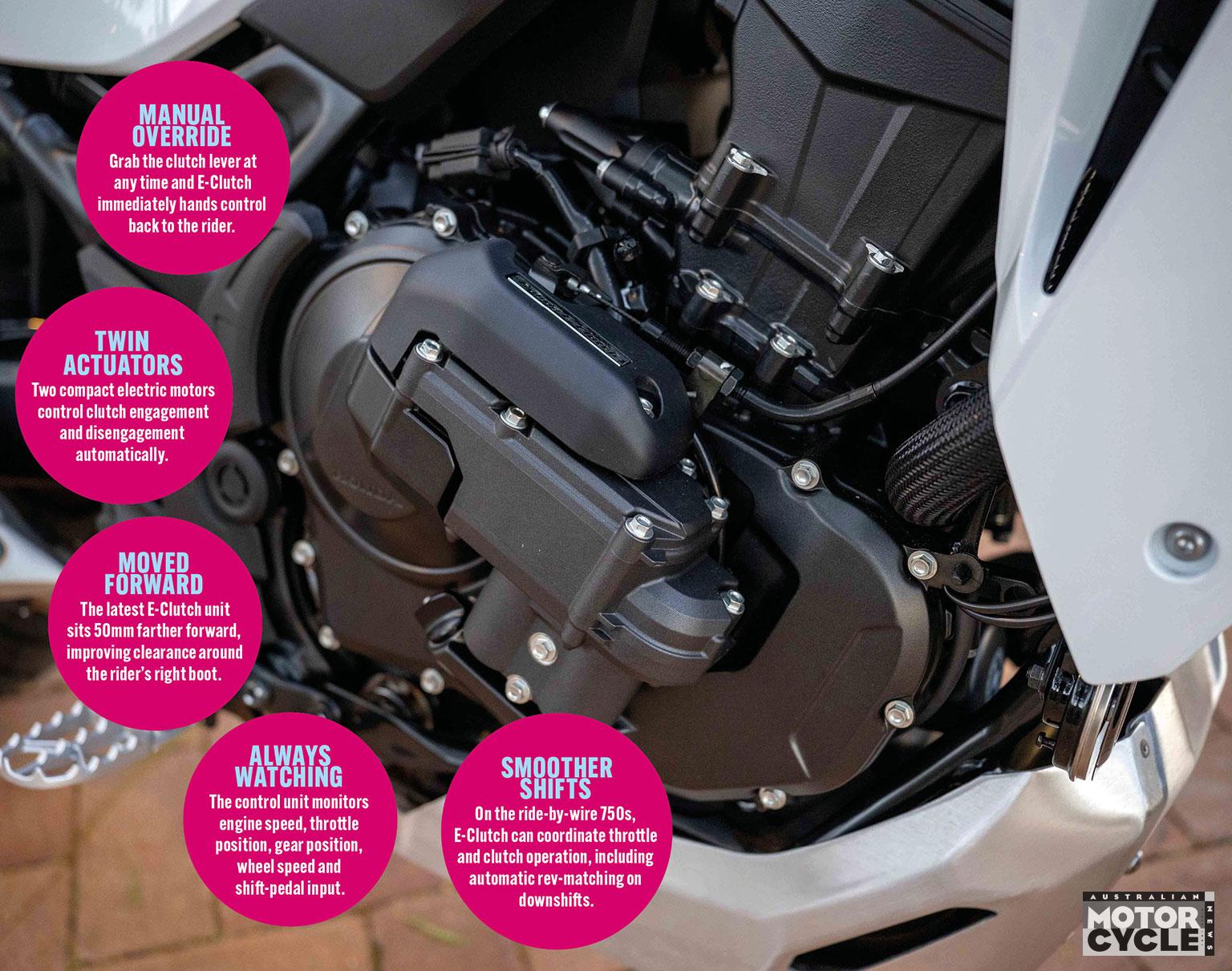
Under the skin, two small motors handle the actual clutch actuation, taking their orders from a dedicated control unit that’s constantly being fed information from the bike, including throttle position, engine revs, gear position, wheel speed and pressure on the shift pedal. The system is constantly correcting itself in real time to make the whole process feel as natural as possible.
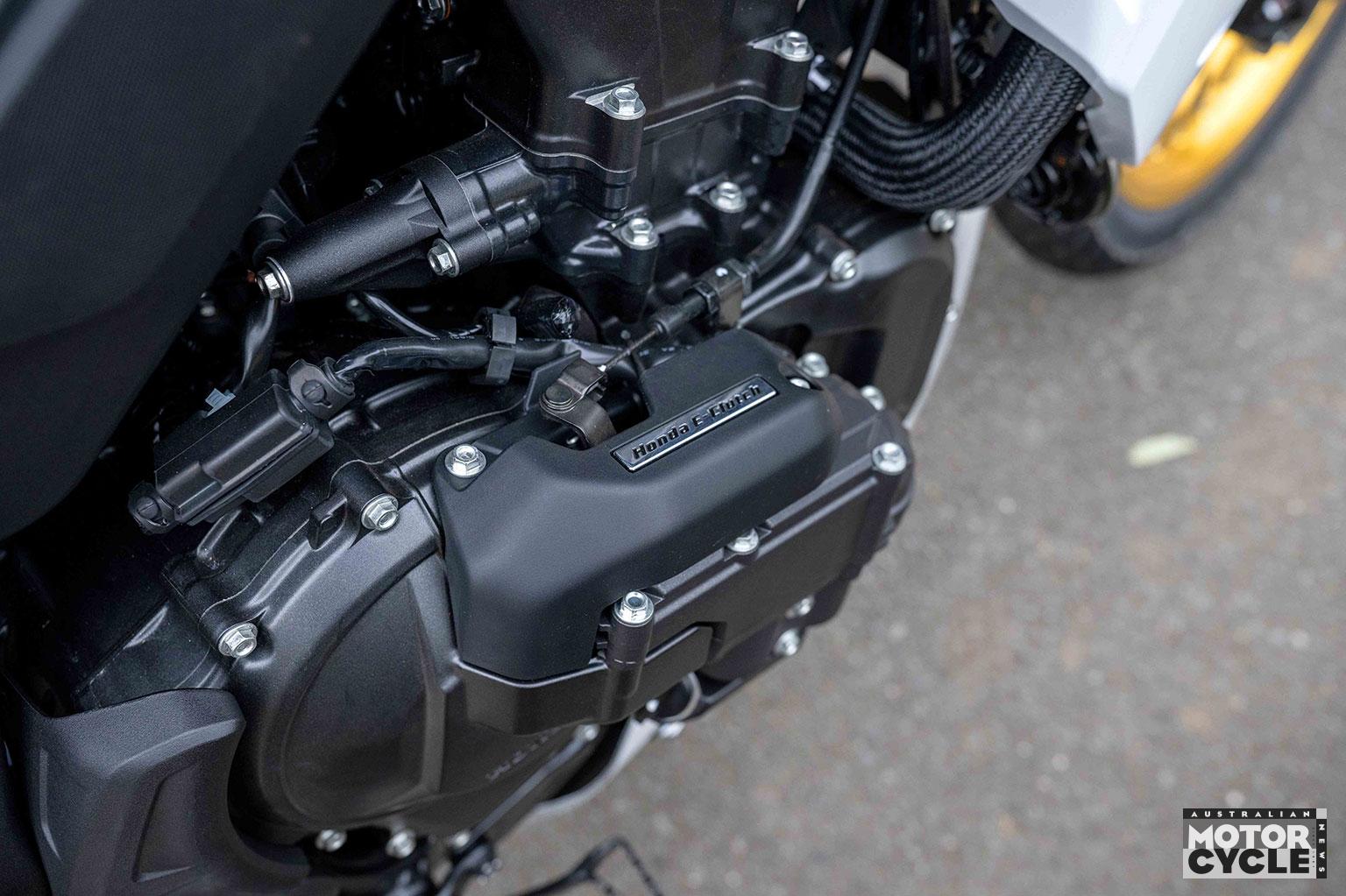
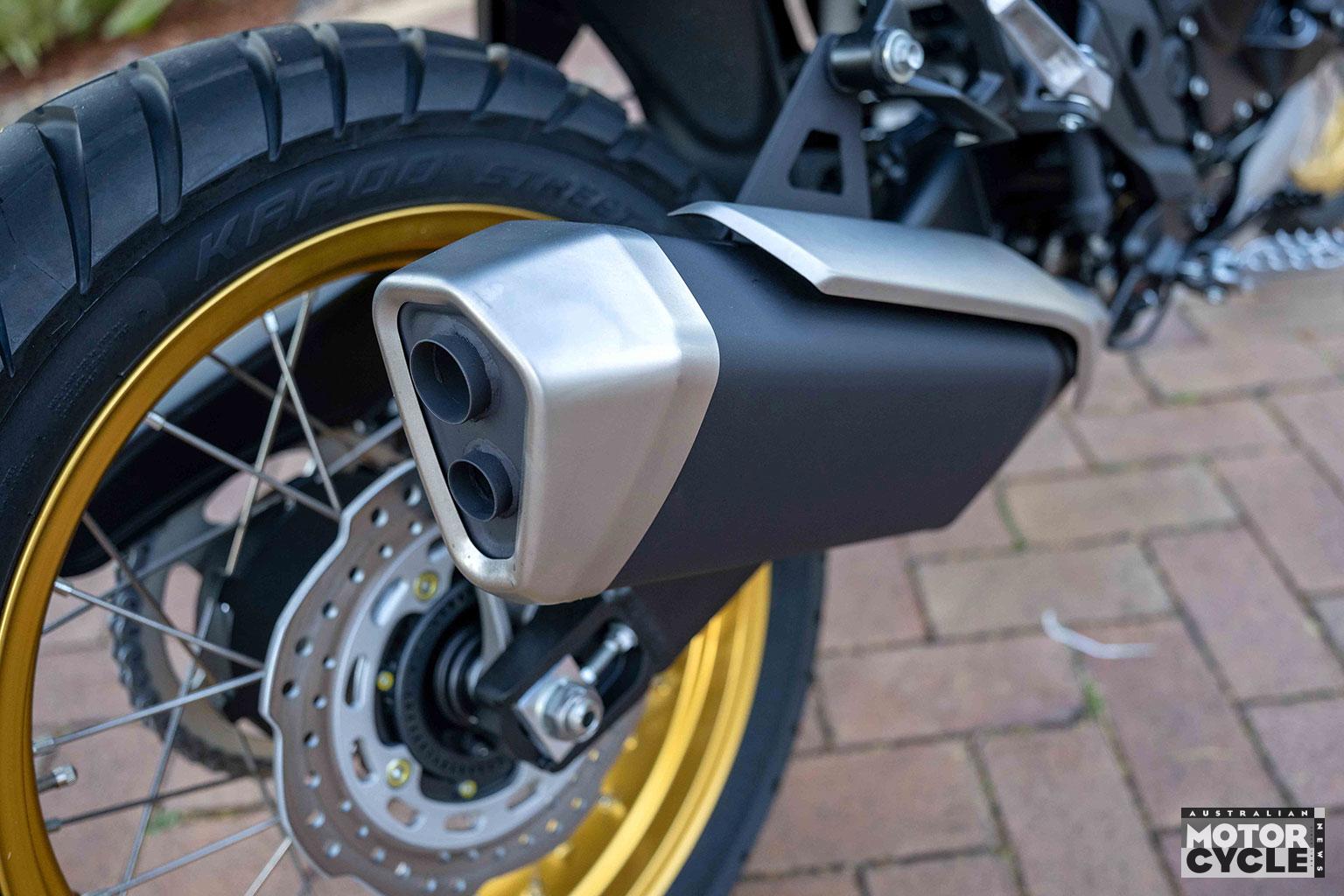
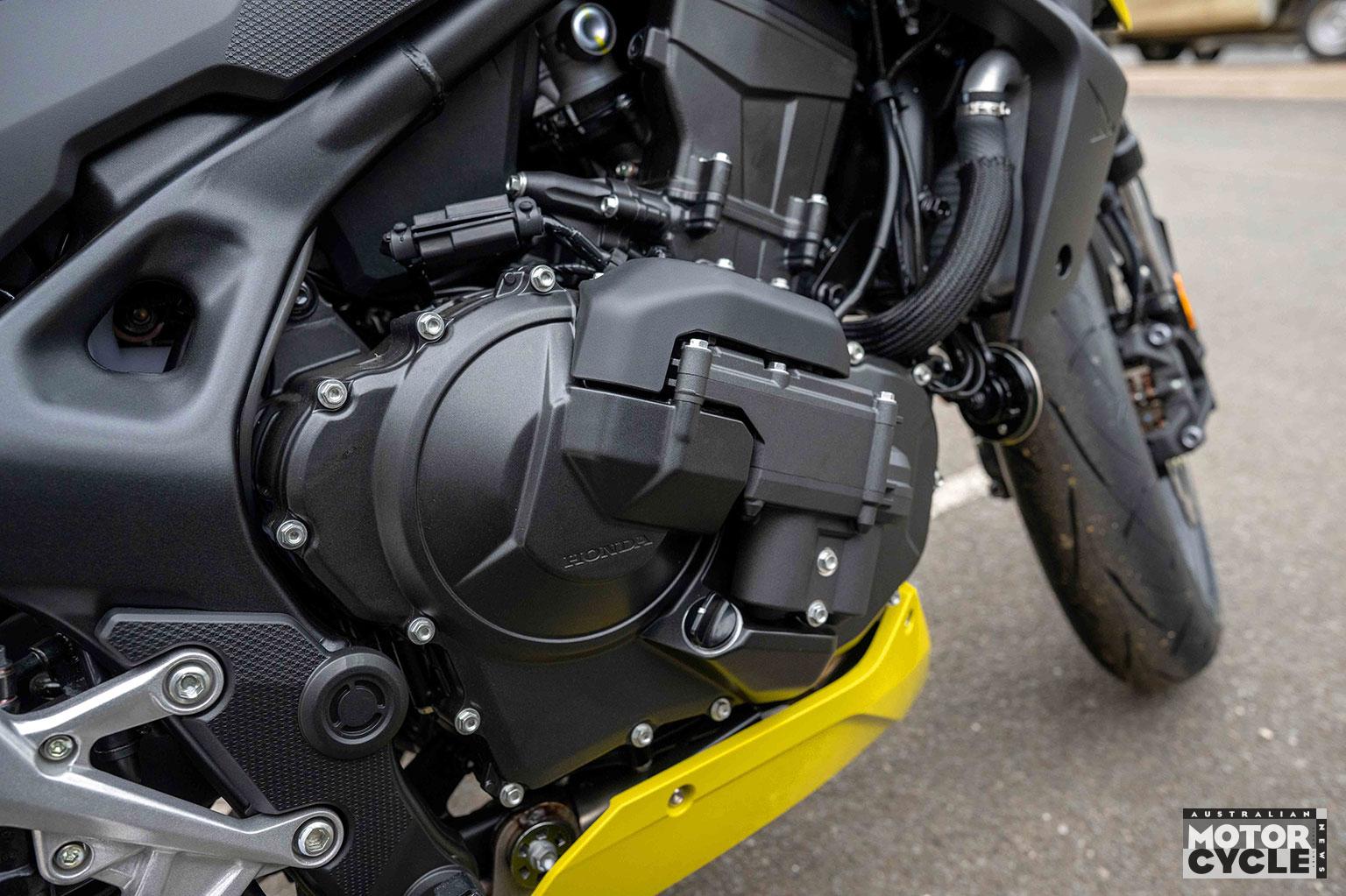
Externally, the E-Clutch hardware mounts to the right of the engine case, and on this latest version it’s shifted 50mm farther forward, out of the way of your right boot.
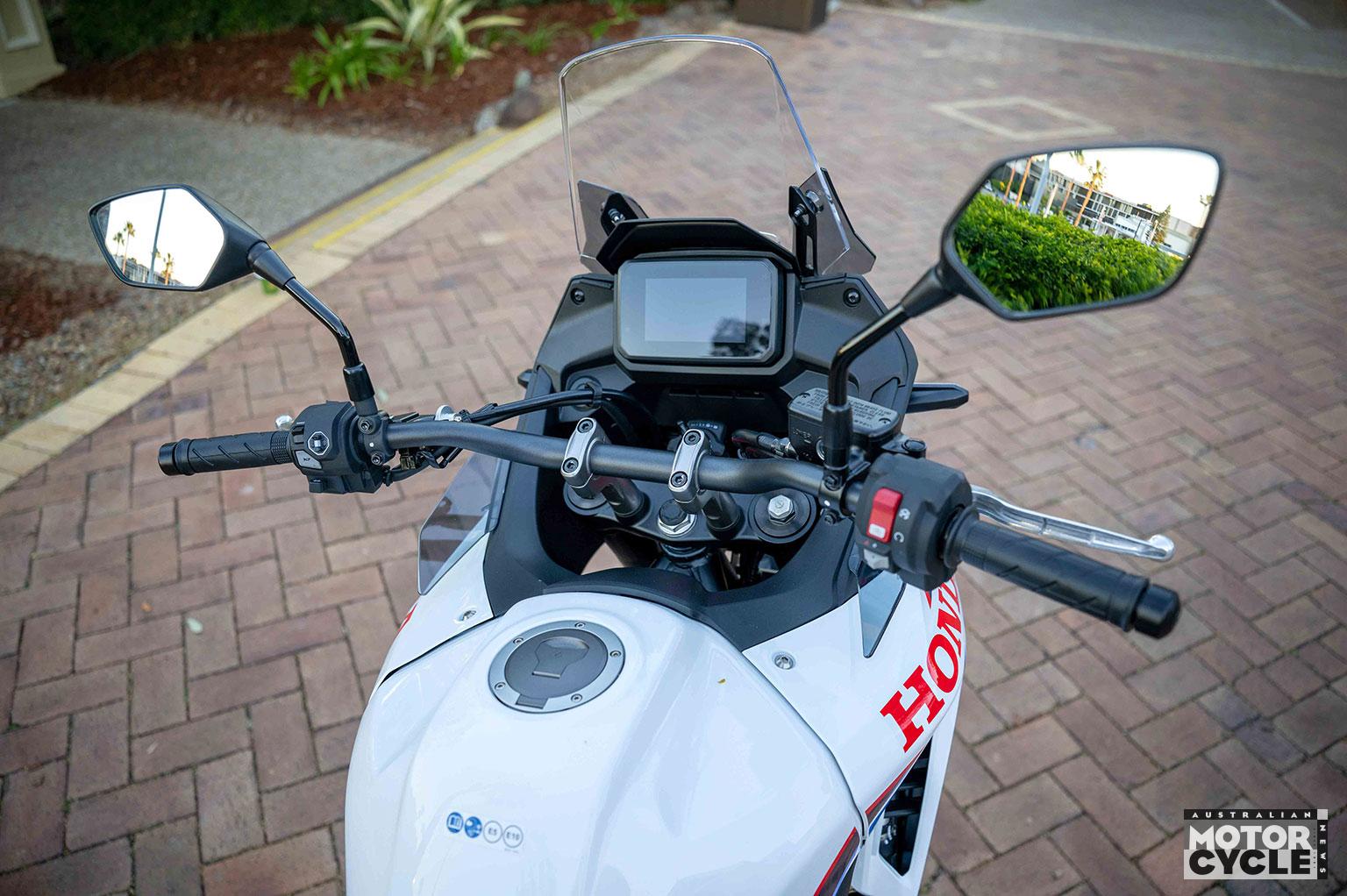
Finished in black to match the engine casing, it blends nicely into the lines of the engine.
The other important difference is that only the two 750s get throttle-by-wire alongside E-Clutch. That combination lets the bike automatically blip the throttle on downshifts so the revs match the next gear, as well as shape how the power comes on according to how much throttle you’re using.
In practice, that means smoother downshifts and pull-aways and, combined with the traction control, even an aggressive getaway is tidied up nicely. The NX500 gets the same clutch actuation, just without that extra layer of throttle smarts behind it.
LEARNING TO LET GO
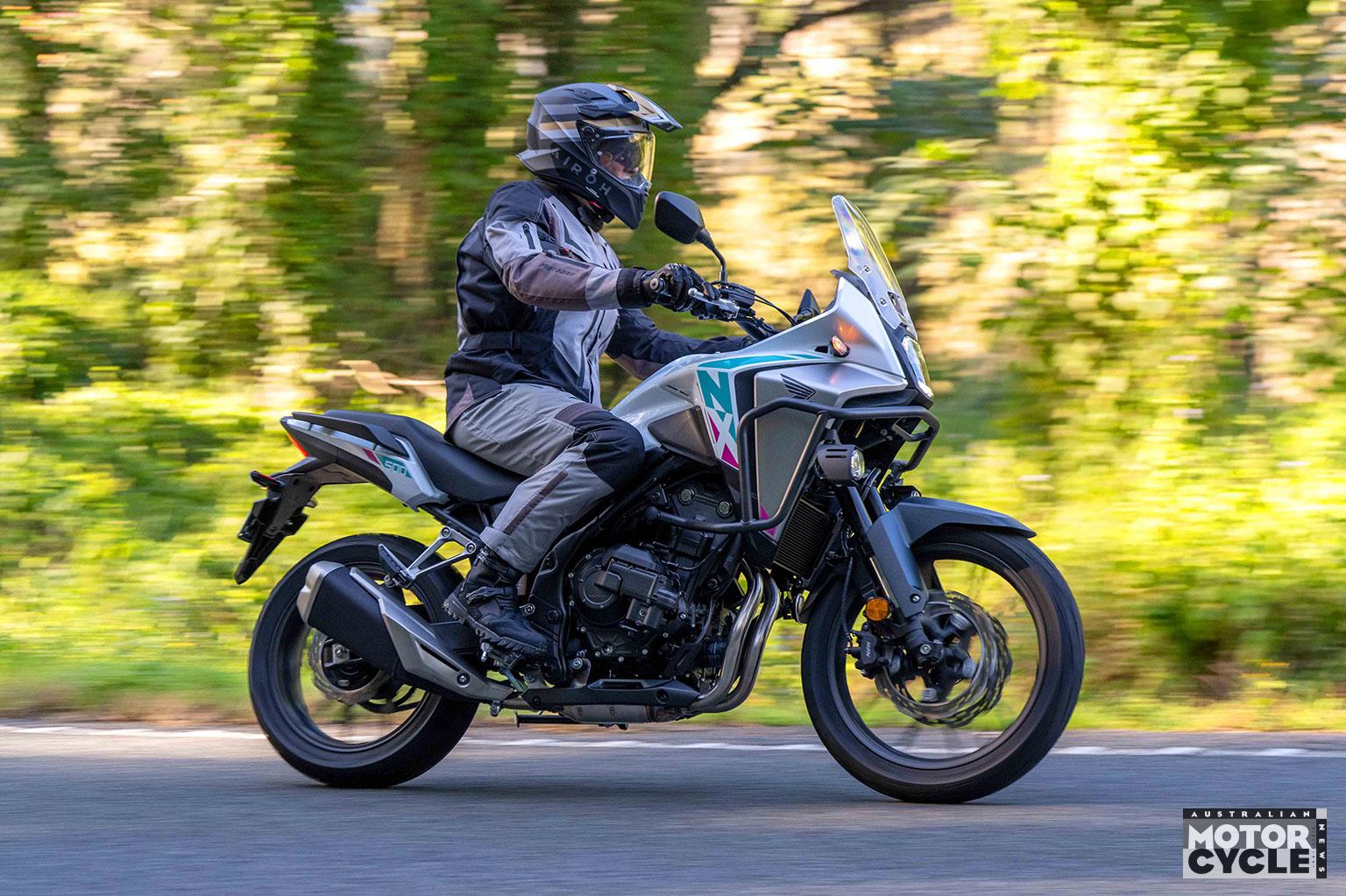
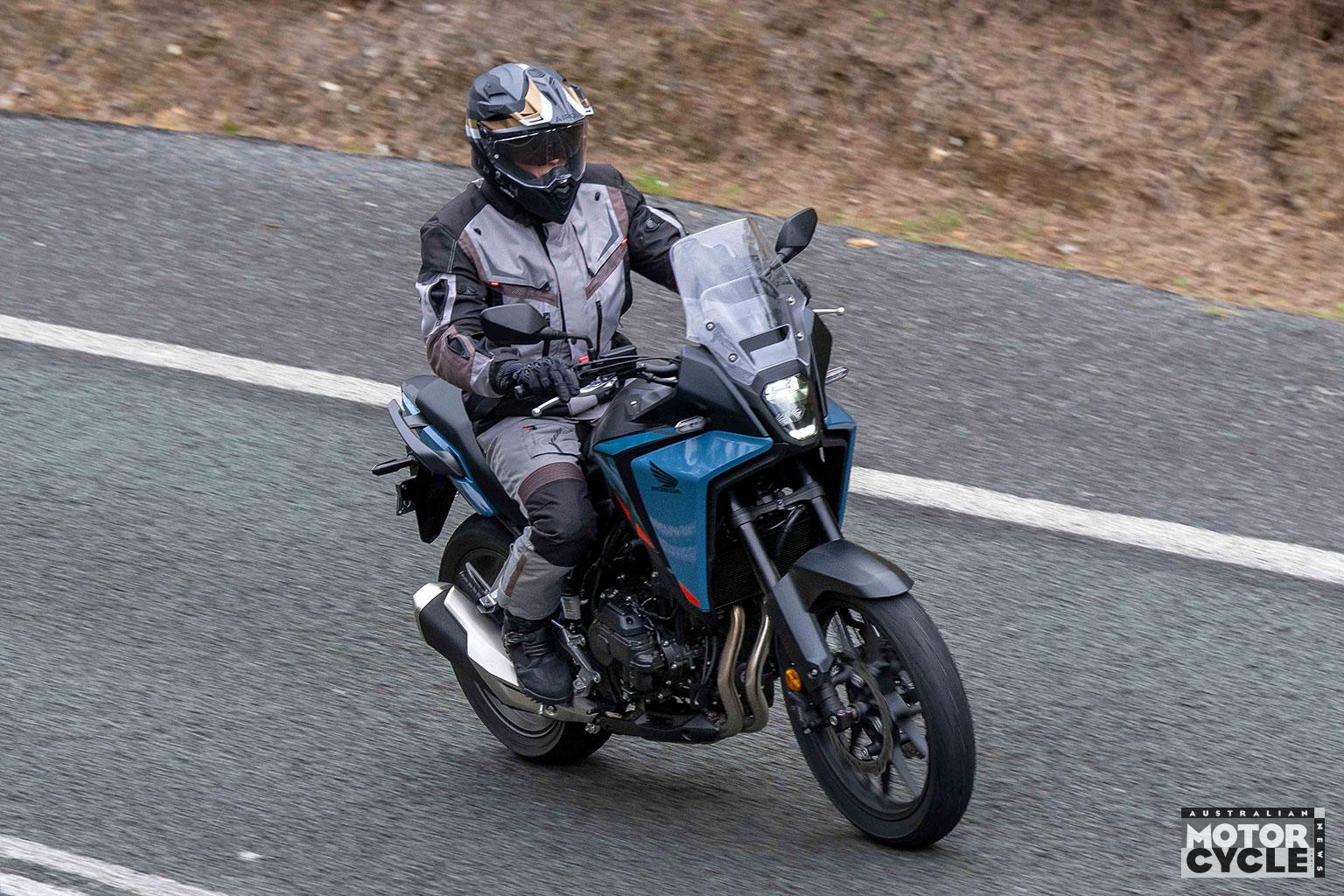
We were up early to beat the traffic and were greeted by a clear, crisp Gold Coast morning. I started the day on the NX500, which turned out to be a good place to get acquainted with E-Clutch. Once I’d overcome that initial urge to reach for the lever, working through traffic became remarkably easy and, once you’re rolling, the system operates much like a normal quickshifter.
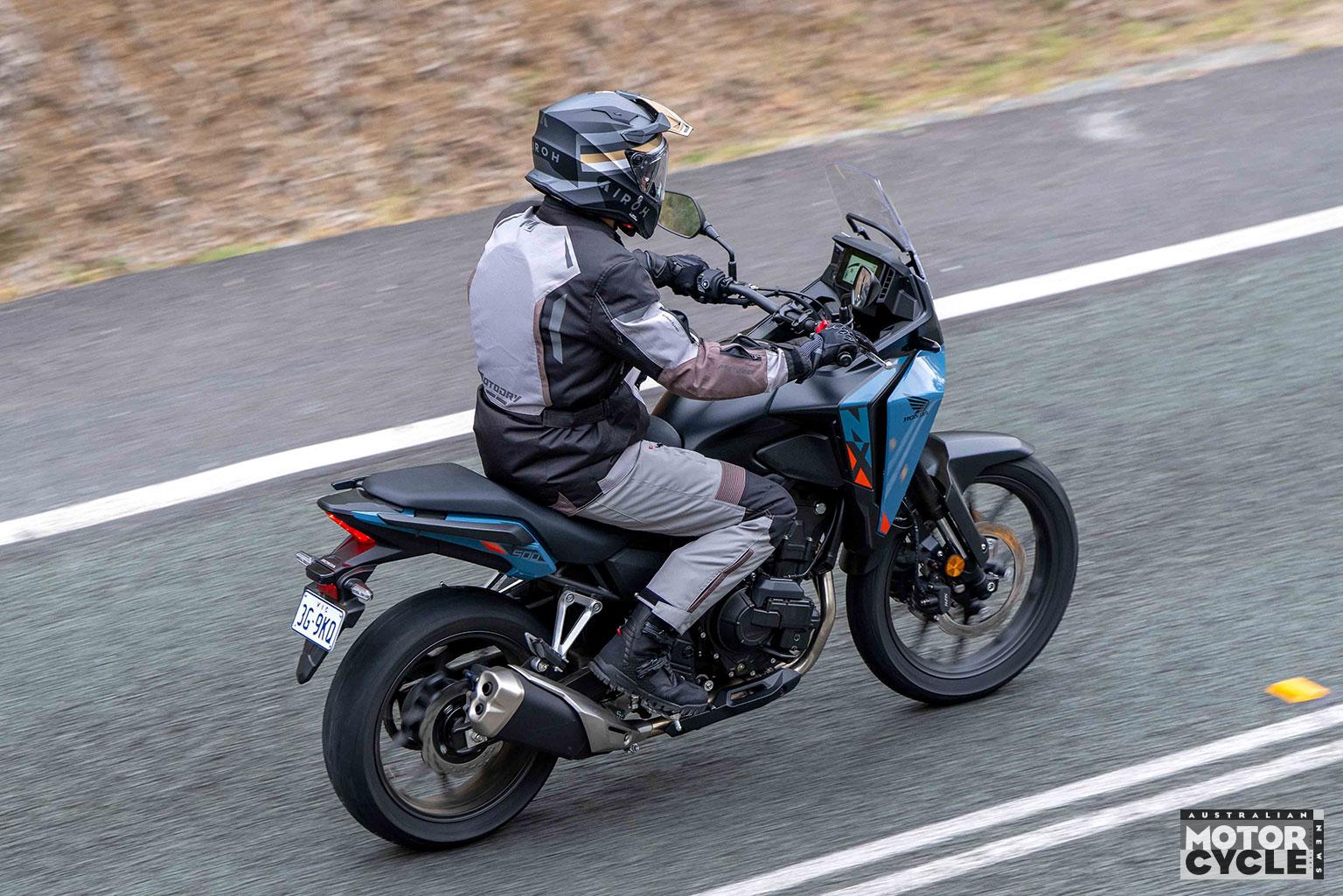
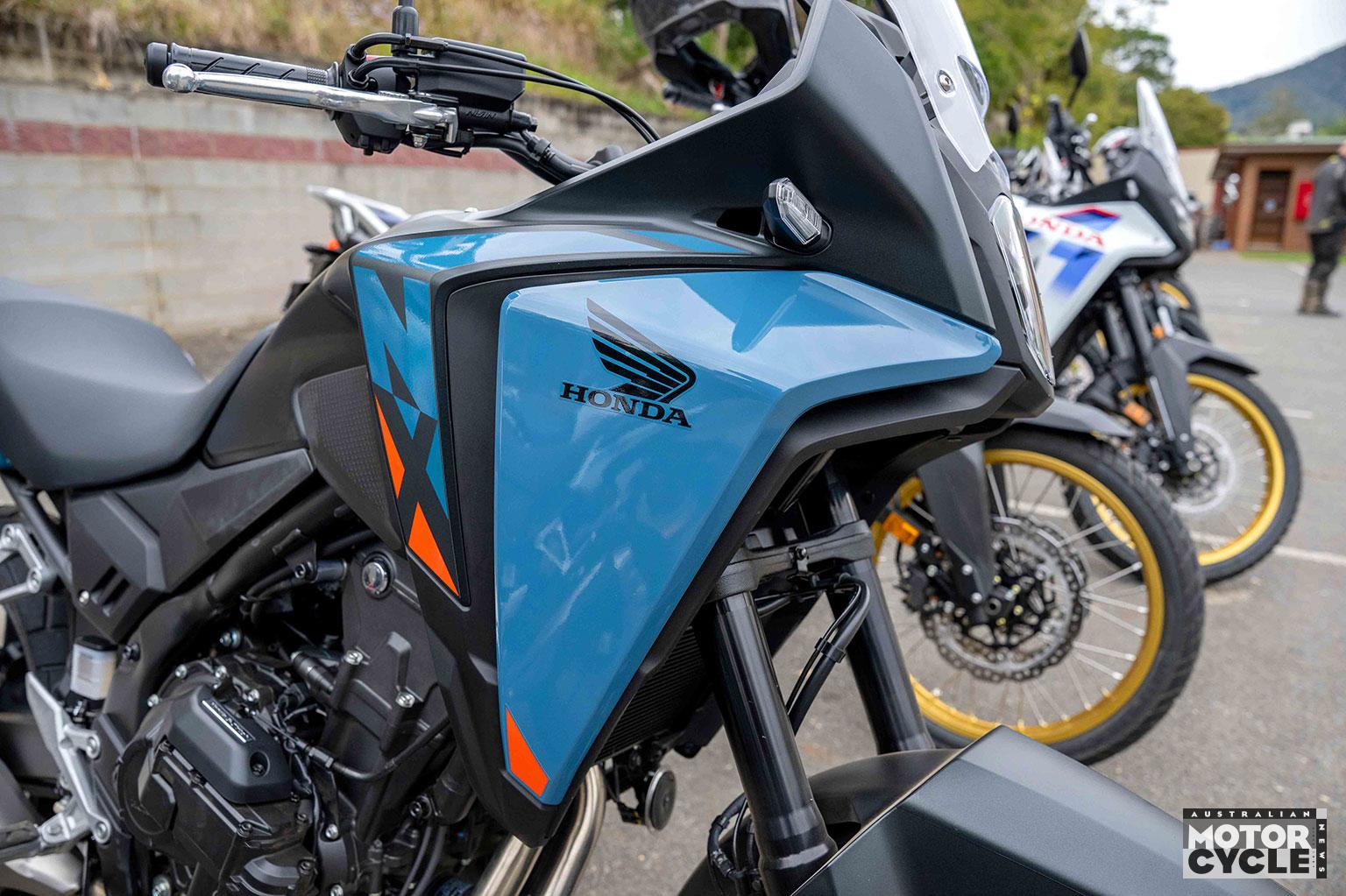
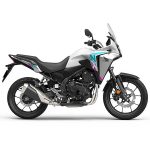
As a LAMS-eligible adventure-tourer, the NX500 is well priced at $11,399 for the E-Clutch version under Honda’s national ride-away pricing. It’s an enjoyable, balanced bike through the bends with decent drive out of corners. It didn’t soak up the rougher sections of road quite as well as I’d expect from something wearing the adventure-touring badge, but that’s a suspension conversation more than an E-Clutch one – and again not a huge criticism for a LAMS-level bike at this price point.
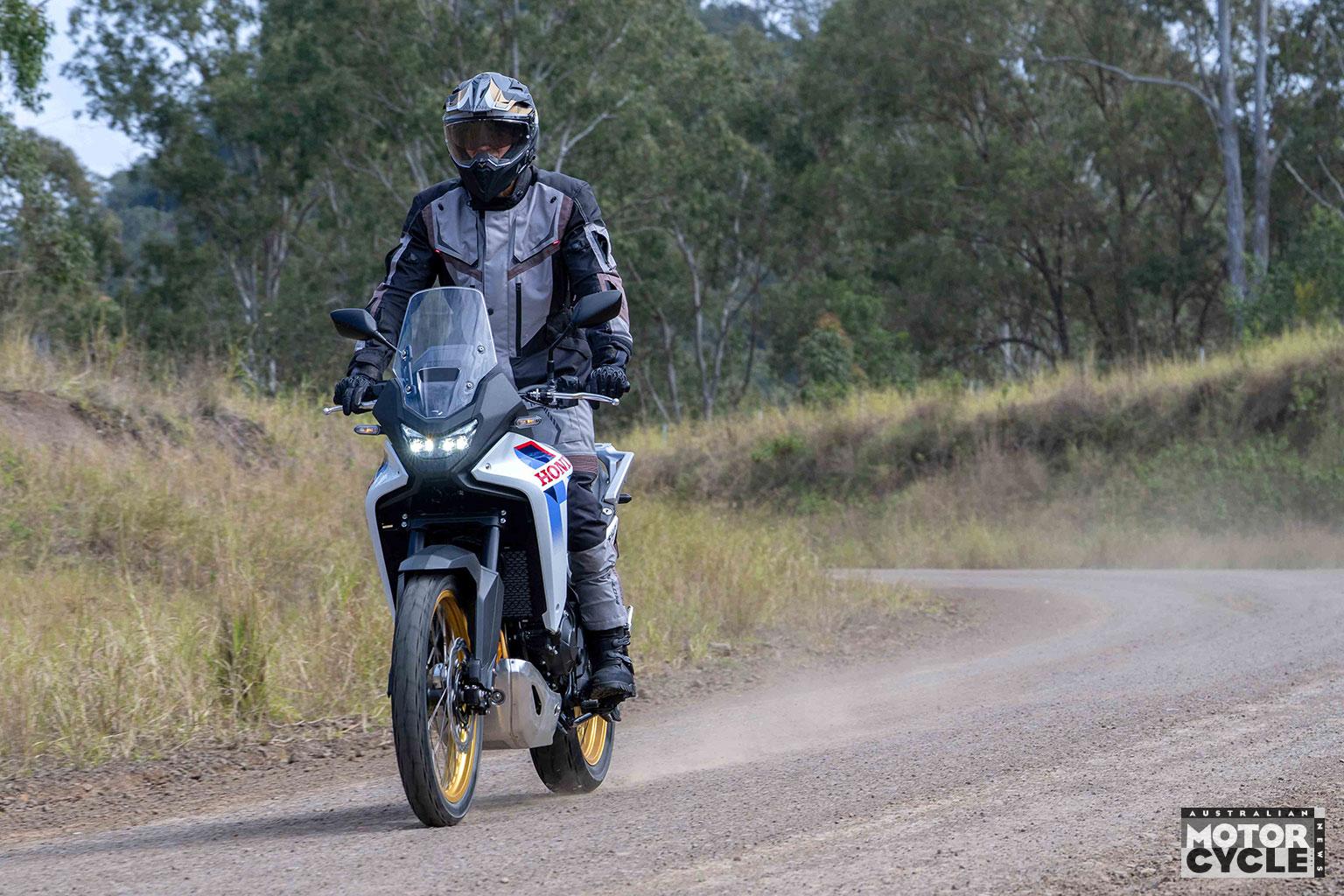
The system itself was a clear asset in traffic, and it’s easy to see how it could build confidence for newer riders by giving them one less thing to juggle.
The only spot I wasn’t completely sold on it was slow, stop-start, first-gear traffic. The clutch didn’t always bite quite as early as I’d have chosen manually, making the bike a touch jerky at low throttle levels.
One of the Honda crew summed it up well: E-Clutch is designed to nail 80 per cent of situations, and keeping the manual lever in play covers the rest.
That might be the cleverest part of the whole idea. Honda hasn’t taken anything away. If you don’t like what the electronics are doing, just pull the lever.
PICK OF THE DAY
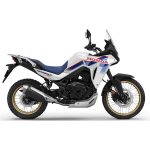
Swapping onto the Transalp after the NX500 was, unsurprisingly, a big step up across the board. It felt planted on the road even through bumpy corners, had plenty of real-world power and offered the kind of all-day comfort you want from something built for distance. Paired with the Transalp’s throttle-by-wire, the E-Clutch take-offs and gear changes – up and down – were genuinely smooth and easy, and more polished again than what I’d felt on the NX500.
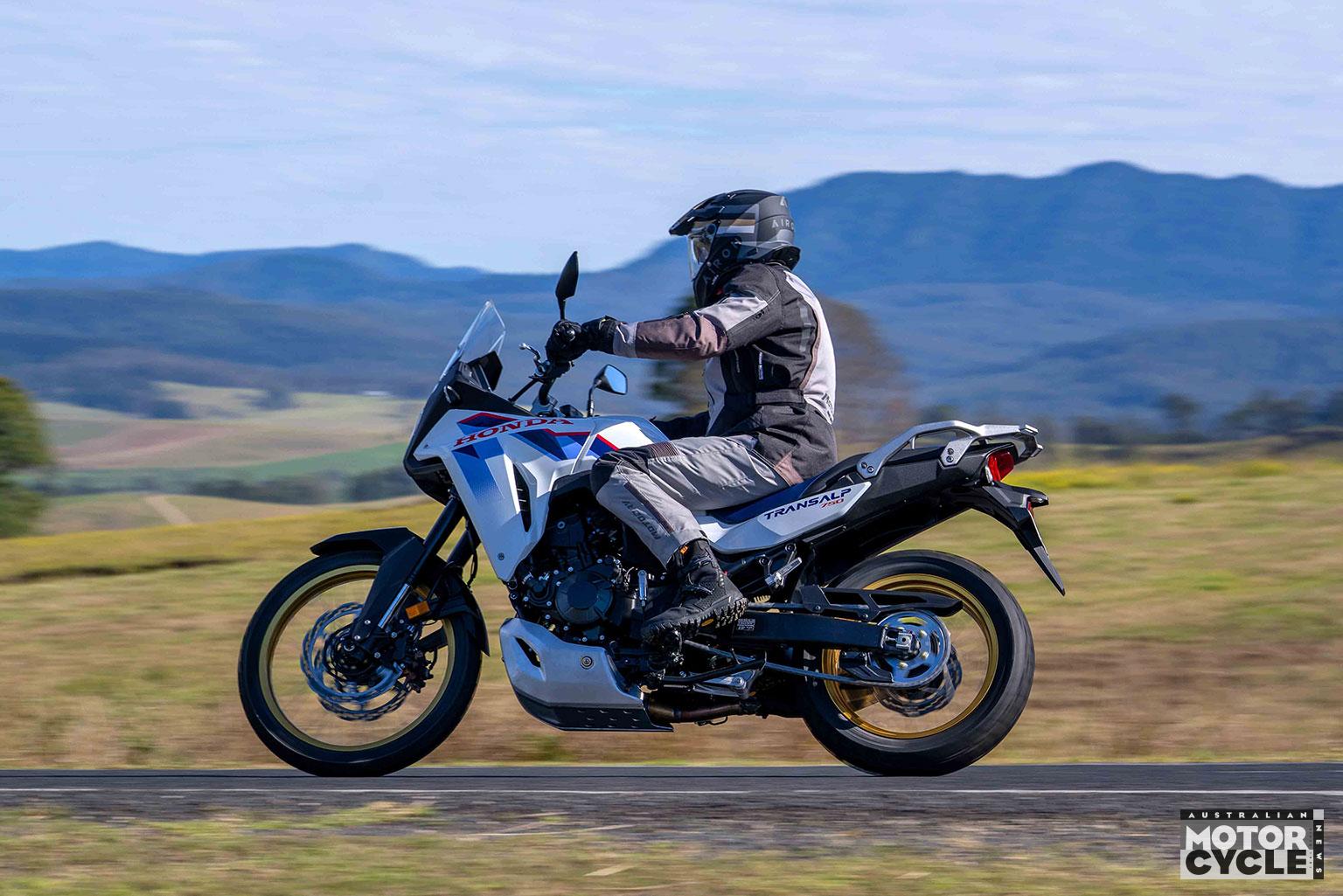
This was where the system really started making sense to me.
Budget and licence restrictions aside, I think the extra outlay for the E-Clutch Transalp over the NX500 will be very well justified. It was, for my money, the best bike of the day – great fun through the twisty sections and comfortable enough to cruise all day.
I’ll be giving serious thought to buying one.
NOW FOR THE HORNET
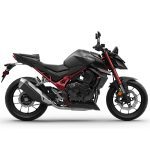
My stint on the CB750 Hornet showed another side of E-Clutch altogether. The naked’s character is a world away from either of the adventure bikes, but the system worked just as well as it did on the Transalp. The throttle-by-wire pairing again made the changes smooth in both directions, while being able to simply stamp through the gears without thinking about the clutch suited the Hornet’s more playful character.
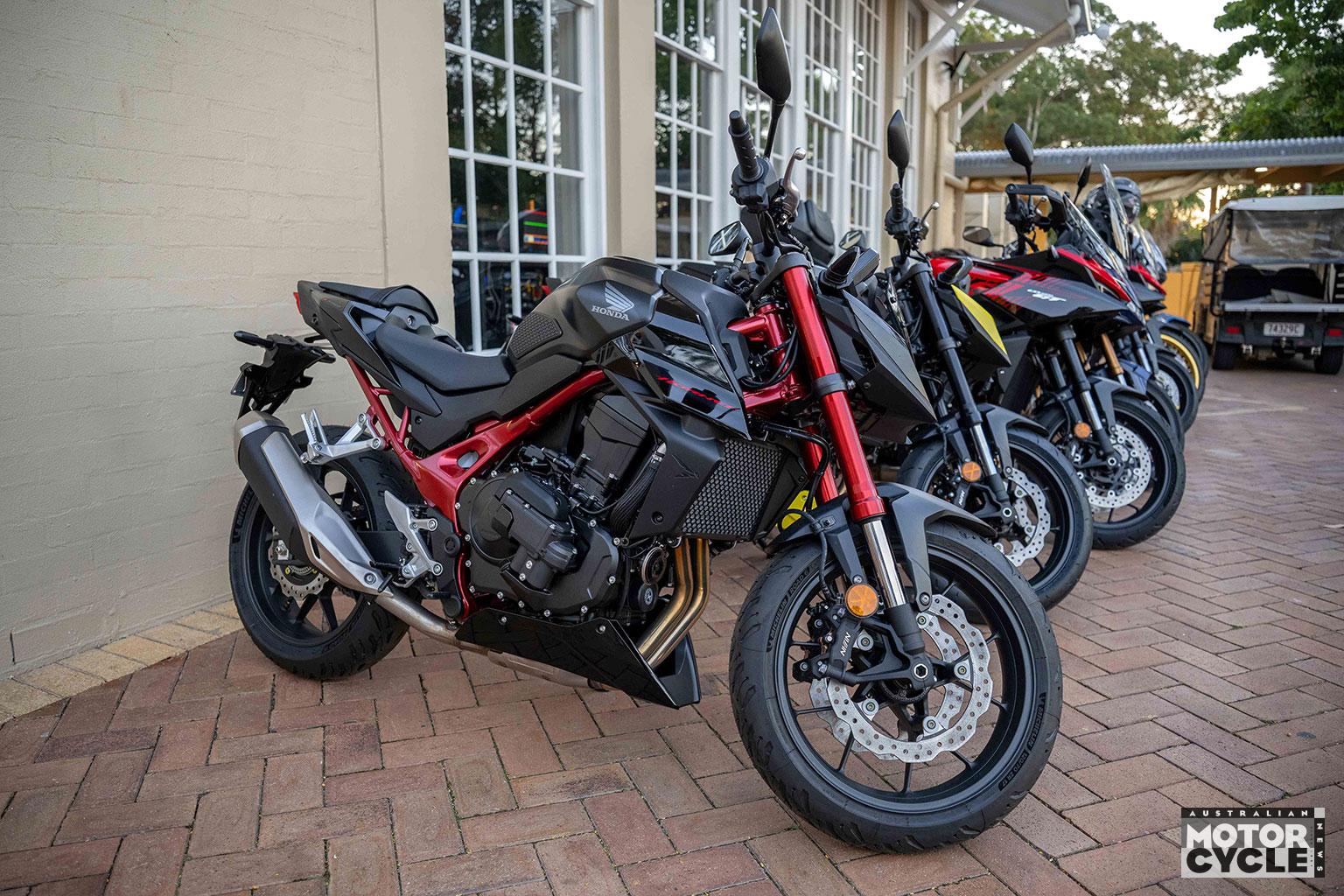
It’s also telling that Honda has made E-Clutch the only way you can buy the 2026 Hornet. There’s no fully manual alternative. Honda is clearly confident enough in the system that it doesn’t think buyers need anything else.
By this point in the day, I wasn’t really thinking about whether I should use the clutch anymore. I was just riding the bike. And that probably says more about E-Clutch than anything else.
WOULD YOU BUY ONE?
Back at the bar that evening, still buzzing from 380km on the bikes, the first question out of the Honda team wasn’t about which bike we’d liked most. It was whether we’d actually buy an E-Clutch model ourselves.
It said a lot about how invested they were in the answer, and how much genuine weight they were putting on whether the journalists in the room had bought into the technology rather than simply tolerated it for a launch.
My answer? Yes.
E-Clutch takes me back to the days when I would only drive manual cars and couldn’t imagine ever wanting an auto. Now it’s been years since I’d even considered going back to three pedals.
The difference here, of course, is that Honda hasn’t actually taken the manual away. The clutch lever is sitting right there whenever you want it. Because you can revert to using it the moment a situation calls for it, paying an extra $400 on the NX500 or $500 on the Transalp seems to me a bit of a no-brainer.
The 750s are where E-Clutch felt most polished, helped along by that throttle-by-wire pairing, but after a day testing it across three very different bikes, the system itself was the real story.
There’ll be plenty of riders happy to keep their left hand doing all the work, thanks very much. I probably would have counted myself among them before this launch.
After 380km with E-Clutch, I reckon Honda’s onto something.
✅ PROS – Makes traffic effortless, manual clutch there when you want it, superbly smooth on the 750s.
❌ CONS – NX500 can be jerky at a crawl, takes a leap of faith at first, purists may take some convincing.
CLUTCH POINTS
SURPRISE GUEST OF HONOUR
The three E-Clutch models weren’t the only new Hondas waiting for us on the Gold Coast. They also had a newly arrived CB1000GT on hand – a particularly interesting surprise given Aussie riders will have to wait a while longer before the new sports-tourer officially arrives here. AMCN wasn’t about to turn down the opportunity for an early taste though. I was lucky enough to take the CB1000GT for a quick spin and, while there wasn’t enough saddle time to call it anything approaching a proper test, first impressions were very promising The bike felt smooth and comfortable, surprisingly nimble for its size and effortlessly quick once you open the throttle. We’ll save the proper judgement until we can get our hands on one for a full test, but consider our appetite well and truly whetted!
HAVE IT YOUR WAY
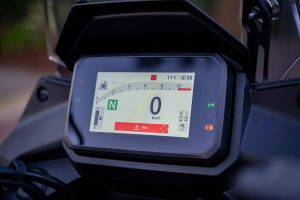
E-Clutch isn’t simply on or off. You can choose Hard, Medium or Soft shift-pedal feel, with different settings for upshifts and downshifts if you want to get really particular. It’ll even give you a nudge on the dash if it thinks you’re lugging around in too high a gear. And if you decide you’d rather do everything yourself, you can switch E-Clutch off completely.
CAN YOU STALL IT?
That was one of my first questions, too. With E-Clutch doing its thing, pulling away and coming to a stop require no clutch input from the rider, so the usual embarrassing stall at the lights is effectively taken out of the equation. Grab the clutch lever, though, and you’re back in charge, which means you can still make a mess of things the old-fashioned way if you really want to.
MORE THAN A QUICKSHIFTER
Calling E-Clutch a fancy quickshifter doesn’t quite do it justice. On the Transalp, the system can detect rear-wheel hop under hard braking and downshifting, then partially disengage the clutch to help settle the bike. Head off-road and it can also monitor front and rear wheel speeds to deliver a clean upshift even with the rear tyre spinning. Clever stuff. And proof for me that there’s more going on here than simply giving your left hand the day off.
SPECIFICATIONS
| NX500 E-Clutch | CB750 Hornet E-Clutch | XL750 Transalp E-Clutch | |
|---|---|---|---|
 |  |  |
|
| Engine | 471cc parallel twin | 755cc parallel twin | 755cc parallel twin |
| Bore x stroke | 67mm x 66.8mm | 87mm x 63.5mm | 87mm x 63.5mm |
| Transmission | 6-speed, E-Clutch | 6-speed, E-Clutch | 6-speed, E-Clutch |
| Power | 35kW @ 8600rpm | 67.5kW @ 9500rpm | 67.5kW @ 9500rpm |
| Torque | 43Nm @ 6500rpm | 75Nm @ 7250rpm | 75Nm @ 7250rpm |
| Front suspension | 41mm Showa fork | 41mm Showa SFF-BP USD | 43mm Showa USD |
| Front brakes | 2 x 296mm discs, ABS | 2 x 296mm discs, ABS | 2 x 310mm discs, ABS |
| Tyres F/R | 110/80-19; 160/60-17 | 120/70-17; 160/60-17 | 90/90-21; 150/70-18 |
| Seat height | 834mm | 795mm | 850mm |
| Fuel | 17.5L | 15.2L | 16.9L |
| Price | $11,399 ride-away | TBC | TBC |