BMW’s updated R 1300 engine has found its way to the road-focused range as part of a ground-up redesign that packs a real punch
Some people might say BMW’s boxer twin range is less exciting than the four-cylinder superbike engine in its S series models. This may be true, but those riders not bothered by mega-horsepower figures will find the R 1300 series a smarter and more comfortable proposition, while still having the grunt to let their hair down when required. The R 1300 range includes the naked, raw, yet refined R; the sleek, smooth, fully faired RS; and the uber comfortable, pillion friendly and surprisingly agile RT.
The R 1300 powerplant first appeared in the R 1300 GS a year or so ago and made a bit of a splash by pumping up power figures while slashing weight and physical size over the outgoing 1250. I have ridden the 1250 GS and the 1300 GS and the difference is significant in all the right places. I was super keen to throw my leg over the R 1300 R, RS and RT to fins out how this translated into the road models.
Anyone who has had a proper look at an R 1300 GS will notice that a lot of identical or very similar parts have found their way over to the road bikes. Each of the bikes have four different spec levels to choose from: essentially a base model, one with essential options, a performance model and the top-of-the-range fully-loaded Option 719. The platform is essentially same as the GS models with some tweaks where required. The R, RS and RT have a lot in common, but at the same time feel like completely different animals.
Common ground
Obviously the big 1300cc boxer engine is shared across the models, pumping out 107kW (143hp) and 149Nm thanks to the shift cam set-up. The gearbox used to sit behind the engine on a 1250, but on the 1300 it sits below it and is encapsulated in the block to keep the whole unit lighter and more compact.
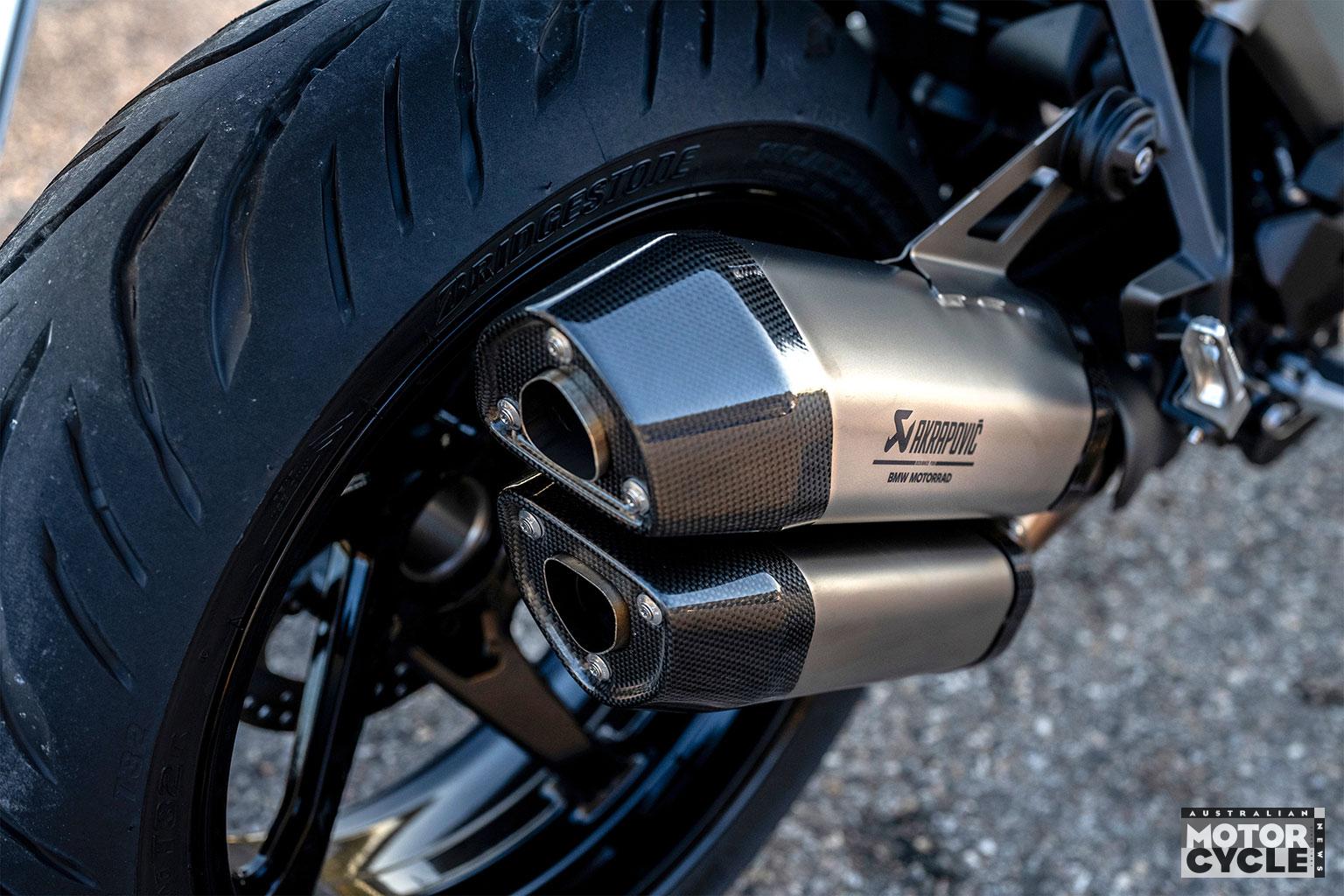
The cylinder heads are also now symmetrical when you look down from the rider’s seat and it feels a lot more modern now. There is still that sideways twist when you start the engine or rev it, so you know you’re still on a boxer. The engine feels and sounds a bit more refined than the first R 1300 GS felt, so I’m guessing there have been a few minor adjustments made within the engine to make it quieter.
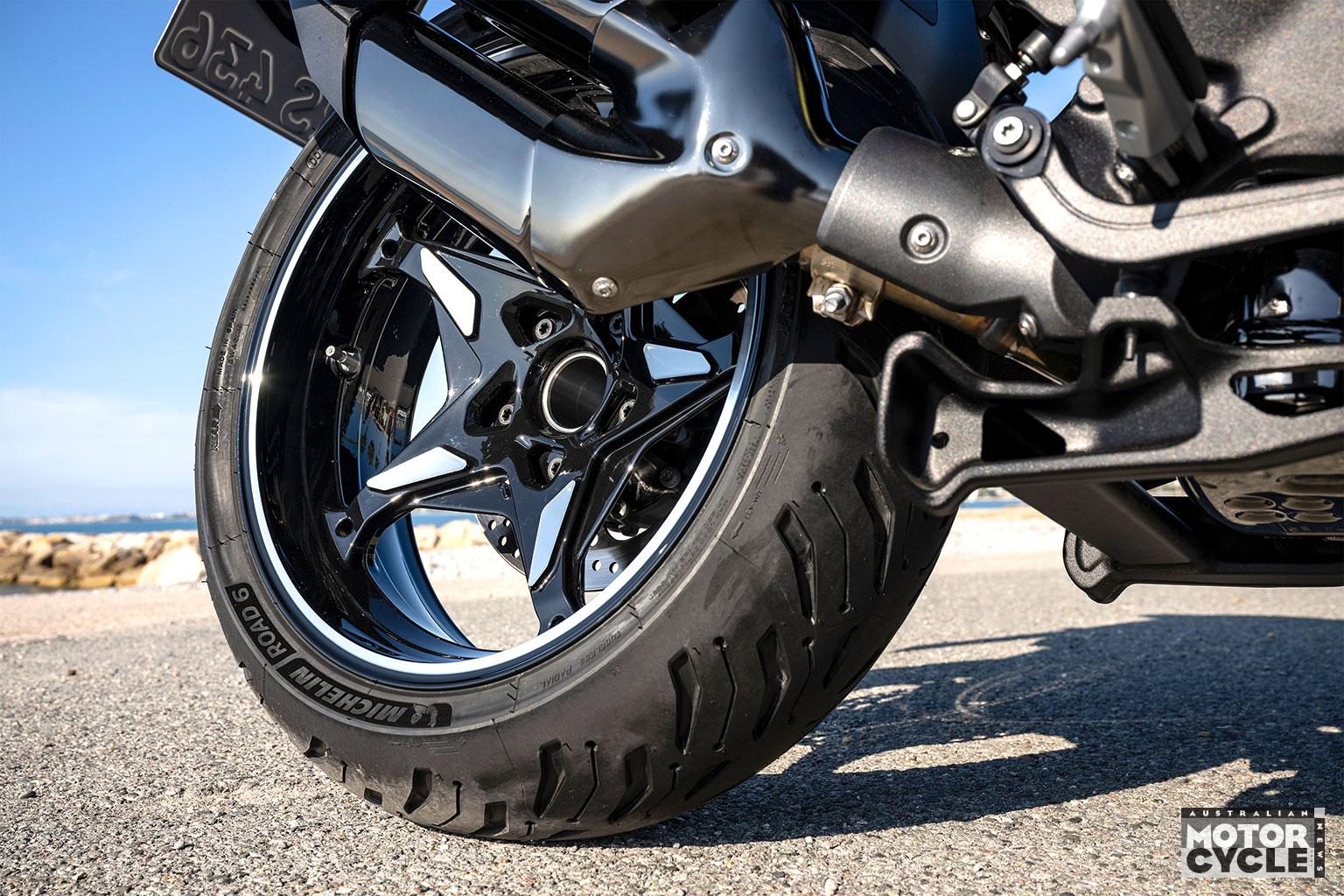
The pressed steel chassis does away with the old steel trellis set-up, helping again to reduce weight and physical size. The Evo-Paralever rear end, brakes and wheels are also the same across the three models. BMW’s Automatic shift assistant (ASA) is available on all of them, is standard fitment on the RT and most of the option packs for the R and RS. For the launch, all bikes were ASA equipped except one for reference. BMW is confident most bikes sold will have ASA.
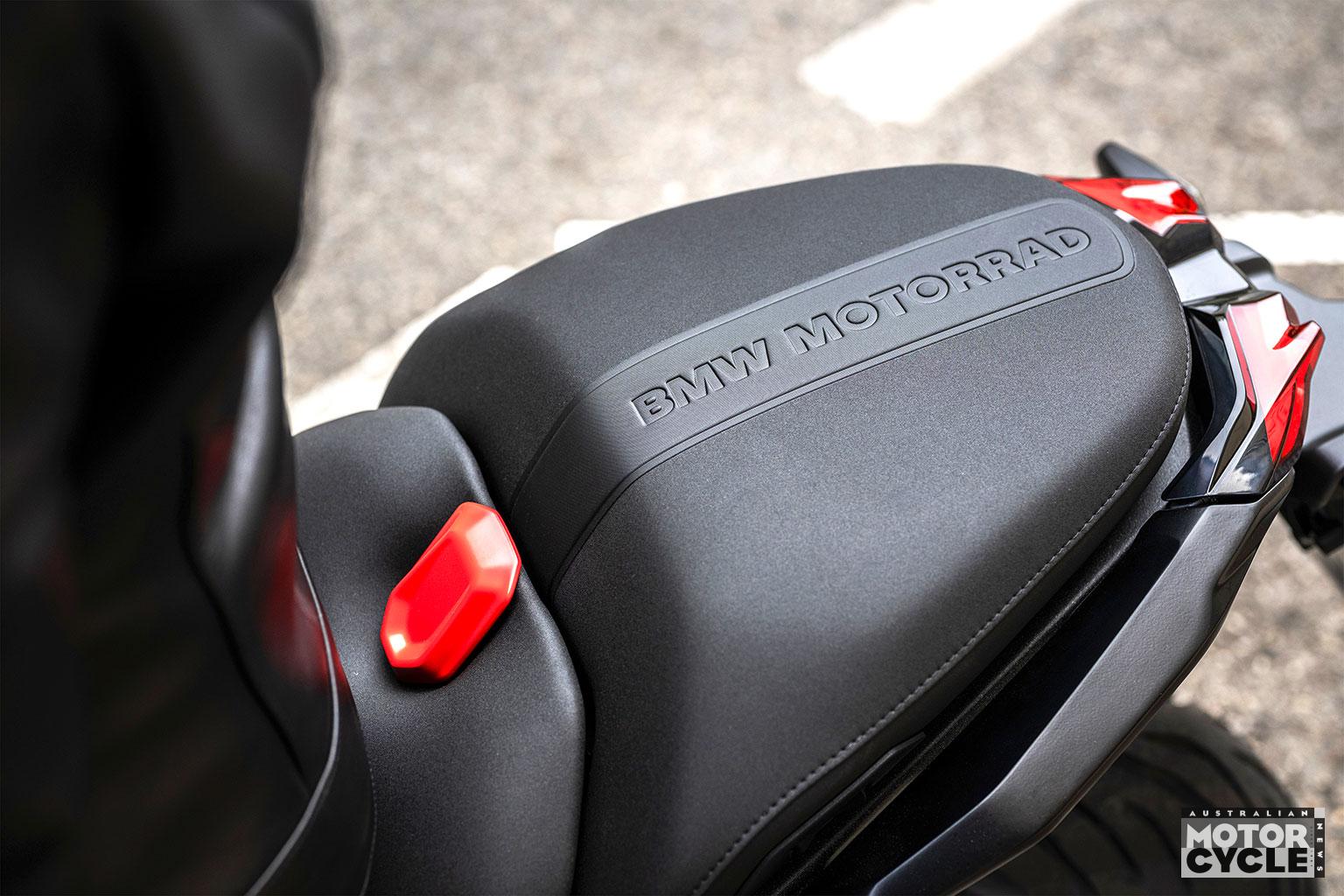
Having an automatic motorcycle sounds like the most bland and boring thing in the world, but it works amazingly well and soon becomes second nature. There is no clutch lever and the gear lever at your foot is connected to a switch rather than directly to the gearbox. So, in manual mode, you just click the gears like you have a quickshifter and every gearchange is buttery smooth and instant. Or just simply select auto mode and let the bike do the thinking for you.
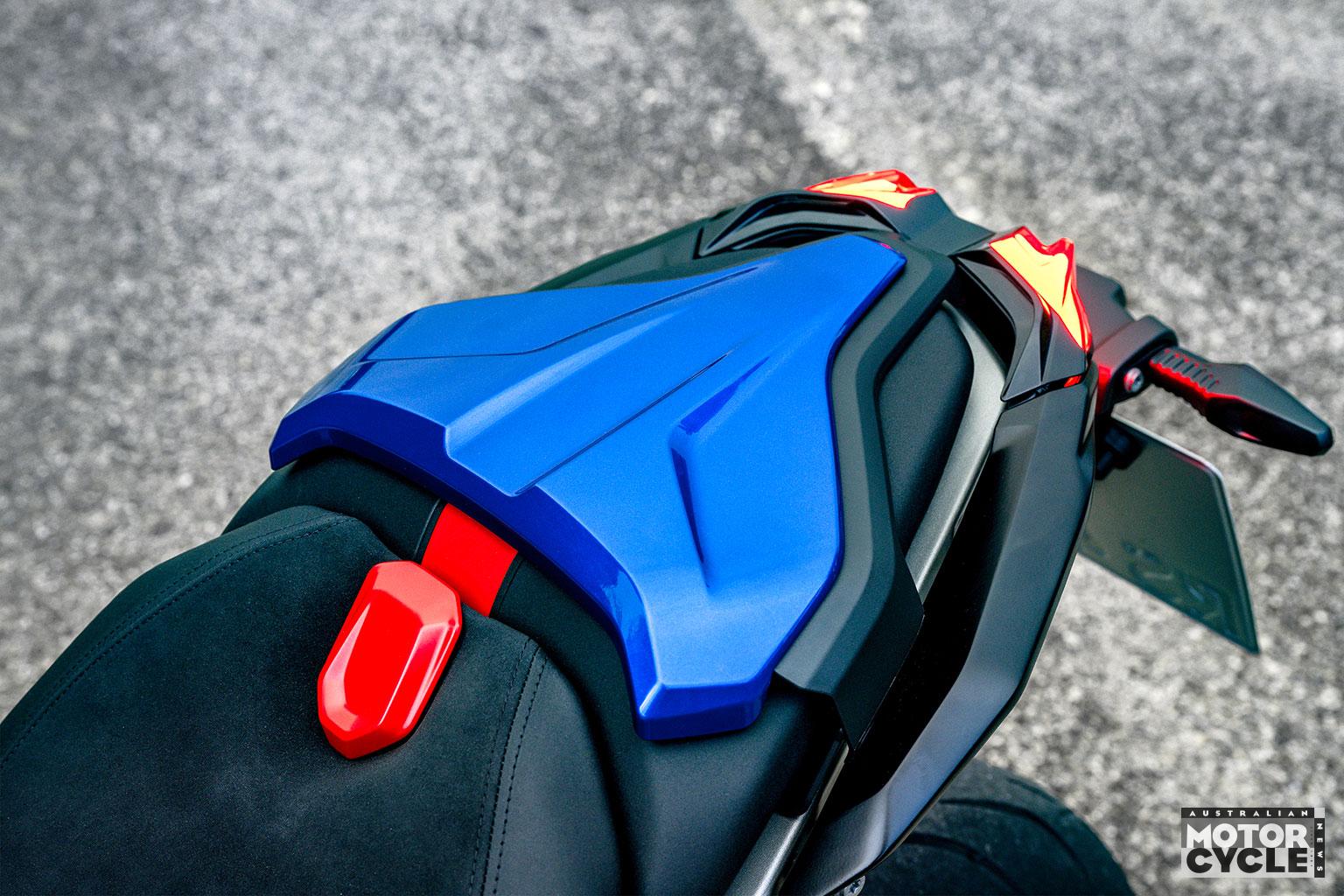
Whatever you do, though, don’t blip the throttle while stopped at the lights in gear; it will just take off, whether you’re on it or not.
The clutch is automatically operated and is almost flawless in its operation. I was doing full lock to full lock figure-eights in the carpark with my feet on the pegs on the RT by holding the revs slightly above idle and regulating speed with the rear brake.
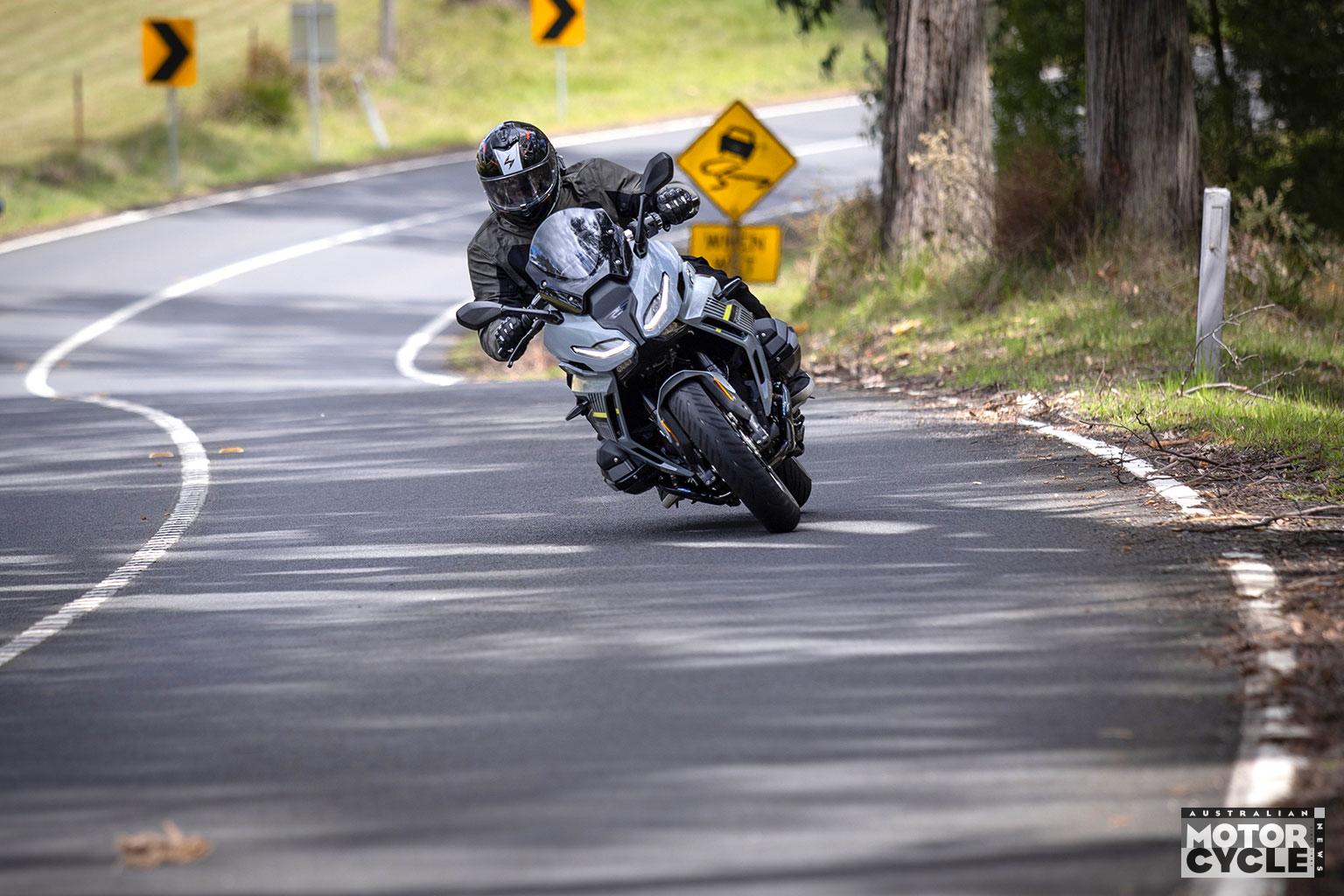
The bikes share the same electronics package, which is quite extensive as you would expect (see breakout). Other than that, the bikes are like triplets separated at birth and raised by different families. Undeniably of the same DNA but adapted for different purposes.
R 1300 R
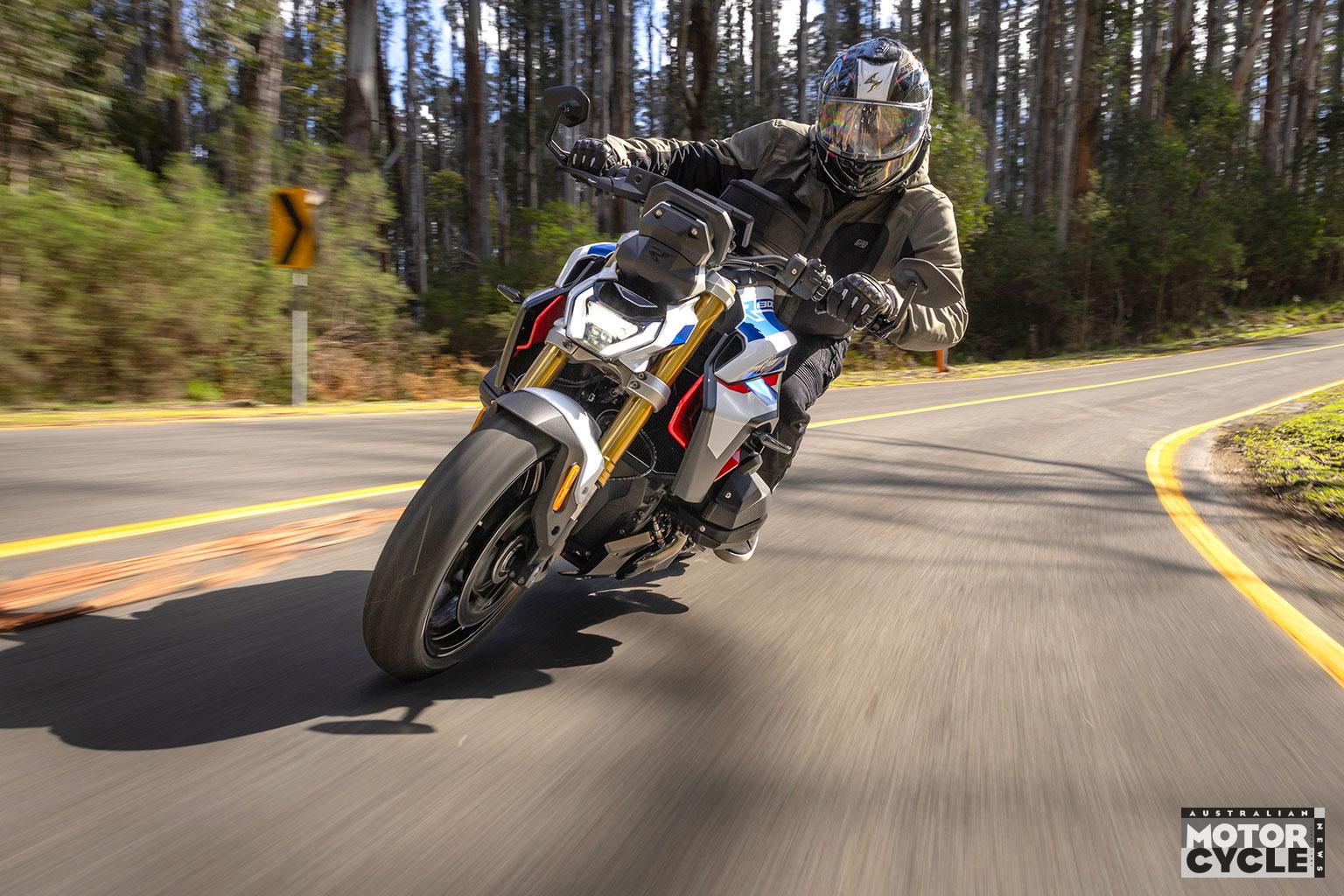
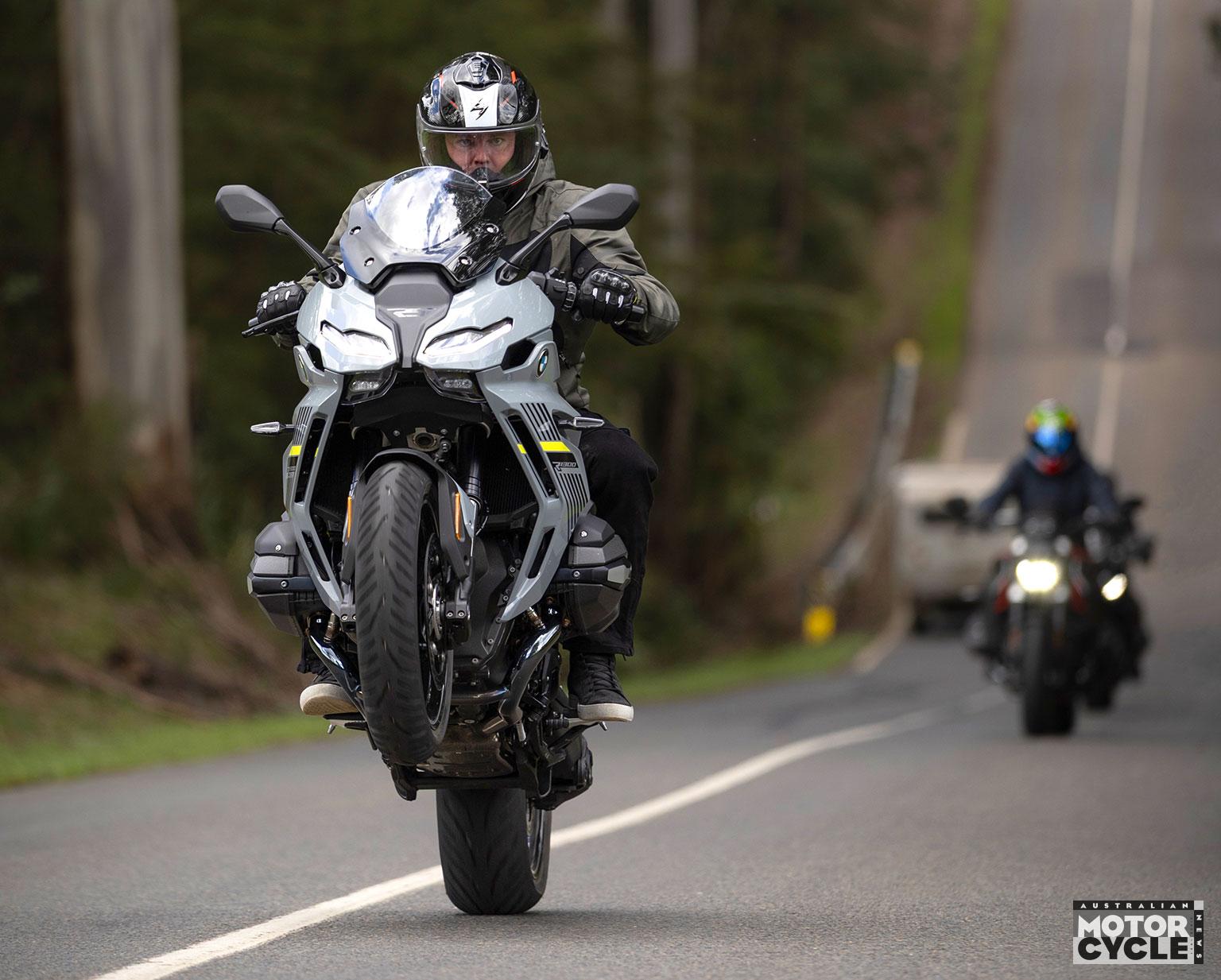
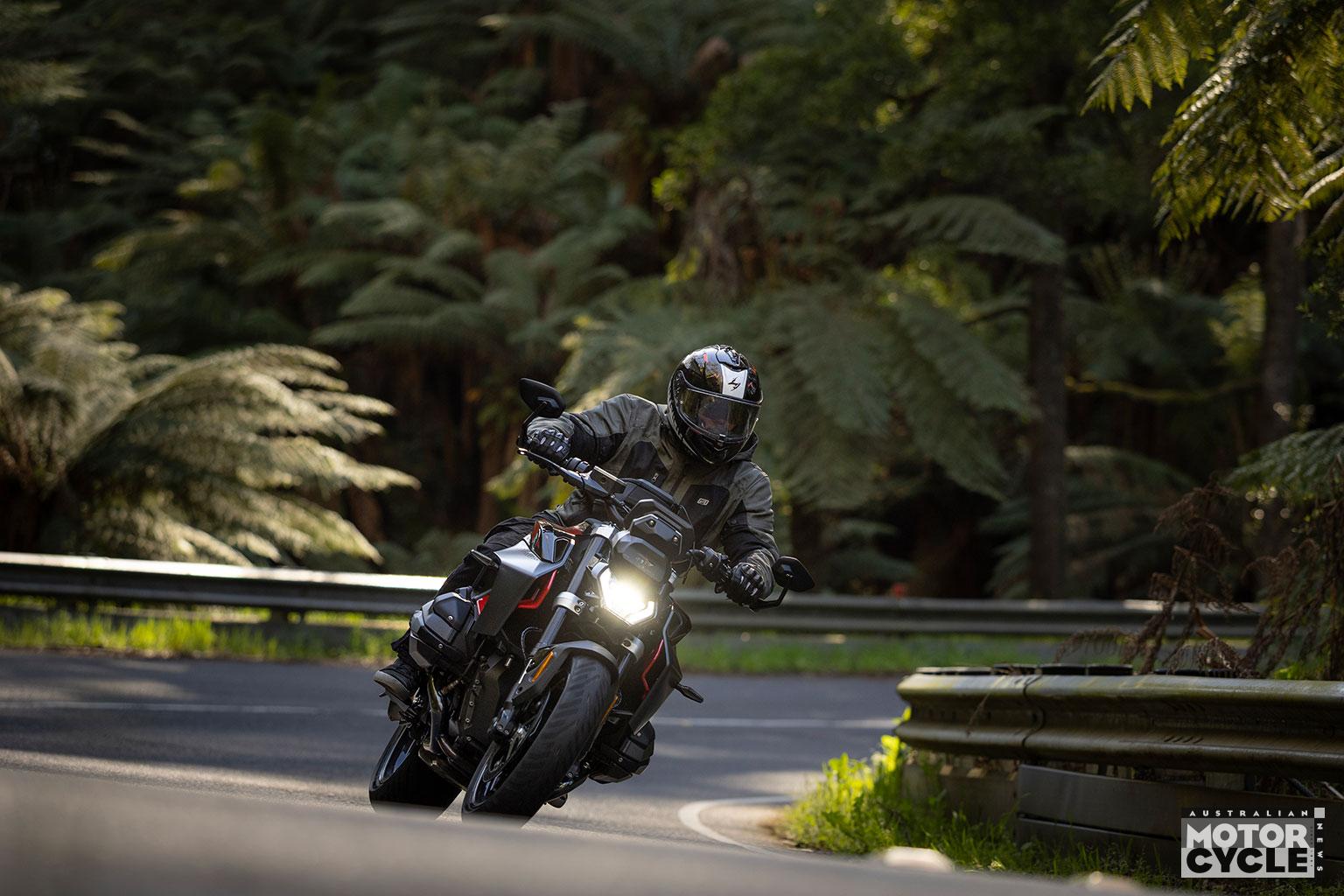
A wolf in sheep’s clothing comes to mind, especially on the performance variant. It vibes supernaked but smokes a cigar and wears a scarf. It’s stripped of all unnecessary weight and clutter to deliver a raw experience. Well, as raw as a sophisticated boxer twin twin can get. The engine and chassis are the stars of the show, the ‘bars are wide and the view forward is clear and uninterrupted.
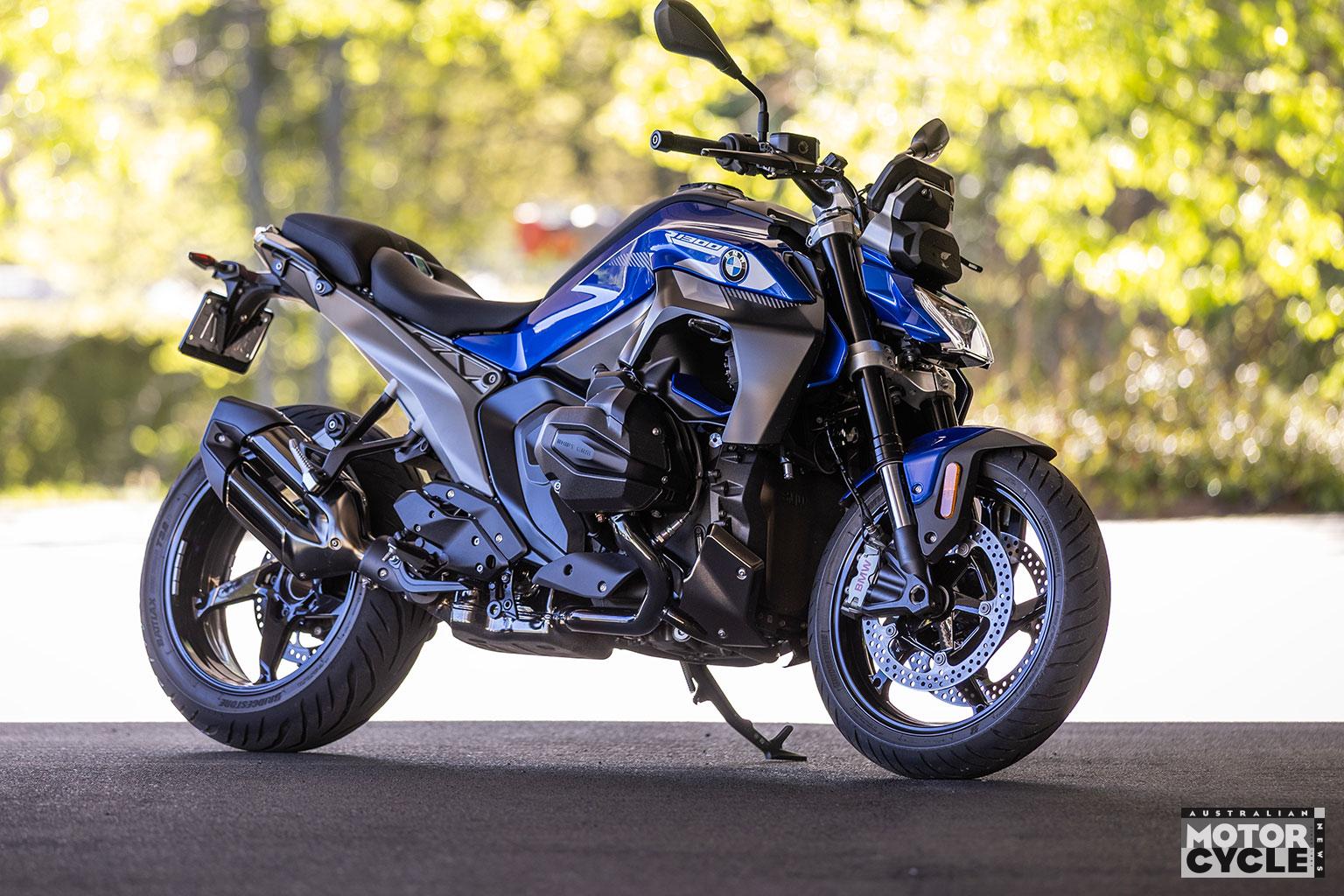
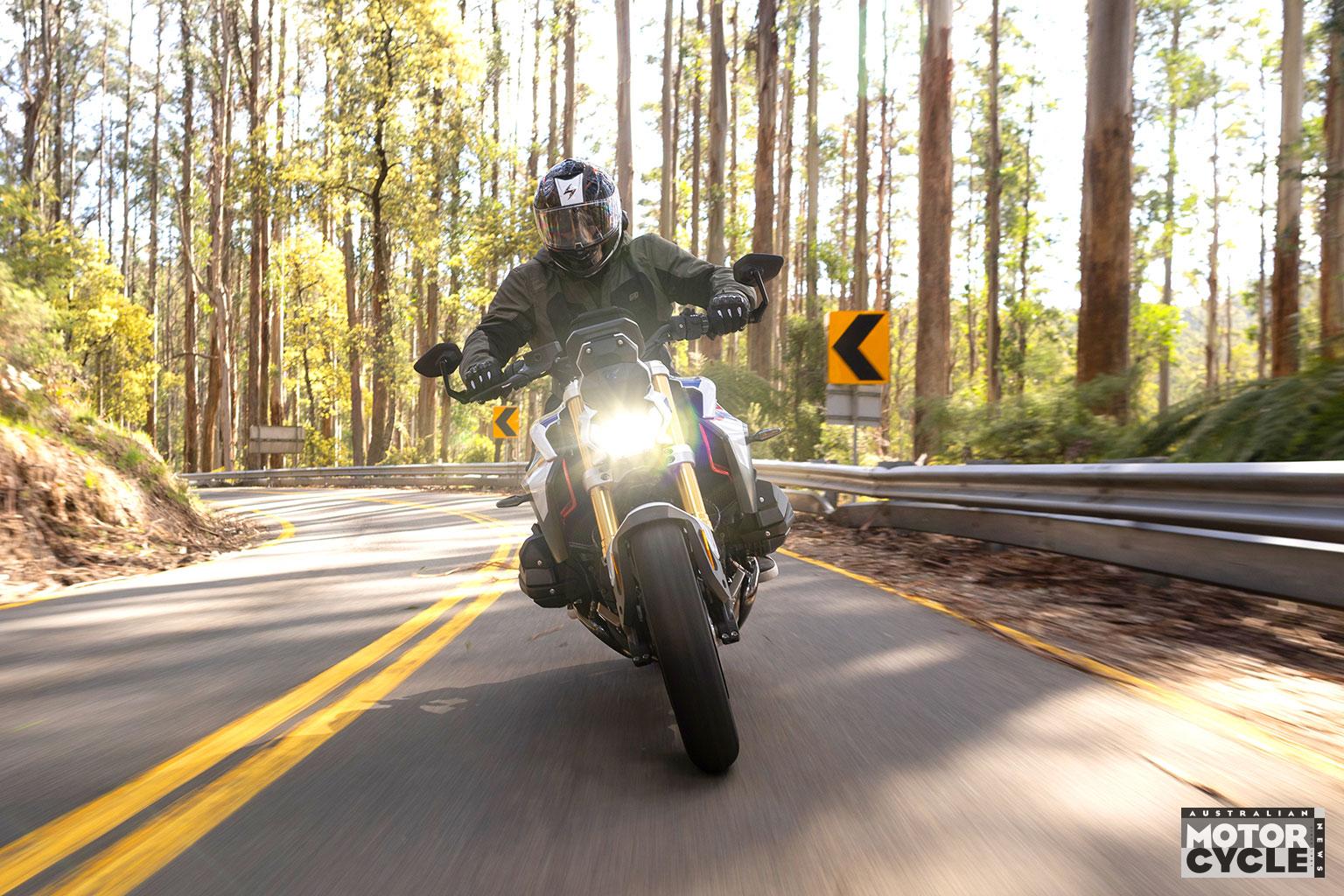
When you jump on the R, the seat feels low and the reach to the ‘bars is very relaxed. Being the lightest of the bunch at 239kg, it’s quick to turn and change direction. The boxer twin helps keep all the weight down very low, which makes it very easy to throw around compared to other bikes of a similar size and weight.
The power delivery is highly addictive. A sharp surge of torque is available from low in the rev range, which propels the R out of corners like a SpaceX rocket. If you have the traction control off, the R can spin the rear wheel on command out of second gear corners, something I haven’t felt as comfortable doing on most other road bikes.
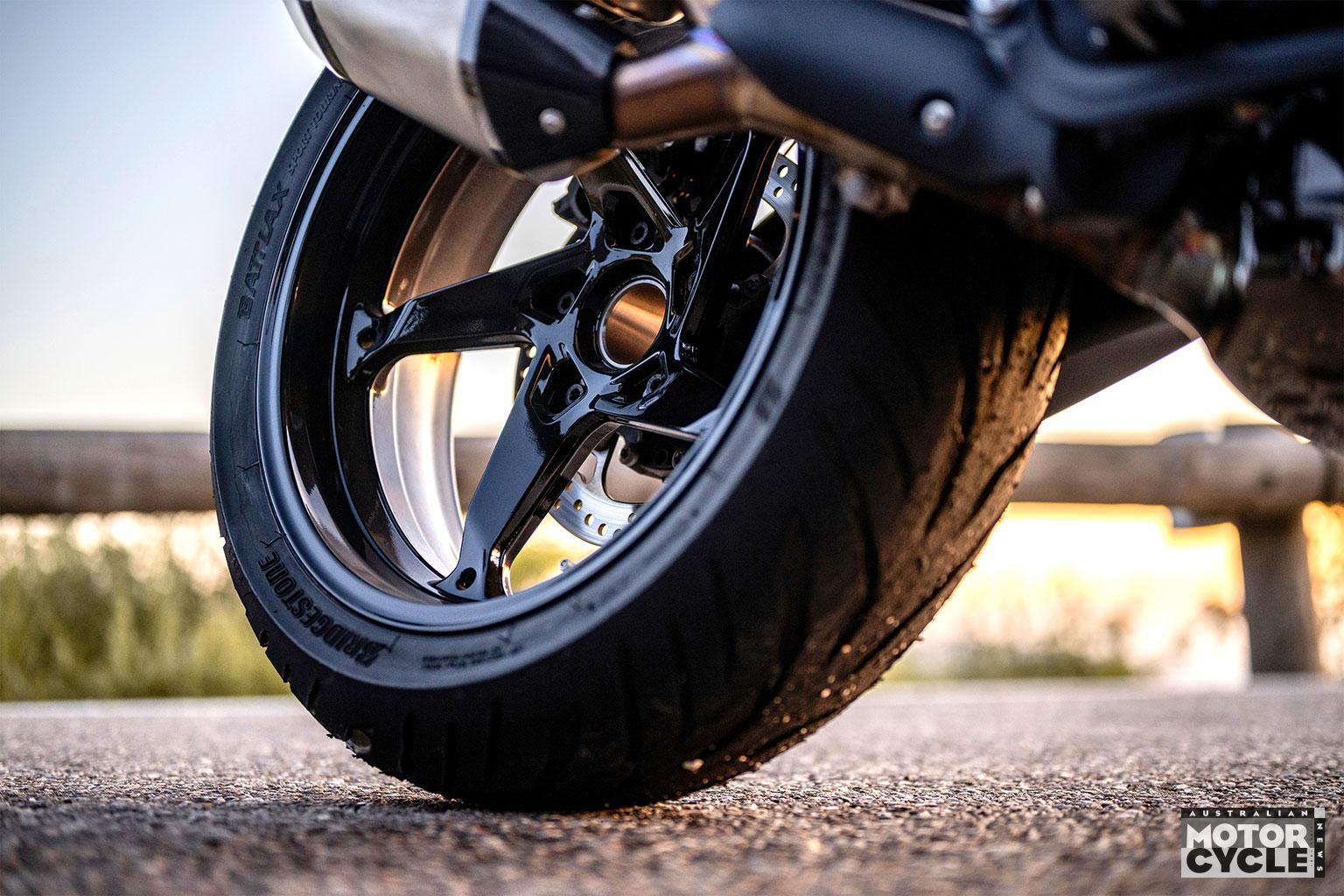
It is composed but deceptively fast. Revving out the big boxer is of no real benefit; just ride the low and mid-range torque and enjoy the surge.
The upside-down telescopic fork with Dynamic Electronic Suspension Adjustment (ESA) is standard across the four available variants. There is no Telelever front end on the R and RS like you’ll find on the GS and RT. The ‘normal’ fork delivers better performance and feeling in road conditions. It dives like a conventional fork and allows you to load the front end deep into corners with confidence. Thanks to the ESA, the suspension is super compliant in the softer road mode and sporty once dynamic mode is selected.
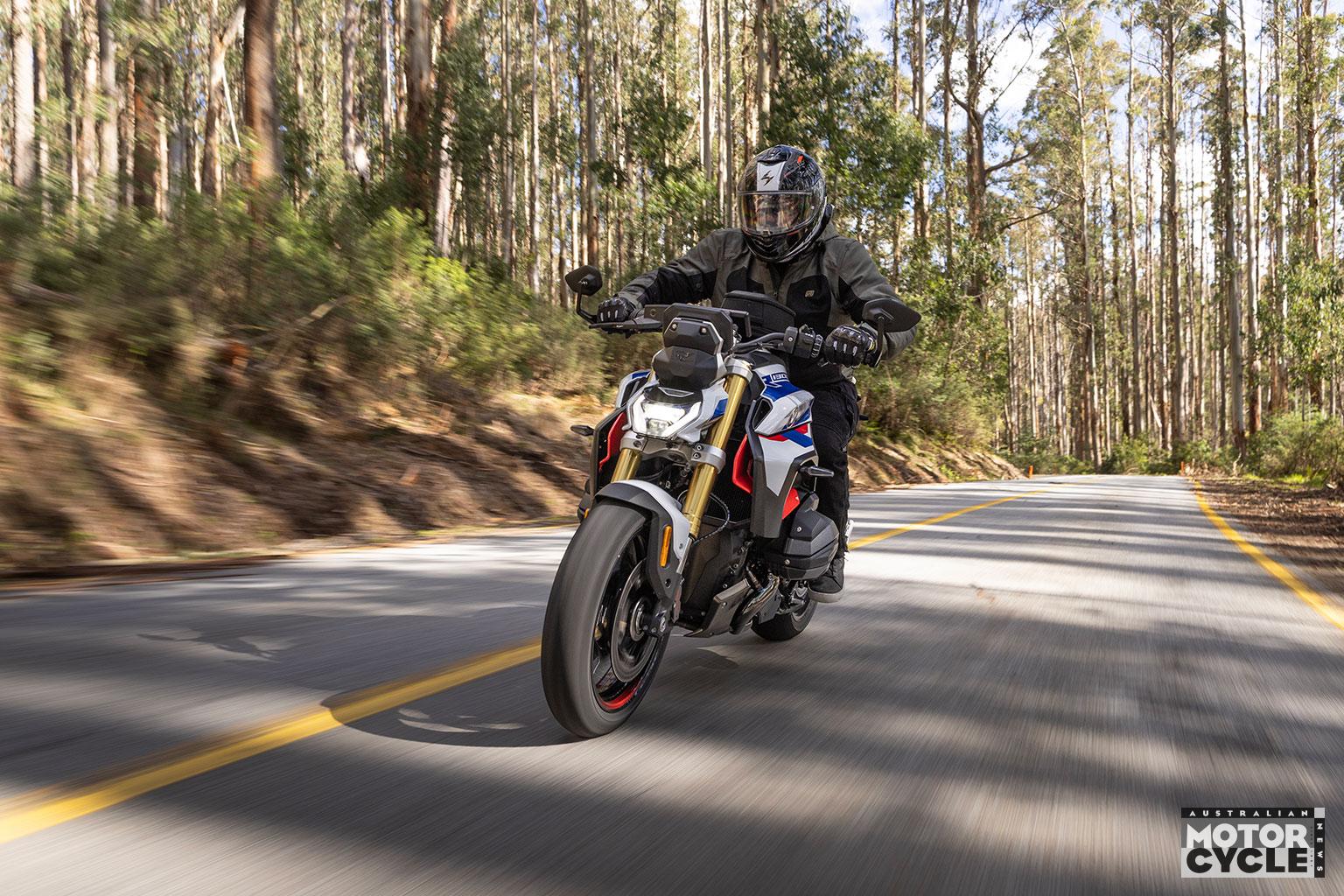
The performance variant features (along with a taller seat and lower ‘bars) a stiffer sports suspension that is identified by gold fork stanchions and red rear spring; this also increases ride height for achieving better lean angles.
While noticeably increasing handling and cornering performance on smooth roads, it does detract from the comfort significantly on dodgy backroads. If carving corners and hunting sportbikes is your goal, the performance one is a no brainer.
R 1300 RS
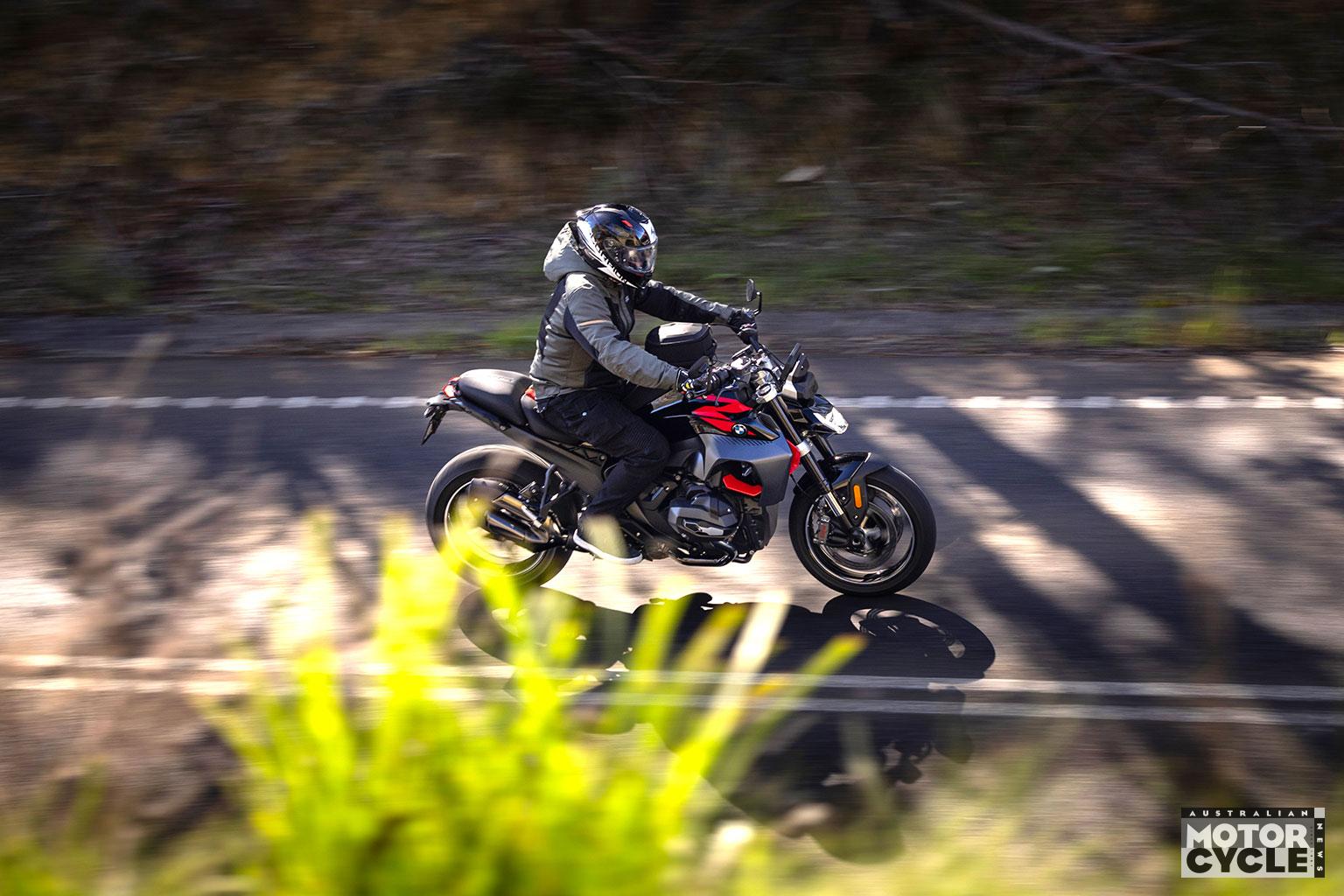
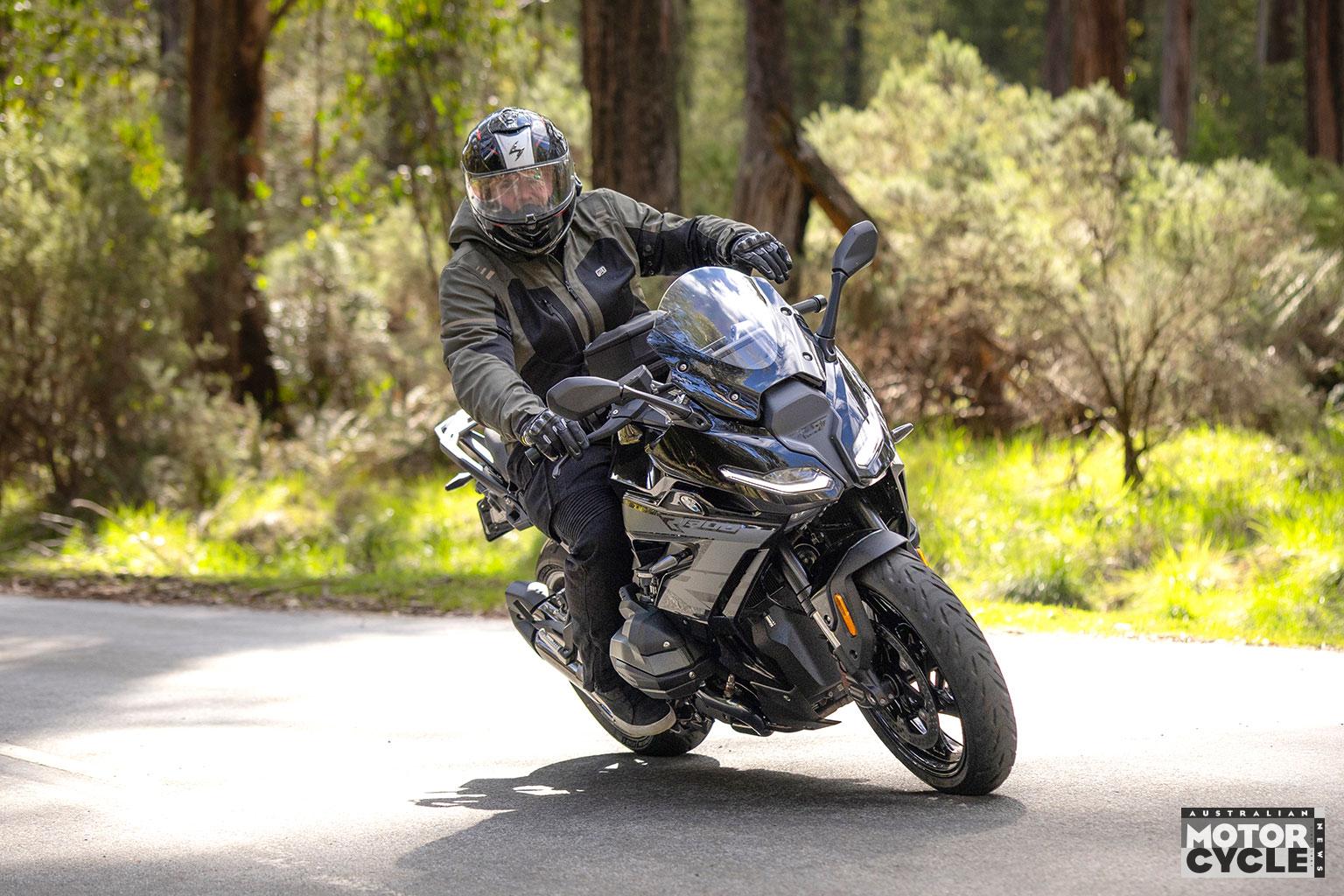
While essentially the same bike as the R, the RS brings an air of sophistication to the table. A bit like James Bond, it’s a killer wearing a sharp suit. It’s a beautiful looking bike in my opinion (I’ve always had a soft spot for the K 1300 S).
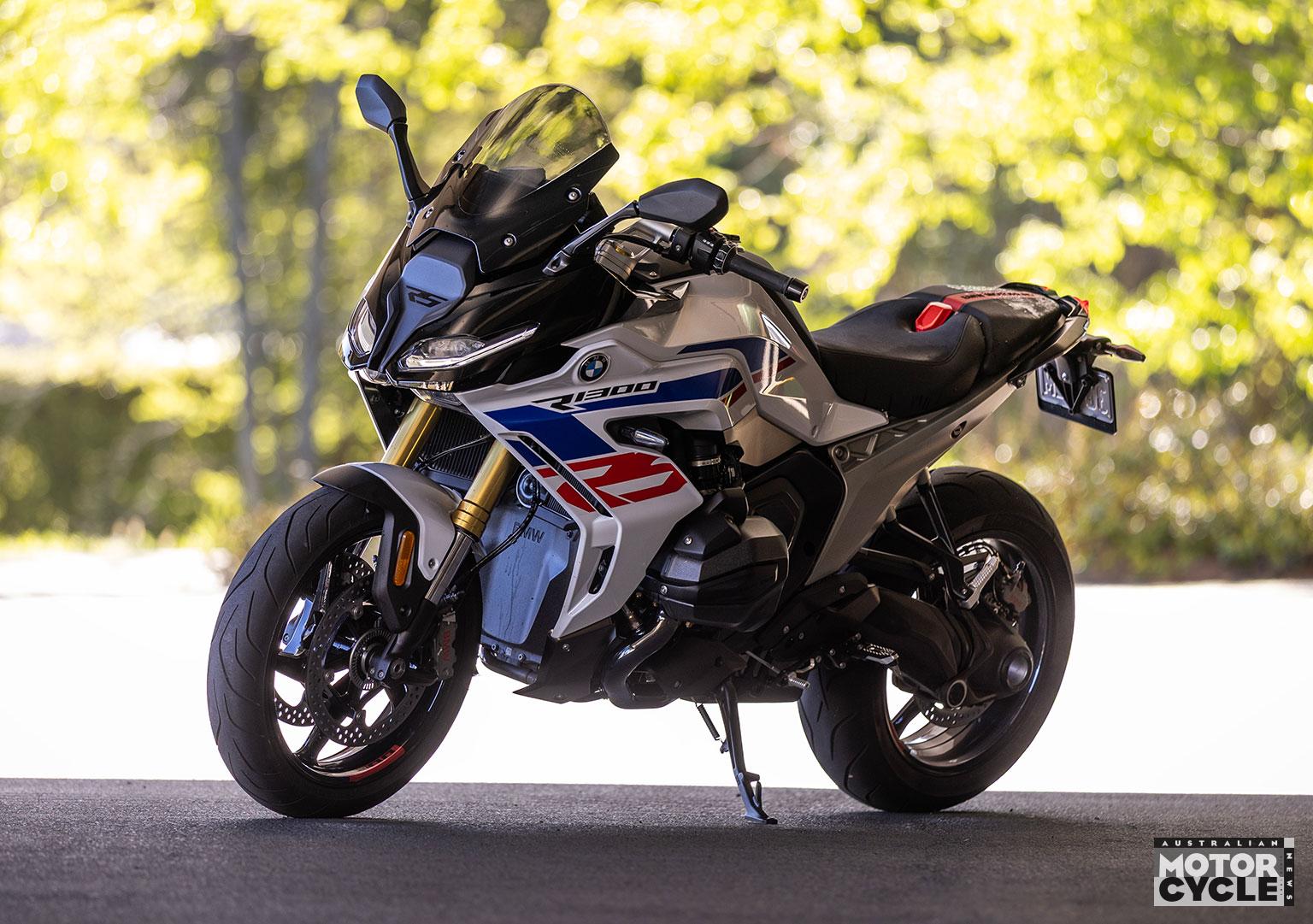
The RS carries an extra 6kg over the R but if you like a bit of comfort in between terrorising crotch rocket sportsbikes, this is the boxer for you.
The full fairing offers reasonable protection from the elements and keeps the wind off your chest. The windscreen is manually adjustable; just give it a yoink and up it comes to deflect a bit more wind. The subframe on the RS is a bit different as it comes ready to accept the genuine pannier bag system so you can carve corners far from home.
If you have a pillion, you will also be glad you opted for the RS over the R, as your passenger gets grab rails to hang onto. The subframe also houses the rear-facing radar for the riding assistant package.
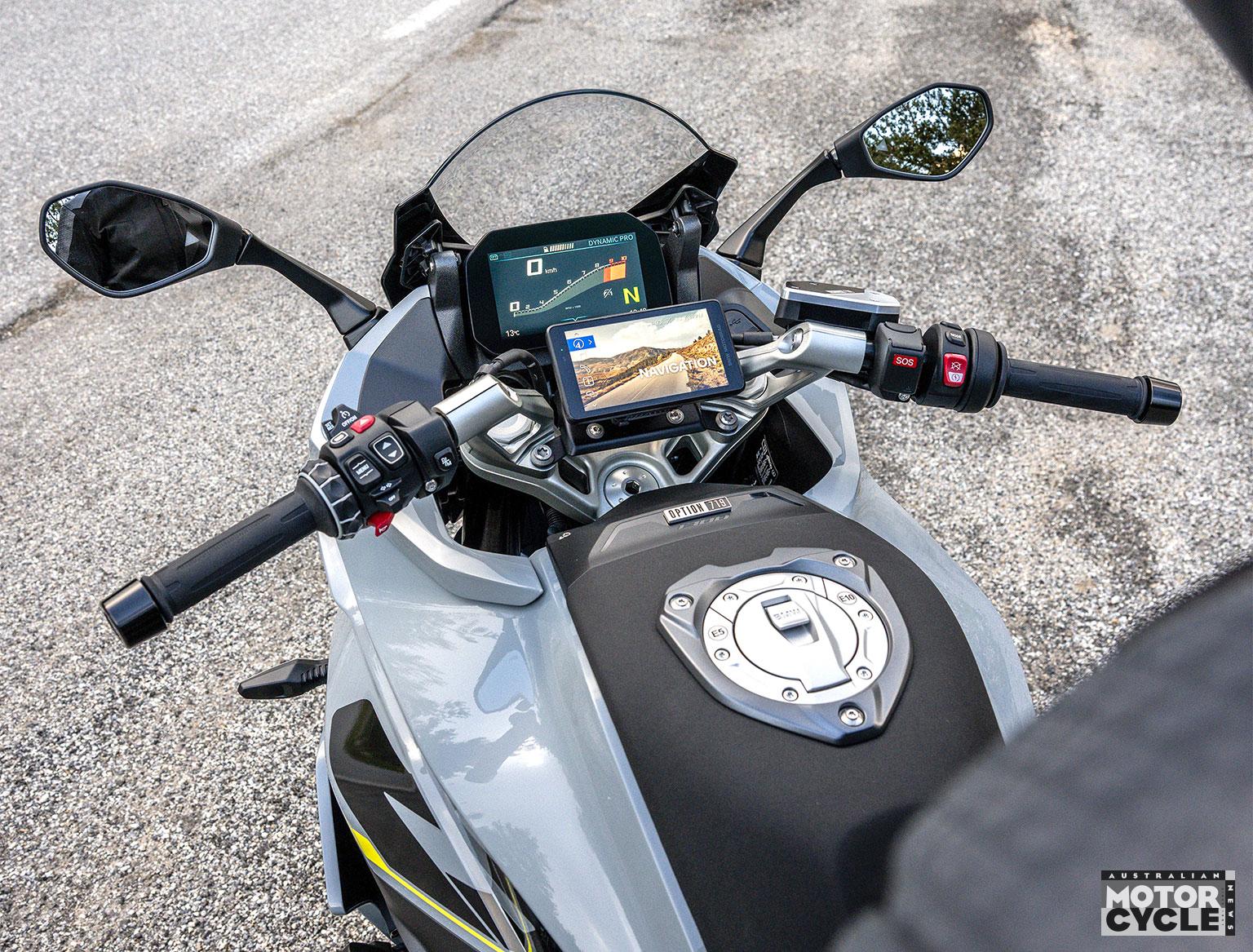
The handlebar is slightly narrower than the R, and a bit more swept back, making it a very comfortable and more upright ride. This more relaxed position gives less of a front-end aggressive feeling than the R when cornering. The RS feels like it rotates under you from side to side and it feels very light thanks to the low centre of gravity. As with the R, the performance variant of the RS has the same taller sports suspension, taller sports seat and lower handlebar to make the riding position slightly more aggressive. However, the performance version is not ready to accept pannier bags, so you can’t have your cake and it eat it too.
R 1300 RT
Not quite the Starship Enterprise, but the RT is the big dog of the boxer models. It is designed to cover bulk kilometres in extreme comfort with a pillion if required.
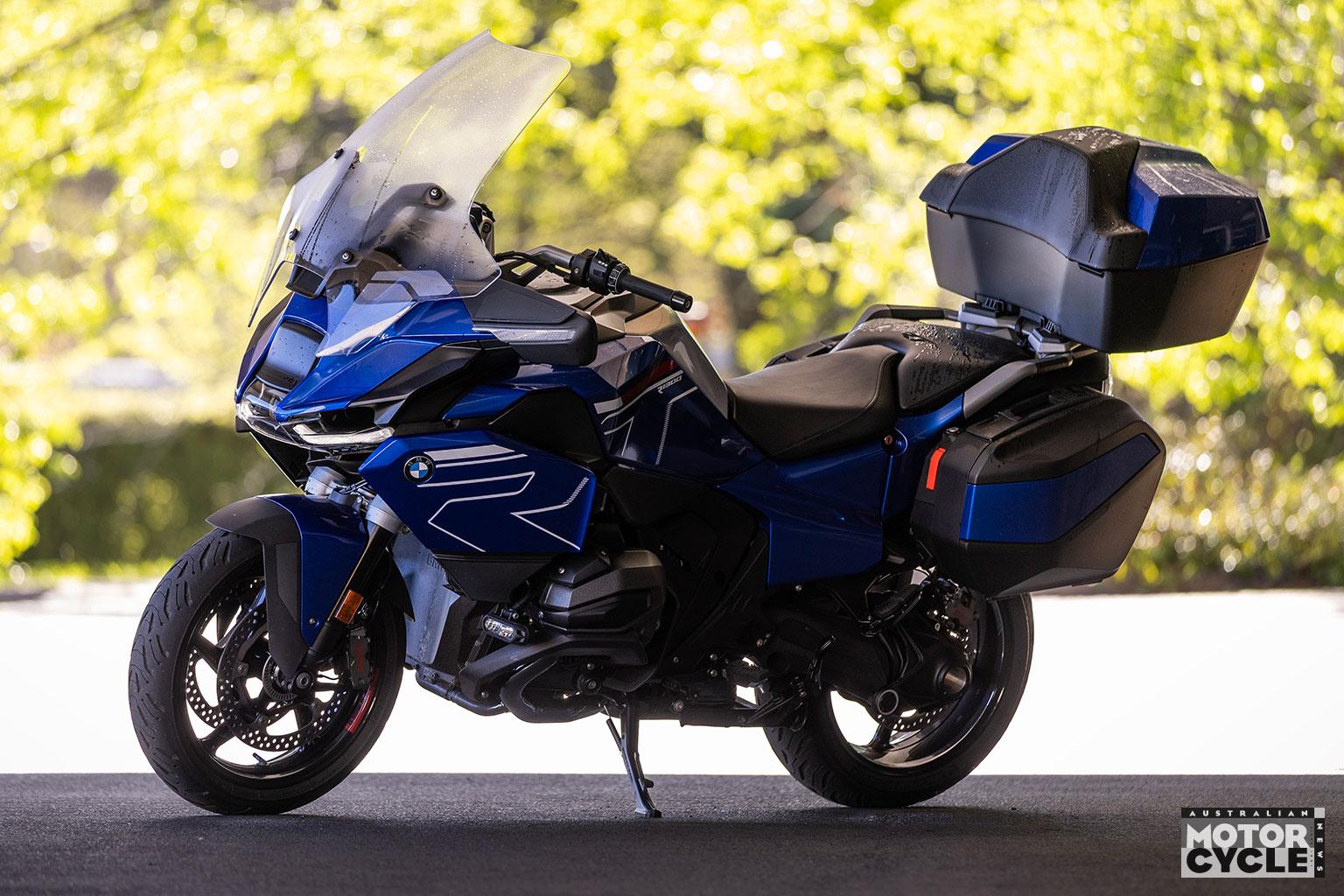
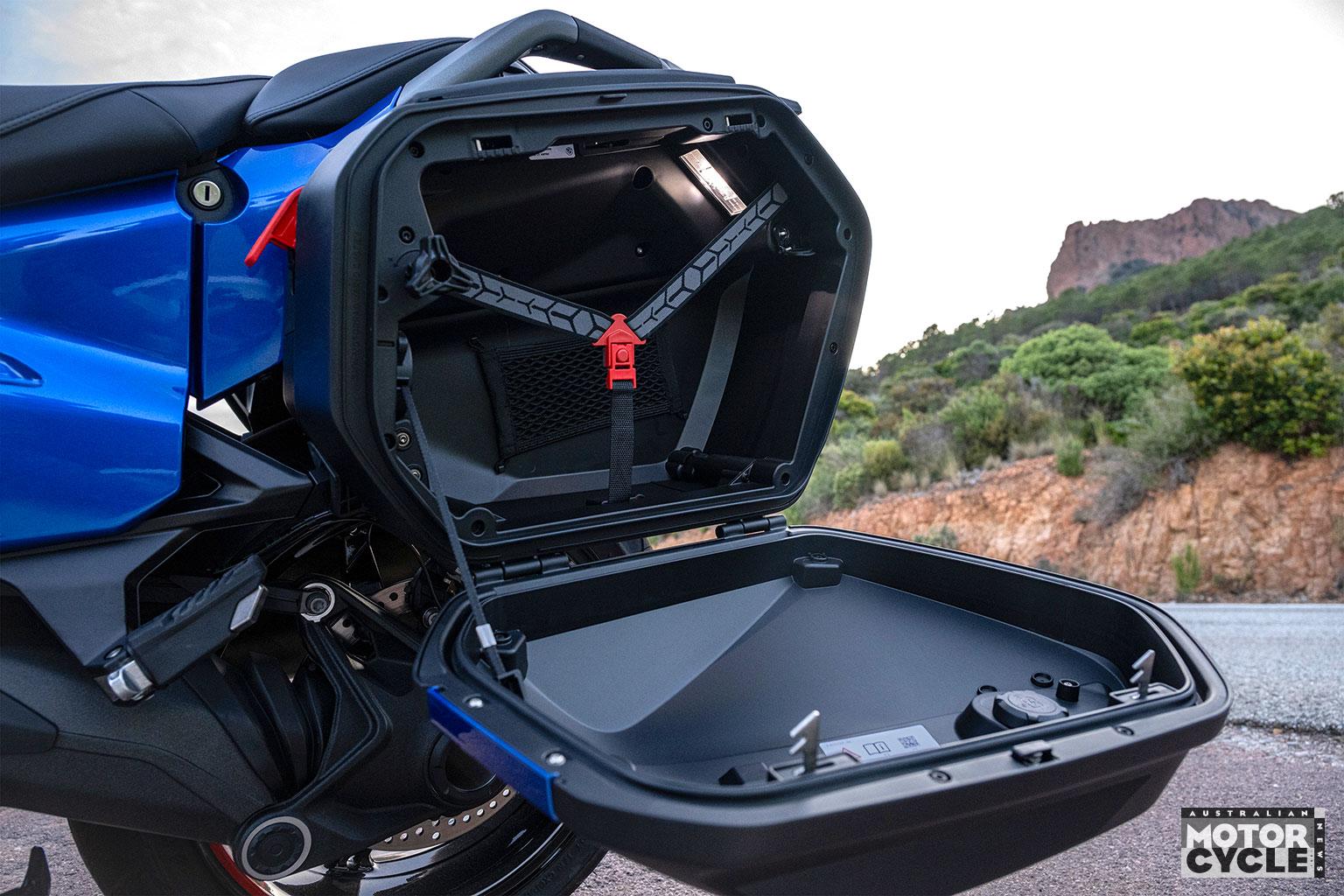
It comes standard with expanding pannier bags in case you acquire things on your trip, a huge electrically adjustable windscreen, adjustable slipstream deflector to keep cold wind off your legs, stereo system, a weatherproof phone charging compartment, a screen bigger than some laptops, fog lights, central locking, ASA and heated grips. And that’s just the base model. The RT carries 24 litres of fuel, an extra 7 litres over the R and RS. It weighs 281kg wet. That sounds scary to sportsbike riders, but compared to tourers and cruisers, it’s light.
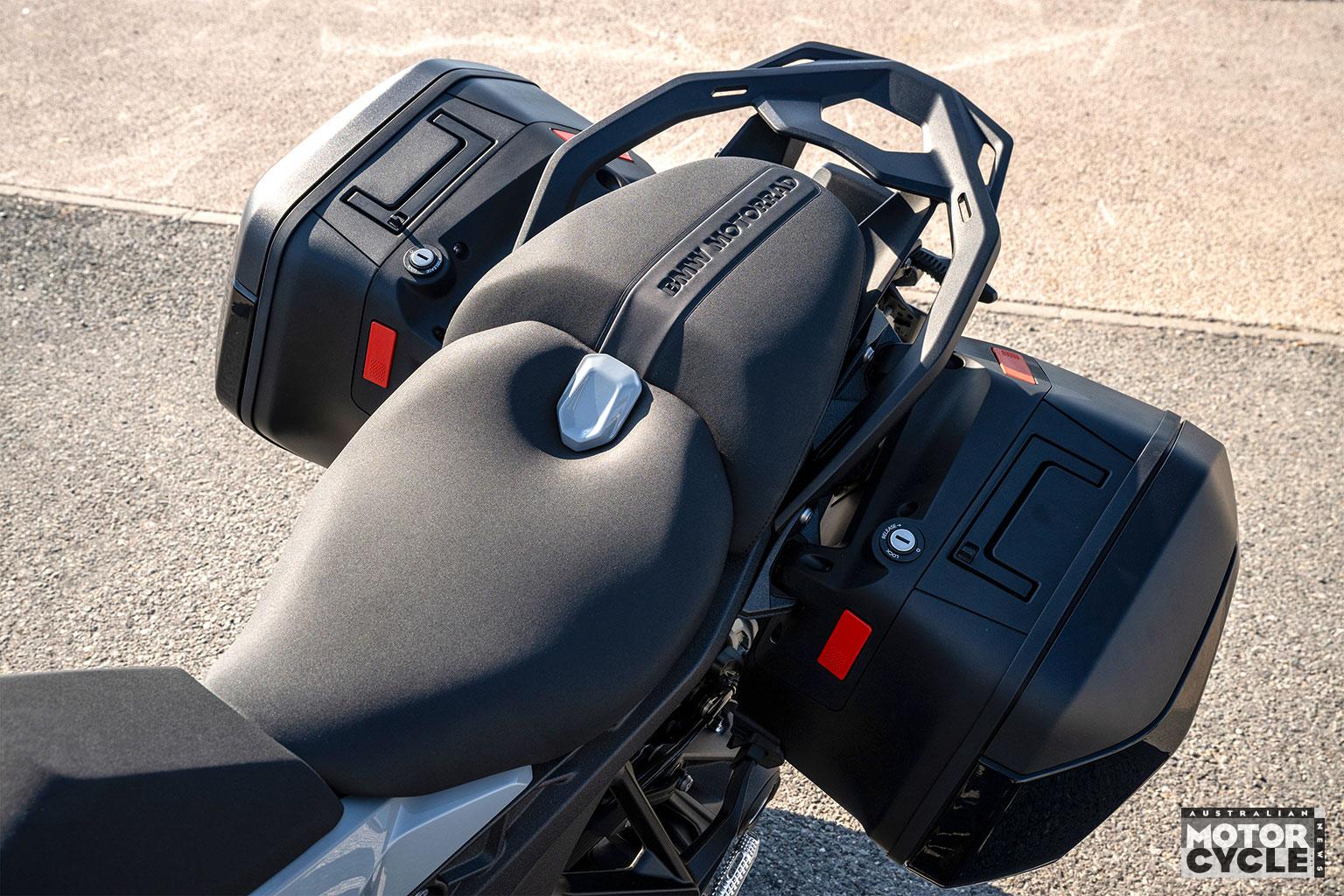
The RT is probably closer to a GS than the RS, as it has the Evo-Telelever front suspension. When you select the Dynamic riding mode, the Electronic Suspension Assistant (ESA) increases the rear ride height to alter the steering geometry and increase cornering clearance. This suspension, along with the low-slung boxer engine, makes it change direction and handle way better than it should; it’s kind of mind blowing.
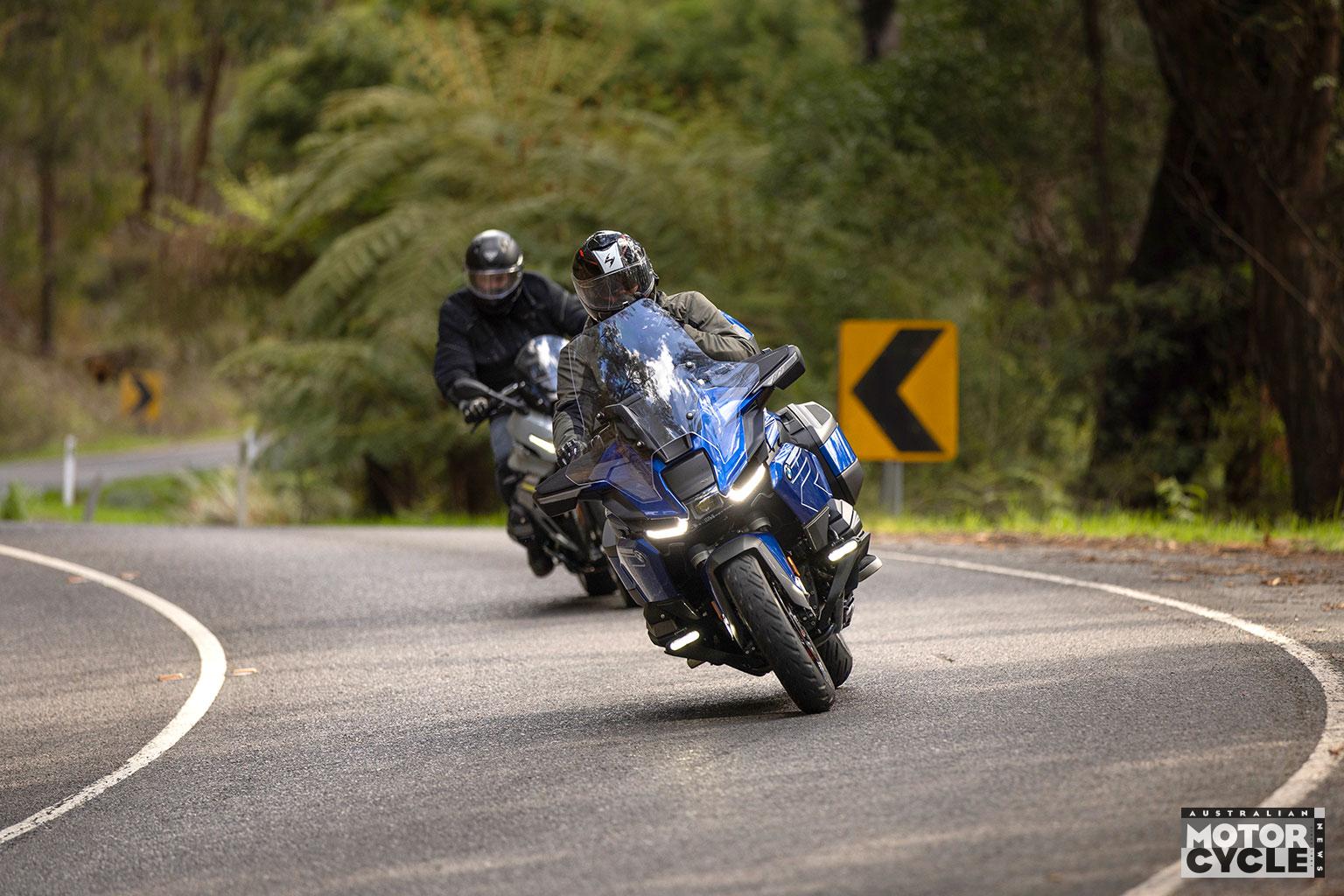
It doesn’t dive under heavy braking, so you can brake late and still soak up the bumpiest of roads in crap situations, all while listening to K-Pop at full volume through the speakers. And let’s just say, that if the police start using R 1300 RTs, they will catch a lot more bikes trying to do a runner down a twisty backroad. Chasing after the R and RS bikes on the launch had me feeling like I was a cop myself. The big RT can be pushed very hard when required and then also split traffic in the city like a Vespa scooter. It will even chuck a wheelie if you so desire.
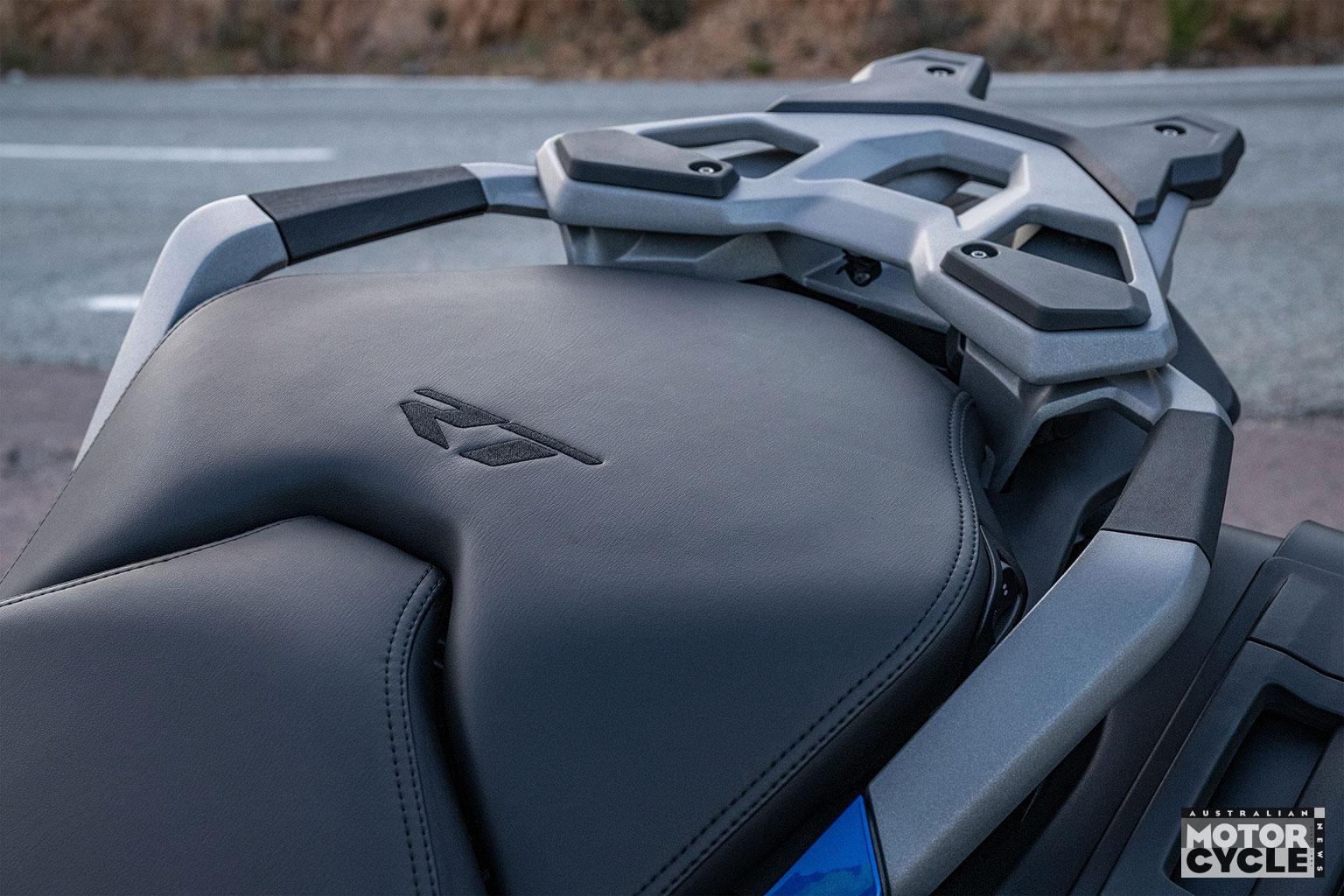
On the top-of-the-range Option 719 version, the pillion gets some extra niceties too. The back rest on the top box is heated, as is the seat and even the passenger grabrails. If they complain about that, just crank up the higher spec speakers and you probably won’t even hear them until you need fuel in about 500km time. Bliss.
The big question to answer
I went into this launch not knowing what to expect from the three models and which would be my favourite. I left possibly even more confused.
When riding in the mountains on billiard table smooth mountain passes, the R 1300 R performance ticked all the boxes. I was like a rat up a drainpipe. Sticky tyres, 52-degree lean angles (I only got 57 degrees on the M 1000 RR on the racetrack) auto gearbox in manual mode so I could change gears when I wanted to, braking late and getting on the gas early had me forgetting all about the practicality I need out of a motorcycle. True key-in brain-out riding.
Then the bumpy backroad sections came along and I was looking for the option 719 RS to rest my bum on and eat up all the bumps for me while enjoying the reduced wind noise.
Then when the day was getting long, it was the RT that offered peace and respite while still making good time. The wind protection on the RT is so good, you can feel a tail wind from the air going over the top of you and swirling back behind the bike.
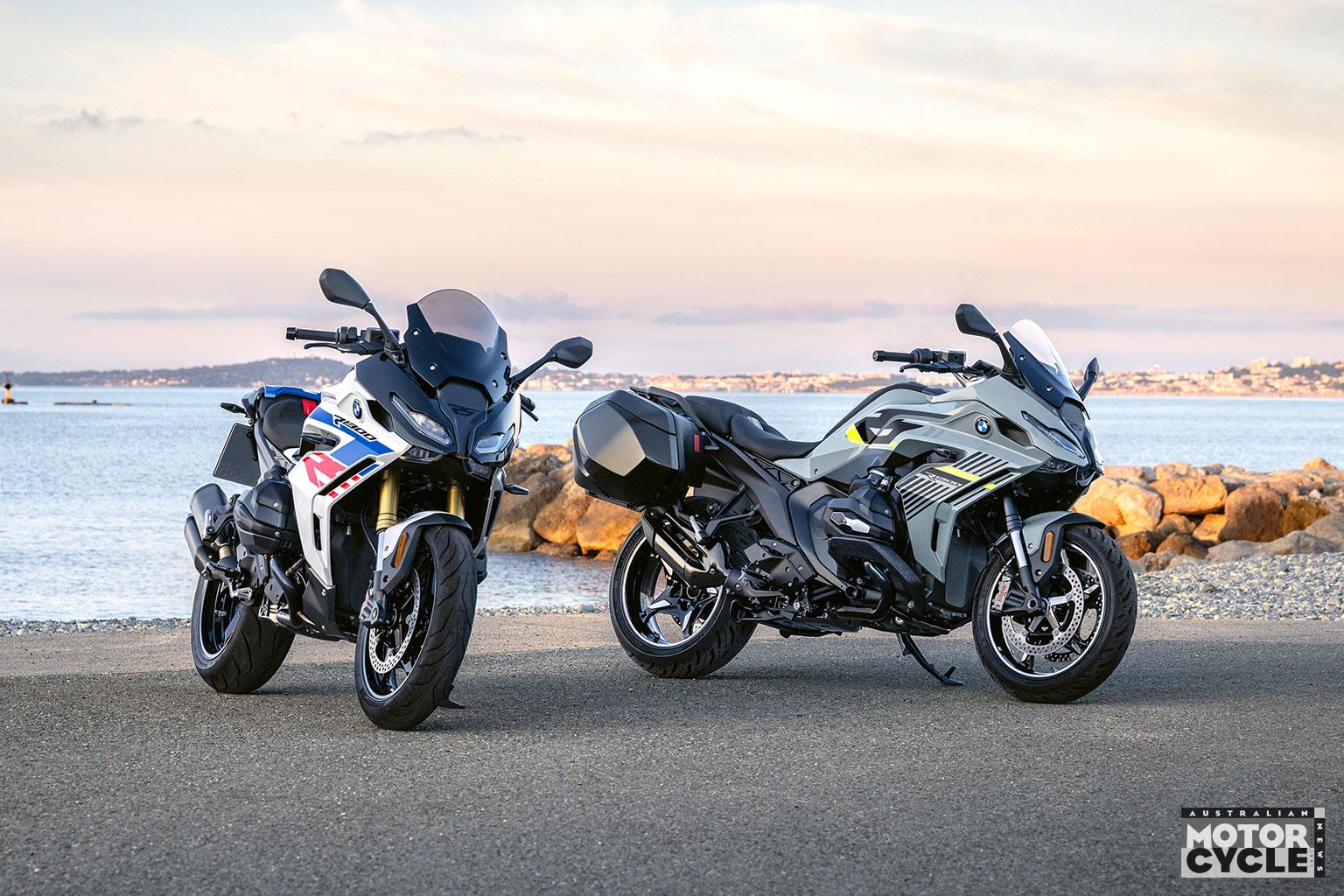
One thing I do know is that I think I enjoyed the boxer twin over the higher revving S 1000 XR or S 1000 R, and it was just as fast. For the crappy roads I ride and the occasional pillion tagging along, I think the RS would be the one in my shed. But only because I’m not quite ready to give up being a ratbag and settle into an RT.
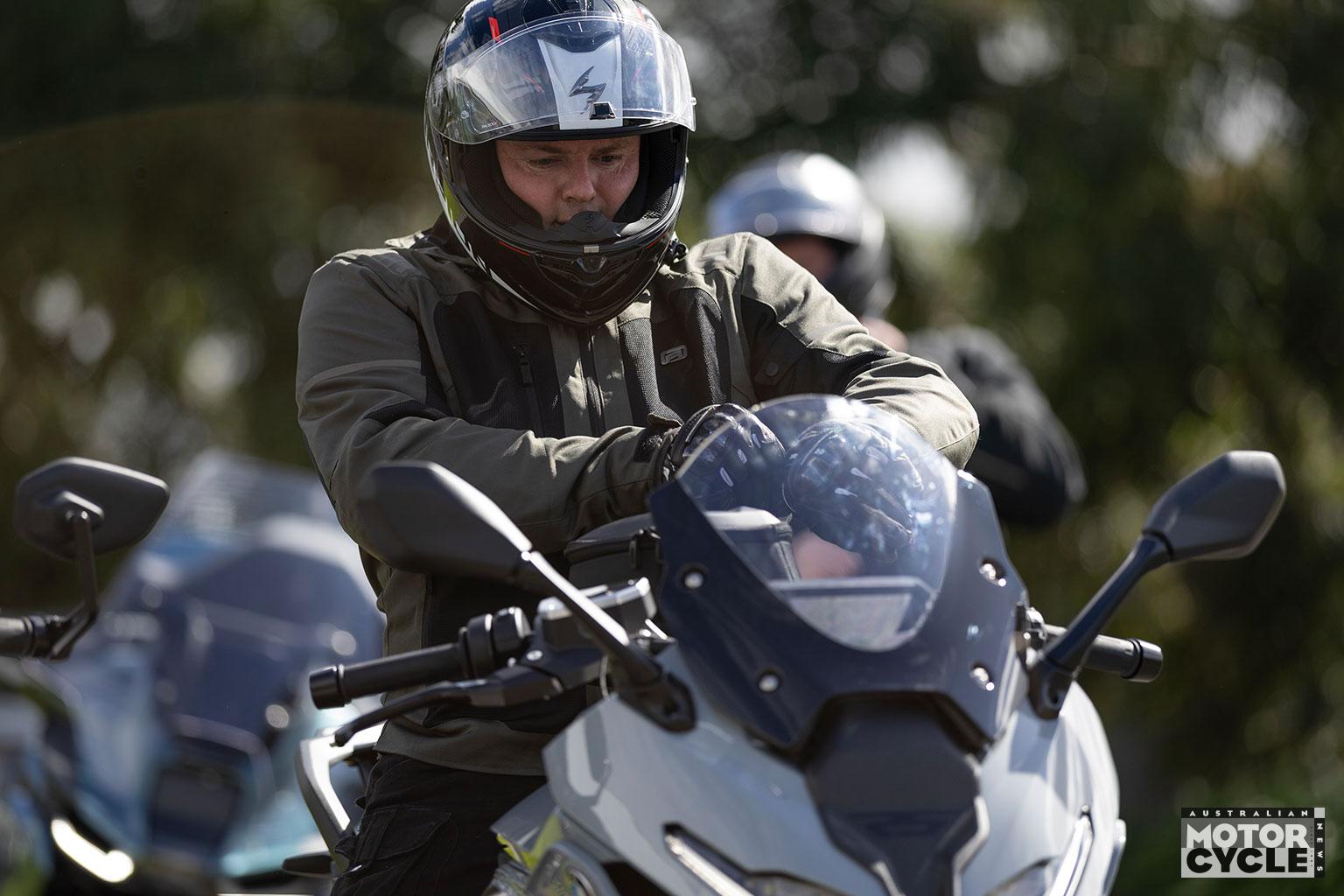
✅ PROS – 1300cc engine is the jewel in the crown, auto box smooths out gear changes, making it very capable in all situations.
❌ CONS – Colours linked to spec levels, can’t have performance model with luggage and there isn’t a blue RS in my garage.
Electrical Engineering
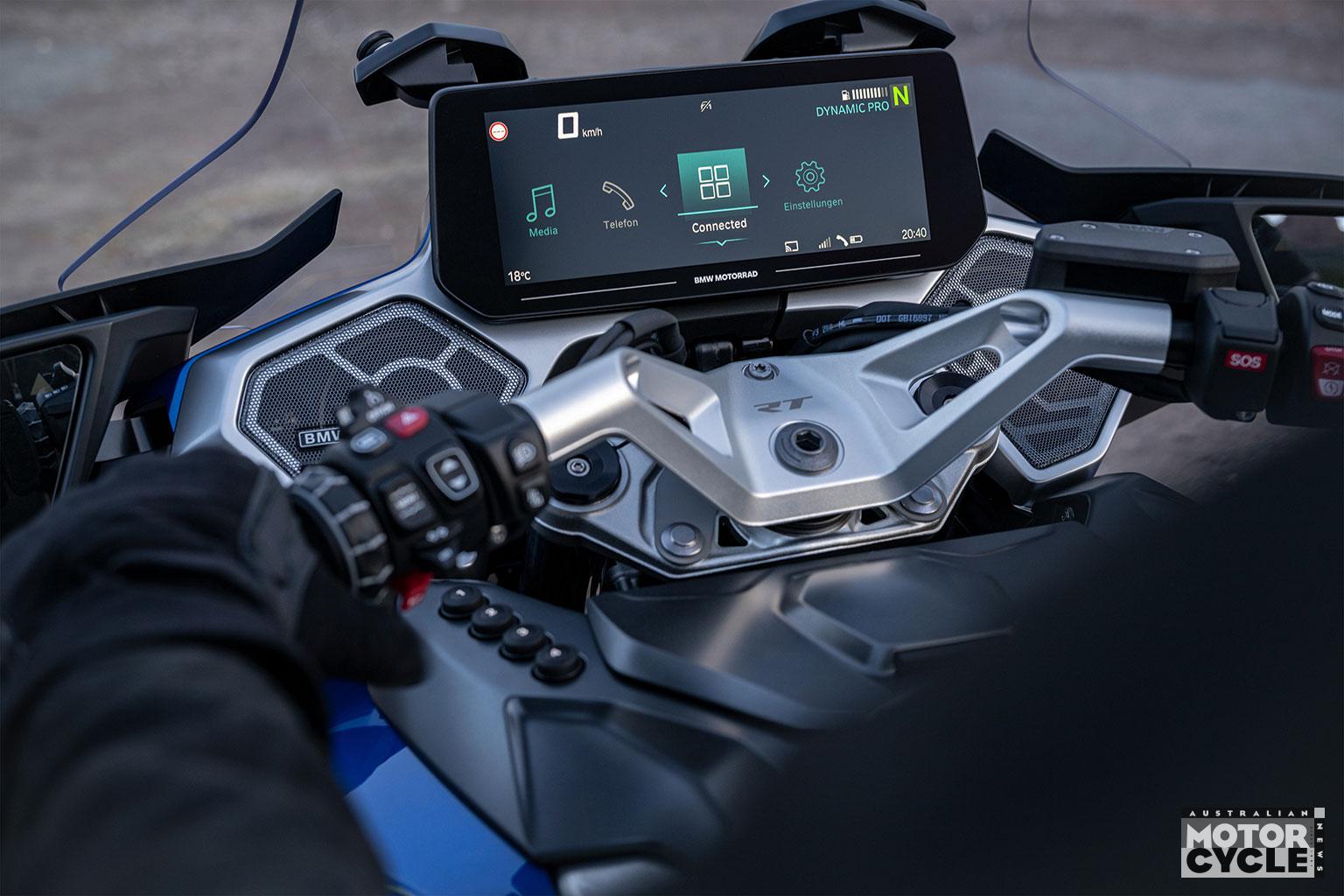
WOW, THERE is no possible way to try every single setting or option on these bikes without having one long term. But let’s have a look at the features:
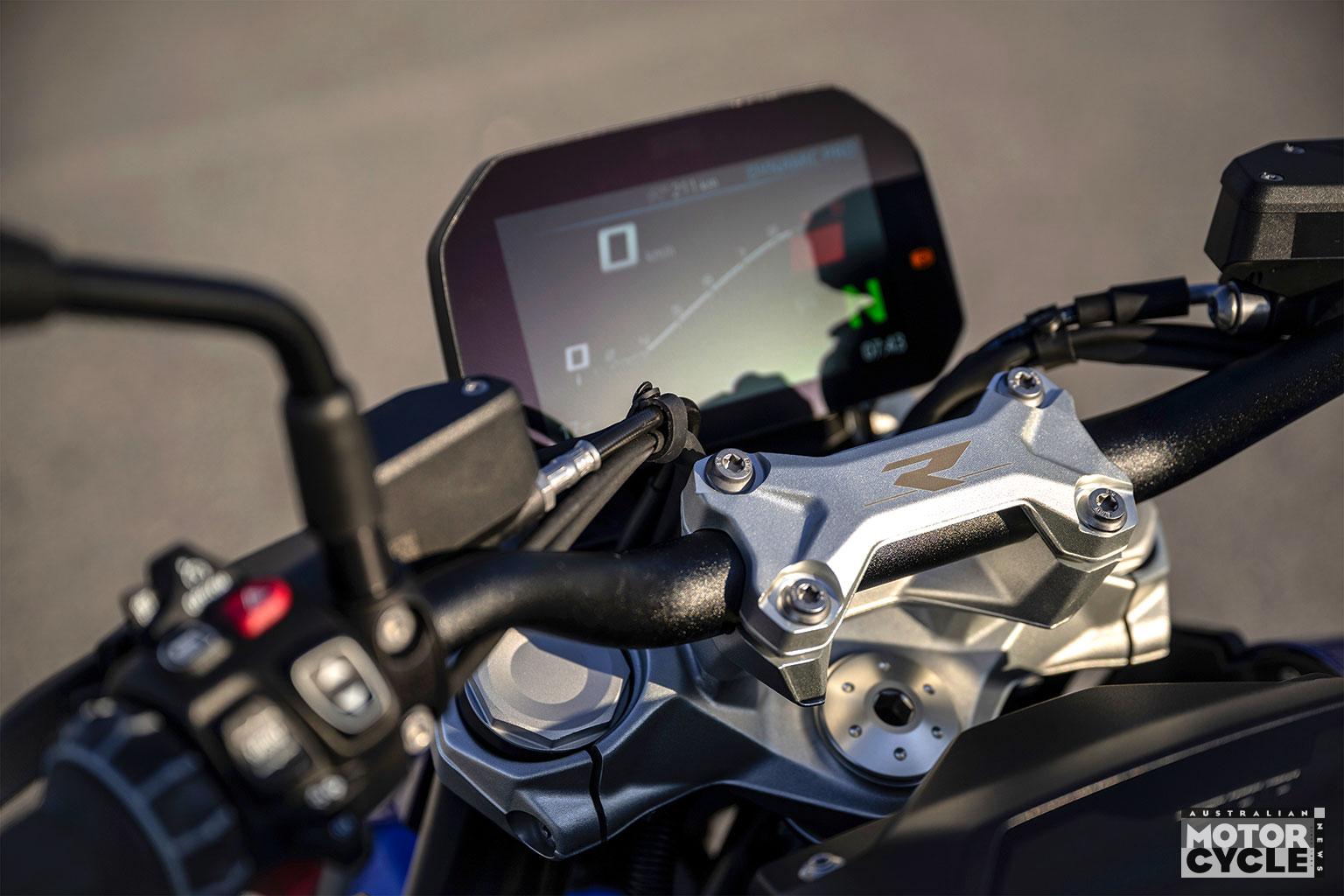
• Dynamic traction control (DTC). Each ride mode has a dedicated setting, and with Pro Modes (optional) you can adjust the TC level on the fly. You can also turn it off via the multi-function menu.
• Dynamic Electronic Suspension adjustment (ESA). Selectable between Dynamic or Road depending on what mode you are in. In the back menu you can then also select from different stiffness settings for Dynamic and Road ride modes. This could almost make the Sports suspension to be as soft as the regular suspension and vice versa.
• Dynamic Chassis Adaption (on the RT only). This increases the rear ride height to raise cornering clearance and change the chassis geometry for better handling.
• Dynamic engine brake control (MSR).
• Ride modes: Eco, Rain, Road, Dynamic, Dynamic PRO (optional). Only four of these can be available at a time, so choose wisely before the ride.
• Integral ABS Pro. More than simply ABS, there is rear lift control, brake force distribution and cornering ABS.
• Automated shift assistant (ASA) (optional). Essentially an auto gearbox but with a manual lever to change gears yourself if desired. Different shift programs for Eco, Road or Dynamic modes and they also adapt to your riding style.
• Riding Assistant (optional). Active cruise control, front and rear radar for front and rear collision warning and lane change warning.
• Hill start control (HSC). You can turn this on or off, but it will hold the brake on for you on a hill.
• Anti theft alarm.
• Tyre pressure monitor (RDC). You can set target pressures and it will warn you if they drop out of the target range. They also account for the tyre temperature to stay super accurate.
• Electric windscreen (RT only). Up and down with the push of a button. It’s like having your own climate control.
• Heating. Heated grips, rider’s seat and passenger seat. Pillion backrest and grab handles (optional on RT).
• Central locking system. For panniers, fuel cap and top box.
• Storage compartment for your phone (RT only).
• Headlight Pro (Optional) to light up the sides of the road better during cornering at night.
• Full phone integration for calls, messaging and music. Bluetooth to headsets to link it all together. Integrated navigation (RT).
• Keyless ride, keep your key fob in your jacket pocket.
THE COMPETITION
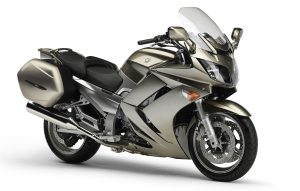
Yamaha FJR1300AE – $34,949 (ride away)
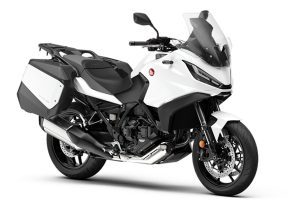
Honda NT1100 DCT – $24,692 (ride away)
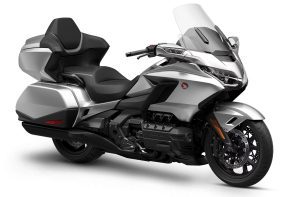
Honda Goldwing Tour Premium – $53,171 (ride away)
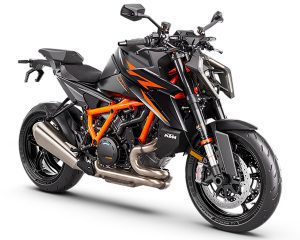
KTM 1390 Superduke R – $31,995 (ride away)
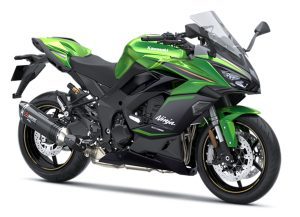
Kawasaki Ninja 1100SX SE – $22,491 (ride away)
KEY SPECS
ENGINE & PERFORMANCE
1300cc liquid-cooled boxer twin, DOHC,
4 valves per cylinder, 13.3:1 compression, 107kW (143hp) @ 7750rpm, 149Nm @ 6500rpm, six-speed gearbox with shaft drive and optional Auto Shift Assistant. Claimed top speed 200-240km/h
CHASSIS & SUSPENSION
Pressed steel main frame with cast alloy subframe; Evo-Paralever rear end and Dynamic Suspension Adjustment (DSA) across the range. R and RS run upside-down telescopic forks (140mm travel); RT uses Evo-Telelever (149mm front / 158mm rear)
BRAKES & WHEELS
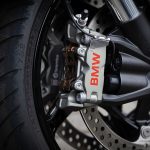
BMW Linked ABS Pro with twin 310mm front discs and 4-piston calipers; 17in cast alloy wheels with 120/70 ZR17 (front) and 190/55 ZR17 (rear) tyres
ELECTRONICS
Cornering ABS, traction and engine brake control, dynamic brake control, hill-start assist, active cruise control, radar-based collision and lane-change warning, keyless ride, multiple ride modes (Eco, Rain, Road, Dynamic, Dynamic Pro). RT adds Dynamic Chassis Adaptation, electric windscreen and more comfort features
DIMENSIONS & CAPACITIES
R: 239kg wet, 17L tank,
seat 785-840mm
RS: 245kg, 17L, seat 790-845mm
RT: 281kg, 24L, seat 780-860mm
COLOUR OPTIONS
R: Snapper Rocks Metallic, Racing Blue, Light White, Blackstorm Metallic
RS: Racing Blue Metallic, Blackstorm Metallic, Light White, Brooklyn Grey Metallic
RT: Alpine White, Blackstorm Metallic, Racing Blue Metallic, Blue Ridge Mountain Metallic
PRICES (RIDE AWAY)
R from $24,695
RS from $25,610
RT from $43,020
CONTACT