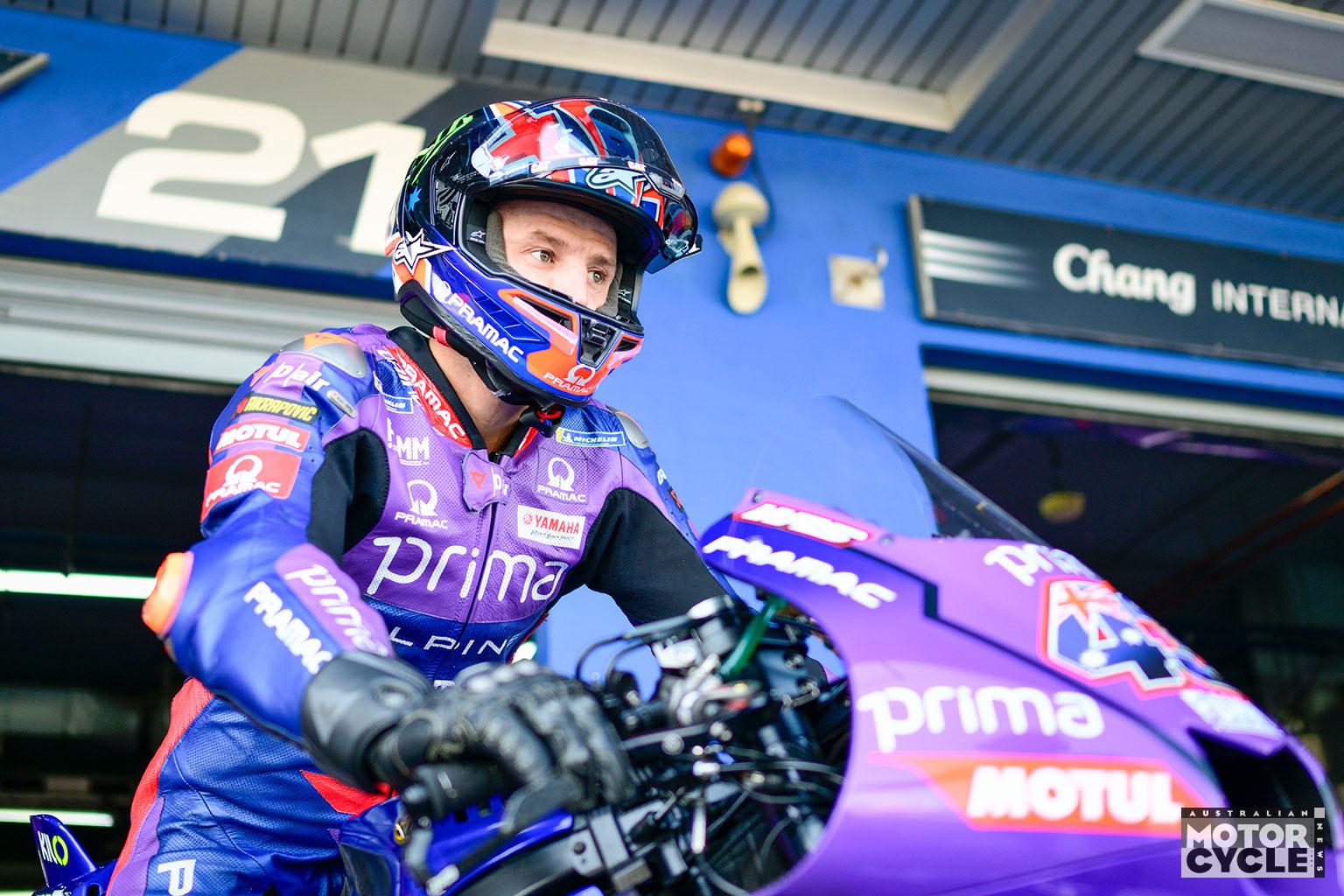
As the premier class leaves Phillip Island for the first time in decades, we unpack the politics, planning and power plays behind Australia’s biggest motorcycle racing shake-up in a generation
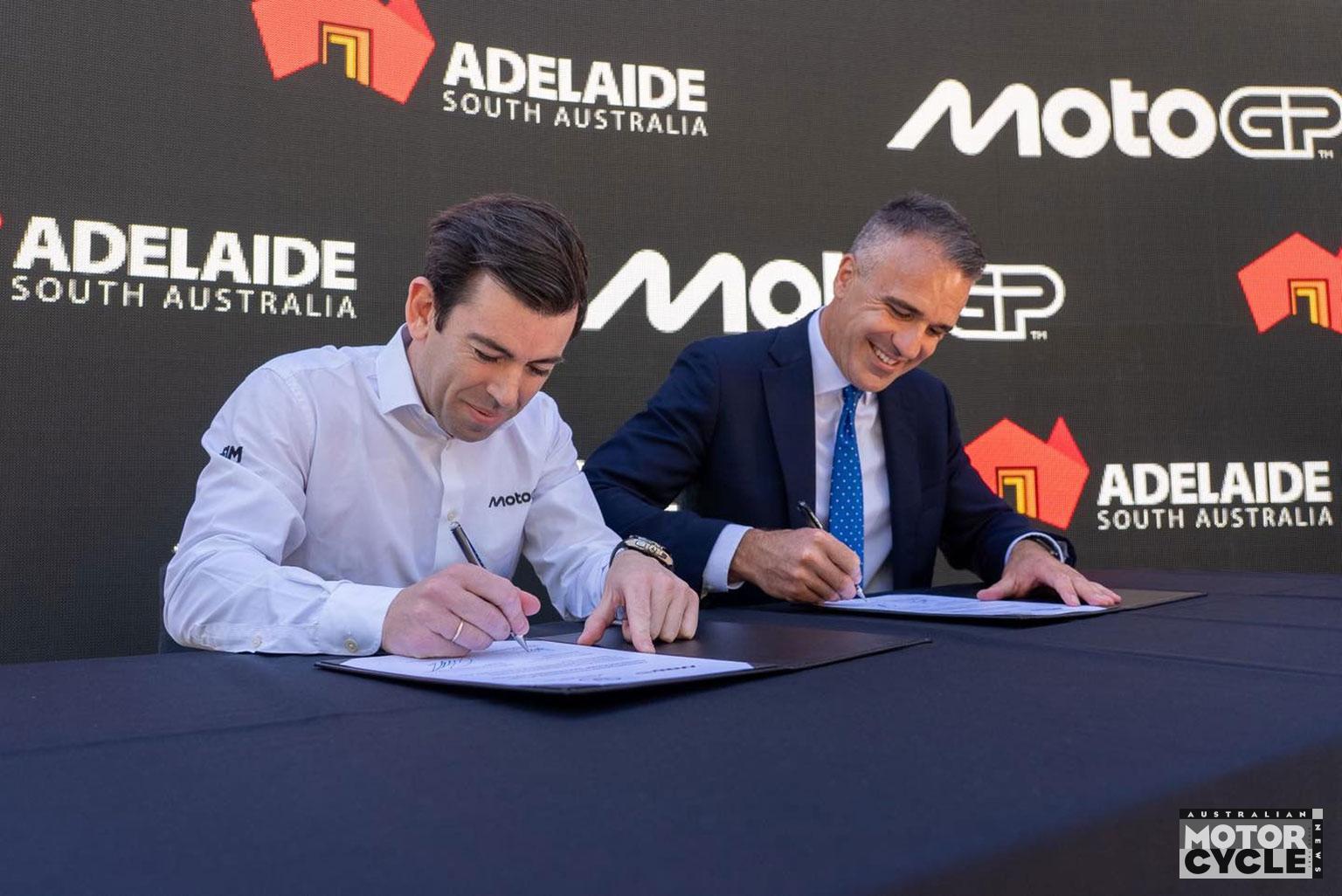
The announcement on 19 February that Australia’s MotoGP round would move from Phillip Island to a new purpose-built city venue in Adelaide, locked in until 2032, is the biggest change to Australian motorcycle racing since GP500 came here in 1989. Let’s peel back the layers of controversy to uncover the how and why of a GP gamechanger.
Is it a street circuit?
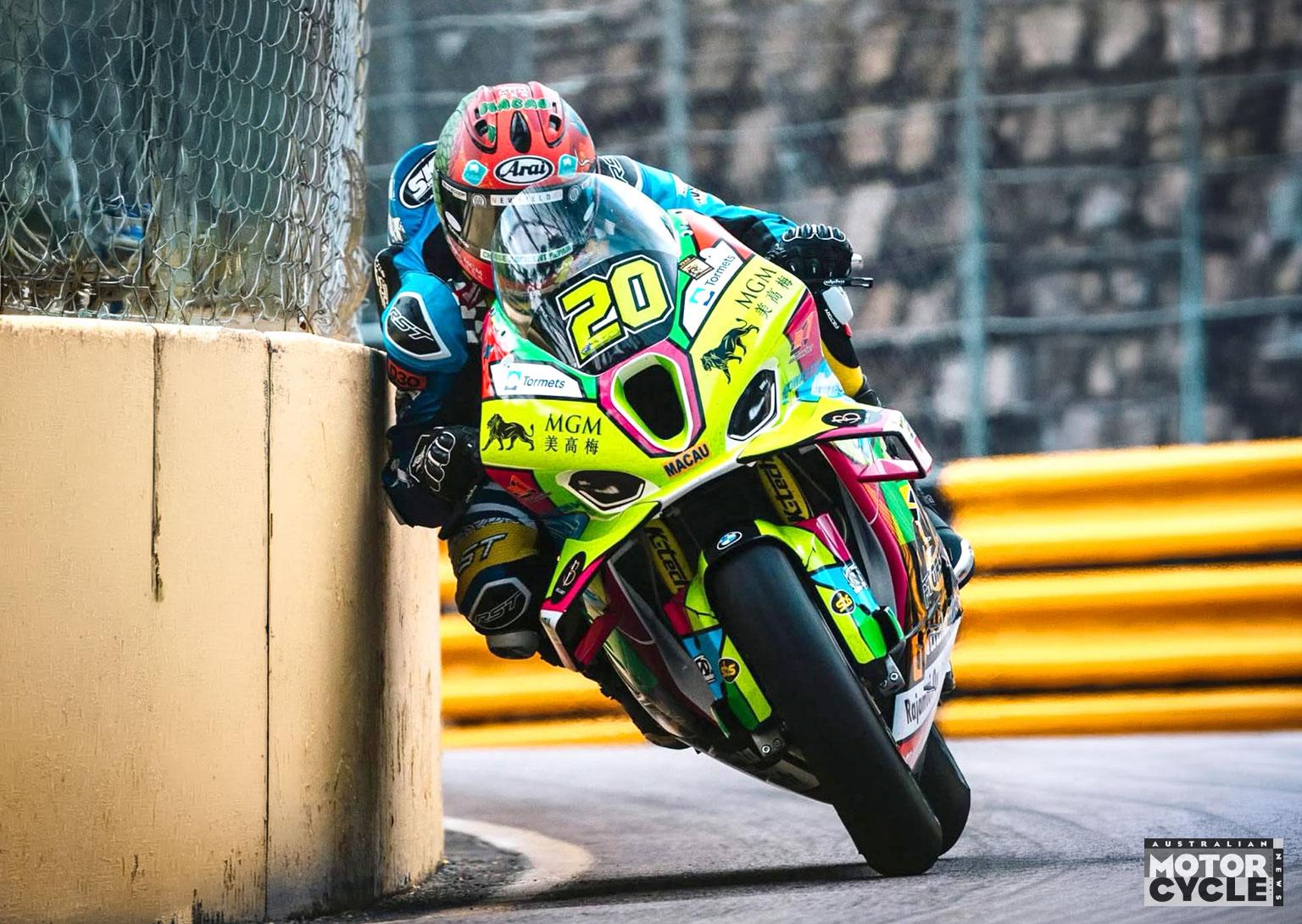
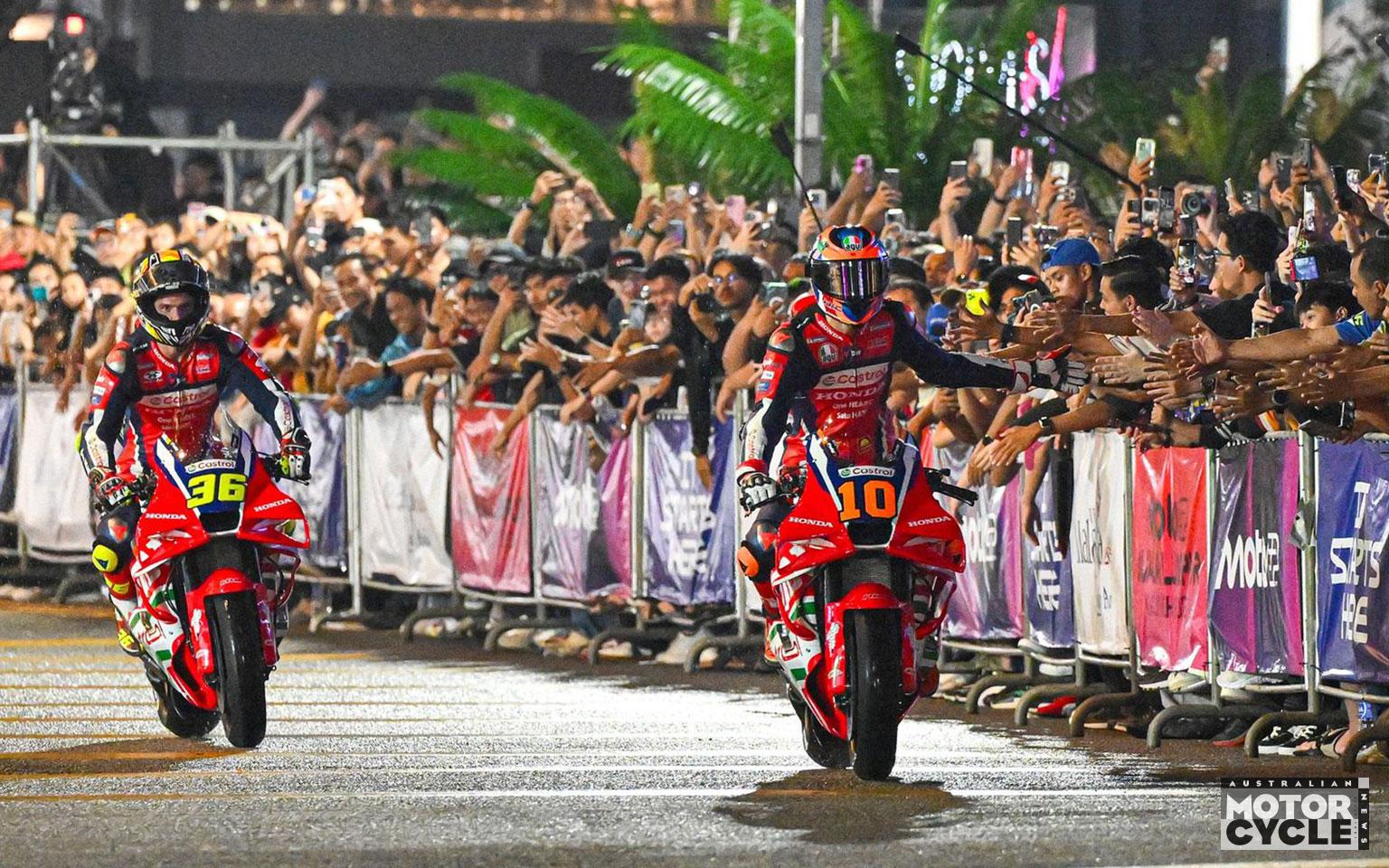
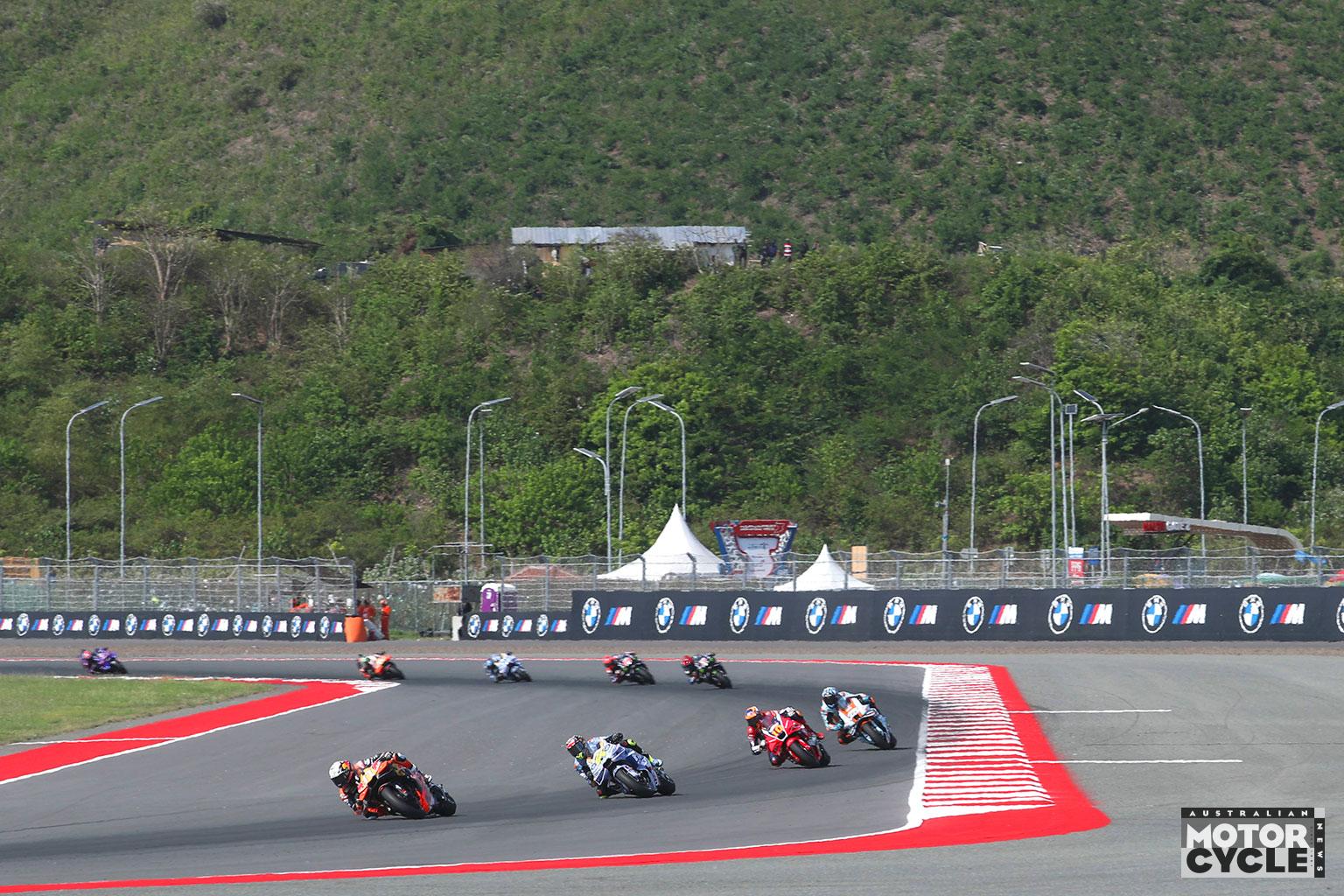
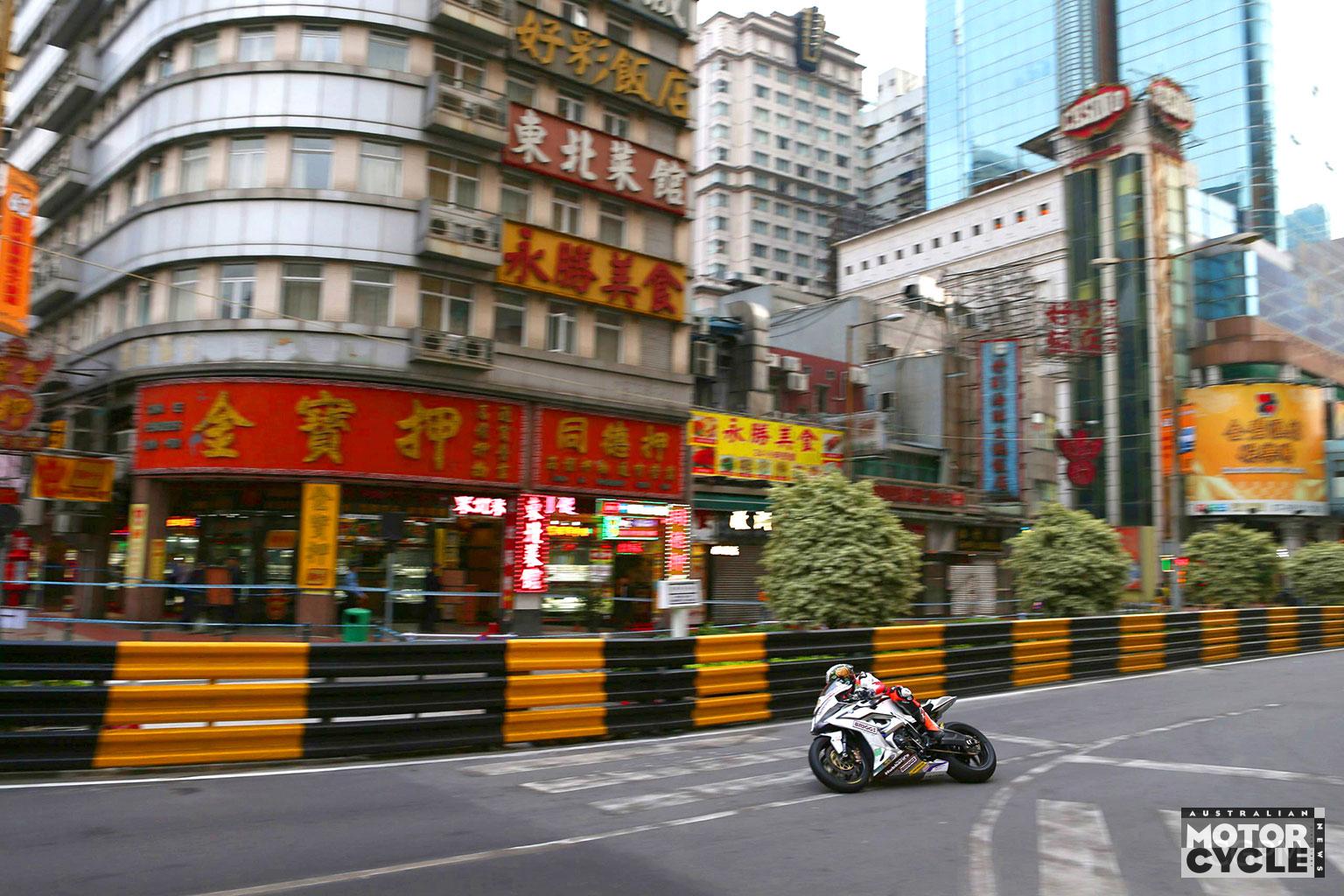
The proposed Adelaide layout is no more a true street circuit than Indonesia’s proudly-titled Mandalika International Street Circuit. In fact, to say the Adelaide venue is the first of its kind is also misleading, because Mandalika is really the prototype of what Adelaide is undertaking.
Put simply, both are racetracks built within an urban area, giving the impression that they are an integral part of a street layout. The aim is about bringing racing to the fans, rather than fans having to travel long distances to be part of the event.
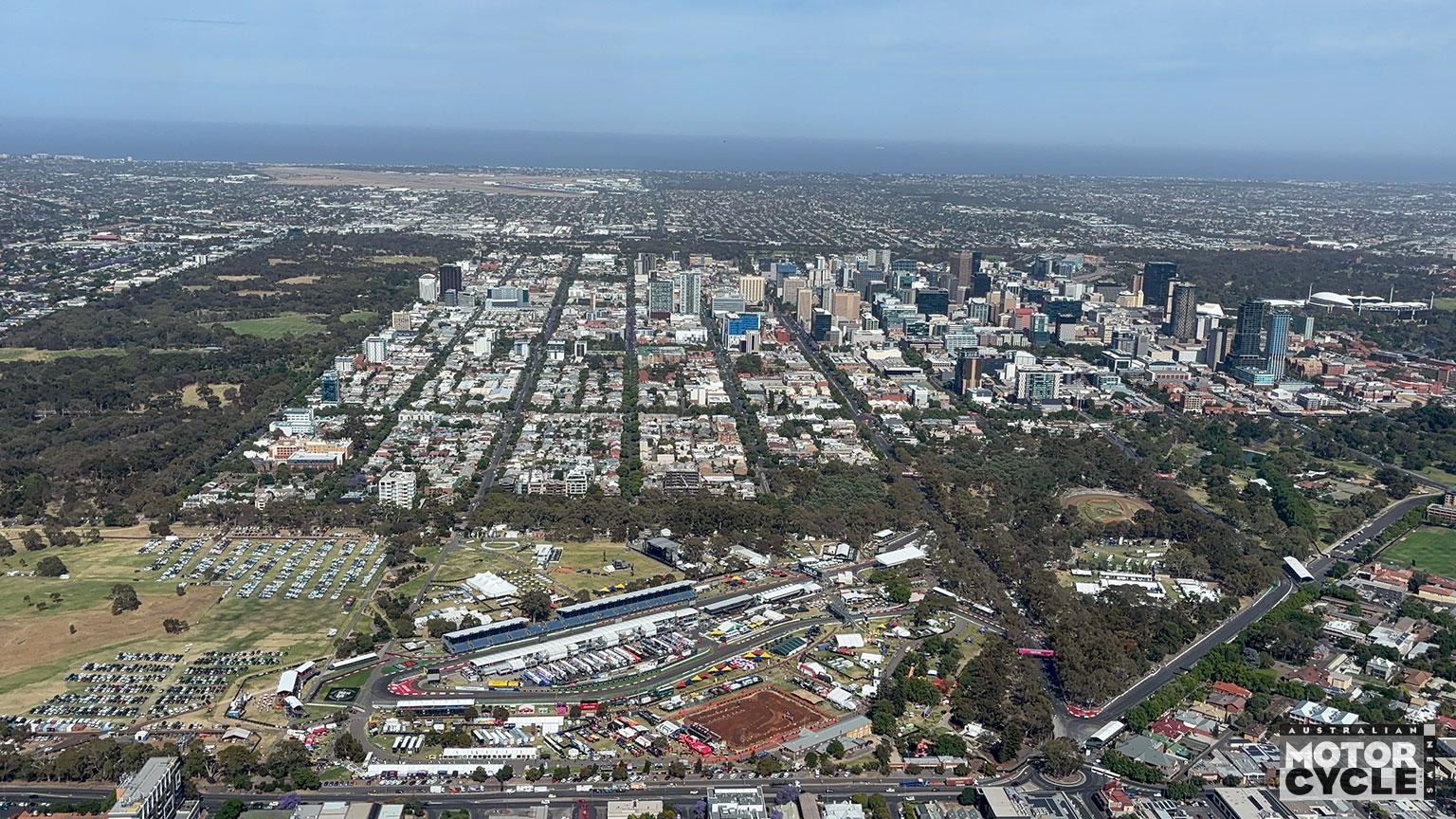
They also bring international focus to a city or, in Mandalika’s case, a tourist hub. Depending on the size of the crowd, the economic benefit could reach much farther into the local community than is possible when you hold a race away from a city.
Announcing the new event, South Australia’s Premier Peter Malinauskas said: “We’re going back to the old F1 Grand Prix circuit.” But even a quick look at the track map shows this is more in spirit than reality. The proposed MotoGP layout, which may very well be modified over the next few months, is 18 corners in a 4.195km lap with anticipated top speeds nudging 330km/h. By comparison, Mandalika’s layout is 17 corners over 4.3km with top speeds around 320km/h.
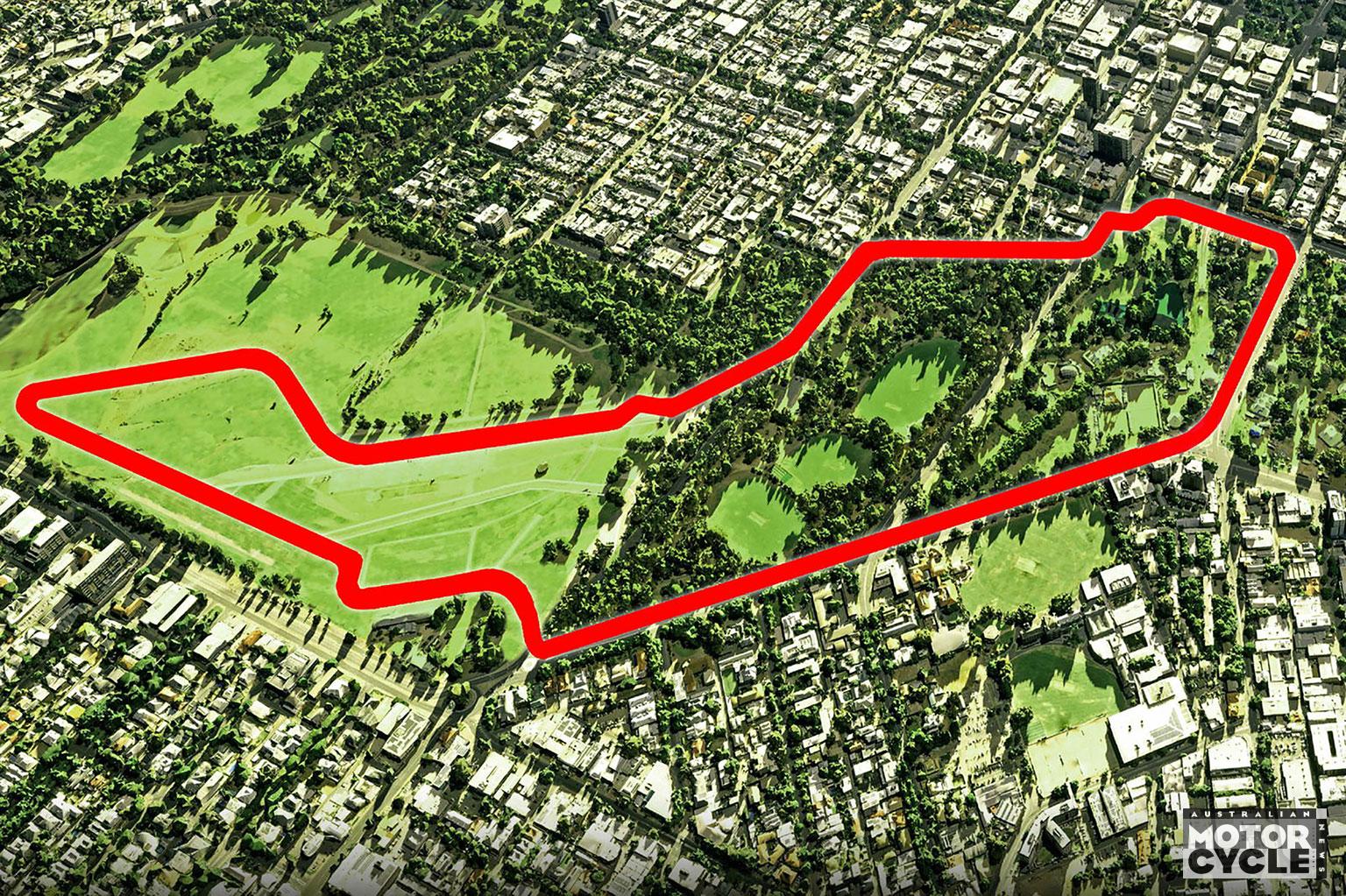
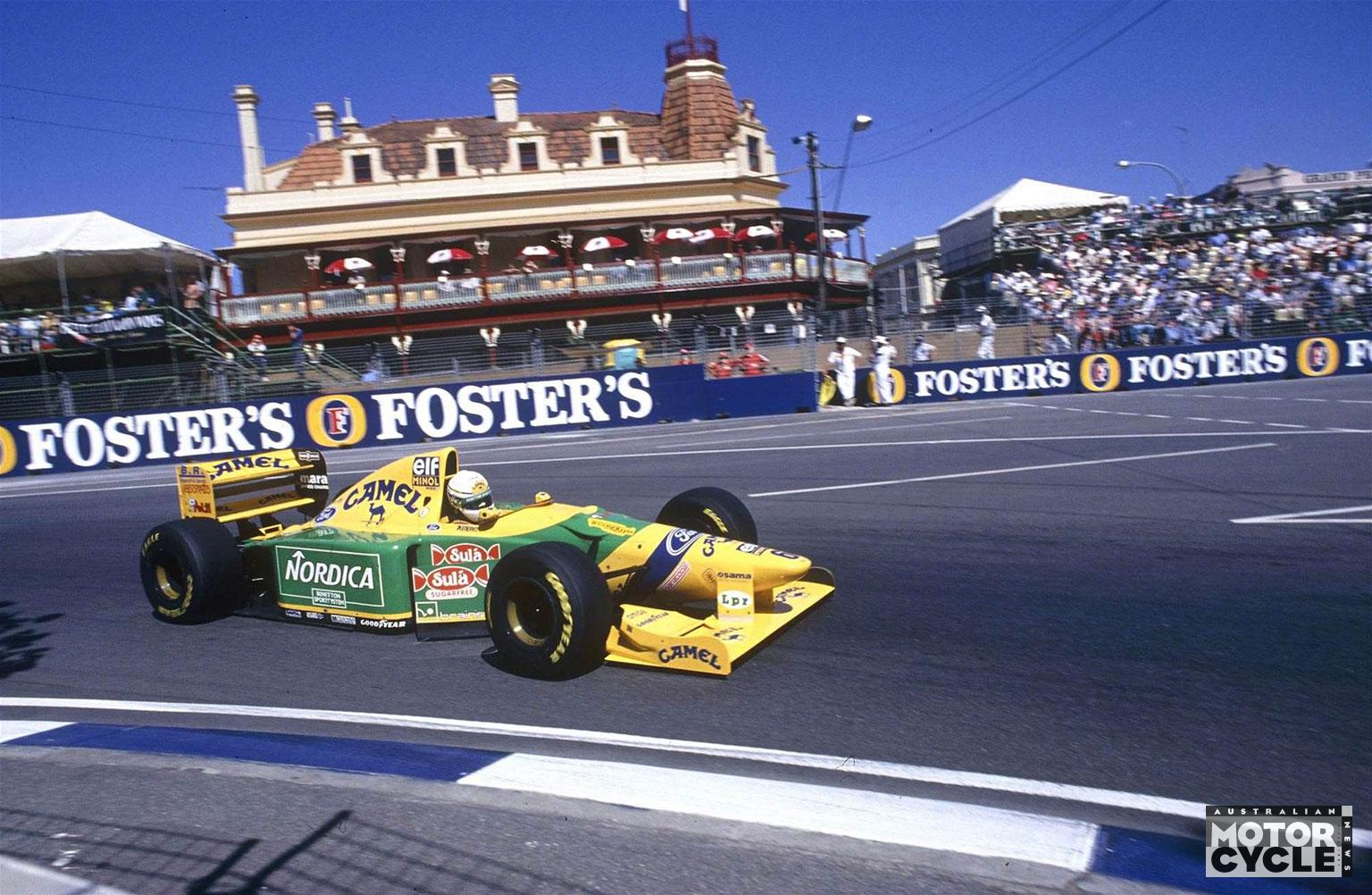
Only a few of the existing or old sections of the F1-Supercars circuit are retained and even these are heavily modified to eliminate their stop-start nature. They have been retained or brought back into the layout so racers scream past some iconic F1 trackside furniture, such as the Stag Hotel, old Brewery Tower and the heritage-listed original horse-racing grandstand within the parklands.
This event is designed as much for overseas TV/internet viewing as it is for the actual fans attending.
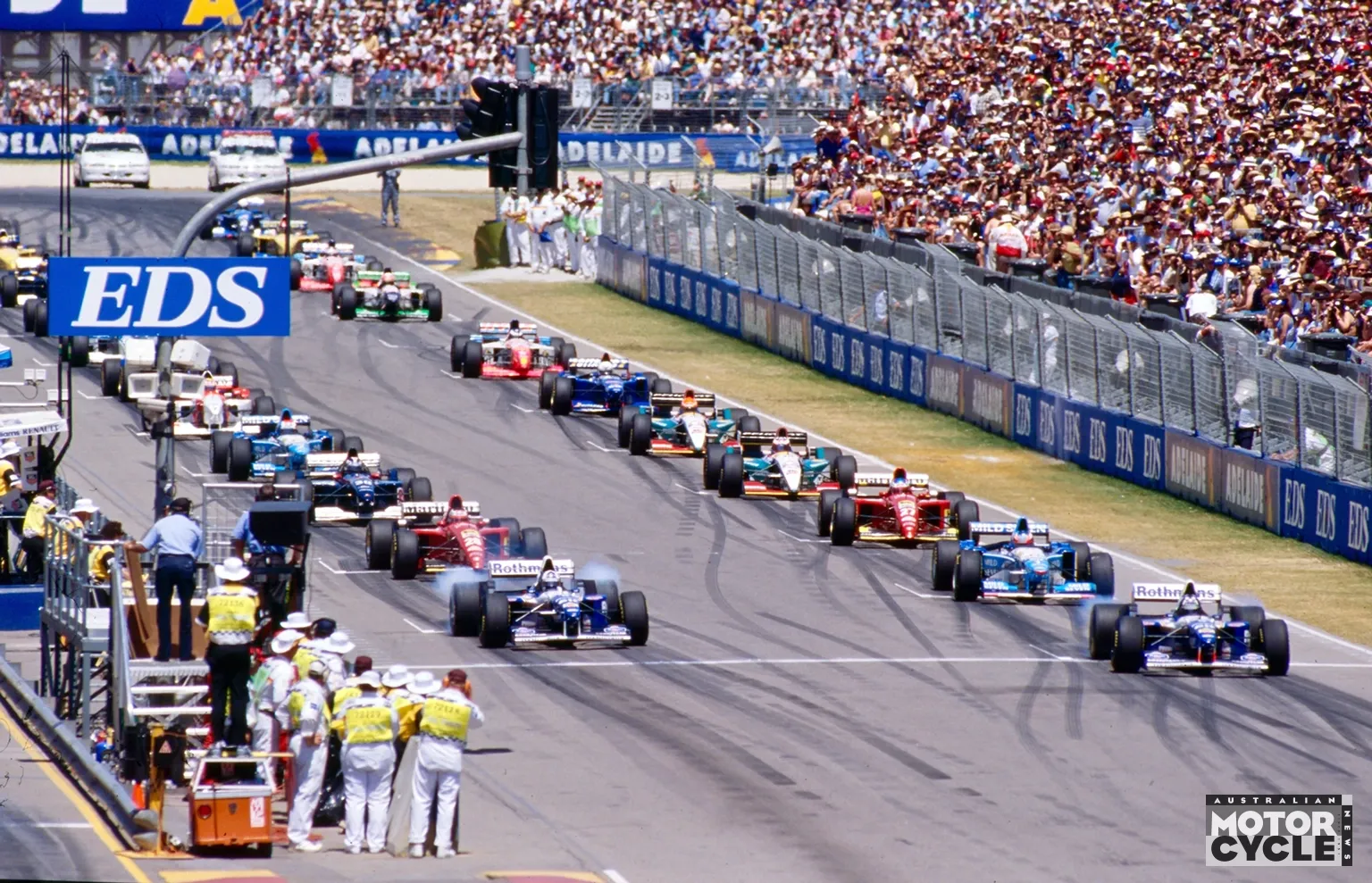
Adelaide’s original F1 car circuit of 1985-95 went from concept to development in less than a year. Its 3.78km layout used existing streets plus a section constructed within the parklands that included the pits and start-finish straight. It was cut back to 3.22km, mainly by chopping parts off around the Stag Hotel section, when the Supercars were brought to it for the first time in 1999.
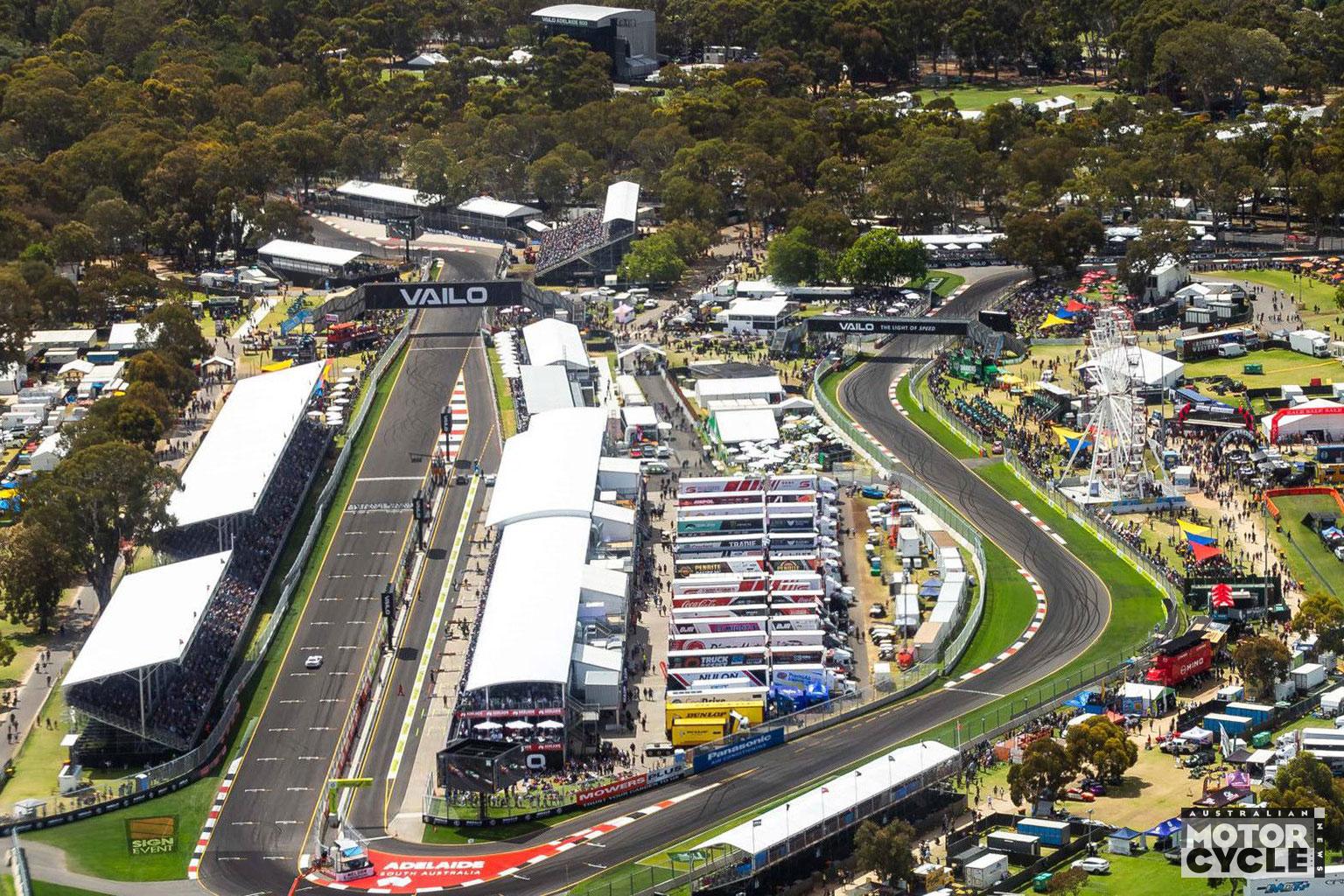
Now the start-finish will be moved over to the area housing the heritage horse-racing grandstand and most of the permanent section of the current track replaced with the new layout. Part of the existing pit straight remains, as well as a modified version of the world-famous Senna Chicane. However, as the track ventures into ‘real roads’, such as Wakefield Rd, several existing and very tricky 90-degree corners become a straight line.
From there, racers will charge into the resurrected original F1 section that sweeps them past the Stag Hotel and into the old Brewery Bend. As the bikes will be using the F1 Rundle Rd-Dequetteville Tce layout rather than the Supercars’ Bartels Rd layout, the crash-prone Supercars Turn 8 is removed.
How will the new circuit be built?
The days of old men in crumpled suits sitting around an ancient oak table with pencil and paper working out how many hay bales to lash to telephone boxes and power poles are long gone. Racing circuits are now largely designed on computers using programs that can anticipate worst-case scenarios and test them in virtual reality.
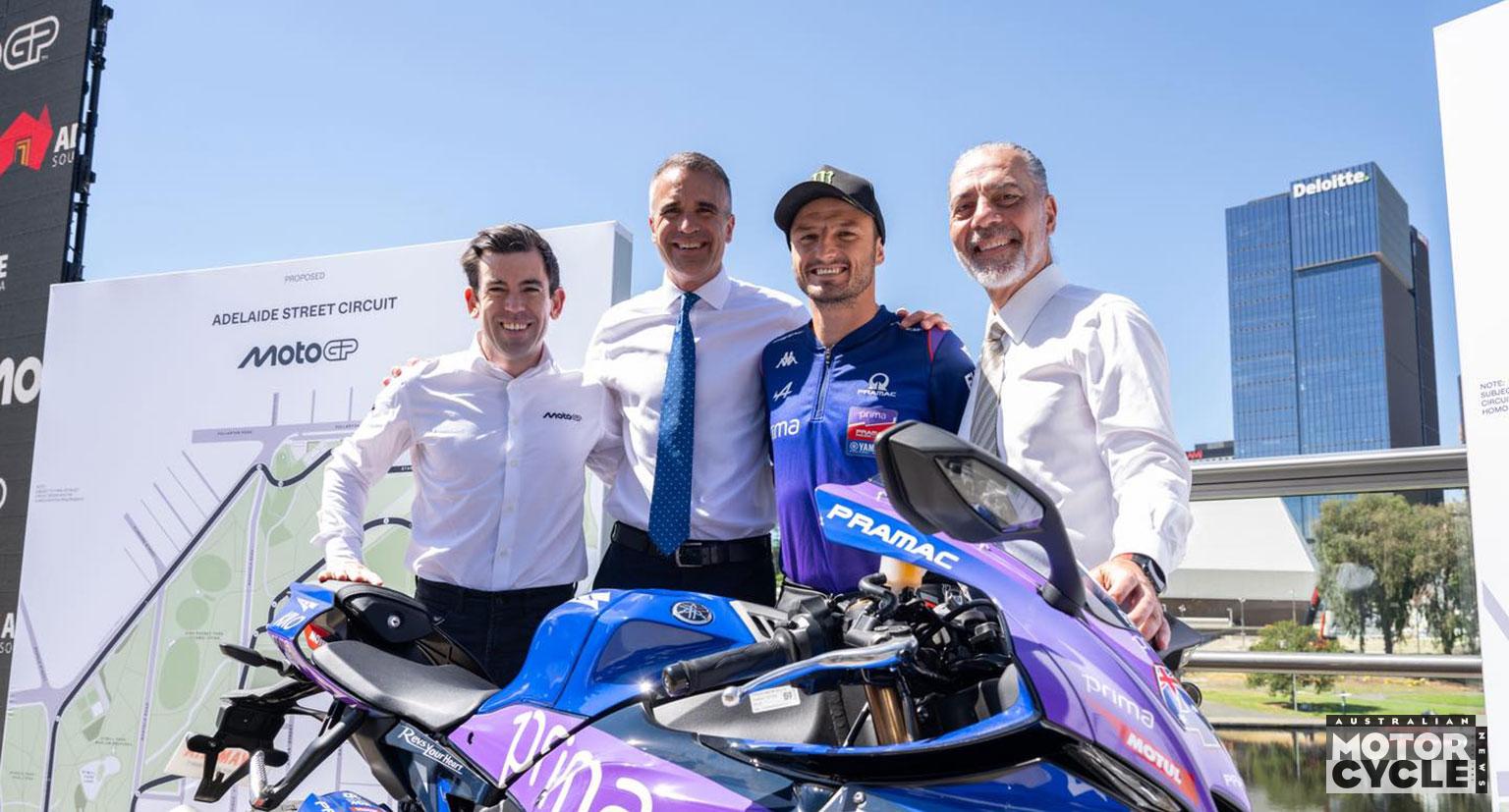
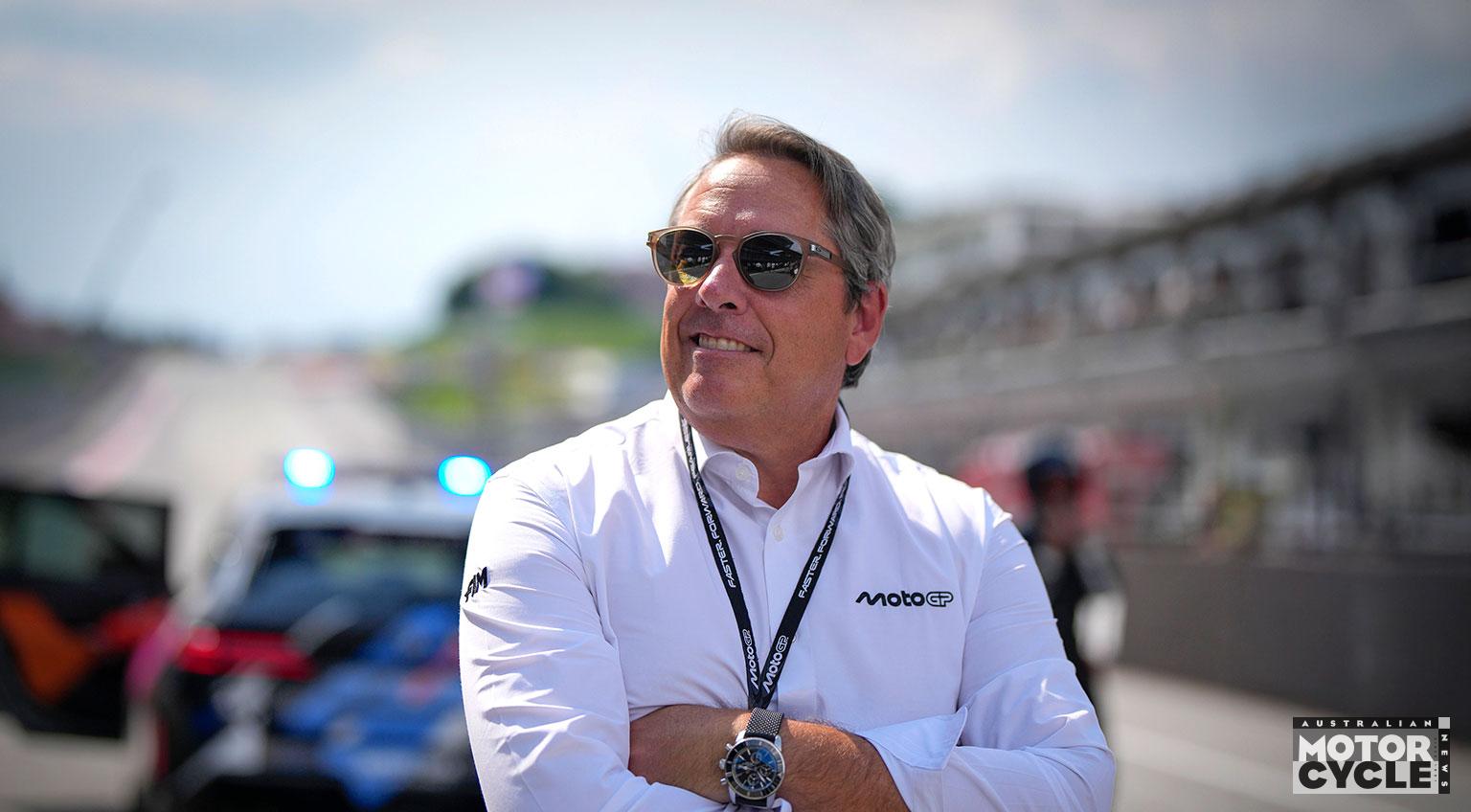
This technology was first used on a large scale when F1 introduced the FIA Formula E World Series. The idea of running race cars that can accelerate from 0-100km/h in 1.8sec on temporary inner-city streets may have seemed crazy at the time but track layouts were determined using computer software and tested using simulation programs. Similar technology is being used in the design of the Adelaide track, which is why at the launch MotoGP supremo Carlos Ezpeleta said: “The way that we’ve done this is to study the area that was available for the track very, very closely, up to the centimetre I would say, and then build a track with our speed calculations and the possible crash trajectories.”
This computer technology means the shape of a corner will be determined by the preceding braking zone. Long straights are incorporated to encourage slip-streaming, as overtaking on these computer-designed corners is difficult; very few of them are the challenging switchback hairpins of old.
The downside of all this is the risk of the circuit getting a boring layout that is then repeated on other tracks designed by these computer programs. The upside is that safety is built into the original design, not added to it after serious accidents.
Next is the issue of the track surface. The public road you drive along every day is built to withstand the weight of a variety of vehicles, up to semi-trailers, so is designed for a long service life. A racetrack surface has to cater to repeated, high-speed, high-load braking on the same section of bitumen lap after lap, season after season.
This surface is super-expensive to lay, which is why burnouts on the track surface at Phillip Island were banned long ago. It also means that there is no chance the Adelaide circuit, apart from the tiny area that is actually a public road, will be having any daily transport using it.
How does it get approval for MotoGP?
Like every other circuit on the MotoGP calendar, Adelaide will have to meet strict Grade A FIM standards and be approved by this body before it can start being used. (FIA approves circuits that cars race on, so don’t be surprised if organisers get it involved as well.)
The MotoGP Safety Commission, composed of representatives from riders, teams via IRTA, manufacturers via MSMA and FIM-Dorna officials, reviews progress during construction and suggests improvements. Ex-MotoGP racer Loris Capirossi, involved in rider and track safety since 2011, has already been part of the discussions regarding layout.
Then, before FIM-Dorna sign off on the track, it has to be tested at race pace by the type of machines likely to be competing on it.
The process of design and construction used to take up to five years but strong financial and political support, backed by computer technology, has slashed this time. For example, Hungary’s Balaton Park took four years, while Indonesia’s Mandalika, built in a designated Special Economic Zone, was completed in well under three years, despite the Covid-19 pandemic. WorldSBK were the first international motorcycles to race on it (November 2021), with MotoGP following in March 2022.
Adelaide officials are confident their circuit will be ready to race on by November 2027. At face value this seems like a pie-in-the-sky prediction but most of the team behind the project revived the Adelaide Supercars street round in a few months after Labor gained power.
Tenders for that event went out in June 2022, with the race held that December, while the newly elected Labor state government tipped in $18m.
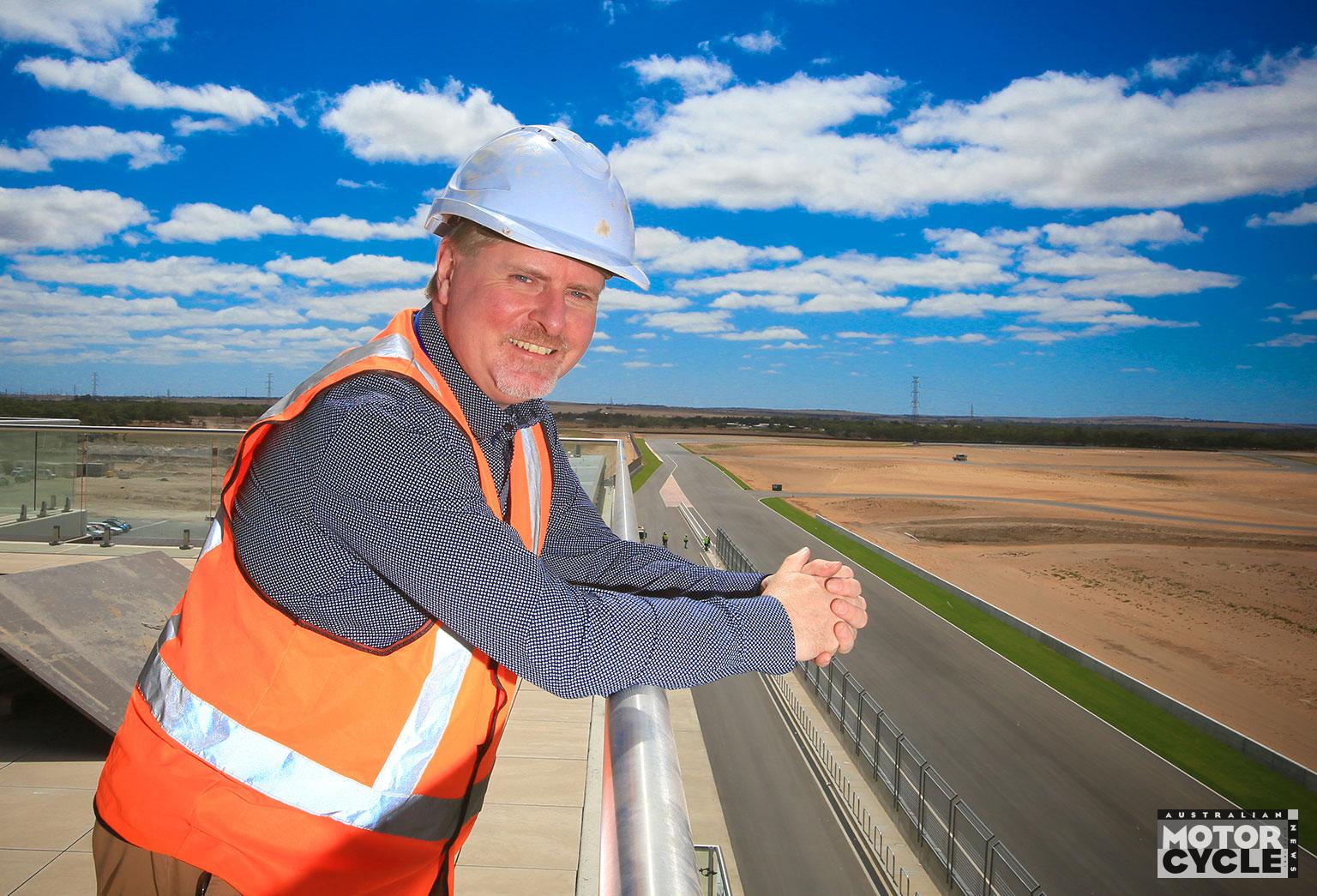
Mark Warren, appointed as CEO by the South Australian Motor Sport Board to deliver the Supercars event, left his position as the inaugural general manager of The Bend Motorsport Park to take up this role.
How did the Vics lose the event?
The writing started to get written on the wall for the Australian Grand Prix Corporation when Dr Sam Shahin, a qualified GP, started building The Bend Motorsport Park in 2016.
A businessman with a laser-like focus, he also had the smarts to listen to the experts. Just one example is accepting advice that made him move the entire project to a more undulating part of the vast former Mitsubishi Motors Australia test track property near Tailem Bend.
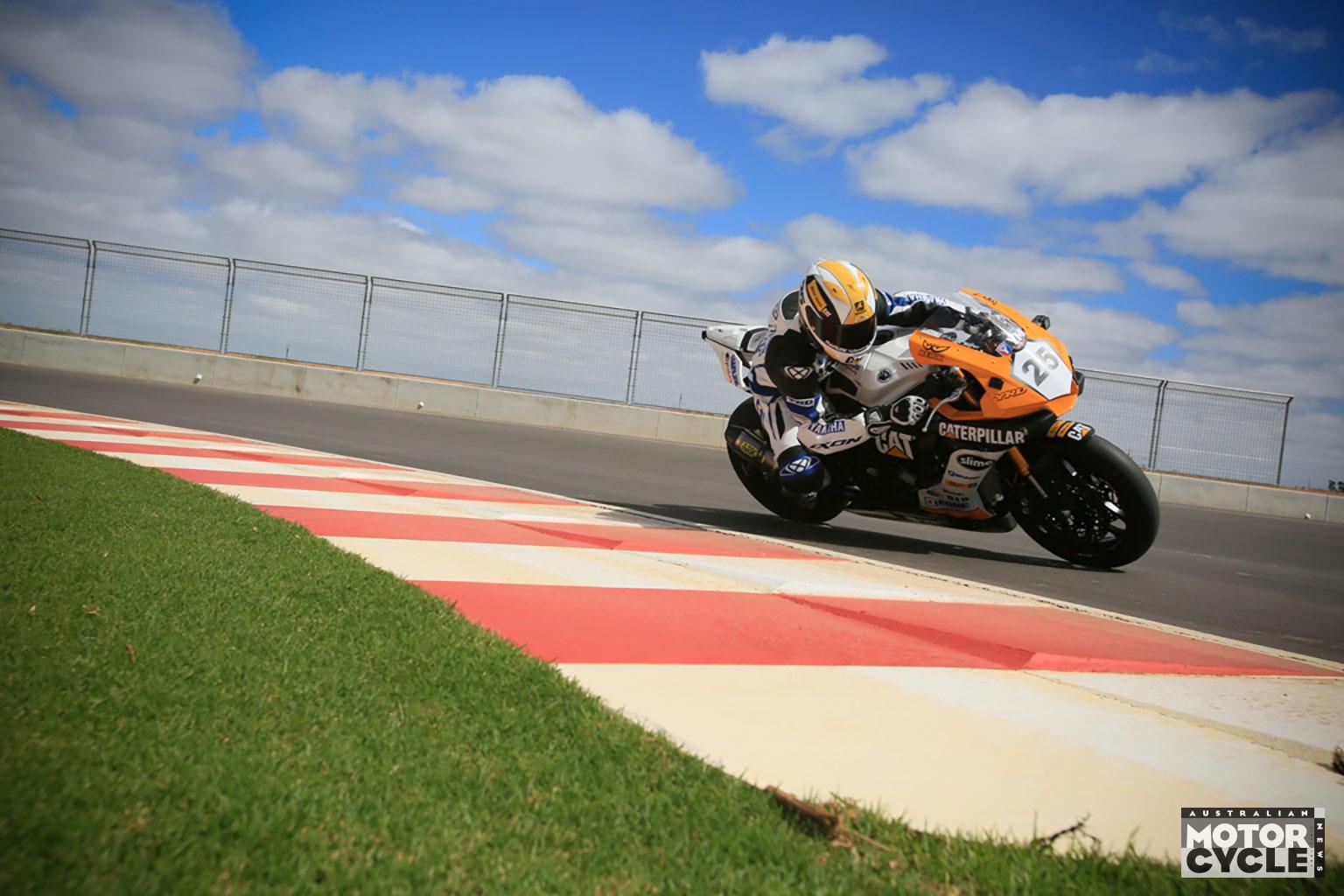
It was common knowledge at the time that the facility was being built to attract F1 cars, along with any top-level motorcycle, drag racing, go-kart, drift-car, etc championships on offer.
In 2018, just before the track opened, I asked him what had inspired the decision to sink so much of his own money ($110m-plus) into turning a barren piece of countryside into a world-class racing venue.
“To create a development so unique in Australia that it will propel us deep onto the world stage of motorsport,” he replied.
I then asked him to talk though the ‘blank canvas’ aspect of the project.
“The Bend is a very unique facility,” he said. “There is no similar development anywhere in the world. As exciting as that may sound, it is a major challenge to attempt to build something for the ‘first time’. We have no benchmarks and no references. We’ve had to make our own way in so many respects.”
Asked about the project’s long-term ambitions, he said: “We have an interest in participating in all aspects of motorsport at the highest level. A lot of the pieces of the puzzle have to fall into place for a facility to secure an F1 event, much the same as for a MotoGP event. We must be ambitious.”
Meanwhile, over in Melbourne, life cruised along in a daze for most people involved with Phillip Island’s MotoGP. Two years on from the unexpected 10-year contract extension, the only obvious work on the circuit involved ensuring the surface met changing FIM standards.
But at the time of the contract signing, some very clear messages had been sent out.
Andrew Fox, managing director of the Linfox Property Group, owners of the circuit, said: “We’re extremely lucky to secure a 10-year extension and it reflects how special the island has become in world motorcycling. There’s a real passion for this place from riders, teams and fans the world over.” Fergus Cameron, the circuit’s MD, said: “To secure a 10-year deal for our two major properties, MotoGP and WorldSBK, is so important for the circuit and for our ongoing investment in facilities.”
Insiders from within the authorities charged with developing the event have recently reached out to AMCN with a common tale of apathy towards MotoGP, largely stemming from the huge effort required to run the annual F1 round at Albert Park. It appears that important decisions about running the event were often put on the backburner and only addressed as the race weekend deadline loomed. The MotoGP contract was with AGPC, so in theory circuit owners Linfox were responsible for any infrastructure upgrades.
Meanwhile, over at The Bend much effort was being put into securing international events, even if they were at a lower level. For example, when ASBK came to The Bend in 2019, it hosted a ‘Motofest’ that included a round of the Asia Road Racing Championship and night racing on another part of the facility for Damian Cudlin’s MotoStars series. In 2020 it hosted a round of the Asian Le Mans Series, a four-hour endurance race, with a 26-car grid of exotics on its 7.7 GT circuit.
Shahin was obviously waiting for the right moment to pounce as the Phillip Island contract ran its course. He spent years speaking to the FIM, FIA and movers-and-shakers worldwide about The Bend and its role in SA motorsport. But everything changed for him last year when he realised that to secure MotoGP from new owners Liberty Media he would have to forget about The Bend. As he said soon after the official announcement: “I could see globally the shift in their vision.”
Late last year, Shahin managed to persuade an initially sceptical premier Malinauskas that a race in the parklands was a feasible option. At the official launch some three months later, Malinauskas said: “We would not be here today, plain and simple, without Sam.
“Sam actively facilitated the relationship the state government now has with MotoGP internationally.”
Shahin, one of SA’s most wealthy citizens, has a polarising effect upon some observers due to his determined attitude towards business. Often inscrutable, he opened his heart a few days after the announcement: “I’m beyond proud that, as a first-generation Palestinian immigrant, I’ve played a part in bringing this truly global event to the place that gave me hope, the place that gave me an identity and a place that gave me opportunity.”
What’s happening with MotoGP?
As we have been reporting in recent issues, MotoGP is transitioning from a niche sport to one of mass appeal. Many purists are concerned – and they have every right to be.
In recent months we’ve seen MotoGP authorities shifting the focus of world titles to only include the premier class. Thus, Giacomo Agostini has won only eight, not 15, and now sits just above Marc Marquez and Valentino Rossi, who now have seven.
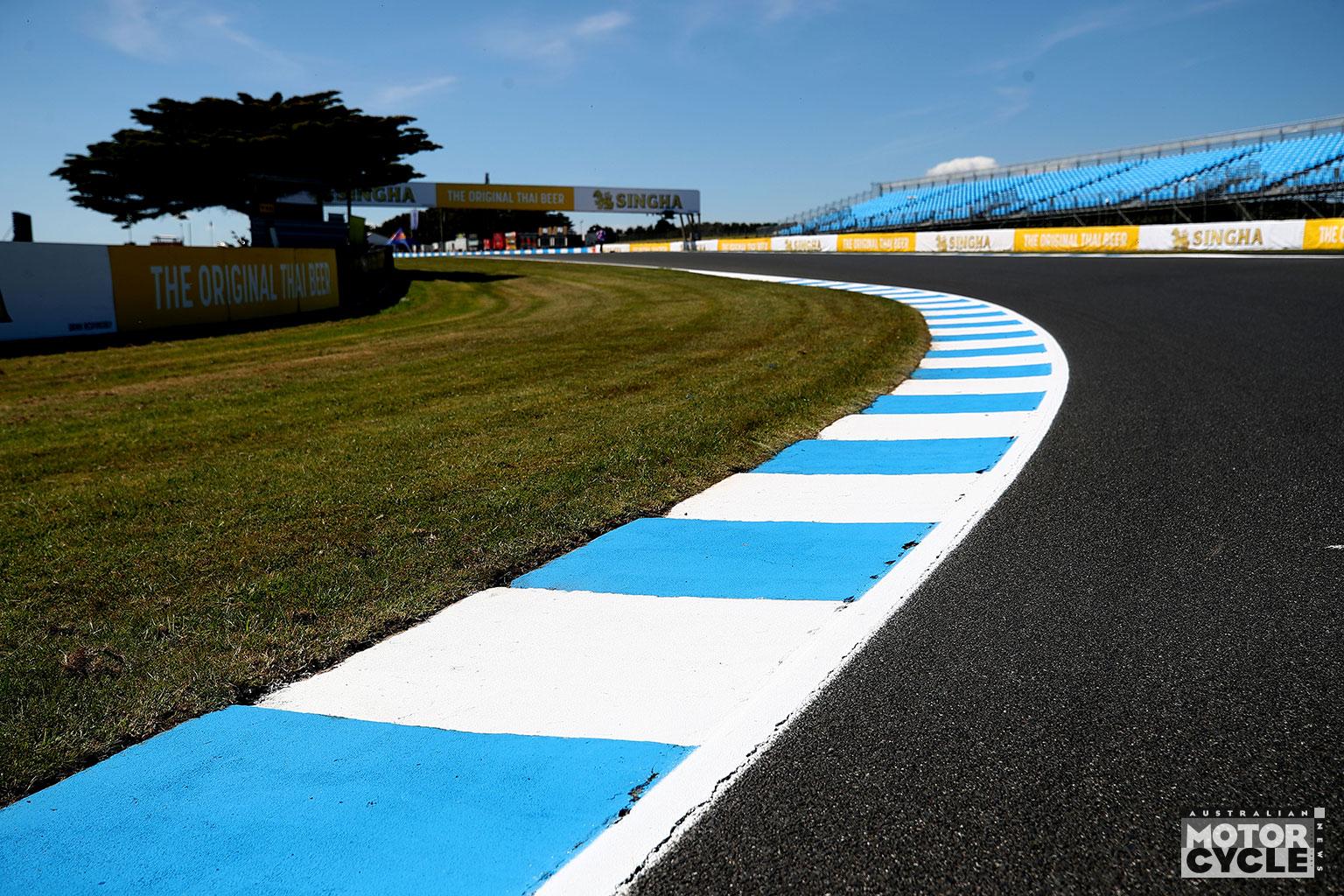
Then the Moto2 and Moto3 classes are being relegated away from pitlane boxes to give more room to the MotoGP teams, mainly so they can extend their corporate hospitality suites.
It’s obvious seismic changes are afoot. Although deeply outraged, long-time AMCN MotoGP contributor Mat Oxley put a lot of it into perspective in a recent episode of the popular Oxley-Bom podcast. He reckons Liberty paid far more for MotoGP than it was worth. He also says motorcycle championships have been more about business than racing since they started well over 100 years ago.
So nothing has changed, except that the future is unfolding in a new, unexpected and – for many diehard fans – worrying way.
What’s Next for Phillip Island?
The race is on to find a new event for Phillip Island to cover the devastating loss of the Australian round of MotoGP. Already FIM President Jorge Viegas has held preliminary talks with Motorcycling Australia about the possibility of bringing the 2028 FIM Intercontinental Games to the Island.
The Games is a new biennial competition, first held in 2024 in Jerez, Spain. If it comes to the Island it will also incorporate motocross.
The 2024 event featured six FIM Continental Unions (Africa, Asia, Europe, Latin America, North America and Oceania) competing on identical Yamaha YZF-R3 and YZF-R7 motorcycles (AMCN’s Tarzy was one of the riders).
Meanwhile Jeff Floyd AM, former CEO of Tourism Victoria and AAA Tourism, and Darian Misko, former General Manager Sales and Commercial at the Australian Grand Prix Corporation, are seeking interest in running what they call The Phillip Island Concours of Chrome, a week-long motoring festival with a focus on cars that would feature a rally, displays, historic racing and a recreation of the 1928 Grand Prix on the same road track.
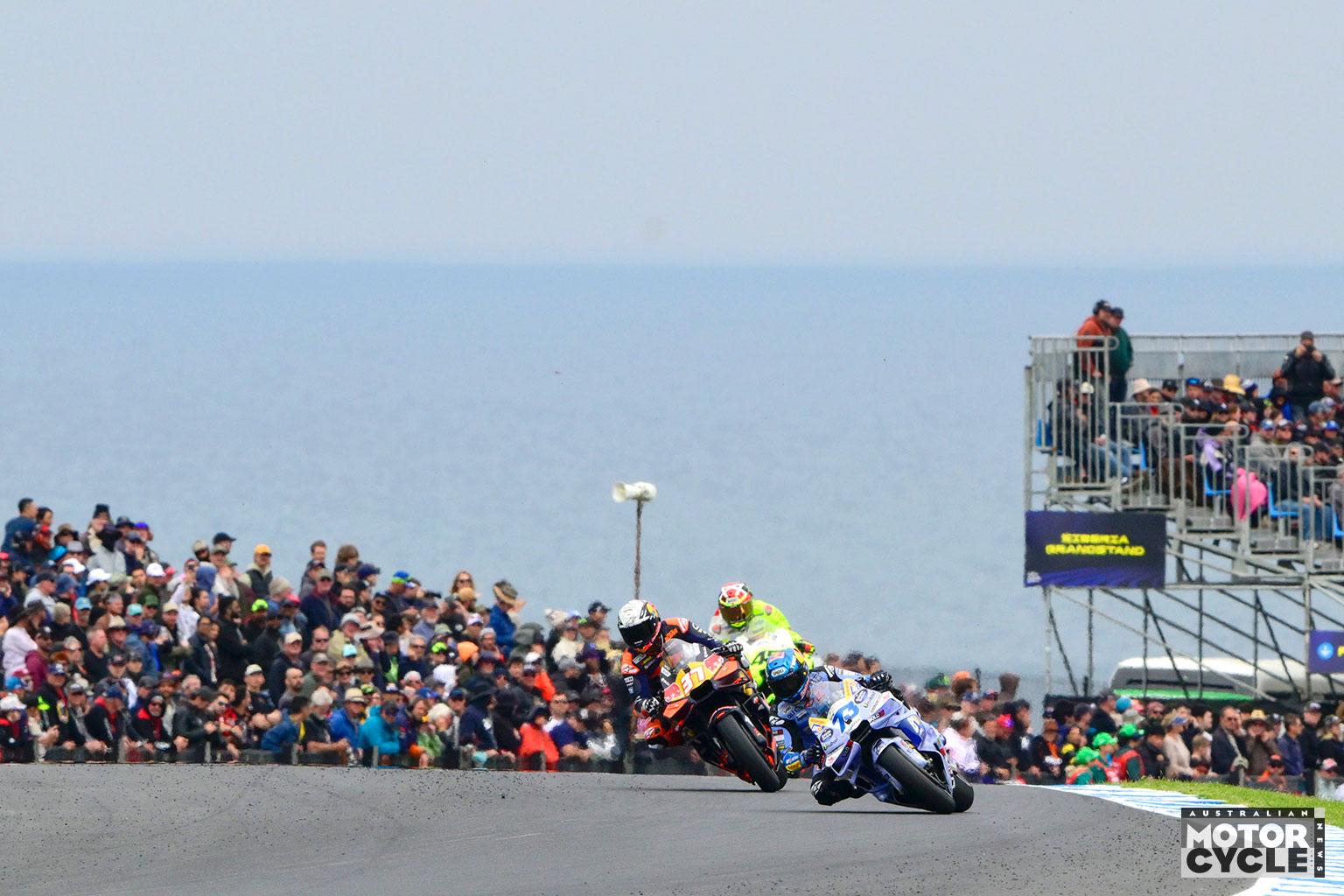
The issue has sparked anger again in the Victorian Parliament, with local member Melina Bath blasting the State Government for letting the MotoGP round go.
“Again we see another cancellation under this government of an international event,” Ms Bath said. “You promised the Commonwealth Games and you cancelled that too. This is a track record of diabolical proportions.”
Continuing her spray later in a statement, she said: “It beggars belief that an event drawing record-breaking crowds, loved by riders, injecting more than $50 million into Bass Coast’s visitor economy and supporting a multitude of small businesses was allowed to be poached,” she said.
“It should never have come down to a last-minute bidding crisis. The MotoGP should have been secured many months ago.”
It’s obvious that the State Government has been prepared to put money into Phillip Island in the past.
The most obvious example is how it has sunk over $50m into reviving the flagging Penguin Parade, which now is a major tourist attraction that has experienced record-breaking, sold-out nights in the past two years.
However, there appears to have been no State Government encouragement to get the MotoGP circuit owners Linfox Property Group to upgrade facilities or for the government to even start improving road access to the island, a project that Bath said last year is approved and “shovel ready”.
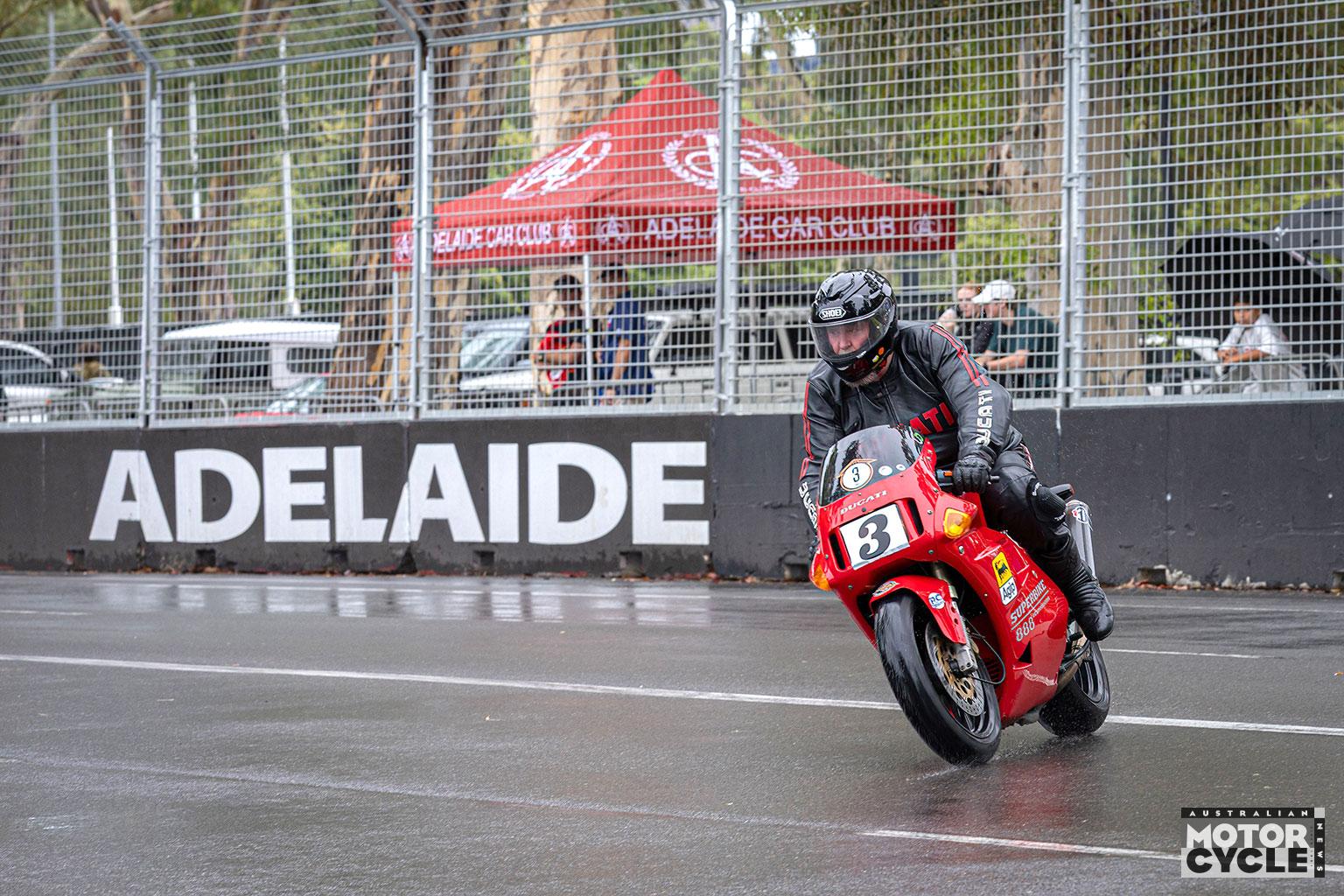
Debate on the loss of the MotoGP continues to rage across the motorcycling world.
AMCN’s MotoGP correspondent Neil Morrison sums up the feelings of many: “I’ll make no secret of the fact I was heartbroken upon learning 2026 will be MotoGP’s last trip there for the foreseeable future. For me few tracks elicit such a thrill or conjure such happy memories.”
He then places some reality into the situation: “But, if I’m being honest, I can’t say I was surprised. As wonderful as the track is, it felt like something was missing at the past few Aussie GPs. Crap weather and frequent schedule changes are hardly conducive to high attendances. And that’s before I mention accommodation prices. I remember driving into Cowes a few hours after last year’s MotoGP race. To say the place was lacking in atmosphere was something of an understatement. As harsh as this sounds, I’ve been to national Superbike rounds that had a bigger buzz.”
That round attracted 93,000 fans, the highest attendance since 2012 and an increase of 10,000 on 2024, but only Qatar and Hungary’s Balaton Park had fewer spectators in MotoGP’s 22 rounds.
The 2025 MotoGP season set a new attendance record, with 3.66 million spectators overall, a 20 per cent increase over 2024.
Mat Oxley, AMCN’s MotoGP feature writer, has also put the move into perspective: “Liberty’s move to Adelaide is no great surprise. That’s what they want; city events to attract a new crowd. But will it? I’m not so sure. They divide fans into two groups – purists and tourists – and there’s no doubt who they are after. It’s such a shame to lose PI, one of the all-time great racetracks, one of the few that gives me goosebumps when the lights go out, because you know this is real.
“When I started this job 39 years ago, MotoGP had PI, Spa, Suzuka – all epic layouts and now just a memory.”
Will it be lights, camera, action?
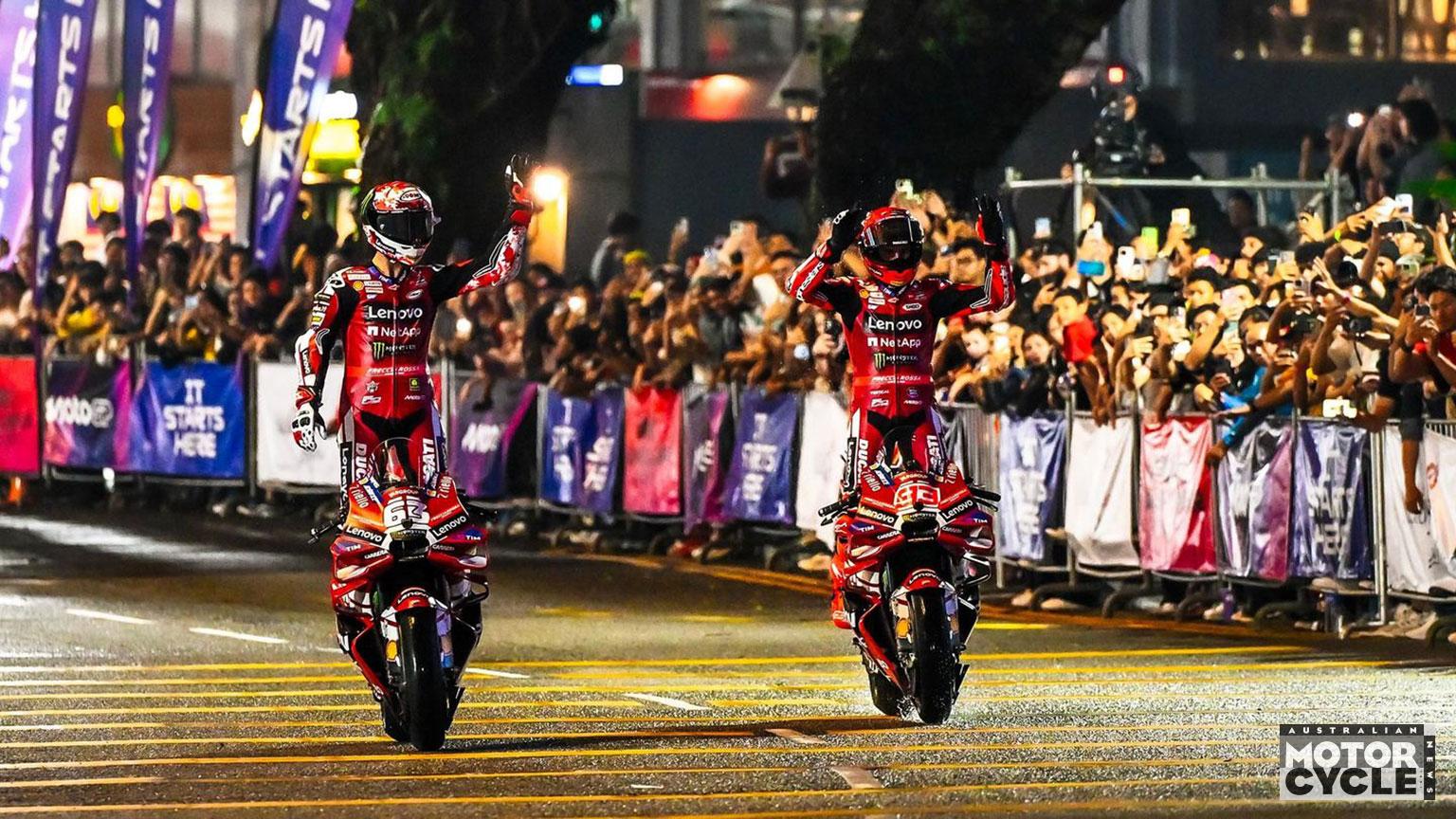
While it’s a done deal for MotoGP to move to an inner-city venue for 2027, that could be just the start of a new direction. The event, if it follows the all-embracing formula set by the annual Supercars Grand Final, which is a carnival as much as a car race, will draw crowds. However, European coverage is still early morning.
When the Phillip Island feature race starts, it’s between 3-4am in the UK and Europe. The whole point of moving MotoGP to a city the size of Adelaide is to provide plenty of eye candy to television viewers and inspire then to jump on a plane next year. The airport is 20 minutes from the track, and accommodation, entertainment and dining are a block or so away. So AMCN believes once the race is settled into a workable format, it will become a night race.
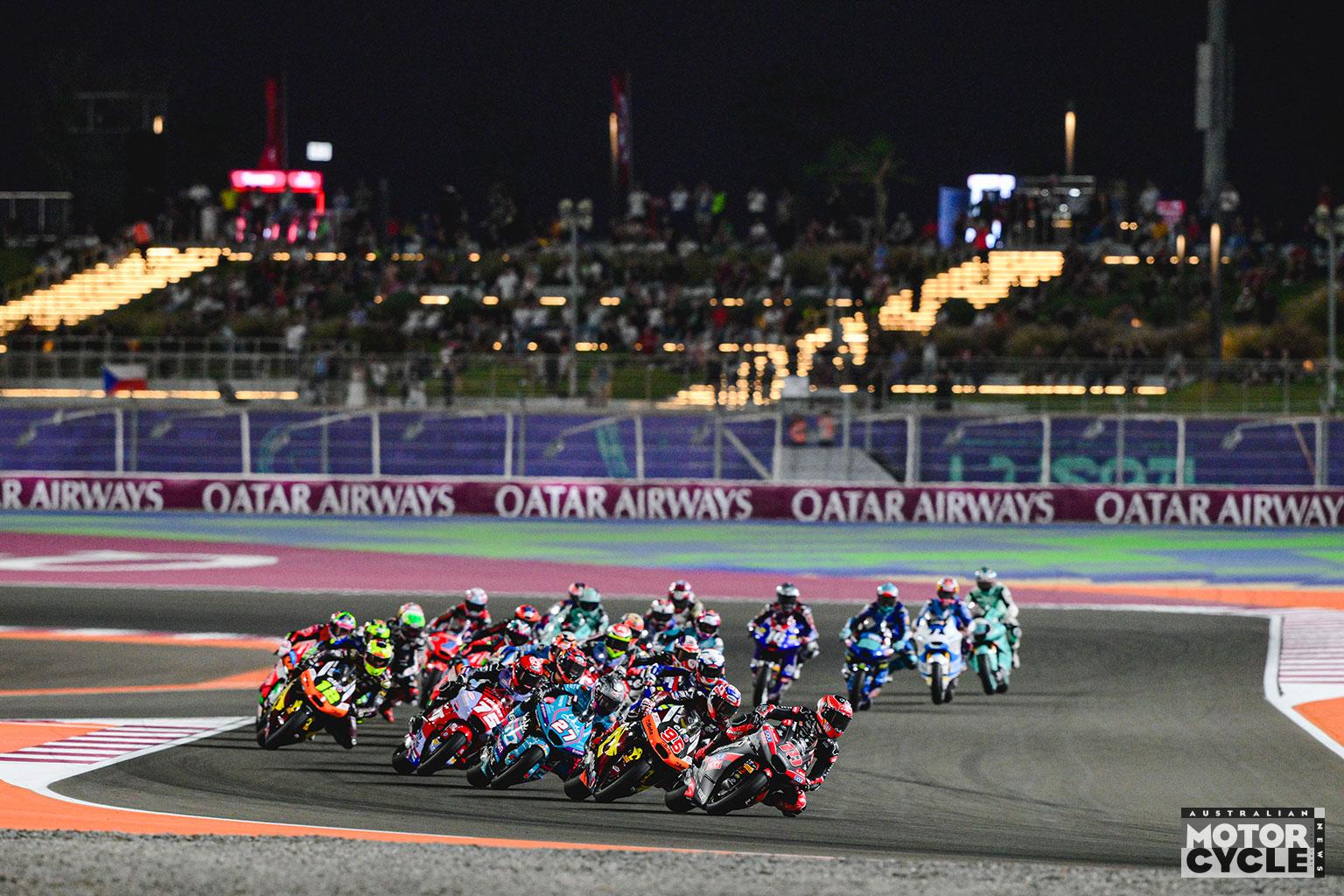
The precedent was set back in 2000 with the American Le Mans Race of the Century run on the old F1 circuit. Earlier this month a clear indication of the state’s love of motorsport was the huge attendance at the annual Adelaide Motorsport Festival, which is backed by the government. Very family-friendly, it started with a city street party on the Friday evening. Held just a week out from Melbourne’s F1 round, organisers brought out famous ex-racers and their cars. Corporate suites costing $1200 per day were sold out but ticket prices were kept affordable for families. Motorcycles were part of the festival, both on display and in action, but rain limited track time.
HAMMER’S REALITY CHECK
Our Dep Ed’s take on how change was inevitable once people sat on their hands and did nothing to save the Great Race
Despite its image of risk-taking and free-thinking, motorcycling is innately conservative. So, generally speaking, motorcyclists have always resisted change. This means most people who have thought outside the square regarding technical development have been derided. And those in authority who have tried to impose their will upon motorcyclists have been pilloried.
Two examples of what I’m talking about are the huge verbal backlash towards the worldwide rise of Japan’s sophisticated production motorcycles of the late 1960s and early 1970s, and the outrage over the introduction of helmet laws in the 1970s.
Those clever but new Japanese motorcycles were often described as ‘rice burners’ or a ‘UJM’ (Universal Japanese Motorcycle). The proposal to introduce helmet laws sparked massive rider protest rallies around the world, despite clear medical evidence they would save lives.
Needless to say, the loss of Phillip Island to the MotoGP calendar and its transfer from an iconic and much-loved circuit to an unproven venue regarded as a prototype for the future of the sport has aroused a similar level of vitriol around the world.
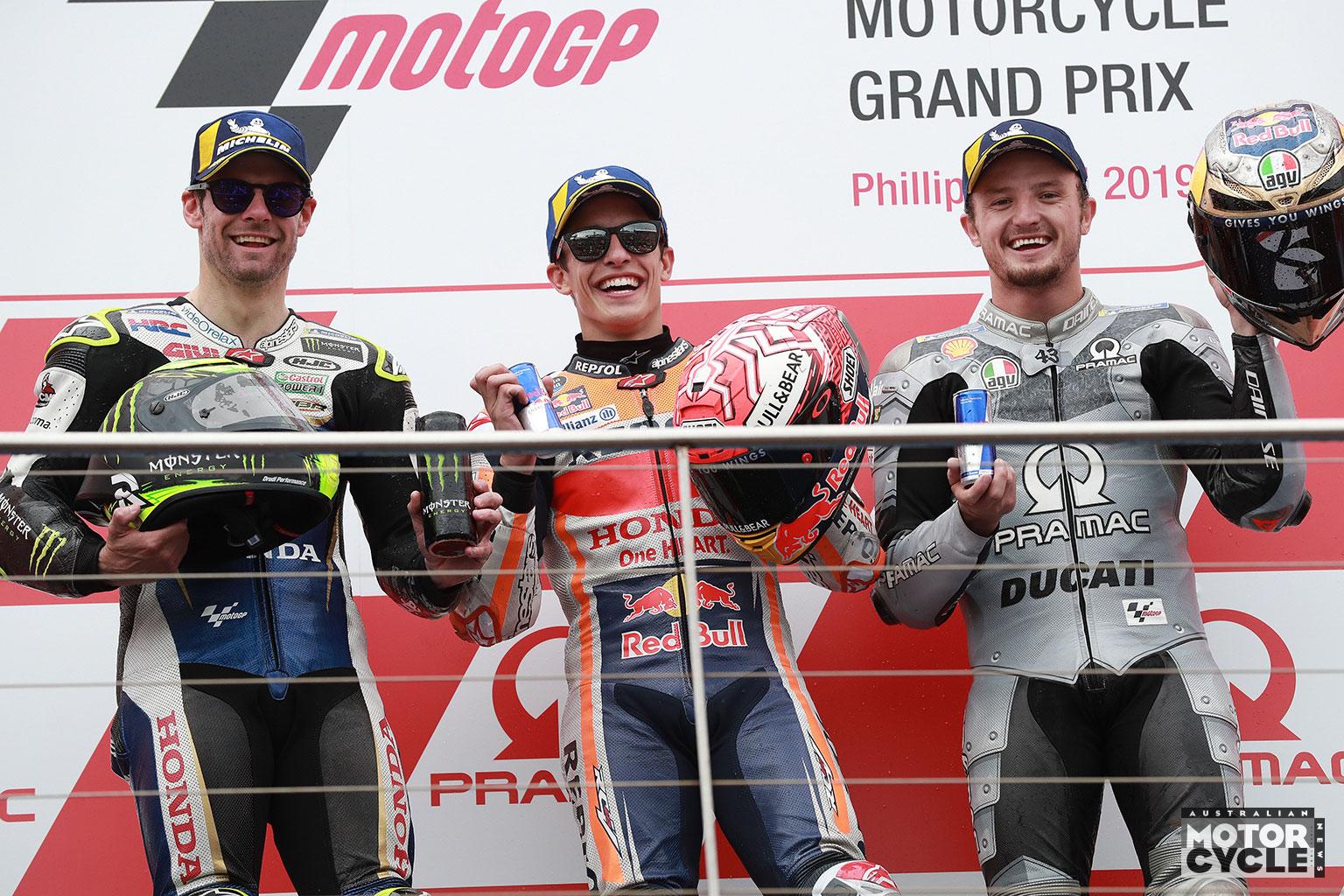
This negative reaction mirrors nearly every significant change that has taken place in motorcycle racing. Remember the furore over the axing of Grand Prix two-strokes late last century? However, transitioning GP bikes to four-strokes has brought a whole new era of technical development that has even filtered down to some of the sub-400cc motorcycles on sale today, which are pumping up sales here in Oz.
I believe the loss of the Phillip Island round is shocking and deprives the MotoGP calendar of one of its most loved and unique rounds. But the sad reality is that those entrusted to ensure its future didn’t take full advantage of the gift given to them by Dorna’s 10-year contract in 2016.
Much was made at the time of comments from those involved about how this gave the facility the opportunity to develop the event. Apart from improvements to the actual racing circuit, it’s hard to notice any significant upgrades to the actual infrastructure. It got stuck in a time warp of complacency.
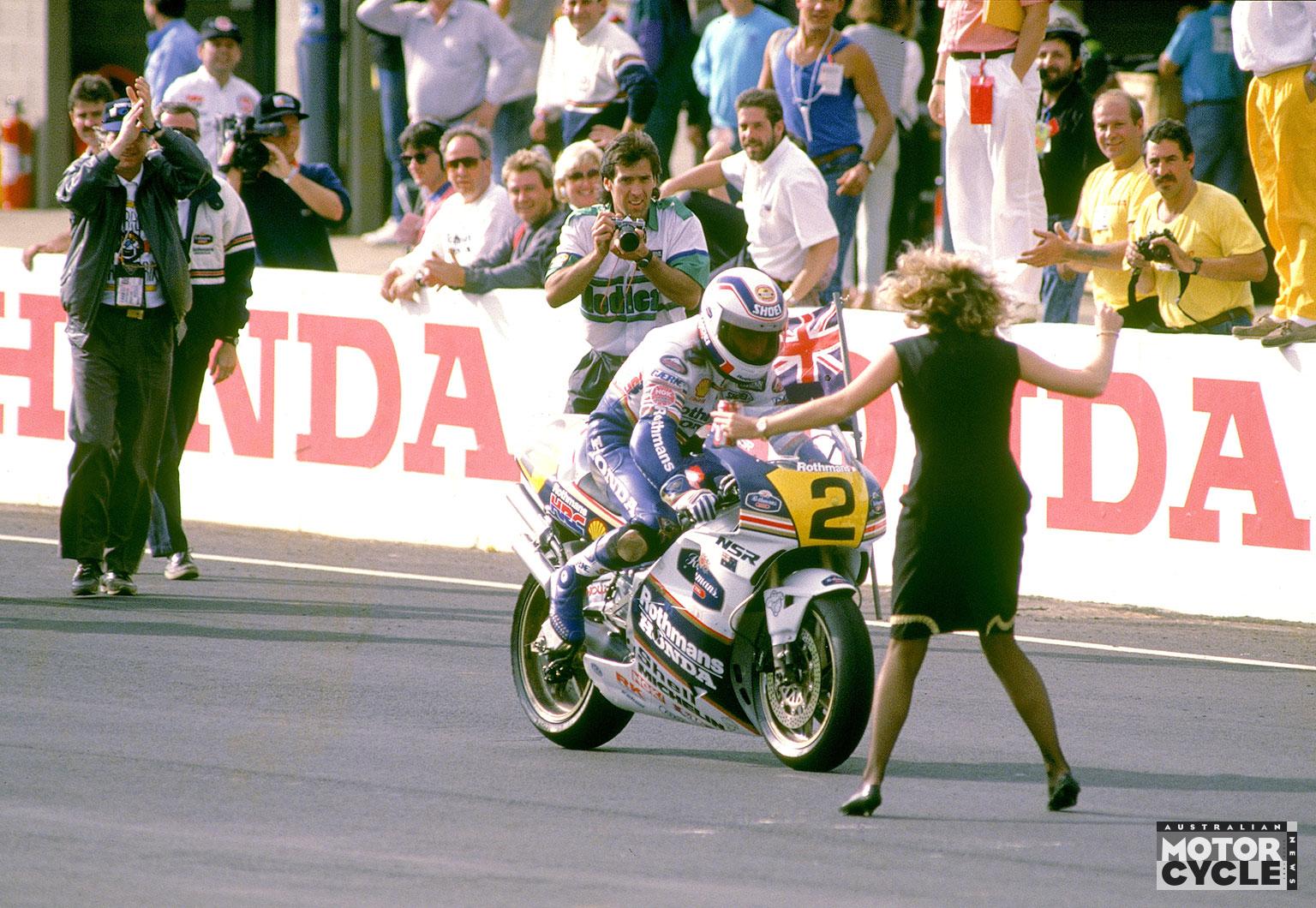
Meanwhile, yearly race-day attendance declined, especially after Casey Stoner’s six consecutive wins there. It’s hard to believe that over 90,000 fans lined the circuit on race day in 1989 when Wayne Gardner won the first ever 500cc Grand Prix there. Last year the race-day attendance was a mere 38,000.
Way back in 2019, AMCN’s Kel Buckley bravely called out the Island’s organisers in a powerful column in which she said, “Luck and passion is only going to get the circuit and its adoring fans so far.”
Motorcycle racing is a business. Bob Barnard built the circuit in a business deal for 1989. In 2026, the business case to continue simply didn’t stack up. Those resisting the change should consider this.
What the riders are saying…
Wayne Gardner
“I’m not surprised, I’ll be honest. This has been coming for some years but I’m certainly not surprised. The Victorian government, they have a reputation of winning, losing, disappearing, and then they come back, and then they go again – it’s just on and off. It’s a disappointment. I never thought I’d see that happen after the (early) success.”
Jack Miller
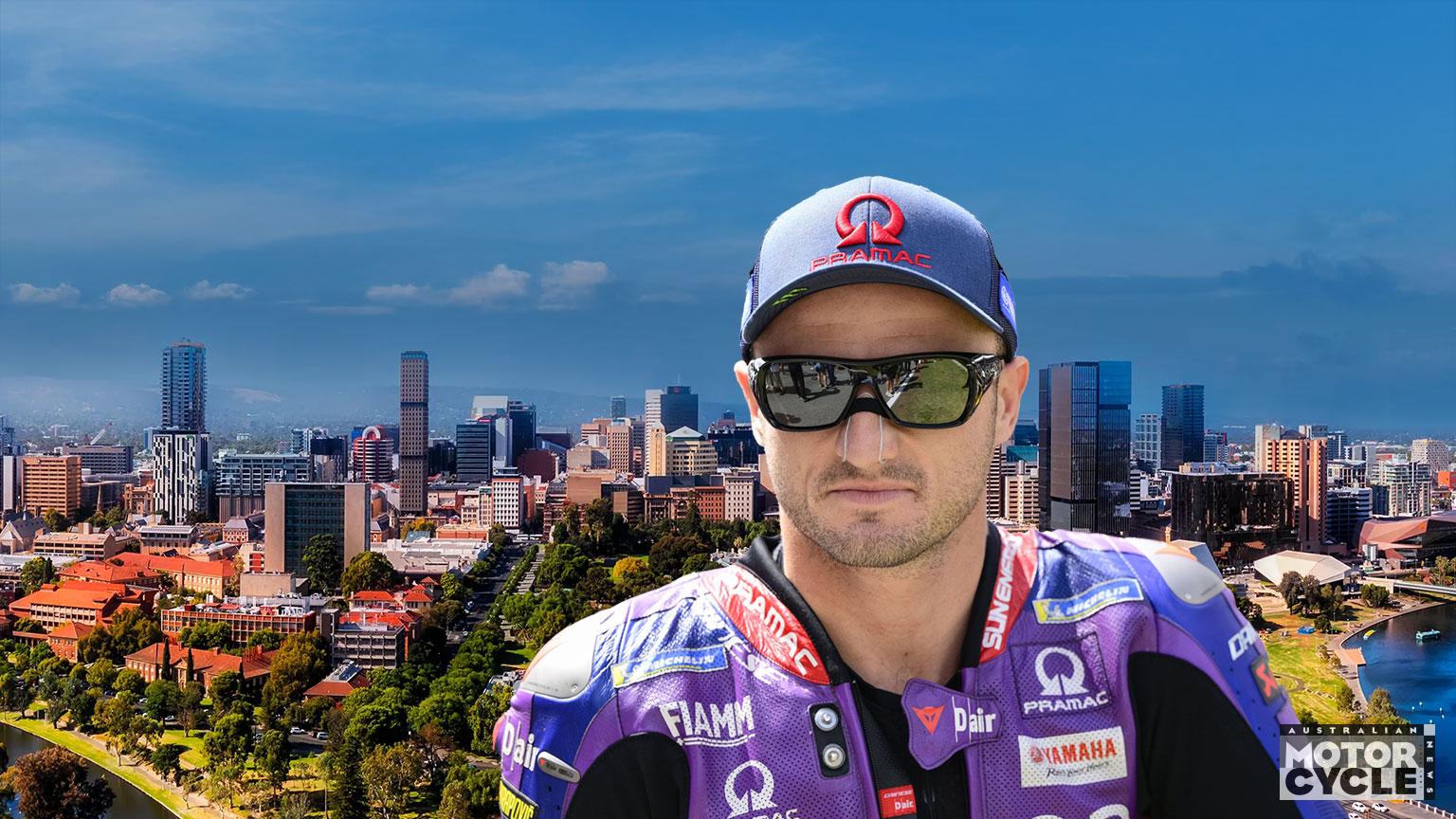
“The biggest thing for us is getting people to come and watch. To get to Philip Island… it’s an undertaking for the average punter. As we know, times are getting tougher and tougher. To go to Melbourne, to rent a car, to transit your whole family out to the island, rent a house… it’s upwards of six, seven thousand (dollars)… I mean, you speak to people and it’s cheaper to go to Malaysia, simple as that, because the (Sepang) circuit is right next to the airport. To try and get those people that want to come, but they’ve don’t have the means to, when you can come to the city, you can walk around, you can walk and see the track and watch the racing and get on a plane and go back home… I mean, it helps. Australians love motorsport, and live sport in general, so the access they’re going to get here in Adelaide, I think is phenomenal.”

Casey Stoner
“One of the greatest motorcycle circuits in the entire world that has produced some of the greatest and most entertaining races we have witnessed, and continues to do so year after year, is being pushed to the side in place of a race in Adelaide and supposedly a street circuit. Why would MotoGP take possibly their best circuit off the calendar? I’ll let everyone decide.”

Aleix Espargaro
“Finally someone with common sense and an open mind, who actually analyses things instead of criticising for stepping away from (yes, very fun) one of the most dangerous circuits on the calendar! Can’t wait to know more about this new chapter for MotoGP!”
Raul Fernandez
“If you see the F1 in the past, if you see how they advanced the sport a lot, it’s for this kind of thing. I think MotoGP is in a really good way. I really agree with this kind of thing… I think if we want our sport to be bigger and bigger, we need to make these kinds of things. So I am happy. The first thing that we have to see is the safety for us. If the track is safe, I don’t care about where we go. I mean, if it’s better for the sport, it will be fine for us. I think it’s good because I am a MotoGP rider but also I love this sport. If it’s good for the sport, I will be happy.”

Marco Bezzecchi
“It will be super interesting. I am very curious how the track will be. Of course, Phillip Island was one of my favourite tracks, but I am sure that we will change for something even cooler. Let’s wait, and let’s see.”