How the Peter Pan of MotoGP fits into the modern era
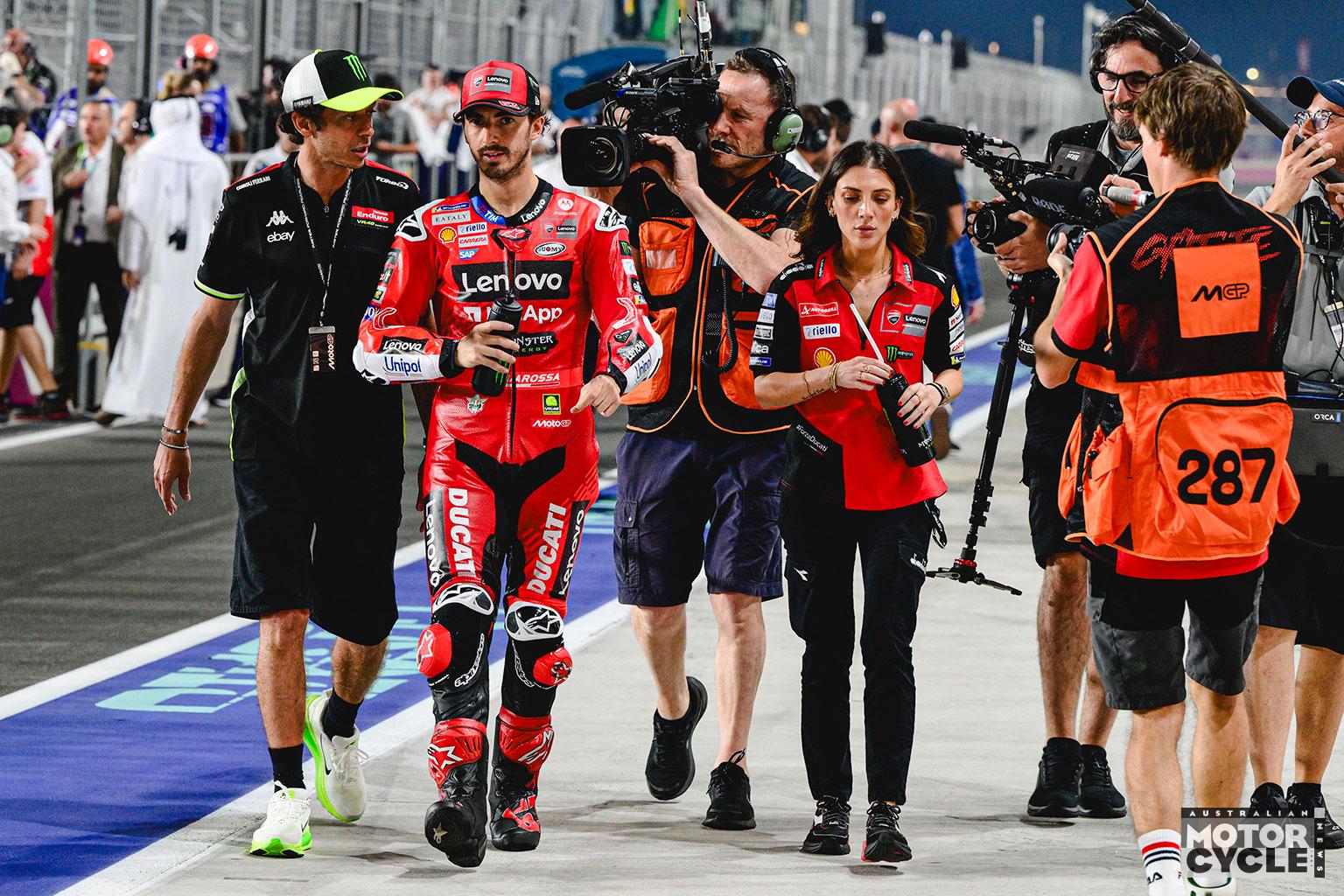
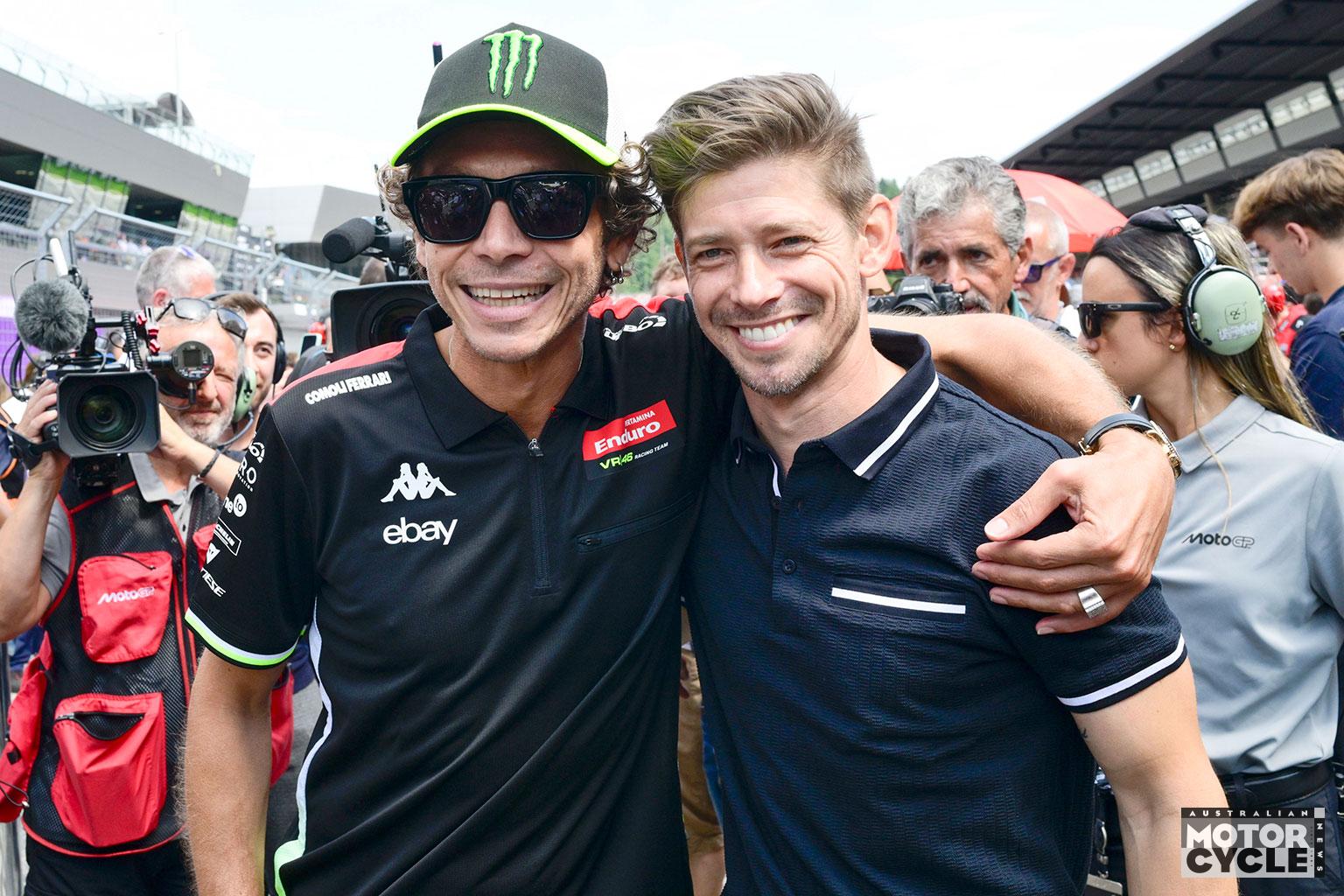
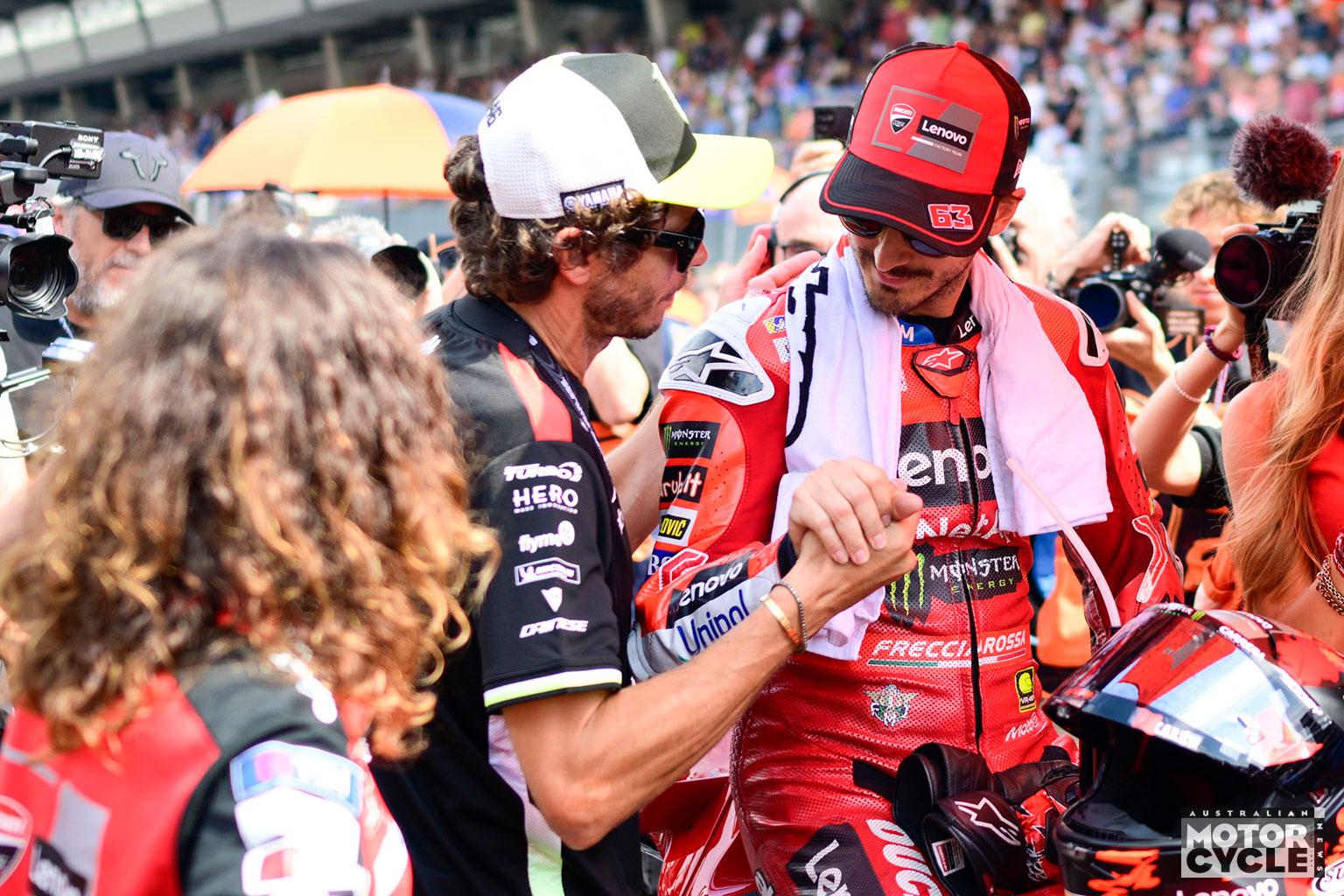
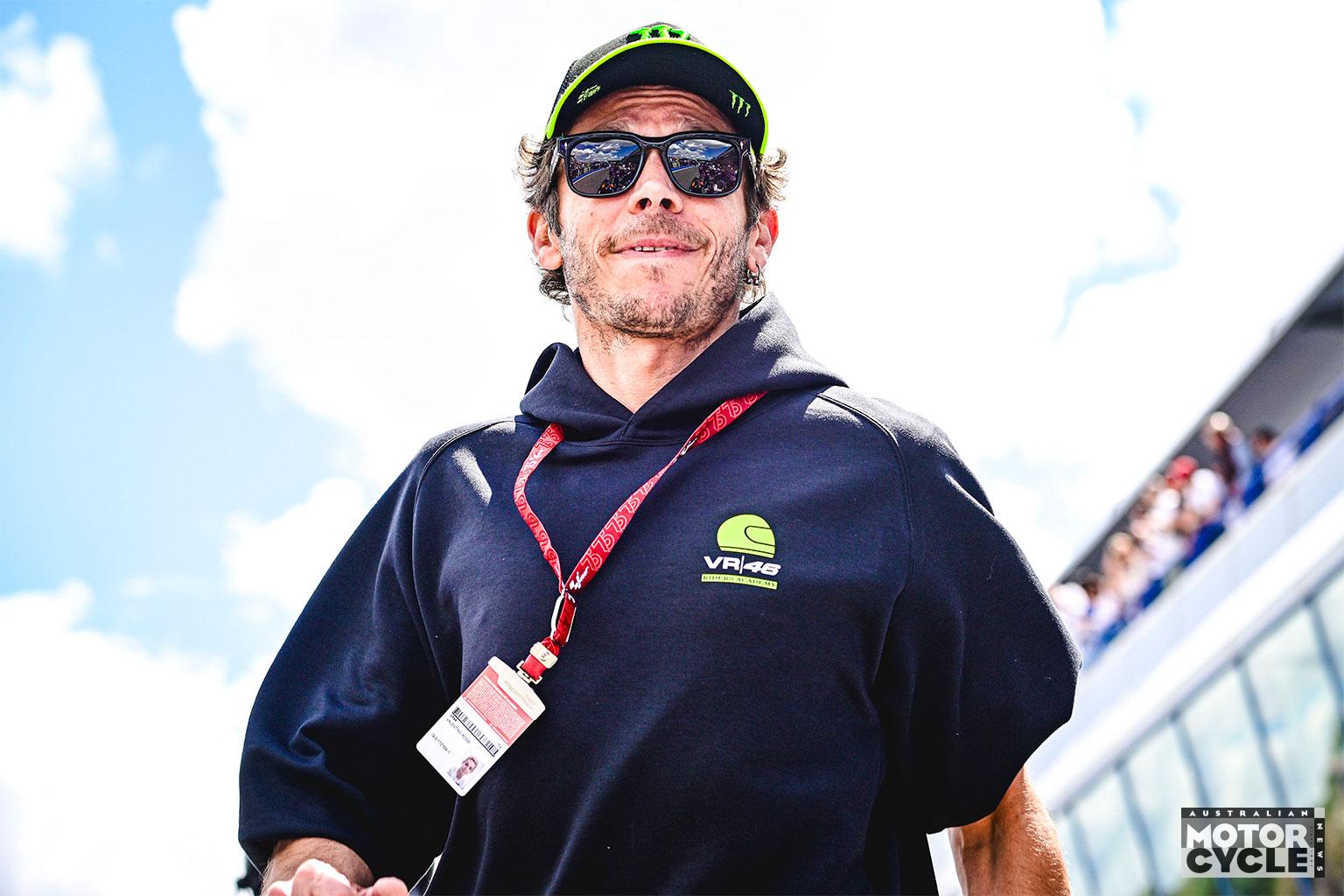
Even though he retired more than four years ago, Valentino Rossi remains MotoGP’s most recognisable face. As team owner of VR46 Ducati, any visit to a race is greeted with fanfare, his interactions (or lack of) with other riders creating headlines, as witnessed by his snub with Marc Marquez last year in Austria.
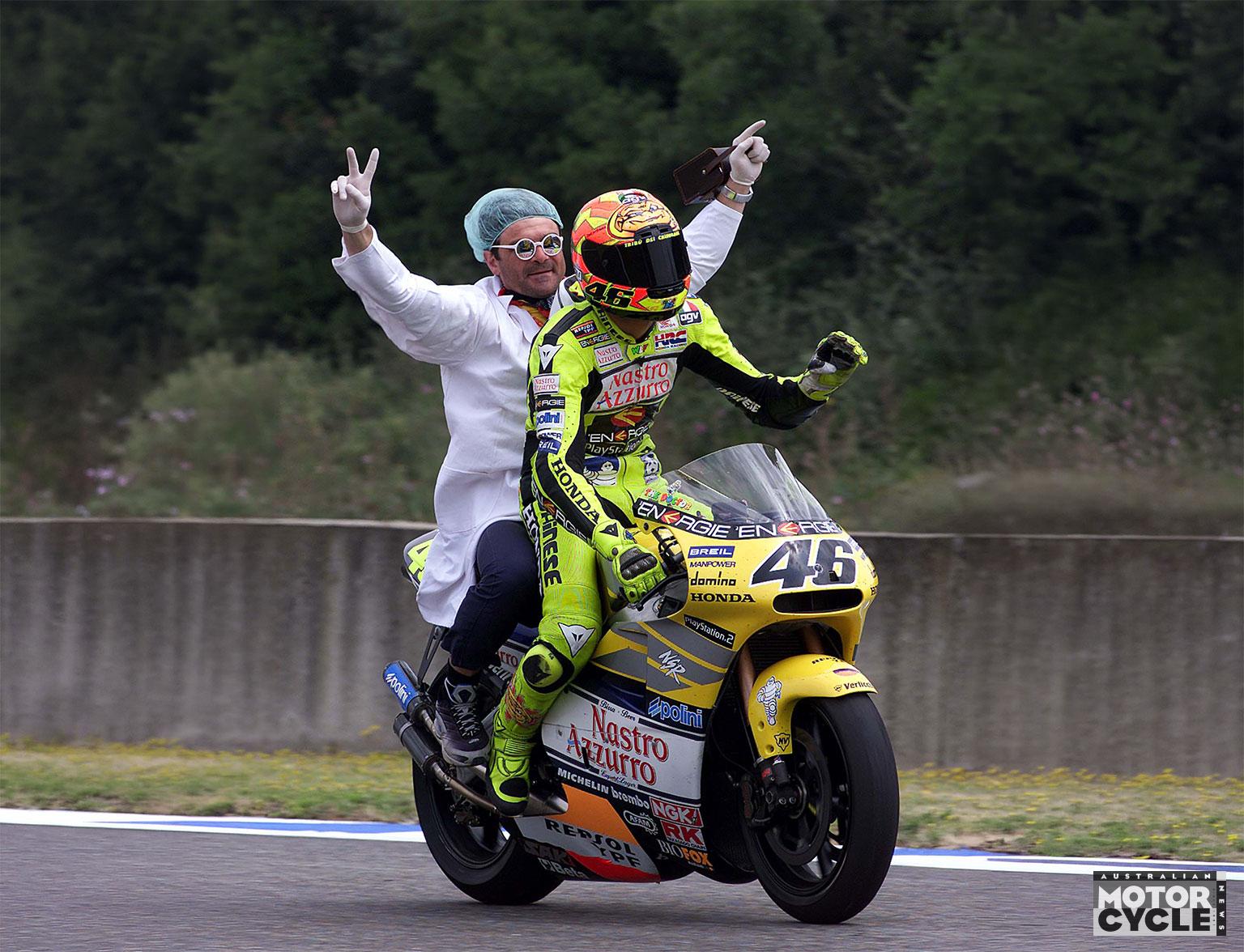
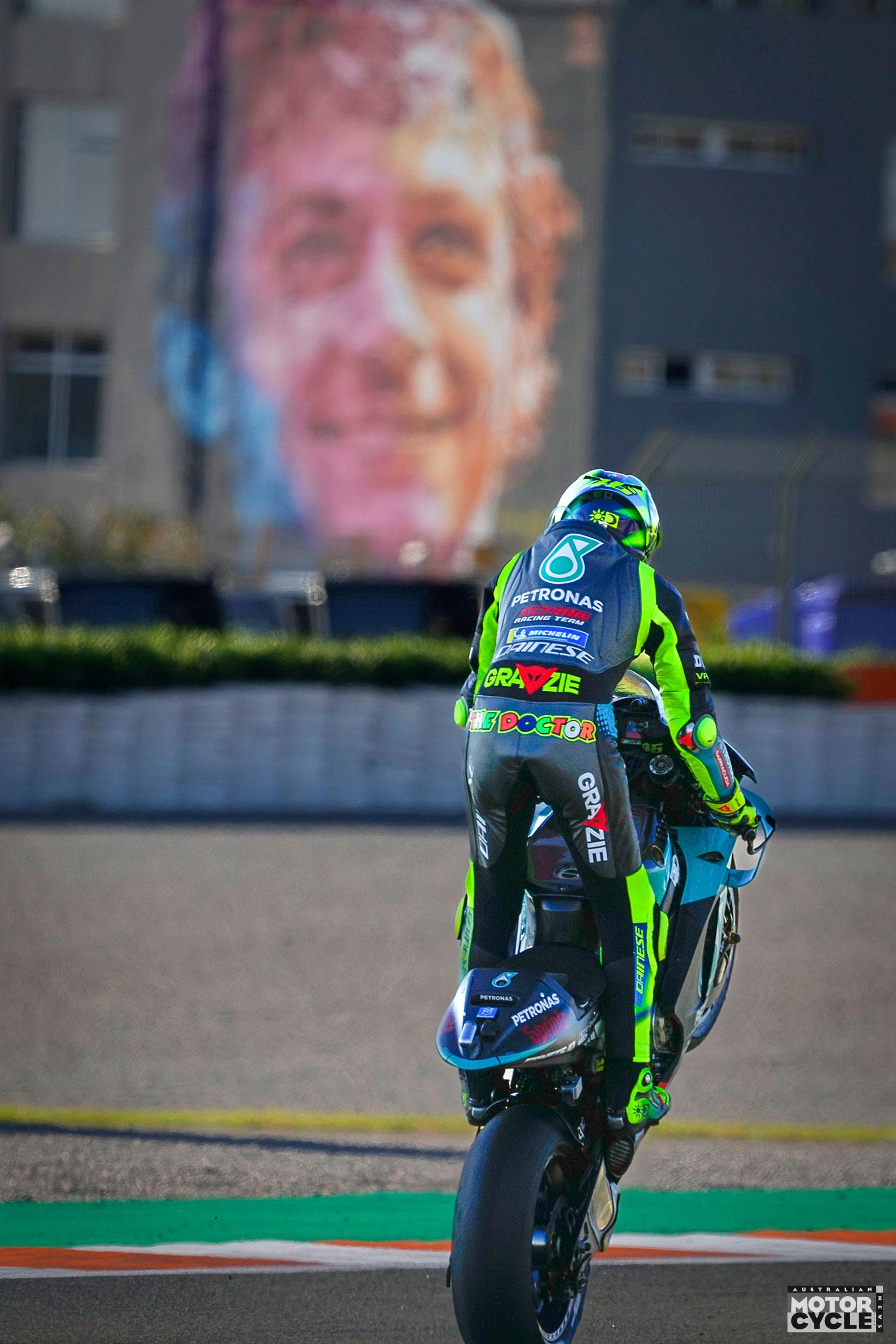
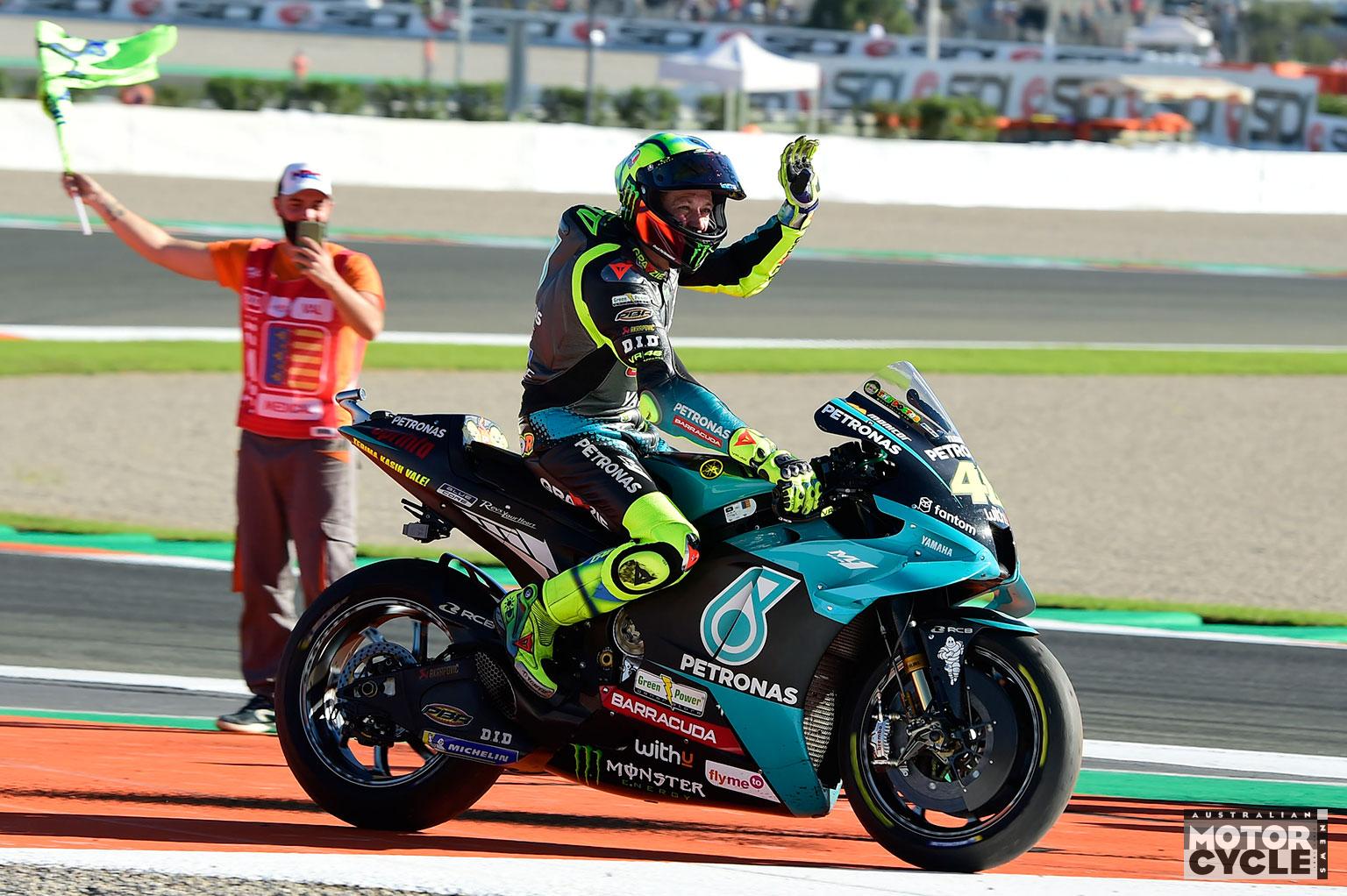
After his 432 GP appearances, 115 wins and nine world titles, MotoGP was thrown into something of an identity crisis when he retired at the end of 2021, which also coincided with the full impact of the COVID-19 pandemic.
The introduction of Sprints, the push to make its stars more approachable over race weekends, plus introducing a preseason launch have all followed in the years since Rossi’s departure. Quite simply, MotoGP rights holder Dorna didn’t feel this was necessary during the Rossi era, which spanned 26 years and defined a generation.
Any fan worth their salt knows all about the Rossi effect when competing. But what about in his role as a team owner, which is split between raising two daughters and racing cars – this year in the 10-round GT World Challenge Europe series?
A winless streak for VR46 that stretches more than two seasons has led to rumours over Rossi’s long-term commitment to the project. There’s no question now is an interesting time for MotoGP’s six satellite teams. On the back of Liberty Media’s purchase of Dorna Sports, investors foresee a massive jump in value akin to what happened in Formula 1 from 2017.
“This first transaction happened with Tech3 and that could happen again and more,” said KTM Motosport Director Pit Beirer recently. “It’s really impressive how many strong financial investors came to the paddock and asked if they could invest.” Could Rossi be willing to cash in on such interest?
While none of the current satellite teams have contracts with manufacturers beyond 2026, Rossi has indicated plans are in place that stretch beyond this year. Despite links with other factories, the Italian indicated his preference is to remain with Ducati during his team launch in January. “The other manufacturers are all very excited about closing the gap with the regulation change,” he said. “But they’ll have to work hard. I trust Ducati!”
Last season VR46 finished third behind Gresini in the Teams Championship but ahead of the KTM, Aprilia and Yamaha factory teams. However, its riders were 6th and 7th in the overall standings and it was last among the Ducati teams and the only one not to win a race. Many riders being out of contract at the end of this season and the upcoming switch to 850cc machines gives VR46 a chance to reset and perhaps even hire a proven race winner from 2026.
But considering its relative infancy in MotoGP, VR46’s record is not to be sniffed at. Having entered Moto3 in 2014, then Moto2 in 2017, VR46 has already racked up significant milestones in the premier class in half a decade. It took its first podium in 2022. A year later it racked up its first win of three, as Marco Bezzecchi fought for the title until the final four races. Things haven’t quite run as smoothly since.
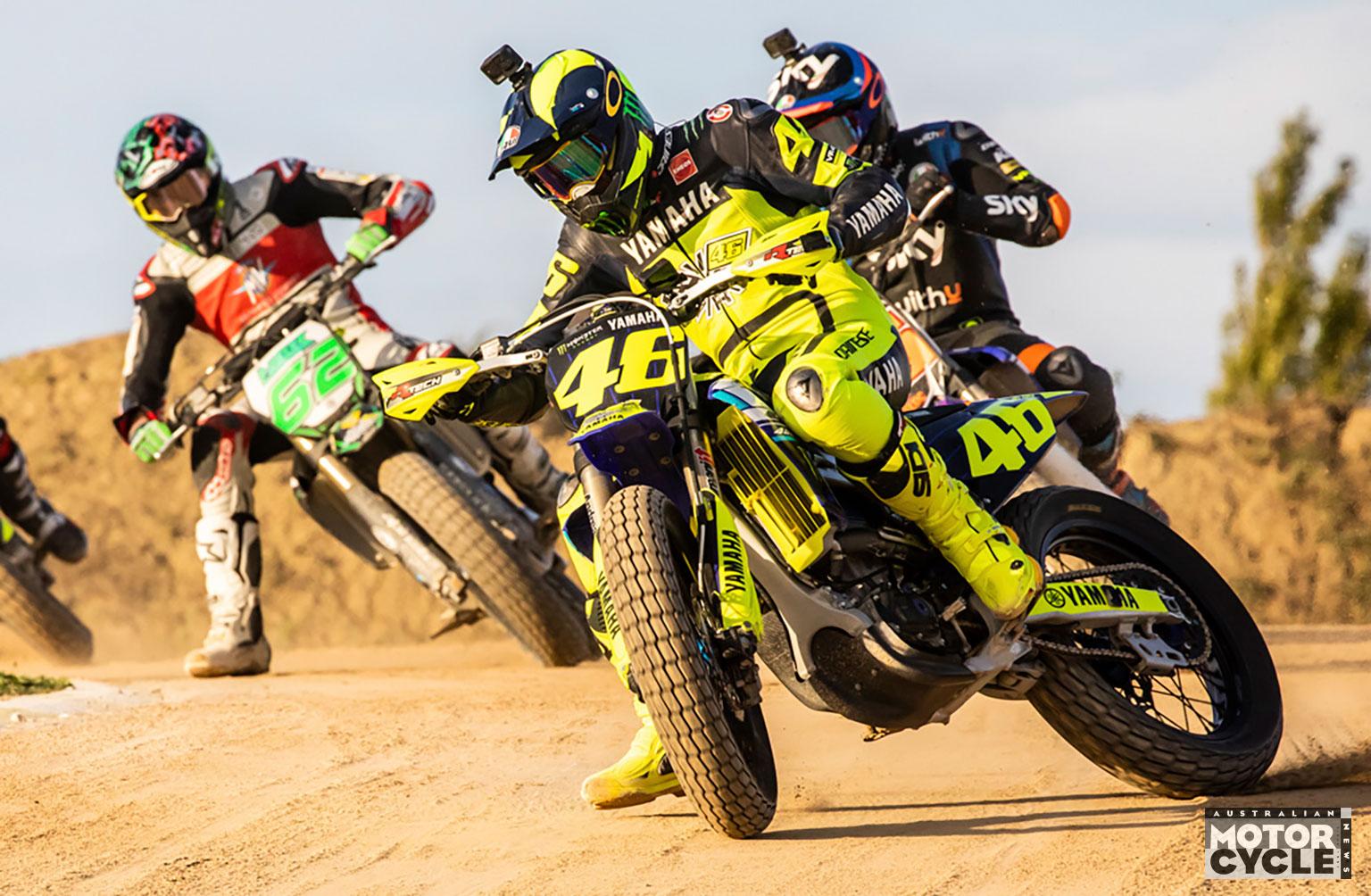
Rossi and Alessio ‘Uccio’ Salucci – best friend and sidekick from the early days in 125s, and current Team Director – were canny in its profiling of the team. Uccio is Team Principle. Names such as Pablo Nieto (Team Manager) and Idalio Gavira (Rider Coach) have come through the system from Moto3. Important technical posts were filled by long-time Rossi allies. Matteo Flamigni, currently Franco Morbidelli’s Crew Chief, was ‘The Doctor’s’ telemetry engineer at Yamaha from 2004-2021, for example.
And despite Rossi’s obvious links with Yamaha, he’s shown that trademark ruthlessness that was so common when he was a rider to ensure the best possible results for his own team. Ducati, clearly the leading MotoGP manufacturer, has been the machine of choice, despite the occasional dalliance with other factories. VR46 even officially became its ‘second’ squad, once Pramac departed for Yamaha at the end of 2024.
Rossi was also instrumental in ensuring Bezzecchi stayed in his team for 2024, even if it meant his protegee giving up a full factory machine – a decision ‘Bez’ came to dearly regret. (He finished third overall last year for Aprilia.)
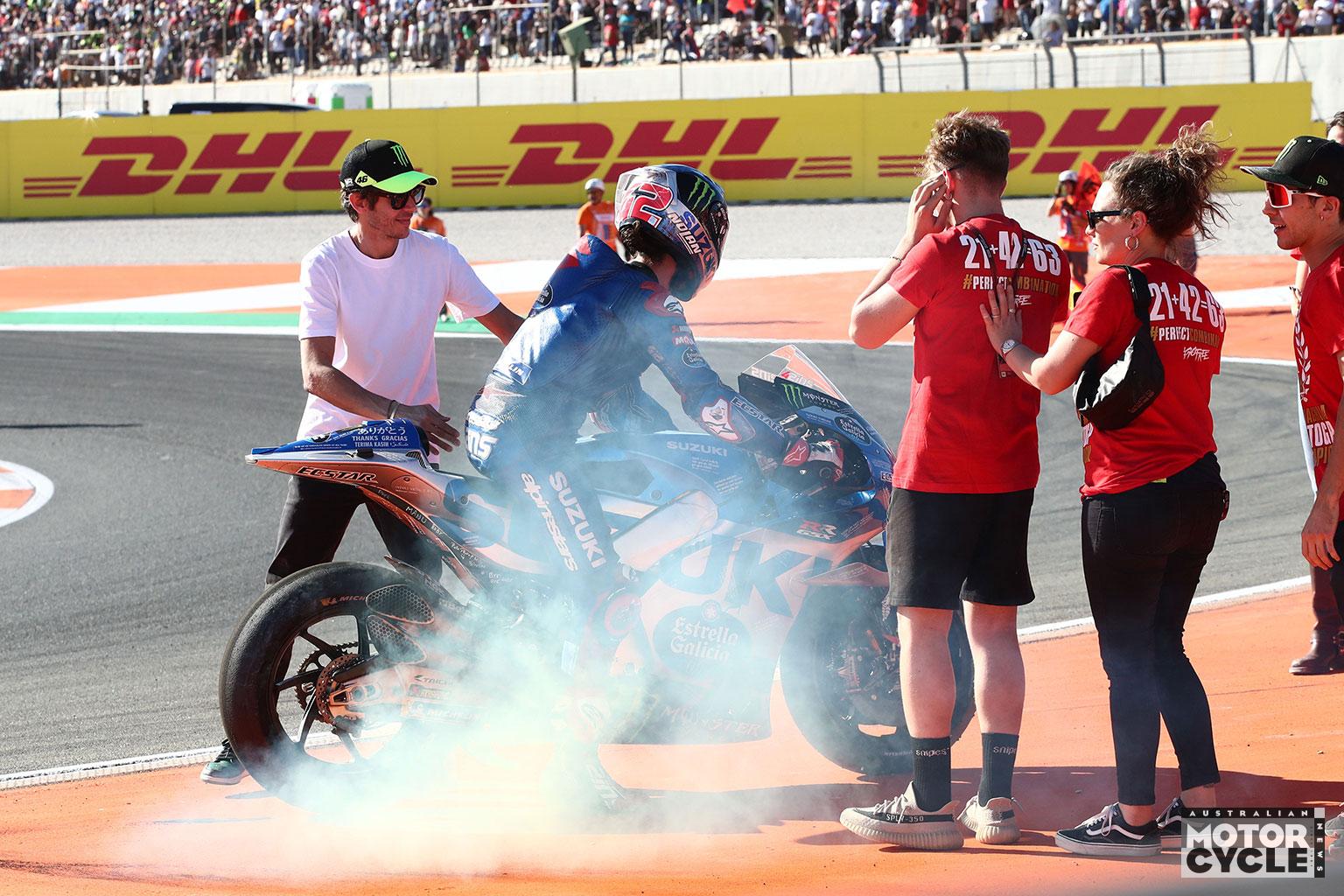
Rossi’s profile means he can still attract big-time sponsors, such as Indonesian oil giant Pertamina, while other satellite squads – like Trackhouse Aprilia – have yet to find any.
His other commitments mean his presence in the paddock is fleeting. “When we were training, we had a key point, like an idol, to follow every day,” said half-brother Luca Marini in 2022. “Without him it’s been a bit more difficult.” That hasn’t changed in the years since.
Yet Salucci maintains Rossi is as interested in the performance of his team as ever. “Vale is always present,” the Italian told AMCN. “Always. When we do the races outside Europe, he’s always sending me messages. We were very far away from him but he’d put his alarm early to watch. He’d wake up for one hour then go back to sleep!
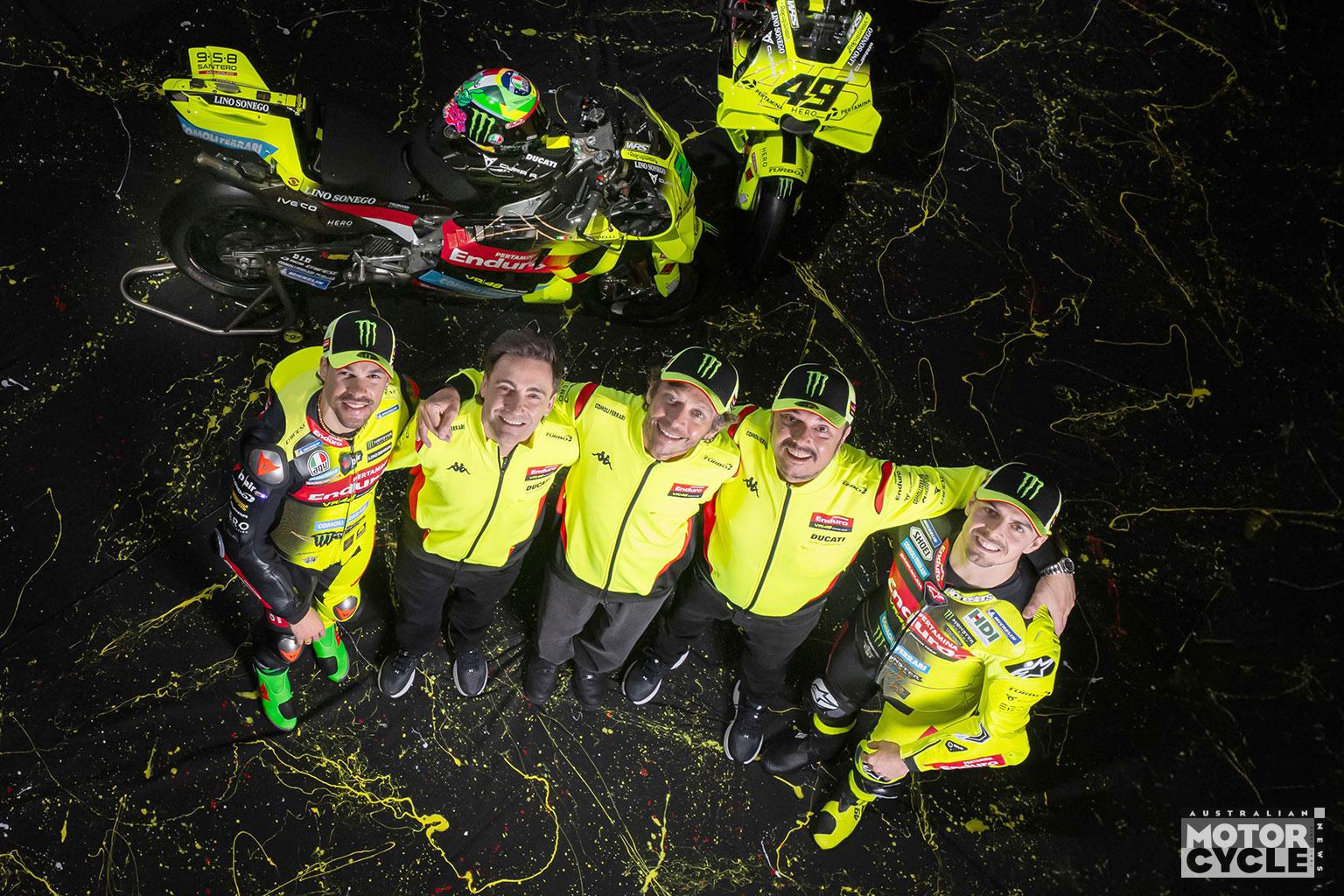
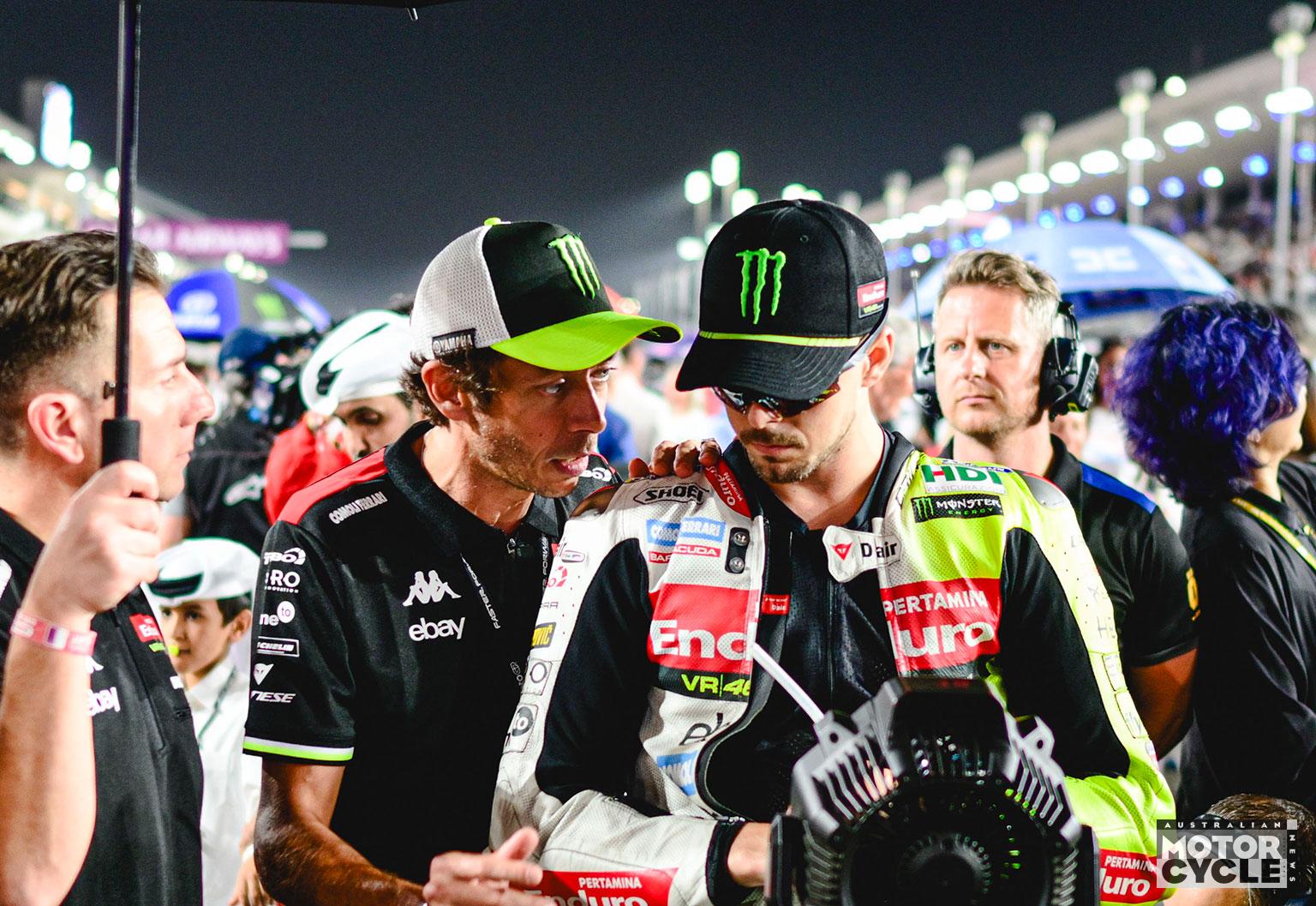
“His presence is very important for everybody, and for me especially. (When) he’s in the box, he’s checking the data with the Ducati engineers. He’ll be in the box for three hours: one hour and a half with (one rider), one and a half with (another). He was out on track, telling the guys, ‘The first corner is not good, the second one yes.’ But this is Valentino Rossi.”
There’s no question last year failed to live up to expectations. Even if VR46 made the podium in the Team’s Championship and its riders scored four podiums between them, there was undoubted frustration at the “lots of ups and downs”, as Rossi called it. Fabio Di Giannantonio in particular was set up for his best year yet but the inconsistencies of the GP25’s front end that left Pecco Bagnaia bereft of confidence were his undoing. “On Friday in Japan I thought I could be one of the guys on Sunday. Then 10 hours later, I was not at all,” he said. Franco Morbidelli, meanwhile, is simply an inconsistent rider that blows hot and cold.
Di Giannantonio and Morbidelli were left in no doubt as to what they’re expected to achieve this year. “The target is to raise our level,” said Rossi. “We did a lot of good results and podiums. First of all, we want to try to win a race (and) improve our performance everywhere.”
Rossi could well seek fresh investment over the coming years but one thing’s for sure: the powers that be will want to see him remain the figurehead for one of its more recognisable teams.