Goiania delivered chaos, controversy and crumbling tarmac in a MotoGP return that nearly didn’t happen
MotoGP in Brazil has been many things. Dull isn’t one of them. The series’ first foray to Goiania in 1987 was overshadowed by an unrelated event of radiation exposure that claimed numerous lives. The sole visit to Interlagos in 1992 was very nearly boycotted due to grave safety concerns. And the 1996 event at Rio’s Jacarepagua was stopped when its electricity supplier cut the power due to an unpaid invoice.
Thus, it was fair to expect the odd hiccup as the heavily modified Autodromo Internacional de Goiania – Ayrton Senna made its first appearance on the calendar since 1989. but not a series of events that brought the running of the race into doubt.
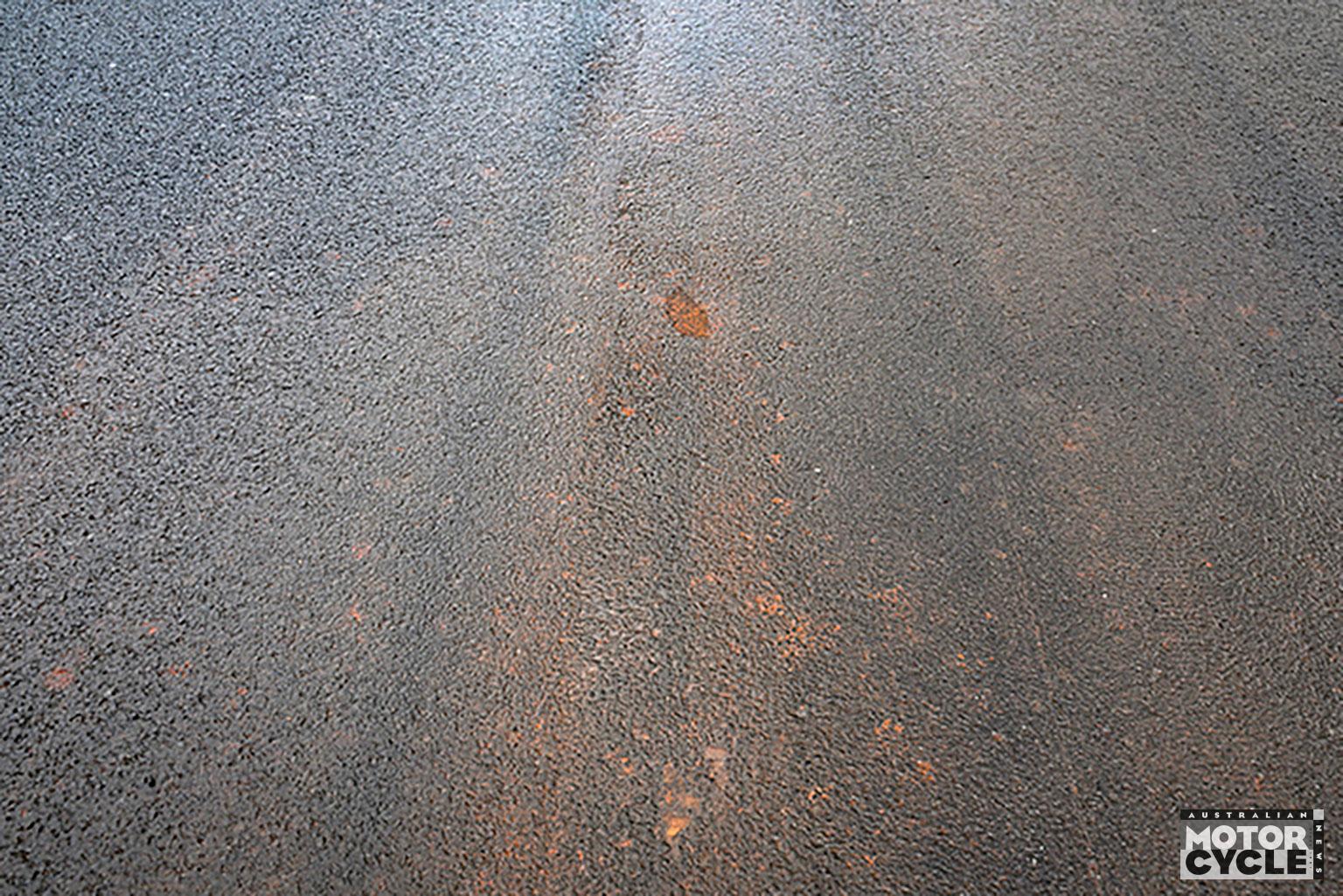
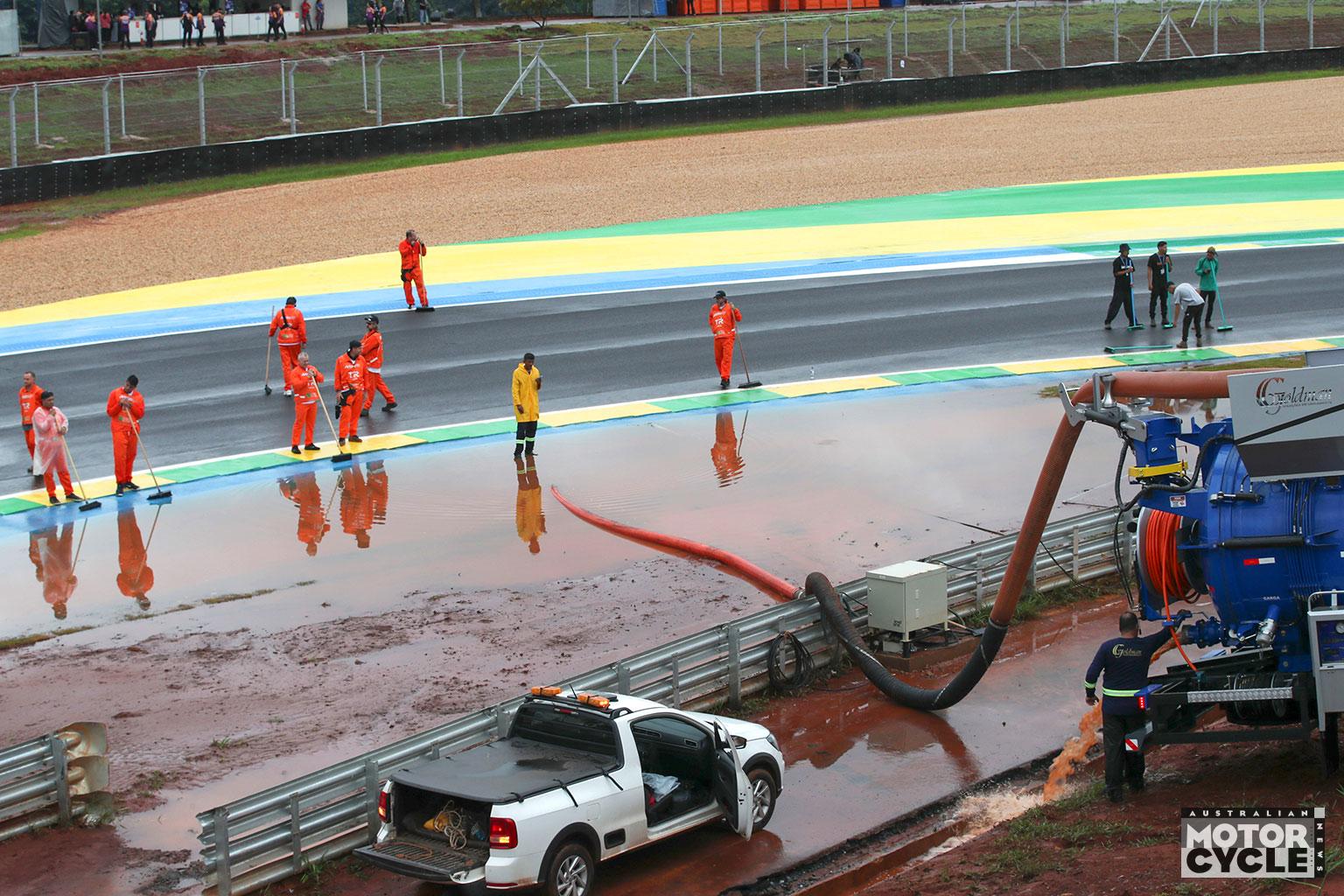
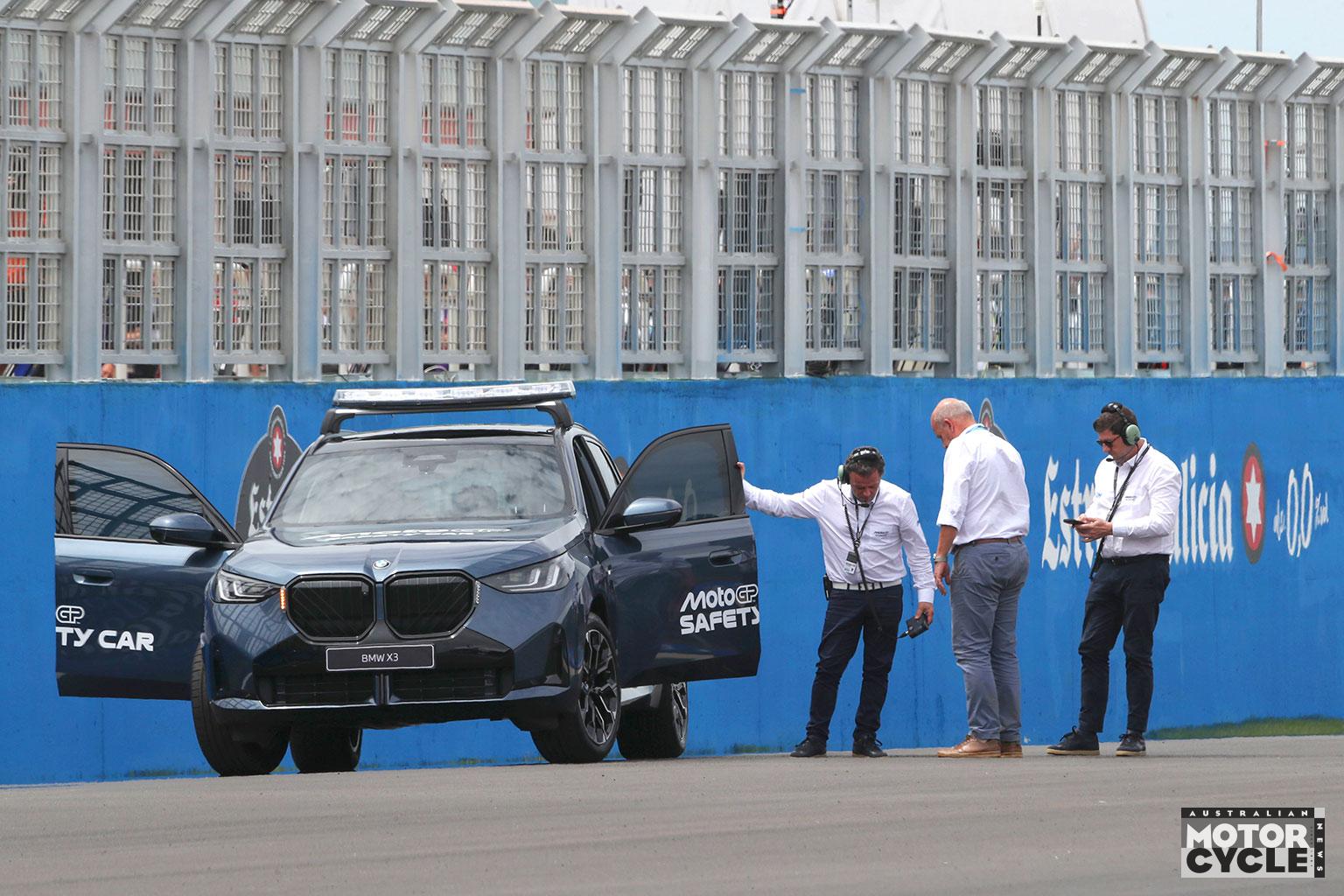
Saturday’s Sprint was delayed by 80 minutes when a sinkhole appeared on the inside of the start-finish straight. And Sunday’s race was hastily cut from 31 laps to 23 just four minutes before the MotoGP start.
“Track degradation” was the paltry explanation offered by MotoGP. In fact, riders soon found the surface coming apart at Turns 11 and 12, with stones “shooting out all over the place”, according to Brad Binder. “I thought someone had driven a truck over it,” he said. Alex Marquez, sporting bruises on his arms from stones being kicked up, called the conditions “quite unacceptable”.
Organisers will point to the full grandstands, enthusiastic atmosphere and sold-out ticket allocation (60,873 fans showed up on Sunday). One of the biggest markets for manufacturers, Brazil is most certainly deserving of a place on the current calendar. But these weren’t isolated incidents.
Facilities were shonky, with the circuit entrance resembling a building site. Limited paddock toilets lacked running water on Thursday. Raw sewage was running through points in the paddock before Friday. And there was the rare sight of prisoners from a local penitentiary working in yellow overalls to complete maintenance and construction.
Put simply, the track was nowhere near ready. How it passed its homologation protocol on Thursday remains a mystery. It begs the question: hasn’t Phillip Island lost its Grand Prix status, in part, because of its lack of facilities?
Yes, the biblical downpours that flooded the track in the week leading up to the event were unfortunate. Indeed, the sinkhole stemmed from “a depression in the track surface caused by soil movement”, according to Safety Officer Tome Alfonso. But this wasn’t a look befitting an international racing series. “There’s talk of MotoGP needing to improve, but for the level we want, we can’t afford these situations,” said Trackhouse Team Manager Davide Brivio. “I’m very disappointed.”
That drama somewhat detracted from the racing at hand. That was a shame. Despite the facility’s numerous shortcomings, the track layout was widely praised. Although the second shortest layout (3.8km) on the calendar and the shortest lap (the lap record was two seconds faster than the next quickest), Goiania’s 14 turns offered plenty of challenges, not least the high-speed Turn 3.
And the racing delivered as well. A restarted Moto3 race went down to the final lap. Moto2 was also decided at the death. And MotoGP saw a continuation of Thailand’s events as Aprilia laid waste to the opposition for a second round running.
Unlike the season curtain raiser, Marco Bezzecchi wasn’t the man to beat from Friday morning. Rather, this was a slow burner of a weekend for the Italian, who was a lowly 20th on a rain-affected Friday.
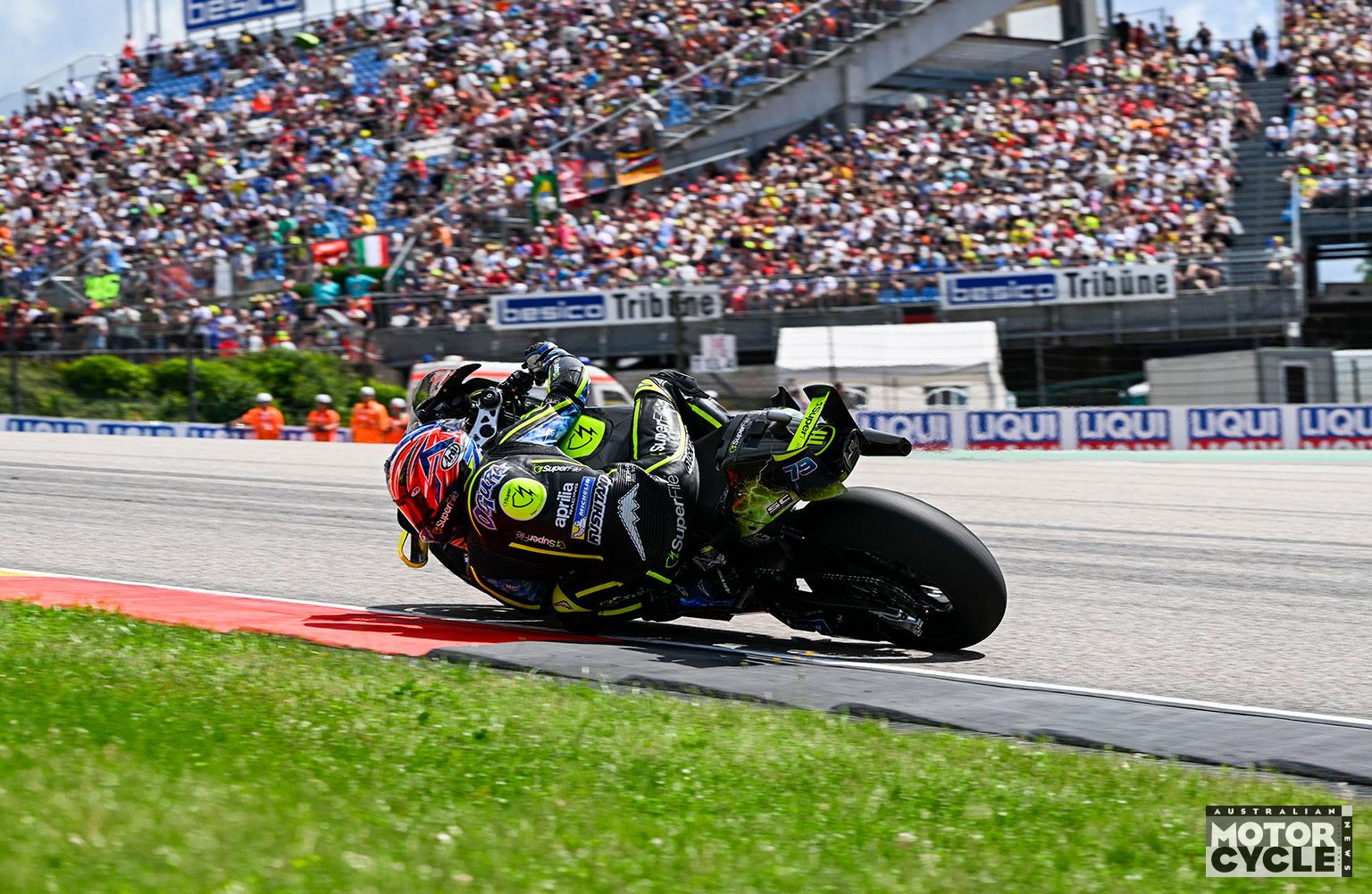
Qualifying second, and ending the Sprint fourth, the improvement on Saturday was stark. But the manner in which he sped clear of Ducati polesitter Fabio Di Giannantonio and Marc Marquez in the opening laps was breathtaking. Like each of the previous three races, he led from lights to flag, meaning he’s now gone 101 Sunday laps without being headed. He had able support behind, as Jorge Martin kept him within two seconds for the first 20 laps.
His double-podium here was all the more impressive considering he missed 14 of last year’s 22 rounds and the Sepang test. Sunday was just his eighth day on this year’s RS-GP. On this evidence, Martin is to be believed when he said, “We’ll fight to the end for this championship.”
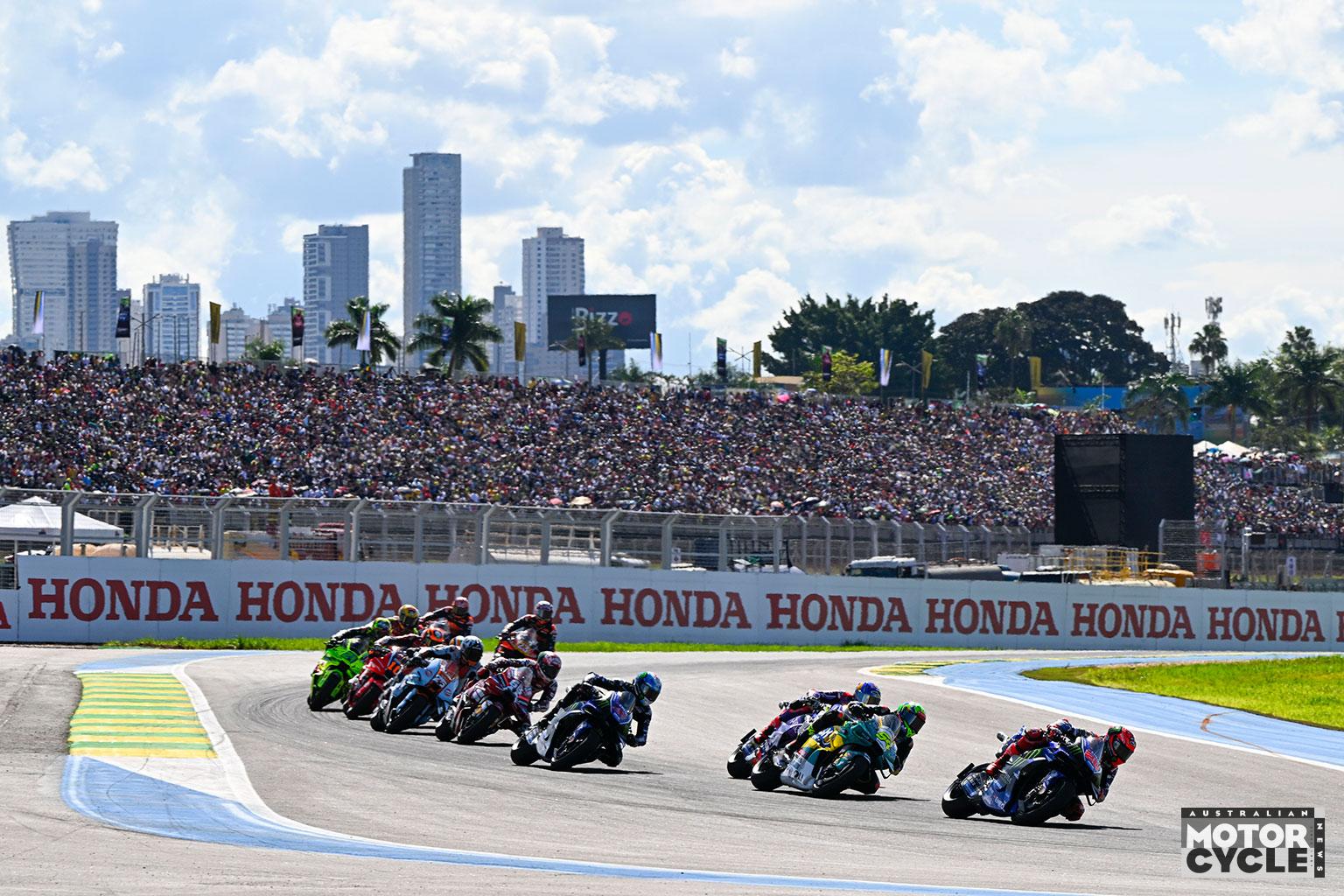
Many will point to Michelin’s heat resistant rear tyre as a reason for Aprilia’s success. Like Thailand, the French firm brought its stiffer construction here to combat track temperatures of 50°C plus a punishing series of long, arcing rights. Yet Di Giannantonio, who unsuccessfully tried to hold on to Noale’s factory duo ahead, saw the advantage lying elsewhere.
“Once the conditions get hot (and) a little slippery, they can continue to push with the front and enter into the corners with a lot of speed,” he said. “Once they make this kind of entry, they are better positioned on the exit. So they maximise the exit. Our front is much less stable and precise.”
Yet again it was striking to see Ducati’s fleet incapable of holding on. Marquez brilliantly won the Sprint. But even the nine-time champ showed signs of fallibility, losing third to Di Giannantonio thanks to a moment on the disintegrating asphalt at Turn 11, two laps from the flag. Ducati’s ‘26 machine “is still far from (what) I had last year,” said the reigning champ. “I’m struggling more this year.”
Fabio Quartararo miraculously put Yamaha’s new V4 YZR-M1 fourth on the grid, before finishing the Sprint in sixth. At one point, he overtook Marquez for second, showing not only why he earns a salary of $19 million, but why Yamaha excuses his numerous strops.