The media giant has bought Dorna. What does this mean for the future of biking’s biggest championship?
MotoGP is facing its biggest shakeup since it went to four strokes earlier this century. We are only starting to see the upheavals ahead, starting with the sudden resignation of Dorna’s chief commercial officer Dan Rossomondo. AMCN interviewed him at the end of last season and he gave a fascinating insight into the challenges and strategies that have to be addressed in this new era of MotoGP ownership.
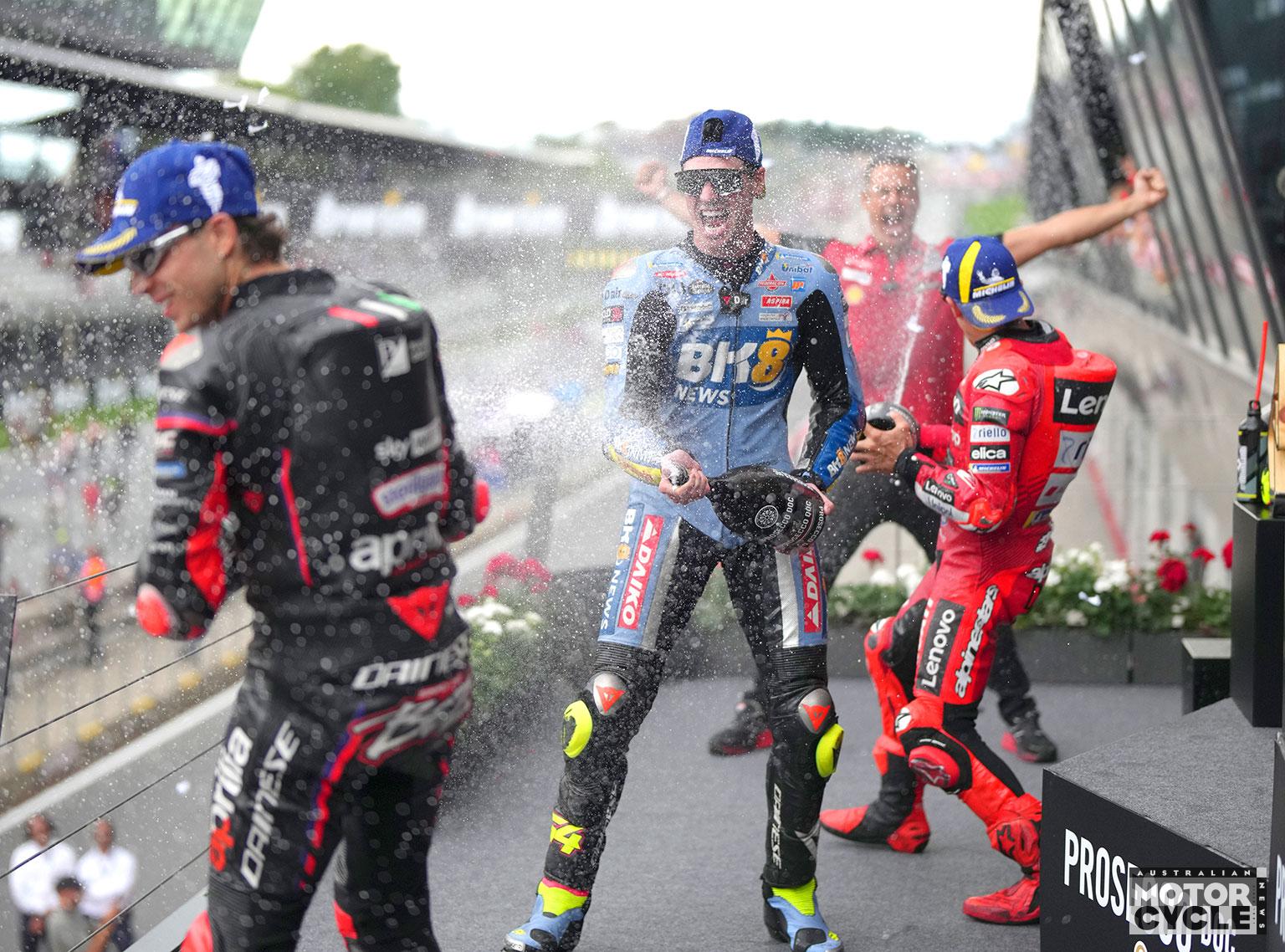
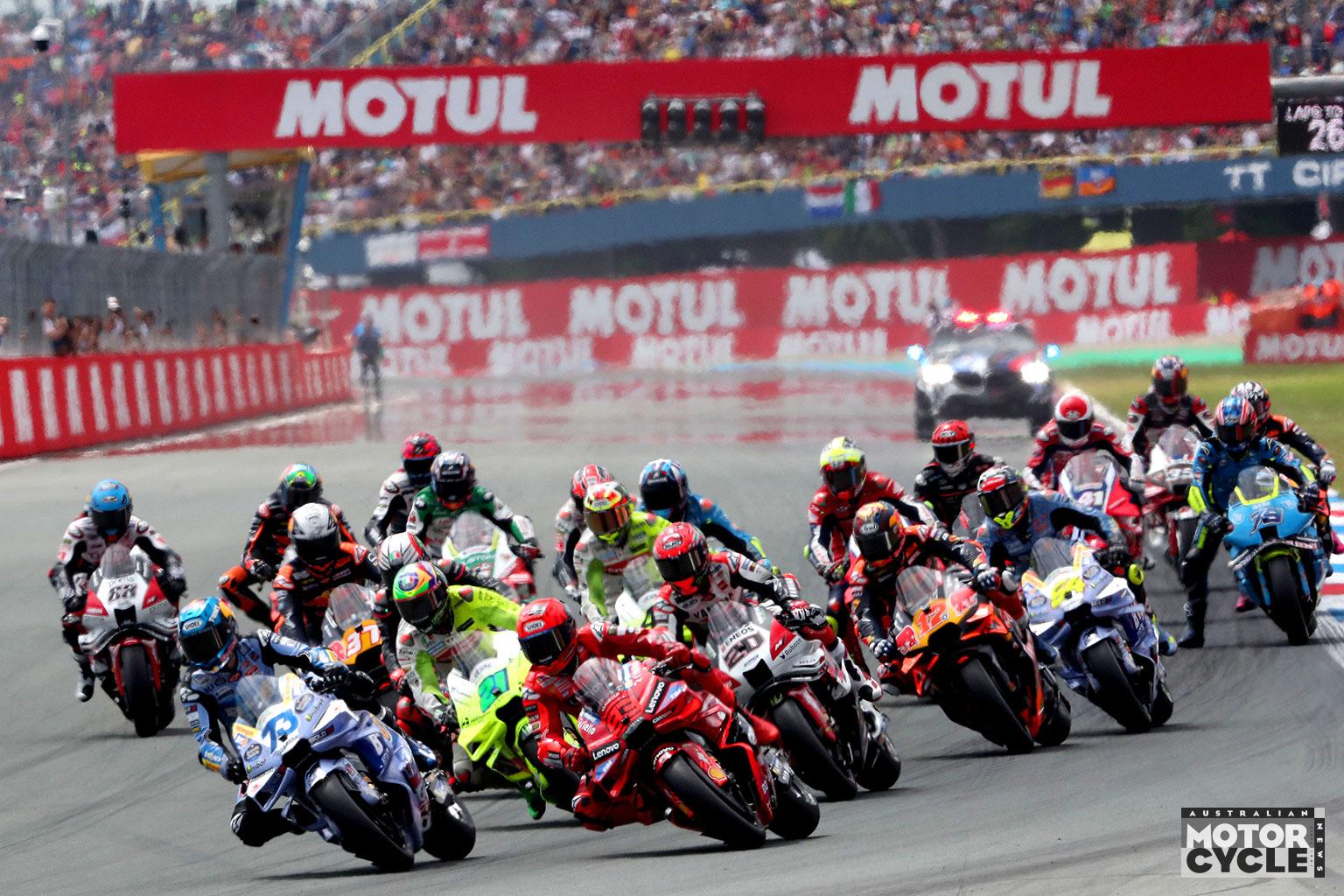
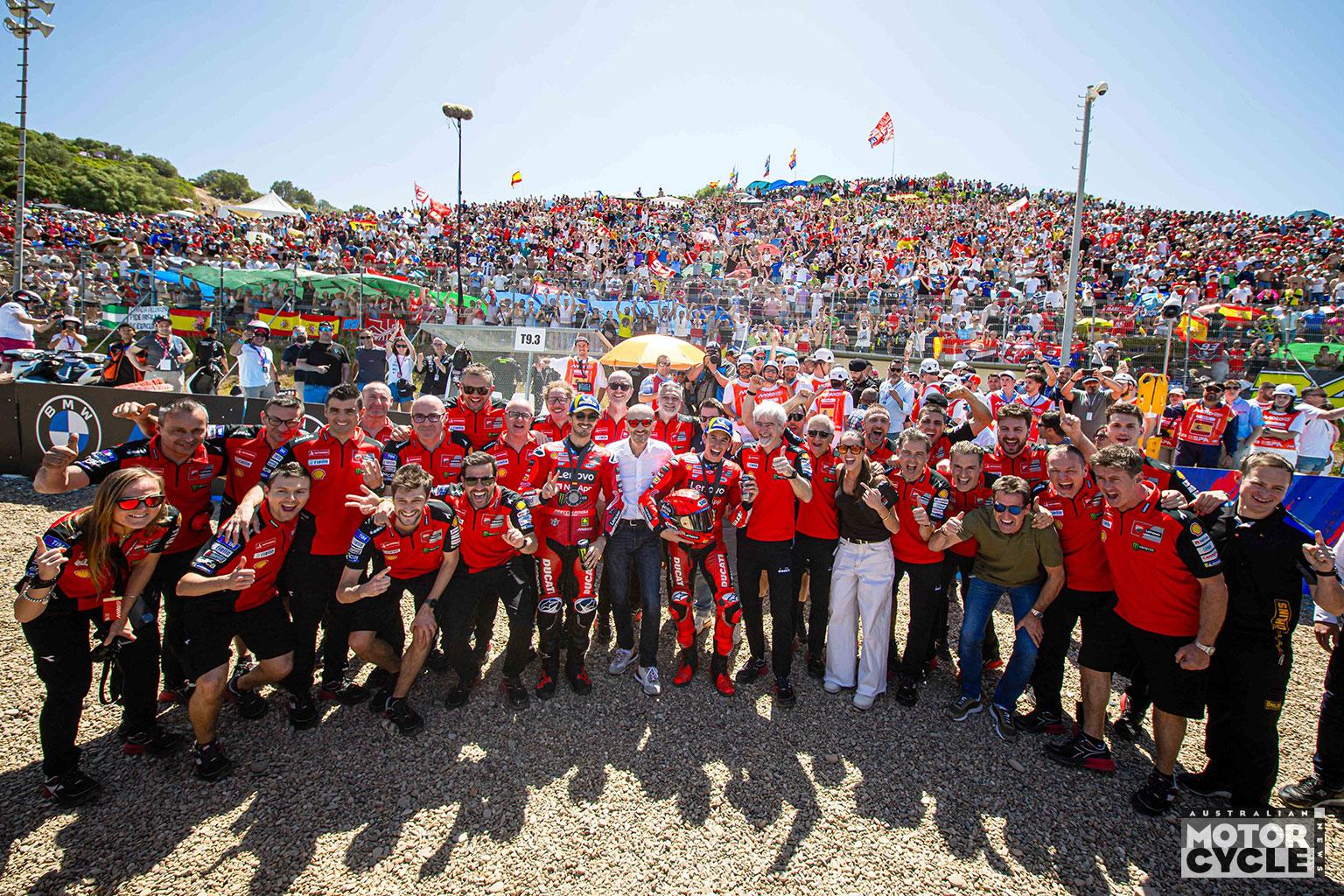
It was a huge season for the sport; across 22 races in 18 countries on five continents, MotoGP delivered its biggest calendar ever. Fans watched five world champions sit on the grid, 10 of 11 teams score podium finishes, and one of sport’s greatest ever comebacks from 2025 world champion Marc Marquez. MotoGP’s global fanbase grew 12 per cent to 632 million, while nine attendance records were broken, with the 311,797 at Le Mans in May the most attended race in MotoGP history. Television audiences grew globally by nine per cent on average at each round, while its social media followers passed 60 million with research revealing more than half of the fans and followers are aged under 35 – showing the sport’s growing appeal to a new generation.
American mass-media company Liberty Media finalised its acquisition of MotoGP rights-holders Dorna in July for £3.75 billion ($A7.52b). Eight years earlier, Liberty bought Formula 1 for slightly less than that, and they recently rejected a $30 billion offer for the championship, so it’s grown F1’s worth by 500 per cent. Liberty – now worth $90 billion – wants to do the same to MotoGP.
Is that a good thing or a bad thing? It’s neither, really, it’s merely inevitable.
It was inevitable that there would be management changes and Rossomondo was the first, although it appears he was willing to go.
Some MotoGP fans fear that Liberty are going to transform the pinnacle of motorcycle racing into something entirely different, like a trashy wrestling show, or an F1-style luxury-brands marketing vehicle.
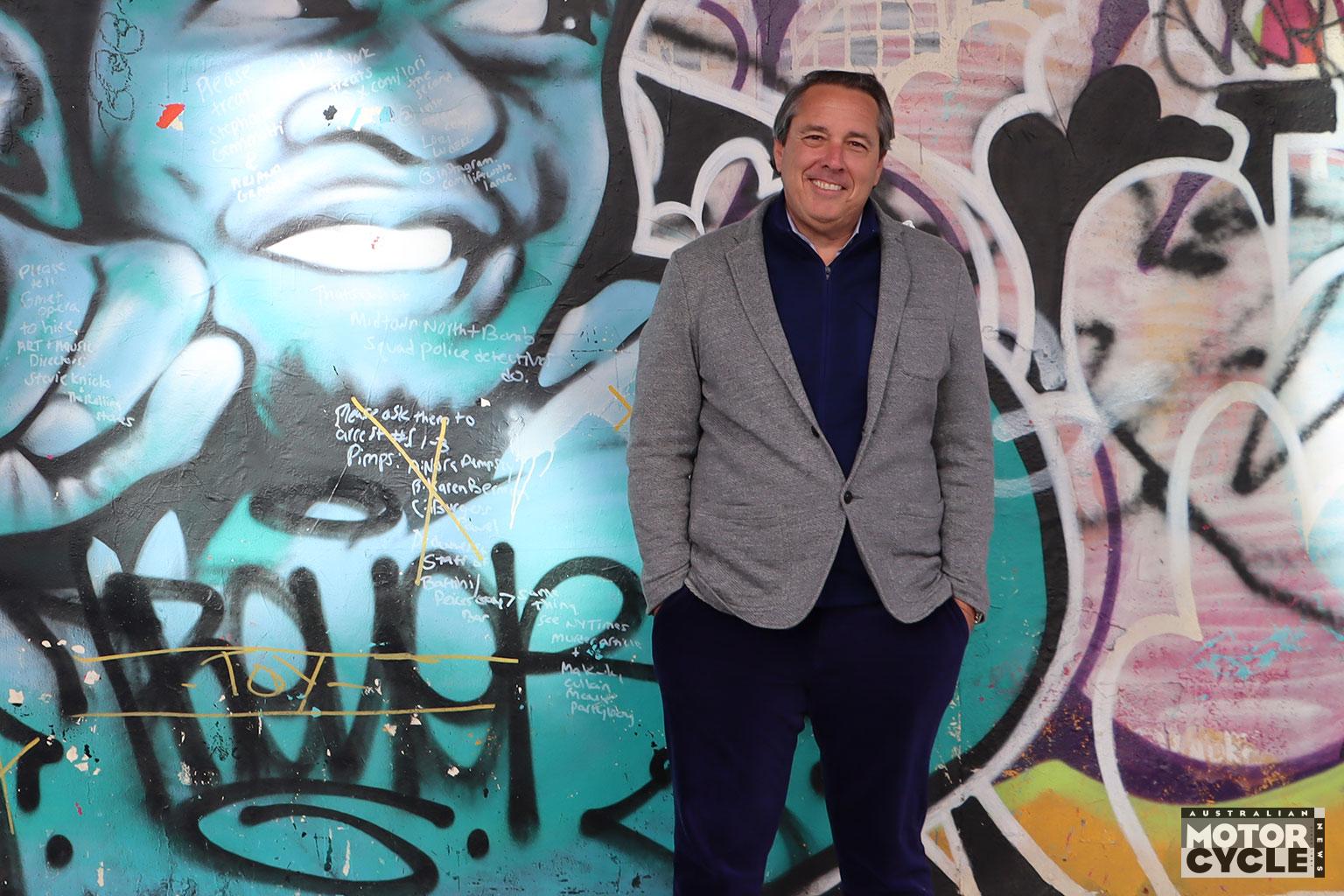
Before his resignation, Rossomondo told us that isn’t going to happen. “Some people are worried Liberty are going to change MotoGP, but why would they do that when they’ve paid a lot of money for something they think is very good?” he insisted. “Liberty want to invest in MotoGP to bring it to more people. The key factor we need to solve is what’s the thing that hooks in new fans? I don’t want to over-complicate this – it’s how do we make MotoGP more available, more discoverable?
“Liberty know MotoGP isn’t Formula 1 but they do have a lot of expertise, not just in this business – they’re in the media business, they’re in the music business and they’re in the ticketing business, so we can tap into their expertise across that entire spectrum.”
Liberty’s ownership of F1 is already helping MotoGP, by leveraging elements of their F1 property to shine a light on the lesser-known world of two-wheel racing. Late last season it helped former F1 team boss Gunther Steiner take over the Tech 3 MotoGP team, founded by Herve Poncharal in the 1980s. Steiner gained a massive following among F1 fans for his sweary appearances in the championship’s hugely popular Drive to Survive doco series, so Liberty’s hope is that he will encourage followers of F1 to take a look at MotoGP.
And, surprise, surprise, F1 drivers Lewis Hamilton and Max Verstappen are now reported to be following Steiner’s lead and looking at buying their own stakes in MotoGP teams. This is all part of the plan to create a MotoGP goldrush, pumping up the championship’s value.
Will F1 and MotoGP become competitors, owned by the same masters? Rossomondo doesn’t see it like that; he doesn’t believe that MotoGP competes for fans with other motorsport series or even other sports…
“We are competing for time,” he said. “You’d rather watch Netflix than MotoGP? Or watch football instead of MotoGP? Or take your dog for a walk? That’s all competition for us.
“In much of the world we have more leisure time than ever before, which is why sports and entertainment are proliferating, so we are competing for how people spend their time.
“We do a great job telling the racing stories, but we want to be storytellers beyond that. The riders are gladiators and the casual fan wants to know about their lives and their lifestyles. We have to lift the visor on these guys.”
This, therefore, is the dark art of marketing and social media algorithms. How to take your sport viral, so it’s pinging on people’s phones from Manchester to Mumbai to Melbourne and from Rio de Janeiro to Riyadh.
There’s little doubt MotoGP deserves to be bigger. We all know motorcycle racing is an awesome sport, that riders like Marc Marquez and Fabio Quartararo are 21st century gladiators and that places like Jerez and Le Mans are modern-day colosseums.
It was the goal of Rossomondo and Dorna’s marketing boss Kelly Brittain to somehow communicate this to more people. And to give you an idea of the scale of their challenge, Dorna only recently created its own marketing department, whereas the marketing department at Brittain’s previous employers – Red Bull F1 – numbers 110 people!
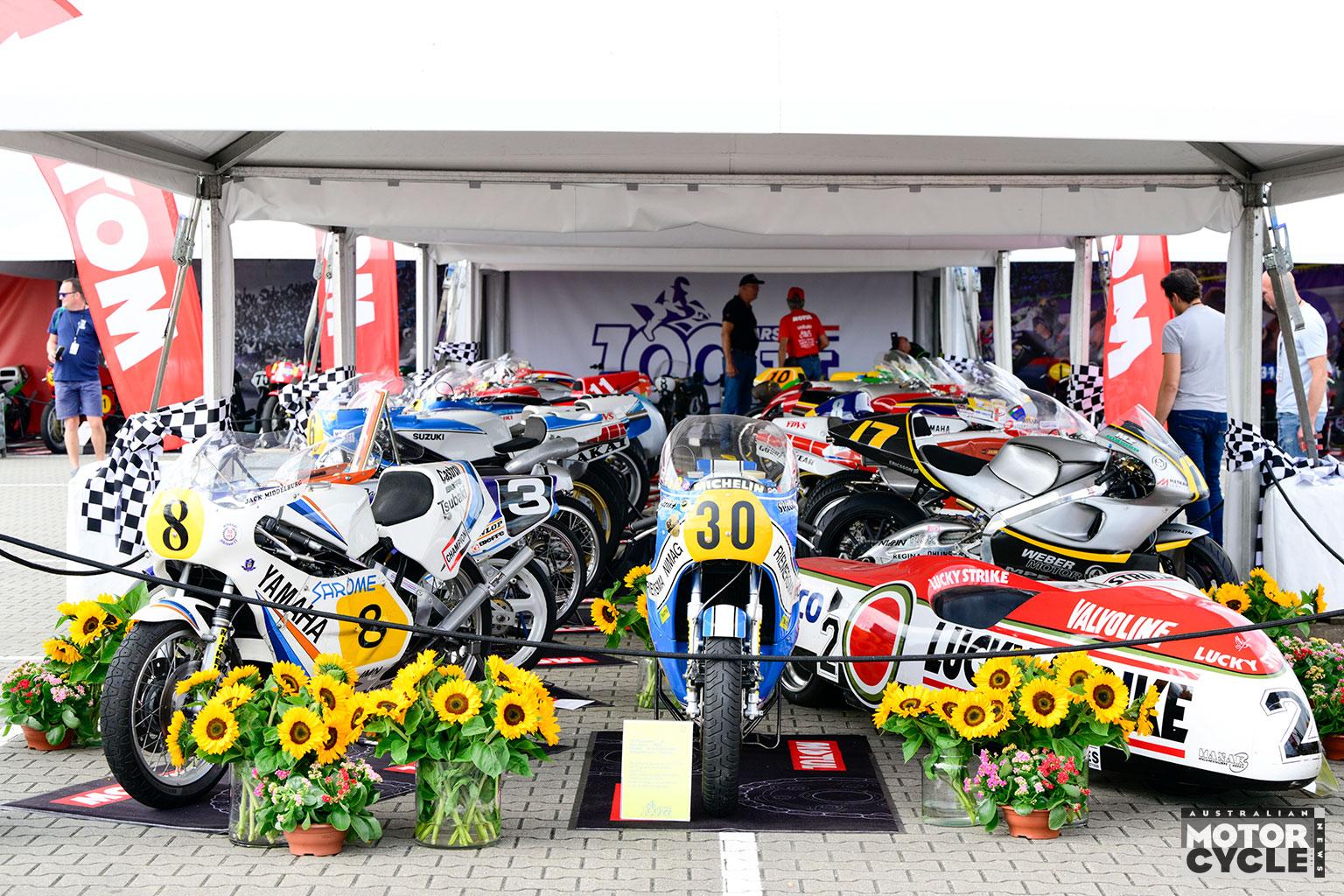
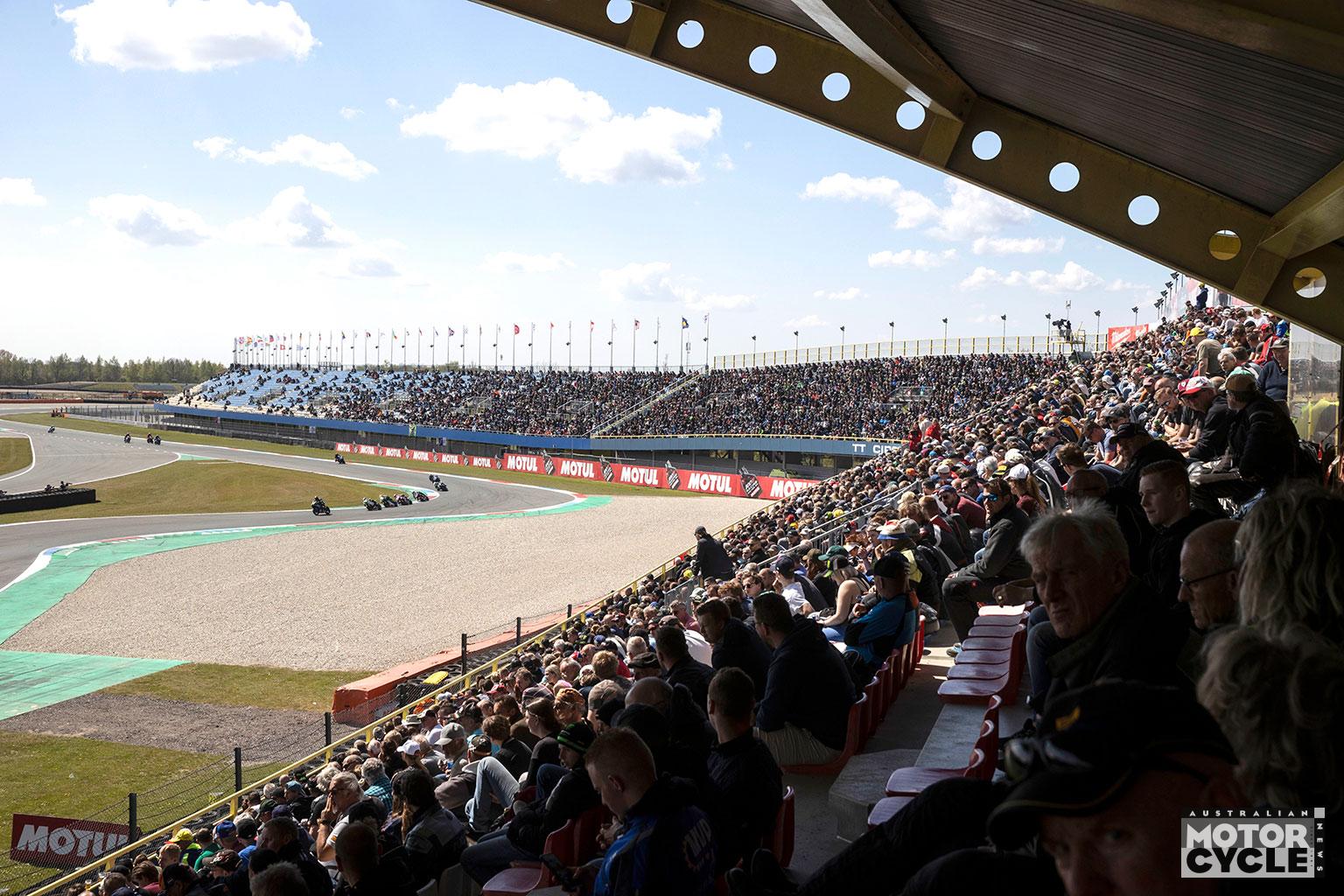
Attracting new fans will make MotoGP better in various ways. We all know that packed grandstands are better than empty ones, which is why races like Jerez and Le Mans give you goosebumps, while Silverstone and COTA don’t.
More fans also means more money, which Liberty wants and MotoGP needs.
Around half the MotoGP grid are probably the world’s worst-paid elite athletes. Most factory riders earn a few million, but few independent-team riders earn more than a few hundred grand.
The situation is even worse in Moto2 and Moto3, where many teams are struggling for survival, which forces them to hire riders who pay teams for the privilege of racing in MotoGP’s hard-fought support classes.
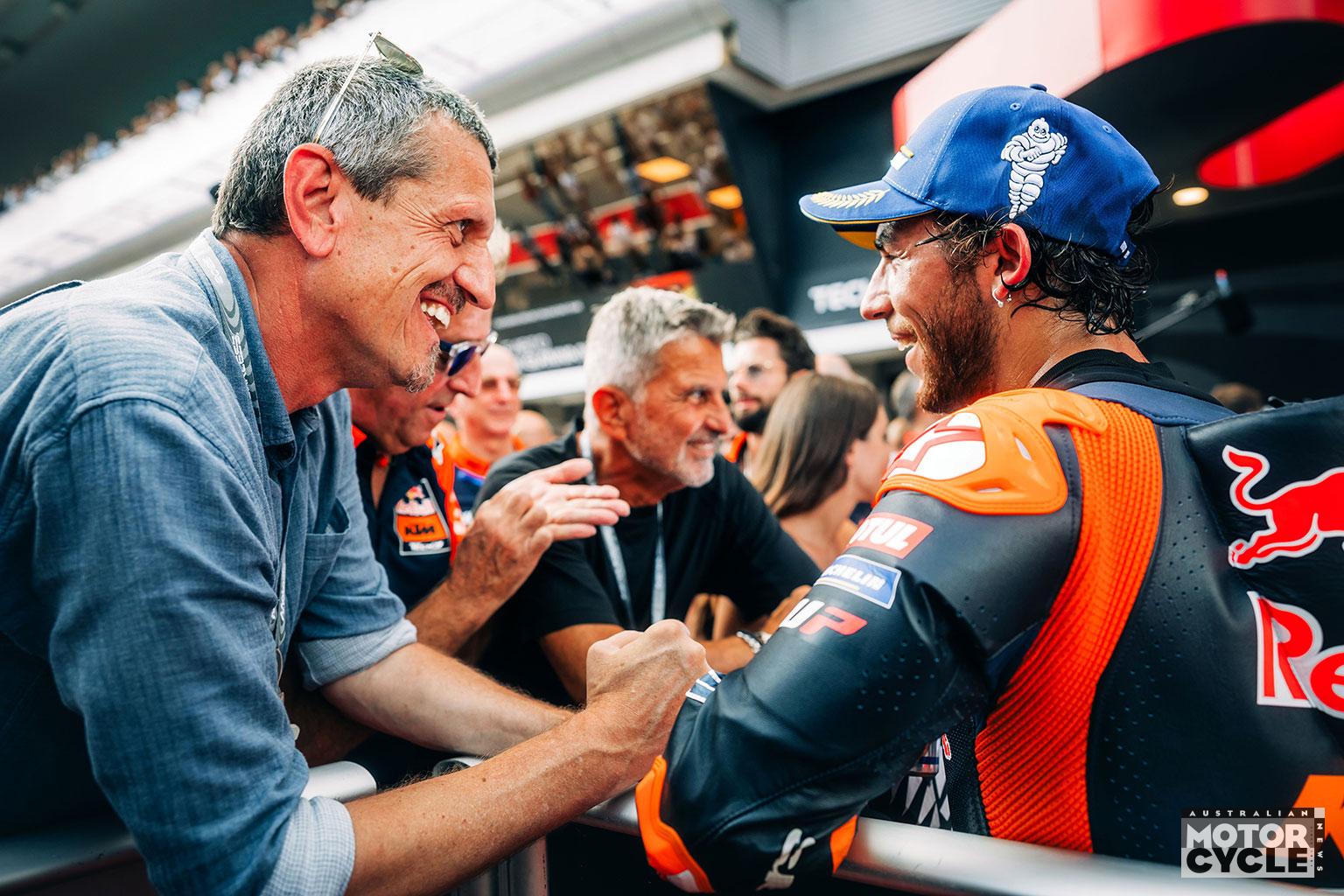
That shouldn’t be happening. Rossomondo’s job was to try and fix this problem, through his marketing and business roles.
“The marketing side of my job as chief commercial officer is, how do we expose this great sport to more people without losing who we are?” he said. “Eighty per cent of our fans are what we call ‘purists’, so how do we get more what we call ‘tourists’ to watch a few races, follow us on Instagram and so on?
“The business side of my job is how do we then make money out of our 540 million fans? (He was speaking before official season figures were released that showed a massive increase.) How do we manage our media rights better, how do we bring in more corporate partners, how do we do more licensing deals, how we do build a sustainable digital model?”
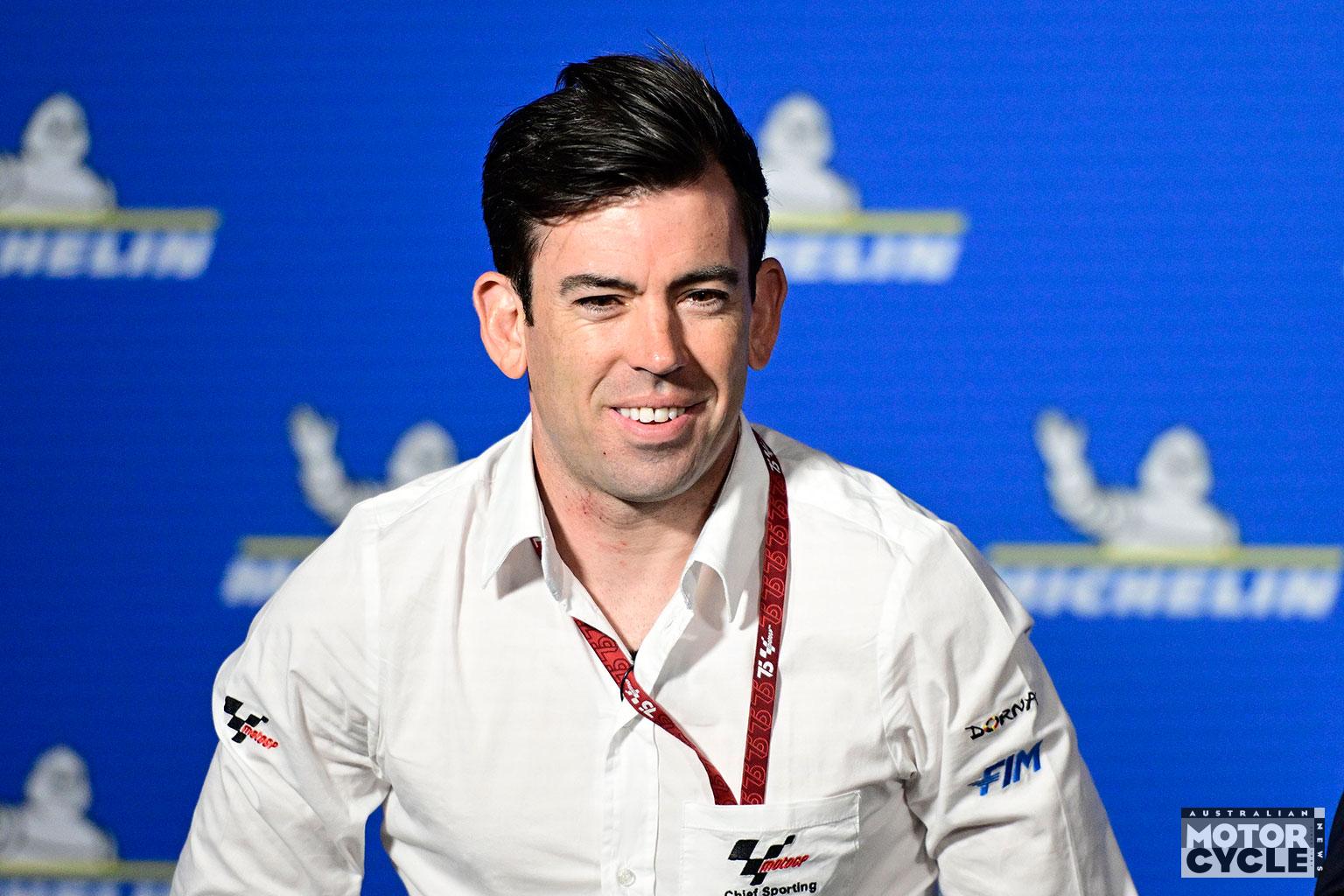
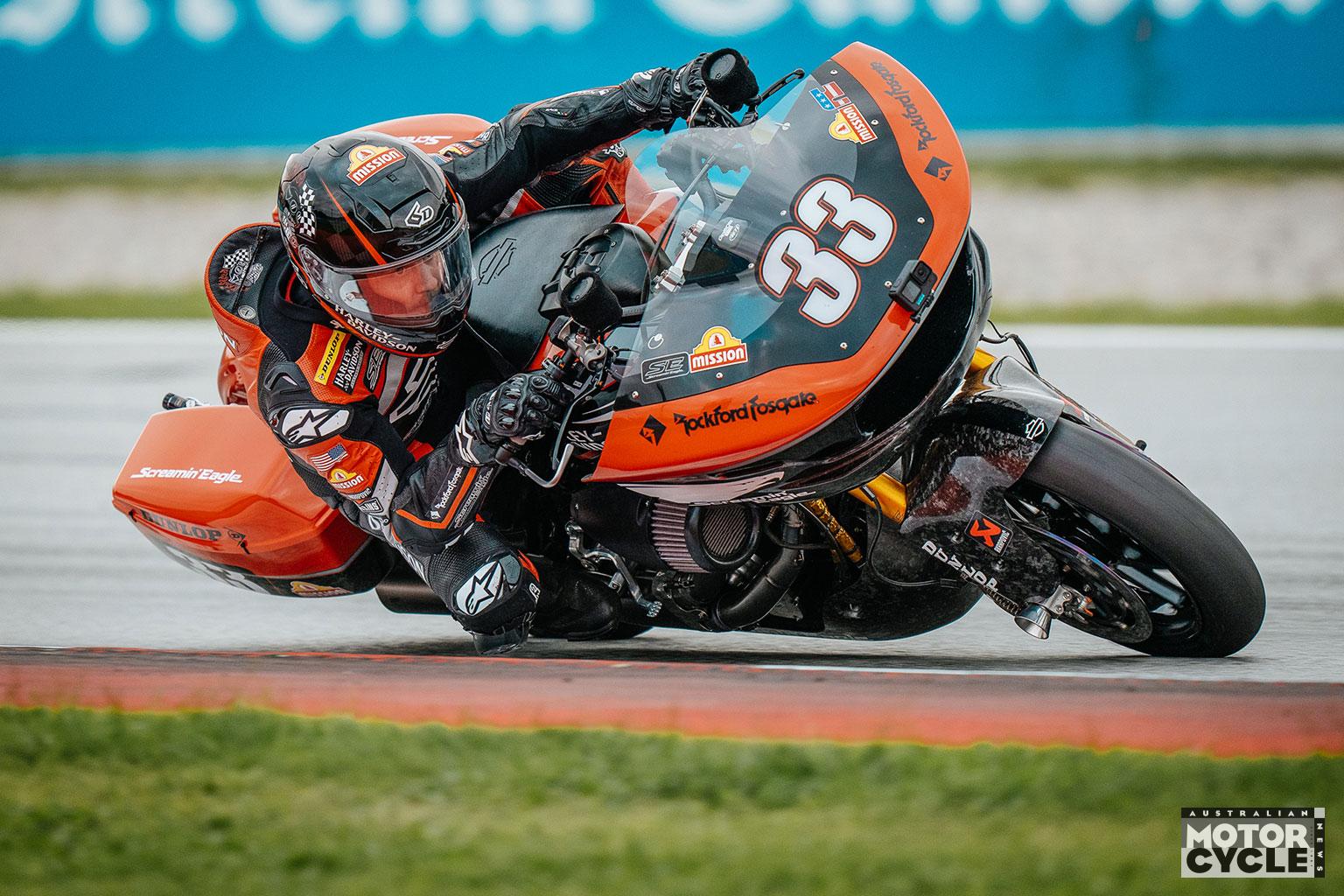
In August, Dorna announced a major new corporate partner in Harley-Davidson, which will race its baggers – touring Harleys converted into unlikely race bikes – at six of this year’s MotoGP rounds. Some fans love the idea of having something completely different at MotoGP events – ‘So wrong it’s right’ – while others believe this is some kind of heresy, a grievous sin against the sanctity of grand prix purism.
“We’d been talking to Harley for a while,” Rossomondo said. “They want to get back to motor racing culture. They think it’s part of their DNA (Harley created its first factory team 110 years ago) and they think they’d gotten away from that. They also want to be more global and they want to be younger. To us they’re Americana, so that’s bringing in a different culture to MotoGP.”
Purists and tourists…
If corporate partners and licensing deals sound very F1, Dorna has been copying F1 for a decade or two, trying to make MotoGP more fan-friendly by shrinking the performance gap between the front and back of the grid, introducing TV-friendly qualifying formats, adding Saturday sprint races and moving sprint podiums closer to the fans, allowing them to join the prosecco party on Saturday afternoons.
“We had defaulted, incorrectly, to thinking that the fans at the circuits were the promoters’ customers, not ours. But that can’t be, because they’re our fans, so we have to take greater ownership of the fans at the venues, which is why we’ve started introducing things inside the venues, like the sprint podiums and fan vision, where fans can interact with us on the big screens.”
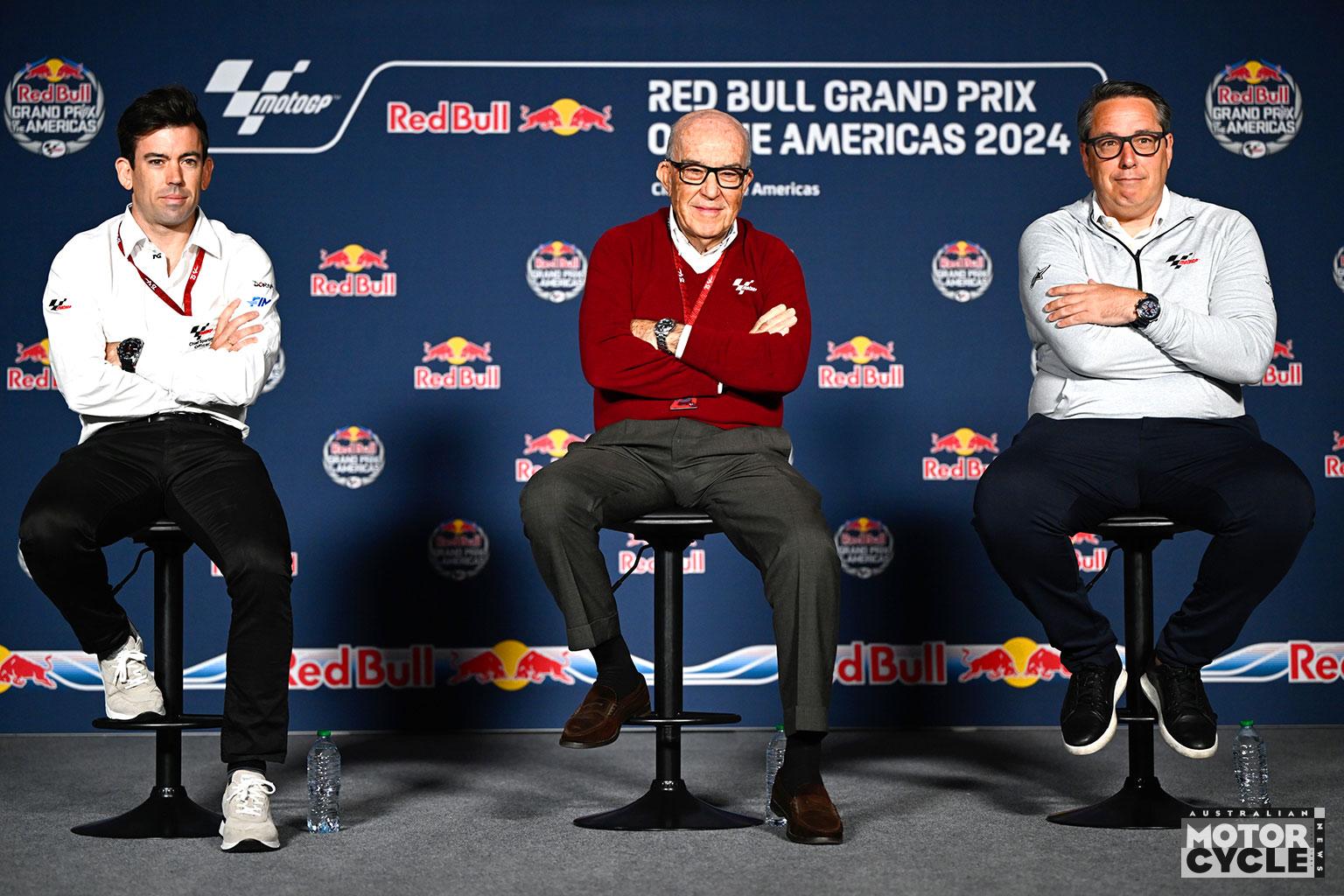
Rossomondo – an affable New Yorker with Italian heritage – has worked in sports promotion and marketing since he left college, mostly in NBA. He was headhunted by Dorna in 2023, when he made his first visit to a MotoGP round, the Americas Grand Prix at COTA.
“My 17-year-old son came with me. We got out onto the pit wall and he said to me, ‘How is a human being even sat on those things?!’ I was wildly impressed by the whole operation – they had raced in Argentina a couple of weeks before and they were going to Spain next. But what really grabbed me was watching the bikes; that just took my breath away.
“One of the big things that other sports are envious about is that we own our own production. We’re the ones producing it, so we can dictate what it looks like. One of the things we are always wrestling with is that sometimes I think our TV makes MotoGP look too easy.”
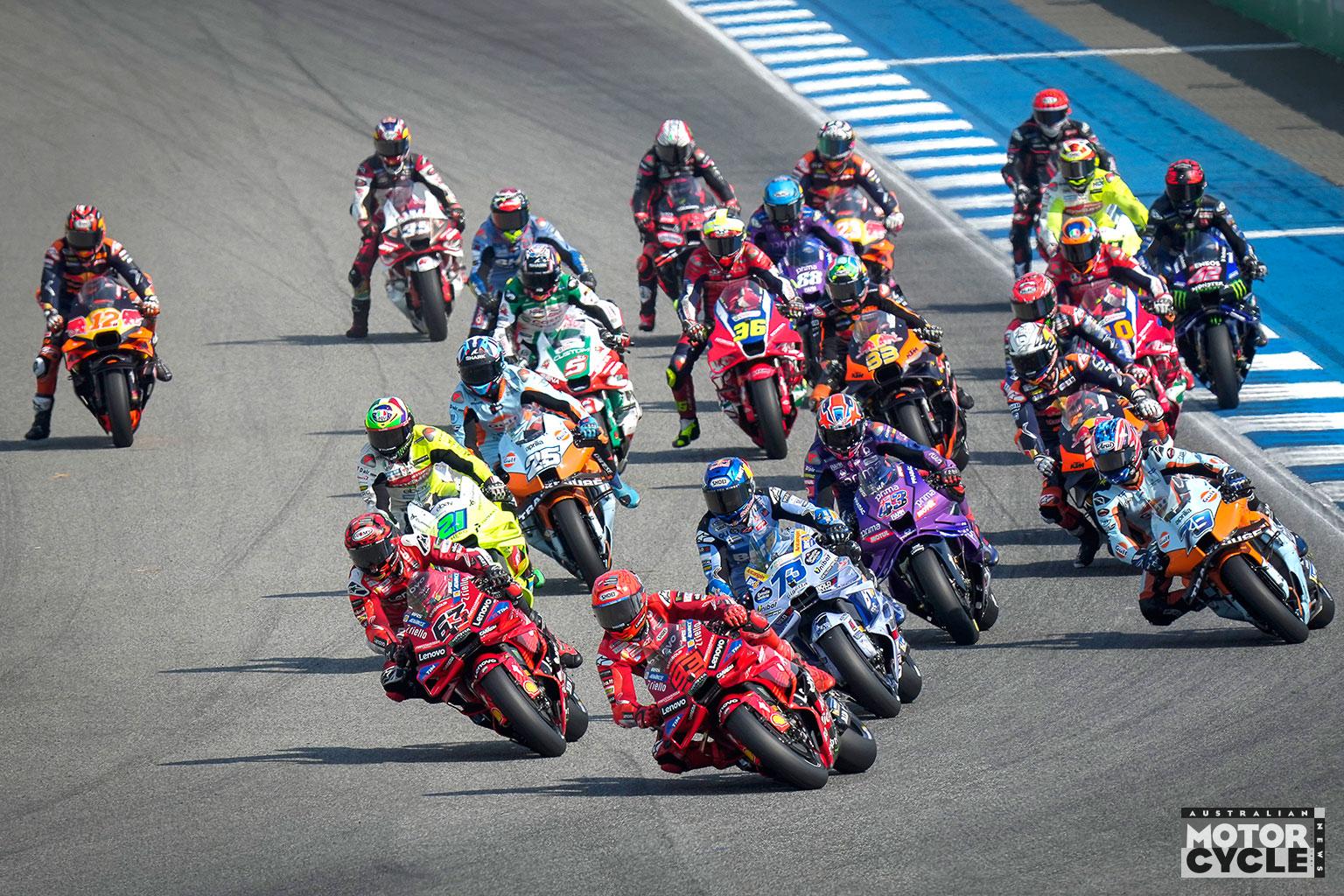
Rossomondo is 100 per cent correct on this point. Some years ago, Dorna introduced on-bike gyro cameras, which move in synch with the motorcycle when it leans, so viewers don’t see the bike flick left and right, which makes bike racing look like car racing. What’s the point of that?!
“We have to give people the real feel of MotoGP. One thing we can do a better job of is making it louder. We dampen the sound on the broadcast and to me the sound is a huge part of the visceral feeling.”
Might this also be why Dorna is replacing the whirr of MotoE with the roar of the baggers?
There are other parts of the MotoGP action that Rossomondo hopes will improve, even though they’re beyond his remit. “I’m not a technical guy but we knew we had to do something to the rules to get the racing back to when it was more exciting.”
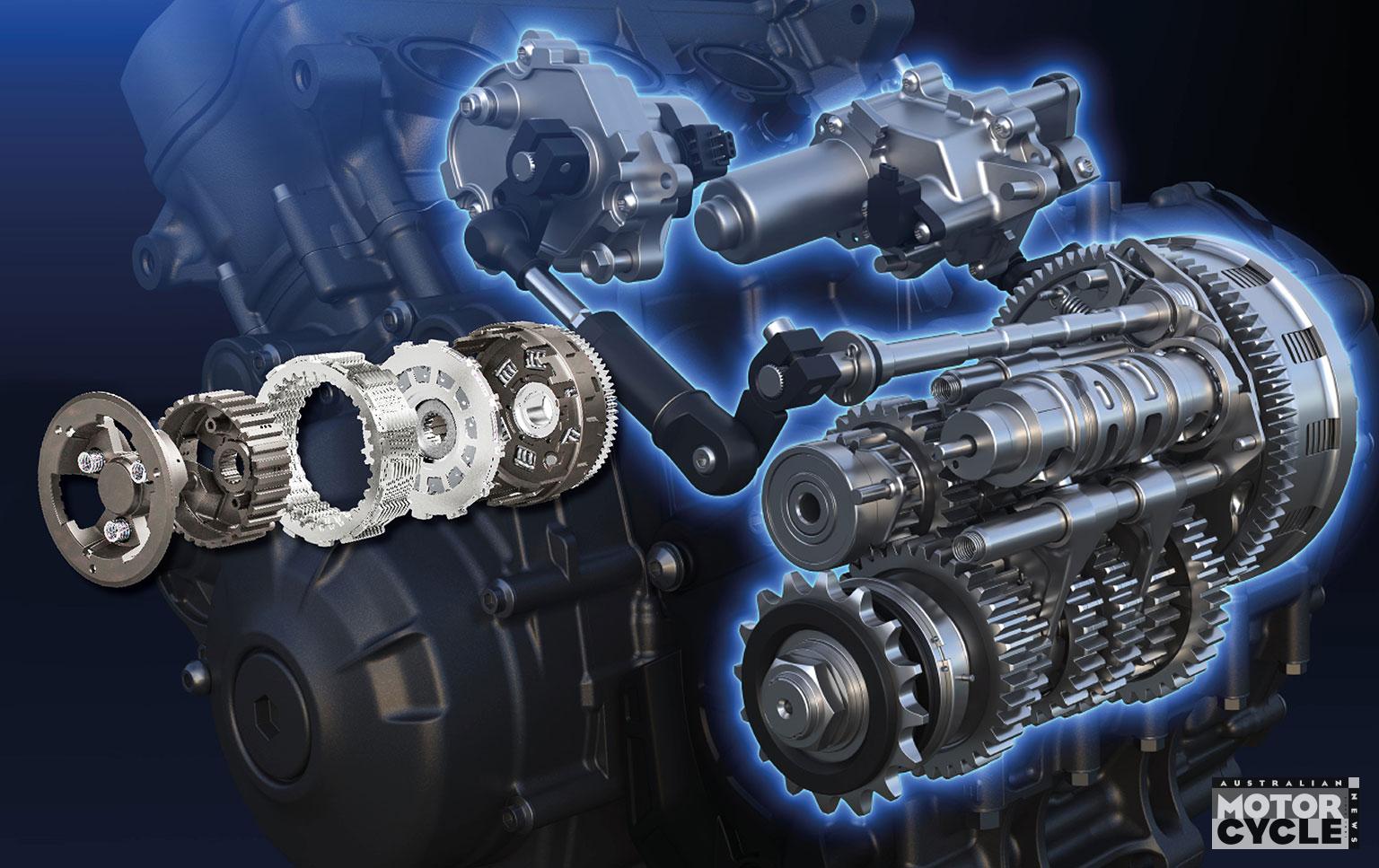
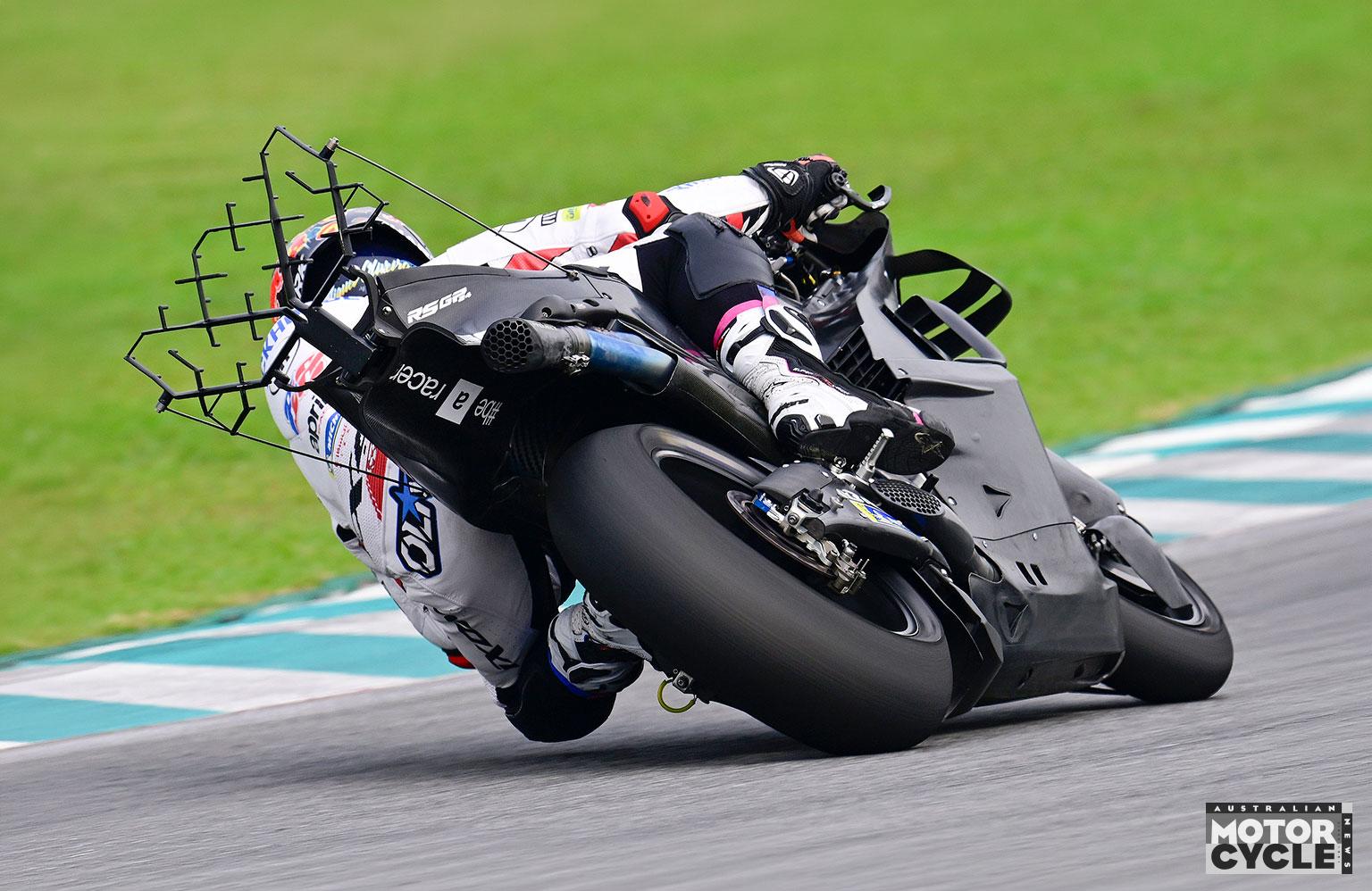
At the end of season 2026, MotoGP will undergo its biggest technical regulations shakeup since the switch to big four-strokes in 2002. The new bikes will use 850cc engines, instead of 1000s, less downforce aerodynamics and gizmos like ride-height devices will be banned. It’s hoped these changes will create better racing, with more overtaking.
Inevitably, Liberty is already making enemies in some corners of the paddock. It wants MotoGP to copy F1, by only counting premier-class world champions. Thus, Marc Marquez is seven times a champion, not nine times, because Liberty wants to focus attention on the big class.
For the same reason, Liberty wants to segregate the MotoGP paddock from Moto2 and Moto3, which will have their garages in the paddock, not pitlane.
Finally, the most important question of all: what will happen to ticket prices and TV packages, considering how these have increased in F1 since Liberty’s takeover?
Between 2019 and 2024, the price of a British F1 GP ticket rose by around 120 per cent.
Why have F1 ticket prices increased so much? Because Liberty grew F1 so well that demand increased massively, with Silverstone weekends a sell-out.
That old economic rule prevailed: When demand exceeds supply, prices rise.
If Liberty is unsure how to proceed with MotoGP, it should consider what happened when Bernie Ecclestone muscled his way into it in the 1990s. At that time the German GP at Hockenheim was a huge success, so Ecclestone jacked up ticket prices and within two years the event was dead. Motorcyclists don’t like being taken for a ride.
However, if you’re wishing for MotoGP to remain unchanged, you’re living in fantasyland. Corporate giants rule the modern world, enjoying more power than many governments, and they are greedy for profits. That’s just the way it is.
So the landscape is changing. And it changed very quickly after our interview. Rossomondo announced in December he was leaving his role with Dorna and returning to the United States to spend more time with his family. However, he would continue to provide strategic guidance during the transition period to ensure continuity.
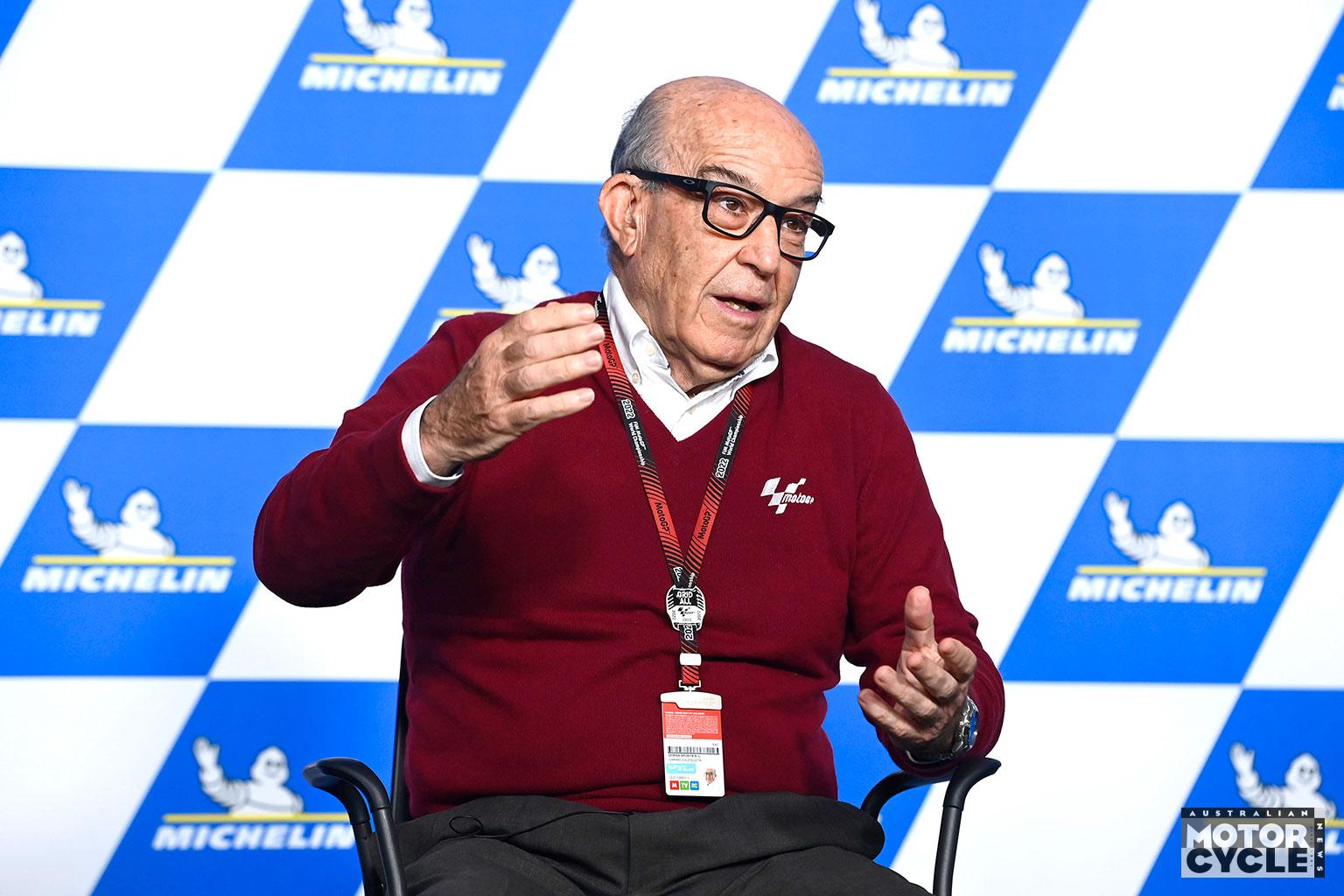
Carmelo Ezpeleta said: “Dan has been an important part of MotoGP’s commercial evolution.”
How will Rossomondo’s exit affect MotoGP? It probably won’t – the changes coming are much bigger than just one man.