Sale of Indian Motorcycle to private equity has many observers asking big questions
Debate is raging around the fallout from Polaris announcing its revival of Indian Motorcycle is completed and it’s selling out of its major shareholding in the famous heritage brand.
Back in October, Polaris announced its intention to split the motorcycle operation into a standalone business and sell a majority stake in it to private equity as part of a plan to refocus onto its off-road vehicle, snowmobile and marine businesses. Our research as uncovered that while the move has inevitably raised concerns over Indian’s future there’s little indication that customers or dealers will see big changes.
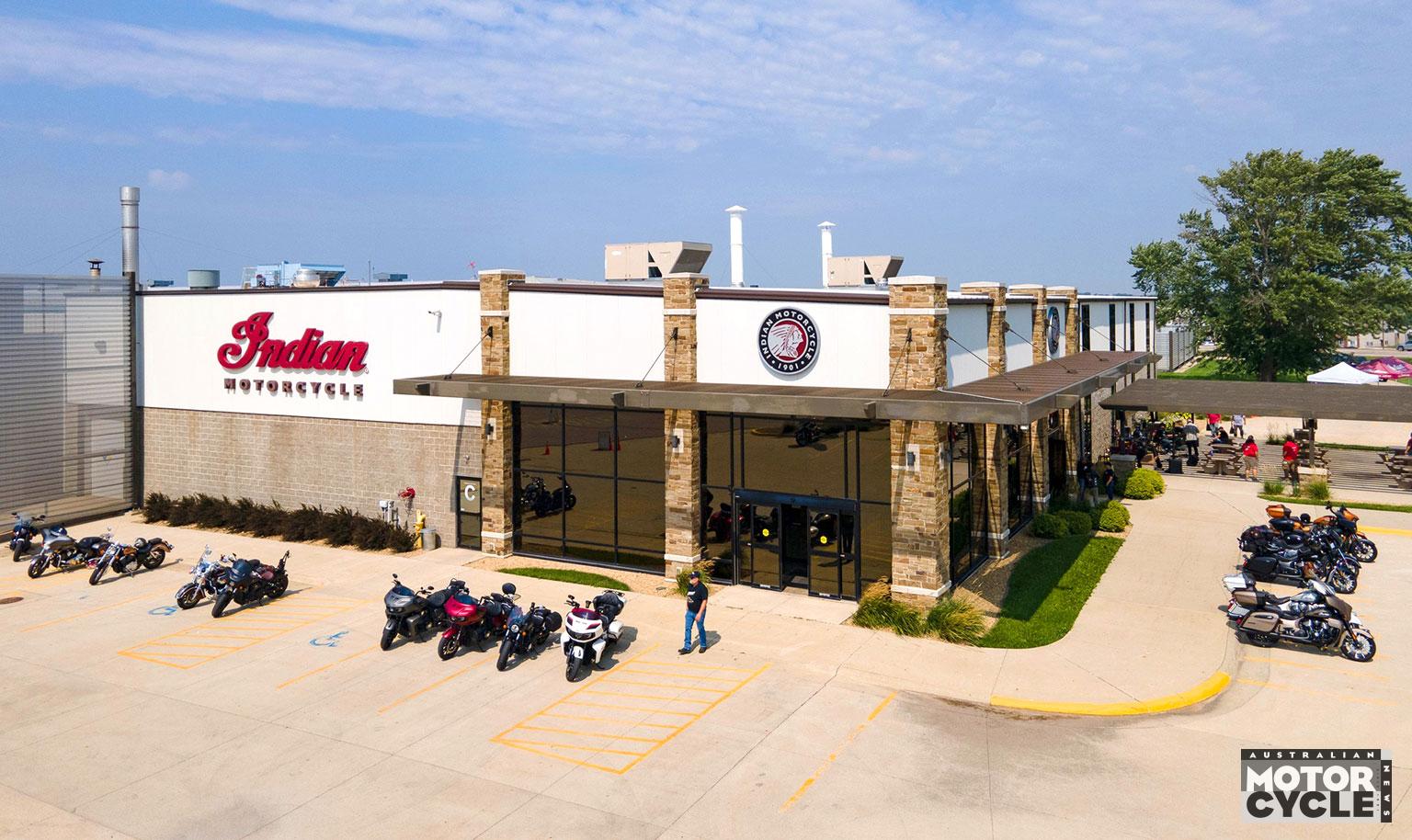
Polaris says that the decision comes as part of a strategy to put its efforts behind the parts of its business that have the greatest potential for growth, implying that Indian’s opportunities for expansion may have peaked, but the fact it’s retaining an unspecified minority stake in the newly-separated Indian brand suggests this isn’t a panicked fire sale.
The buyer of the majority stake in Indian is a private equity company, Carolwood LP, and while the words ‘private equity’ will have cynics leaping to the conclusion that the objective will be to suck out the value from Indian before selling its barely-breathing husk to the next sucker, that’s not always the case.
In the motorcycling sphere, Ducati is an example of private equity ownership that benefited the brand. The Texas Pacific Group bought Ducati back in 1996 and oversaw a positive transformation in the company’s image and fortunes, taking it public in 1999. TPG sold its controlling stake in 2006 to another private equity company, Investindustrial, which further boosted Ducati’s range and profitability before selling once more to its current owner, the Volkswagen Group, in 2012. Over a series of owners – all aiming to boost their own bottom lines – Ducati benefitted, and with the right handling that’s the path Indian could take in the future.
Announcing the deal, which isn’t expected to be completed until later this year, Polaris CEO Mike Speetzen said: “Polaris and Indian Motorcycle both stand to benefit from this deal, which will enable each business to move faster, deliver industry-leading innovation, and lean further into our respective market strengths.”
He went on: “Under Polaris ownership and investment, Indian Motorcycle has been re-established as a celebrated brand and major player in the global motorcycle market. With its current product portfolio, global dealer network, category expertise and manufacturing resources, the business is well positioned to succeed as a standalone company with a dedicated focus on its industry. We were highly intentional and selective in our search and planning efforts for Indian Motorcycle’s next chapter of growth. In Carolwood, Indian Motorcycle has a partner that believes in building on the business, current momentum and supporting its next stage of success. We are confident and committed to making this a seamless transition for Indian Motorcycle dealers, customers and employees.”
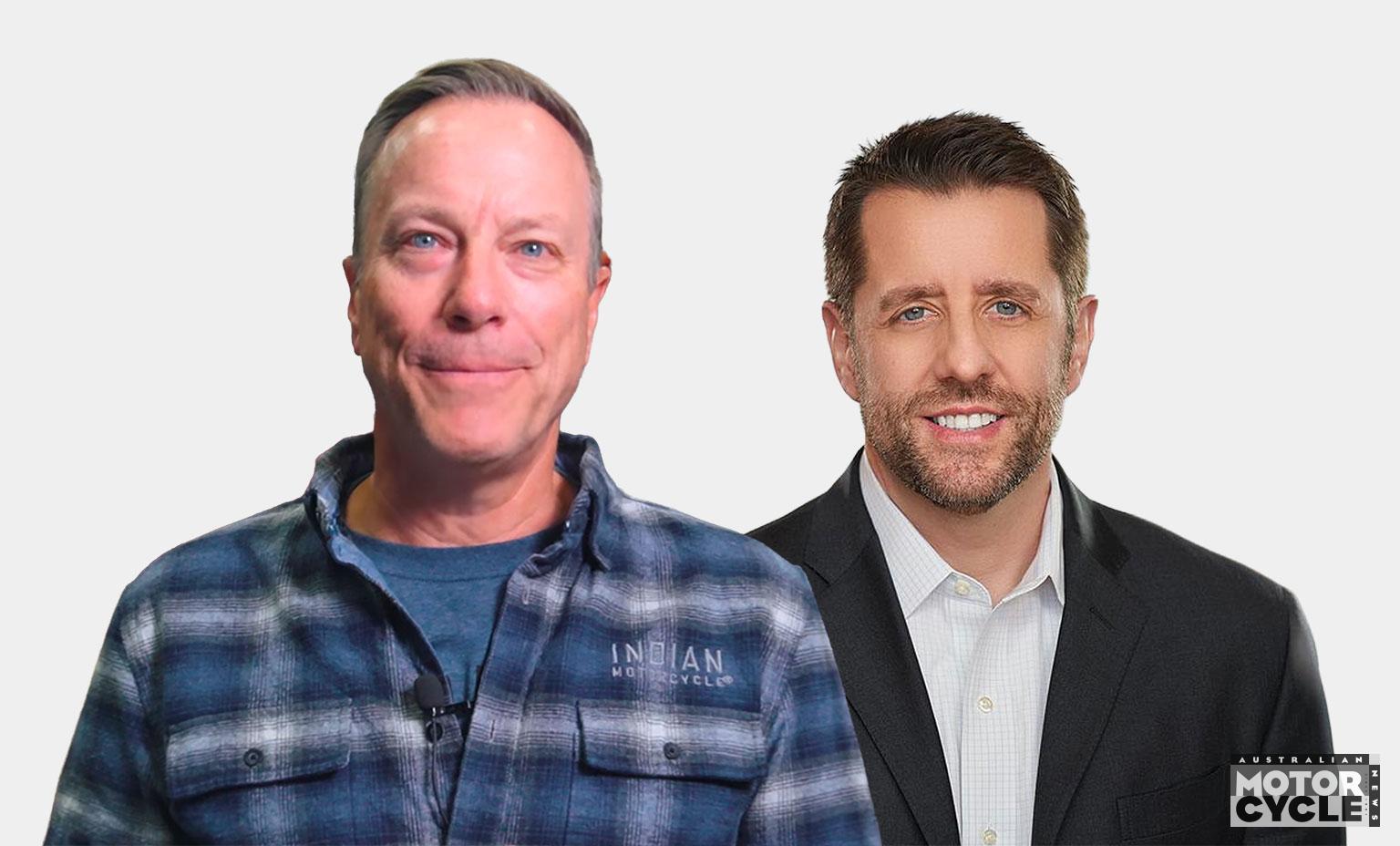
Andrew Shanfeld, Principal at Carolwood, adds: “Indian Motorcycle is an iconic brand built on American heritage, craftsmanship and, most importantly, a community of riders. We’re honoured to help usher in its next chapter as an independent company and to support its continued growth as a symbol of performance and pride. At Carolwood, we target iconic brands that we can passionately impact. Indian Motorcycle allows us to do just that.”
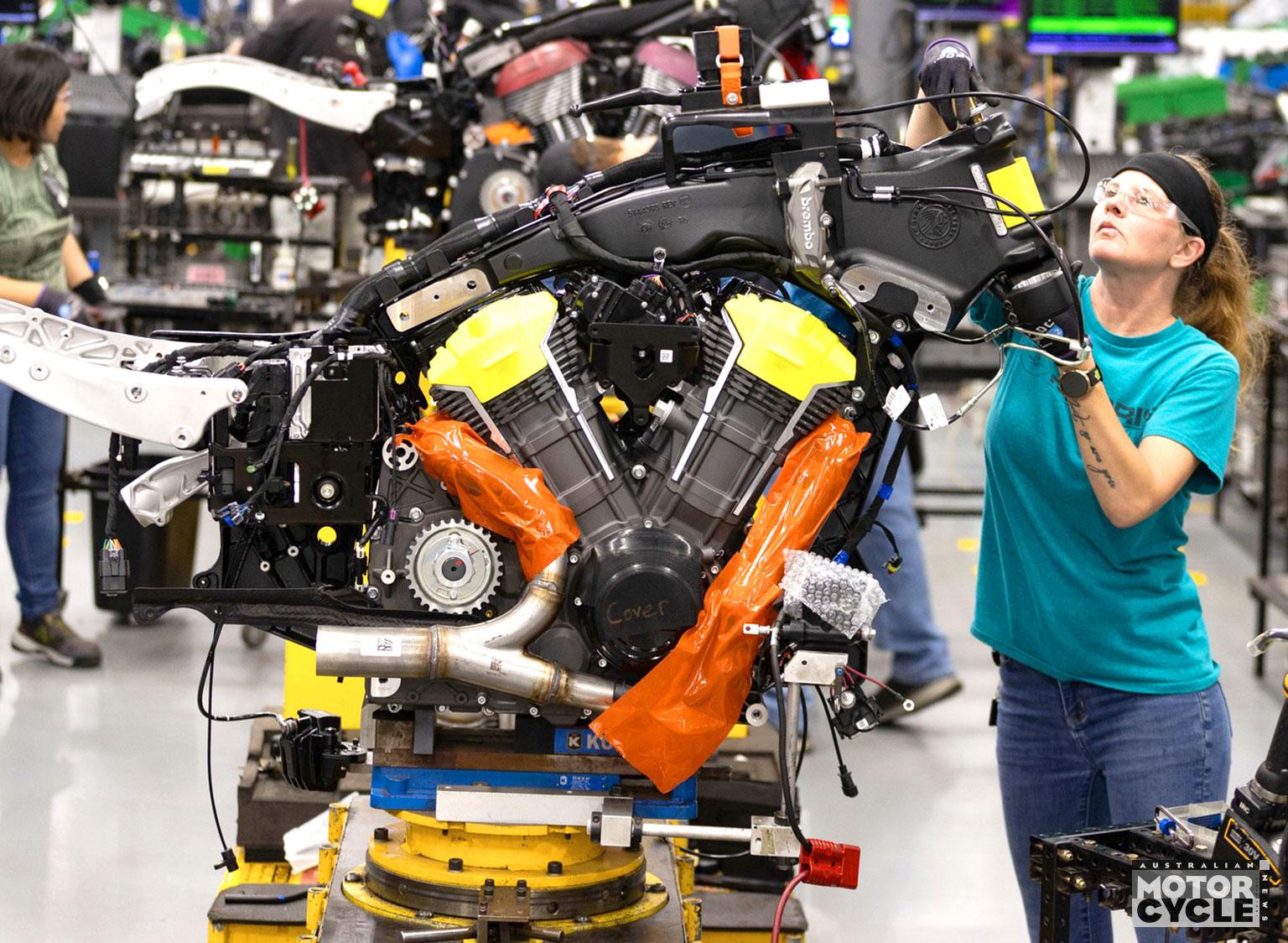
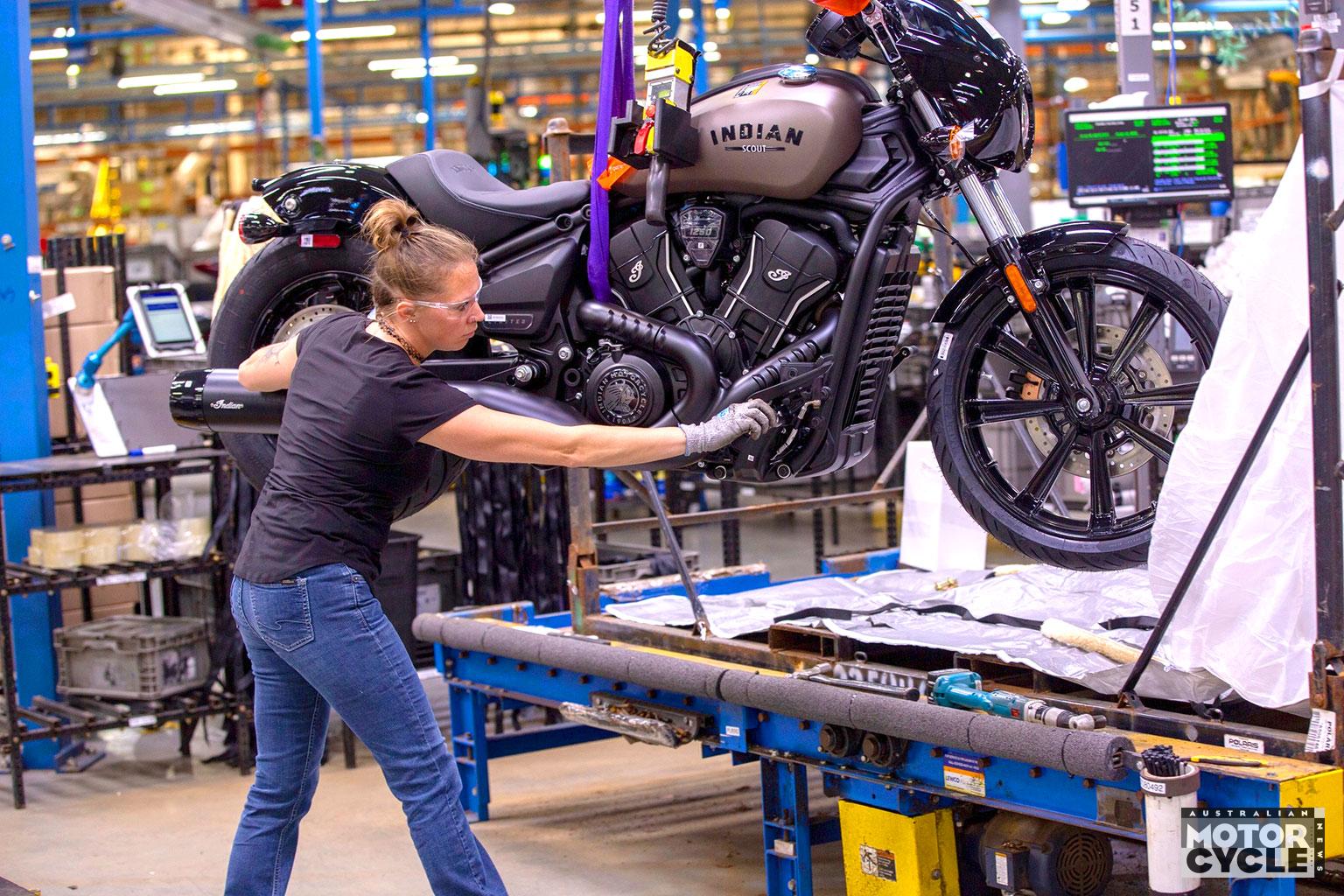
With an eye to continuity, around 900 employees will transition to the newly standalone Indian Motorcycle Company, as will the manufacturing plants in Iowa and Minnesota, and the R&D facility in Switzerland. A new CEO, Mike Kennedy, with more than 30 years of experience in the bike industry, has been chosen to lead Indian He was formerly CEO and President of Vance and Hines and a 26-year veteran of Harley-Davidson.
The dealer network isn’t expected to change.
While detailed figures aren’t available, including the precise level of Carolwood and Polaris’ holding in Indian, Polaris says that it expects the deal to add around $US50 million to its pre-tax earnings once the deal is completed.
It’s no secret that the market for the sort of medium and heavy cruisers that Indian specialises in has been going through a rough time recently, with declining sales and an ageing buyer demographic. Harley-Davidson has also seen big changes recently in an effort to address that problem, appointing a new CEO, Artie Starrs, and preparing a new entry-level ‘Sprint’ model – due to cost under $US6000 – to be launched this year. Indian inevitably faces some of the same problems, and its decision to ditch its only non-cruiser model, the FTR, last year leaves it boxed even more tightly into the cruiser segment.
Asked to comment on the acquisition, Glenn Veal, the current Managing Director of Polaris Sales AU & NZ and Indian Motorcycle AU & NZ, told AMCN: “We are really excited about the sale and what this means for the next chapter of Indian Motorcycle. Carolwood LP is the right partner, focused on the long-term growth of the brand and they have never exited any of their investments. It’s also great that they are bringing a seasoned professional onboard as CEO in Mike Kennedy, who has extensive experience in the industry.
“Dealers and customers rest assured that it will be a seamless transition and when the deal is finalised, we look forward to sharing more.”
Whatever the future holds for this new era for the company, Indian remains one of the most recognisable names in motorcycling. The original iteration of the brand closed down in 1953 and has gone through multiple owners since, with several resurrections before Polaris’ 2011 acquisition of the name. Whatever happens under Carolwood’s stewardship, the Indian badge isn’t likely to disappear anytime soon.