What’s so great about a bike with modest performance that’s been around for the best part of a decade?
The Interceptor 650 has been a mainstay of Royal Enfield’s range since its launch in 2018. It took the company from single cylinder 350s into the middleweight twin-cylinder segment. The model remains a strong seller, despite only having had minor updates. Intrigued to see what continues to attract buyers to such a basic model, AMCN jumped on one for a couple of weeks of winter riding.
FIRST IMPRESSIONS
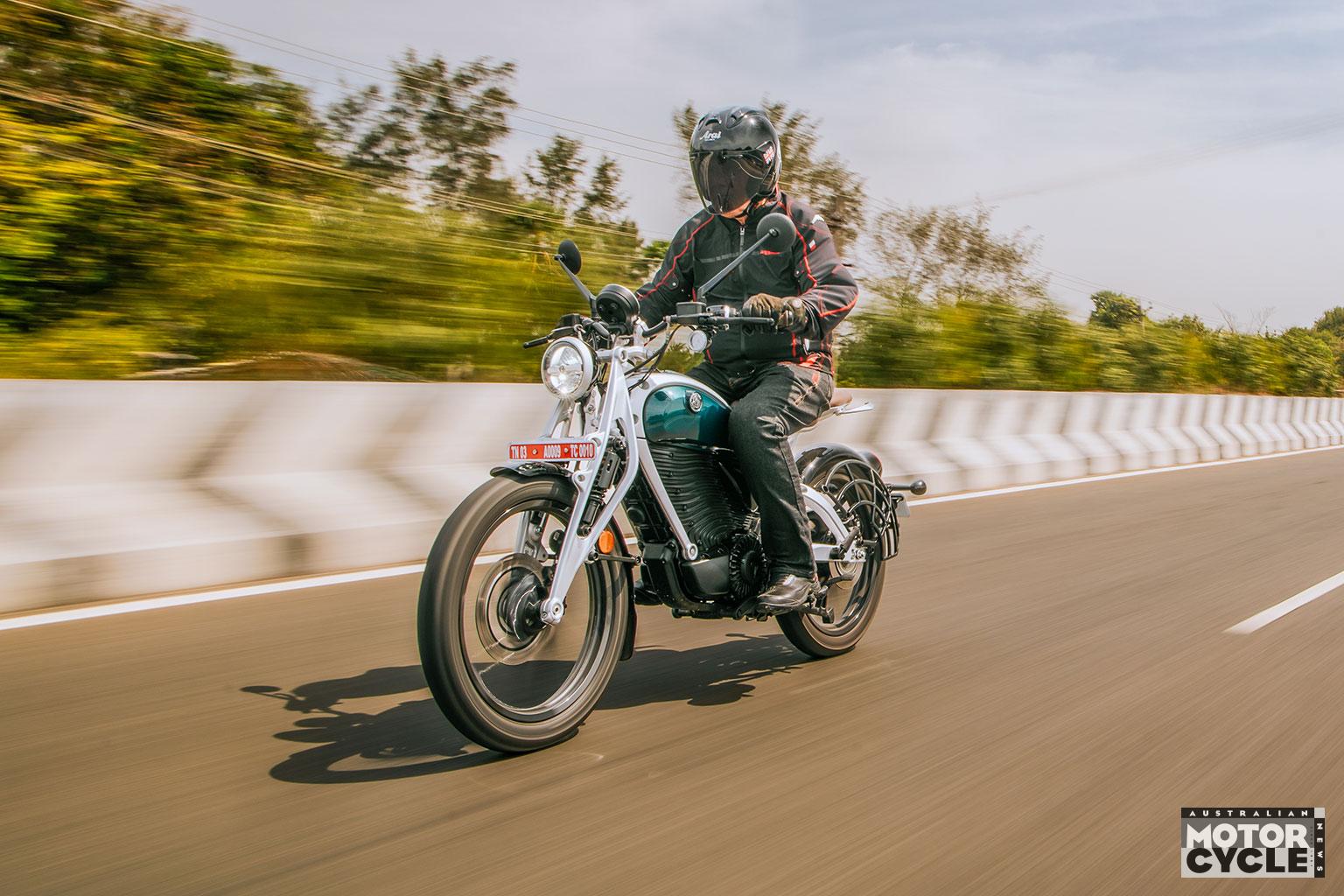
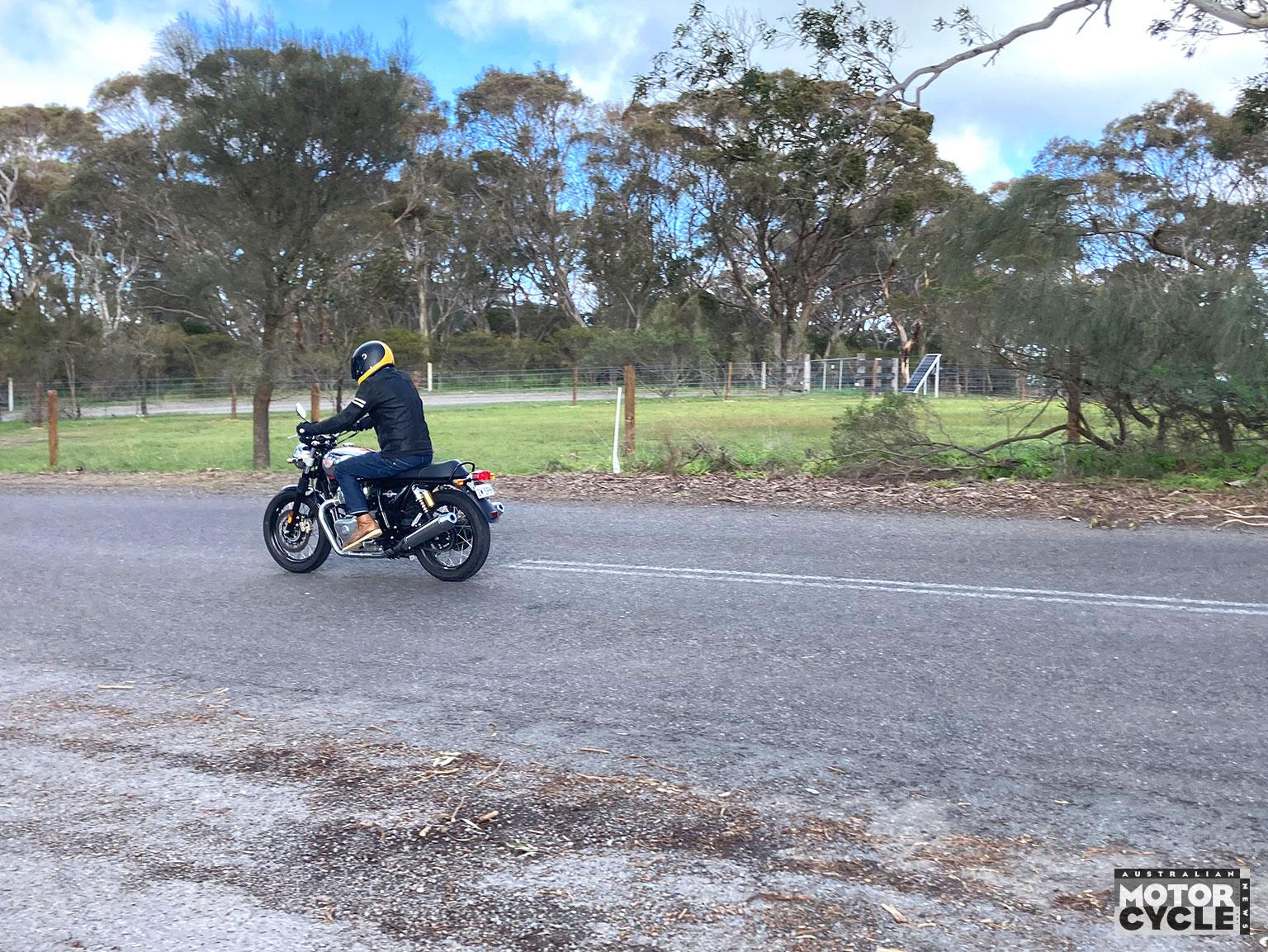
Threatening rain, the temperature hovering around 13°C but the wind-chill factor making it feel like 7°C. Not the ideal time to coax an unfamiliar motorcycle into heavy traffic on a major arterial road. However, as soon as I let the clutch out, the Royal Enfield Interceptor 650 I’d just fired up felt like a bike I’d been riding for months, not seconds. It felt totally undemanding, with a light clutch and throttle action. As I powered into the commuter traffic, I soon discovered enough torque to push boldly through, and a well-balanced chassis that made lane changes effortless.
On a day like this, with rain squalls sweeping the approaching freeway, a ride like this would have been challenging on a more powerful, performance-focused motorcycle. While these are the bikes that make motorcycling the best way to spend a sunny day on an empty backroad, the Interceptor 650 is the bike that confirms motorcycling is the way to travel anytime, rain, hail or shine.
As I settled into a 100km/h drone down the freeway, the wind tried to push me around. I simply sat back a little farther along the twinseat and crouched down lower to the handlebar.
A modest power delivery meant overtaking at freeway speeds needed a bit of forward planning but there was enough grunt on tap to close a gap and overtake without stress.
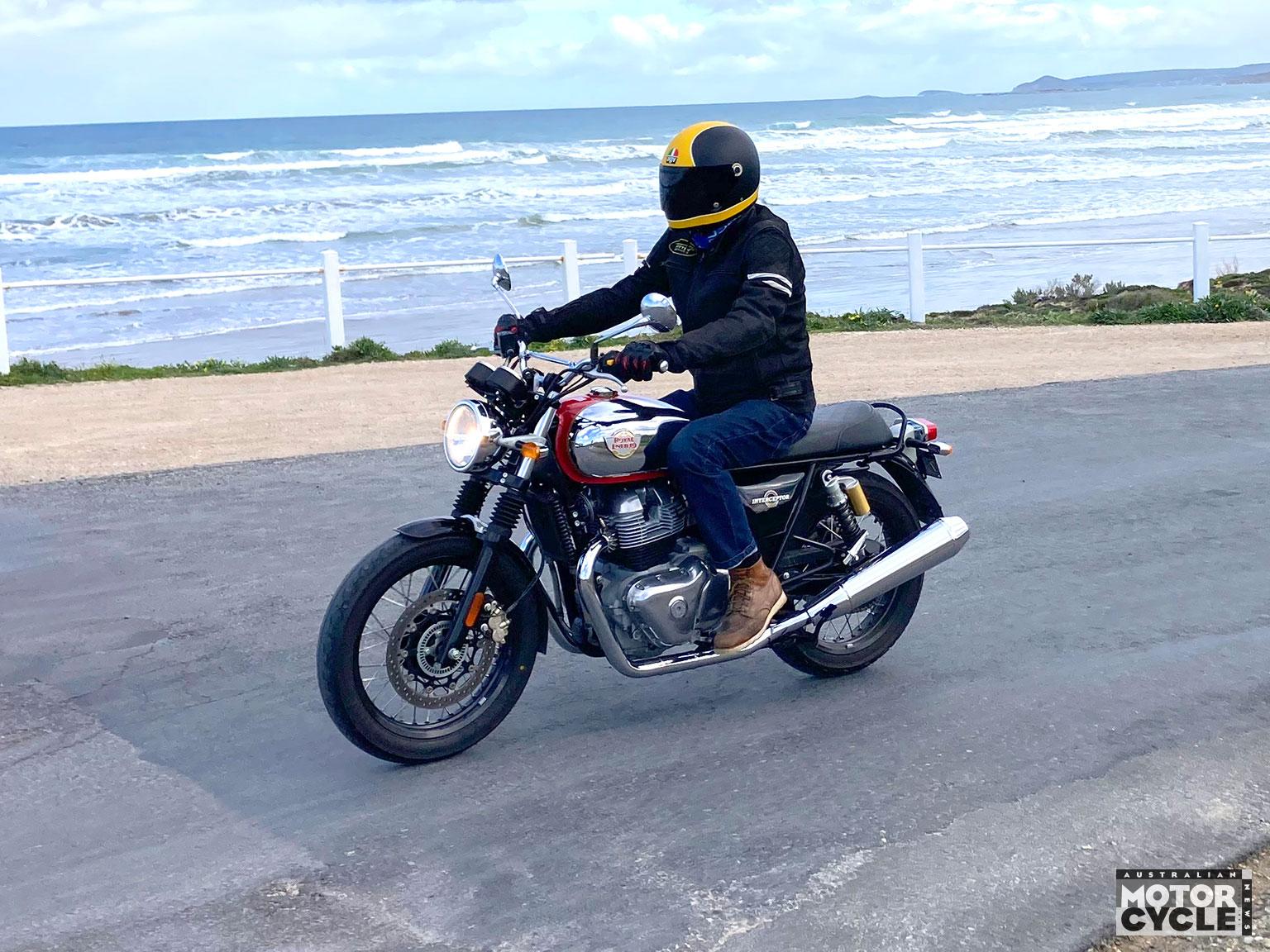
Turning off onto a series of ridgetop roads that led to the coast provided an early chance to test the handling. Despite the wind sweeping the blacktop with gum leaves, the Interceptor 650 maintained a brisk pace.
I soon learned the best way to get around corners was the old school slow-in/accelerate-out. That way the fairly basic suspension and brakes had done their job early and there was nothing to focus on but nailing the apex.
Keeping the engine just below the boil at 4500rpm to 6000rpm through corners made this quite an exhilarating experience and took me back to the heyday of big British twins of the Sixties and early Seventies. This was an era of performance where torque was king and sweeping lines through corners the way to make safe and fast progress.
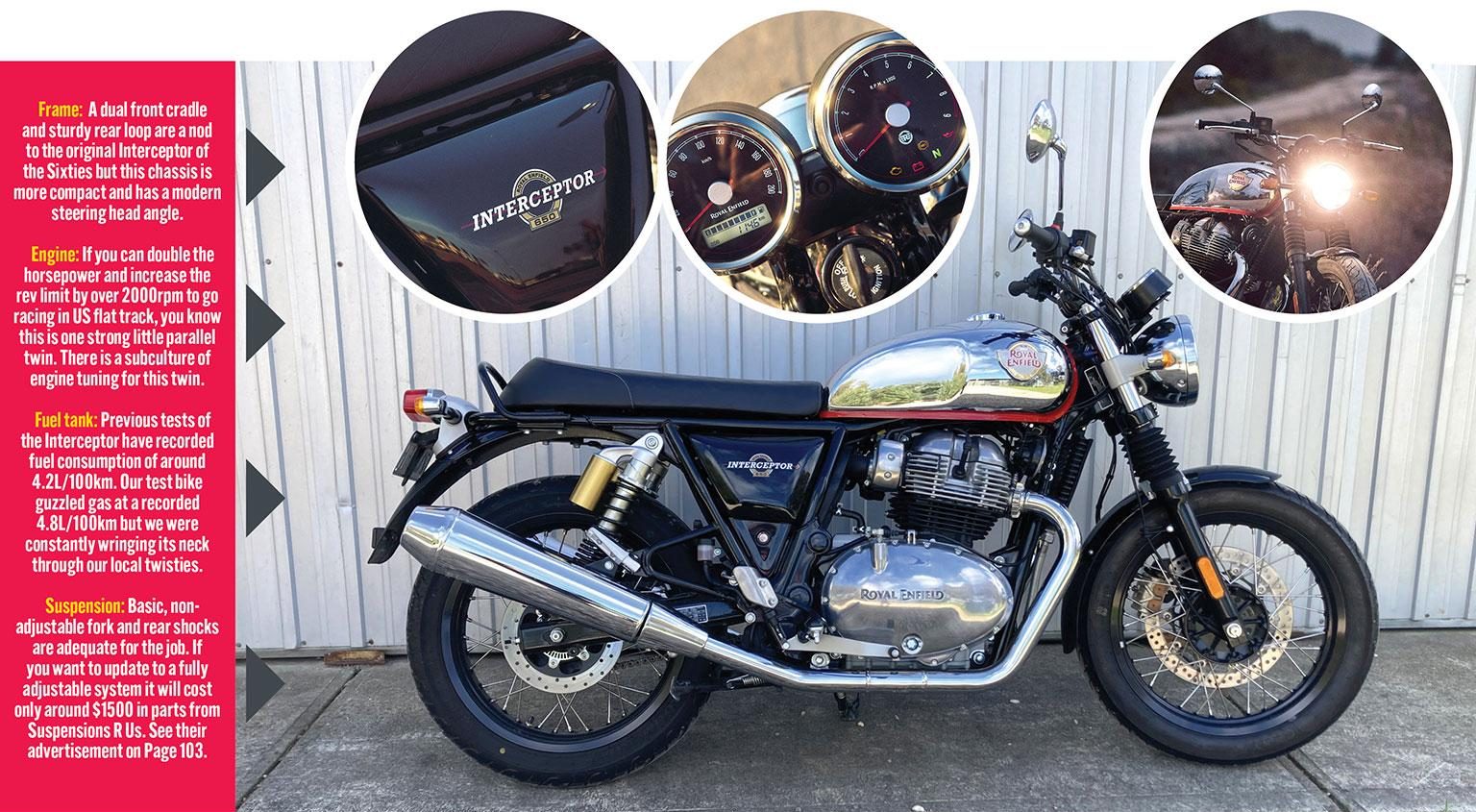
Royal Enfield marketing states: “The Interceptor 650 is a trove of 60s design staples… A dual cradle frame with a rear loop makes up the core, by way of a nod to the original Interceptor.”
Let’s look at the original.
HISTORY LESSON
The first Interceptor, based on the Constellation 700 twin, started out as a low-volume, export-only hotrod aimed at the American market. The engine was enlarged to 736cc, fitted with larger main bearings, high-lift camshafts, a crankshaft dynamically balanced for smoothness at high revs and twin carbs. It put out 43kW (58hp) at 6700rpm and had a kerb weight of 195kg. Royal Enfield claimed it was “the largest and most powerful vertical twin in the world”.
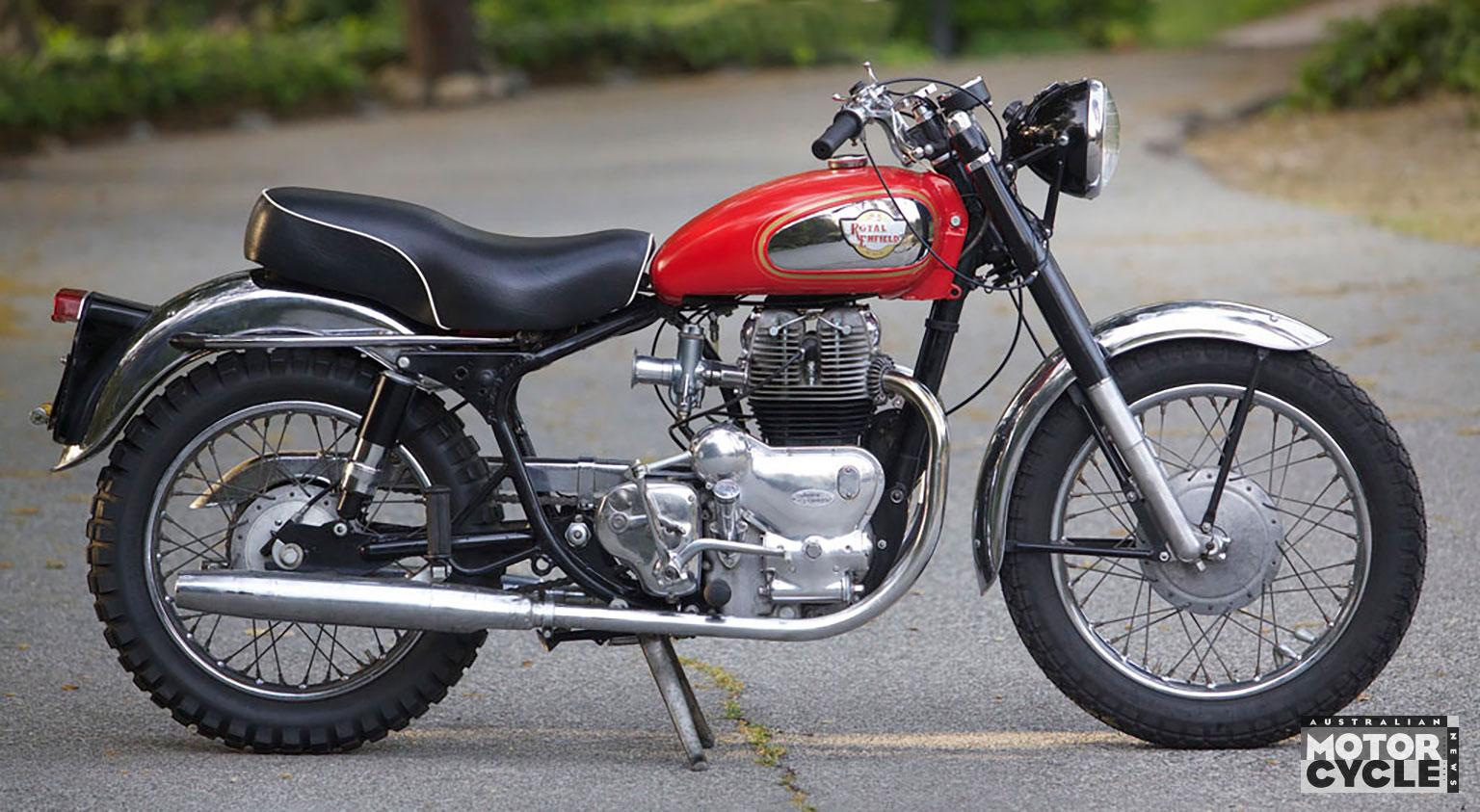
When American magazine Cycle World tested one in September 1962, it said: “The cruising speed is higher than almost anything else available today. At a true 100mph it is cranking over only 5200rpm… at 70mph it turns a leisurely 3600rpm.”
They also reported it took up to 10 big kicks to start the engine, the brakes were weak, the fuel tank had no reserve lever and the kill switch was awkwardly positioned.
The Interceptor was upgraded over the decade but the factory could never keep up with demand and probably less than 2000 were made. In 1970 a prototype 778cc version was built but by then Royal Enfield’s UK operation was in its death throes.
Curiously, the English frame builder Rickman, by then one of the country’s largest motorcycle makers, snapped up 200 engines cheaply to produce and sell 137 Rickman Interceptors.
The Interceptor remained a desirable niche classic. Aware of the name’s cachet, Royal Enfield, now revitalised by India’s Eicher Motors conglomerate, branded the Interceptor as one of its two model entries into the parallel-twin market segment in 2018.
OLD SCHOOL BUT NOT OLD
The Interceptor 650 might look like it has the DNA of the original but that’s just limited to aesthetics. The engine doesn’t have the vibration-prone layout of a typical British twin from the Sixties. A forged steel crankshaft is supported by three main bearings, not the two found on old Brit twins. Crankpins are set at 270°, not the 360° of old. Rather than the pistons rising and falling in unison, they push against each other like a V-twin, virtually eliminating vibration.
The Interceptor 650 is very smooth, with mild vibes setting in over 6000rpm up to the redline and rev limiter at 7150rpm.
The gearbox has six speeds, whereas the original had four widely spaced ratios. This means although the power output is less than the original (35kW/47hp), the engine’s power and torque can get to the ground more efficiently.
At 202kg wet, the Interceptor 650 weighs slightly more than the original, which might surprise some people. This is due to a combination of traditional styling and the requirement for modern pollution controls. Changing the heavy exhaust system for a lightweight 2-1 should save you around 15kg.
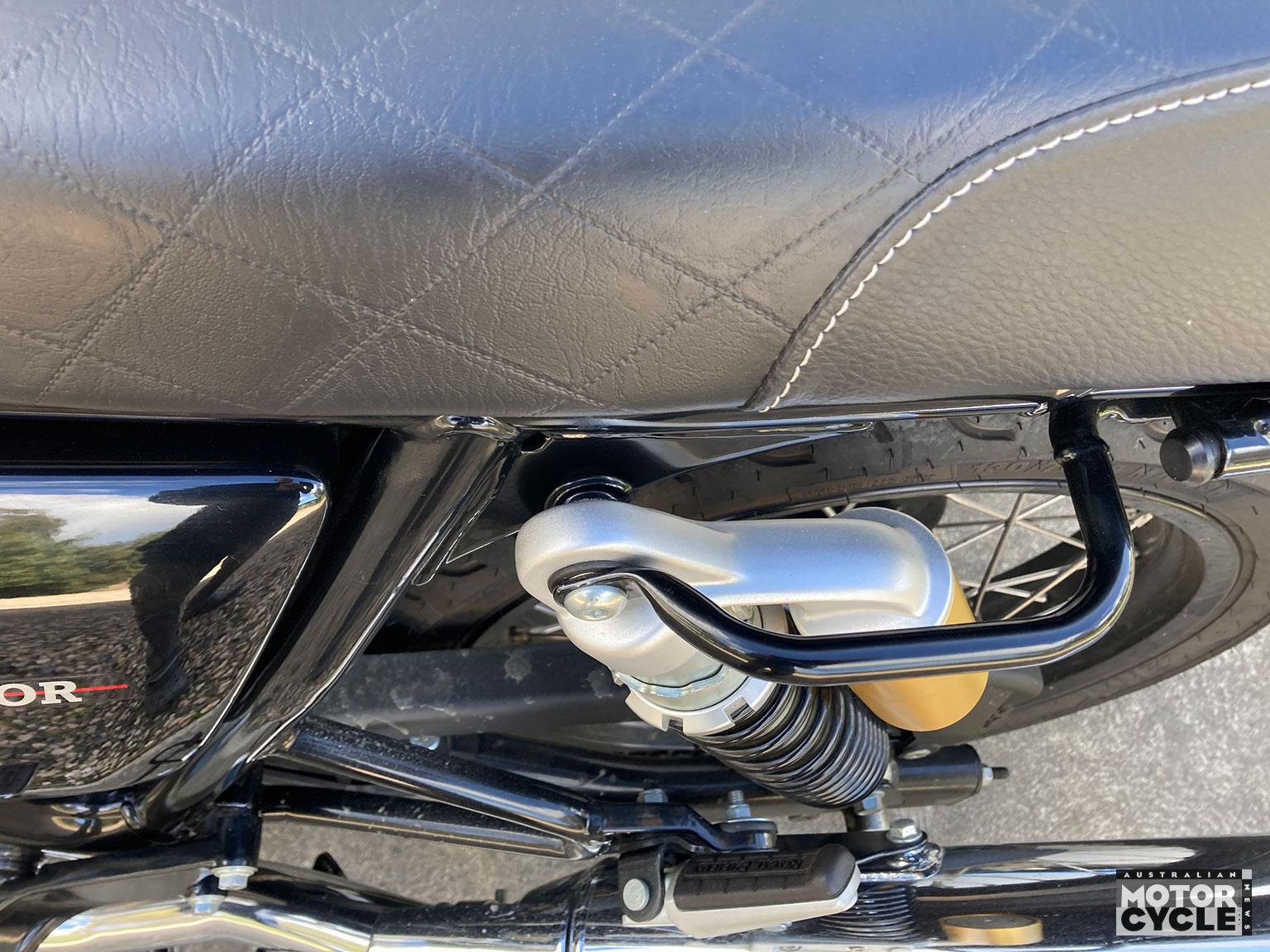
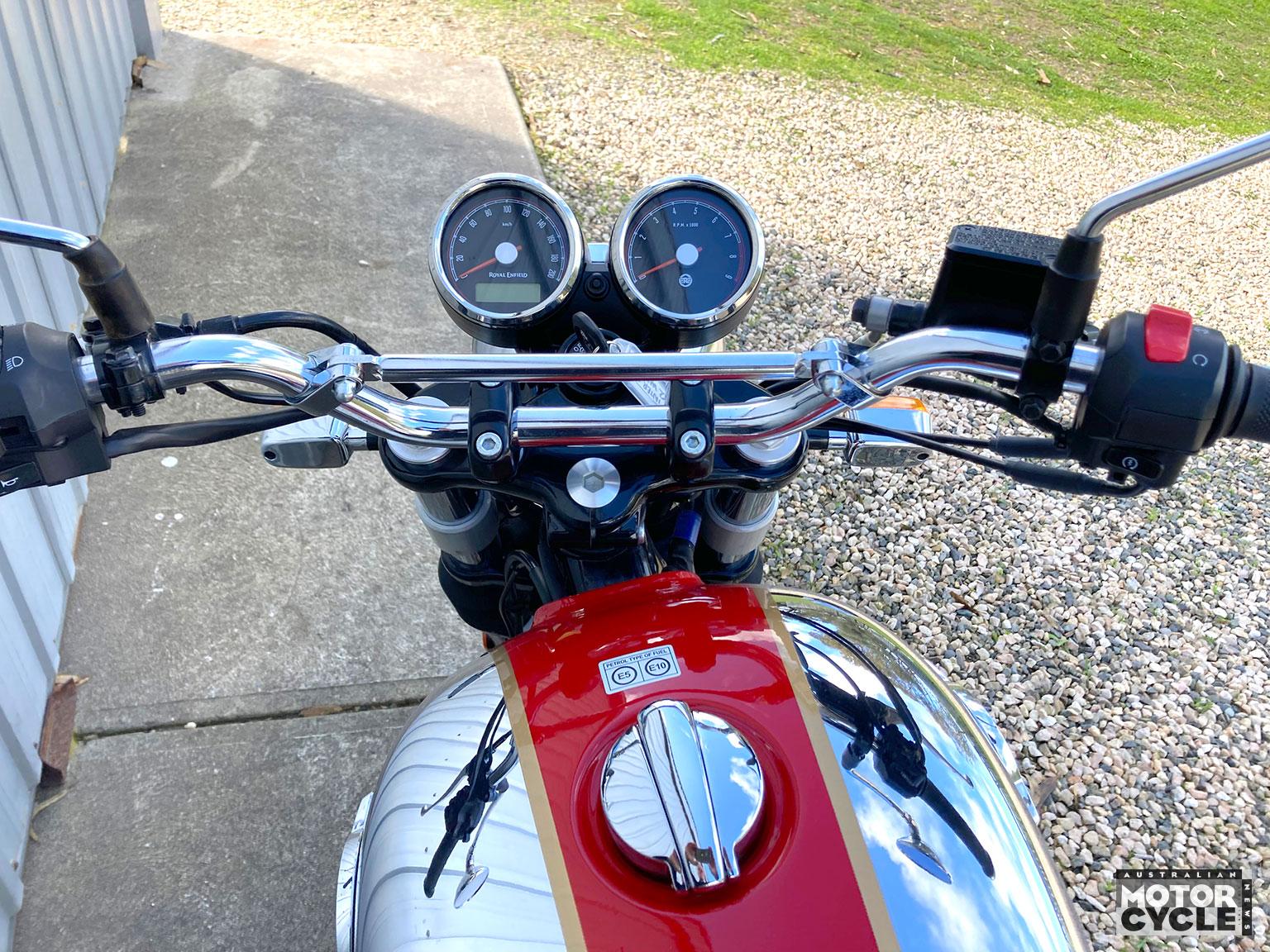
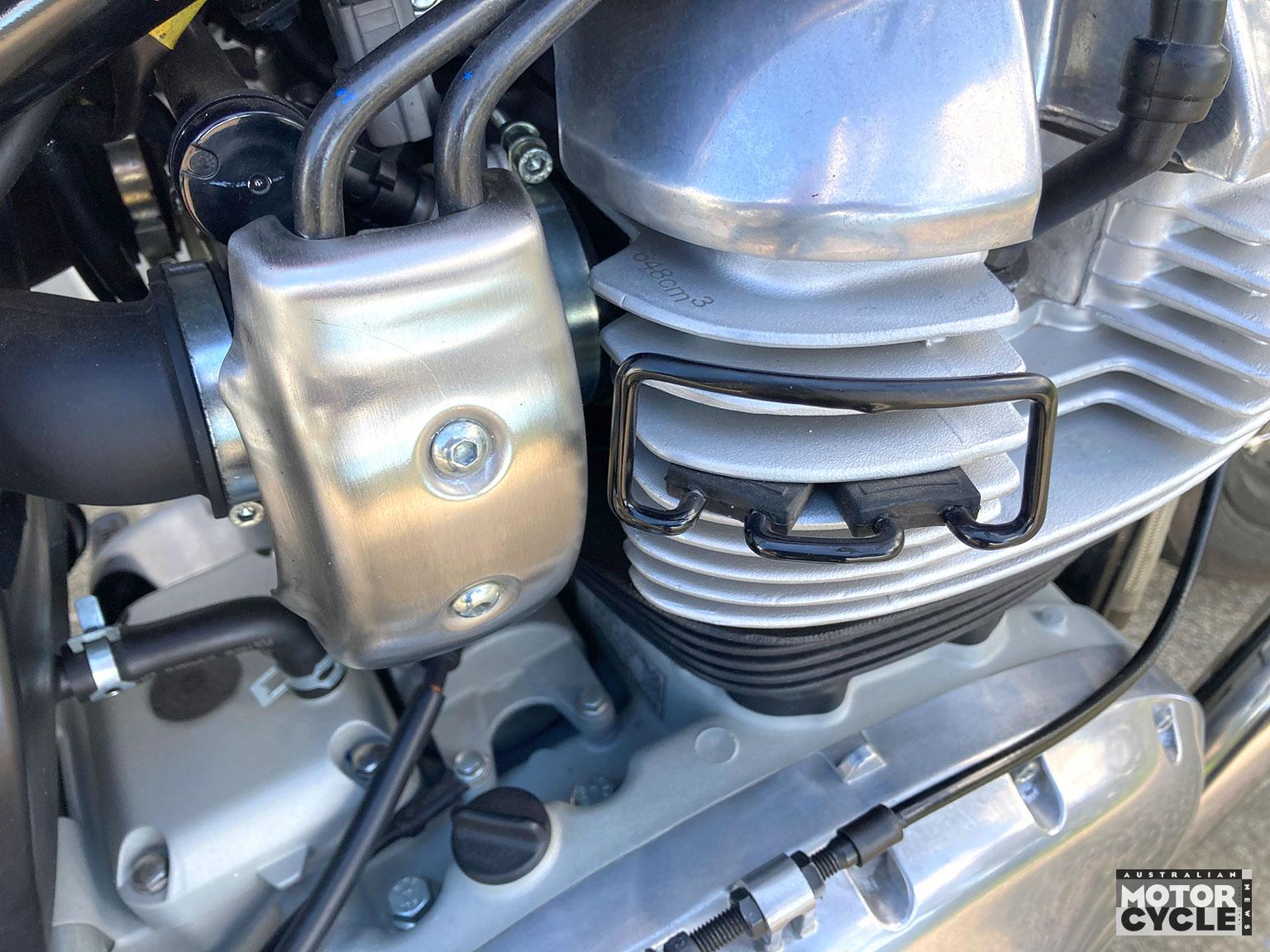
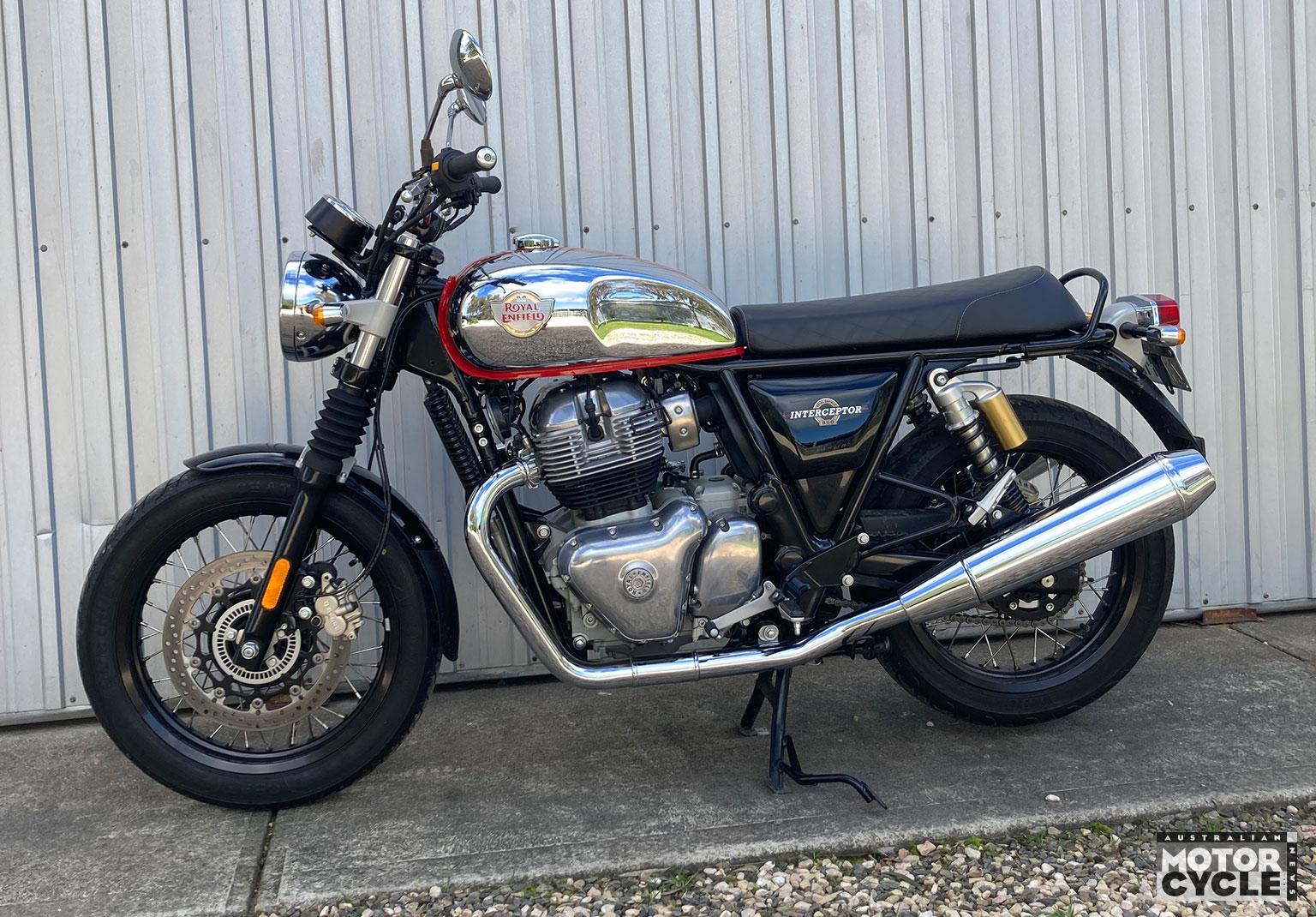
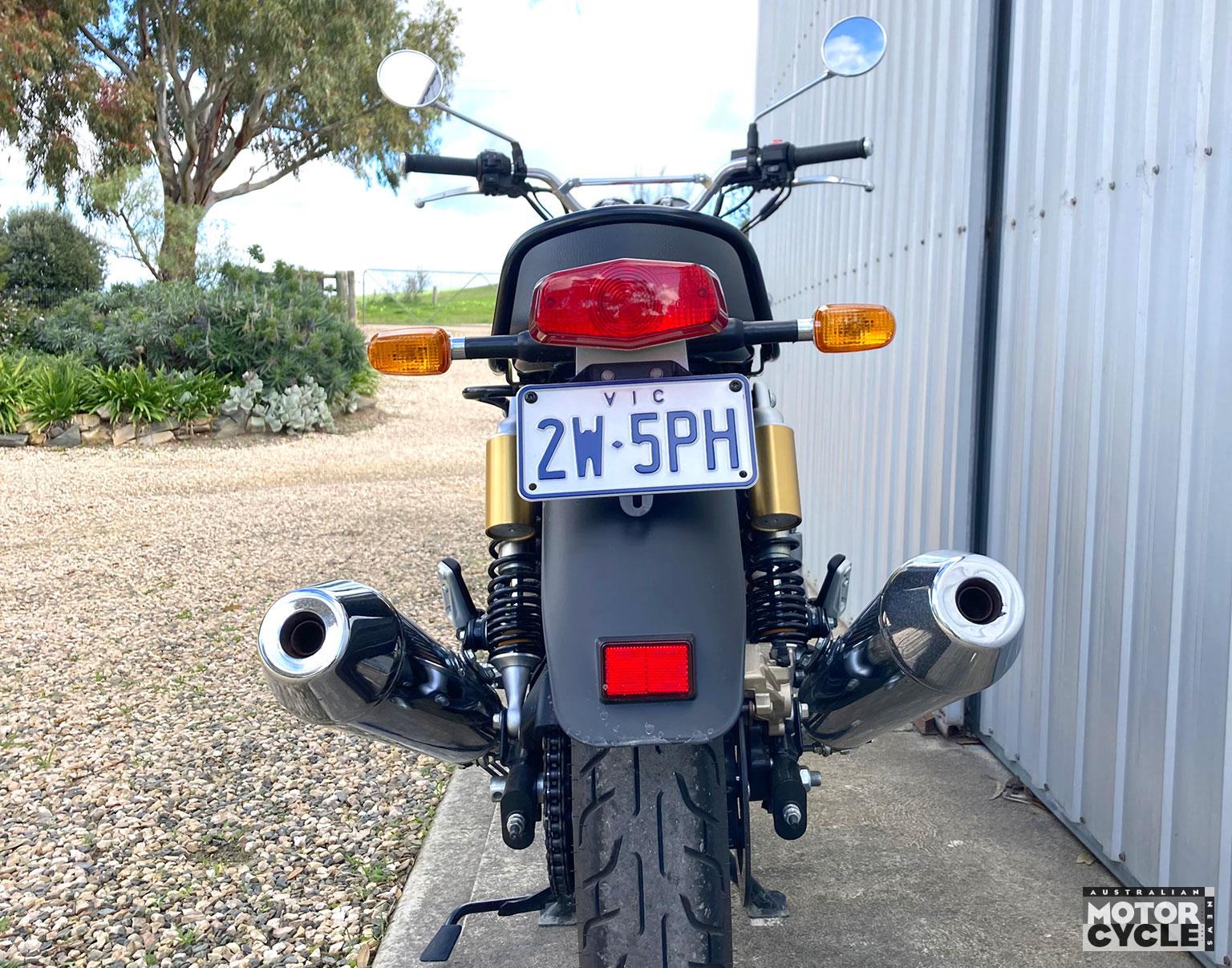
That traditional styling sees the engine and frame looking quite similar to the original. The large peashooter exhausts mimic the racing megaphones seen on Sixties British production racers. The fuel cap looks like a classic Monza item but has a hidden key lock.
Small brushed aluminium guards cover modern components such as the rear brake master cylinder and fuel injection throttle bodies.
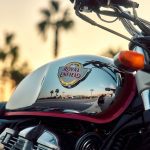
The chrome fuel tank on our test bike is an almost exact copy of the original Interceptor’s, while the digital speedo and tacho look analogue but contain integrated fuel and warning lights.
Royal Enfield sees the Interceptor 650 as a potential blank canvas for an owner who wants to modify to personal taste. For example, the plastic mudguard extensions are easily removed and there is an extensive catalogue of add-ons. These include a current offer of an Interceptor Accessory Kit for $840 that includes pannier mounts, soft panniers, an extensive alloy sump guard, engine crash bars and a small touring windscreen.
PRICE DOESN’T SACRIFICE QUALITY
Whether you like the Interceptor 650 or not, there is no denying the execution and production standard is outstanding – considering the ride away price starts at $10,990. This is possible because it’s made in a factory with the most modern production-line technology and management strategies firmly in place.
I interviewed Lester Harris in early 2016 after Eicher Motors had totally acquired Harris Performance. He had just completed a tour of Royal Enfield’s production facilities in India and was bursting with enthusiasm. “What they are doing over there is simply jaw-dropping,” he said. “They have robotics and the most modern factory technology you’ll find anywhere. Everything is in place for Royal Enfield to become a major player in the global motorcycle market.”
Pressed on the company’s future model range, Lester wouldn’t be drawn on detail but said Royal Enfield had “a range of engines in the pipeline, concentrating on the mid-capacity segment”.
A year later, Royal Enfield had launched the game-changing Himalayan, followed by the Interceptor 650 in 2018. This started an upward trajectory that now sees it selling one million motorcycles a year.
TO SUM UP
Despite a lack of electronic sophistication, the Interceptor 650 still has a major role to play in motorcycling. It offers an escape from the complexity of operating many of today’s more expensive bikes but has enough performance and handling to satisfy even the most cynical long-term rider. Its modest price is the entry to a world of simpler pleasures: easy riding, no worries, a glimpse back to the golden age of parallel twins. That keen ride away price also gives a buyer scope to improve its suspension, lose some weight or customise to individual taste.
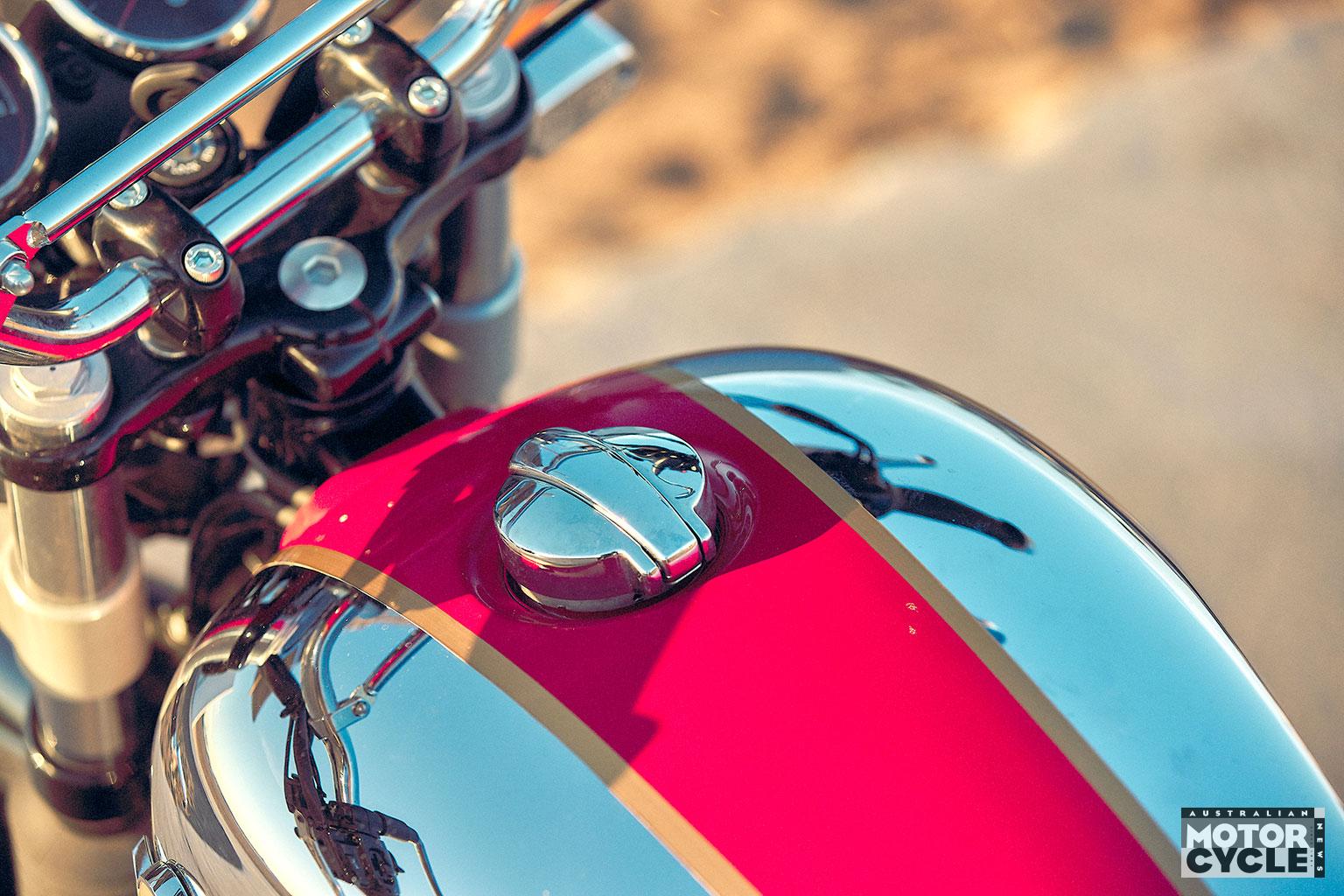
The Interceptor 650 is easy and fun to ride. It doesn’t matter if it’s a quick trip to the local shop or a two-hour ride to a river, mountain or beach, the Interceptor 650 feels intuitive and the laidback riding experience will bring a smile to the most hardened face.
✅ PROS – Classic design is very nearly perfectly executed at a very affordable price.
❌ CONS – Suspension is a compromise, especially for a pillion. Not sure about the motocross-style handlebar.
The 80k roadrunner
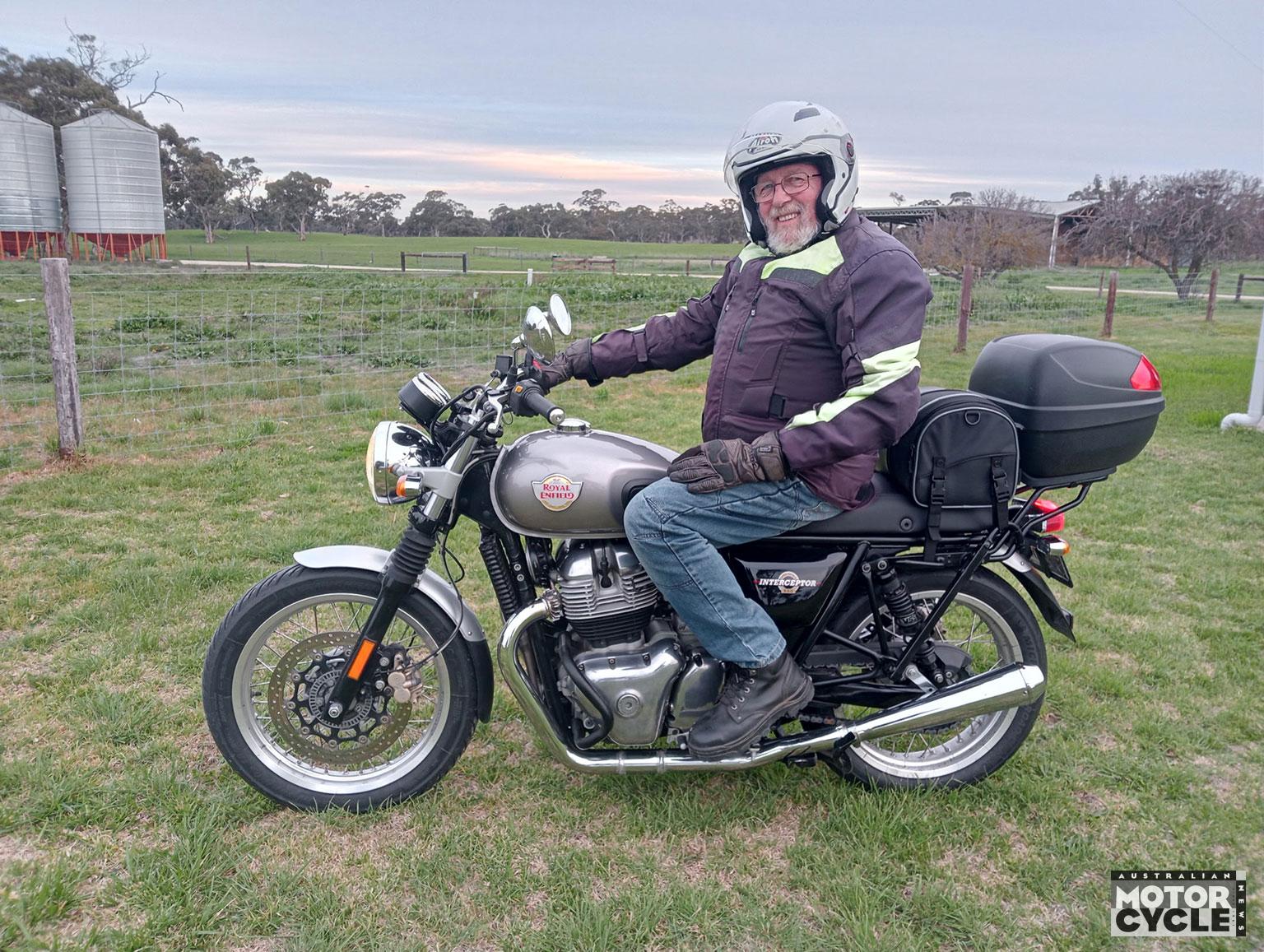
Jan Stefanek has clocked up 84,000km on the Interceptor 650 he bought in mid-July 2019. The mileage has included local “fanging around” and two big return trips from Adelaide to Sydney.
“I just love riding it, anywhere, anytime,” he said.
Stefanek, a former Sydney motorcycle shop employee who returned to riding after a long absence, added: “It’s so easy to ride, it’s like cheating.”
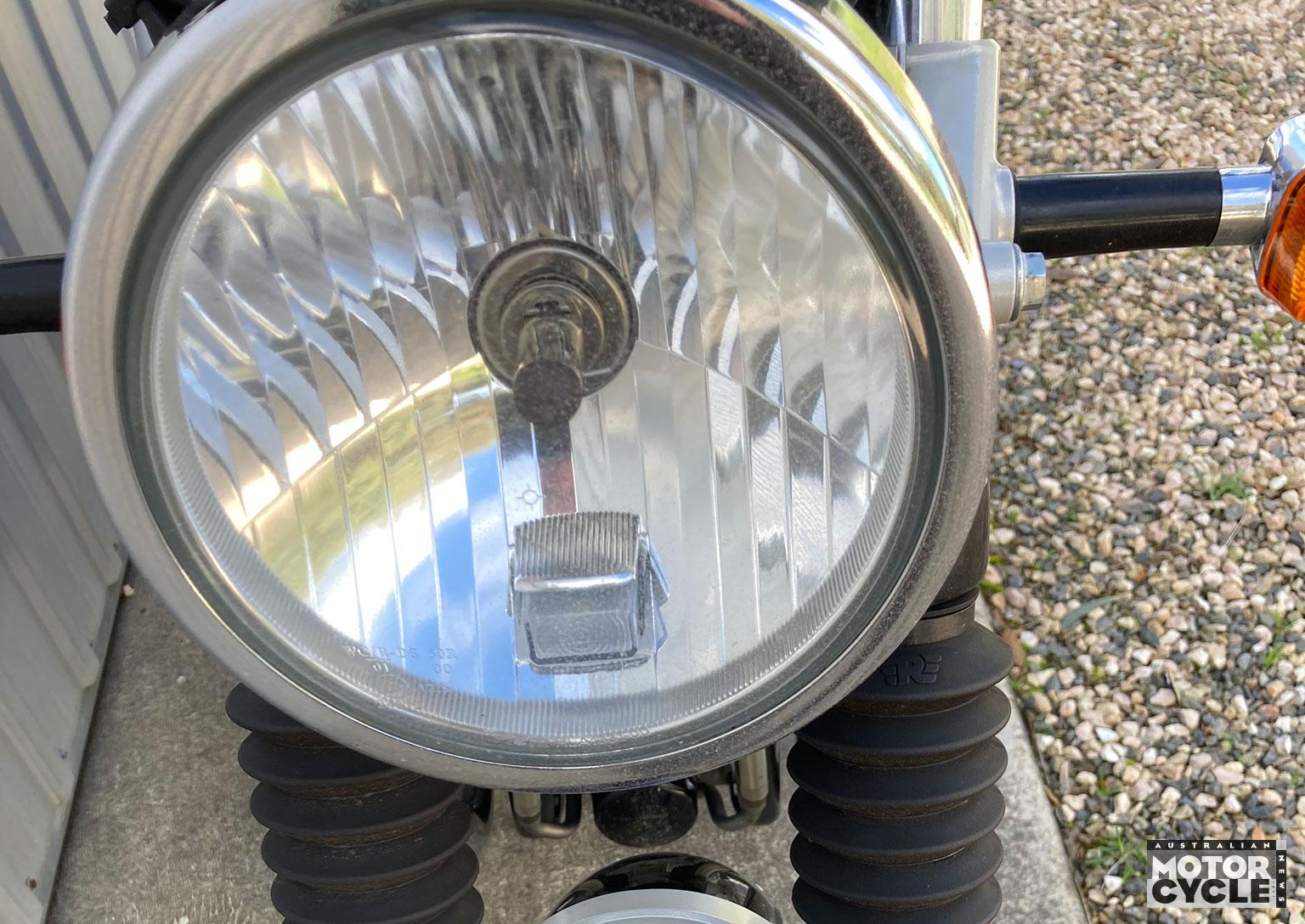
He listed the few repairs he has done to it as the kilometres mounted: two headlight globes, steering head bearings at 50,000km, replacing the back brake’s pressure switch, repacking the aftermarket mufflers and a few sets of new tyres.
Stefanek does his own maintenance on the Interceptor and has improved it with some minor modifications. The most extensive came at 15,000km when he replaced the suspension with YSS rear shocks and front fork internals. The parts cost around $1200 back then but made the suspension fully adjustable.
He also fitted sintered brake pads for more bite and a DNA washable air filter. He wired a booster plug into the induction and fitted aftermarket mufflers to make the engine more responsive.
The Interceptor has given him a lot of pleasure over the years. “One time coming back from Sydney I rode in a loop to Halls Gap and then over to Horsham through the Grampians,” he said. “It was just wonderful and what this bike is made for.”
Mods and rock’n
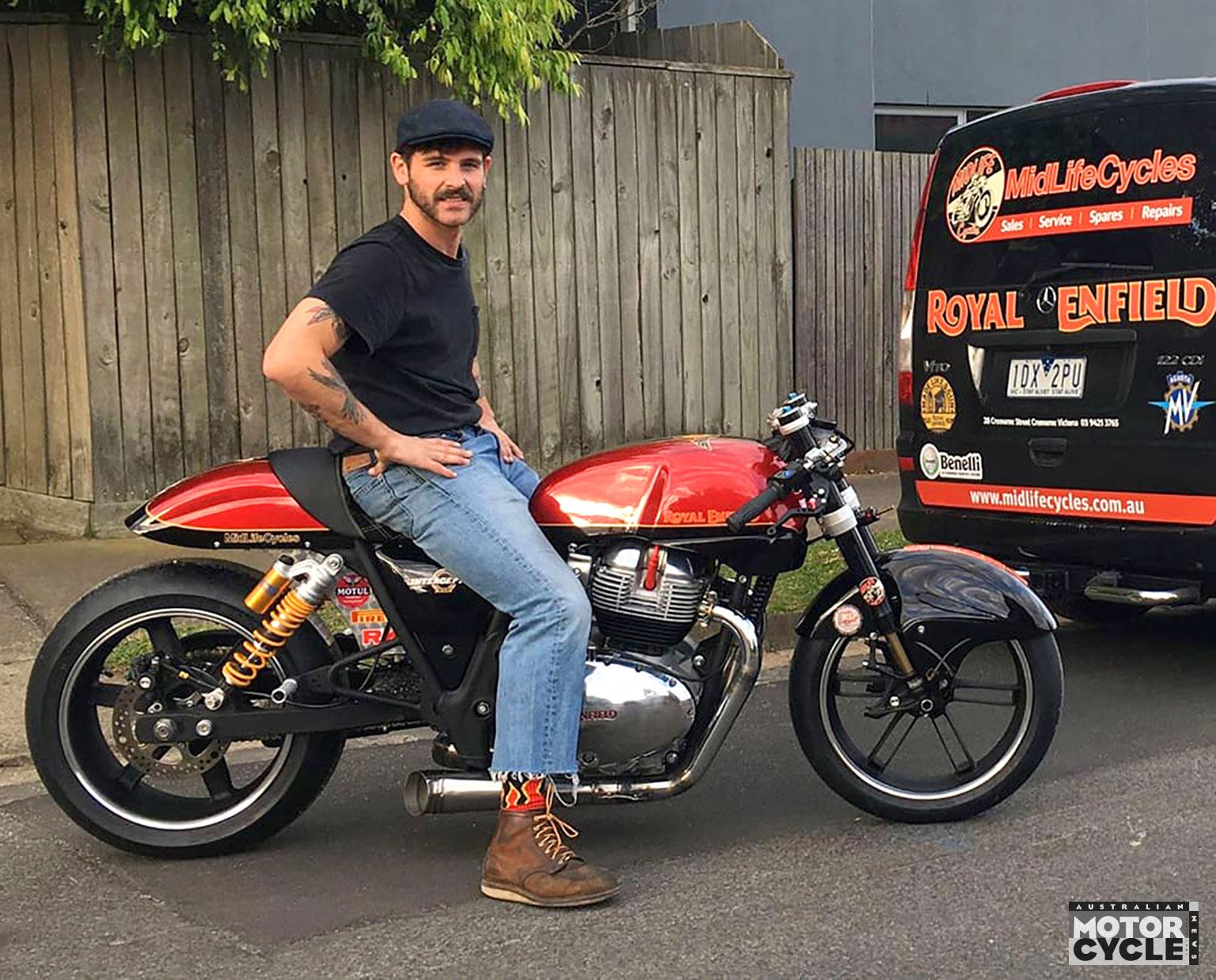
Royal Enfield has employed clever marketing strategies to keep the Interceptor 650 relevant. These involve custom competitions and racing.
It built a dirt-track-styled custom version for the 2019 EICMA show in Milan. Soon after, a heavily massaged, bored-out 750cc version was fitted to a Harris Performance chassis, now owned by Eicher, and won a Production Twins flat-track race in the US. The engine’s horsepower had been doubled and the redline raised to 9500rpm.
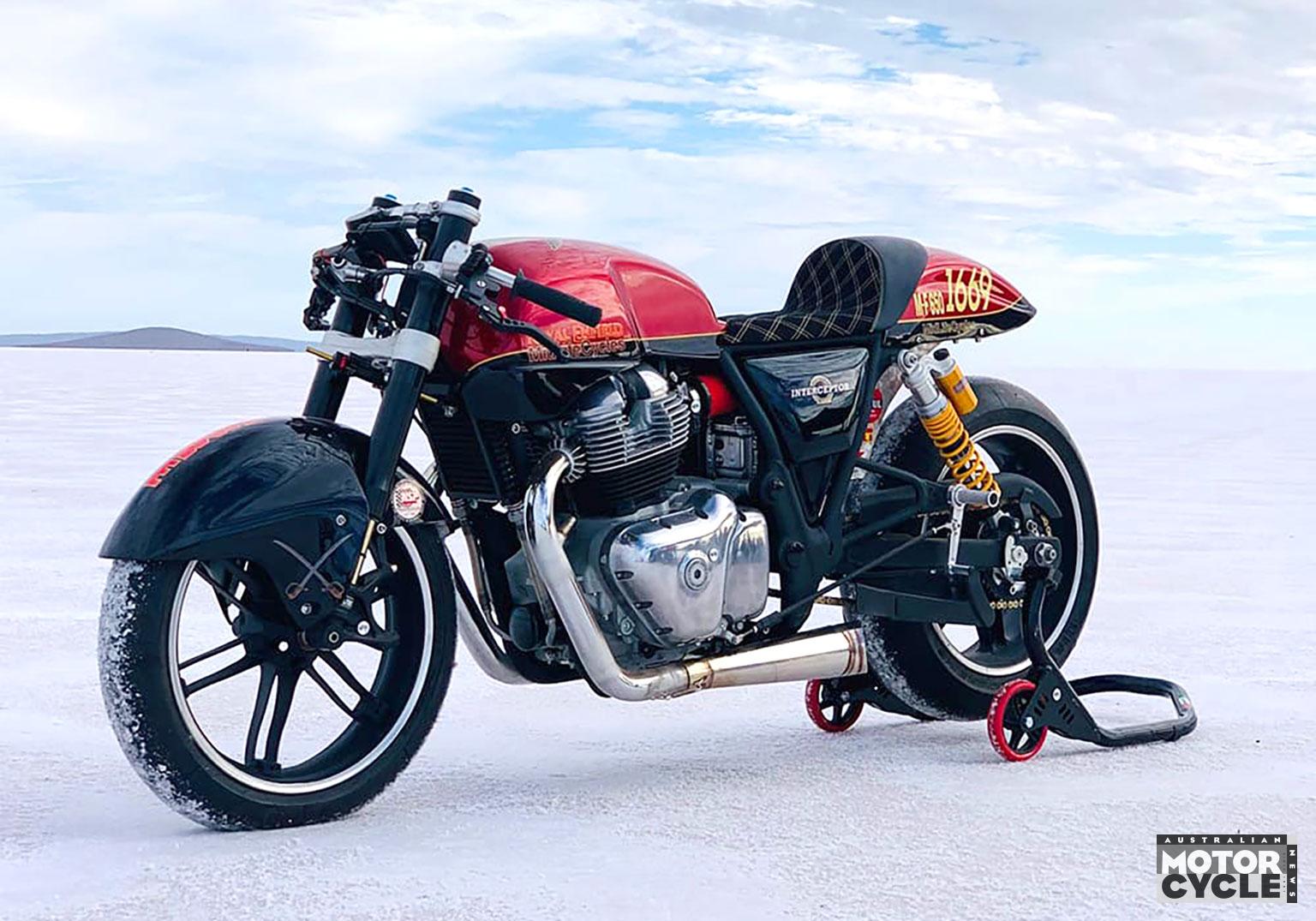
Meanwhile in Australia, Melbourne dealer Mid Life Cycles built a land speed racer and entered it in Royal Enfield’s 2019 Busted Knuckles custom competition. The engine featured locally developed parts Mid Life Cycles intended to offer to road customers. These included a ported head with racing-profile camshafts, high-compression forged pistons and modified throttle bodies.
Andrew and Charlie Hallam developed what was named the Sabre. On his first attempt racing on the salt at Lake Gairdner, Charlie (now Troy Herfoss’s key Bagger technician) broke the four-year-old Class M-F 650 record, for unstreamlined motorcycles running on commercially available unleaded petrol. In worsening track conditions, he eventually ran 133.779mph (215.296km/h) top speed for a new overall record of 132.050mph (212.514km/h).
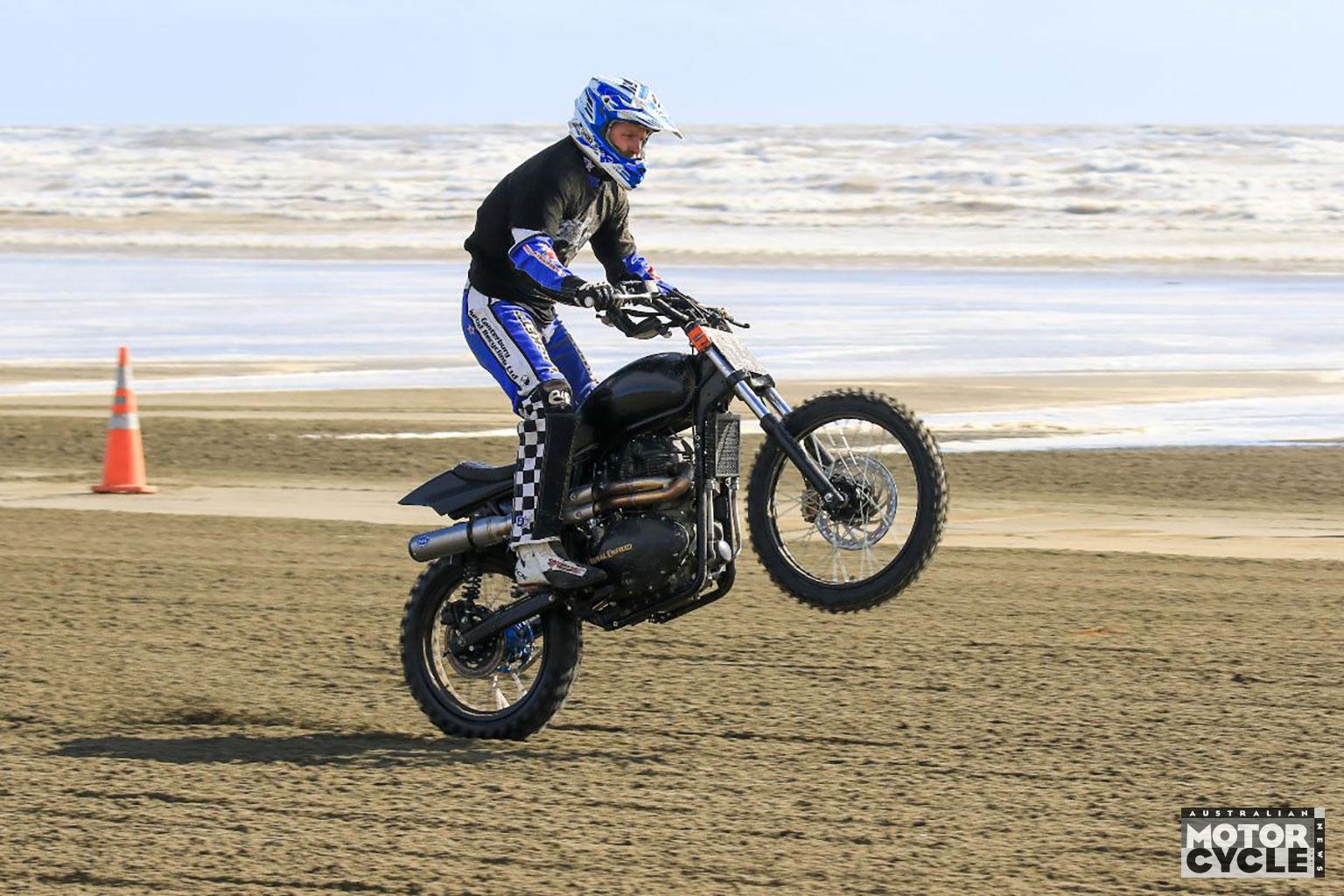
Over in New Zealand, tuning specialists Wanaka Powersports built up a dirt-tracker it called the Intertracker 865. Stripped to the bare frame and rebuilt with K-Tech suspension and custom wheels, the engine was beefed up with an S&S big-bore 865cc kit, racing camshaft and 2-1 exhaust. The Intertracker came third on debut in the 2020 Burt Munro Beach Race.
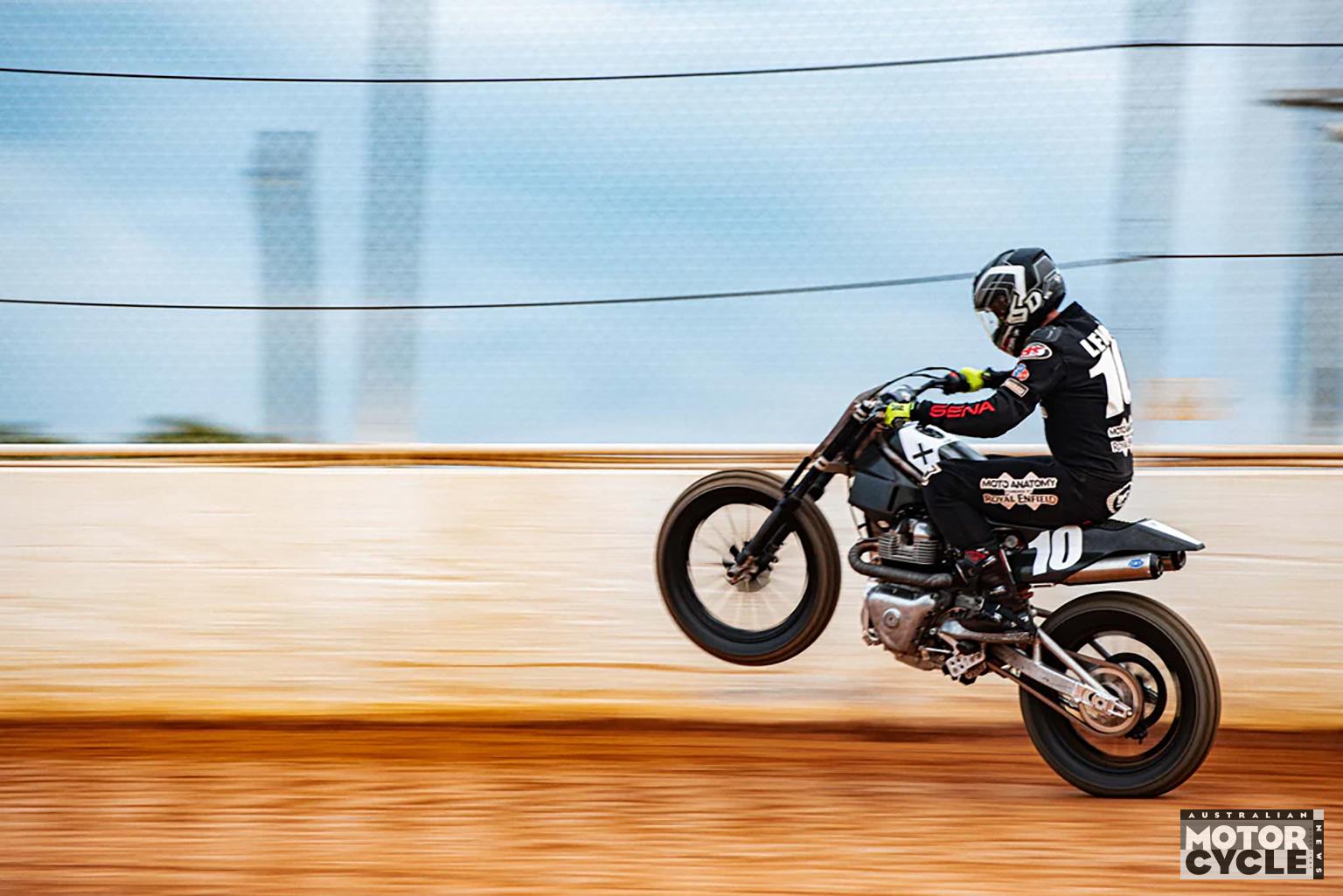
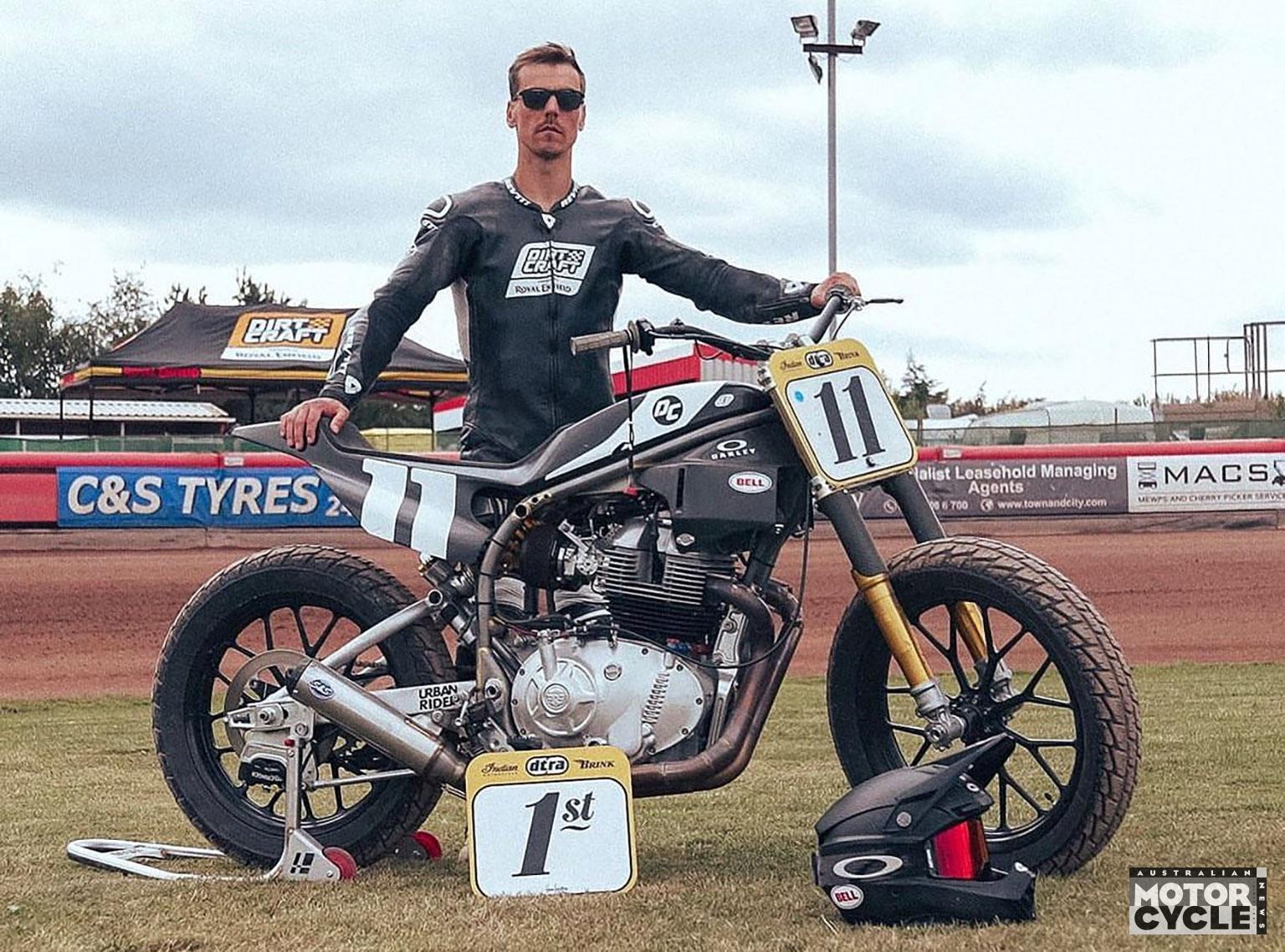
A year later in the UK, Gary Birtwhistle and Aussie Paul Young won the Dirt Track Rider’s Association championship on debut using Interceptor 650 engines in Harris Performance frames. It was Royal Enfield’s first factory title in Europe since Johnny Britten won the National Trials title way back in 1956.
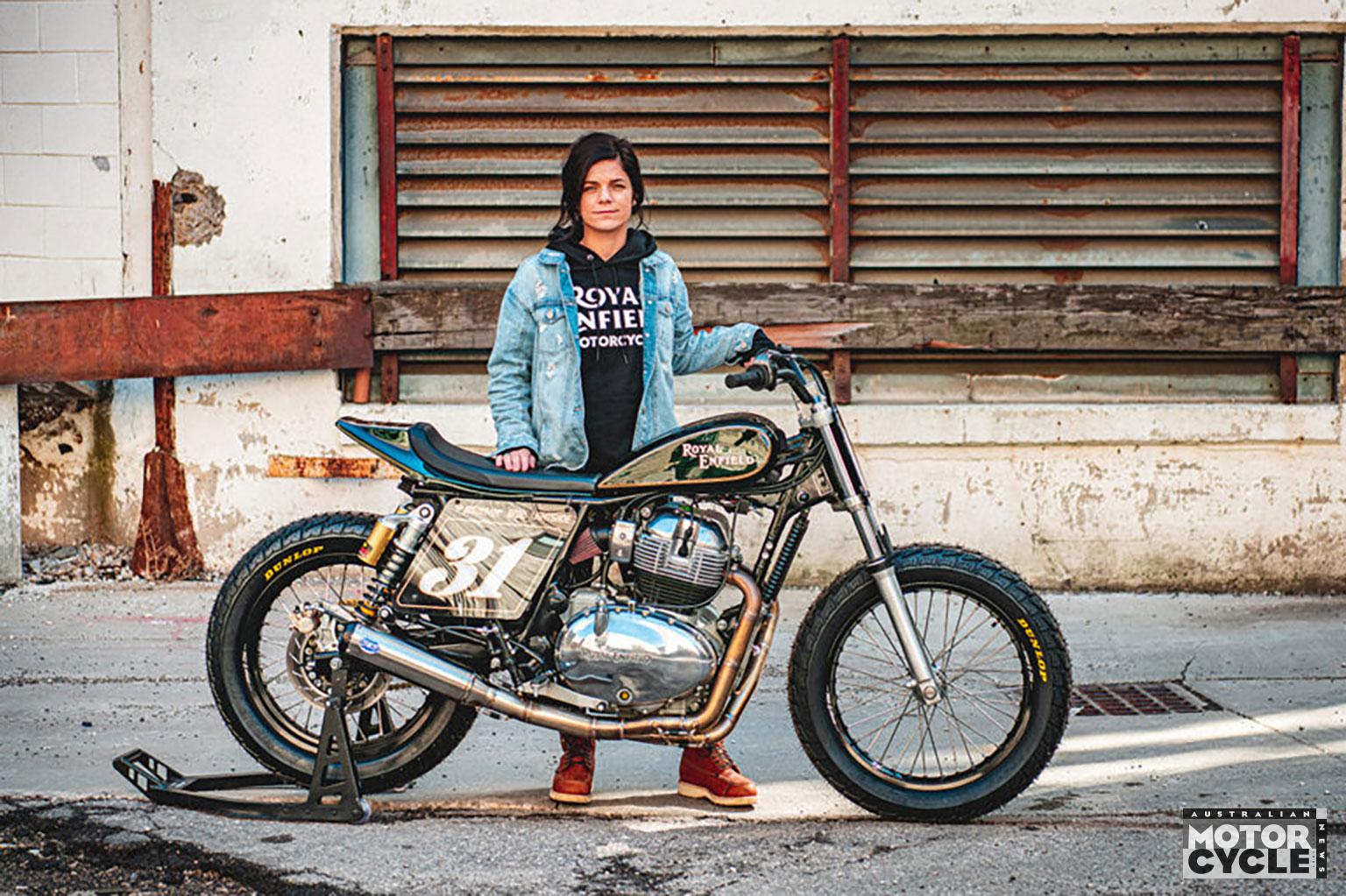
Since 2019, Royal Enfield, in conjunction with S&S Performance and American racing authorities, has run the Build Train Race program. Women riders are vetted for ability and get the chance to learn racing and choose from an Interceptor 650 for flat track competition or a Continental GT for track racing. They are mentored in modifying the bikes, taught how to race them and then compete in a nationwide championship.
PARALLEL TWIN COMPETITION
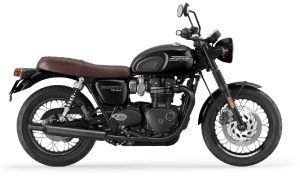
Triumph Bonneville T100
Engine Liquid-cooled, 900cc
Power/torque 47.8kW (64.1hp)/80Nm
Weight 228 wet
Price From $19,350 ride away
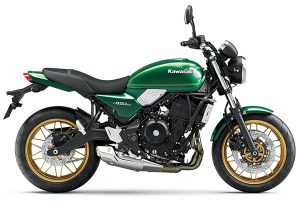
Kawasaki Z650
Engine Liquid-cooled, 649cc
Power/torque 50kW (67hp)/65Nm
Weight 187kg wet
Price From $13,058 ride away
SPECIFICATIONS
ENGINE
Capacity 648cc
Type Parallel-twin, SOHC, four valves per cylinder
Bore & stroke 78mm x 67.8mm
Compression ratio 9.5:1
Cooling Air/oil
Fueling EFI, with dual throttle bodies
Transmission Six-speed
Clutch Wet, multi-plate
Final drive Chain
PERFORMANCE
Power 35kW (47hp) @ 7150rpm (claimed)
Torque 56.5Nm @ 5150rpm (claimed)
Top speed 180km/h (est)
Fuel consumption 4.8L/100km (measured)
ELECTRONICS
Type Bosch
Rider aids ABS
CHASSIS
Frame material Composite steel
Frame type Double cradle
Rake 24°
Trail 106m0
Wheelbase 1460mm
SUSPENSION
Type Conventional
Front: 41mm, non-adjustable, 110mm travel
Rear: Dual shocks, preload adjustable, 88mm travel
WHEELS & BRAKES
Wheels Wire-spoked aluminium
Front: 18 x 2.5 Rear: 18 x 3.5
Tyres Ceat
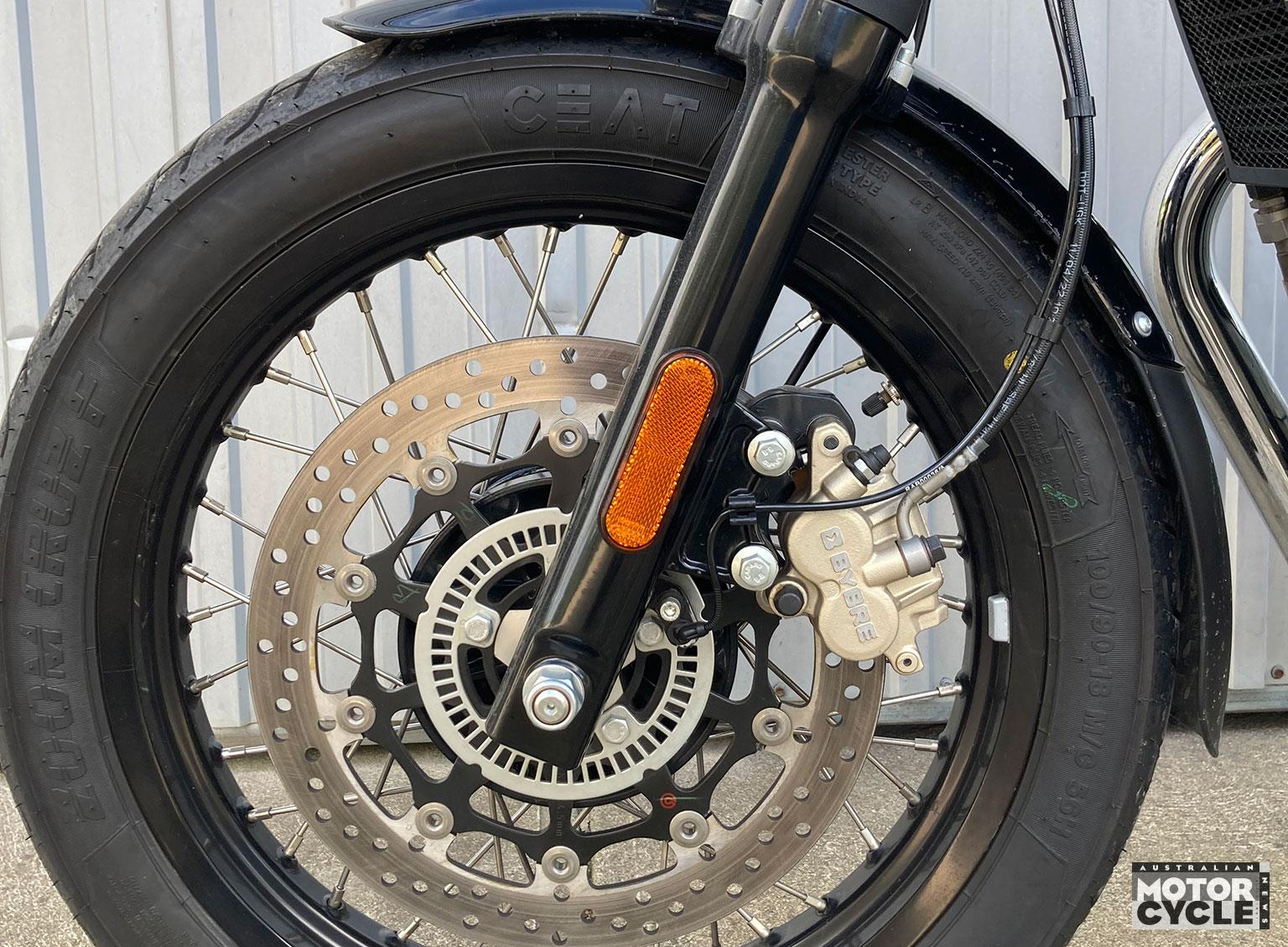
Front: 100/90-18
Rear: 130/70-18
Brakes ByBre, ABS
Front: Single 320mm disc, twin-piston caliper
Rear: Single 240mm disc, single-piston caliper
DIMENSIONS
Weight 202kg (kerb, claimed)
Seat height 804mm
Width 789mm
Height 1165mm
Length 2122mm
Ground clearance 174mm
Fuel capacity 13.7L
SERVICING & WARRANTY
Servicing 1000km
Minor: 5000km
Major: 10,000km
Warranty Three years, unlimited km, roadside assist
BUSINESS END
Price From $10,990 ride away
Colour options Cali Green, Canyon Red, Sunset Strip, Black Pearl, Downtown Drag, Mark Two
CONTACT