KTM comes out kicking with a bike that could redefine the supersport class
Sportsbike fans have been sitting on the edge of their seats for what seems like an eternity waiting for the eagerly anticipated KTM 990 RC R. We first saw its MotoGP-inspired 947cc prototype in early 2024 but, due to KTM’s recent financial upheavals, it has taken until now to officially launch the dramatically styled 990 RC R.
KTM needs its first new model since the Mattighofen factory resumed production to come out punching from the bell, and on first impressions it appears to have done so.
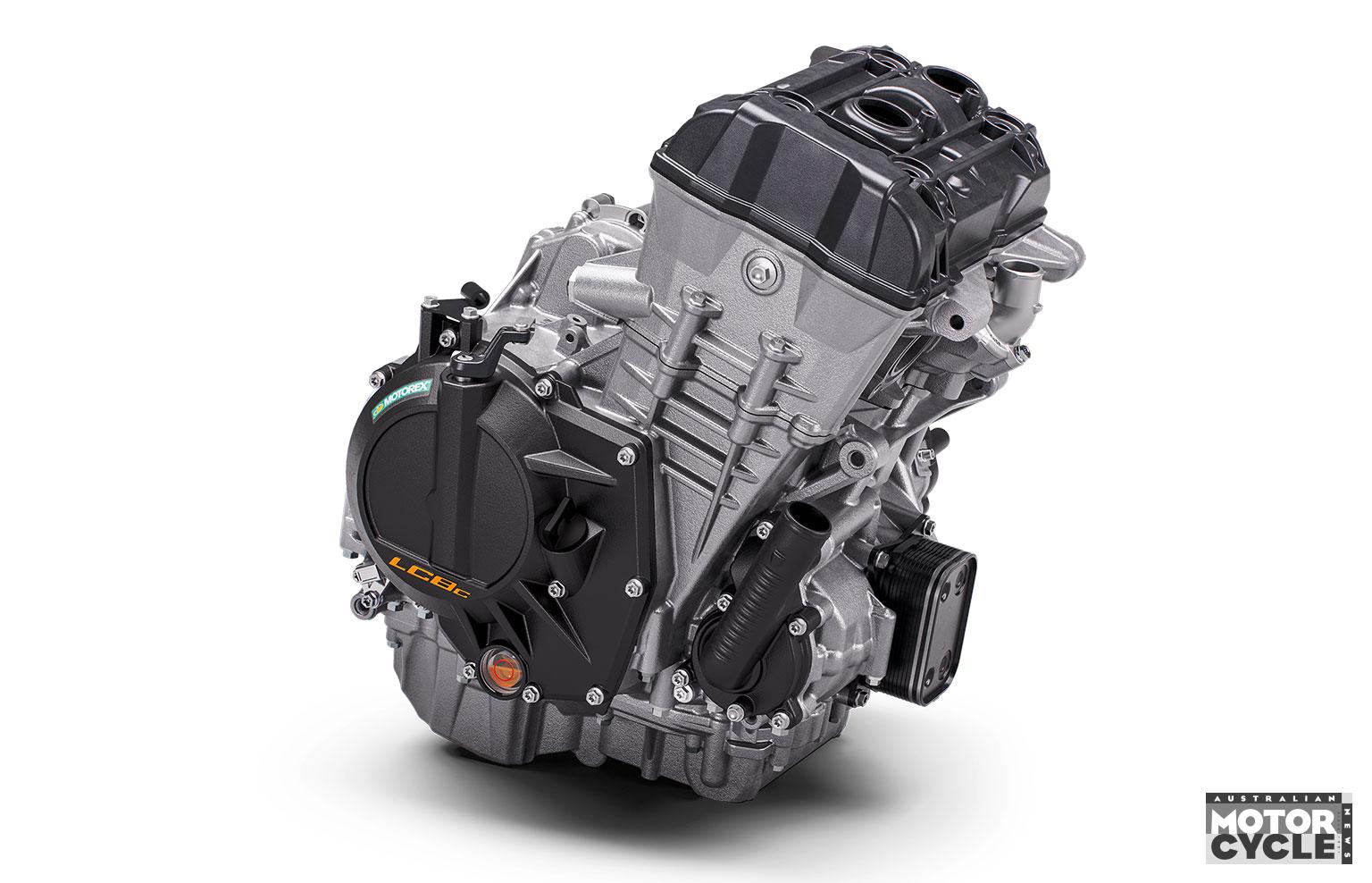
Don’t be fooled, the RC R is not a 990 Duke in a fancy aero suit. It has a completely new steel tube frame and aluminium subframe, swingarm and linkage, while its wheelbase and steering geometry are completely different to its naked stablemate. The only major component shared between the two models is its eight-valve parallel twin powerplant, albeit with a different exhaust and fuelling.
KTM is clearly confident in its first pure road-going sportsbike since the RC 8R and treated us to two full days of testing: one on Spanish roads on a standard bike fitted with Michelin Power Cup 2 rubber, followed by one on track with Michelin track day slicks fitted. Can the new 990 RC R go as quick as it looks on track, while also being a versatile and useable road bike? We headed to a very hot southern Spain to find out.

First impressions
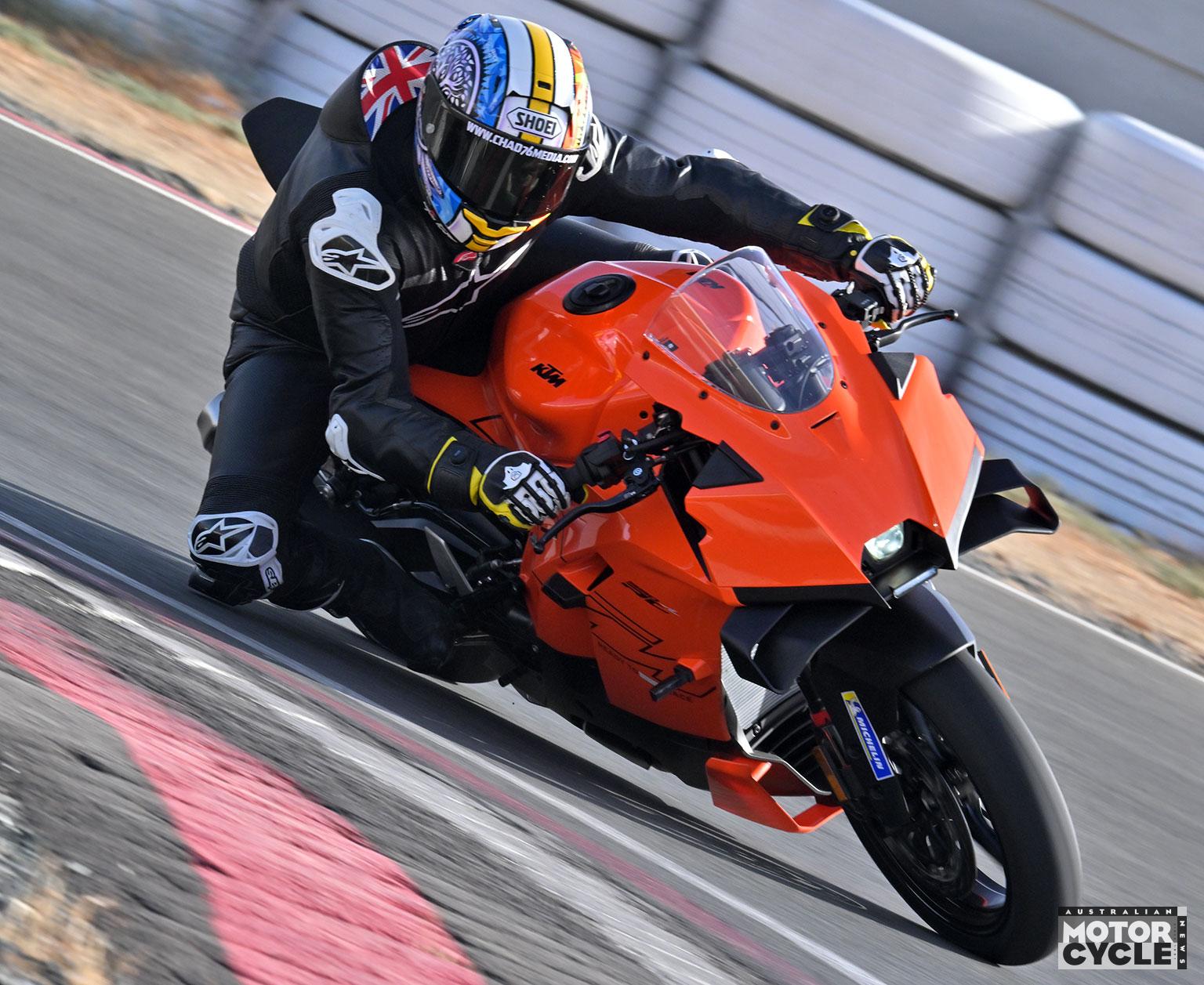
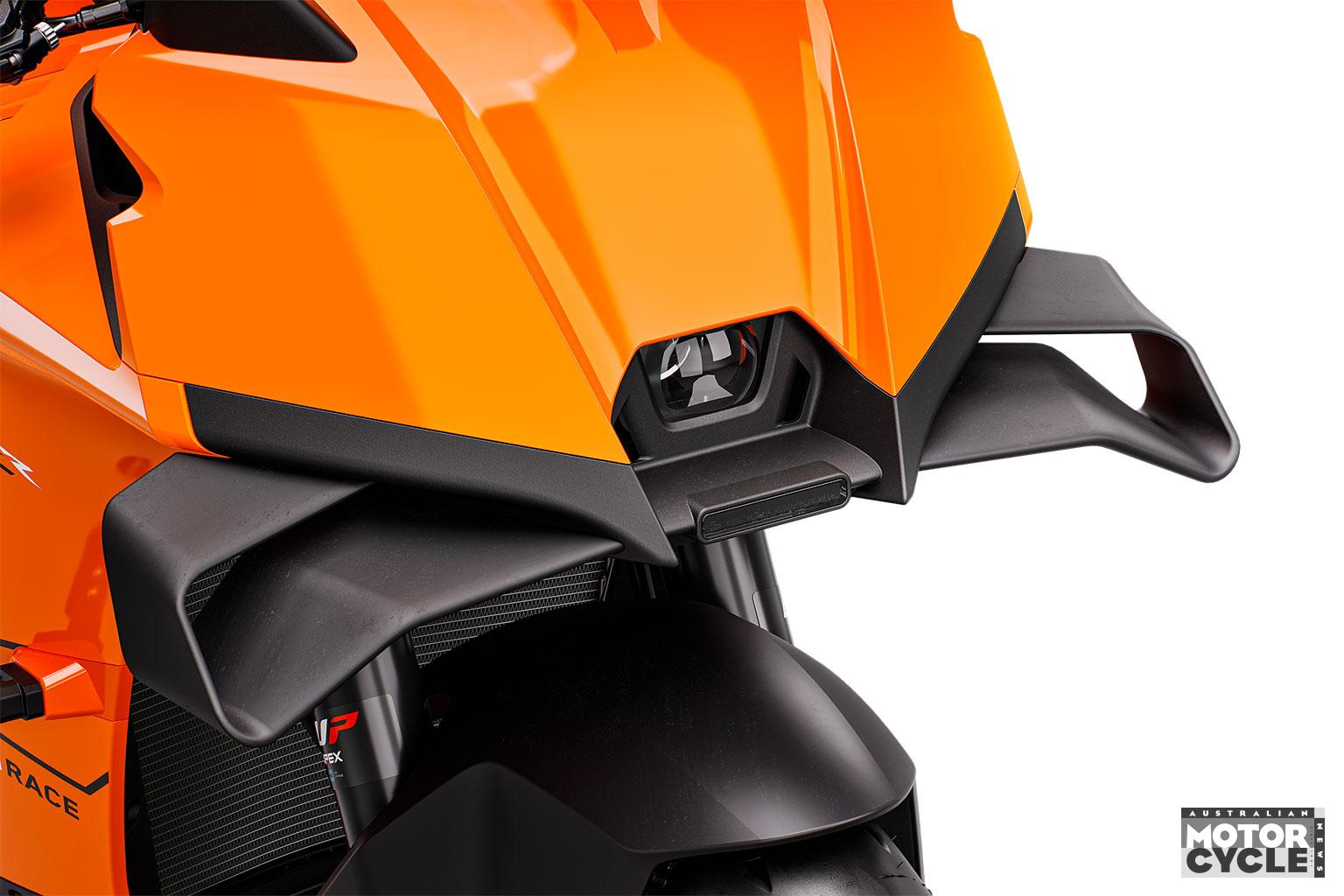
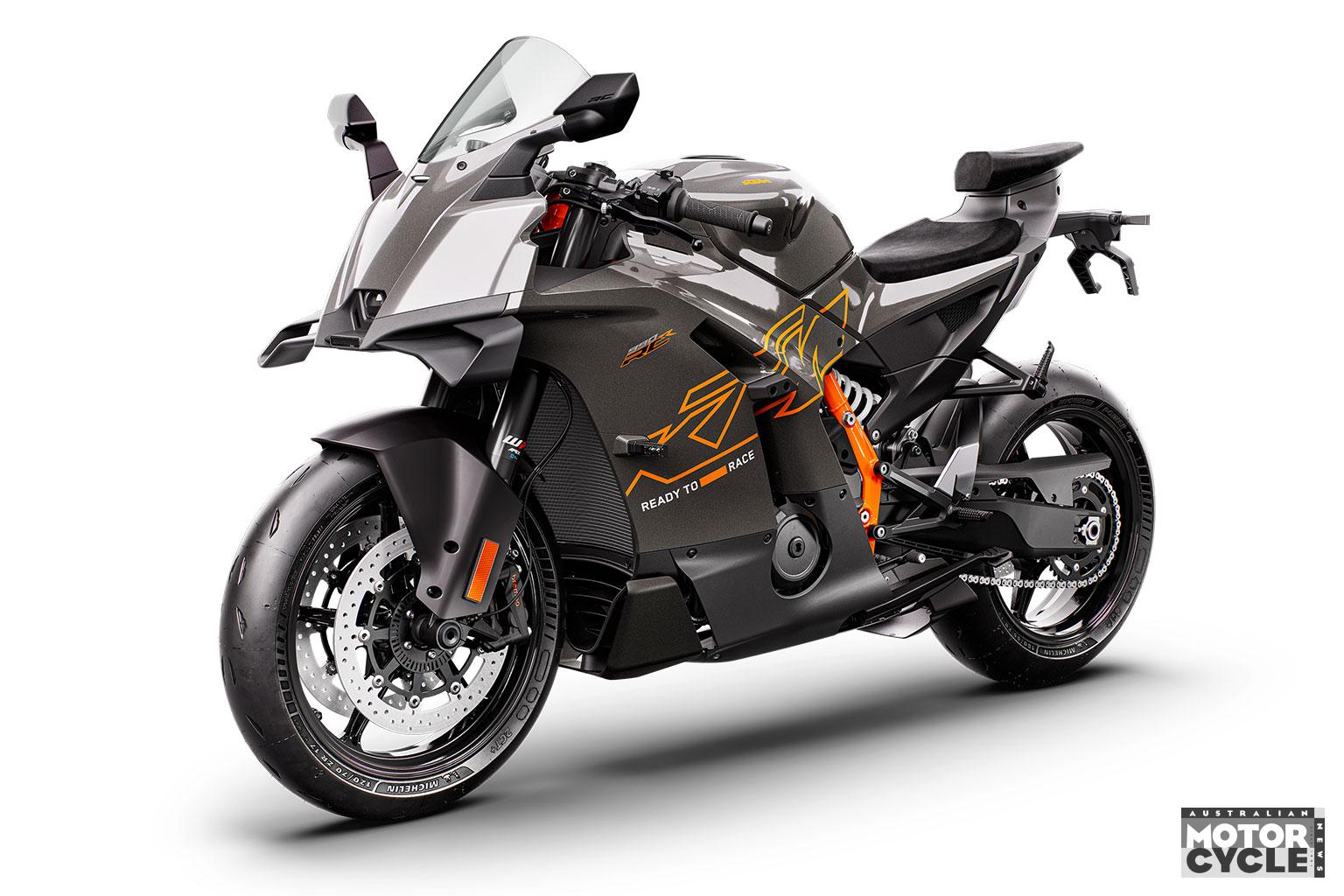
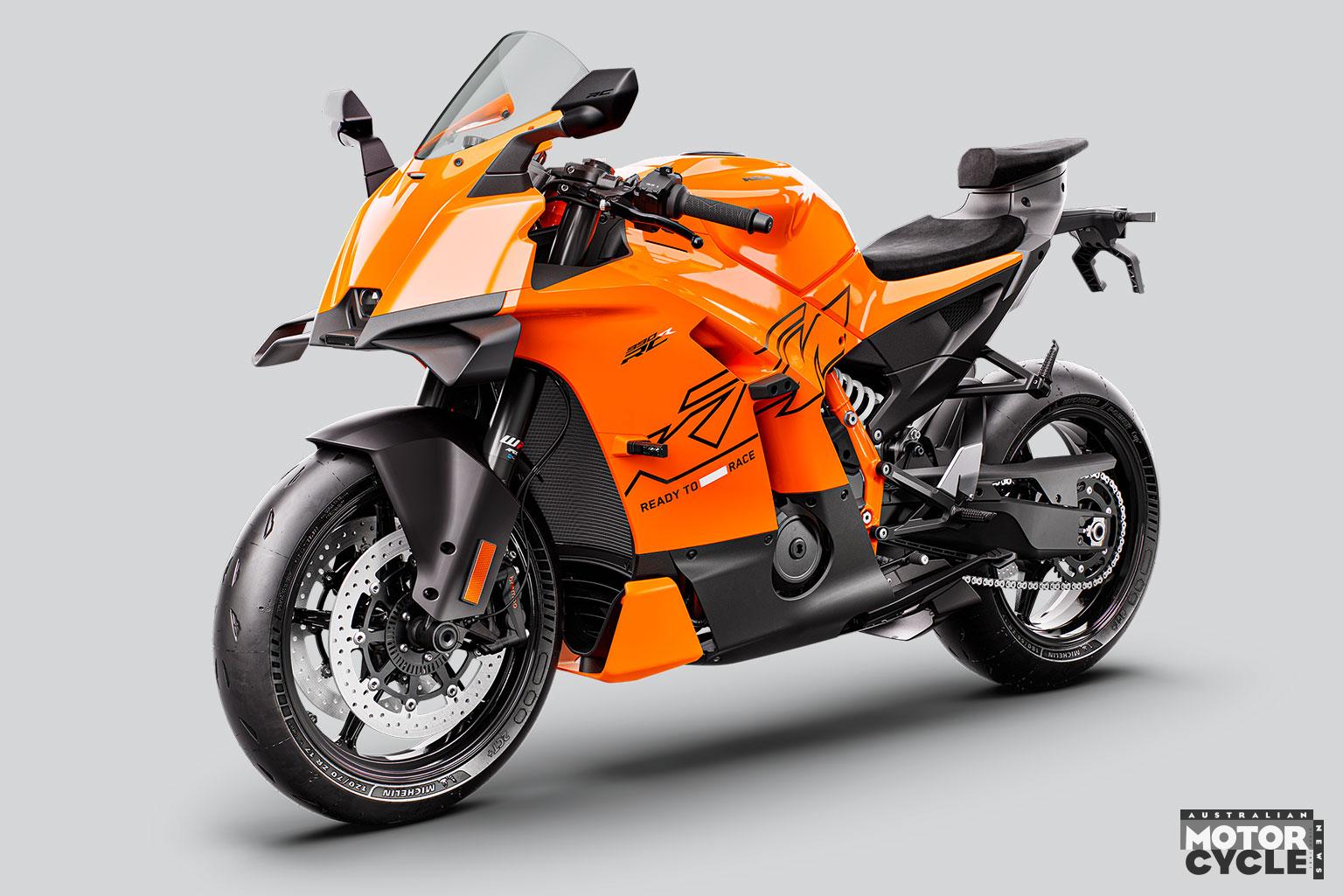
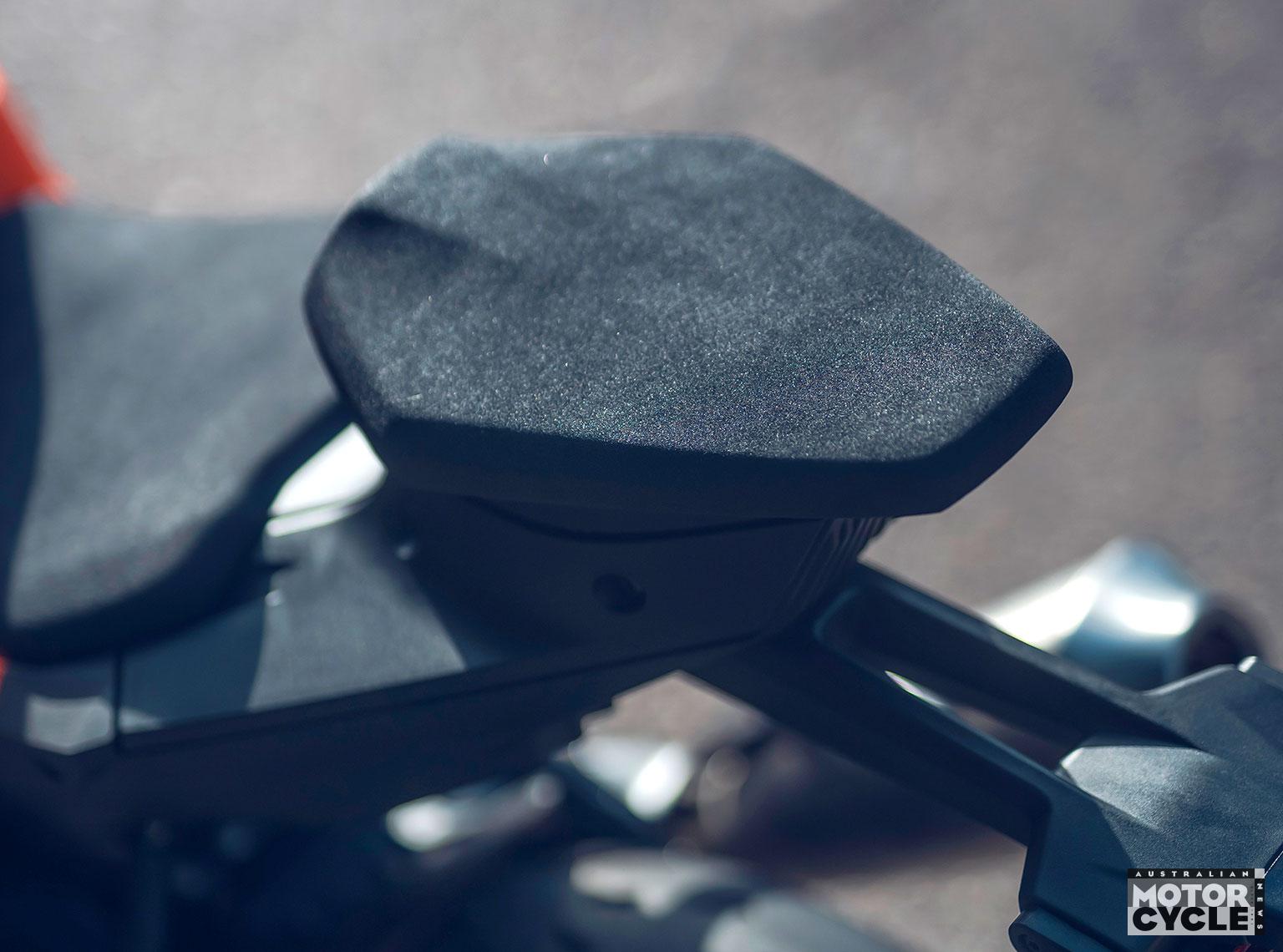
In the flesh, it looks like a mini MotoGP bike. I love the fact that KTM hasn’t held back, and where possible tried to mimic their Moto GP RC16s, even adding little shark gills on the side of the fuel tank. Look at that seat; pillions are going to have to be brave. The wings, of course, only work at high speed (13kg of downforce at 239km/h according to KTM), and on the road are mainly for show. But there’s no arguing the RC R’s intent or purpose. Remove the badges and even its trademark Electronic Orange paint (black is the option), and it would still clearly be a KTM.
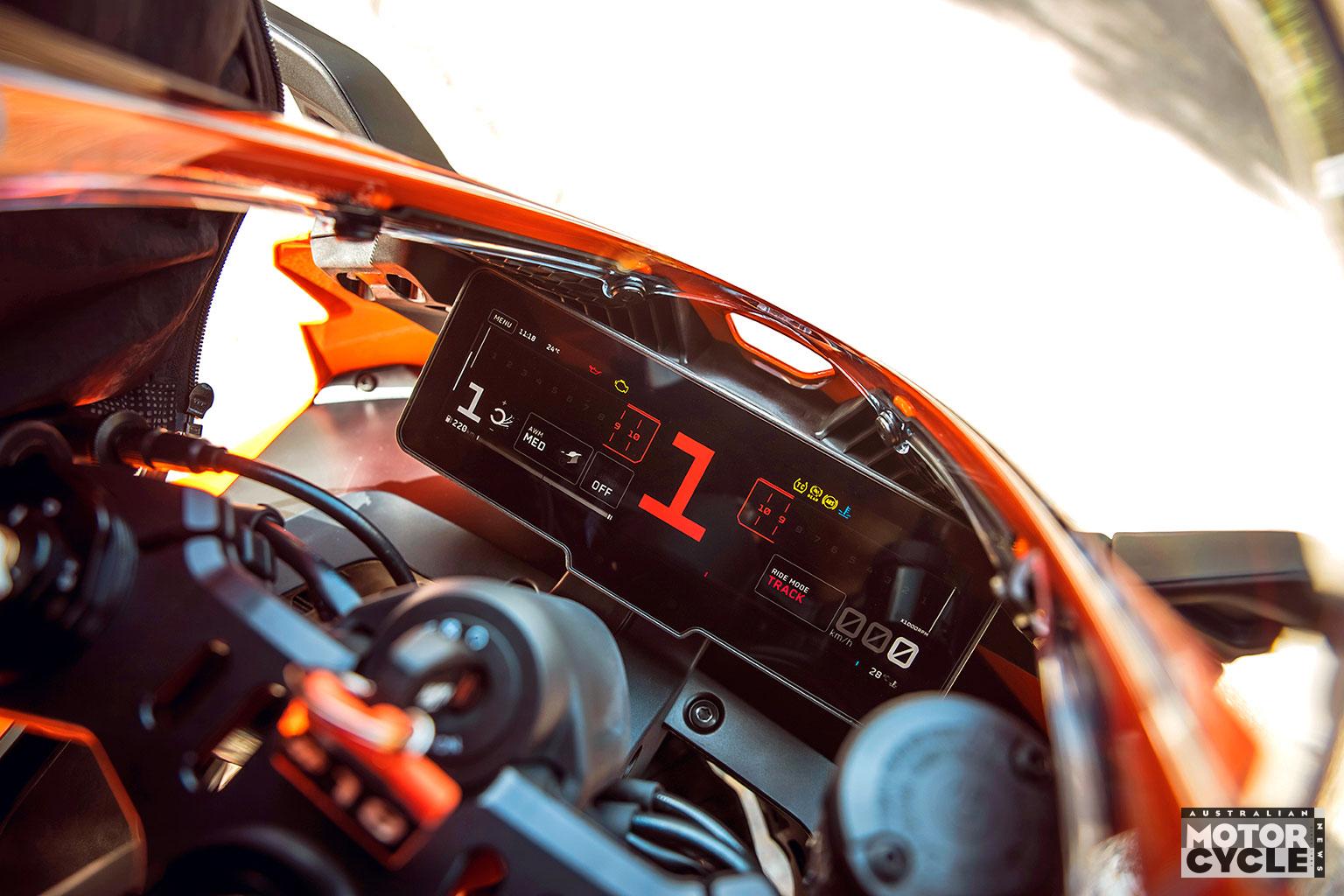
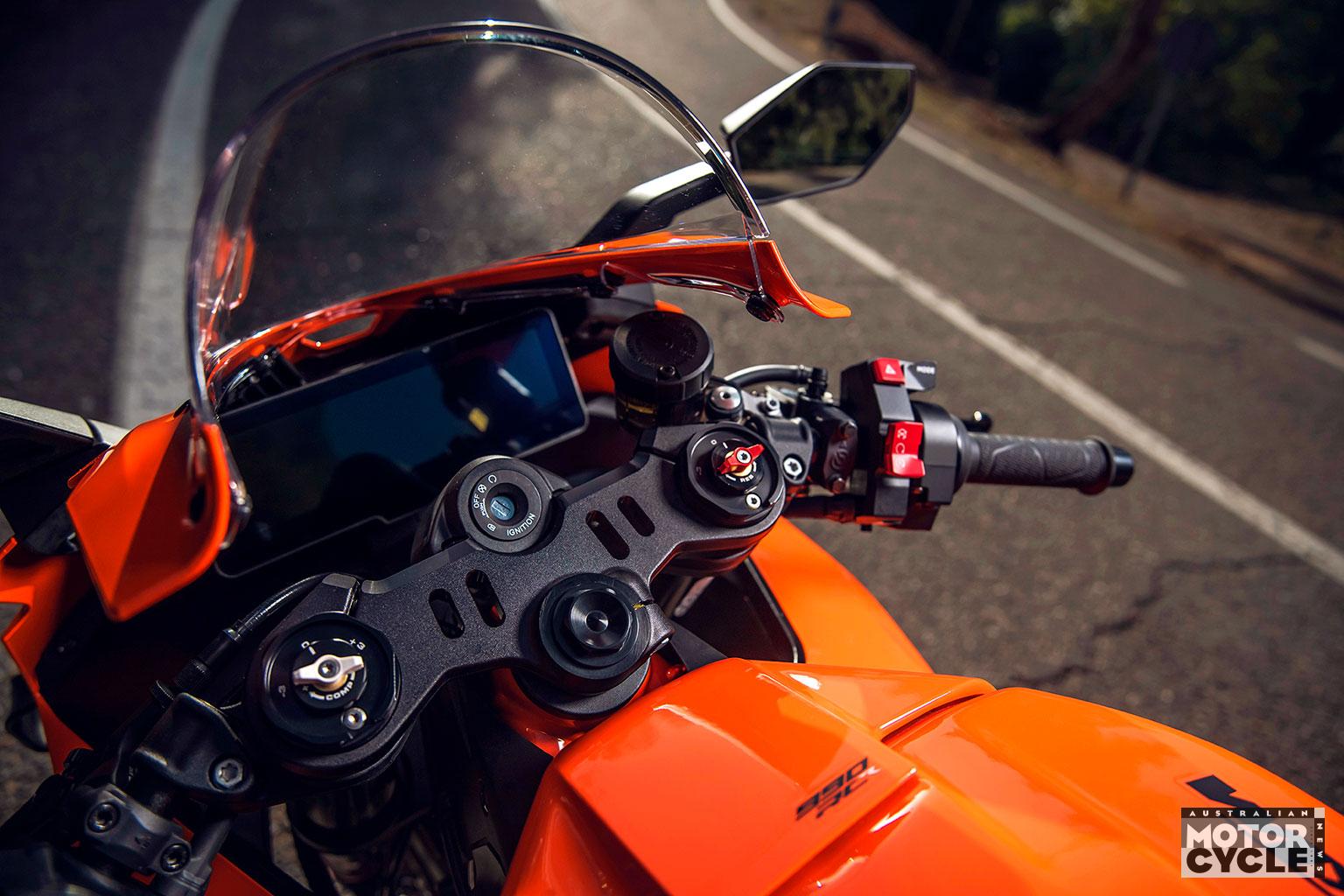
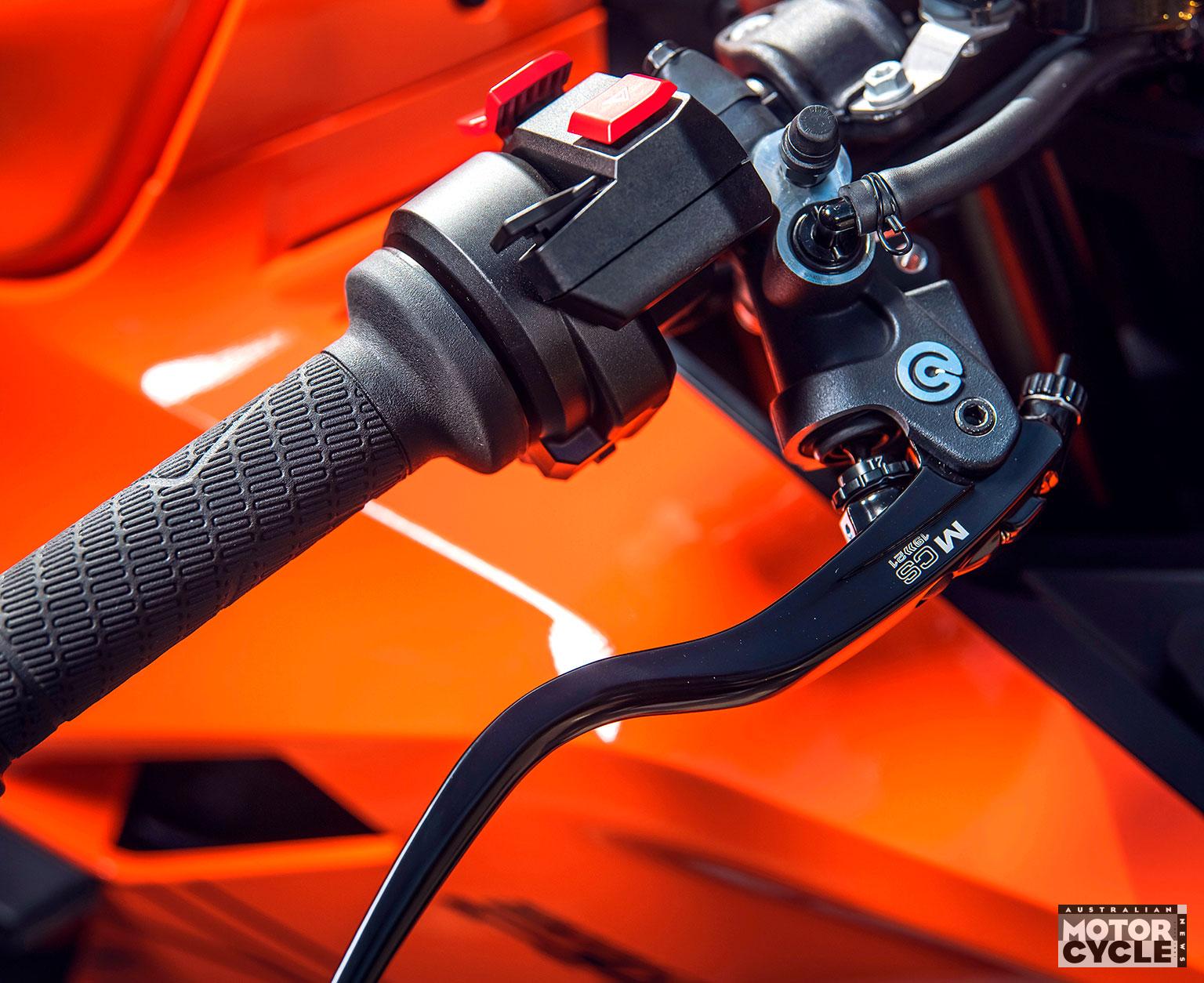
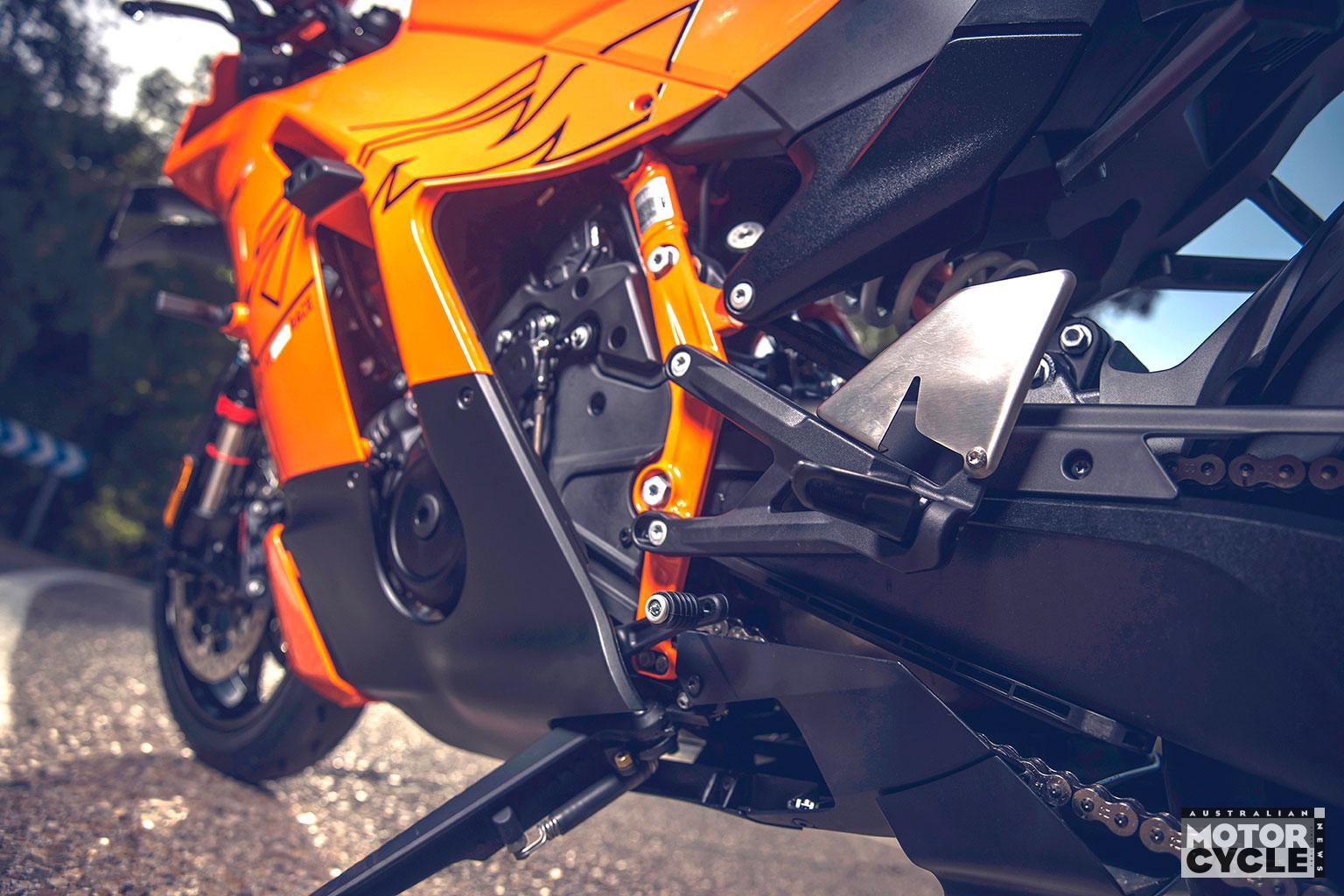
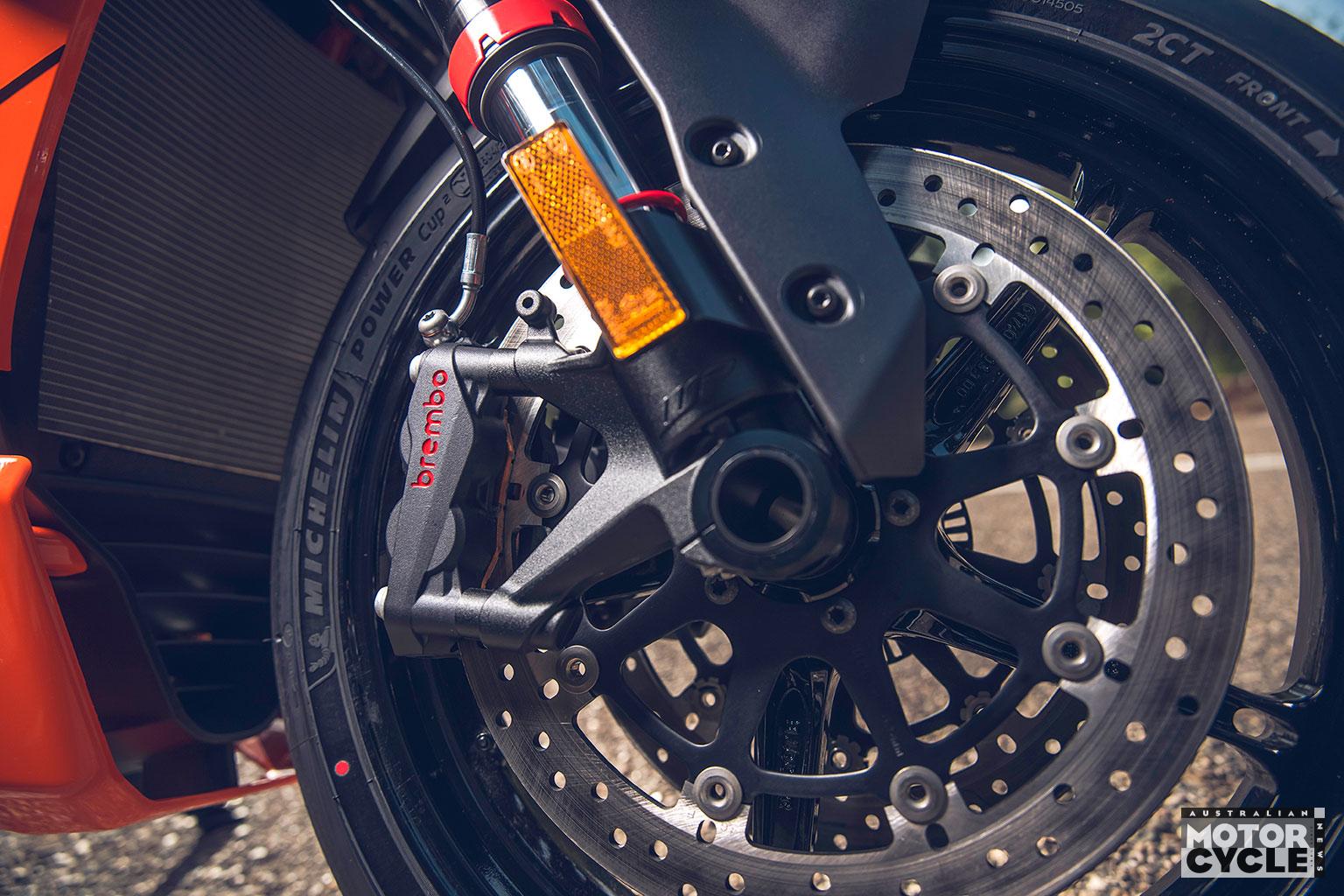
Move in closer and you start to understand how much KTM has put into their new flagship sportsbike. That 8.8-inch widescreen dash has built-in sat-nav – there are no apps to download – and is navigated by switchgear we’ve not seen on a KTM previously. While you might have guessed at WP suspension, fully adjustable APEX items front and rear are a notch up from the norm, ditto the latest Hypure Brembo calipers, paired with an MSC lever and radial master cylinder.
While the components ooze high-end quality, the base bike’s price starts at a competitive £13,450 on sale in the UK (it is expected to arrive Down Under in the first quarter of 2026 with local pricing named closer to the Australian official launch). That said, after 1500km of using Demo Mode, owners have to decide which electronic goodies they want to keep. The additional Track Pack will be £452 and the full Tech Pack (with Track Pack included) £896, meaning the actual price of our test bike rose to £14,346 (around $A29k).
The obvious competition comes from Ducati and Yamaha, with the Ducati Panigale V2 priced at $24,500 and V2 S at $26,800 whereas the less powerful Yamaha R9 starts at $23,299.
On the road
With a leg thrown over the rather tall pillion perch, the flat race-like 845mm seat is good and roomy. The screen is generously tall and the ‘bars are nice and wide. The standard footpegs are also adjustable in two settings, race and road, and, in the standard road position, compound that sense of space.
The standout feature, though, is the touchscreen, all 8.8 inches of it. It’s a little awkward to operate in race gloves but you don’t really need to as the new switchgear is intuitive and straightforward to navigate. The screen is clear and can be customised easily. That integrated sat-nav, for example, can be shown on a split screen using only a small percentage of the dash, or as the dominant feature displayed.
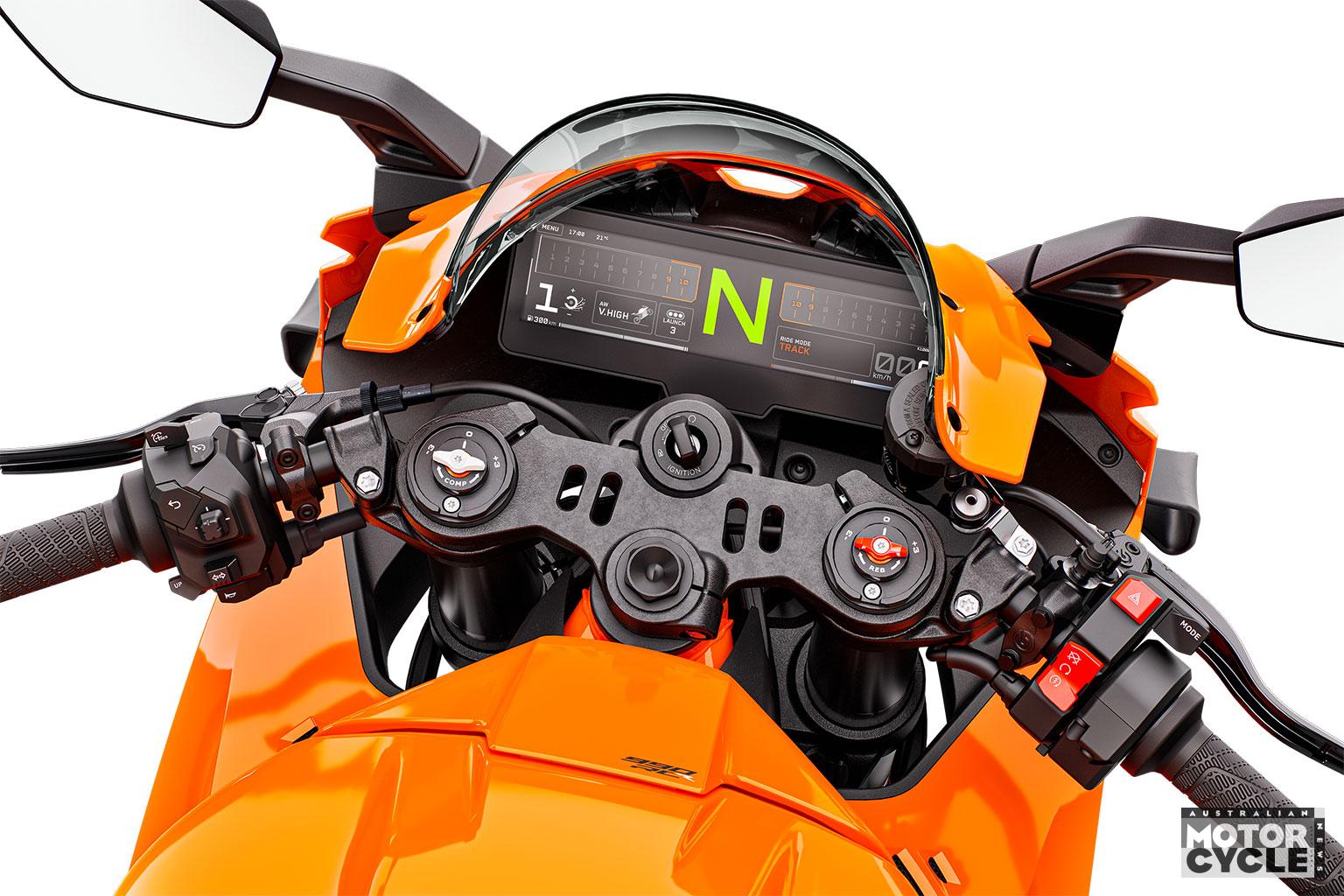
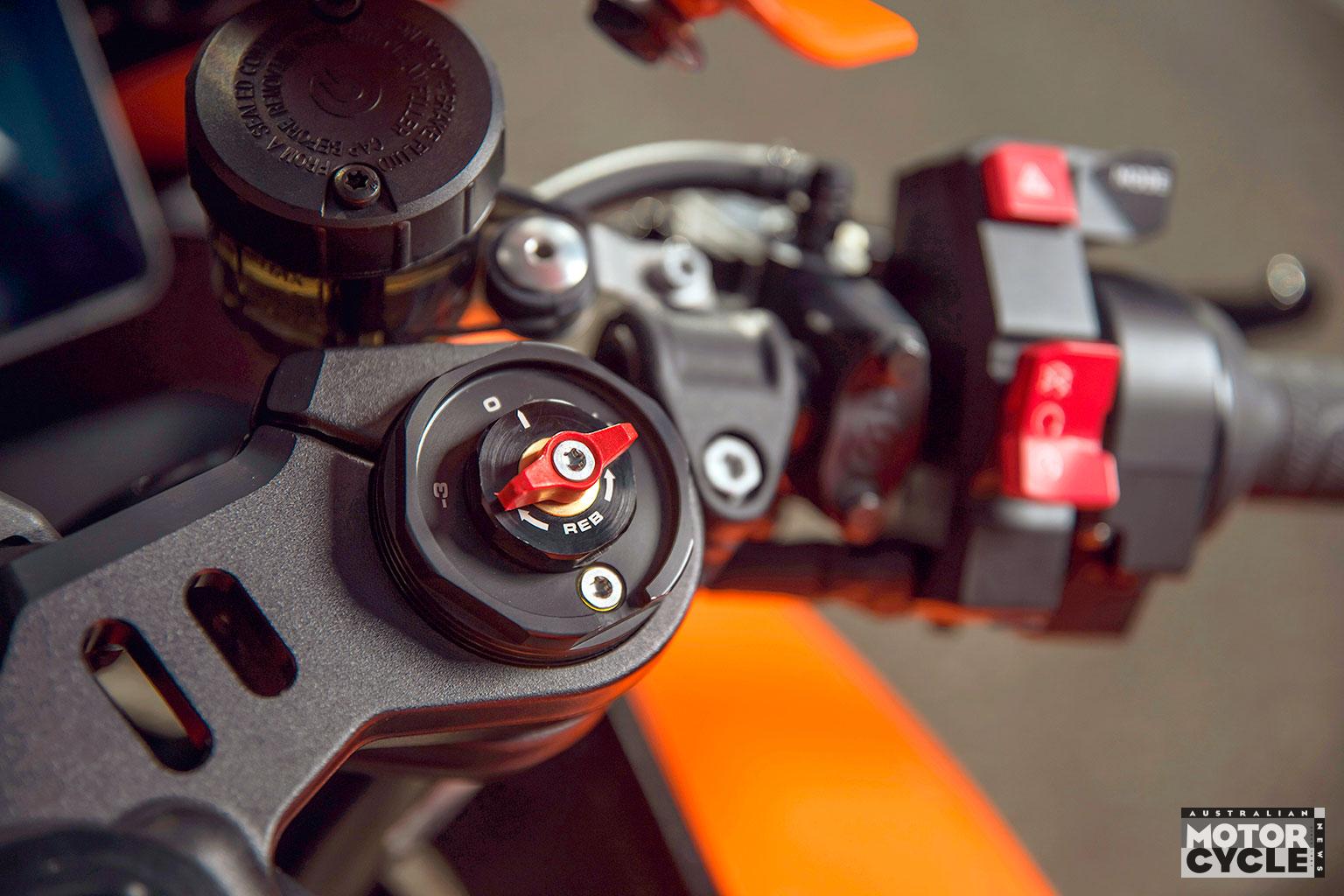
On the standard bike there are four riding modes: Rain, Street, Sport and Custom. Should you opt to keep the Demo Mode, there is an additional Track mode and two further Custom modes. You can easily change modes on the fly, from the right ‘bar, as well as turn up or down or switch off that traction control via a paddle shift on the left ‘bar. The RC R remembers and saves your last setting when the ignition is switched off.
I opted for the Street mode to start as we went in search of some mountain roads. First impressions were of super-clean fuelling at low speed, a smooth-action (optional) quickshifter at both low and high rpm and, despite those MotoGP looks, suspension that didn’t rattle my bones as we rode over speed humps and potholes. The steering lock is a little restricted, which is possibly down to the stroke of the (standard) steering damper but, overall, the RC R functions extremely well in town for a sportsbike. It even sounds great with the odd burble on the overrun.
On fast main roads ridden at freeway speeds, the 990 RC R’s practical side continued to shine as its screen and bodywork deflected much of the windblast as a I sat in a normal, upright position. Tuck in – there’s plenty of room to do this – and the screen is very effective. There is optional cruise control if you want it and, with the footpegs in the lower position, you could churn out some serious kays. Like most bikes in this class, its only failing is the poor mirror view. At speed, I couldn’t tell if it was the police following or just a BMW with roof bars…
It only takes a second or two to flick between Street and Sport mode, making it easy to explore the potential – and it’s all about the torque and the midrange. On a few occasions I went down a couple of gears for an extra kick of acceleration, but there was really no need. Maximum torque arrives comparatively early in the rev range at 6750rpm, delivering midrange drive that’s far stronger than that of traditional inline four-cylinder 600s.
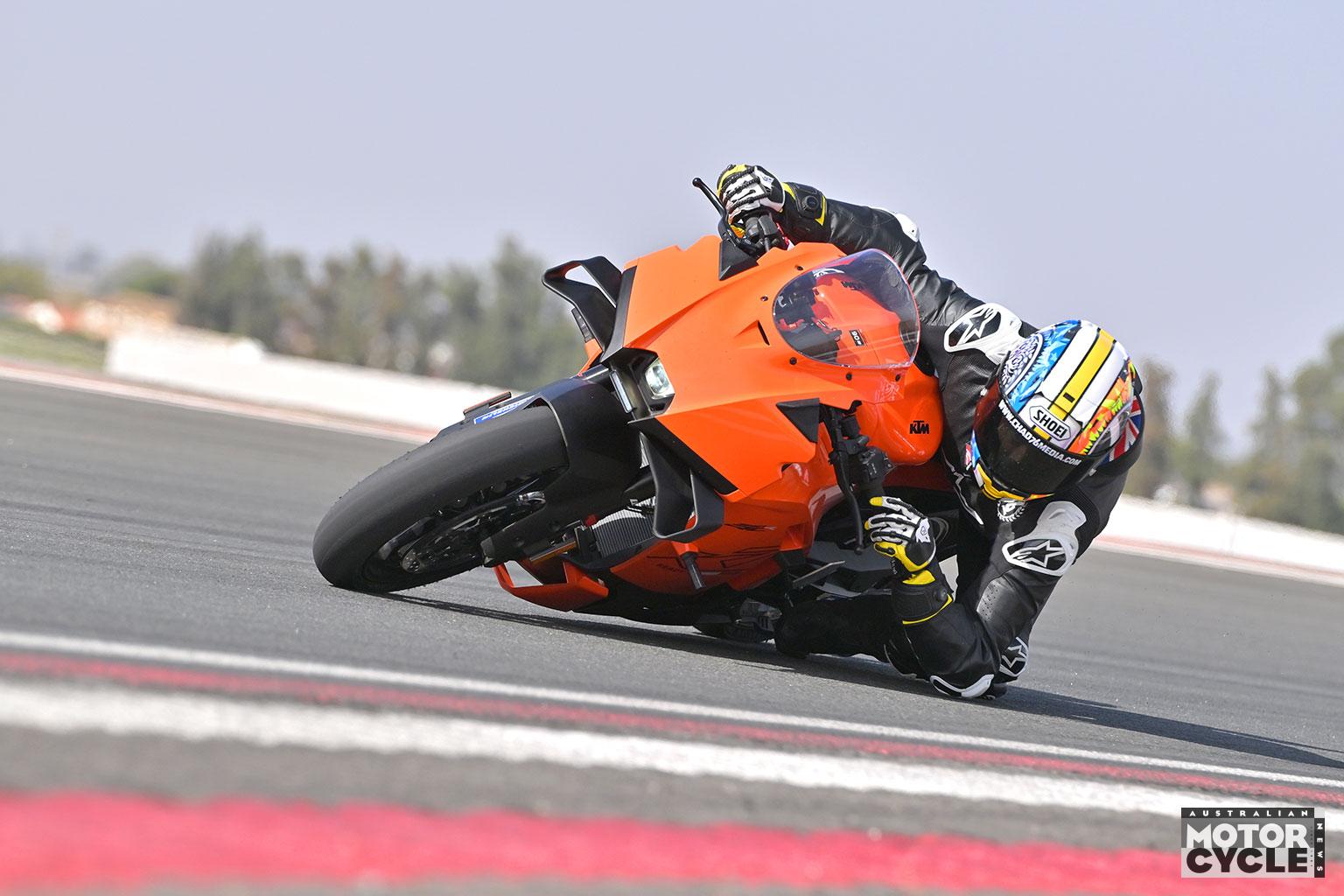
We soon hit some lovely open corners, which we took at speed and with lean. The WP APEX suspension worked without fuss on their uneven surfaces, soaking up road imperfections and undulations. The ride isn’t soft, plush would be a better description, and certainly not like that of the radical sportsbike the RC R’s image portrays. Instead, the feel is of a chassis tuned to match the road.
The more miles I covered, the clearer it became that the 990 RC R is not a race bike that’s been pressed into road riding duty. It is, instead, a sweetly focused and rapid road bike. Before our first stop, we hit some tight and twisty switchback mountain roads with excellent grip and no traffic, and it was knee-down left to right as one corner fed blissfully into another. Despite my aggressive riding, the suspension, hitherto so compliant and easy going, gave enough support and feedback to encourage me to attack an unfamiliar road at speed.
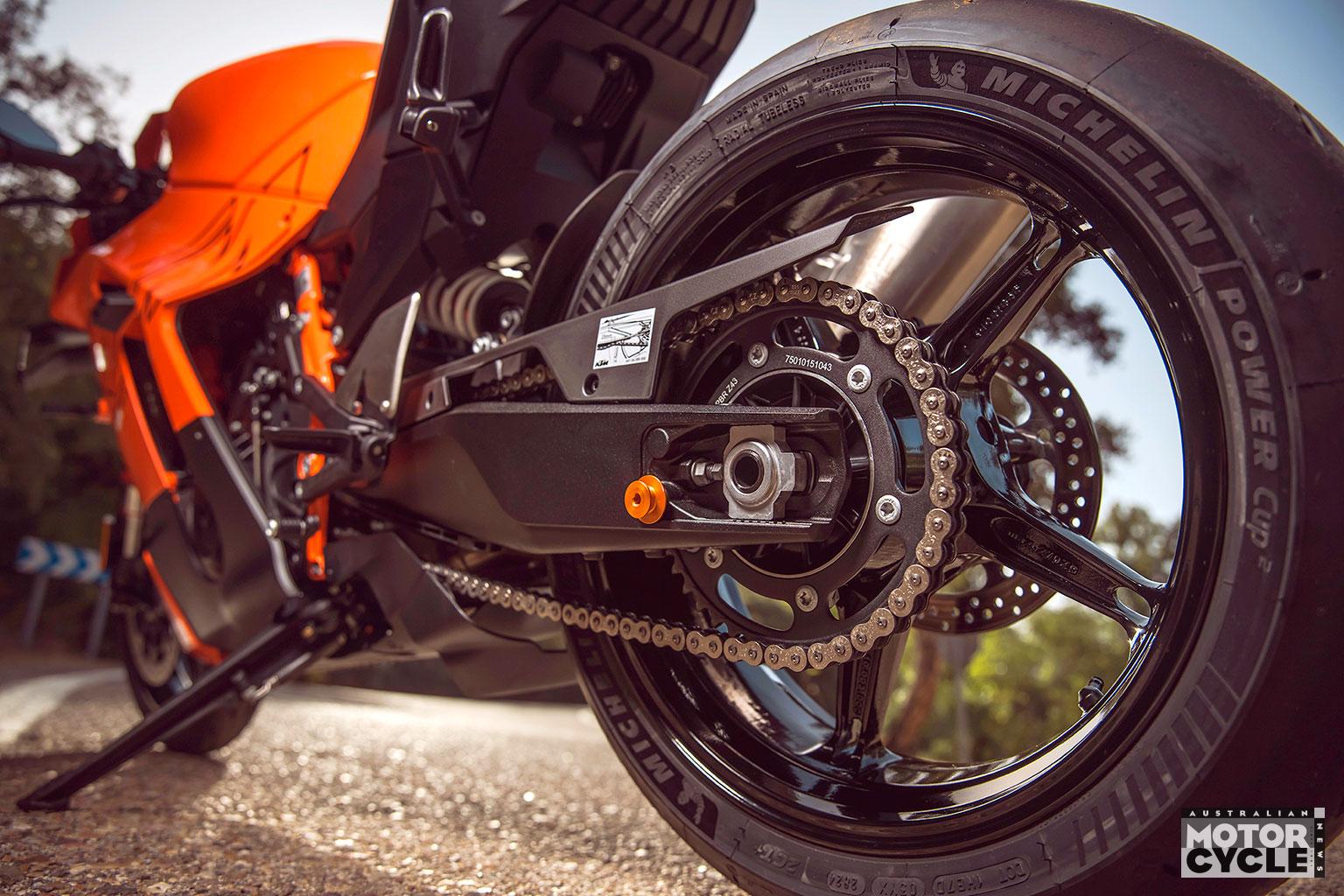
The steering is excellent; not razor sharp but relaxed as well as accurate. Race-spec Hypure Brembo calipers (and 320mm front discs) are not as brutal as they look and at road speeds have enough feel to allow you to trail brake a little to the apex. There are four ABS strategies: Street ABS, Sport ABS, Supermoto+ABS and Supermoto ABS, the last two having no cornering function.
By now, I’d selected my own custom mode featuring Supermoto ABS and no wheelie control, and played with the TC (on the move), sometimes increasing its intervention through dusty sections of road and removing it once clear – again all easily done on the fly. In my custom mode the RC R became playful, popping the odd wheelie and having fun, but still there were rider aids in the background just in case. The RC R is not as playful as the naked 990 Duke, probably due to its 5mm longer wheelbase and 5kg heavier overall weight, but it’s still fun in the true KTM tradition. Use the LC8c’s torque, put your faith in the rider aids, and just enjoy the road, scraping the odd kneeslider from time to time.
After lunch, we were invited to ride free by following the sat-nav and I managed to find the bumpiest road in Spain. But it was amazing how well the standard WP APEX suspension coped. It was brilliant. In fact, on unfamiliar and imperfect roads ridden at speed, the KTM was in its element. The riding position was commanding and comfortable, the ride of the highest quality, and all that torque kept the pace high without effort or drama. We even had a short freeway stint where the KTM proved thoroughly competent (apart from those mirrors). My only concern after day one was whether KTM has produced an excellent road bike at the expense of track ability.
Can it deliver on track?
The prospect of heading into Turn One on the Seville track on cold Michelin trackday slicks didn’t give me huge confidence, which is why I opted for the standard Sports mode, with Sport ABS, and a nice safety net just in case. As it did on the road, the RC R proved easy going and manageable. I’ve ridden this track often, but this time it was easier than ever with so much torque to hand.
By session two, I had Track mode in play, and with only 95.6kW (128hp) peak power, predicted only a small jump in performance between it and Sport mode. The throttle, however, is noticeably more responsive (without being sharp), and the RC R surges even harder on that fabulous spread of torque. Again, it’s about the drive, not the overrev. You could argue that the KTM lacks the excitement of supersport four-pot screamers but the KTM twin is easier to ride fast. Lazier but still quick.
By session three, it was time to play with the WP APEX suspension as we were getting to the limits of the standard set-up. I needed a little more support to cope with the extra grip and speed, meaning more spring preload and rebound damping (adjustable from the fork top) to the 48mm fork with compression left standard, and more support all around on the rear shock, which is easy to do. I opted to leave the footpegs in the standard road settings as ground clearance wasn’t an issue and, like many of my years, I prefer a roomier riding position.
With these tweaks dialled in, the KTM felt even sharper. The steering especially was more eager, and the overall package felt lighter.
The final section of track is extra tight, with maximum lean from left to right, and a true test of steering and agility. The KTM was good, but I wouldn’t say as light or fluid as the Ducati V2 I recently rode at Seville at the start of this year.
Again, the highlights were the versatility of the engine thanks to its torque output, and the KTM’s overall ease of use. On corners where I would normally be in second gear, I could use third. If I wanted to forget about the lap timer, I could short shift and just have fun. The KTM doesn’t feel quick but is, which is ideal for those relatively new to riding on track.
The Brembo Hypure brakes showed no indication of fade and were strong without being overly sharp. Maybe I was expecting a little more potency, but I loved their feel, and the ABS wasn’t intrusive (ridden in Supermoto or Supermoto +). If I were to be extra critical, I would have liked to have changed the engine brake strategies because the bike occasionally ran into the corner a little too quickly, like a two-stroke, for my taste. I had this feeling on the road, but it was amplified on track.
The front-end feeling on track was nine out of 10 but not perfect near the limit. This is a highly subjective area and could be down to the fact that we were using trackday tyres, not race tyres. Also, the fork offset is, at 33mm, relatively big for a sportsbike, with trail reduced compared to the 990 Duke. All this aside, I had to trust the front grip, rather than feel it when my elbow started dragging apexes.
This is all right on the edge, though. The feeling from the rear was excellent throughout, so much so I could feel the 180-section tyre fall away, especially towards the end of the day.
There’s a live connection with the chassis that instils priceless confidence, and when I had a few progressive torque-induced slides in the last session I added a little more TC just in case. It’s so easy to do even at race pace, with the simple thumb and finger toggle on the left ‘bar. It’s worth mentioning, too, that the fuel tank shape, complete with six designated contact points for the rider, and seat are supportive when you’re trying these crazy elbow-down angles of lean for the camera.
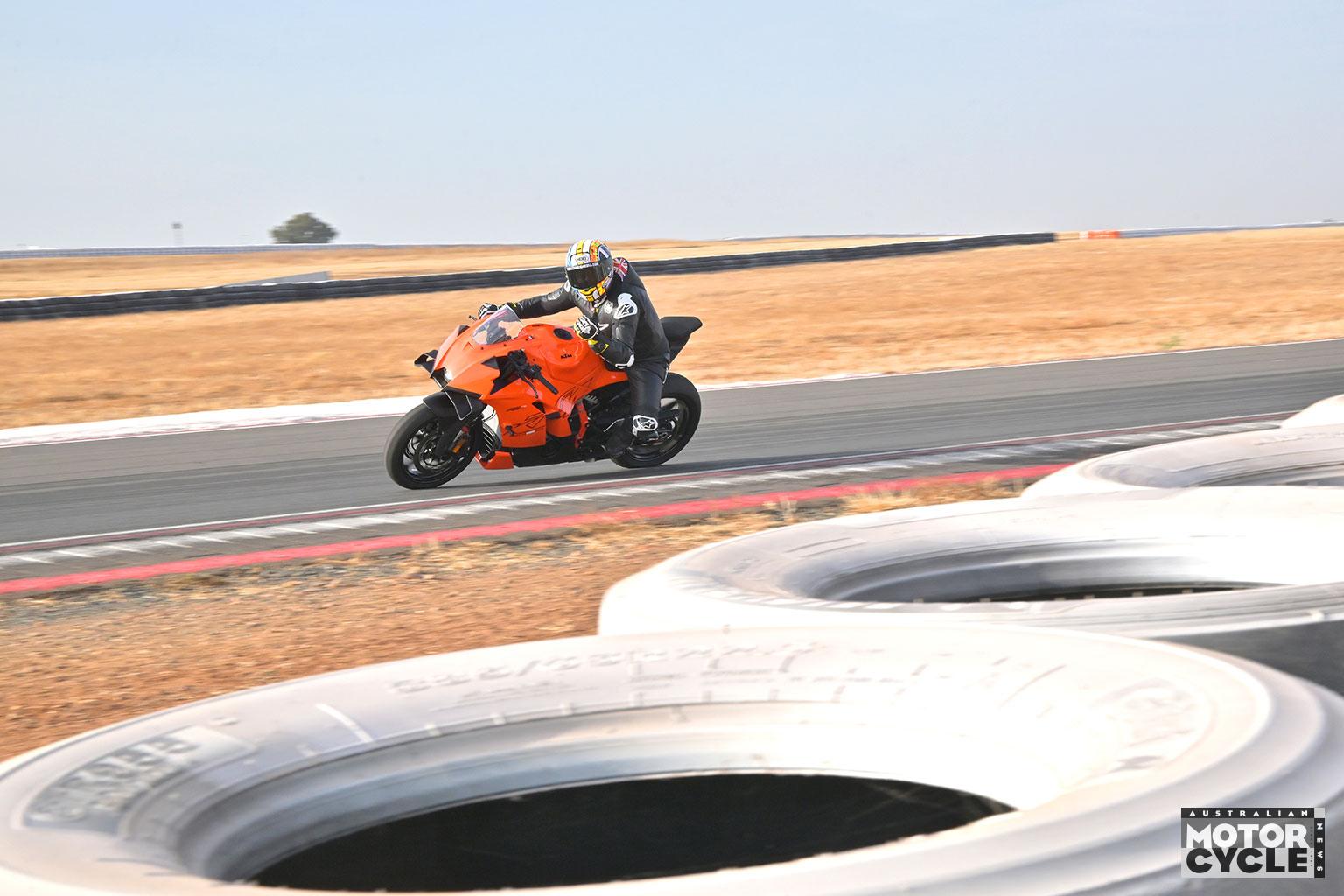
I’d like to try the 990 RC R with full blanket-warmed race slicks. I’d also like to play with the engine braking (which is only possible if you fit the race kit exhaust), but I’m nitpicking at an excellent bike here. Considering how well it worked on the road, it shouldn’t work this well on track.
Verdict
KTM needed to produce something special to regain the public’s trust in the brand and to come out of their corner fighting. After two days of testing it appears they have done so.
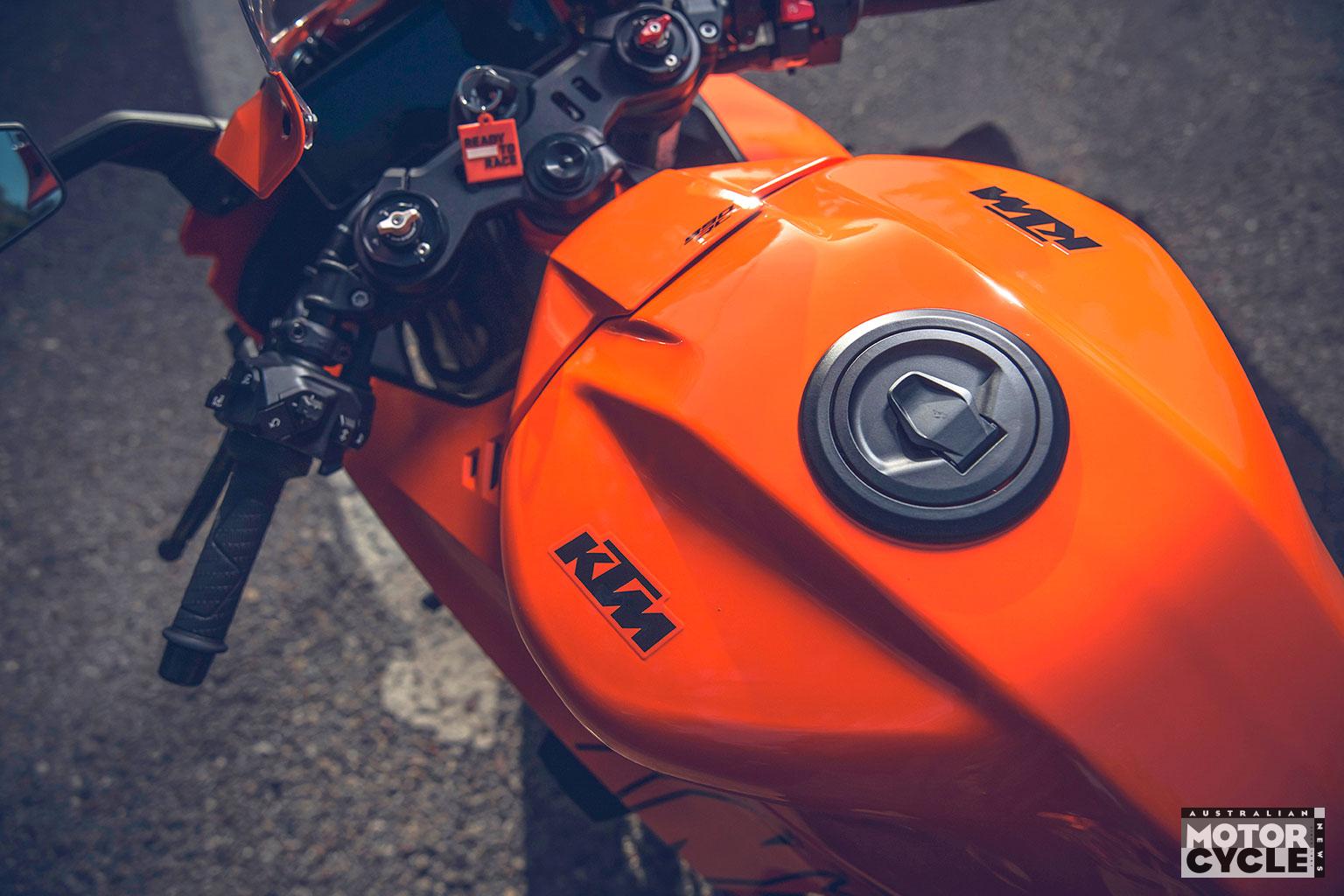
It looks dramatic, like a scaled down MotoGP bike, yet it’s usable as an everyday sportsbike on the road. Ergonomics are excellent for this type of machine; the dash is class-leading, there’s tonnes of grunt through the midrange backed up by excellent rider aids, which are easy to access.
On track, it’s equally as impressive; very easy to ride fast, and again the torque really shines. The Brembo Hypure brakes are top class, so too the chassis’ excellent feedback and rider aids, which complement your riding and can be personalised to match your style and mood.
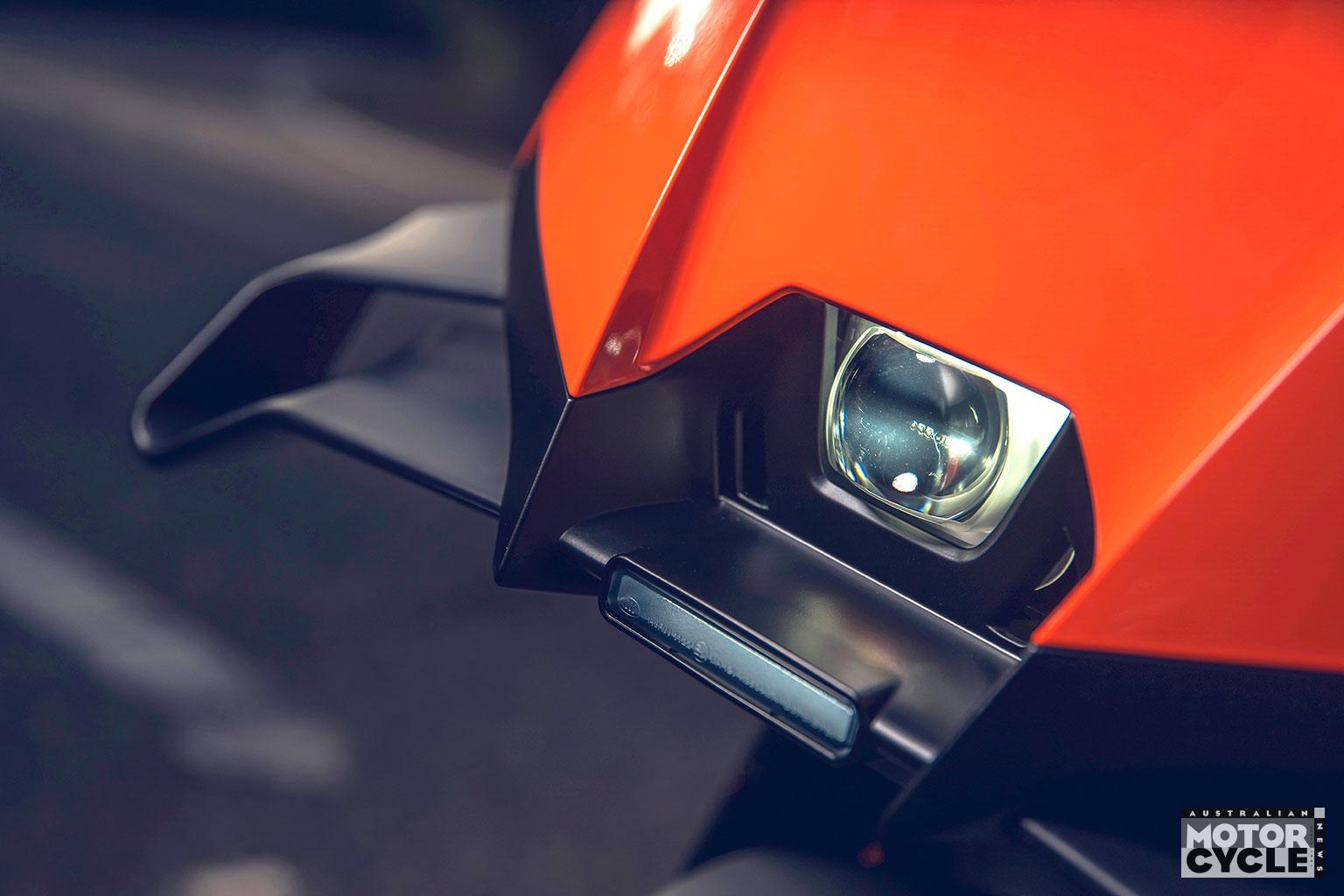
KTM’s Demo Mode splits opinions, and you will have to spend extra if you want all the electronic bells and whistles, but that aside it’s hard not to like the KTM 990 RC R. It even comes with a four-year warranty and wide service intervals.
I’m impressed but the big test will be against the competition from Ducati and Yamaha – we can’t wait for that showdown.
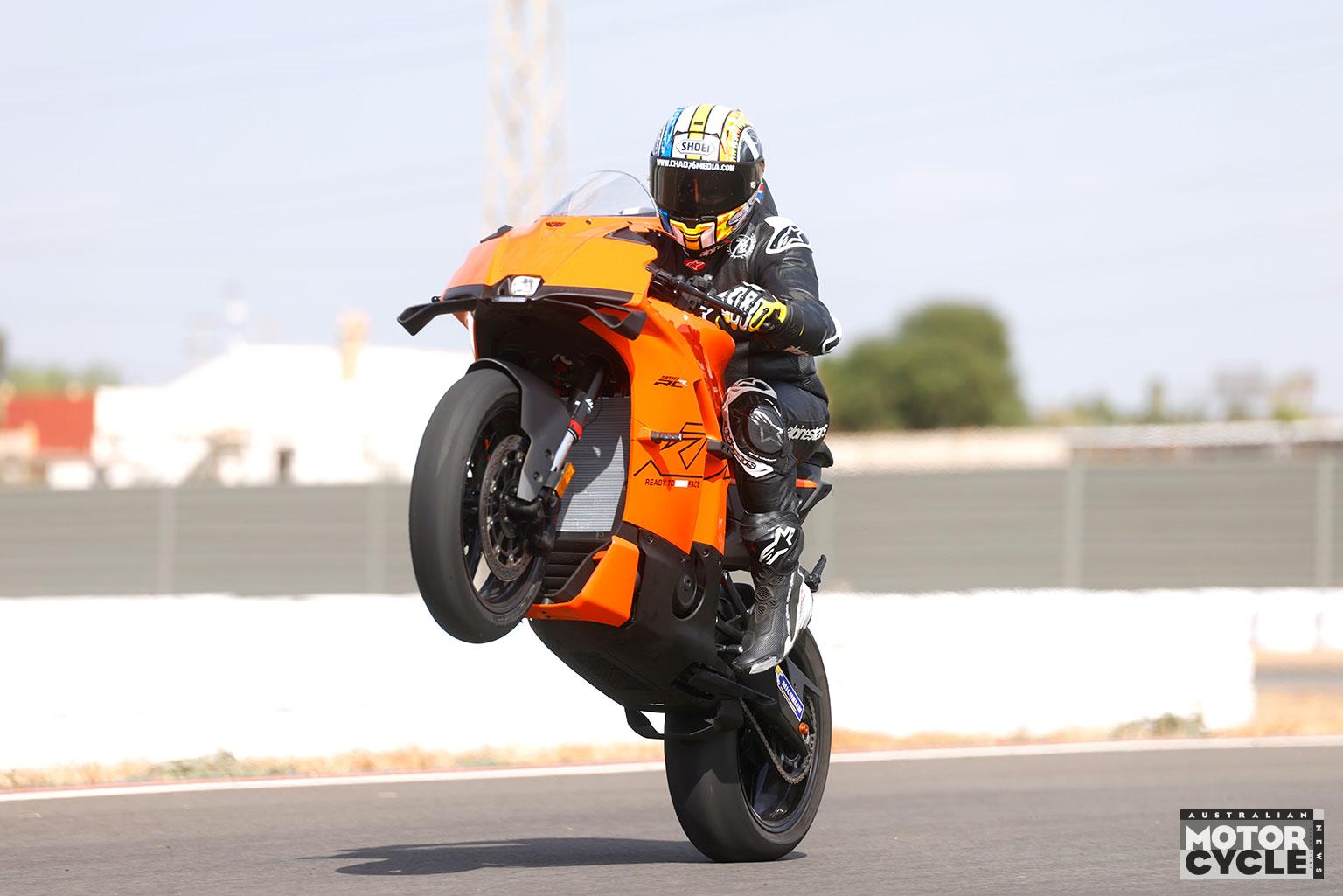
✅ PROS – Making a middleweight sportsbike work equally well on the road and track is a hard task, but KTM has pulled it off.
❌ CONS – Minor quibbles like mirrors and we have to wait yet longer for Aussie availability and pricing.
HORSES FOR A COURSE
In a brave, bold or, perhaps, unlucky coincidence, KTM launched their all-new 990 RC R at the same track Yamaha launched their R9 and Ducati launched their Panigale V2. Both are direct competitors to the KTM. Sadly, we can’t really compare lap times, as the R9 I rode ran treaded track day Bridgestones, the KTM Michelin track day slicks, and the Ducati I punted had WSBK Pirelli slick race tyres.
On paper, the KTM has the most torque and most power, and you could argue the highest spec, complete with an impressive 8.8-inch-wide dash, fully adjustable suspension, and Hypure Brembo stoppers. The Yamaha is cheaper and the Ducati possibly more desirable and a fraction lighter.
On track, it’s going to be close. I’ve ridden all three in isolation and think it might just come down to the nature of the track as the KTM has the power and torque, but the Ducati might be a little more racy and faster steering. Only time will tell.
THE RIVALS
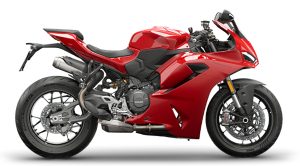
Ducati Panigale V2 S
Engine 890cc V-twin
Power/torque 90kW/93.3Nm
Weight 176kg (wet/no fuel)
Price $26,800 ride away
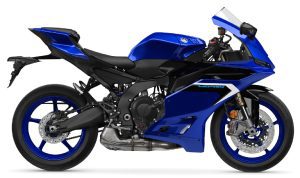
Yamaha R9
Engine 890cc triple
Power/torque 87kW/93Nm
Weight 195kg (wet)
Price $23,299 ride away
SPECIFICATIONS
ENGINE
Capacity 947 cc
Type Liquid-cooled, 4v per cylinder, four-stroke, parallel twin
Bore & stroke 92.5mm x 70.4mm
Compression ratio 13.5:1
Transmission Six-speed
Clutch Cable operated PASC slipper
PERFORMANCE
Power 95.6kW (128hp) @ 9500rpm (claimed)
Torque 103Nm @ 6750 rpm (claimed)
Top speed 260km/h (estimated)
Fuel consumption 5.1–4.7L/100km
ELECTRONICS
Type Fuel injected Ride-by-Wire DKK Dellorto. Bosch EMS
Rider aids Four rider modes (with three optional additional modes), traction control, and cornering ABS. Opt – Anti-wheelie, Launch Control, MTC Slip Adjuster, MSR slip regulation, Cruise Contorl, Quickshifter+, and Adjustable throttle response
Rider modes Rain, Street, Sport, Custom (opt Track and 2x Custom)
CHASSIS
Type Chromium-molybdenum-steel frame using the engine as stressed element, powder coated
Rake 24.2
Trail 98.5mm
Wheelbase 1481mm
SUSPENSION
Type WP APEX
Front 48mm, USD, fully adjustable,147mm travel
Rear Single rear shock, fully adjustable 134mm travel
WHEELS & BRAKES
Wheels Cast aluminium
Front 3.5X17
Rear 5.5X17
Tyres Michelin Power Cup 2
Front 120/70/x17
Rear 180/55/17
Brakes Cornering ABS four settings standard
Front: 2 x 320mm discs, Brembo four piston radial Hypure calipers
Rear 240mm disc, two-piston caliper
DIMENSIONS
Weight 195kg (ready to race)
Seat height 845mm
Ground clearance 163mm
Fuel capacity 15.7l
SERVICING & WARRANTY
Servicing First: 1000km/ 7500km/1500km 60,000km valve check
Warranty 4 years (country dependent)
BUSINESS END
Price TBA
Colour options: Orange, Black
Contact www.ktm.com