The exclusive inside story of KTM’s rise from the ashes, from the man who is making it happen
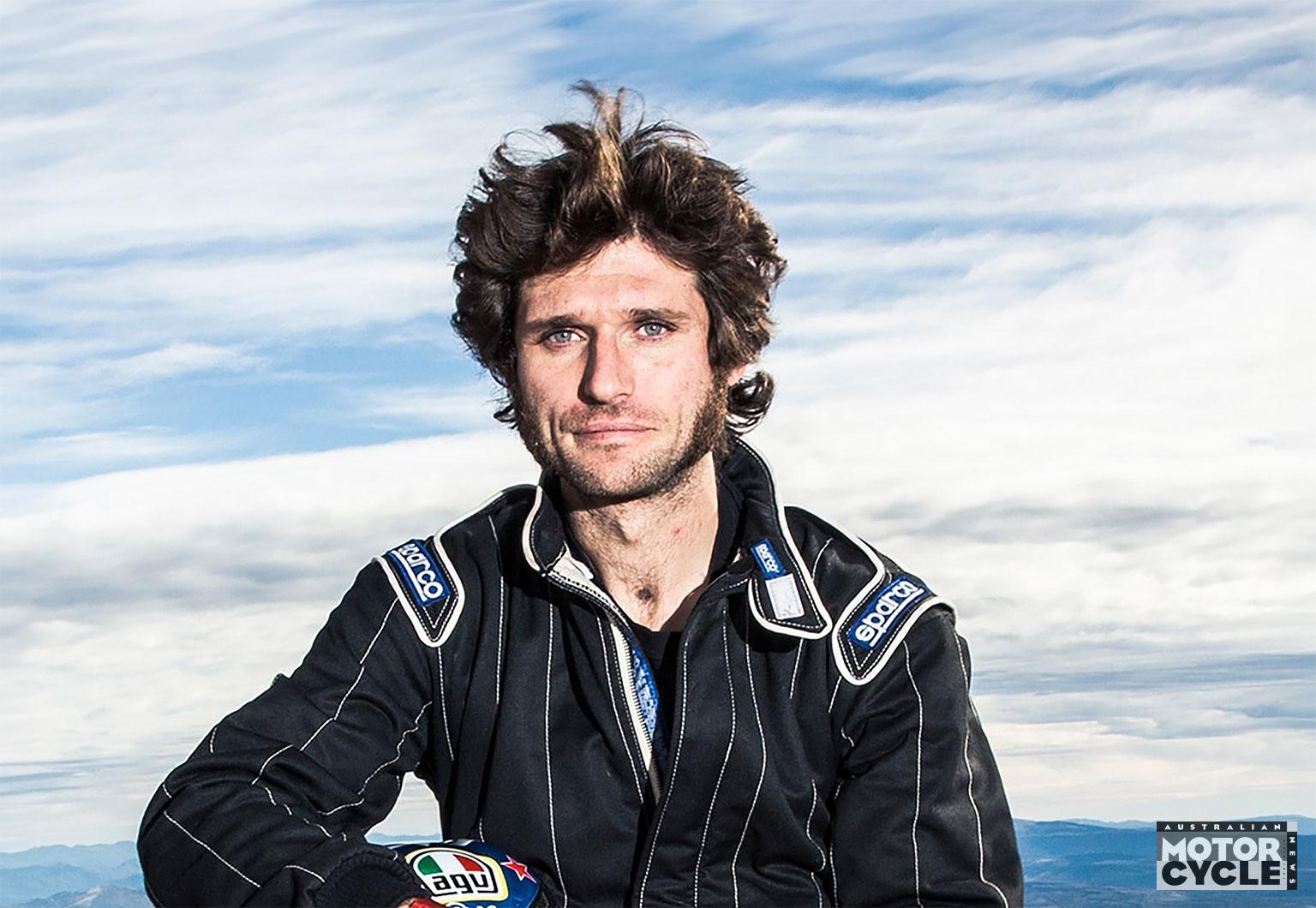
Gottfried Neumeister has one of the most challenging roles in global motorcycling: reviving struggling giant KTM. But he has a track record of bringing change to big corporations. After completing his studies in International Business Administration at the University of Vienna, Neumeister worked as a consultant for Siemens AG Austria. In 2003, he founded low-cost airline flyniki together with Niki Lauda and was responsible for the successful development of this aviation business until its sale to Air Berlin. In 2012, Neumeister moved to commercial catering giant DO & CO Aktiengesellschaft, holding various positions on the management board, most recently as co-CEO (2021-2023).
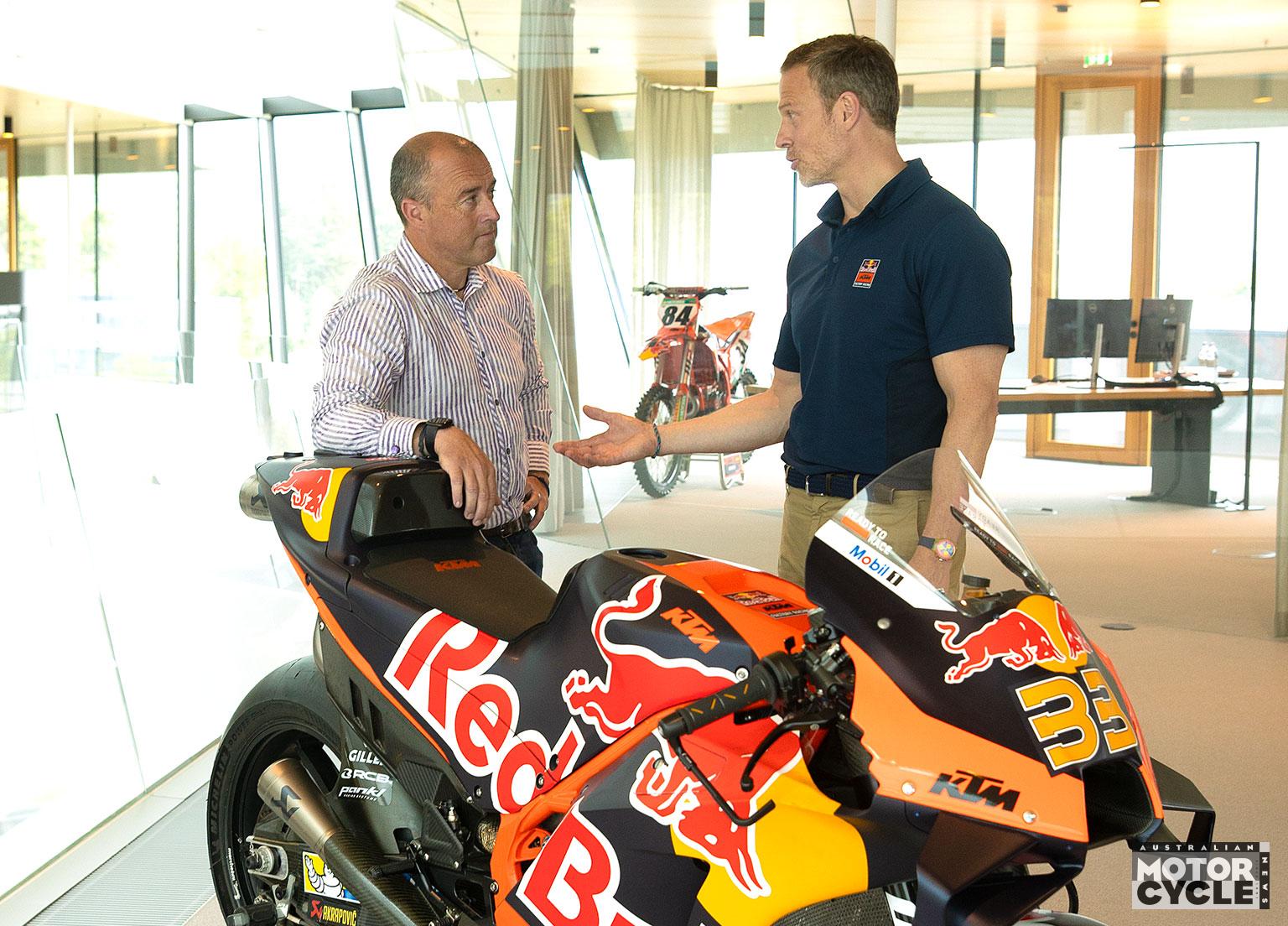
On 23 January, 2025, he took over from Stefan Pierer as CEO of PIERER Mobility AG and KTM AG, where he had been co-CEO since 1 September, 2024. He has also been a member of the executive board of Pierer Industrie AG since 1 January, 2025.
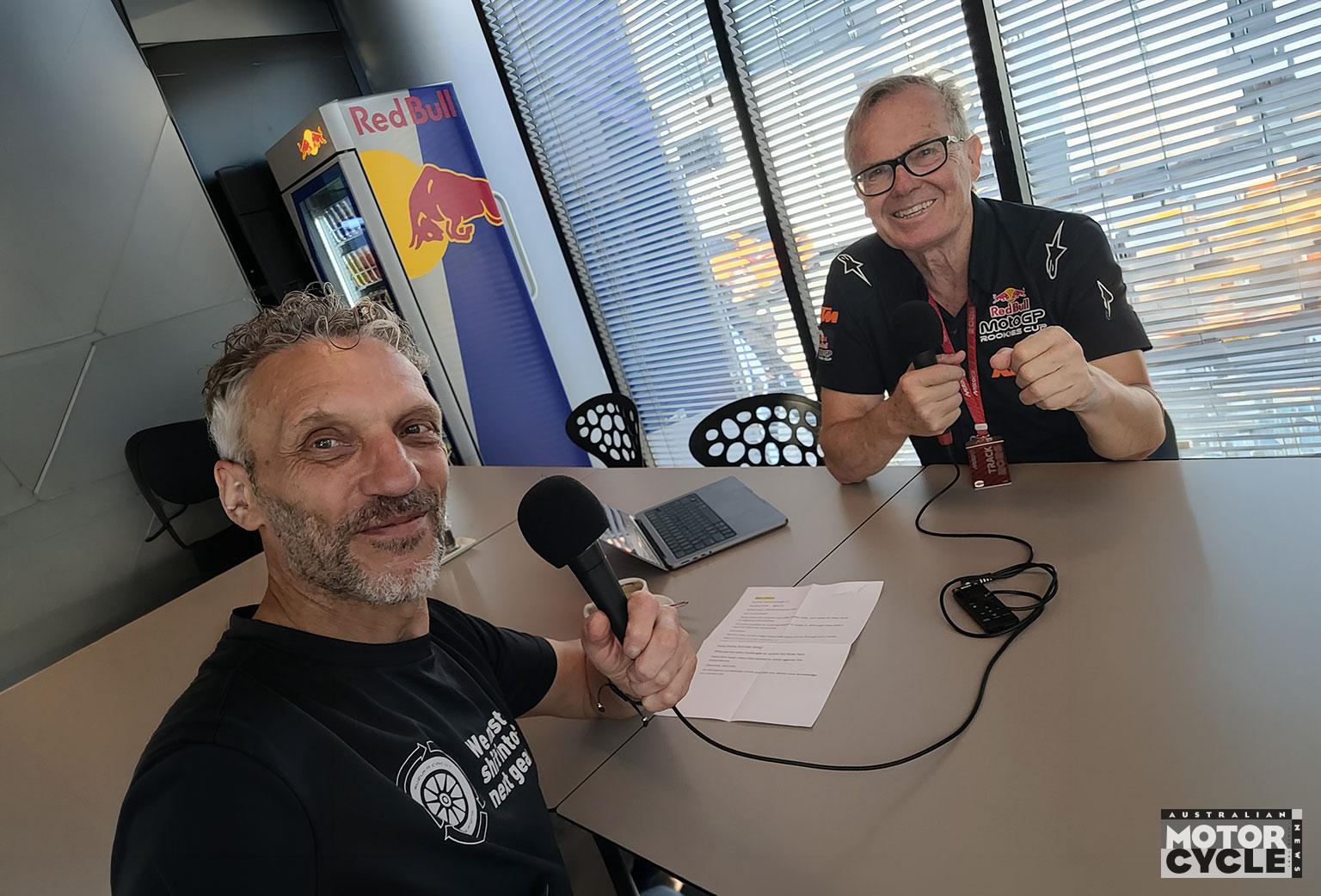
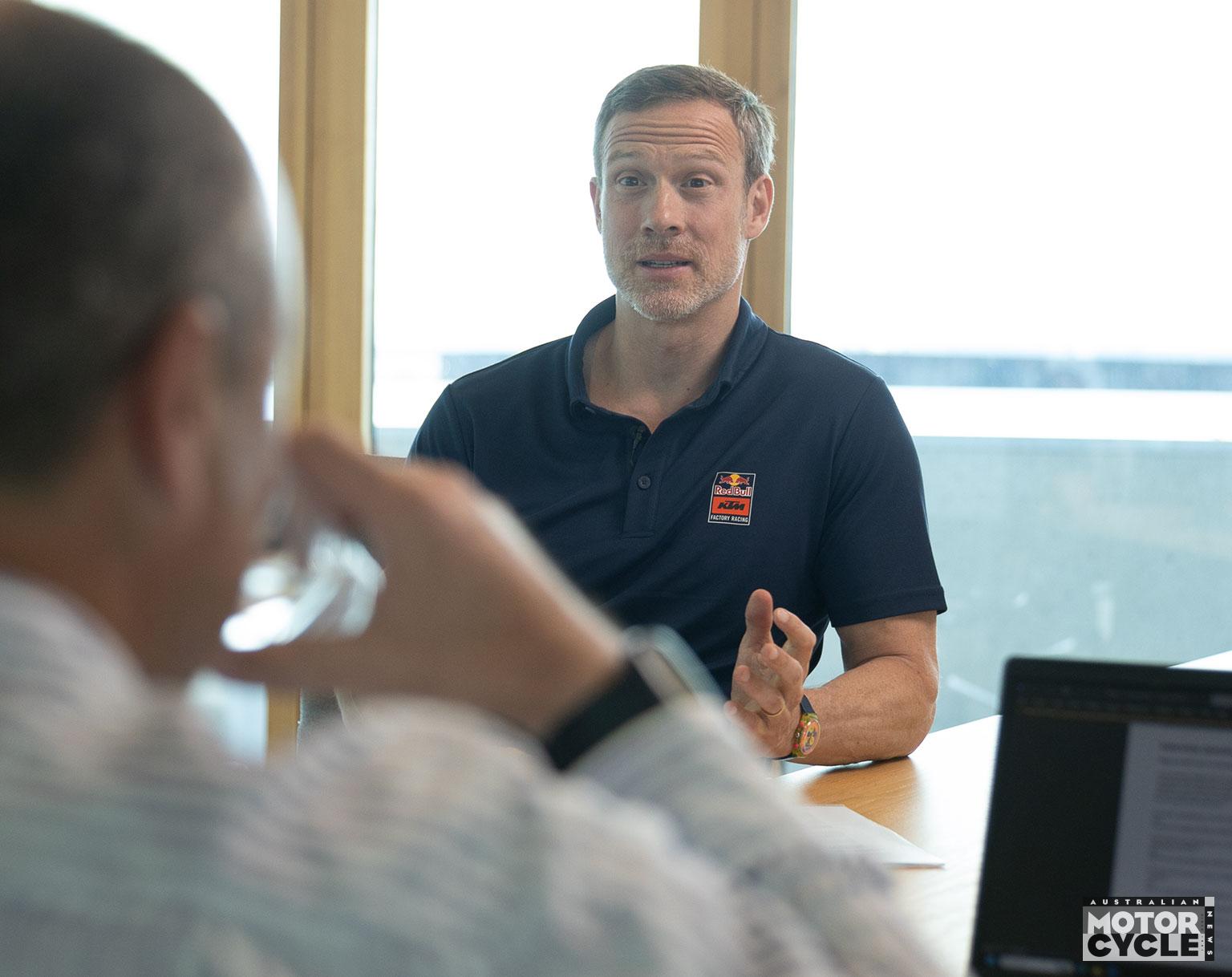
Placing the customer at the centre, putting a new focus on quality, rebuilding trust with customers and dealers and simplifying the model ranges – in this wide-ranging interview that took place at KTM’s Mattighofen HQ, Neumeister reveals his vision for the troubled Austrian manufacturer. He also relives the company’s fight for survival and lays out the crucial next steps.
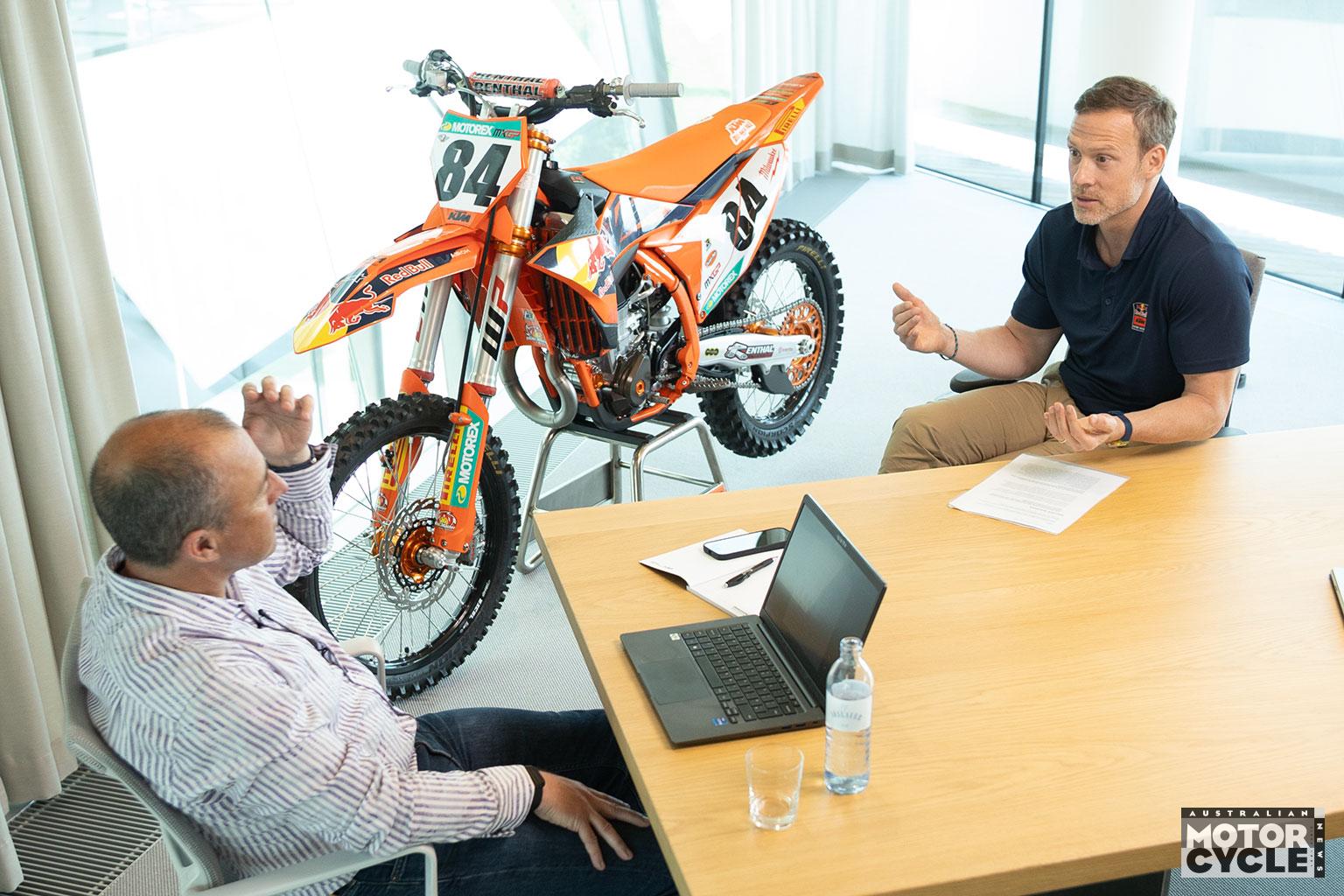
The problems with KTM
“It’s important to understand that the problems we have are unfortunately homegrown. It is not that the global demand for motorcycles dropped all of a sudden and everyone was in a crisis. There were three obvious reasons why the company came into that situation.
“Number one was the bicycle business. We lost 400 million euros in liquidity with our bicycles adventure. It is something that happened. We are not here to blame. The original idea was to sell bicycles alongside our motorcycles in order to capture customers early, to get brand loyalty. So maybe you are starting with an e-bicycle and then switching to a motorcycle. But the bicycle market dropped completely after Covid19. There was so much overproduction and then the demand dropped.
“Reason number two was the acquisition of MV Agusta came at a point when the company and all its financials were already stressed. In the end it cost not only the price of acquiring MV Agusta but also investing in working capital and paying off the losses. In total: 220 million euros. Those two numbers alone add up to 620 million.
“The third reason was neglecting the retail sales. There was a misalignment between wholesale and retail already back in 2022, maybe driven by goals and targets and incentives to become the biggest European motorcycle producer or other incentives.
“I don’t want to comment (on these) but clearly we filled up the sales channel with more than 70,000 motorcycles in 2022. We should have jumped on both brakes in 2023 but instead continued to fill up the sales channel. When I arrived (at KTM) there were 270,000 motorcycles ahead of us: 70,000 of our own stock and 200,000 with dealers and importers worldwide.”
“The good news is that in 2024 we had record sales. Despite all the negativity and bad news, we managed to sell 270,000 motorcycles to end customers – the highest retail number the company has ever achieved. As I said, it’s not because demand from our end customer had dropped. We are still struggling because in 2023, when again we tried to top the record result of 2022, there were at least 50,000 motorcycles pushed into the market with very long payment terms. It started off with 270 days payment terms and reached 360 days, which means that the working capital expanded like a chewing gum but never went back. This is why the net debt of the company increased in only 18 months from 240 million to 1.6 billion euros.”
Neumeister explored an out-of-court settlement but with no fewer than 101 banks and other financial institutions knocking at KTM’s door, insolvency proceedings with self-administration became the only acceptable option.
The rescue and Bajaj takeover
“Self-administration was important to keep the company alive. It was only the production company that was insolvent. The stock-listed entity was not in insolvency, neither were the sales subsidiaries. The whole idea of the restructuring was to keep those levels alive, continue to sell and steer through the 90-day insolvency proceedings with the production company.
“It was weekends, holidays, day and night to manage 90 days of fighting against insolvency. It was tough and intense, but we managed it and survived.”
Having come through the three-month insolvency process, the factory was able to restart production. “The next 90 days was about securing additional liquidity and looking for new investors. Managing old and new investors and their aspirations.”
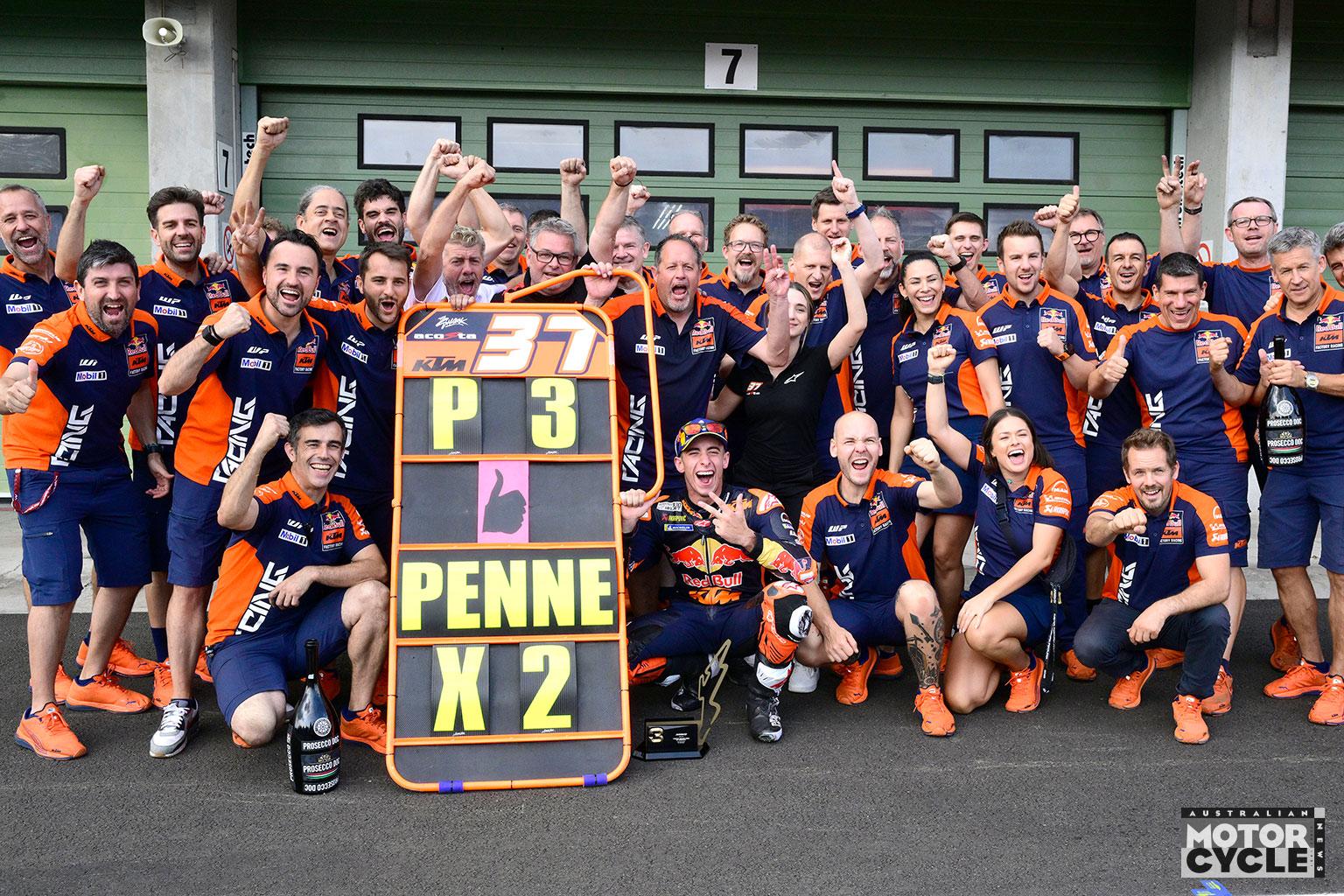
But then the factory had to stop production once again, creating yet more uncertainty. “During the 90 days of insolvency, we were not allowed to make firm commitments for the future. In other words, we were unable to make orders for spare parts, for example, without which you can damage your reputation.”
KTM and its suppliers held components sufficient for the production of 4200 motorcycles, or six weeks of production, but after that the cupboard was bare. When the factory emerged from the 90-day period, many of its suppliers, until this moment uncertain if KTM would even survive, had committed their production elsewhere and were unable to supply again for several weeks. KTM suddenly found itself at the back of the queue.
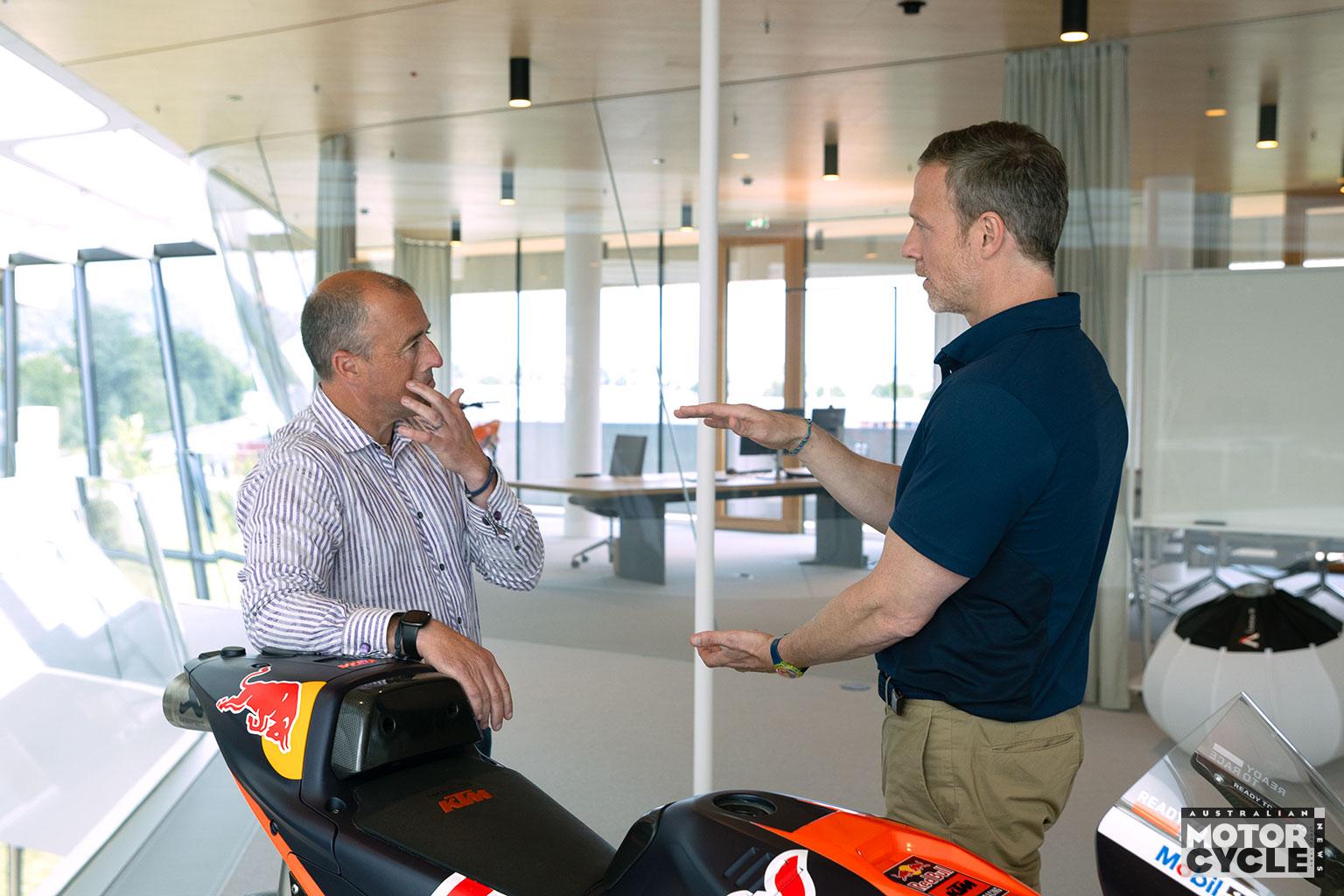
“It was my call to stop production, and a tough time for our employees. We had either the option to lay off 1200 people or to stand together as the KTM family with everyone sacrificing 20 per cent of their salary so everyone could stay on the payroll – which we did. I am proud of the commitment of the workforce. It showed how strong the company is and the loyalty to the brand.
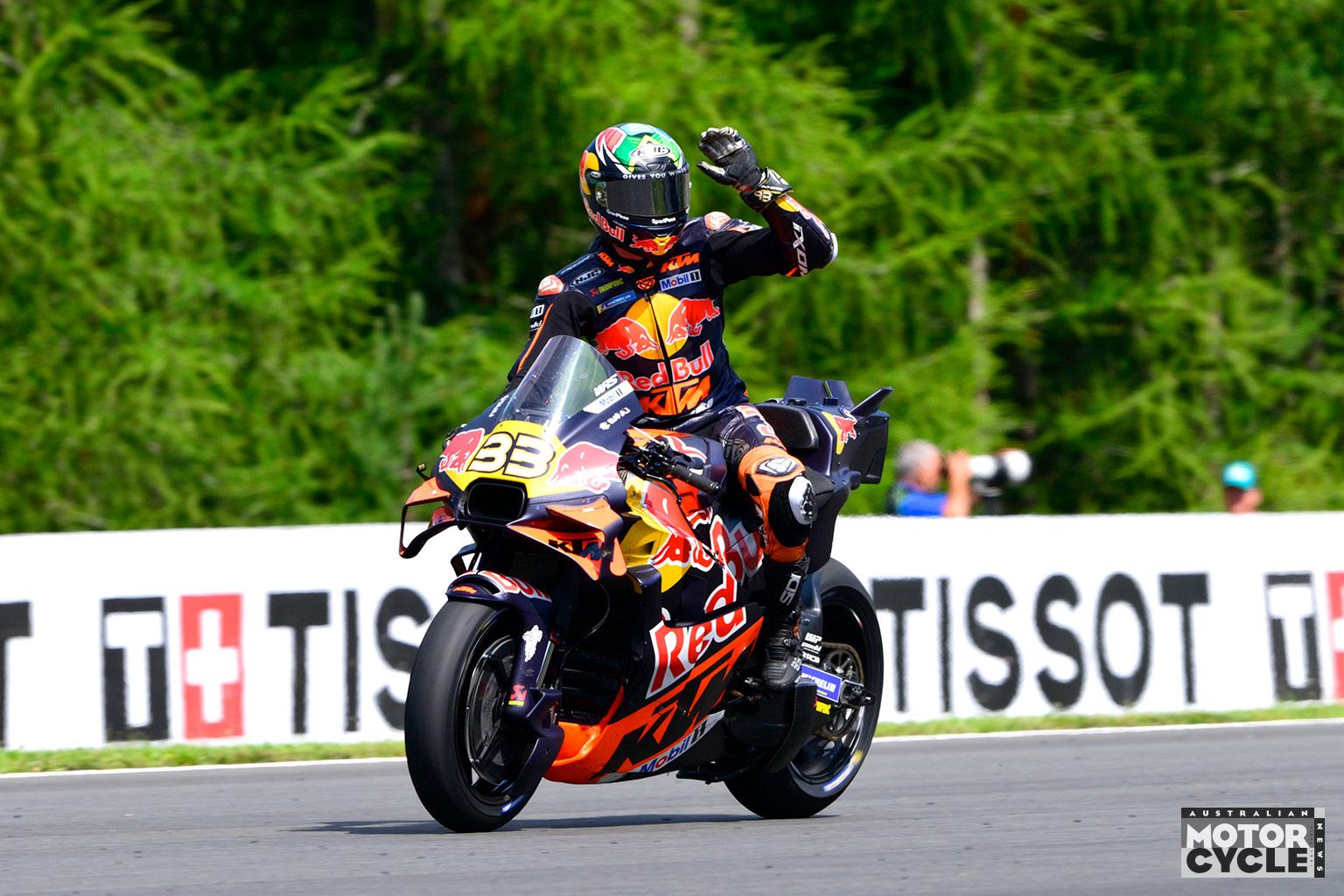
“Thanks to Bajaj we now have received sufficient funds to first get out of insolvency. We needed 600 million euros to pay off old debt and we have enough liquidity to now really restart the company.
“Before there can be a change in ownership, you need to get all the regulatory approvals in each and every country where both companies are active. So, at the moment, nothing has changed.
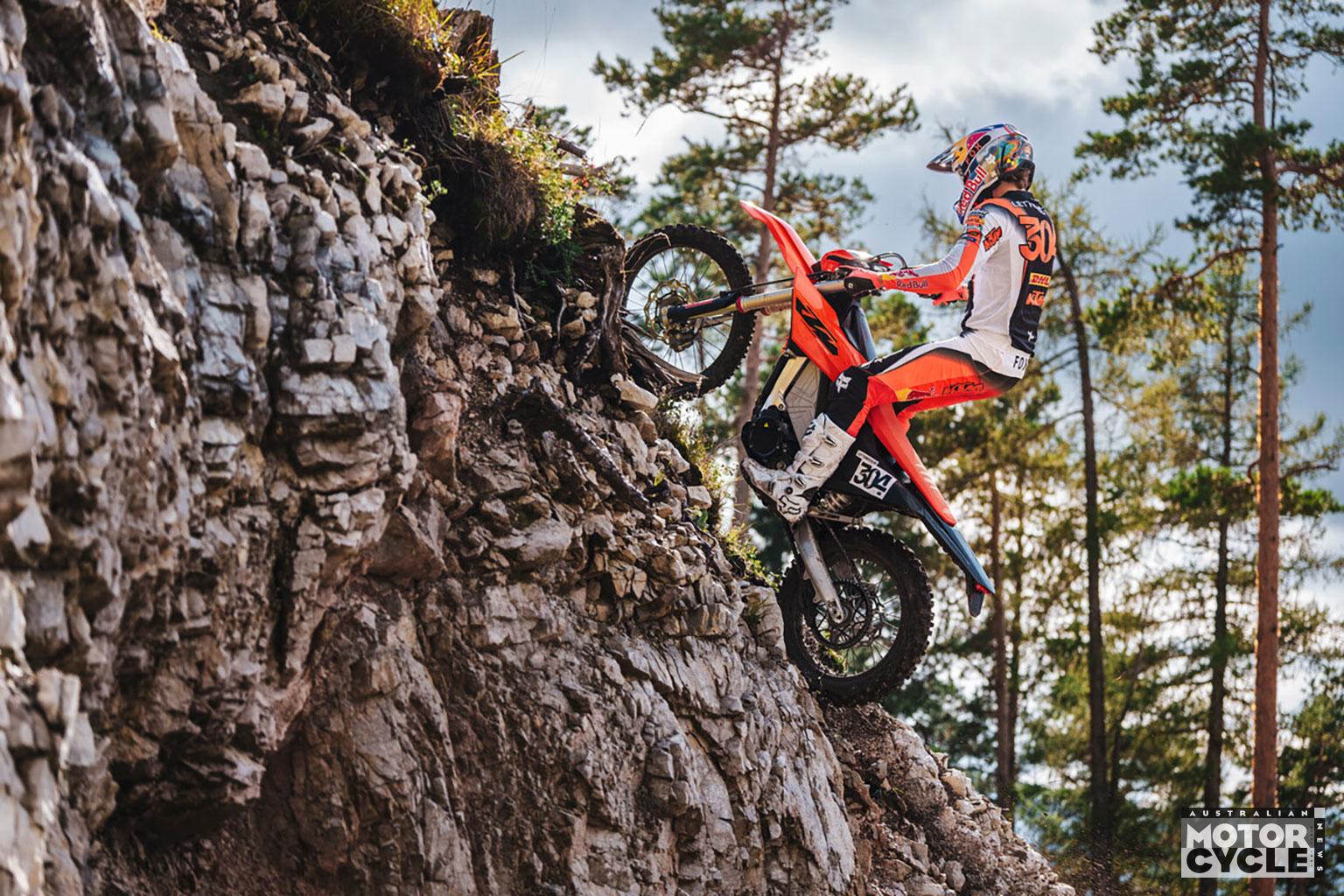
“Bajaj is the very best solution for KTM because we’ve been working together for 17 years – so it’s about stability and continuity. Bajaj is a highly professionally-run company, which we can learn a lot from. On the other hand, Bajaj is convinced we have great employees and great know-how here in Austria. We have proven to be the best with the most competitive motorcycles in the world. Our technicians and engine and chassis engineers are some of the best in the world. And that’s why they (Bajaj) have also made that choice to invest and take on that debt.”
The state of KTM today
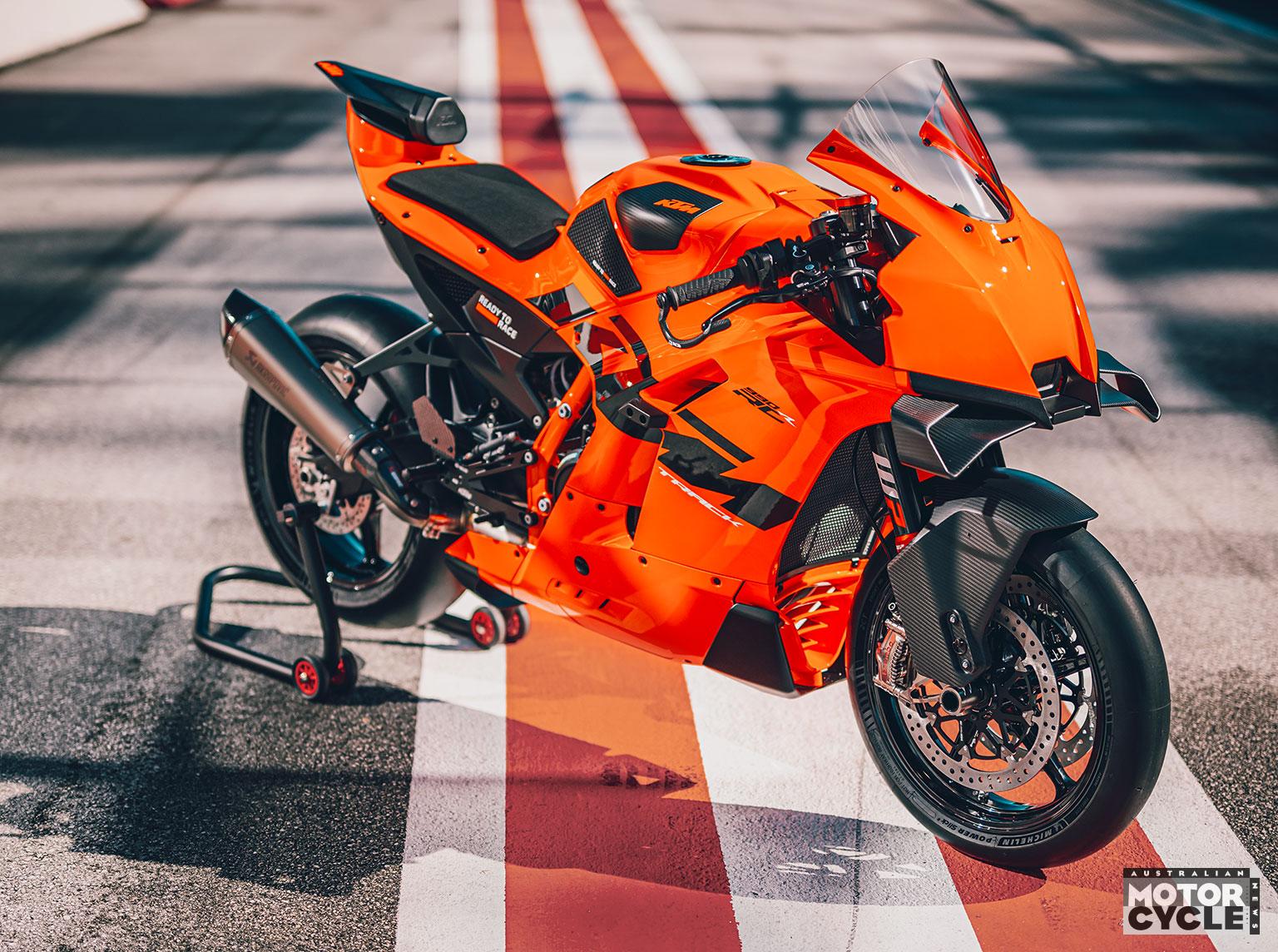
“We will resume production on 28 July, starting with assembly at maximum capacity of one shift for the next one-and-half years (not the normal two shifts).
“The inhouse production of our engines, frames, exhausts, suspensions has already resumed (knocks on wood), ready for assembly on the 28th.
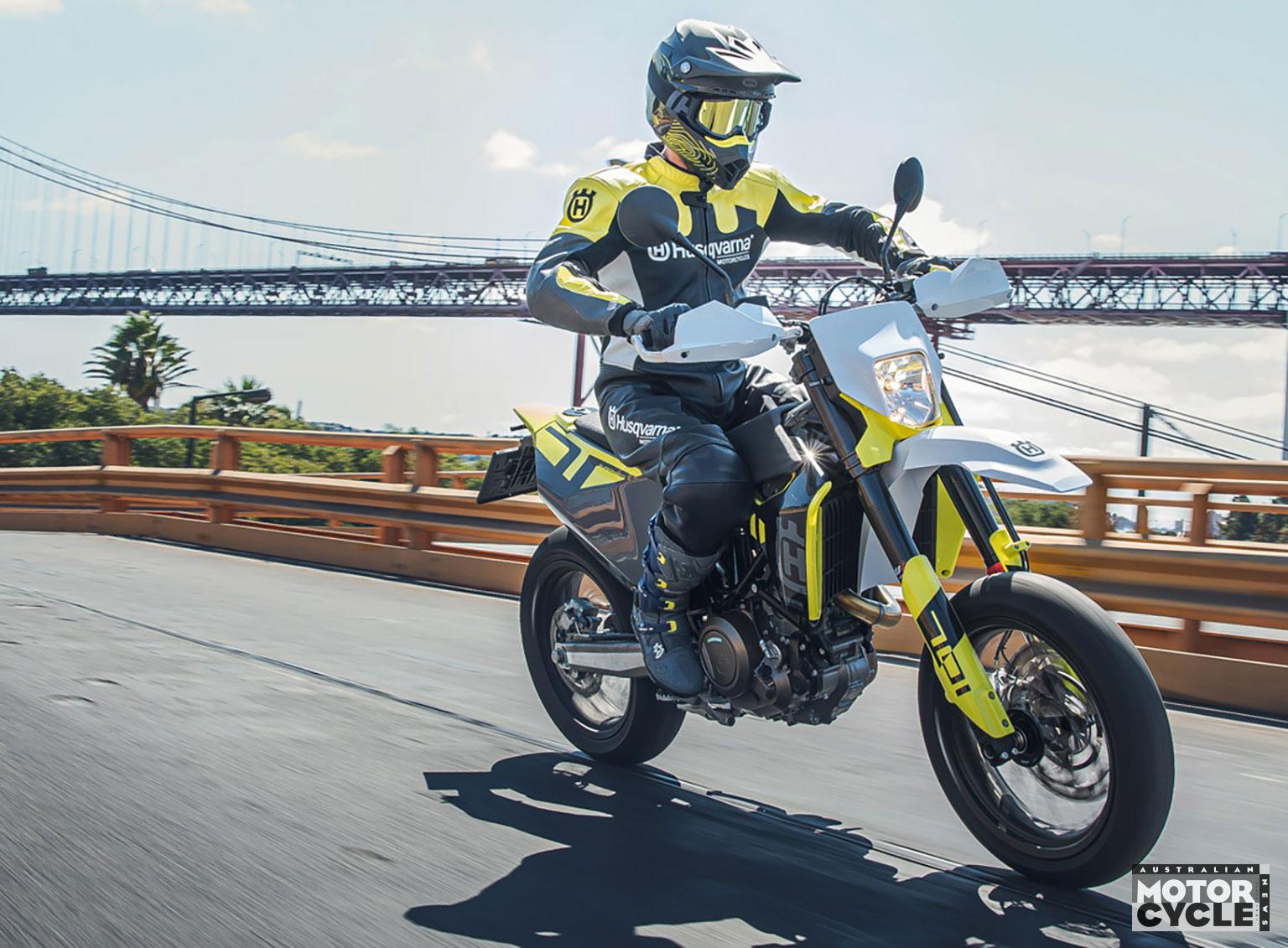
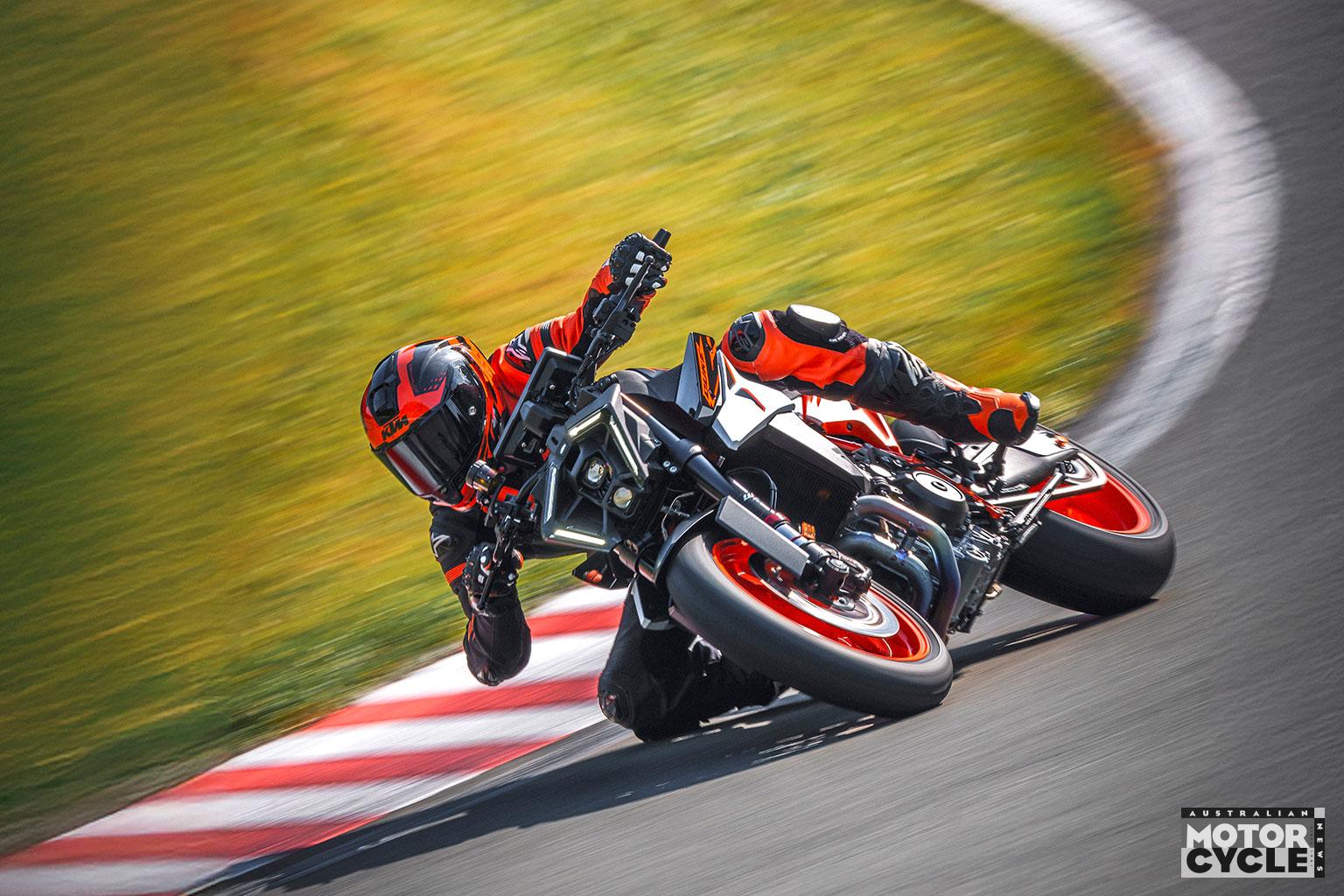
“The assembly will start with our LC4 model range, KTM 690s and Husqvarna 701s, then motocross and enduro. Later in the year it will be the mid-class streetbikes: the KTM 990 Duke R, KTM 990 RC R in November and the KTM Freeride E, which might slip to January. We’ll produce 56,000 motorcycles out of Austria for the remainder of the year, and this will go up to 110,000 to 120,000 next year.”
Restructuring KTM
“The headline for the restructuring is focus and simplicity. The most immediate steps to the restructuring is to get rid of the bicycle business. That will be done by the end of the year.
“MV Agusta was a great brand to invest in but they only produce 2500 motorcycles (a year). If we in Austria told them how to design their motorcycles, it would kill their heritage, so not a good idea. There is no production synergy between 2500 motorcycles and 300,000 motorcycles production volumes, and neither were there any synergies in the sales force. Great brand, great people but not the right timing or fit and it did not make sense to continue. Also, the decision to stop selling for CFMoto was jointly taken with our partner as we need to refocus on our own brands.
“We are far in the process of selling the X-Bow car. We sold 36 last year. Again, a super project and we’ve proven what we are capable of and have one of the best engineers in the world. But the project does not help us to sell motorcycles.”
Restoring trust
“There is a wide model range. We have, for example, 84 enduro and motocross models across three brands globally. It is something on which we need to focus.
“It is our strength and USP (unique selling proposition) to have the right engine (capacity) for every rider. Nevertheless, to have, for example, six 300cc models means complexity and a lot of potential to streamline.
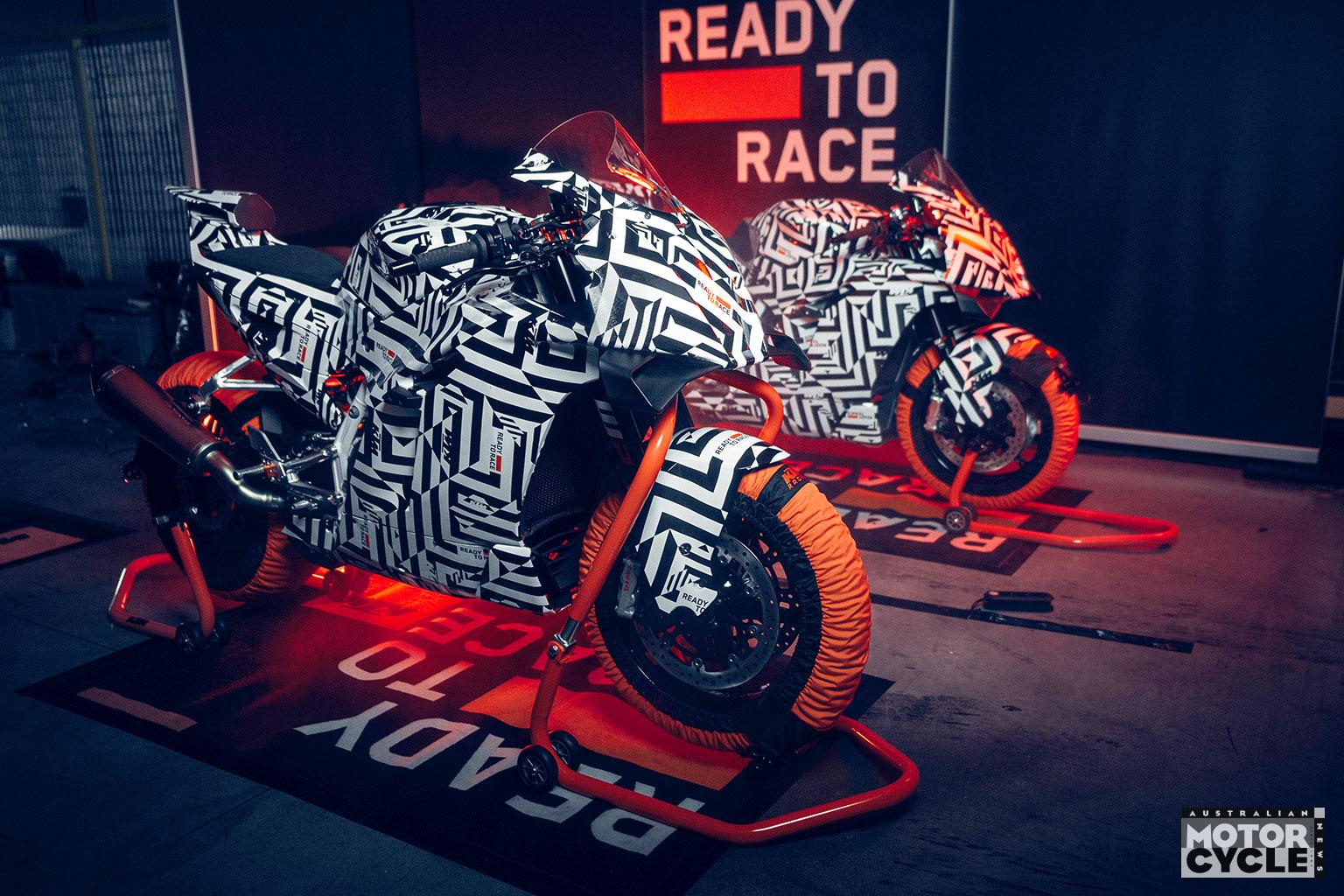
“So many good things have been done in the past that we do not need a radical change, but there are some things that need a rethink – an adjustment. For example, the Ready To Race tagline is super for our offroad range. You can take our bikes and start racing without changing anything. But for our adventure bikes, I’m not so sure.
“For me, an adventure model is like a Swiss army knife. It has to be universal. Sometimes I need to go to the city, sometimes I’m touring on a country road or riding on gravel or up in the mountains… You don’t want your bum to hurt after 500km. So we have to listen. To put our customer in the middle of everything we do.
“We initiated the Orange Blood campaign and board because we wanted to invite 15 of our loyal customers to, like a supervisory board, tell us what we are doing wrong and give us feedback. More than 5000 people globally said they would like to sign up for free and help the brand. This is very encouraging. This is not a marketing stunt. The board has already been selected with the first meeting held at the end of July.
“Our brand is our USP, it’s the core part of how we differentiate from other manufacturers. KTM has a very strong profile, we have such a loyal customer base. Of course, we lost a lot of trust; a lot of things were destroyed, so it’s important to reinstate that trust. For me, it’s important to listen, to establish the right structure and put the customer and the quality first.
“If we produce the right quality, the revenue and profits, everything else will come.”
The future of Husqvarna Mobility and GASGAS
“The most important thing to do now is to secure the company, secure its liquidity, give confidence to the employees and the markets, to order spare parts again. How many brands to continue is a strategic decision which we will not make in the blink of an eye. It needs thorough market research. We need to understand the heritage and strength of each brand. It’s something we should decide over the next couple of months and should be a fact and data driven decision.”
KTM’s message to dealers
“Part of the restructuring was being brave enough not to make sales for six months, and the most pressing question now is: When are dealers getting new bikes?
“We needed this time to allow the market and our dealers to get unsold stock down. But you can only incentivise a certain group of customers with a discount on a 2024/25 model, while it’s also important we don’t become a discount brand. So, this whole process needed to be done relatively quickly because there are customers waiting for, say, the new KTM 390 Adventure X and R, the new KTM 990 Duke R, new KTM 990 RC R and new offroad models.
“So, it is essential to restart production on 28 July and the important message to dealers is that they will get new models; the whole model range we showed at EICMA last November. We have spent a lot of R&D effort to develop those motorcycles, and they are ready to be rolled out (in the sequence described earlier). So dealers will have new motorcycles and stories to talk about and, equally important, spare parts. We also have an initiative to help dealers with courtesy bikes to support customers and have a new software solution to simplify processes and help dealers engage with us.
“Most important is us being responsive. Being there for dealers and to work to solve tickets (issues) quickly.”
How will KTM refocus its sales strategy on the customer and quality?
“If you are trying to push only numbers and sales, (uneven quality) is the result. You just try to do everything quicker and quicker. We have given ourselves a very conservative budget for the next five years where it’s not about achieving record sales. It is not about units. If we think about our customer and our quality, the rest will follow.”
KTM in 12 months
“In the perfect scenario, we will have regained the focus on the essentials. We have put the customer in the centre of all our doing, we have helped our dealers work off their inventories – which was not their fault – and re-established a very good relationship with them, being generous with both our customers and our dealers. We have also extended warranties to four years because the new approach will be quality driven. We will also have won some races and still be on top.
“We became a tanker, but we need to become a speedboat again; it’s not a goal to be the biggest, I’d rather be the best and most profitable.”
Racing and the future of the MotoGP project
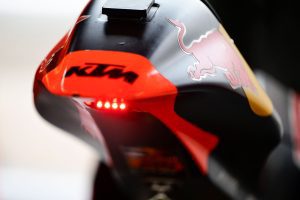
“READY TO RACE will remain the core of everything we do; motorsport is a key part of our DNA. There is no question mark around our engagement in motorsport.
“Cutting back on racing is an obvious option but the ‘win on Sunday, sell on Monday’ mantra worked well for KTM for decades. We’re not known for selling the most comfortable or quietest motorcycles in the world; we’re known for extreme motorcycles. You can fulfil things on a KTM that you cannot fulfil on any other bike.
“I am asked: Will we continue in MotoGP? How important is it? I think no supplier can currently answer that. It will depend on the new regulations for 2027. I think the best thing that can happen to the sports is Liberty Media, who have been incredible for Formula 1. The viewers have doubled, close to 50 per cent of all new viewers are women.
“I think their long-sighted approach will enrich our sport and bring a lot more attention (and fans).
“Nevertheless, in Formula 1 there was a cost cap, which helped all teams and also smaller teams to be competing. That’s important. So is a concord agreement: how you distribute the income for that series towards suppliers. Once you know how the set-up will be, you can really make a decision.
“I am personally a fan of MotoGP. Competing in the highest class and leading two big main competitors who have a lot more funds than we do shows that we are racing. You can argue that it isn’t translating (into sales) because we don’t have the model range. But I think KTM is known from Buenos Aries to Bangkok because of 21 different MotoGP races happening around the world. We’ve proven that with a much smaller set-up we can compete against any other manufacturer.
“But we will have to see what the new rules and regulations are to see if it makes sense to continue or not. We have to fulfil this answer with our own business plan. It has to make sense for our whole company. Staying in MotoGP because the equity value of the team is increasing shouldn’t be the reason. It has to make sense for our own marketing and research purposes. Partnering with someone might be an option. I’m open to options.”