From bicycle blacksmith to GP glory, we trace the fast-paced evolution of Italy’s most daring motorcycle brand
This year marks 80 since Aprilia was established in the northern Italian town of Noale, and 40 years since it began roadracing. Within two decades the brand was a force to be reckoned with on the street and in a variety of motorsport disciplines. Halfway through this MotoGP season, Aprilia sits second to Ducati in the Constructors Championship so it’s timely to take a closer historic look at this innovative brand.
Bicycles first
Although the Aprilia brand dates back to 1945, Ivano Beggio, the son of founder Cavalier Alberto Beggio, is responsible for turning it into a motorcycle company. Alberto had started manufacturing bicycles soon after World War II as Italy’s manufacturing industries were being reborn out of the wartime devastation. Quality was his trademark and he wanted that to be reflected in the brand name: Aprilia. In ancient Latin, Venus Aprilia was a description of the Venus goddess, so it means ‘beautiful’.
Alberto set high standards for himself and his company. For example, he owned an exotic Lancia Aprilia car, one of the first to be designed in a wind tunnel. Quality always came first.
Alberto’s Aprilia started small as a traditional bicycle blacksmith in Noale, a mediaeval-looking town. Ivano grew up with his father’s philosophy and worked in the business from an early age. However, a bicycle was only interesting to him if it had an engine fitted, because Ivano had a great passion for off-road riding and that was a lot easier to do with a motorcycle than with a bicycle.
After several motorcycle experiments in the early 1960s, Ivano got his big chance in 1968 when he took over the management of the Aprilia factory. He didn’t waste any time. Bicycle production was quickly ended, the factory was modernised and motorcycle production started.
Like many similar Italian motorcycle companies before him, Ivano started off with 50cc models.
Humble beginnings
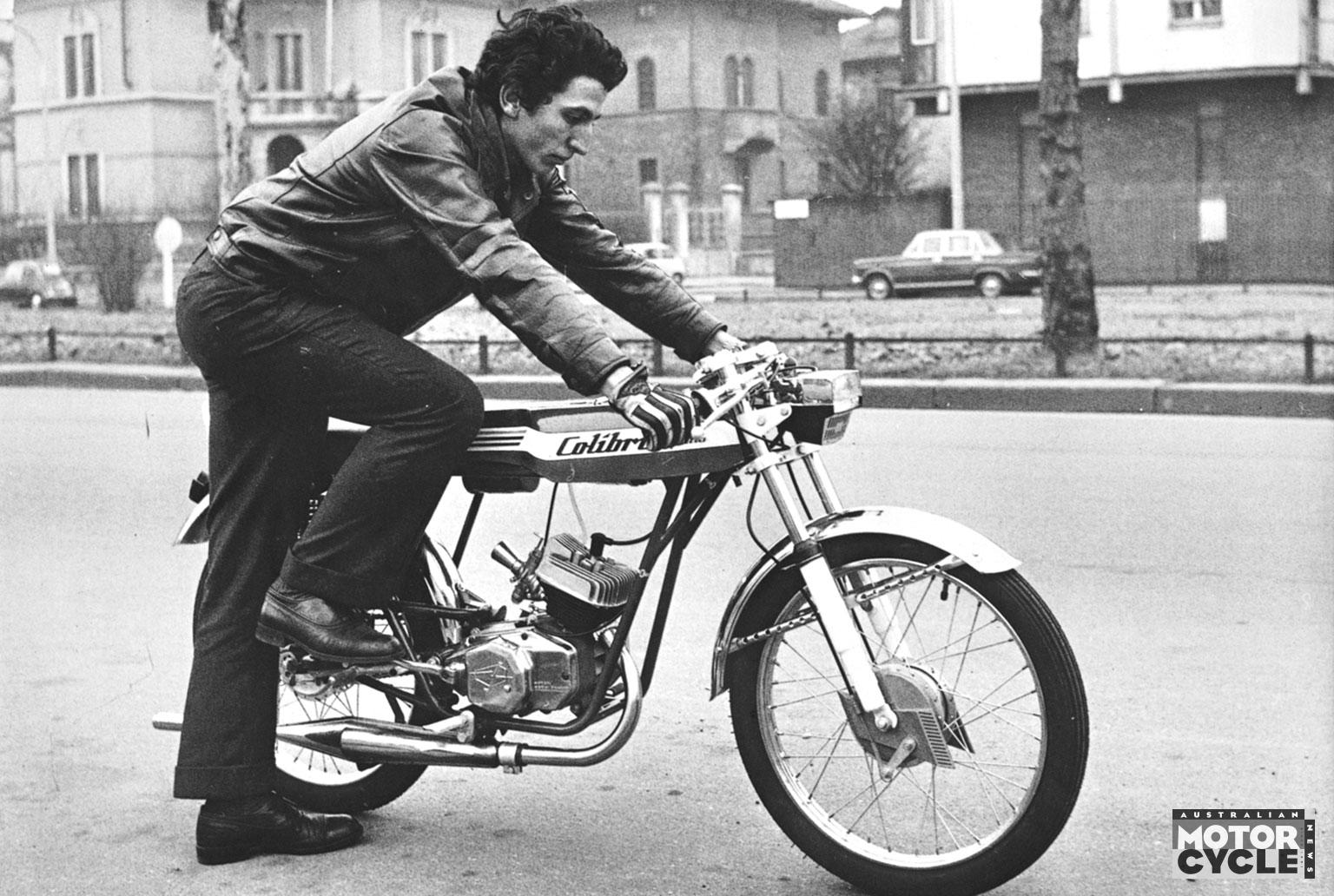
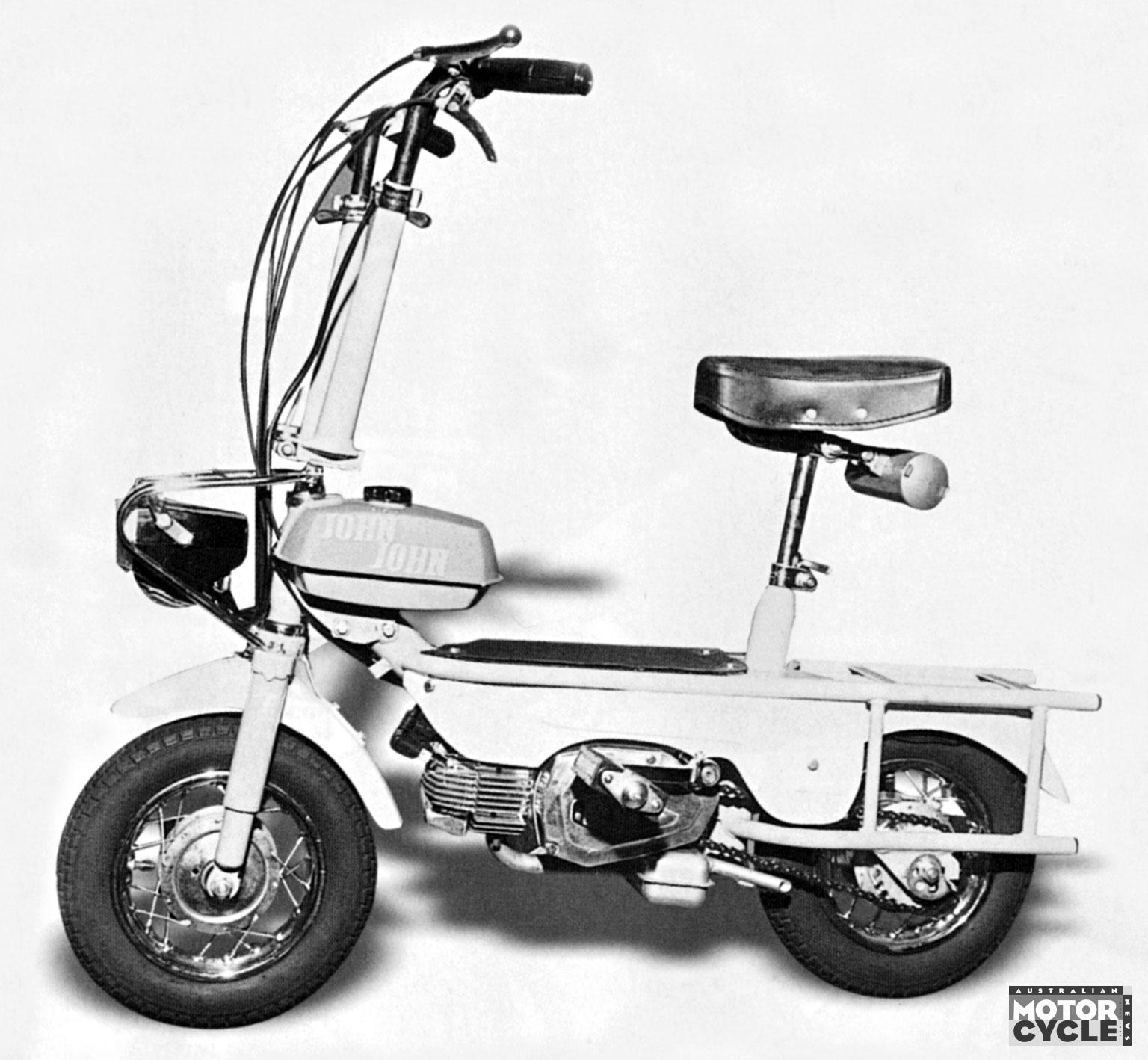
The first models were developed during brainstorming sessions between Ivano and his friends. An example of this is the Daniela, named after Ivano’s sister. It was a moped with 10in wheels and a Gyromat 50cc two-stroke engine. Very different was the Colibri, a sporty model with a Franco Morini 50cc engine.
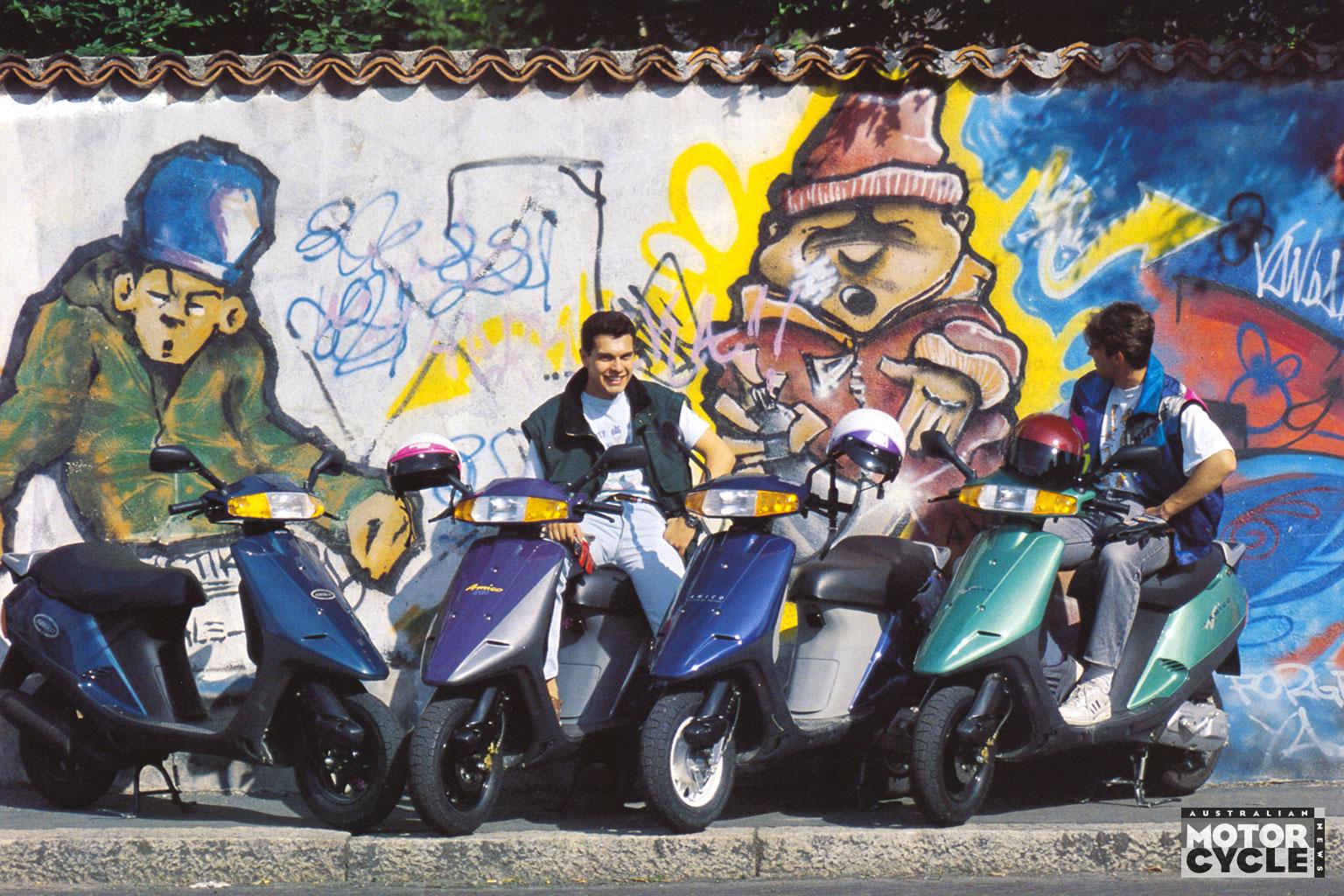
Aprilia cashed in on the chopper craze sparked by the 1969 movie Easy Rider with the Amico, a mini-chopper. This showed how Aprilia could quickly recognise market opportunities.
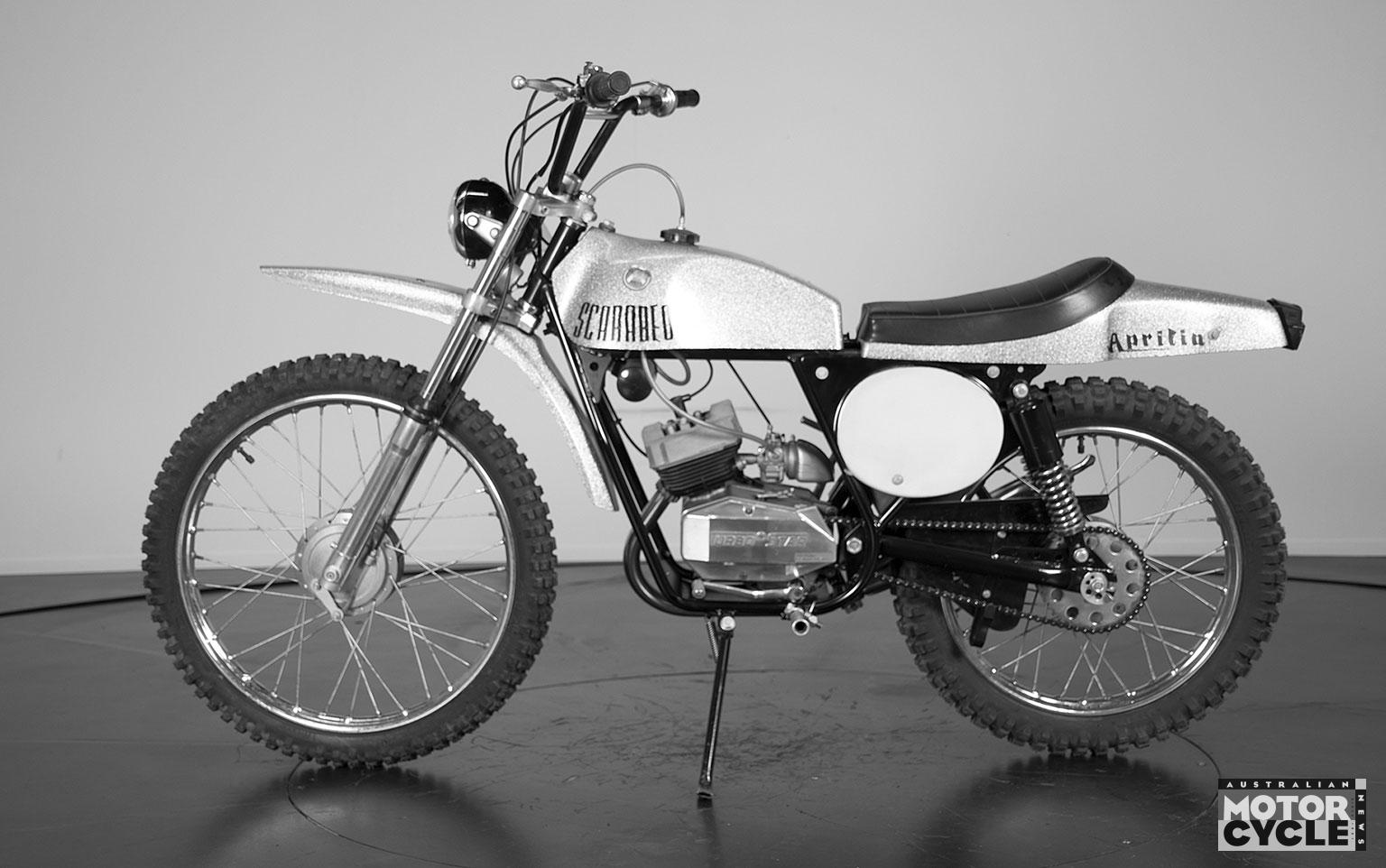
Production really took off when Aprilia released the Scarabeo. Shown to the public for the first time in January 1970, the Scarabeo looked like a serious off-road machine, powered by a 50cc Franco Morini Turbo Star engine delivering 4.5kW (6hp) at 8500rpm. This 50cc motocross model immediately became popular at a time when off-road riding and competition were starting to boom. Aprilia started participating in off-road competition, a hint of what was to come.
In 1971, Aprilia showed a 125cc version at the Milan Motor Show and the first step towards larger models was taken. The Scarabeo would prove to be a real sales success for Aprilia right up until the end of the 1970s.
Aprilia’s first racing hero
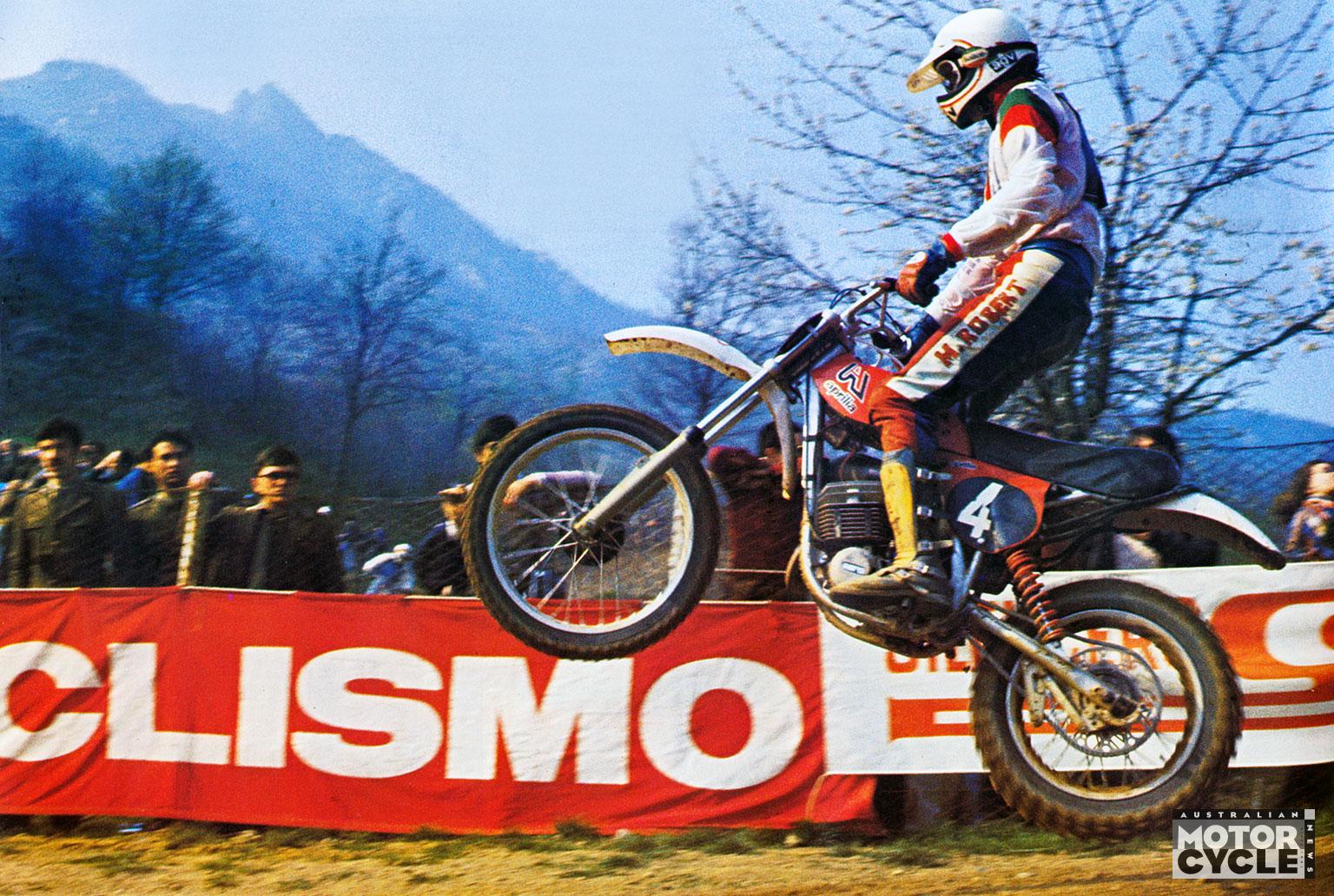
The Scarabeo’s success inspired Ivano to take on Italy’s national motocross classes in 1974 with newcomer Maurizio Sgarzani. Encouraging results saw Aprilia establish a dedicated race department (Reparto Corse) in 1975, led by manager Maurizo Roman and designer Franco Frison. In 1975 they unveiled a beautifully constructed 125cc motocross racer powered by a Sachs engine. This was upgraded in 1976 with a tuned Hiro engine and an extremely talented rider, Ivan Alborghetti, was hired. The team worked hard on a new 125cc and 250cc motocrosser for the 1977 season and, despite tough competition, Alborghetti won the 125cc and 250cc titles.
In 1978 Aprilia took on the 125cc Motocross World Championship where Alborghetti finished sixth, just ahead of teammate Gote Liljegren – at the time, the best result by an Italian motocross rider.
Although most of the Aprilia production still consisted of mopeds and light off-road motorcycles, two new models were derived from Alborghetti’s GP motocross machine: the MX125 motocrosser and the RC125 enduro. From this moment on, Aprilia really started to make a name for itself as a brand. Production now consisted largely of the heavier off-road motorcycles, although masses of 50cc machines in all kinds of designs were also produced. Aprilia was doing well financially.
Decade of change
In 1980, Ivano drastically changed Aprilia’s production. Rather than making most of the components itself, Aprilia switched to using external suppliers for the manufacturing of all parts and engine components. At the time, this was a novelty in the motorcycle industry on this scale. In the 1980s, Aprilia expanding production to include enduro, motocross and streetbikes.
Another segment was added in 1981 when the TL320 came onto the market. This was Aprilia’s first trials machine, although it wouldn’t be the last as Tommy Ahvalla won the 1992 World Cup trial on an Aprilia Climber model.
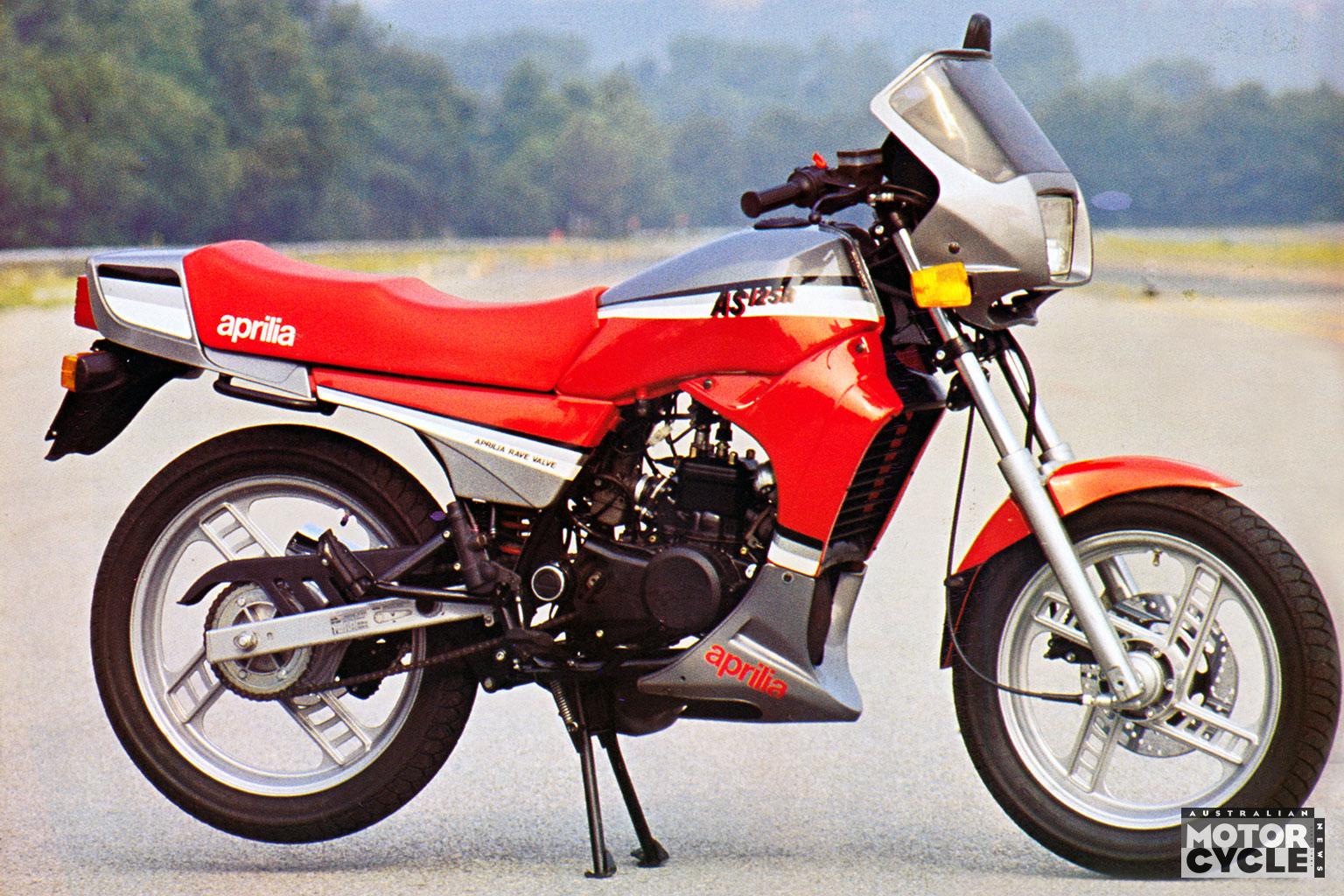
The liquid-cooled ST125 was launched in 1983. This was a pretty, sports-oriented streetbike that was further developed into the sportier STX that appeared in 1984.
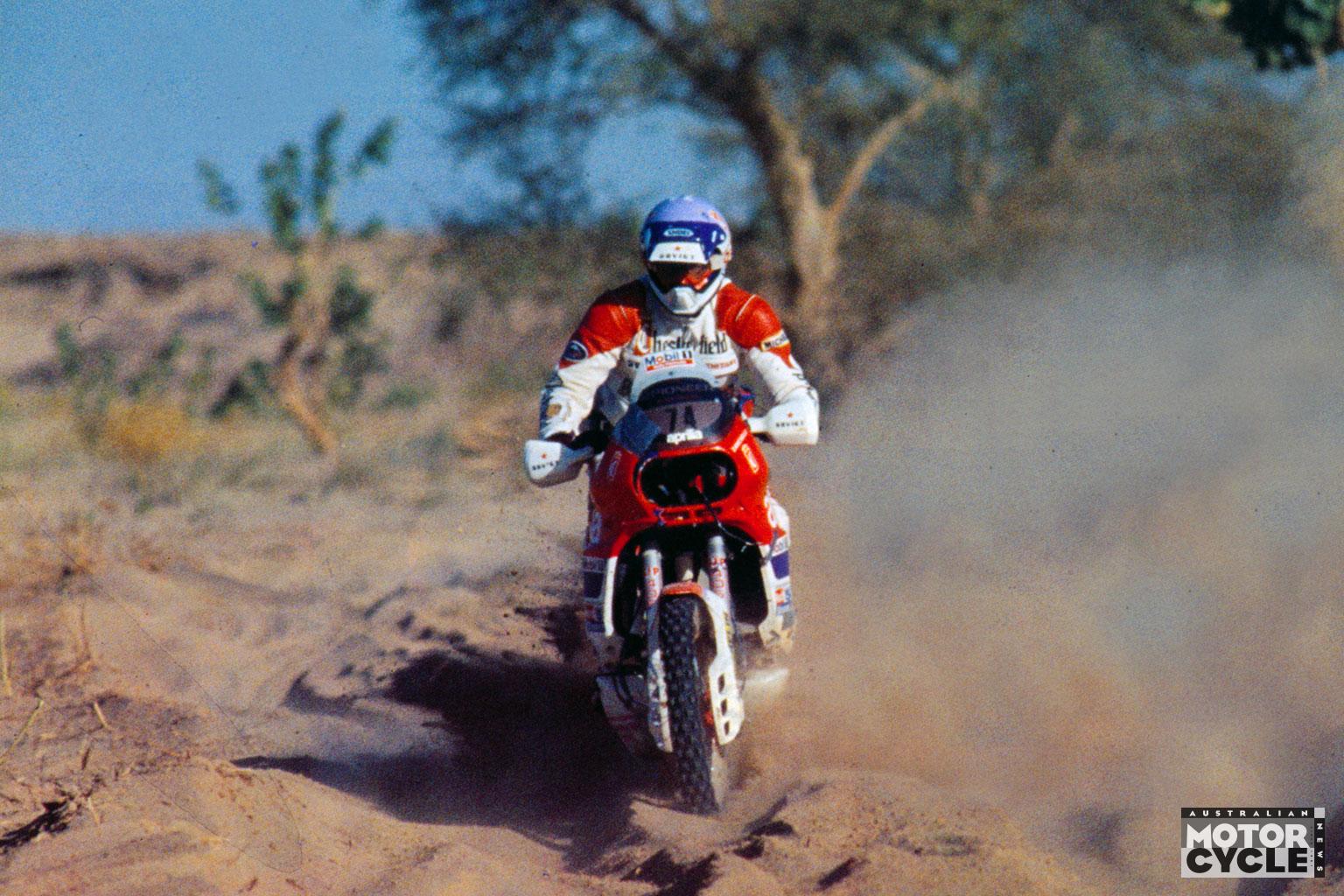
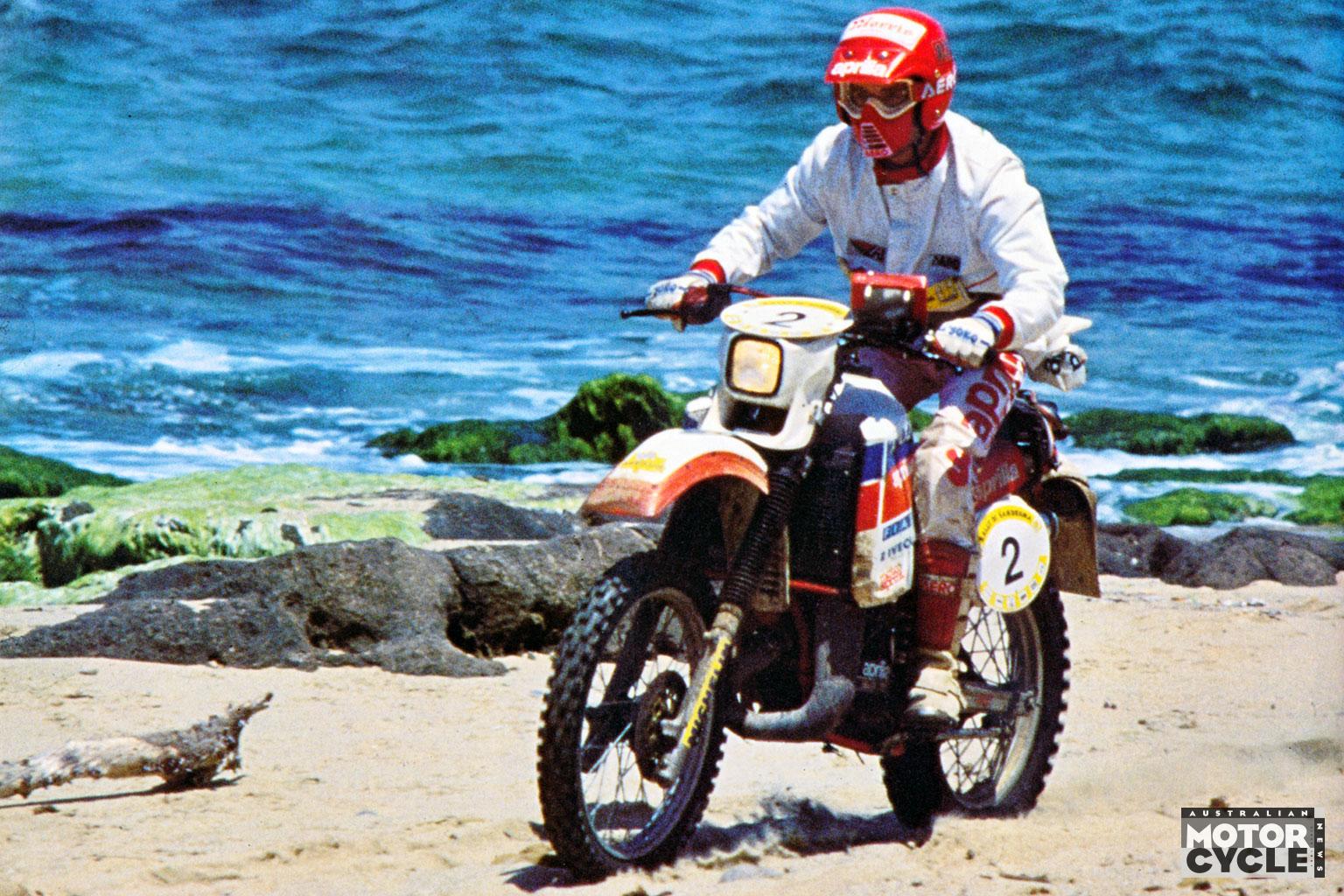
The ET50 enduro from that period also sold well. Aprilia based a lot of its off-road models’ sales success on participation in rallies such as the Djerba 500, the Morocco Rally, the famous Touareg Rally and the Sardinia Rally.
In 1985, Rotax became a major supplier of engines. The first Aprilia model with a four-stroke Rotax engine was the 1985 offroad ETX350. Its 350cc SOHC single-cylinder engine was equipped with four valves. The 125 and 350STX models also got Rotax engines.
The relationship expanded with Rotax also building two-stroke engines for road racing. Aprilia was poised to take advantage of the growing popularity of the 125cc and 250cc road racing classes. Ivano thought a racing replica for the street would also be a commercial possibility. These were exciting times for the ever-expanding company.
A runaway success
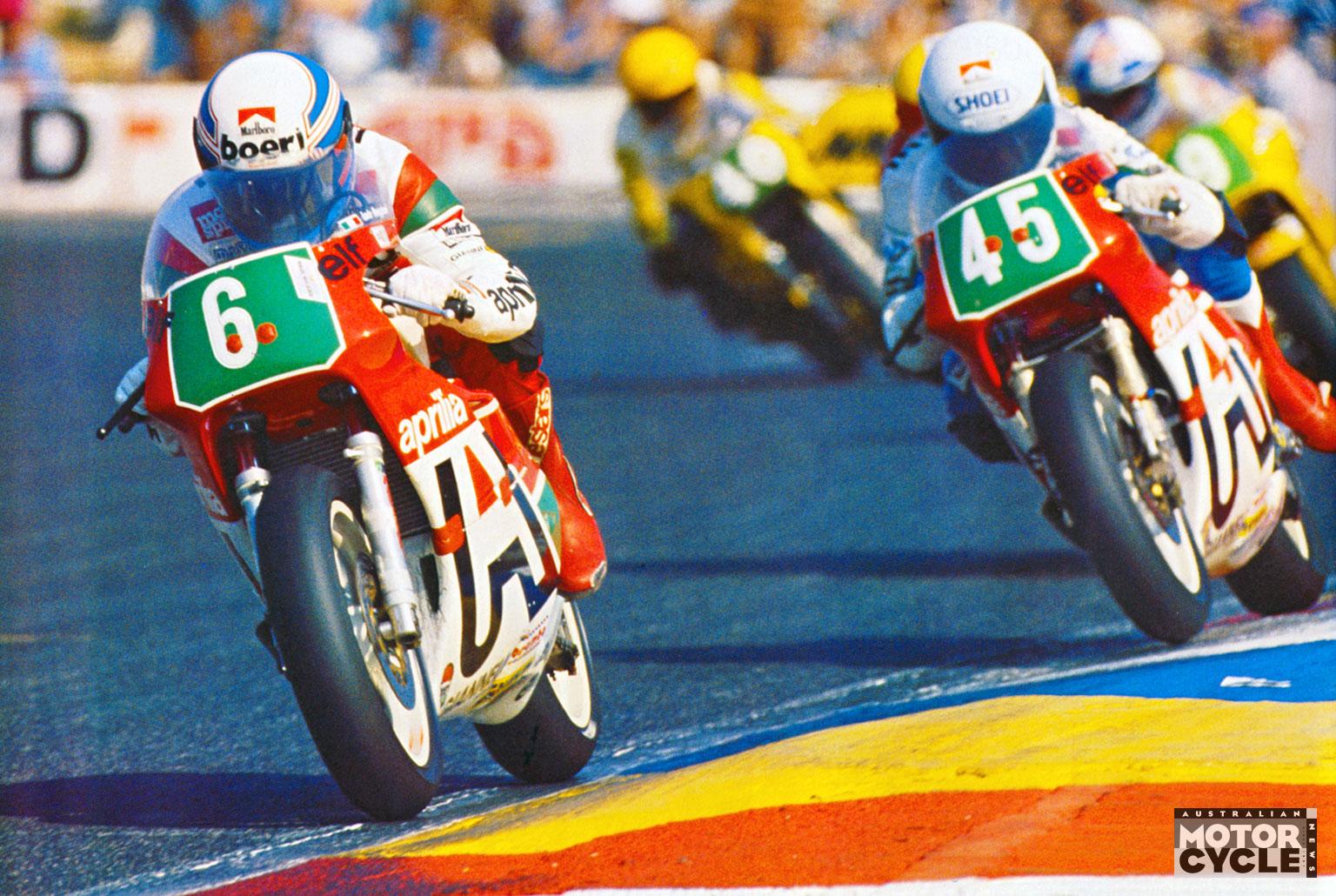
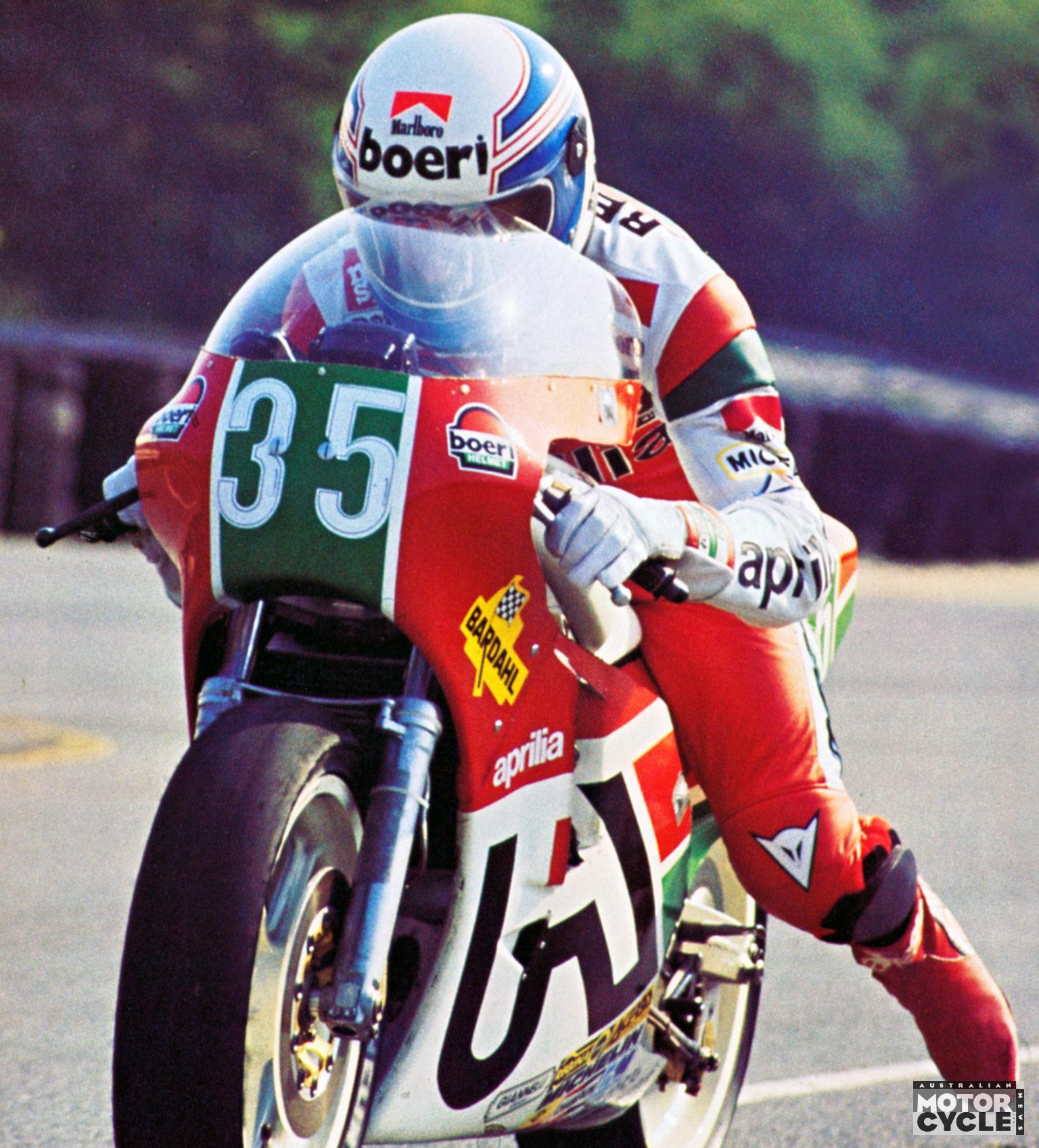
Aprilia made its formal road racing debut on 23 March, 1985, when factory rider Loris Reggiani qualified at the 250cc GP at Kyalami in South Africa. His 12th place finish saw Aprilia push development, and Reggiani finished the season with podiums in Rijeka and Misano, an extraordinary feat in the first year of GP racing and very much a sign of things to come.
Aprilia introduced the AF1 in 1986, a sporty 250cc street model much like Reggiani’s racer in appearance. It was Aprilia’s first ‘racing replica’. In addition, the Tuareg off-road model was launched, with its large fuel tank clearly referencing Aprilia’s successful desert racers.
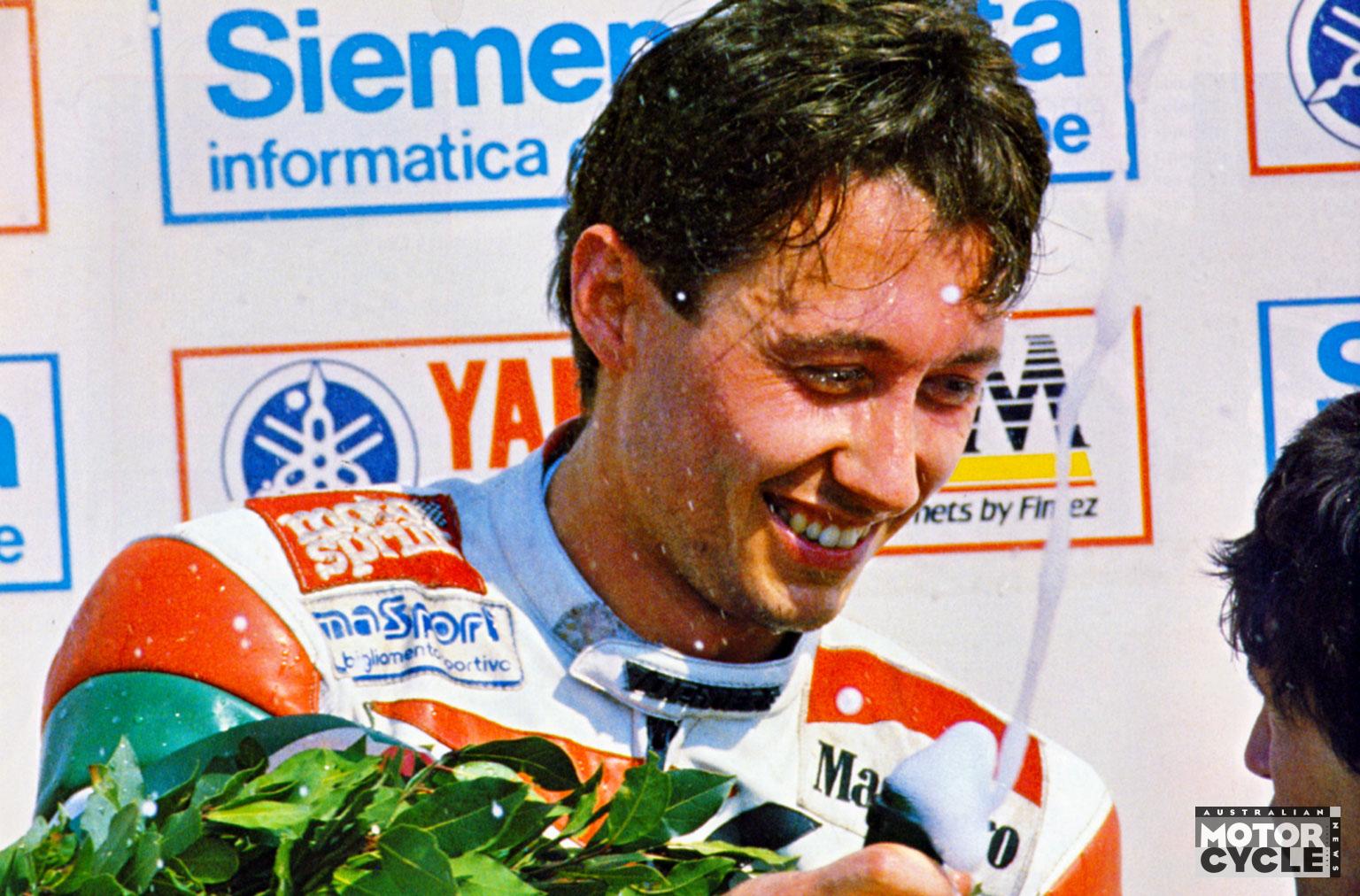
Reggiani’s 1986 season was hampered by a major crash. But he bounced back; on 30 August, 1987, he won the 250cc GP of San Marino at the Misano circuit with his Aprilia AF1 factory racer. It was Aprilia’s first GP victory but it didn’t stop there.
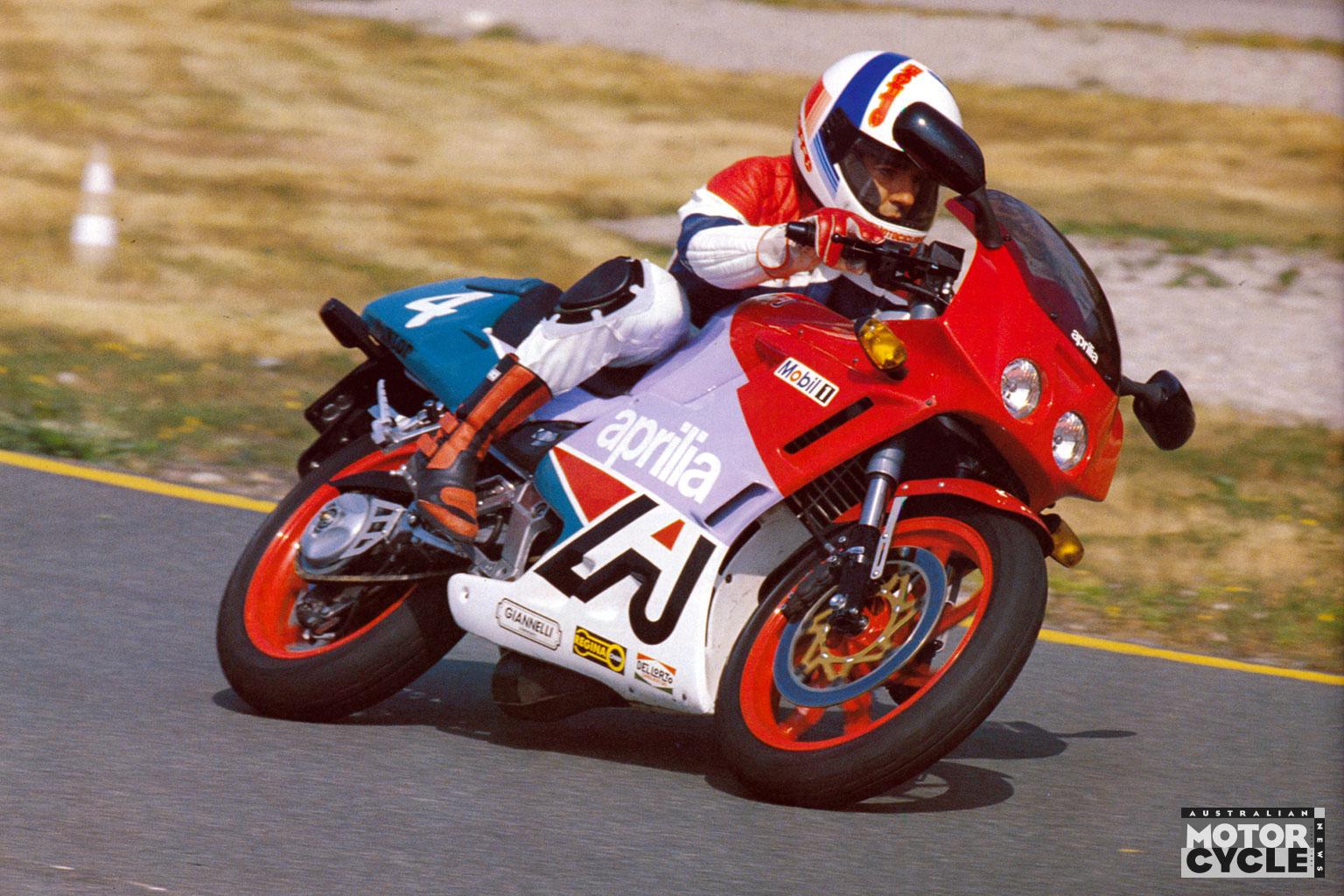
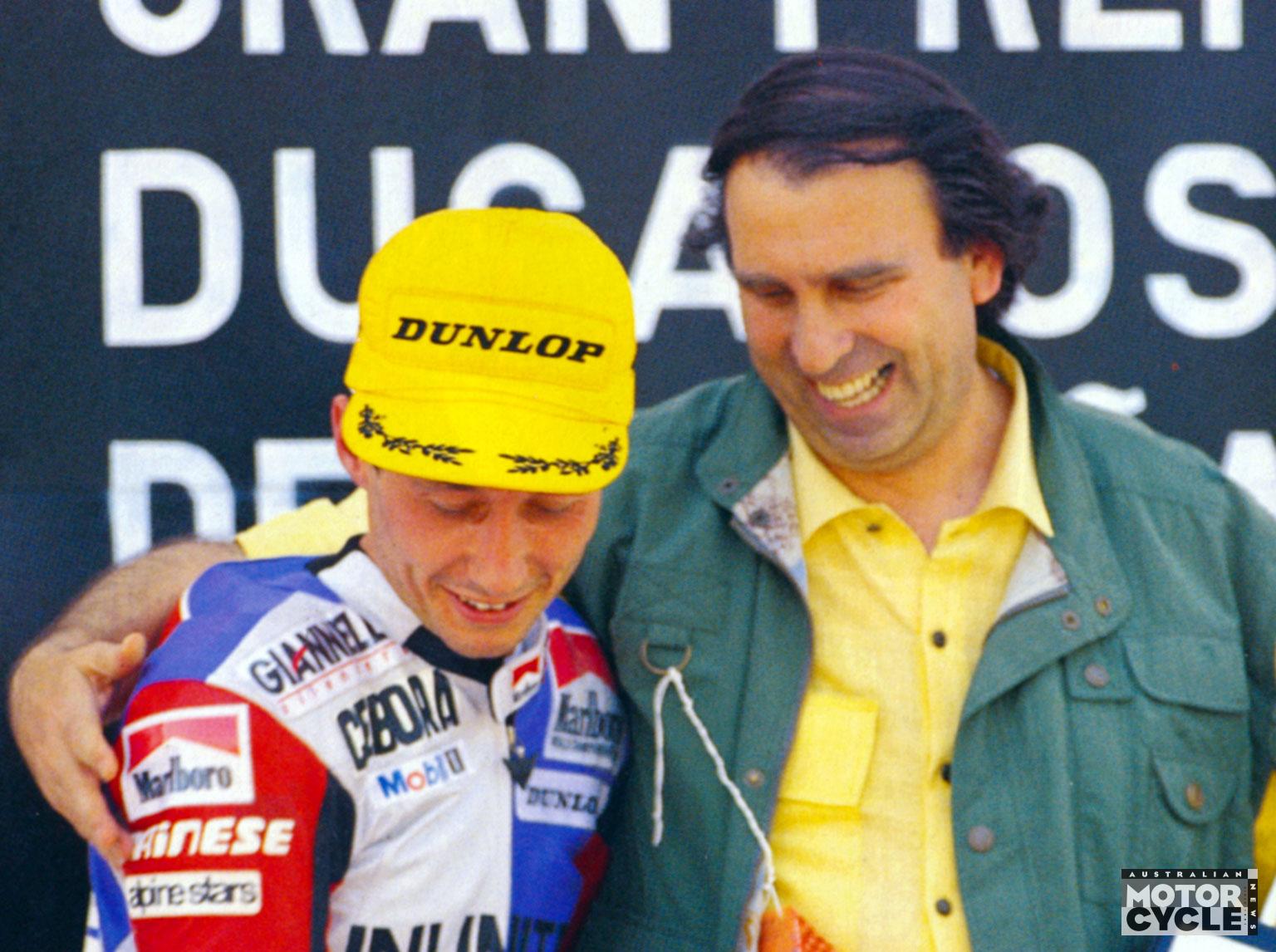
In 1988, Aprilia also entered the 125cc GP class with rider Corrado Catalano finishing third in the French 125cc GP. It was the beginning of a golden era for Aprilia, which became a talent breeding ground for such future stars as Max Biaggi, Loris Capirossi, Alessandro Gramigni, Jorge Lorenzo, Manuel Poggiali and Kazuto Sakata.
This also applied to Aprilia’s constructors and technicians, who laid the foundations for the brand’s racing successes. Such memorable names as Jan Witteveen, Jan Thiel – and even Luigi ‘Gigi’ Dall’Igna, who worked tirelessly for Aprilia before going on to become racing director of Ducati.
Innovation the key to success
Creativity and innovation became a spearhead for Aprilia, both on the track and off it. This was particularly evident in the burgeoning scooter market. The Amico scooter, launched in 1990, made a sensation with all its body parts and many other components made of plastics.
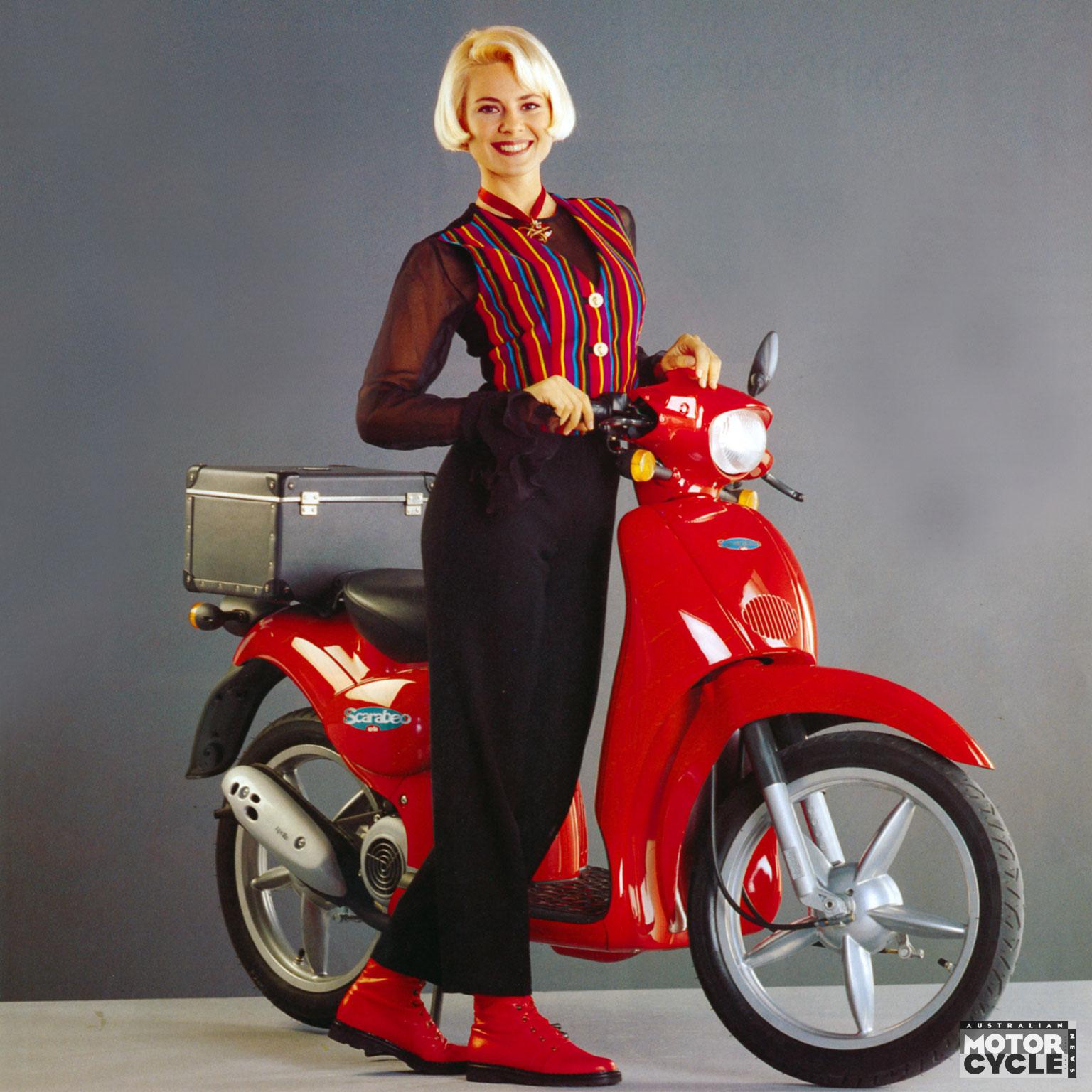
The Scarabeo scooter was introduced at the 1993 Milan Motor Show. It was notable for its large wheels, which contributed to its good handling, and became a great commercial success.
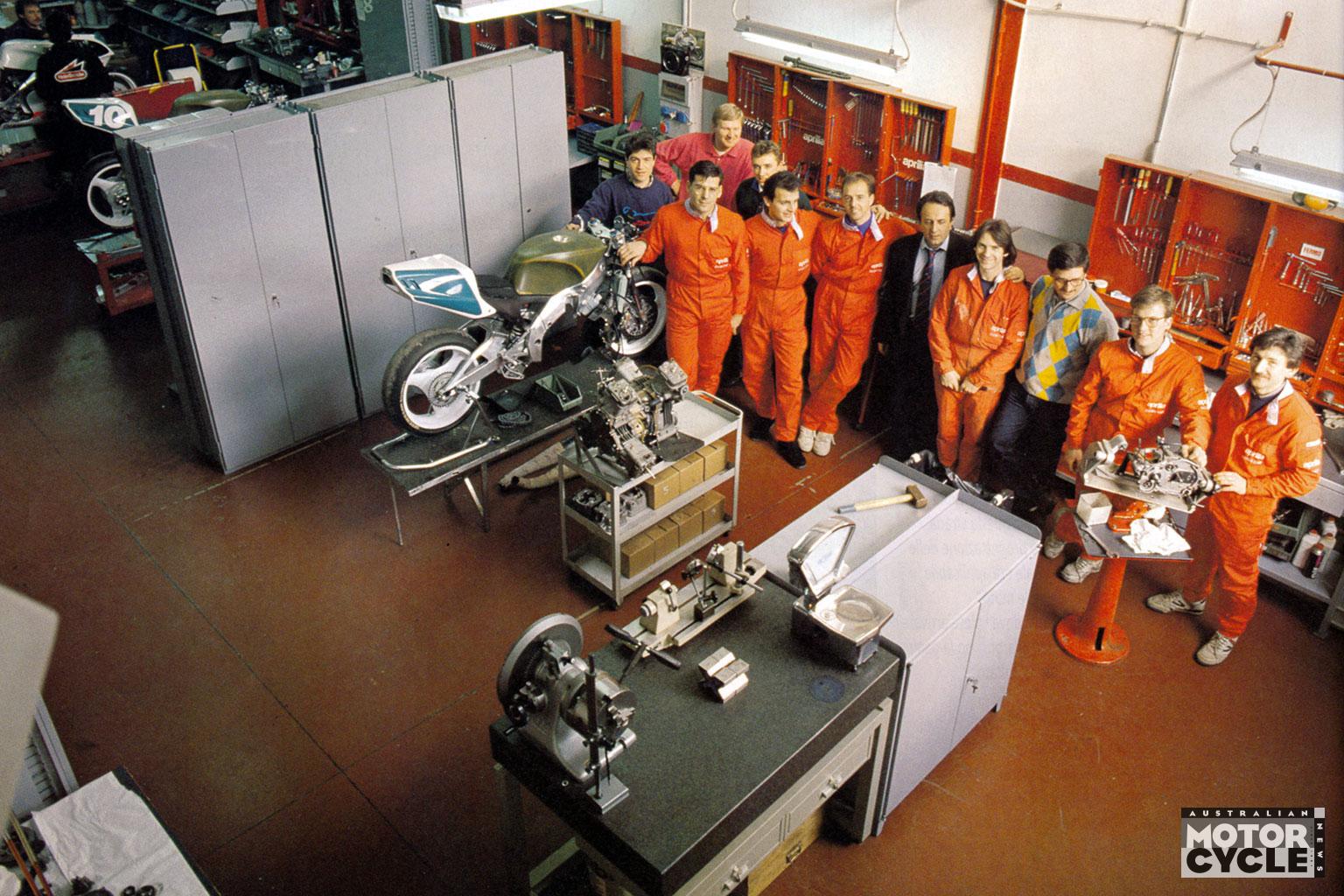
During its production years, a wide range of Scarabeo models was created, in engine capacities varying from 50cc to 500cc, with both two and four-stroke four-valve engines. But it was by no means the only scooter that brought Aprilia great success. The Leonardo, Gulliver and SR also contributed.
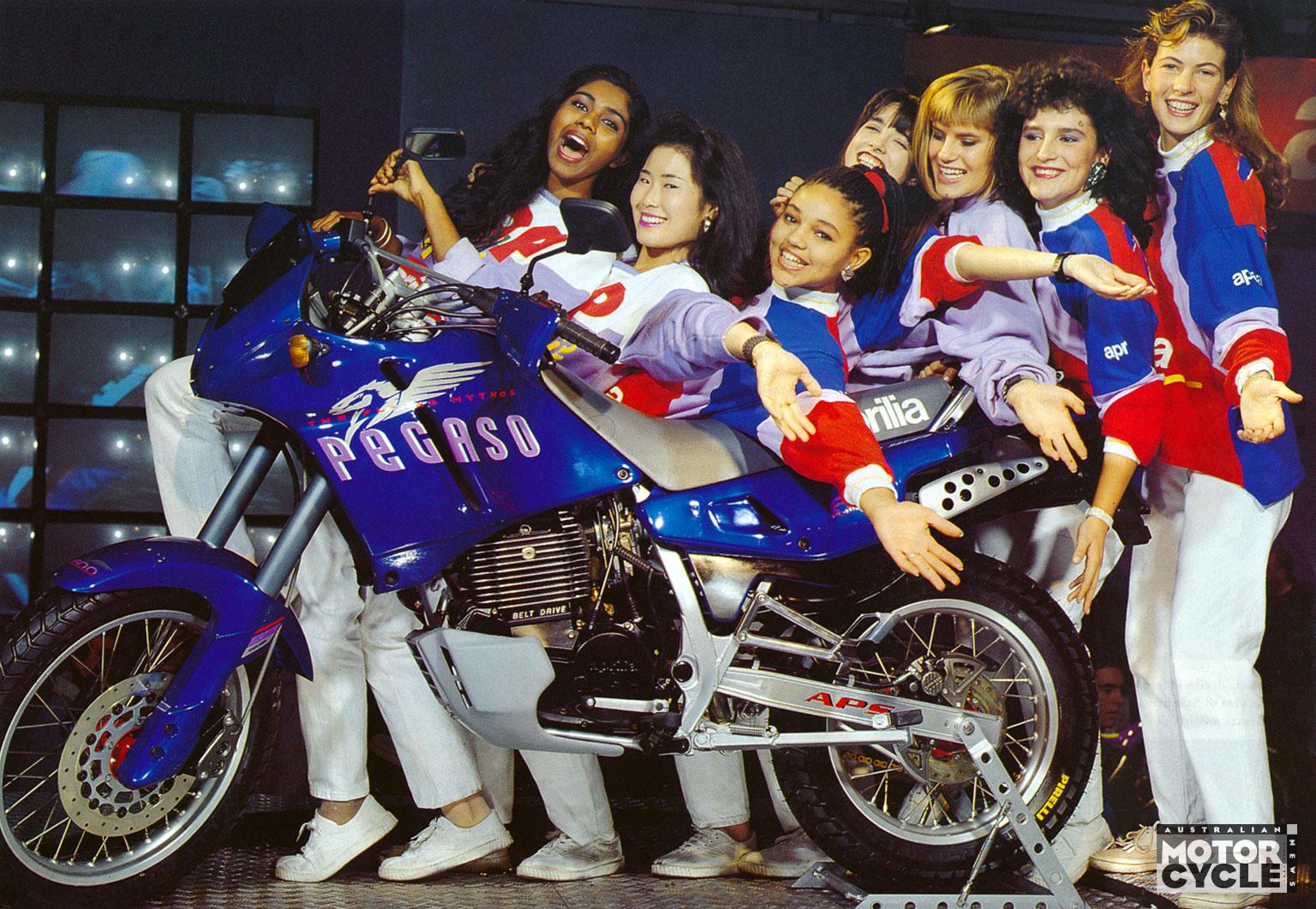
Aprilia also performed well in the motorcycle segment. For example, the 1990 Pegaso 600 sold well. It featured classic desert enduro styling but with characteristics more suited for road use. In 1992 this model received a five-valve cylinder head and grew to 650cc.
There was also room for special projects. In 1992, Aprilia introduced the Amico LK and the two-stroke Pegaso 125. Both machines were equipped with a catalytic converter, which was strikingly innovative on a two-stroke motorcycle at the time.
Aprilia not only built their own motorcycles, in 1992 they also assembled the BMW F 650 model. Like some Aprilia models, the F 650 also used a Rotax single-cylinder four-stroke engine. The collaboration with Rotax led in 1998 to the introduction of the sensational RSV Mille, which was first shown to the public at the Milan Motor Show. This aggressive looking sportsbike was powered by a potent Rotax 1000cc V-twin engine, which was later also used in the Falco, Caponord, RST 1000 Futura and Tuono.
With the RSV Mille, Aprilia had become a very diverse motorcycle manufacturer. Also in racing, because in 1999 Aprilia took part in the Superbike World Championship with the Mille factory racer. Another one of Ivano’s dreams had come true!
Decade of dominance
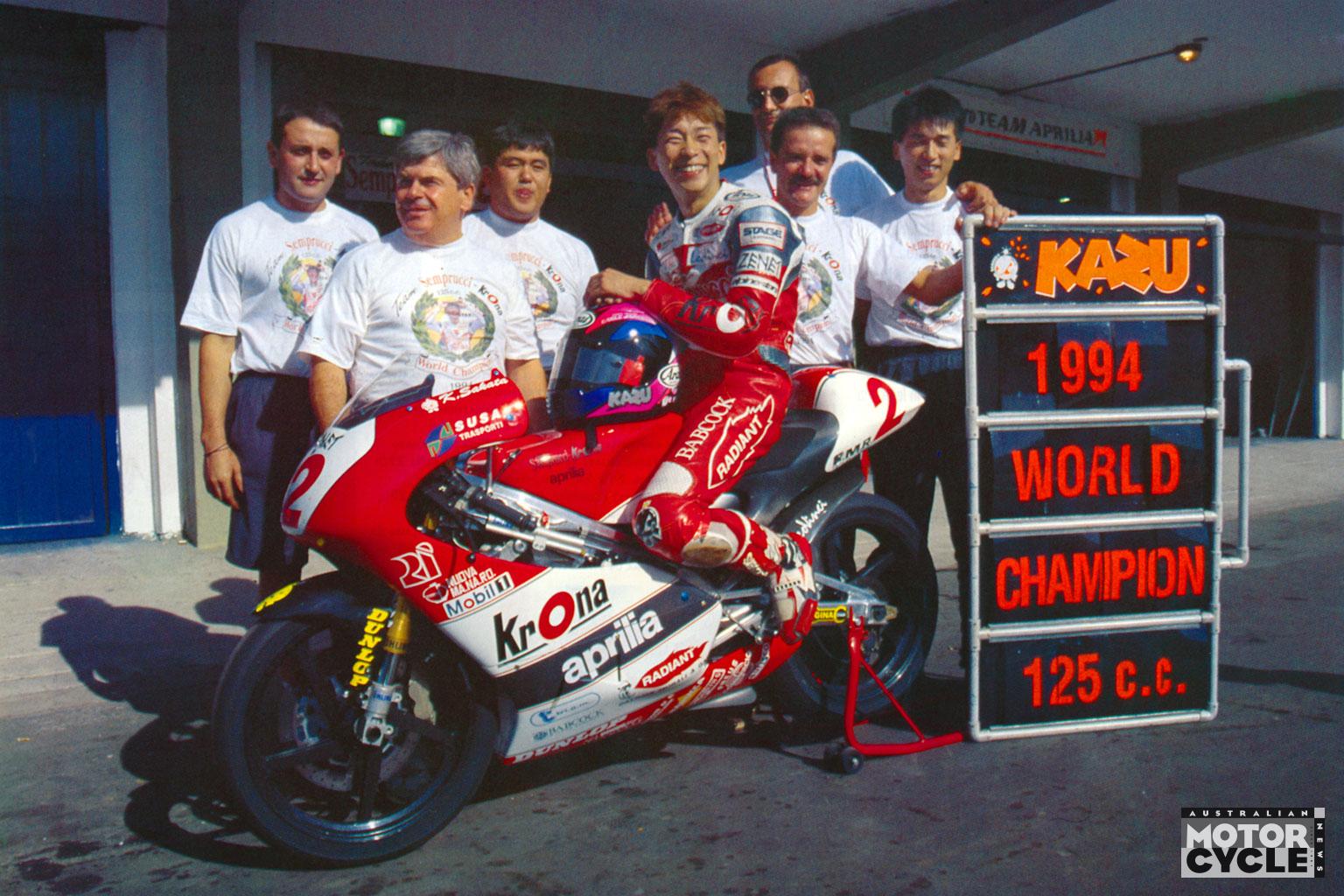
Aprilia left an indelible impression in racing in the 1990s, starting with its first world title in 1992 when Alessandro Gramigni won the 125cc GP class. The second world title came with Kazuto Sakata two years later, before the floodgates well and truly opened.
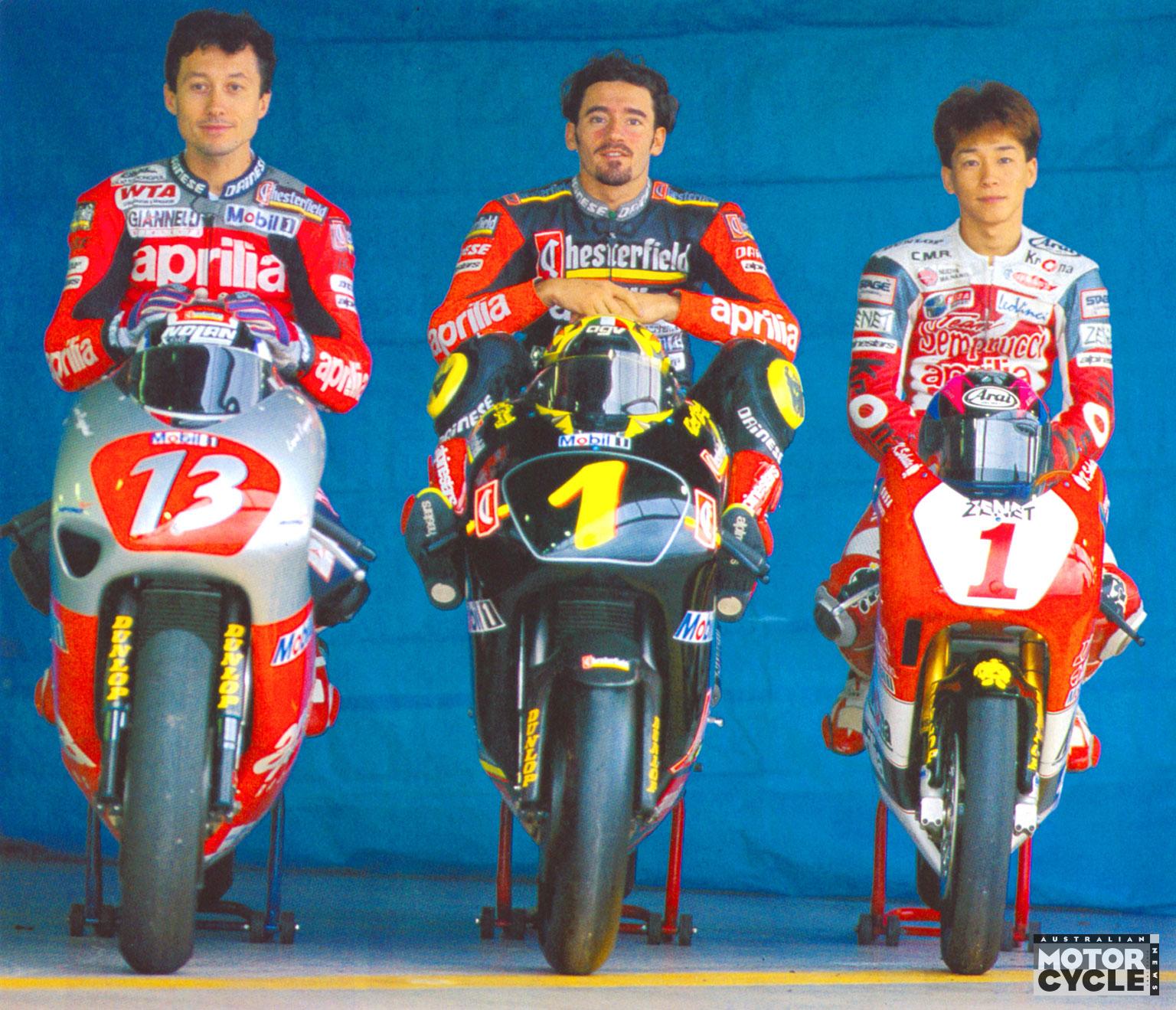
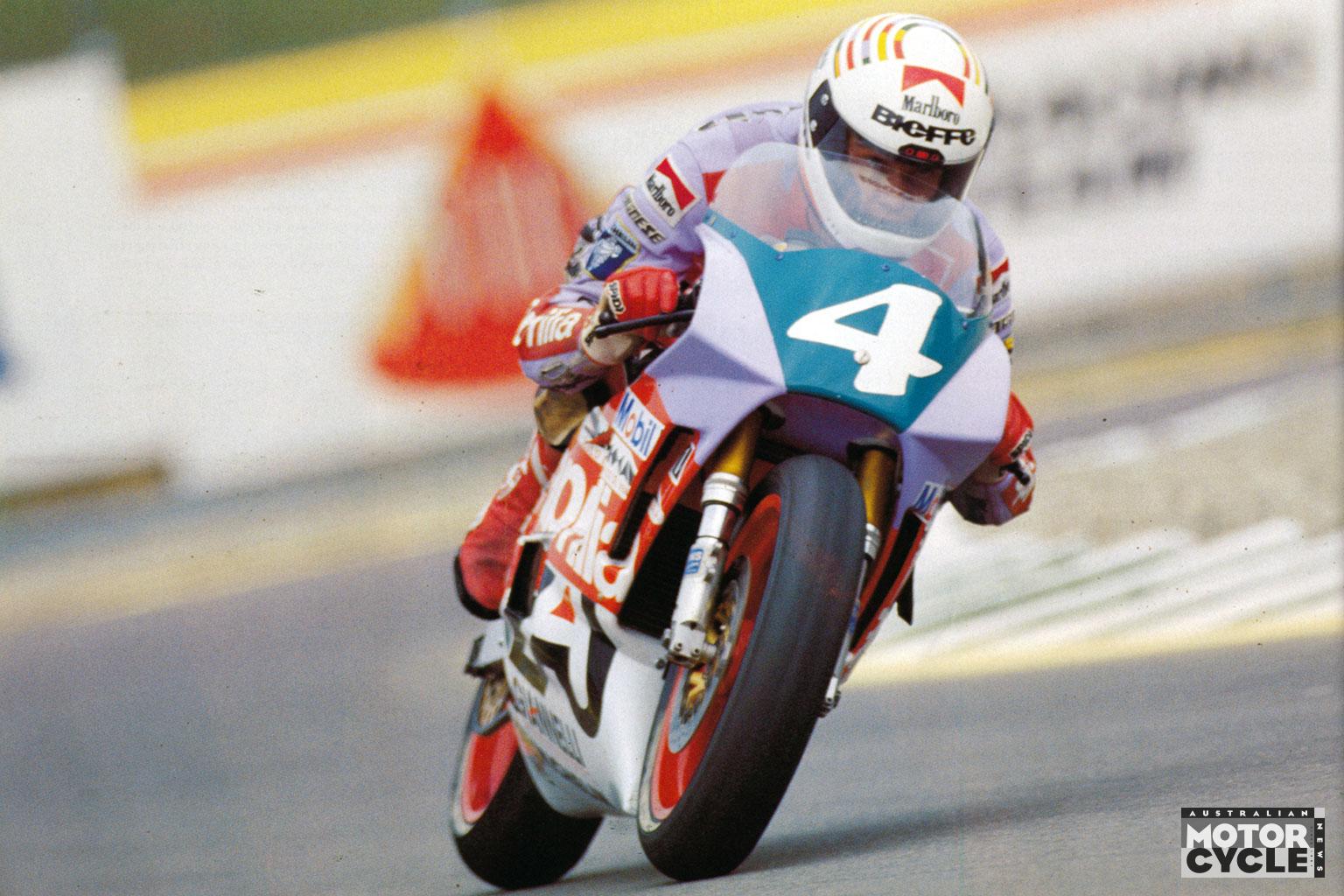
Max Biaggi became world champion with Aprilia from 1994 to 1996 in the 250cc GP class.
By now, many competitors in these two classes were using Aprilias. In 1998, the title also went to Aprilia when Loris Capirossi beat his teammate Tetsuya Harada in the last race of the season through a clever overtake in the final corner.
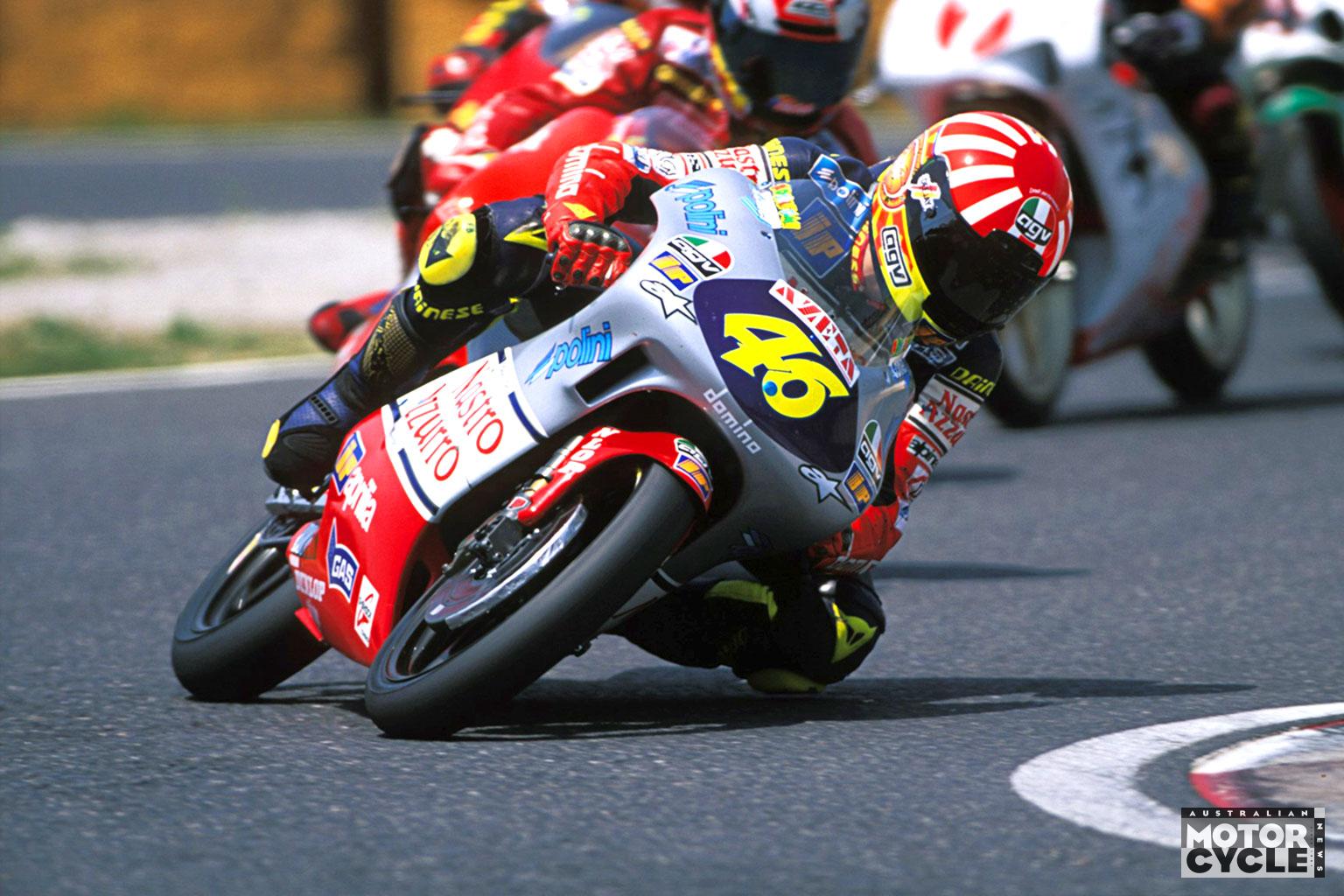
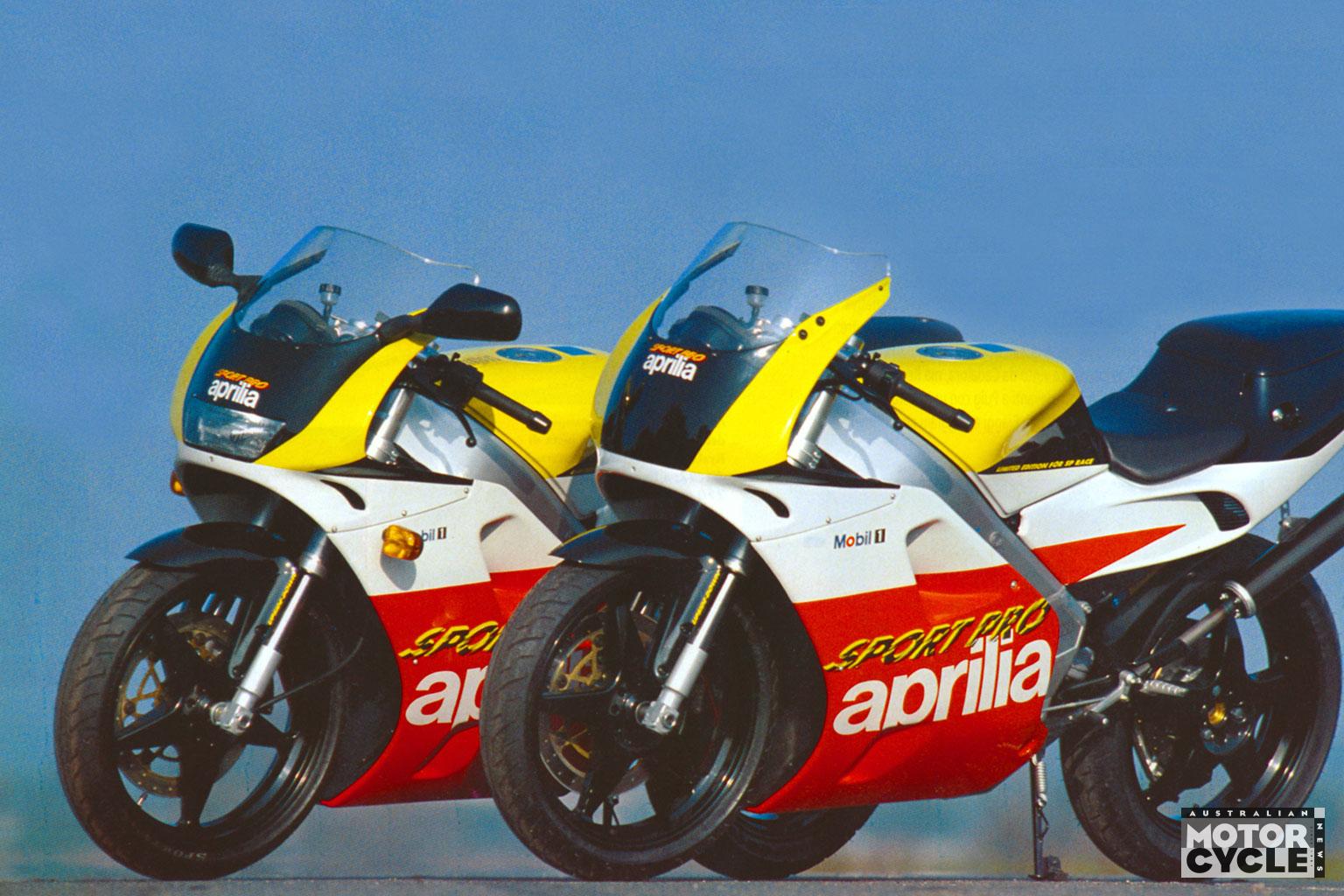
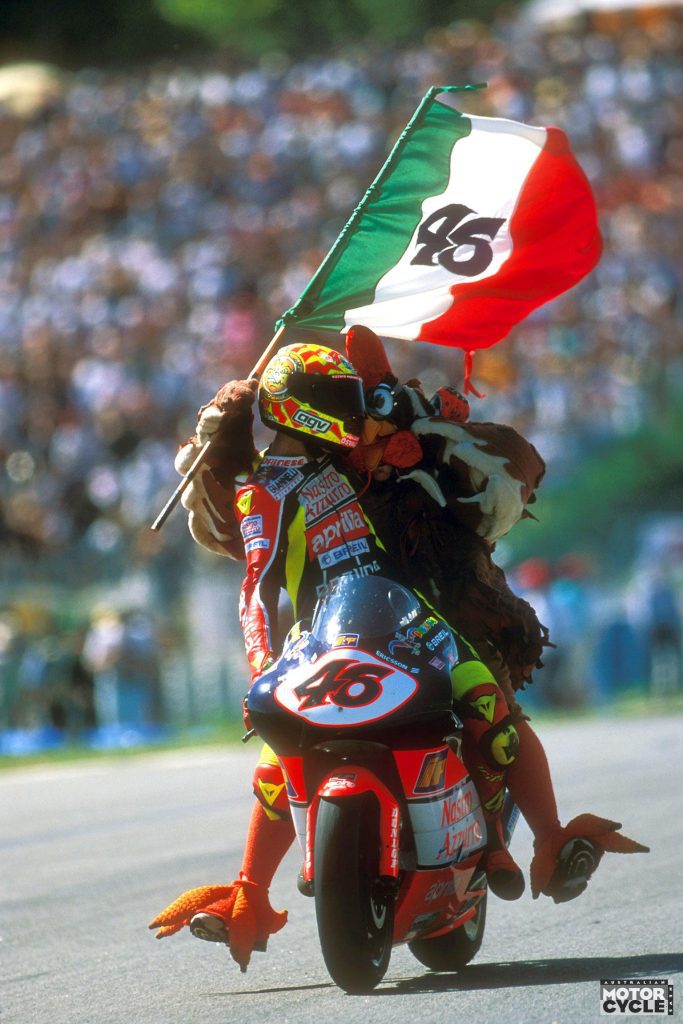
Valentino Rossi also made his debut at the highest level using Aprilia GP racebikes. He won the first two of his nine world titles – the 125cc title in 1997 and the 250cc title in 1999 – on Aprilias. The many successes in GP racing also resulted in a beautiful series of extremely potent RS 125 and 250 ‘racing replicas’ for the street in the mid-1990s.
Aprilia stepped up to the 500cc class in 1994 with another brave piece of innovation; a 250cc V-twin factory racer was bored out to 380cc, the maximum achievable at the time based on the existing crankcase. Aprilia thought the twin’s low weight and easy power delivery would give it an advantage over the brutal Japanese 500cc big-bang V4 two-strokes. Eventually the twin grew to 430cc but it couldn’t match the Japanese in performance, achieving just five podiums in seven seasons.
Thanks to a new wave of Italian riders, Aprilia remained at the top on the smaller classes; Roberto Locatelli became the 125cc world champion in 2000, Marco Melandri won the 250cc class in 2002, and Manuel Poggiali in 2003.
Way too radical!
When MotoGP was introduced in 2002, the 500cc two-strokes were succeeded by 990cc four-strokes. Aprilia, full of ambition, developed the radical three-cylinder RS Cube.
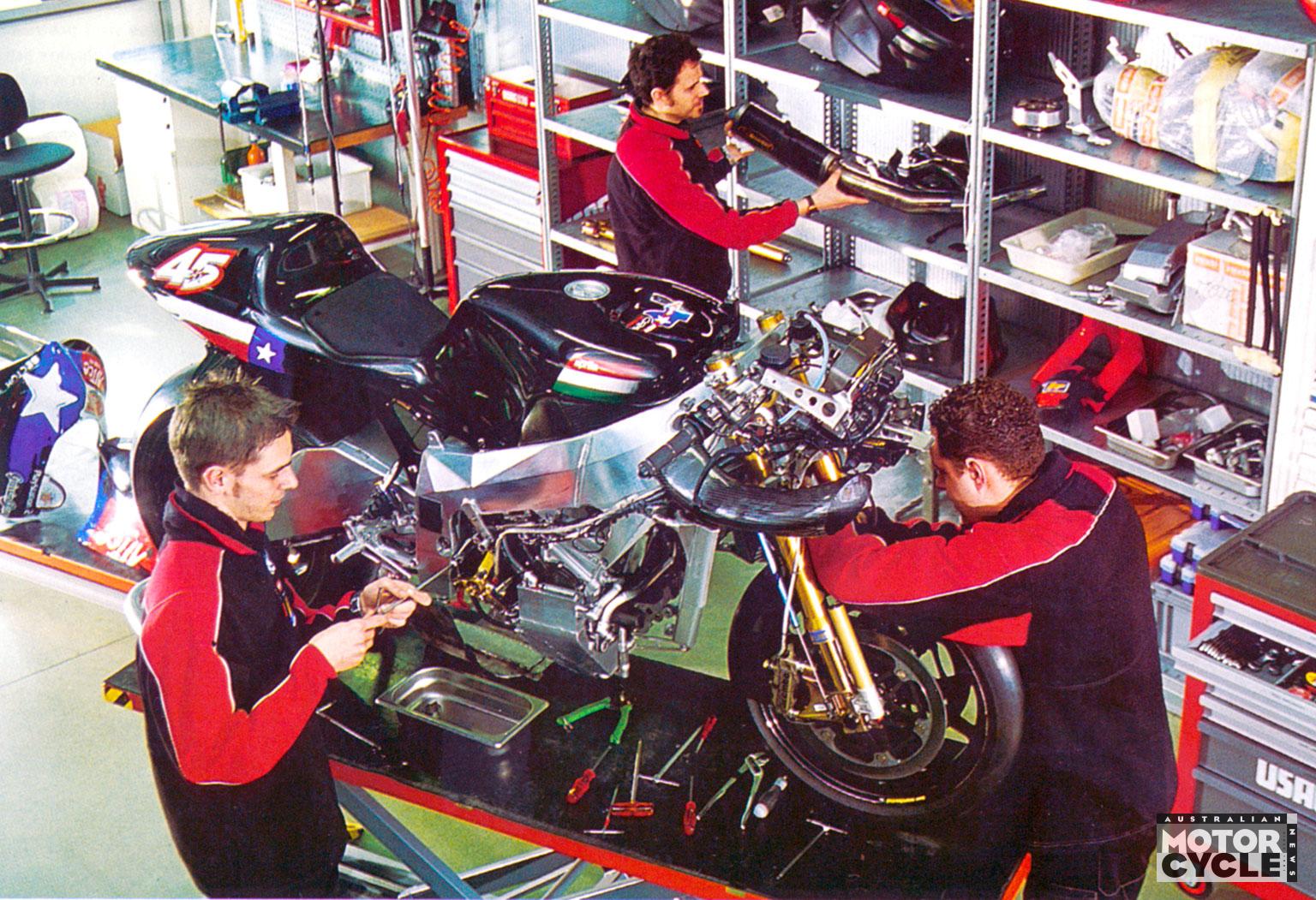
Introduced in December 2001 by designer Jan Witteveen and Ivano Beggio at the Bologna Motor Show, it featured a 990cc triple, developed together with Cosworth. It featured many techniques new to the motorcycle world, such as pneumatically operated valves, ride-by-wire and traction control.
At the time, the RS Cube was the most powerful MotoGP racer on the grid; producing around 168kW (225hp). Riders such as Gary McCoy, Colin Edwards, Noriyuki Haga, Regis Laconi and Jeremy McWilliams gave it their best shot, but the RS Cube couldn’t match Honda’s all-conquering RC211V.
At the end of 2004, Aprilia withdrew from MotoGP. Ivano’s dream became a nightmare as it had put the company at financial risk in a declining sales market.
Acquisition of Laverda and Moto Guzzi
Ivano had ushered in a new era at the turn of the century in a bid to make Aprilia Europe’s largest and leading brand. He acquired the heritage brands Laverda and Moto Guzzi in 2000. Aprilia invested a lot of money in the revival of both, especially with Moto Guzzi, which quickly led to a new and significantly modern model line. But the huge investments coincided with the collapse of the Italian scooter market.
Ivano was forced to sell Aprilia to Piaggio at the end of 2004. Piaggio’s annual production thus increased to approximately 600,000 powered two-wheelers per year.
Piaggio invested heavily in its new acquisition. It wanted to make Aprilia the most complete European motorcycle manufacturer, with products ranging in cylinder capacity from 50cc to 1000cc. Between 2006 and 2009, more than 100 million euros was invested in the development of new models and many motorcycles from the current model range, especially in the medium and heavy segment, were initiated during that period.
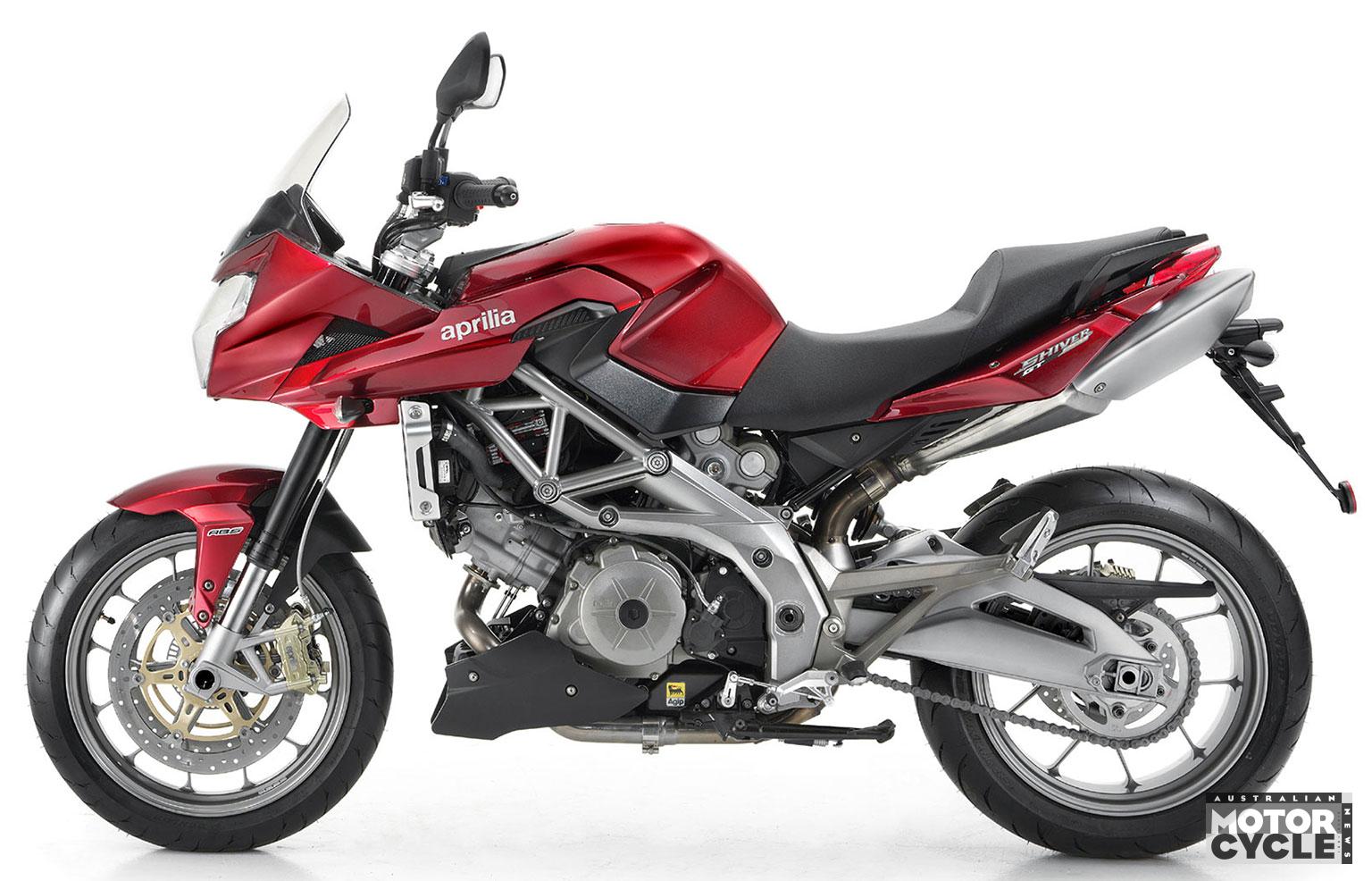
In addition to its racing replicas, Aprilia also built other innovative road models. The 2008 Shiver 750, for example, was the world’s first series motorcycle to feature an electric ride-by-wire throttle. The Mana 850 from 2007 was another example, being the first series production motorcycle with an electrically controlled automatic gearbox. The 50cc DiTech from 2000 was also very special, with its direct injection two-stroke engine. For a two-stroke, it had uniquely low emissions.
In addition to the four-stroke V-twin engines of the Caponord, Shiver and Dorsoduro and the later single-cylinder four-stroke 125cc models, Aprilia also produced in the 2000s and 2010s a number of interesting two-strokes: the RS4 50 and the RS4 50 Replica; two racing replica sports models with a 49.9cc single-cylinder engine. With these machines, Aprilia referenced its golden era of the 1990s.
Substantial investments were also made in Aprilia’s racing department. Not without results, because in 2006 Aprilia won no less than five world titles! Alvaro Bautista became world champion in the 125cc class, Jorge Lorenzo in the 250cc; Aprilia won two constructors’ titles and the Supermoto World Championship with its SXV 450cc V-twin beating its big-bore single-cylinder rivals.
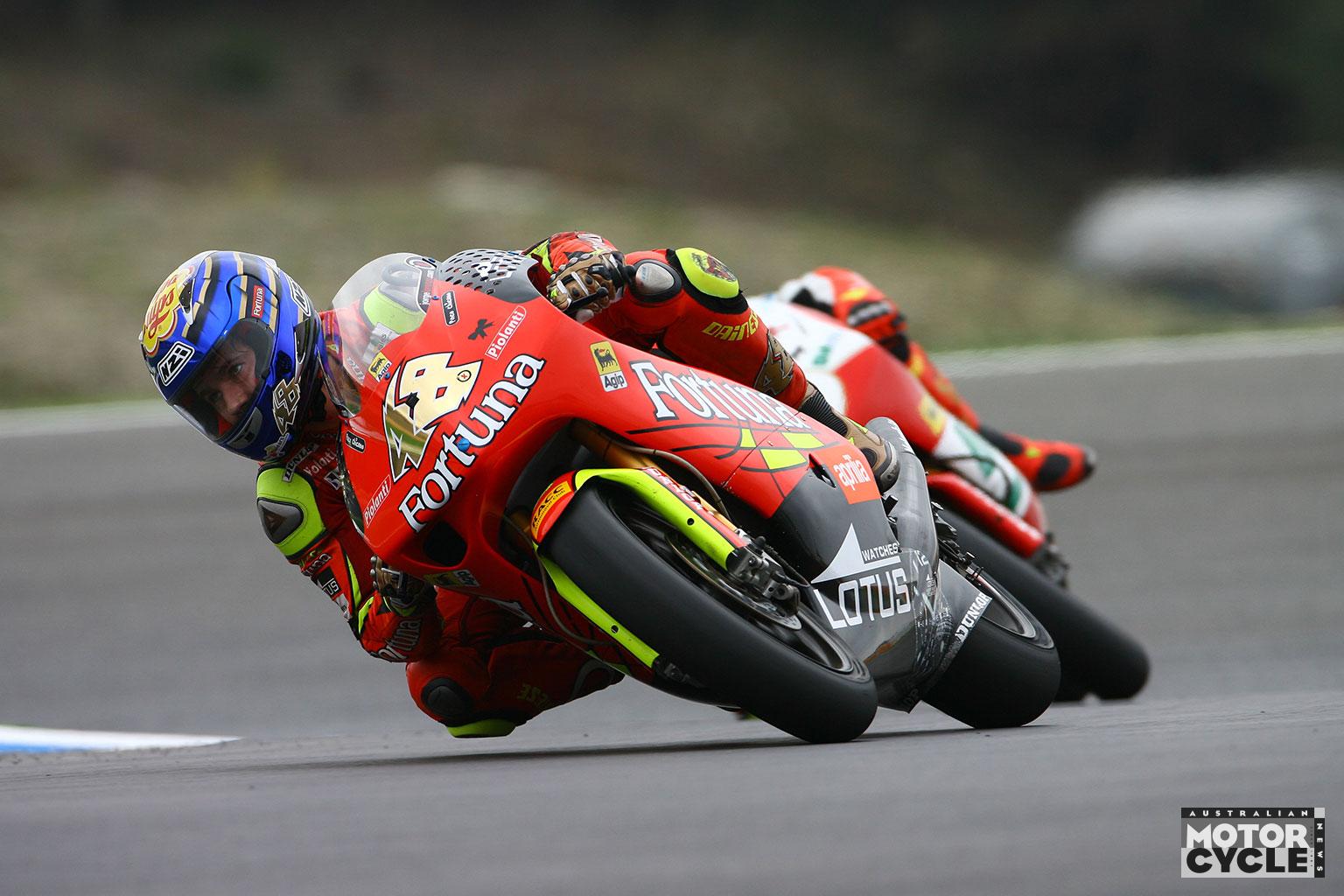
This marked the most successful racing year in Aprilia’s history. Jorge Lorenzo won the 250cc world title in 2007 while Julian Somon and Nico Terol won the last two 125cc world titles before Moto3 made its appearance.
Aprilia would eventually no longer compete in the lightest GP classes but remained active in racing. After a number of years under the name ART (Aprilia Racing Technologies), having delivered a CRT machine in the MotoGP, Aprilia announced at the end of 2014 that it would once again participate fully in the MotoGP from 2015 onwards with the RS-GP.
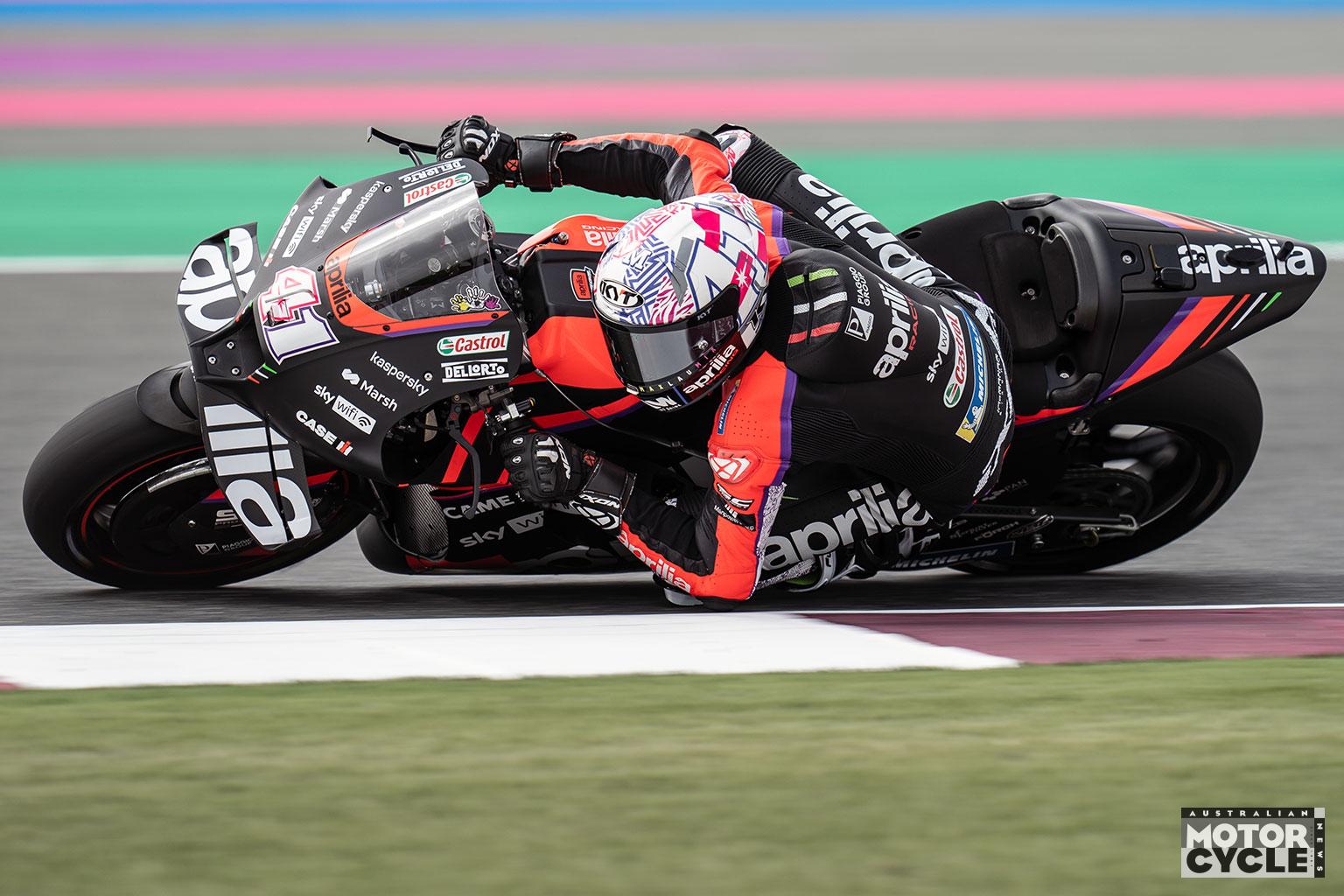
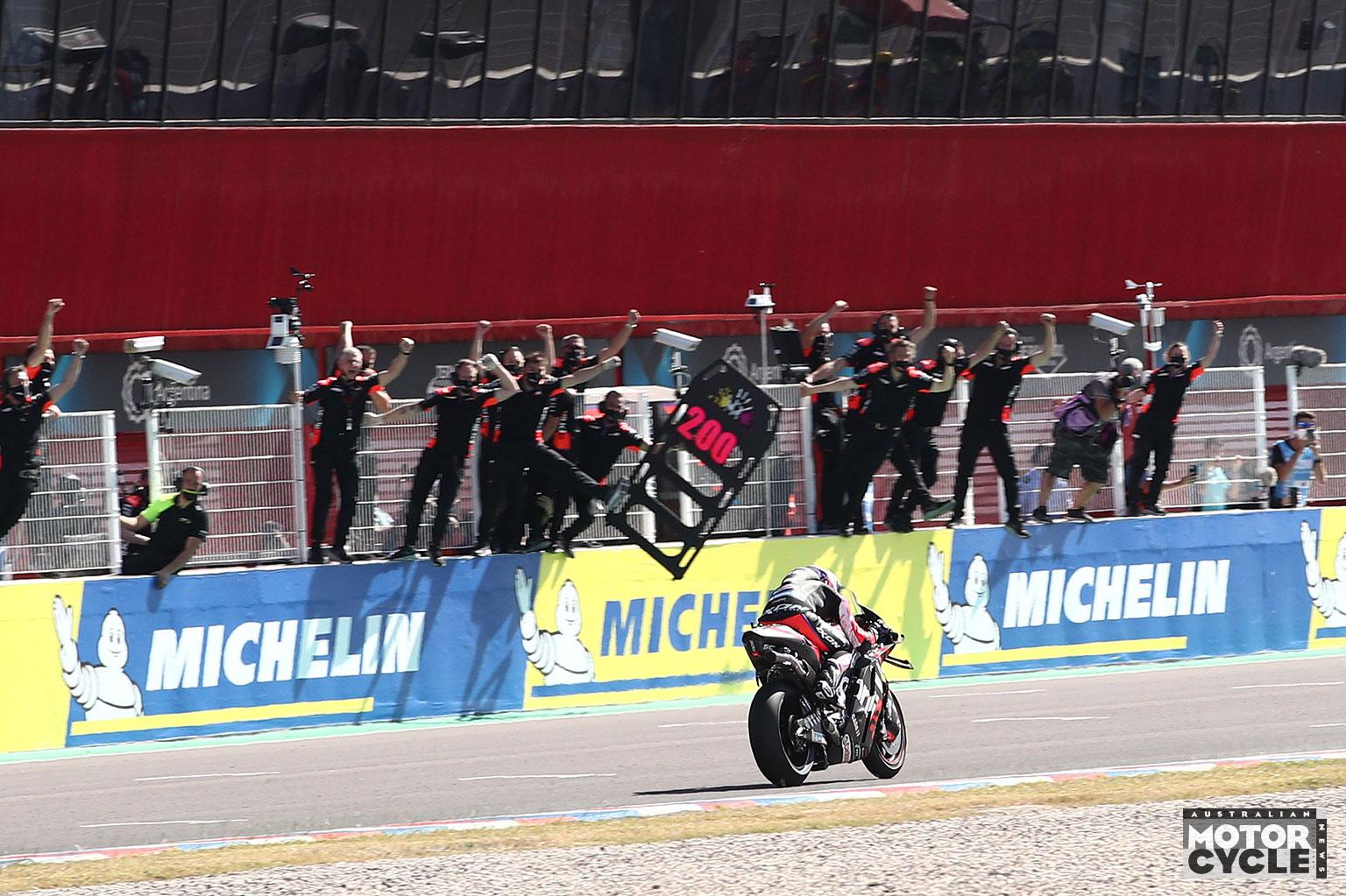
It battled bravely until, in 2022, a podium by Aleix Espargaro sowed the seeds of the MotoGP success we are seeing now.
World champion V4 Superbike
Aprilia has had an on-again, off-again relationship with WorldSBK over the years.
It first competed with the RSV Mille V-twin Superbike between 1999 and 2002, after which participation was terminated in order to focus technically and financially on the RS Cube MotoGP project.
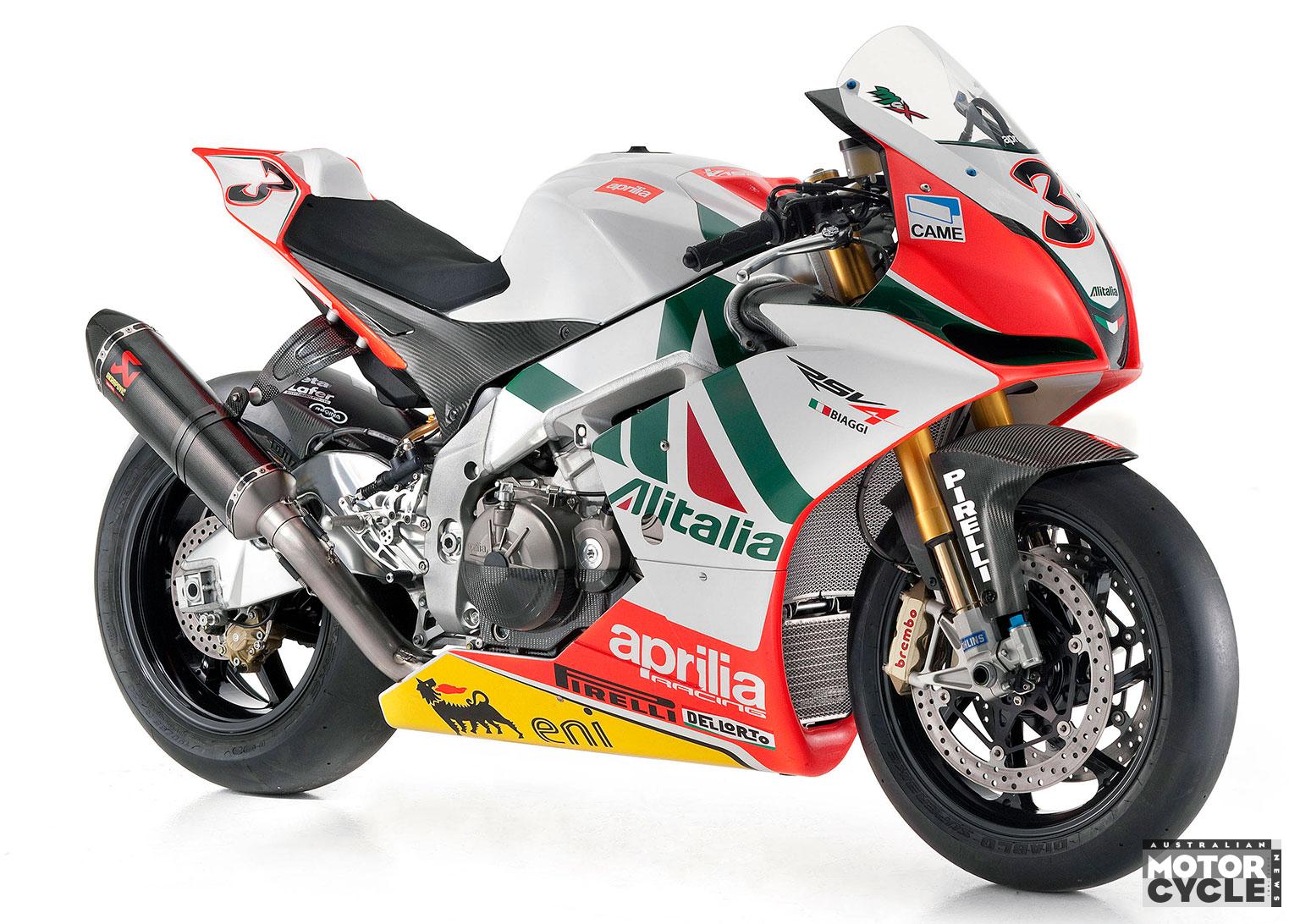
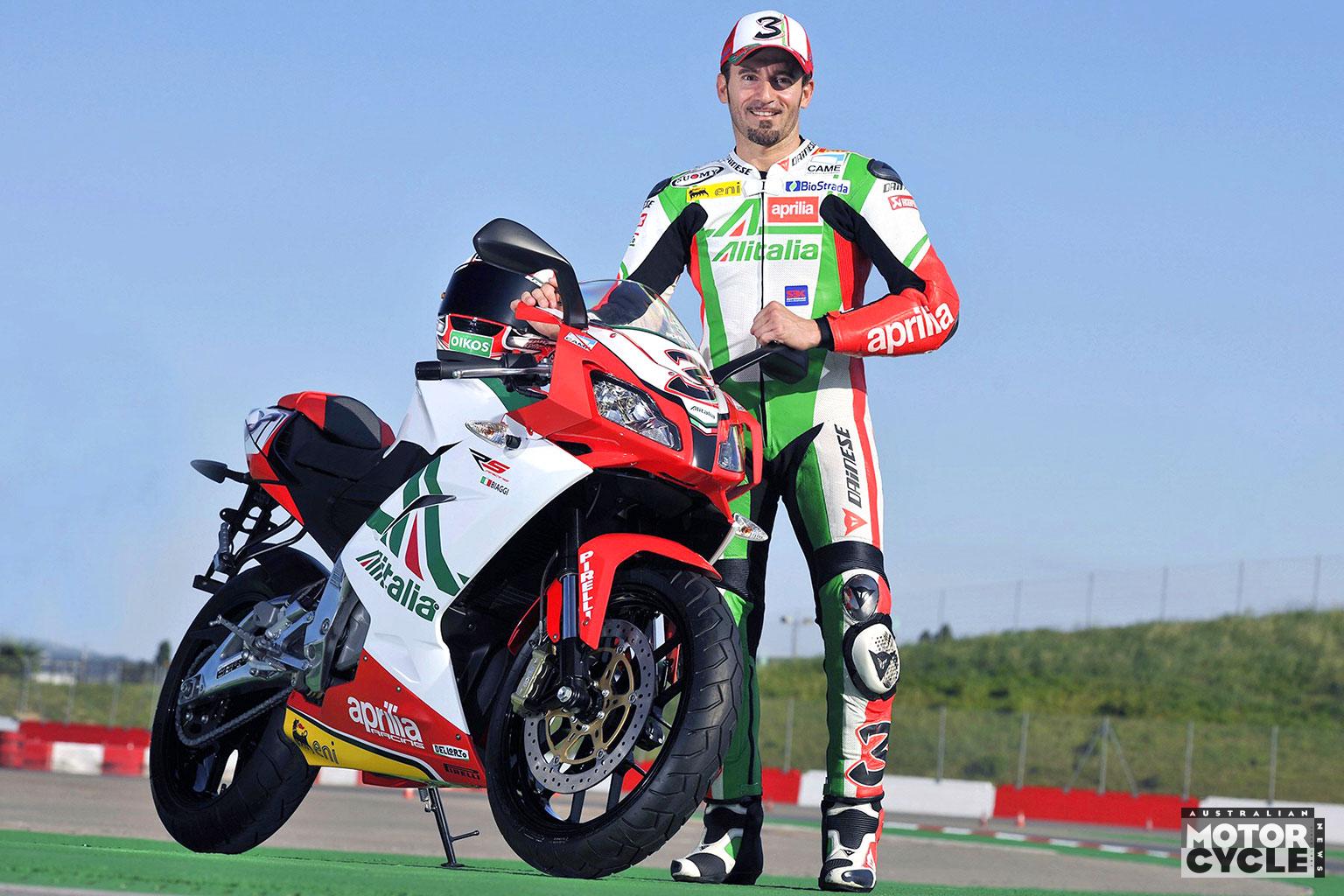
In 2009, Aprilia returned spectacularly to WorldSBK with the RSV4, powered by a newly developed 1000cc V4 engine. In 2010, 2012 and 2014, Max Biaggi and Sylvain Guitoli (2014) won the world title. In 2015 Lorenzo Savadori won the Superstock 1000 title with the RSV4-RF. Aprilia also won the constructors’ championship that year in this class.
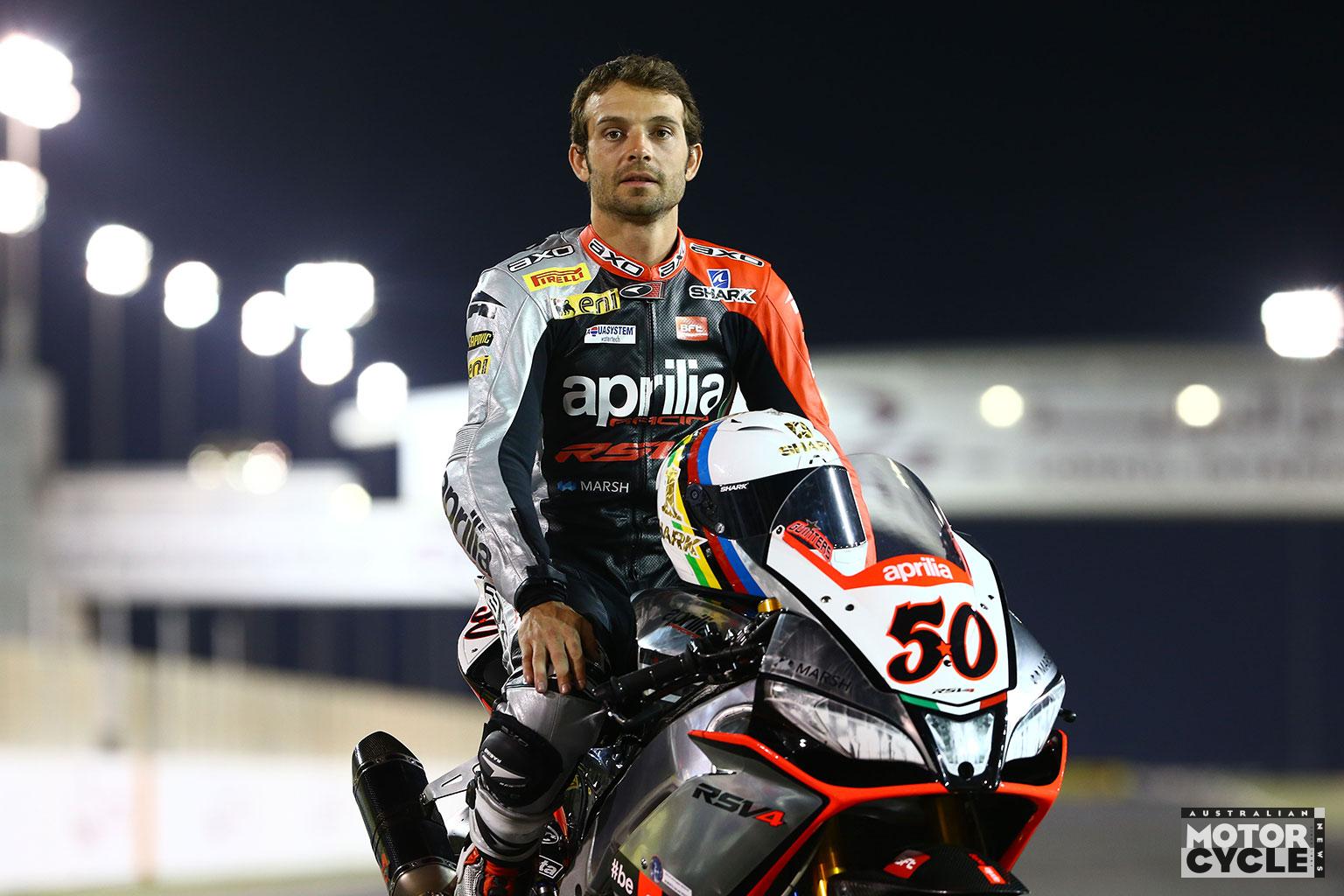
With that, Aprilia reached a total of 56 world titles and today has the most world titles ever achieved by a European motorcycle manufacturer.
Aprilia later returned in the big off-road races with the 450cc twin-cylinder RXV 4.5 desert racer. Aprilia won its class in the Dakar Rally in 2009 with this machine and finished third overall, a remarkably good performance. In addition, this machine won the Pharaoh Rally in the 450cc class.
Aprilia’s 450 models were also successful in Supermoto. In 2004, 2006 and 2011, the world championship in this class was won by Aprilia on its innovative V-twin.
Death of a visionary
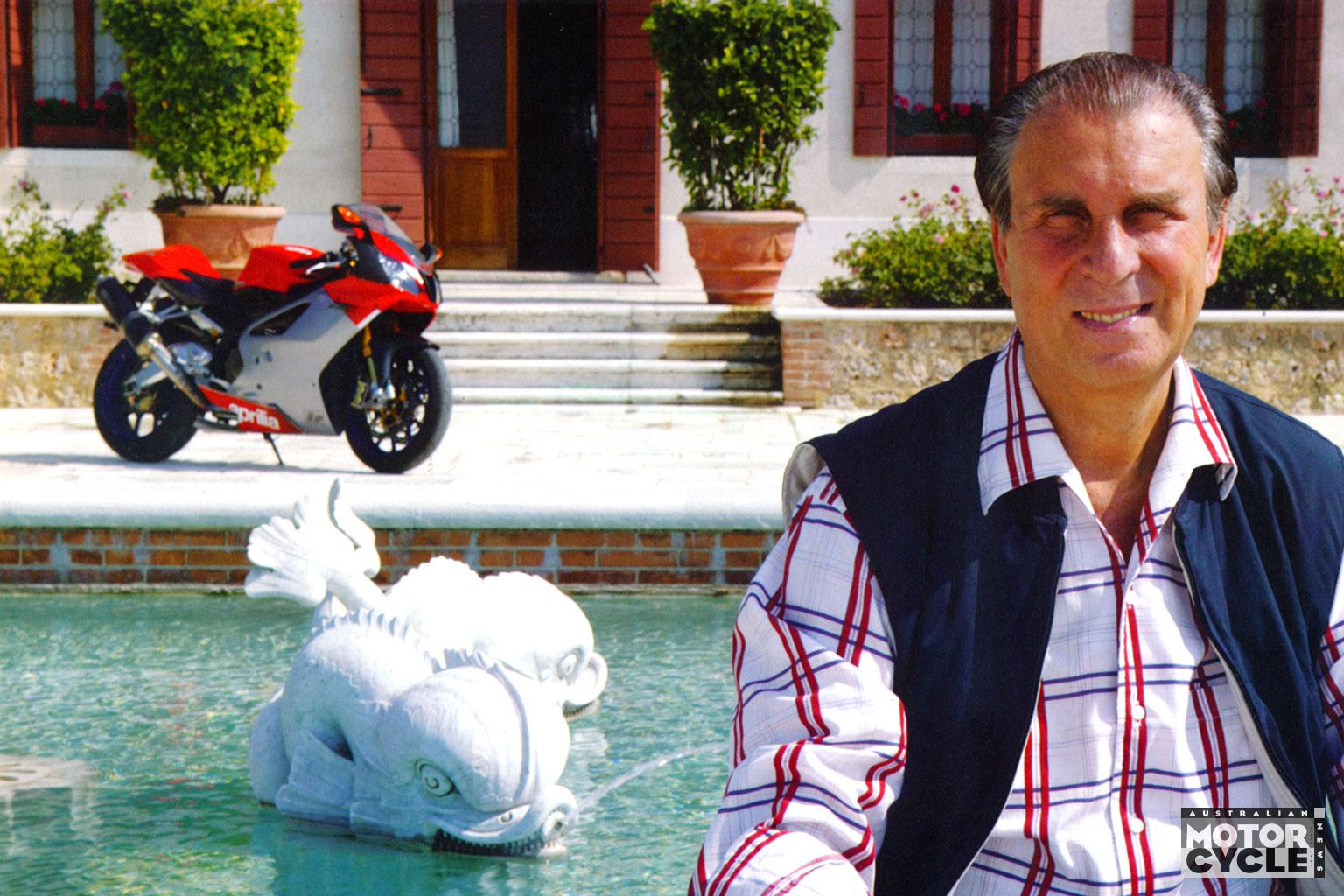
In 2018, Ivano Beggio died at the age of 73 after a long illness, leaving behind a remarkable legacy. Under his vision, Aprilia had transformed from a humble bicycle workshop in Noale into a global motorcycling powerhouse.
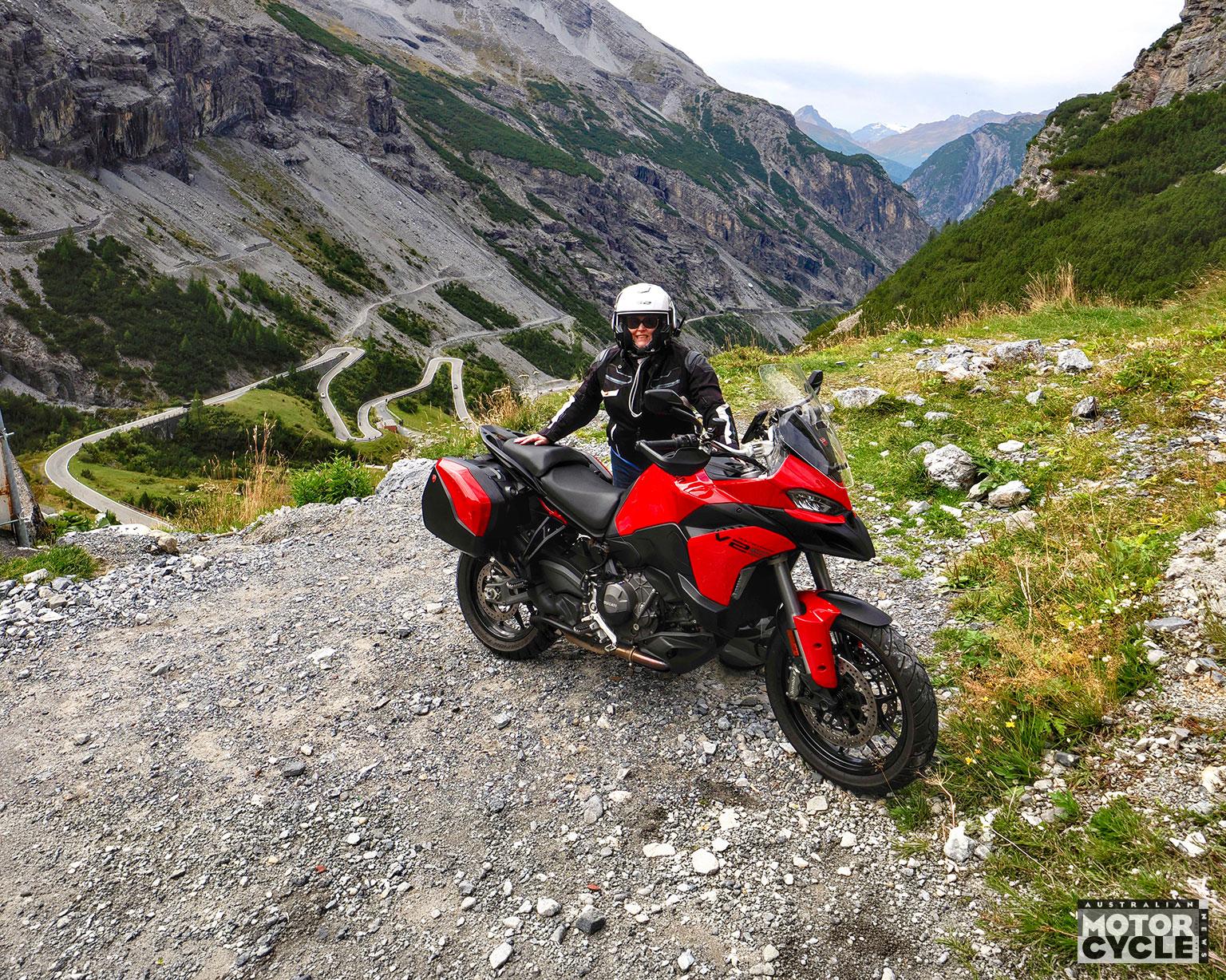
Today, Aprilia continues to innovate with models like the RS660, Tuareg 660 and the new RS457, expanding its reach while staying true to its rebellious, performance-first spirit. Whether it’s competing at the front in MotoGP, conquering deserts or building street bikes that feel like race bikes, the brand shows no signs of slowing down.
As Aprilia celebrates its 80th anniversary, its story is far from over. Because if history has taught us anything, it’s that Aprilia doesn’t just follow the script. It rewrites it.