Superbike performance wrapped in carbon, aero and attitude. This is what happens when BMW’s M division cuts loose on a naked bike
Born out of the idea that street riders wanted the performance of a superbike without the commitment of full fairings and trackday ergonomics, naked bikes have traditionally skimped a little from the spec sheet of their more serious siblings. Reduced peak power, softened suspension, more upright stance – a recipe built, supposedly, for the real world.
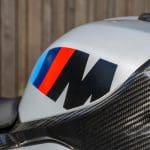
Then someone, somewhere, yelled “what if we didn’t?”, and the hypernaked was born – bonkers machines like Ducati’s Streetfighter V4, KTM’s Super Duke 1390 and MV Agusta’s Brutale 1000 RR. But until recently, BMW had held back from going all the way. That all changed when Munich at last brought their famed M brand from the automotive world to us two-wheeled heathens. ‘M’ in this context stands for Motorsport, and when you slap the blue, purple and red badge on a standard Bimmer, like say a 3 Series sedan, you basically double the horsepower and end up with a vehicle that wants to destroy Nordschleife instead of depositing passengers around Berlin.
So what happens when you wave the M division’s wand over an already spicy machine like an S 1000 R? You can picture the engineers in Munich gleefully rubbing their hands together as they plotted what insanity they could get away with.
“Fritz, what if we put the RR engine into the R chassis…”
“Nein, Hans! That sort of power in a naked bike is completely unnecessary!”
“Too late, Fritz! I already have board approval!”
Cue maniacal laughter, presumably.
Because that’s exactly what BMW has done. The M 1000 R gets the full-fat superbike engine from the S 1000 RR, together with the kind of race-grade componentry normally reserved for WorldSBK paddocks.
All that juicy performance comes at a cost though. The M 1000 R will set you back $36,274 ride away, and this particular version also comes with the ‘Competition’ add-ons, taking the price up to $42,590. That figure might seem steep, but if you want cutting-edge electronics, exotic materials, a full-power superbike engine and world-class German engineering in a naked chassis, this is what it costs. Given it’s got a power-to-weight ratio that makes any Porsche, Ferrari or Lamborghini on the planet look positively malnourished, you could even say it’s a bargain.
What do you actually get?
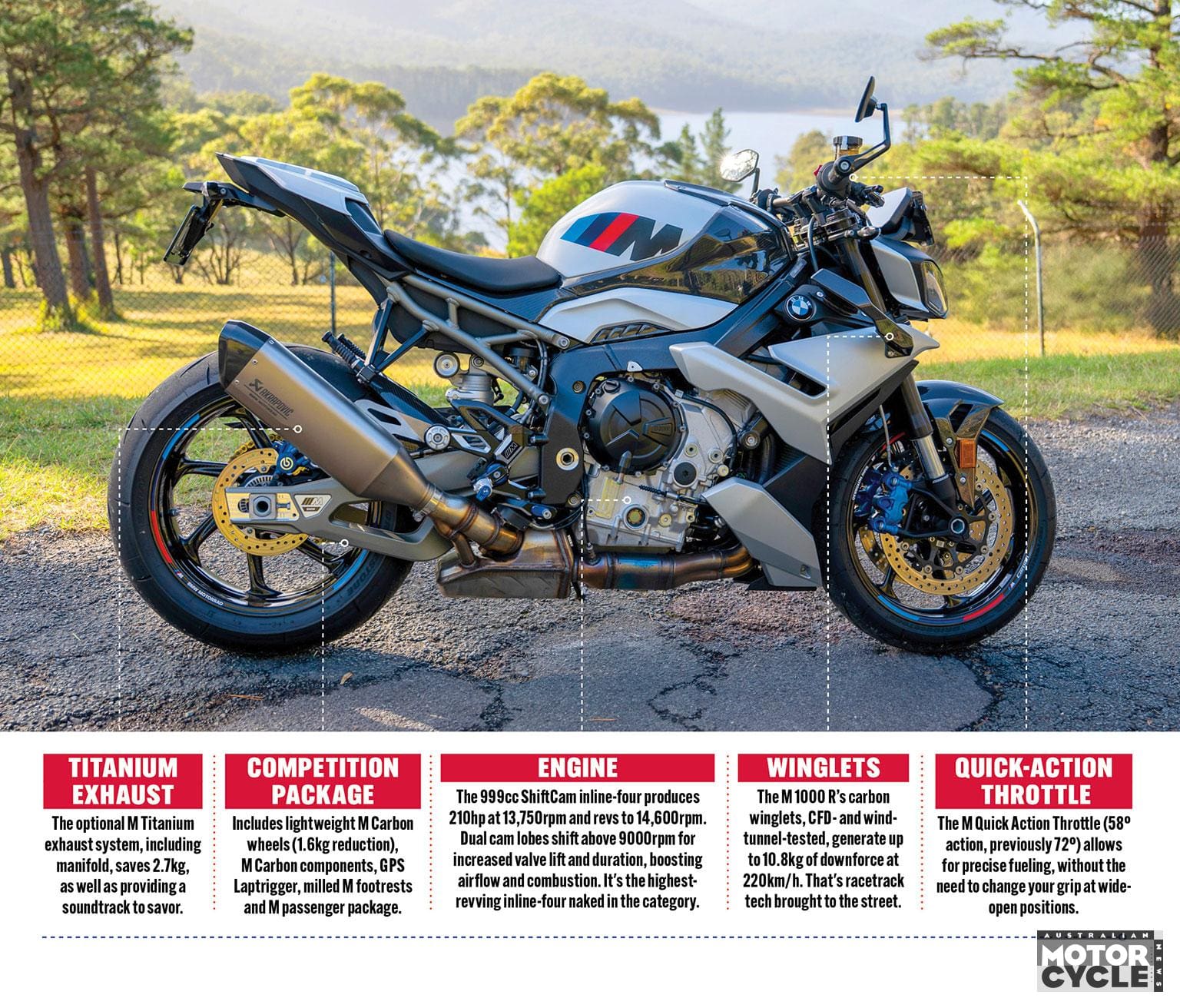
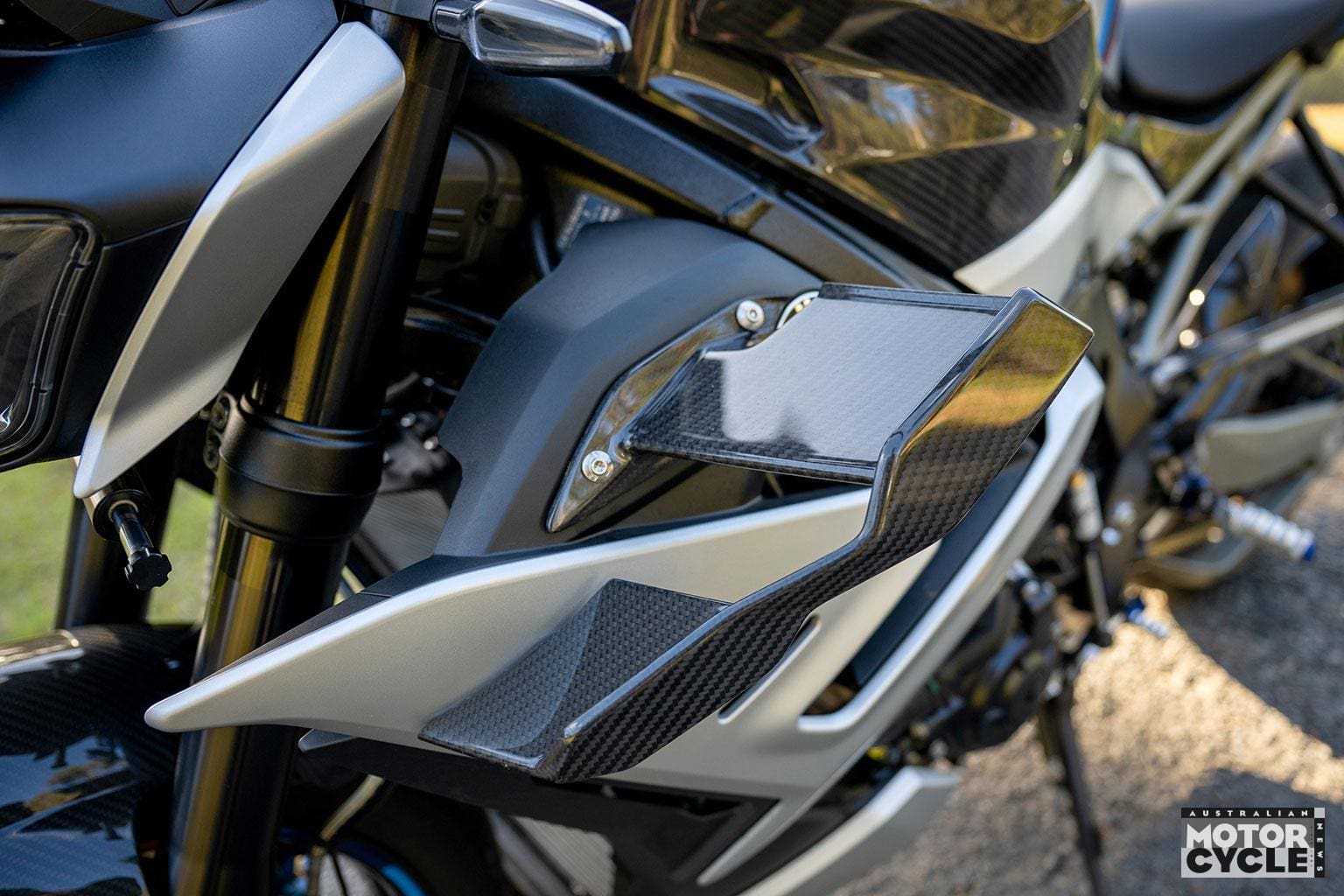
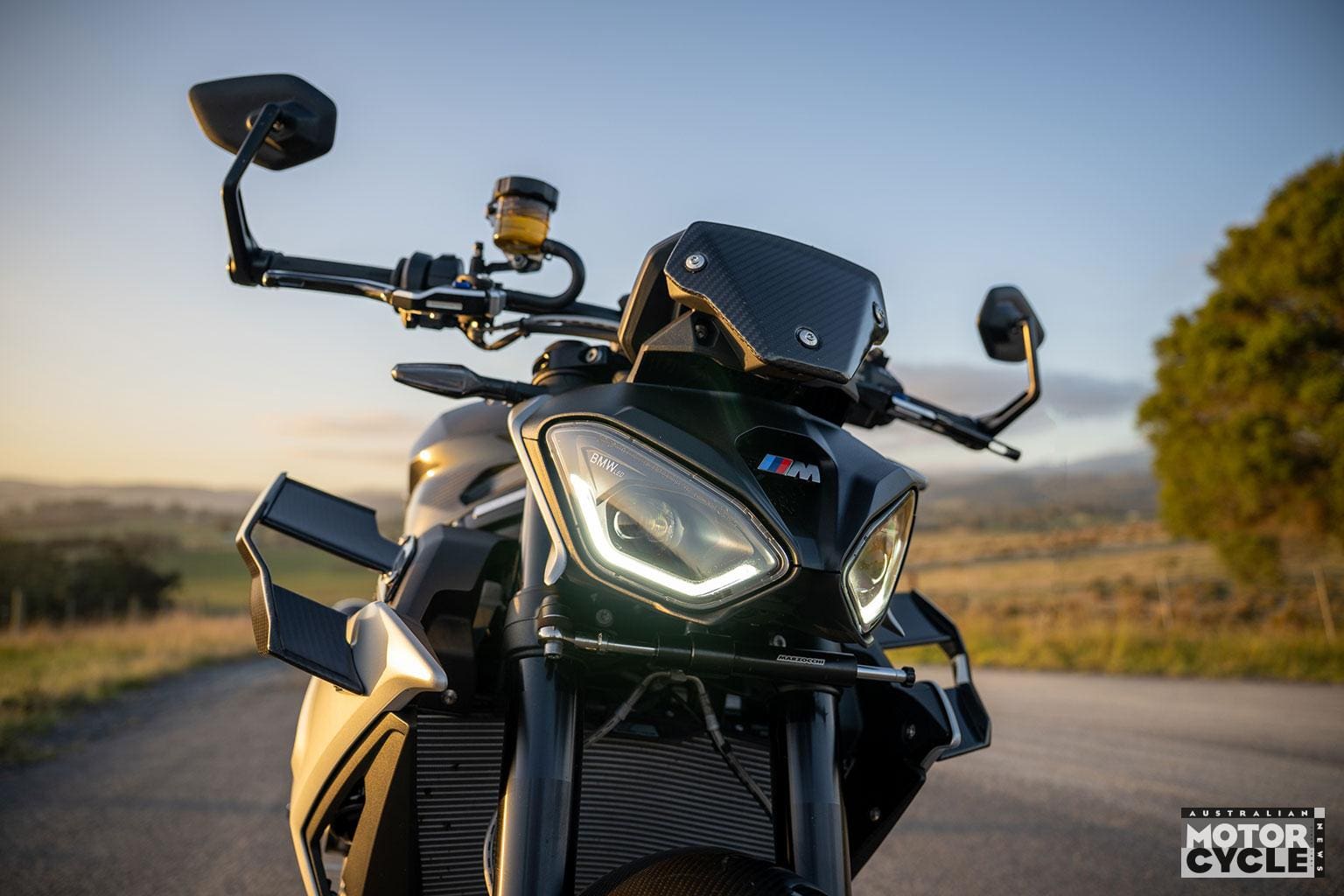
Well, rather a lot. But let’s start off with the changes for 2025. Aside from the obvious styling move to dual LED headlights, the new M R also gets a quick-action 58° throttle (previously 72°), revised DTC and Race ABS Pro, along with larger aerodynamic winglets – said to provide over 10.8kg of downforce at 220km/h.
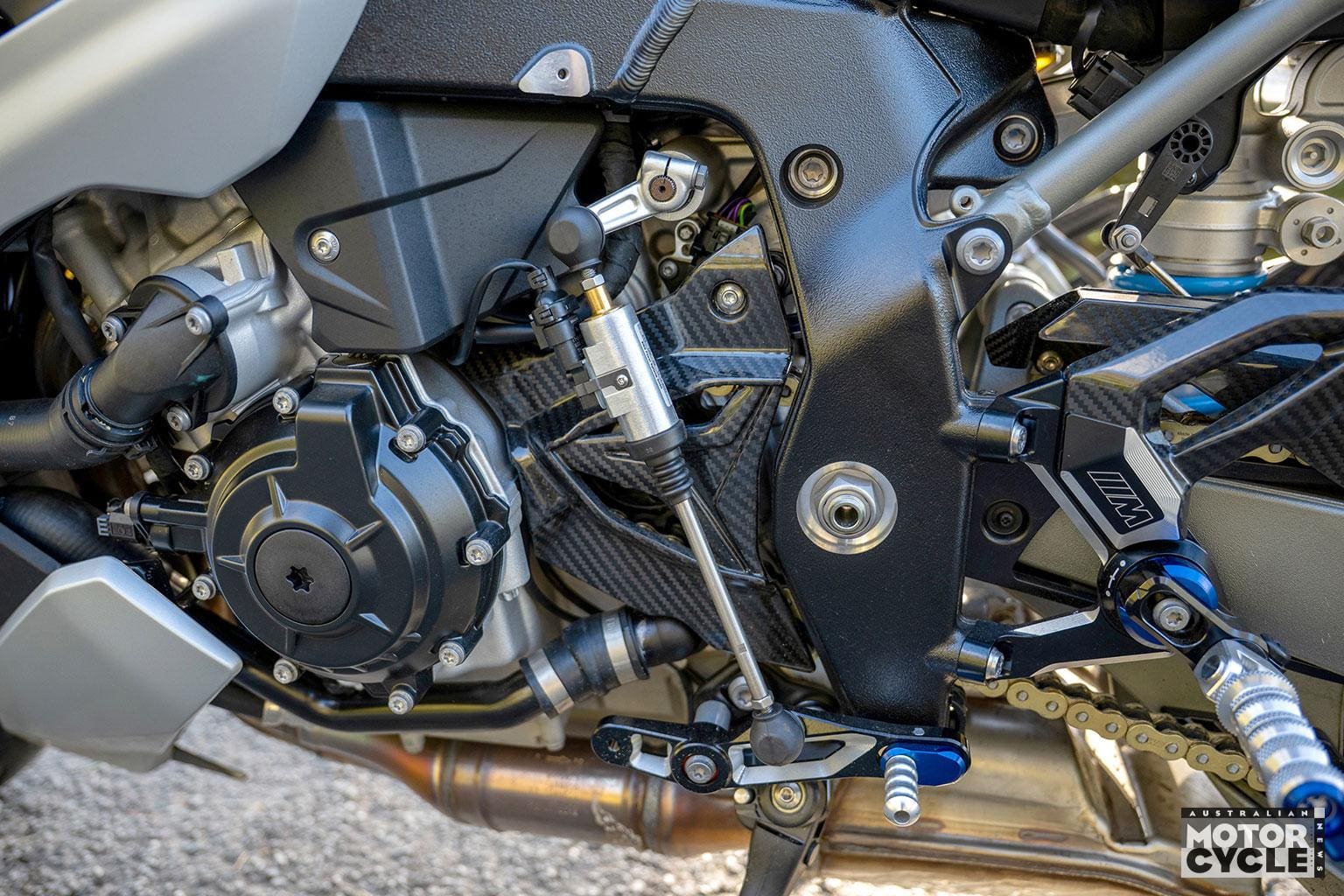
The headline act is still the screaming 999cc inline four, deploying BMW’s patented ShiftCam system with variable intake valve timing to lift power from the S 1000 R’s 121kW (162hp) at 11,000rpm to 154kW (206.5hp) at 13,750rpm, with a Formula 1-esque 14,600rpm redline. The beauty of the ShiftCam tech is that, despite the huge top-end mumbo, torque and midrange pull aren’t sacrificed, with the peak 113Nm figure virtually identical to the S model.
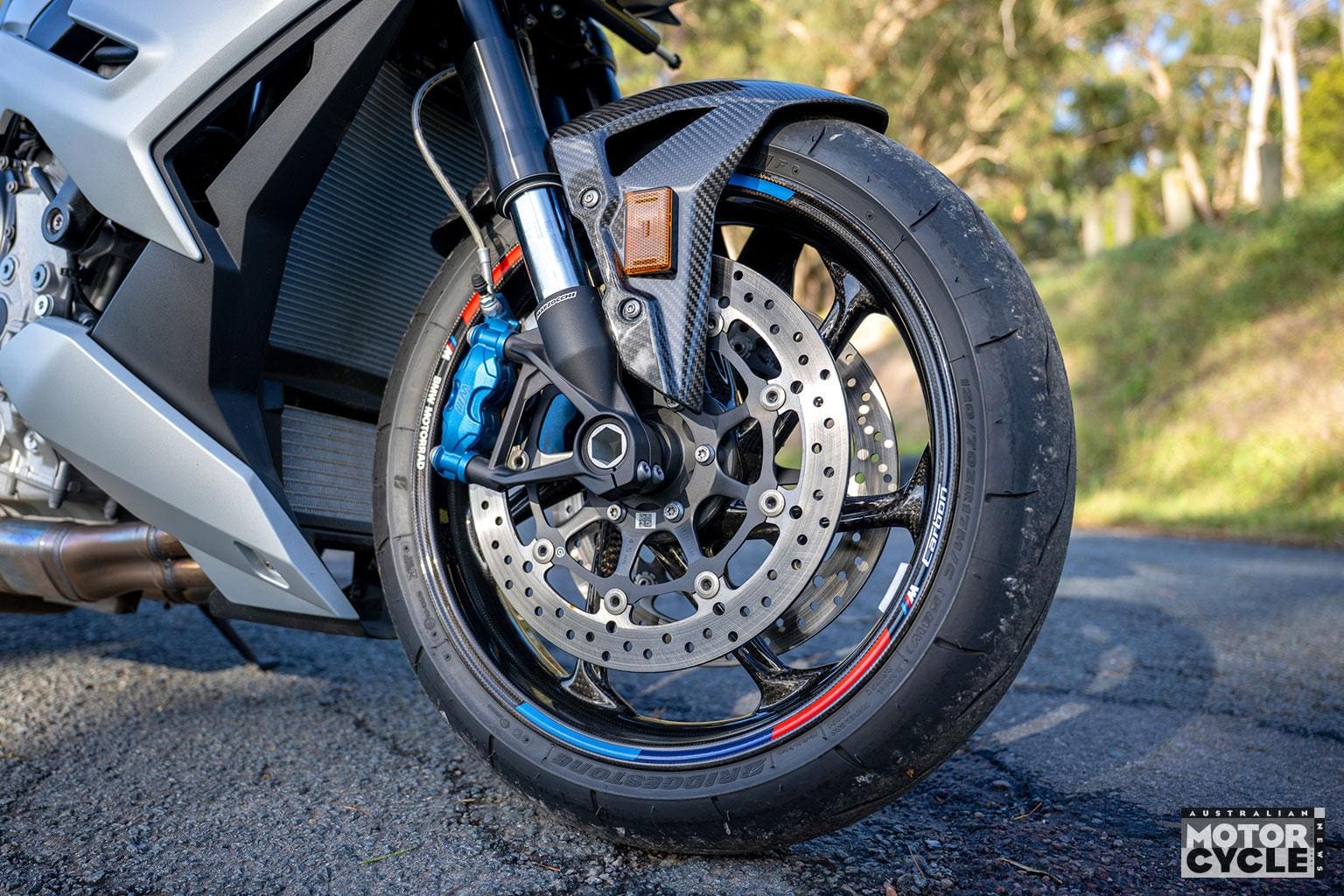
The increase in engine potency is matched by a commensurate augmentation in the stopping department, with bright blue, in-house-developed radial ‘M’ calipers chomping on 300mm discs at the front, and a 220mm disc at the rear.
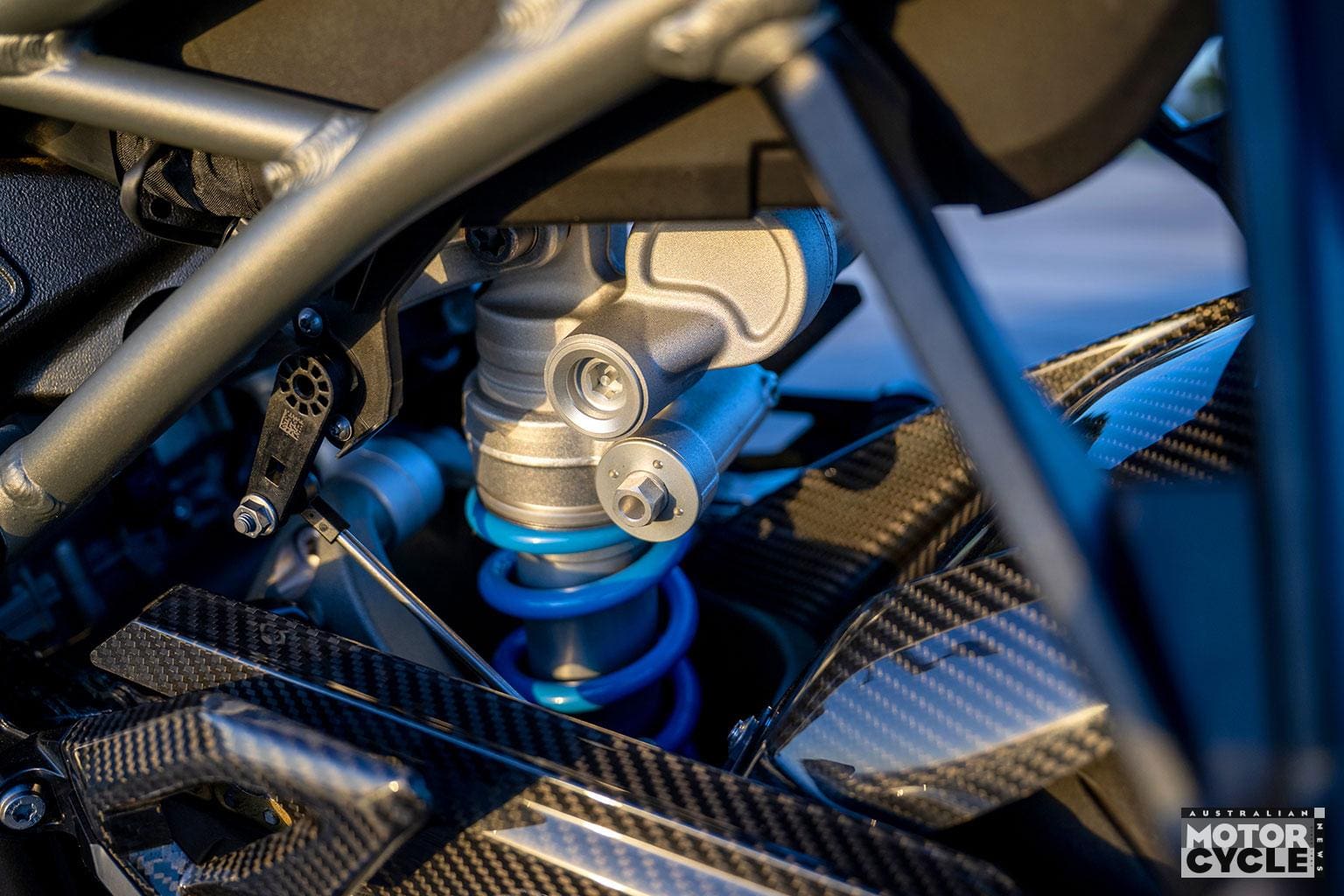
Suspension duties are carried out by BMW’s electronically controlled Dynamic Damping Control (DDC) system. It adapts on-the-fly in just 10ms to road surface and bike dynamics changes, and can be set for racetrack duties, trips to the milkbar and everything in between. Up front lives a 45mm fully-adjustable USD fork, and out back an aluminium swingarm with a preload-adjustable monoshock, also electronically regulated.
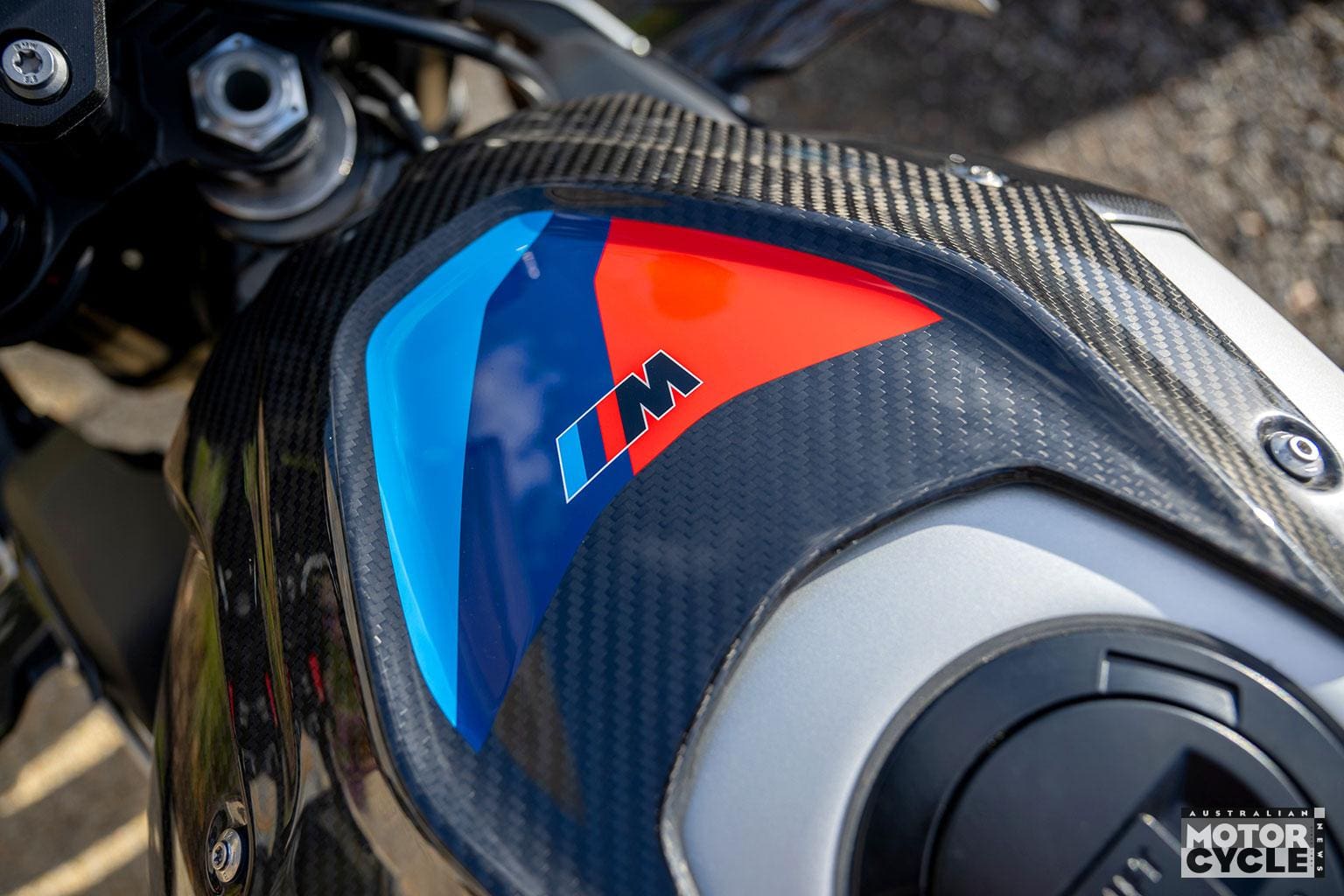
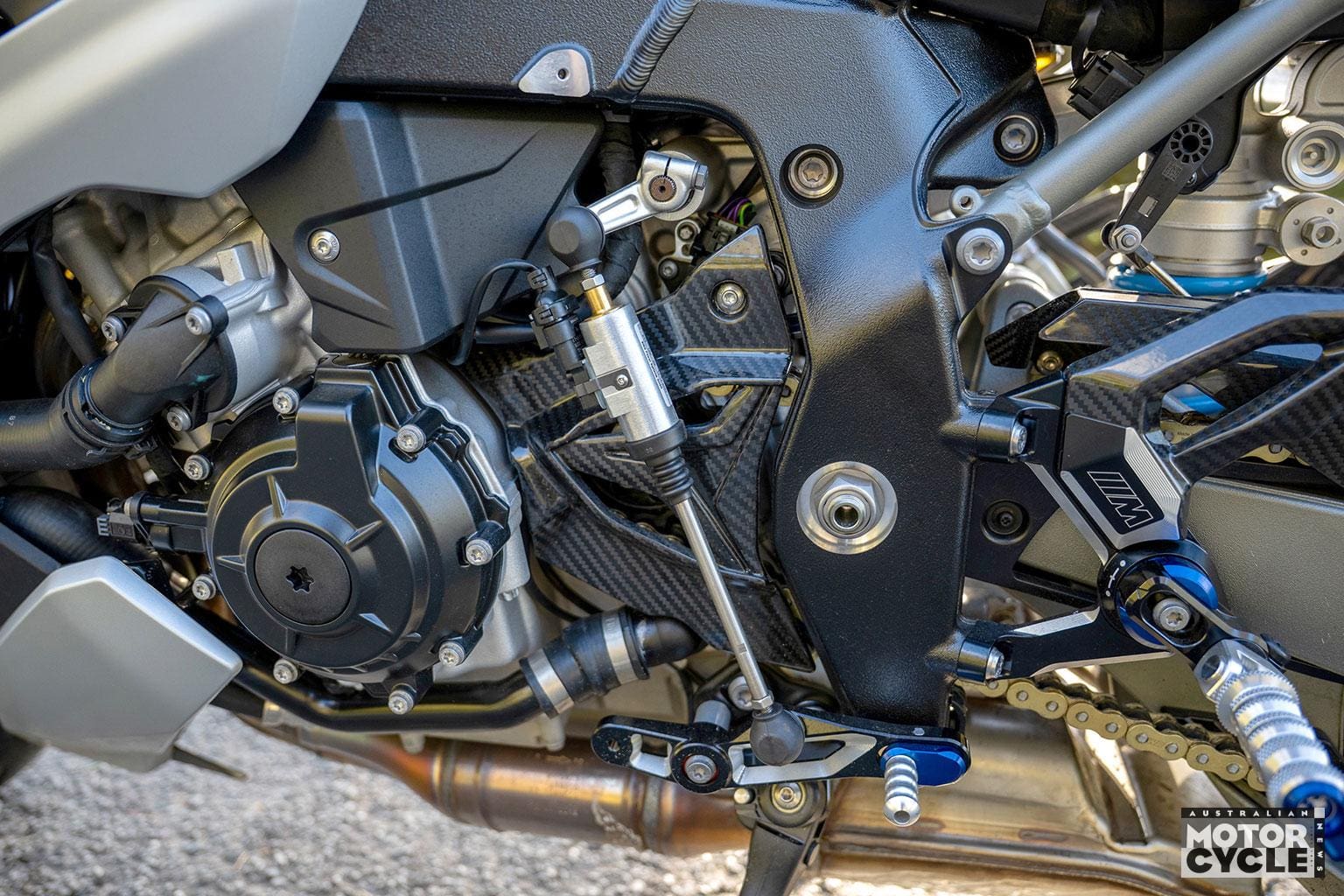
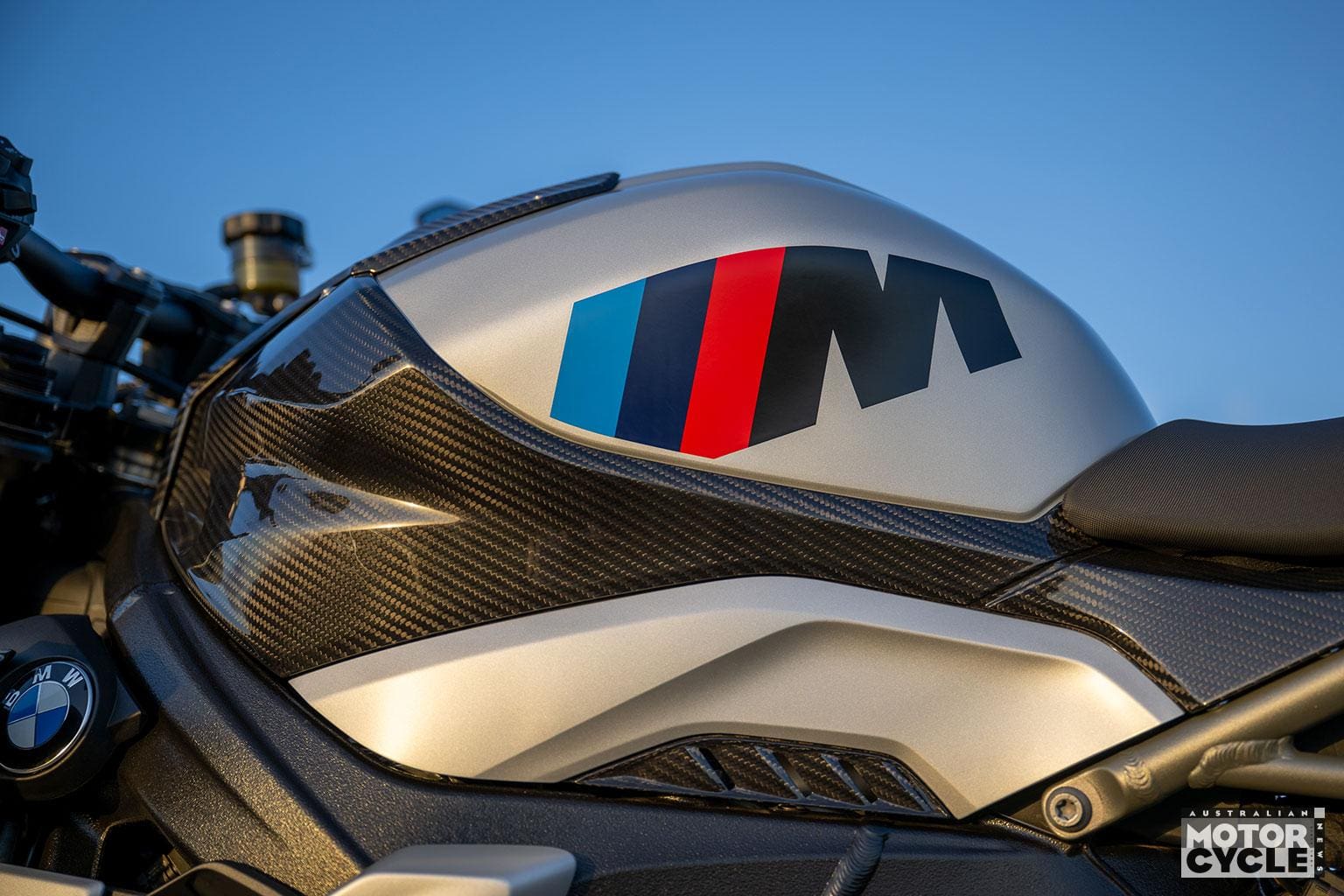
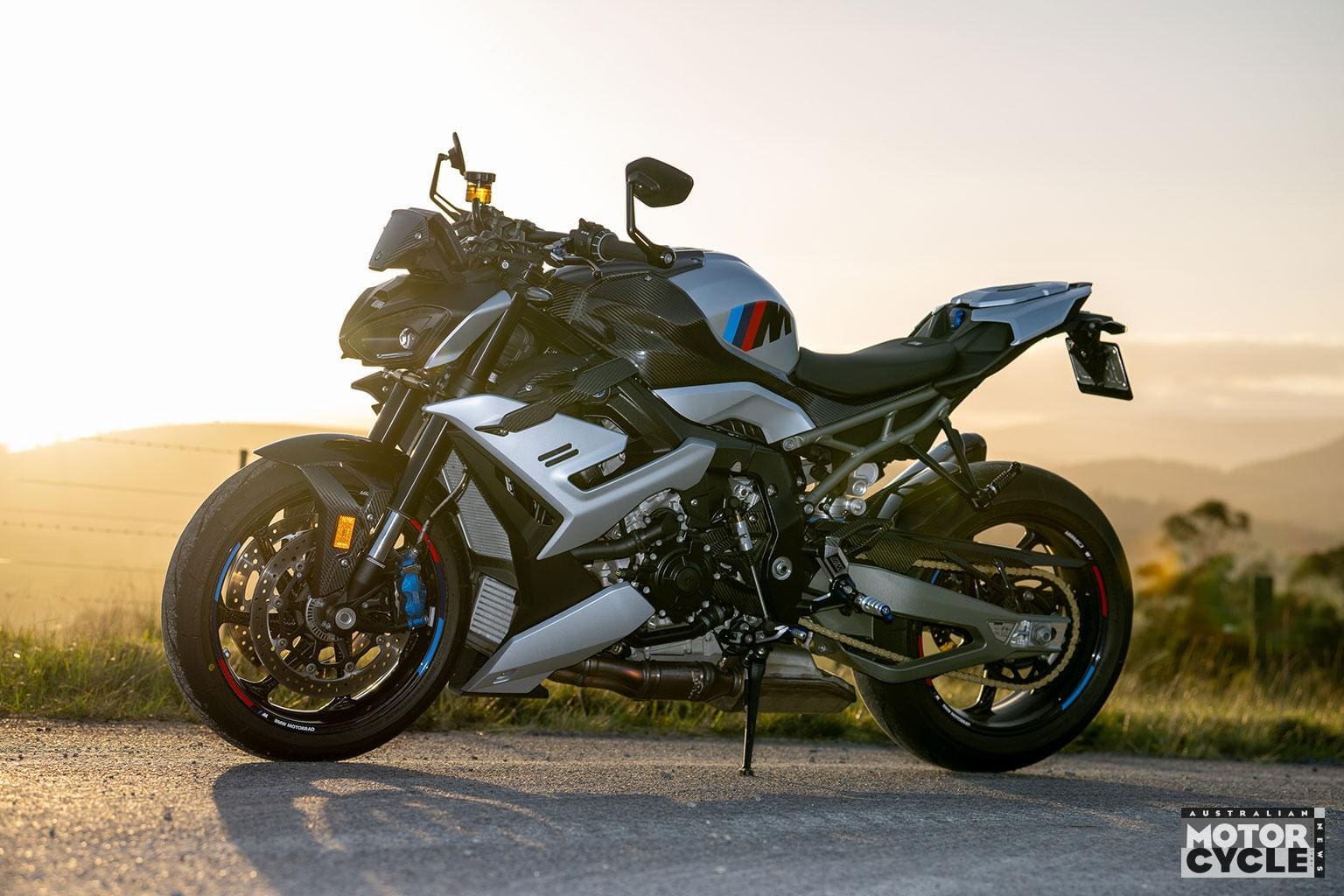
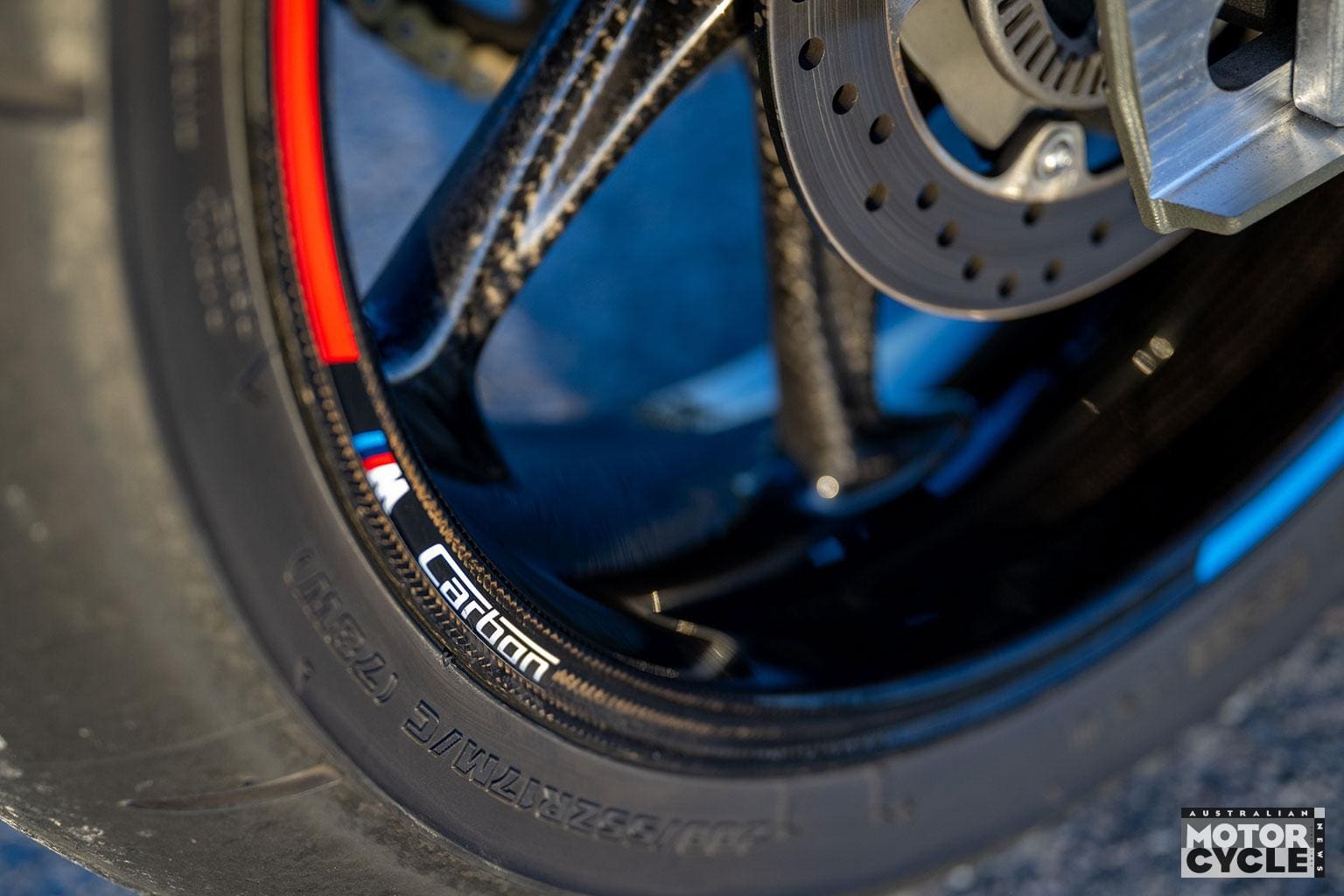
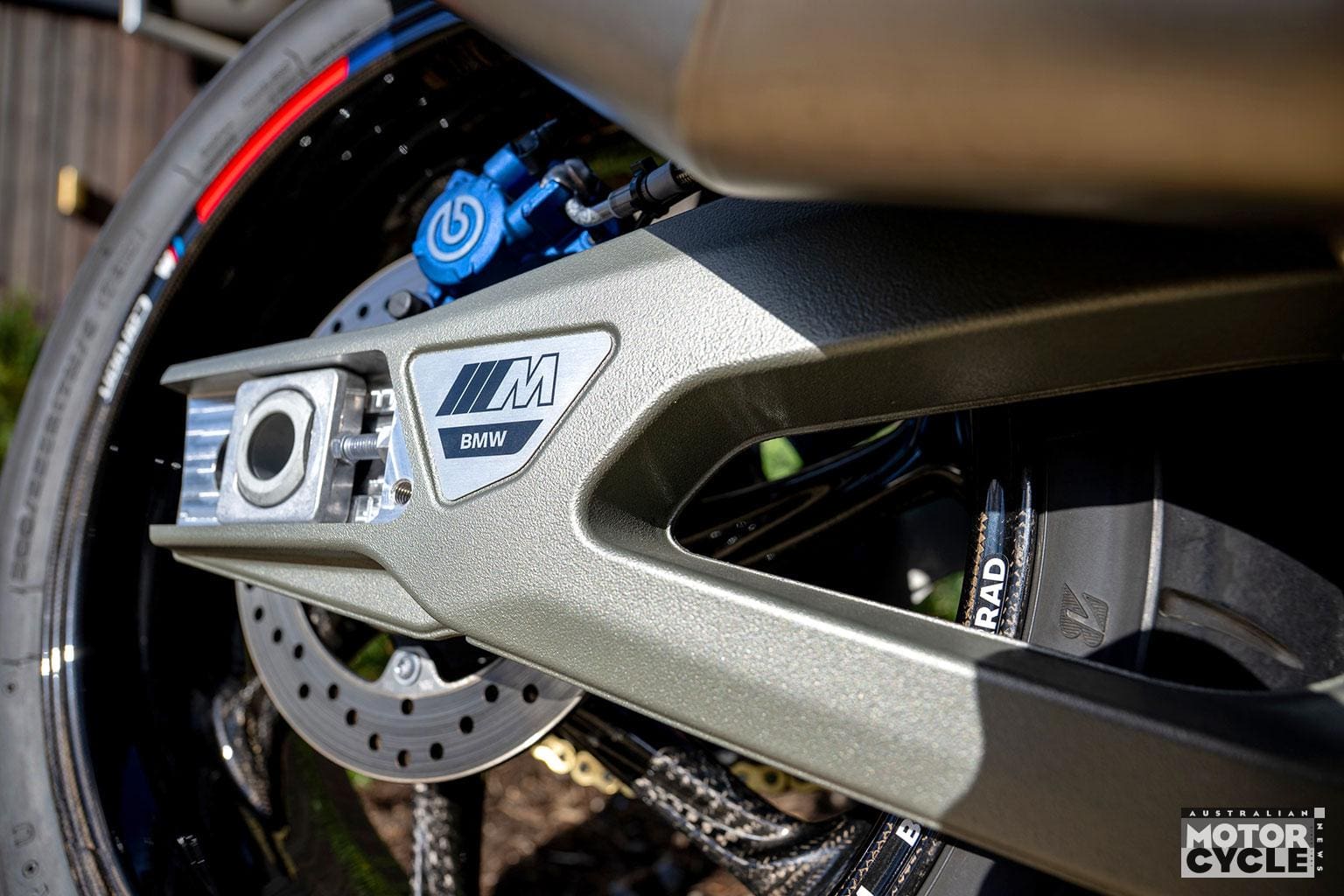
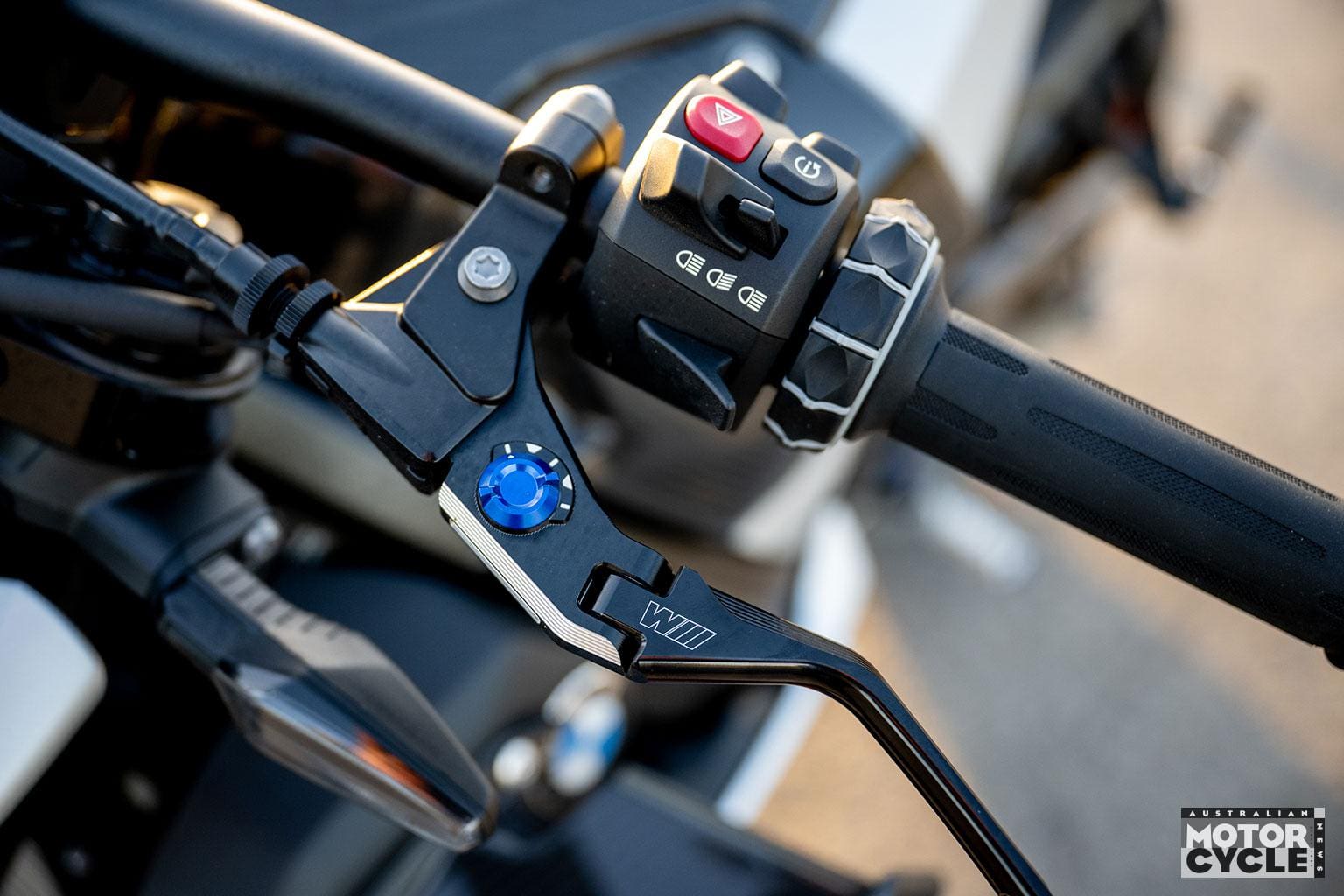
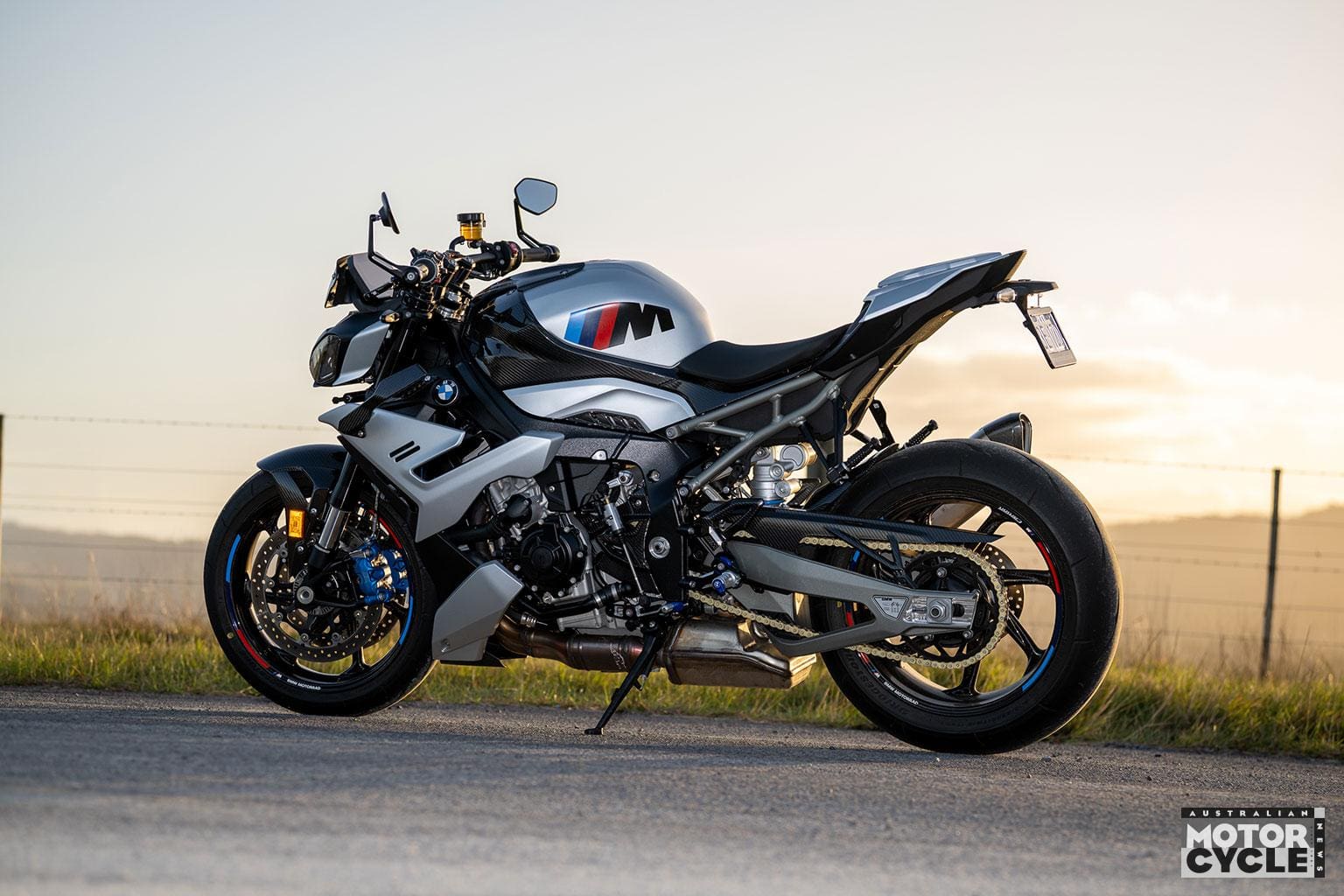
On top of all that, the Competition version adds lightweight M Carbon wheels, a selection of M billet milled aluminium parts, such as adjustable footrests and levers, and various M Carbon components like the front fender, tank shroud and chainguard.
M is for magic
Electronic rider aids are par for the course on modern bikes, but the M 1000 R is so advanced it makes it feel like you’re riding with cheat codes enabled. The core of its capabilities stems from a sophisticated six-axis IMU that measures lean angles, pitch, steering inputs, throttle position, braking pressure and more, helping the onboard gizmos to Control-Z your sloppy mistakes before you know you’ve made them.
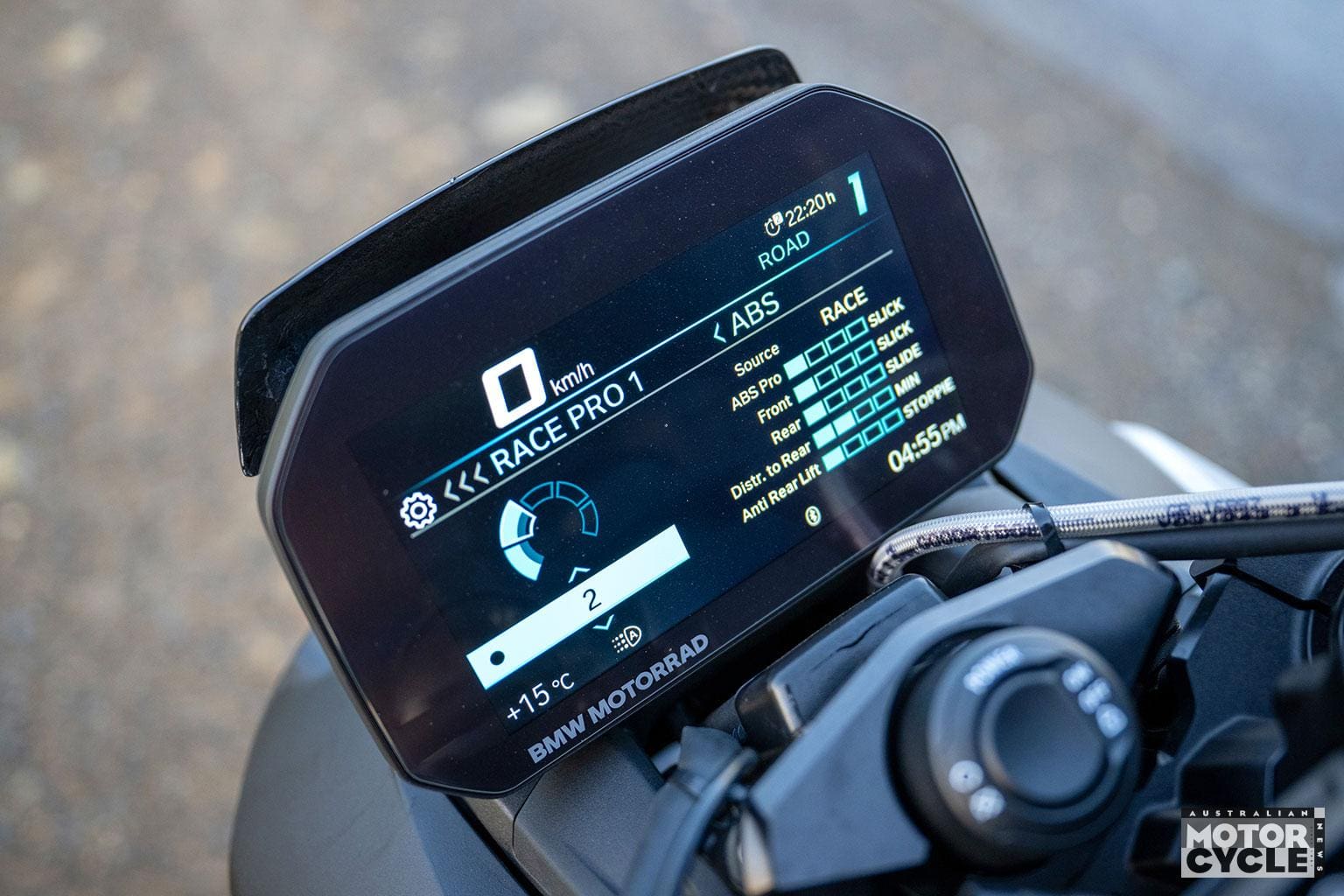
Three fully customisable ‘Race Pro’ ride modes are included on top of the standard Rain, Road, Dynamic and Race settings, allowing you to create personalised presets for virtually every parameter you can imagine. Want sharp throttle, mild engine braking, lenient wheelie control and tighter rear damping at the touch a button? Done. All those settings can be adjusted via the bike’s premium 6.5in TFT dash, in conjunction with the spinny-wheel jigger on the left handlebar, which seems a bit gimmicky until you realise how easy it makes navigating through the plethora of menu options.
A quickshifter is standard, the alertness of which can also be customised, providing military-grade, clutchless shifts up and down the gearbox.
Other standout features include a Sport display mode, a launch control system, pitlane limiter and lap timer. While it’s hard to imagine using many of those items away from a racetrack, the lean angle readout on the Sport configuration is quite illuminating, mostly when you discover that, no, you weren’t emulating Jorge Martin (2024 spec) through that last left-hander.
What’s it like to ride?
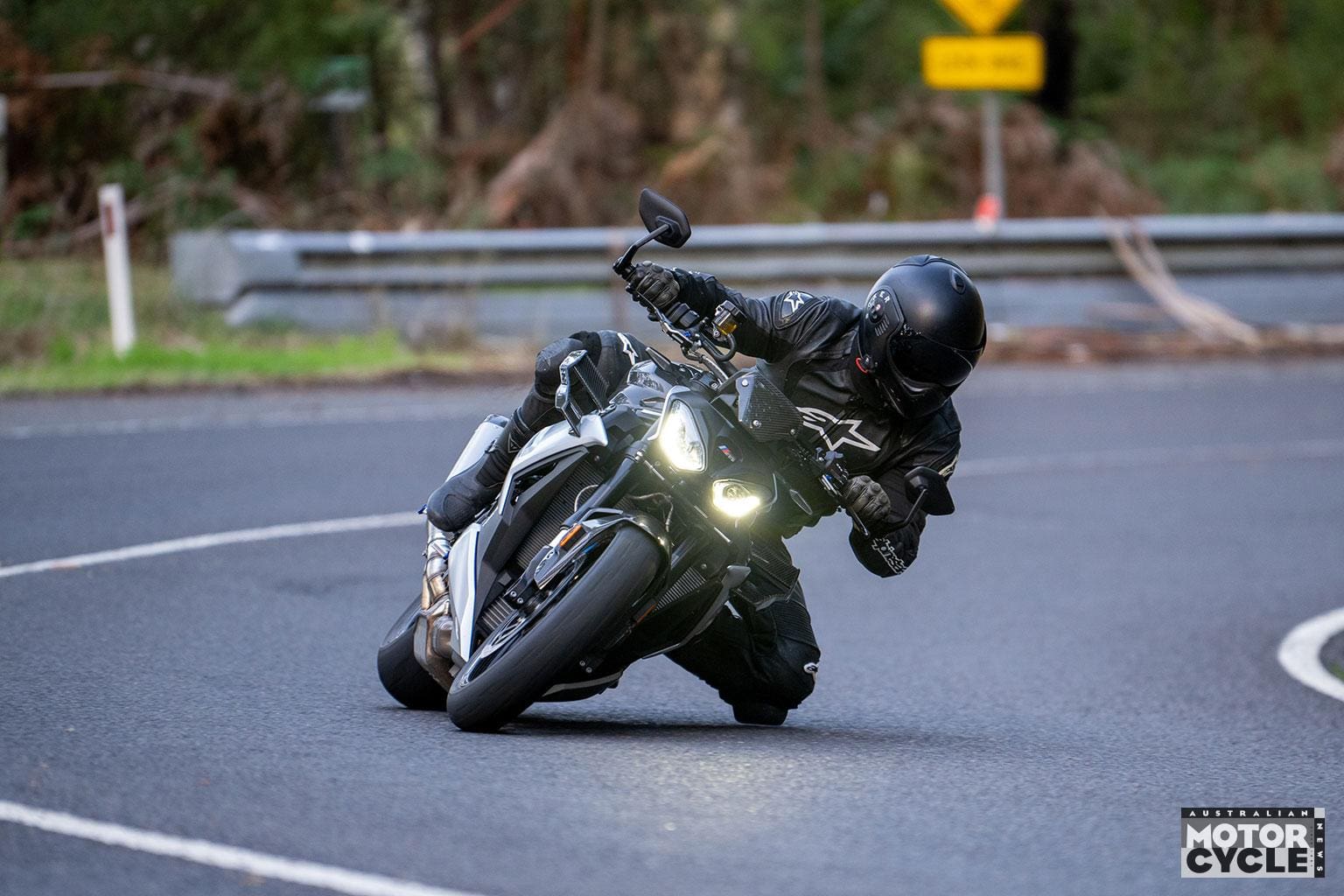
Sitting kerbside, the carbon fibre additions and winglets combine with the metallic Titanium White paint to imbue the M with the brooding lethality of a bared blade. I was disappointed at first when BMW elected to ditch their distinctive single headlight for a twin arrangement, but in the metal it certainly lends the R some steely-eyed personality.
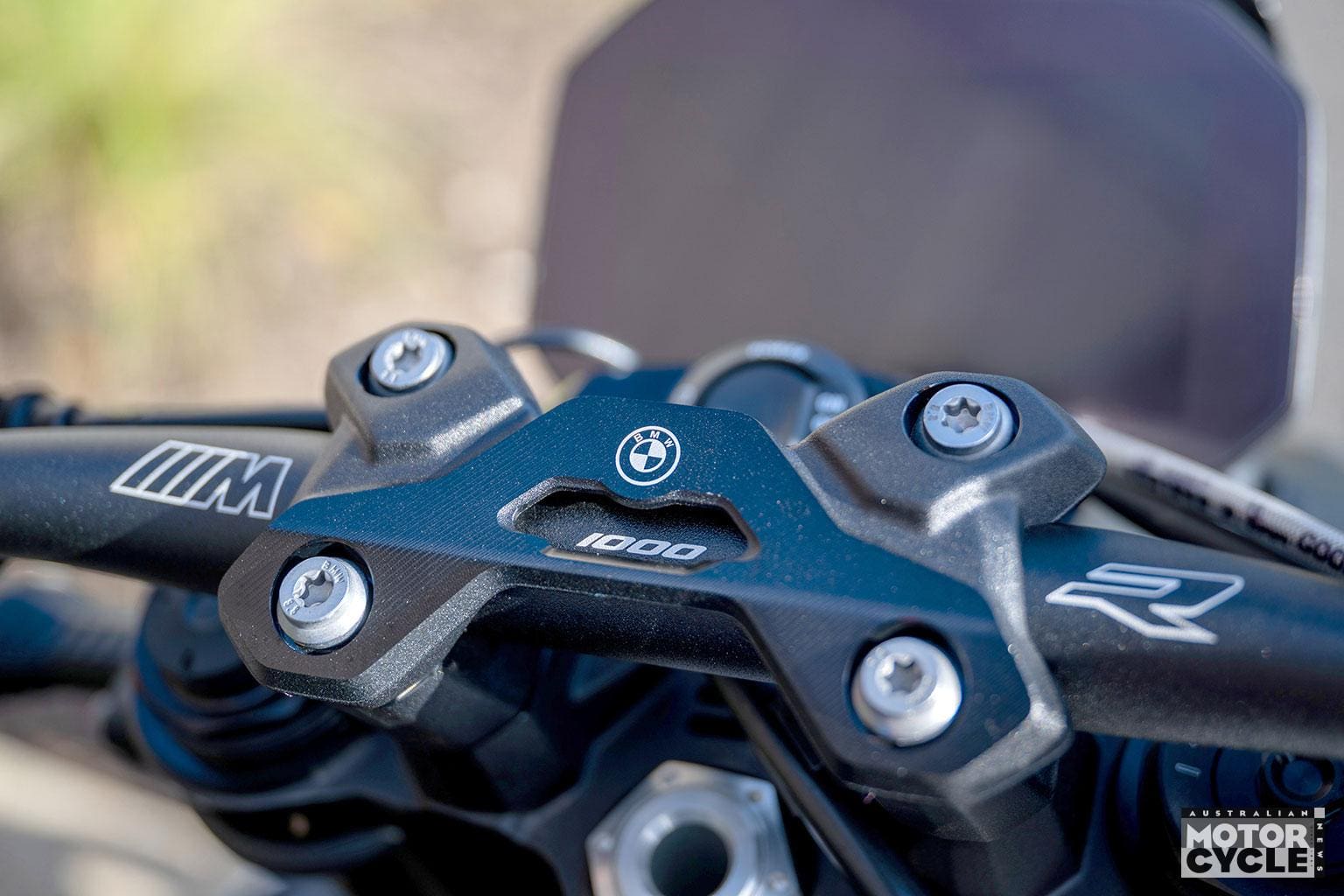
The riding position feels racier than on the standard R, because it is. The ‘bars are situated lower and farther forward, with higher, adjustable footpegs letting the rider know immediately that the M means business, while still being kinder on the joints than an out-and-out sportsbike.
That purposeful vibe continues when you press the keyless ignition, with the inline-four settling into a fast, angry buzz as though it resents being idle. An exploratory throttle blip reveals a scalpel-like precision to the new M quick-action throttle. Every micro-movement of your right hand is converted into revs without hesitation, with zero fluff in the fueling, and on the move if you so much as breathe on the go-grip, the bike responds. It’s not jerky at all but provides exactly what you ask for, exactly when you ask for it.
The M will still cruise through traffic and pretend to be civilised around town, particularly if you deploy Road mode with its softer throttle and damping settings. Even with the damping wound back the suspension feels pretty taut though, taking the edge off sharp undulations without really disguising the fact that it would prefer to be on a racetrack. But the M 1000 R is built to deliver feedback, not filter it out.
When BMW sticks an M badge on something, compromises are wound back to a minimum, so the fact my toe got a bit sore from the bare metal shift lever, or my head acted as an extended air brake at speed are forgivable. You want creature comforts? Buy a K 1600 GTL. That said, I did appreciate the cruise control and heated grips as I passed signs in the hills suggesting it might be an idea to fit tyre chains due to low-level snow.
The seat is also fairly firm, but BMW must have stuffed it with unicorn fur or something because at the end of a day in the saddle my posterior didn’t feel like it had been taken to with an oar, which is borderline miraculous on a bike this focused. You can almost feel the M rolling its eyes through the urban mundanity though; it wants to be unleashed, and when you do, all hell breaks loose.
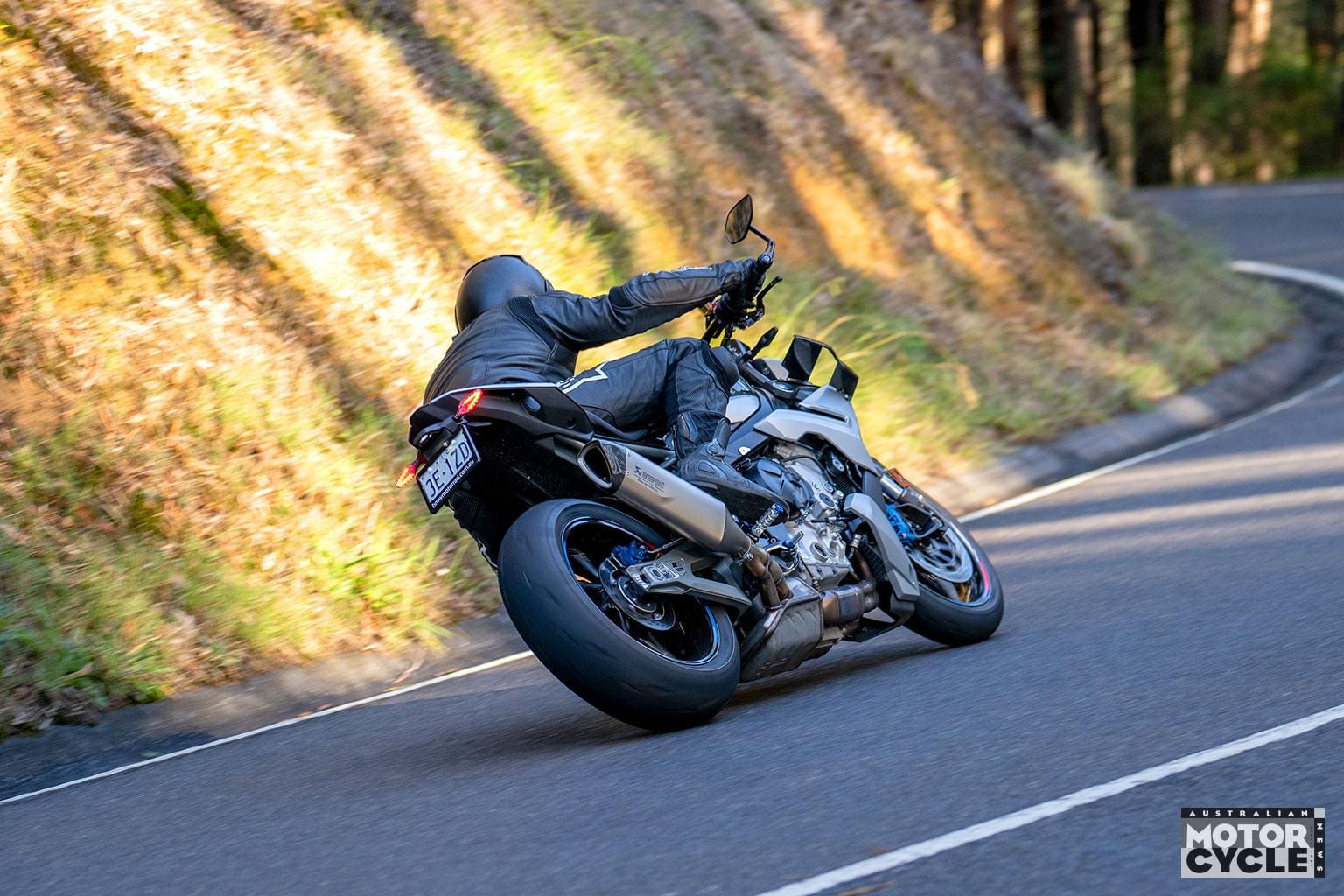
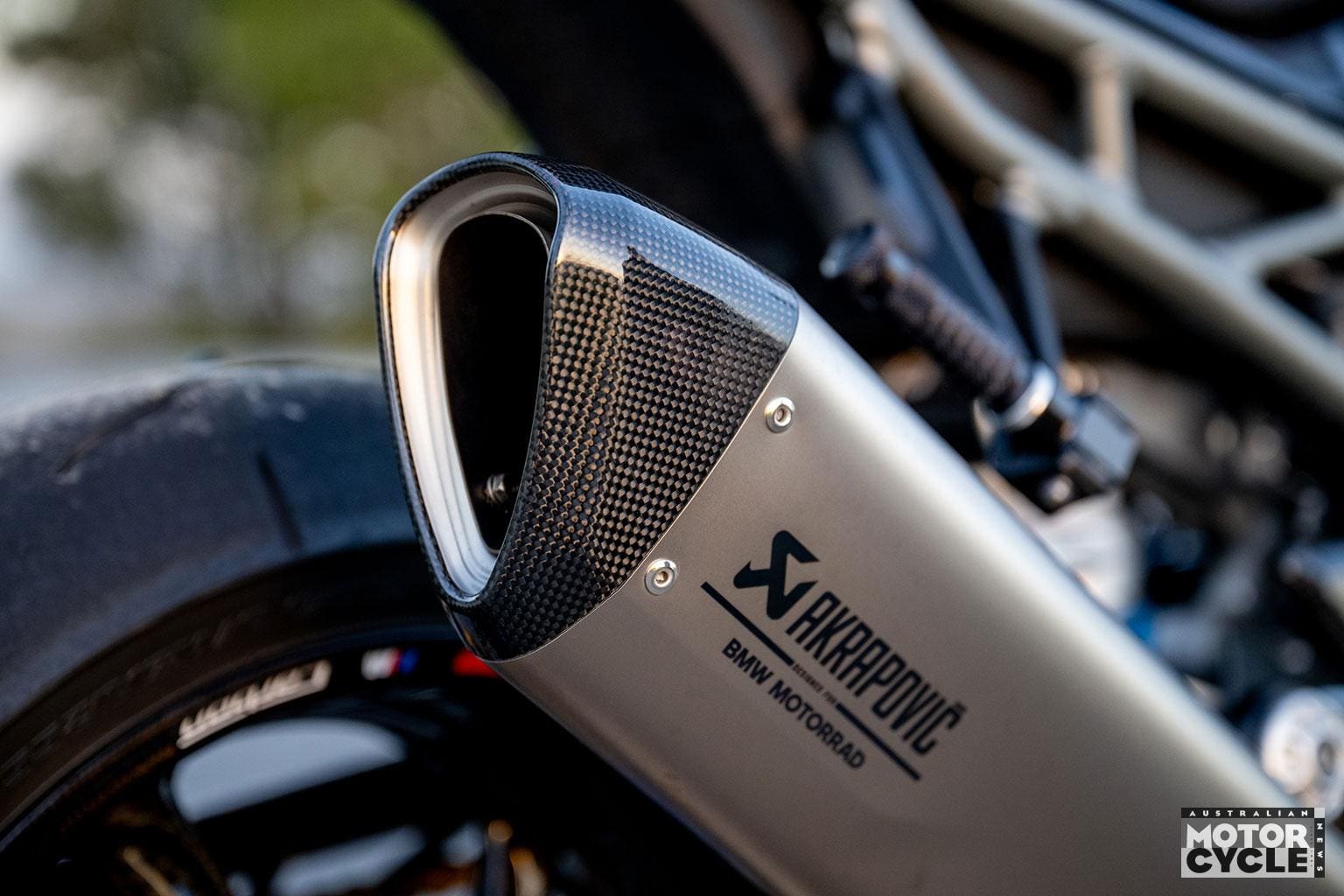
Let the M 1000 R off the chain and it doesn’t surge so much as detonate between each gear. You think it’s pulling hard, and then the ShiftCam kicks in and you realise there’s a whole other, psychotic level to go to as the digital tacho howls up to its stratospheric red line. The exhaust note from the titanium muffler tears through your skull like a mechanical banshee, a spine-tingling wail that’s equal parts fury and precision, and the impression of speed is dialled to 11 with wind protection that’s roughly equivalent to what a clothesline might provide in a tornado.
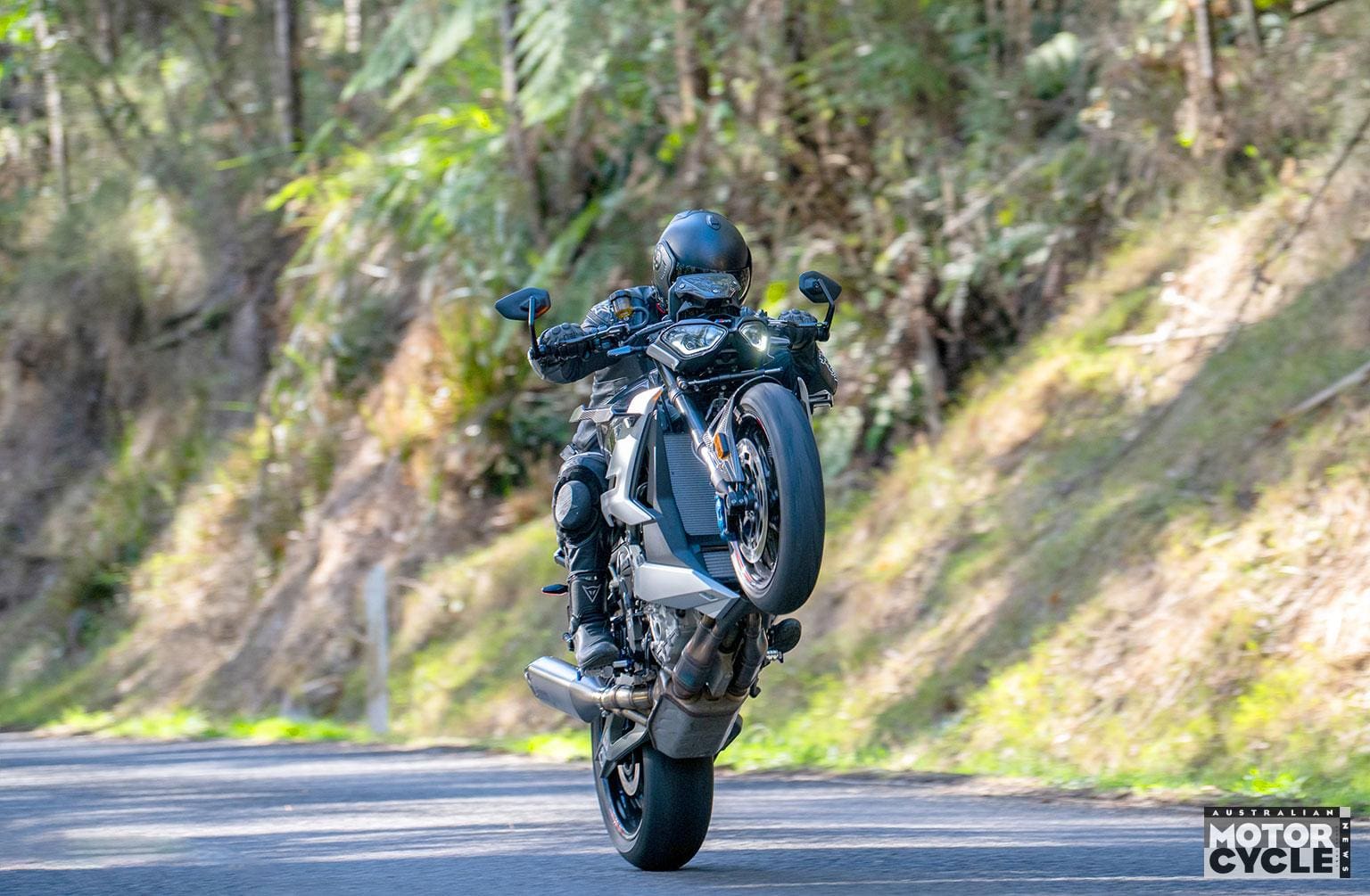
As you might expect, with Wheelie Control off and Stability Control off, monos are only ever a snap of the wrist away, especially with the throttle in Race setting. In the name of science, I discovered that the least amount of engine brake combined with max engine power and softest DDC worked best for me – which became Race Pro setting 2. With wheelie control on a low setting, you can apparently use the ECU as a kind of electronic failsafe, but I find it a strange feeling trying to negotiate with the electronics while keeping the front aloft.
Mind-reading chassis
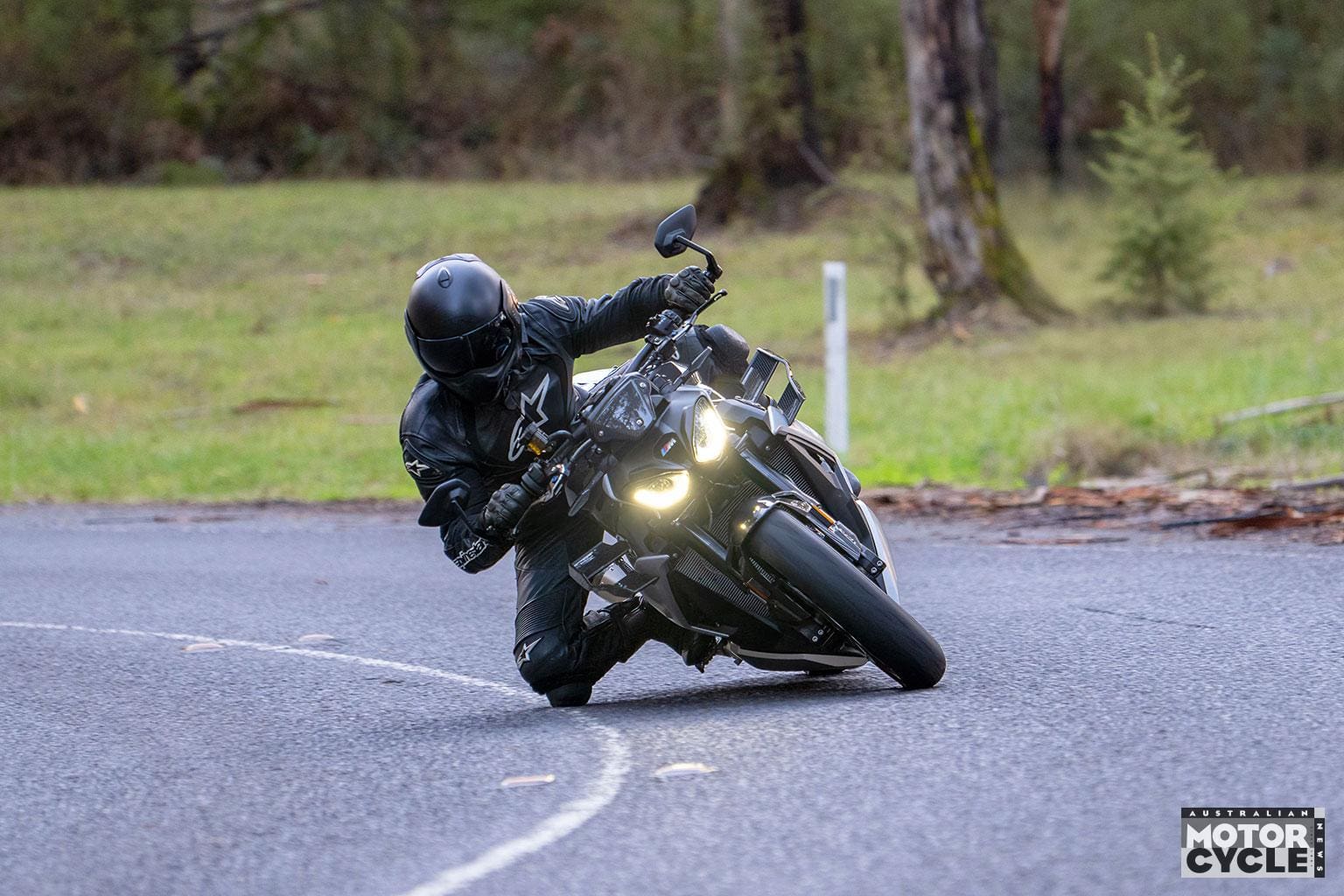
Remember how I said there’s no fat built into the throttle response? The steering feels exactly the same, with every ounce of force applied to the wide, flat ‘bars translated to instant turning – not so much telepathic as downright prescient. It took a little while before my brain had recalibrated itself to the M’s hyper-alert reflexes, but once I got used to it, tipping in felt smooth and effortless. In fact, there’s a fluidity to the way the M turns that feels graceful whether you’re changing lanes or attacking a high-speed flip-flop – no doubt aided by the carbon fibre rims reducing unsprung rotational mass by around 1.6kg.
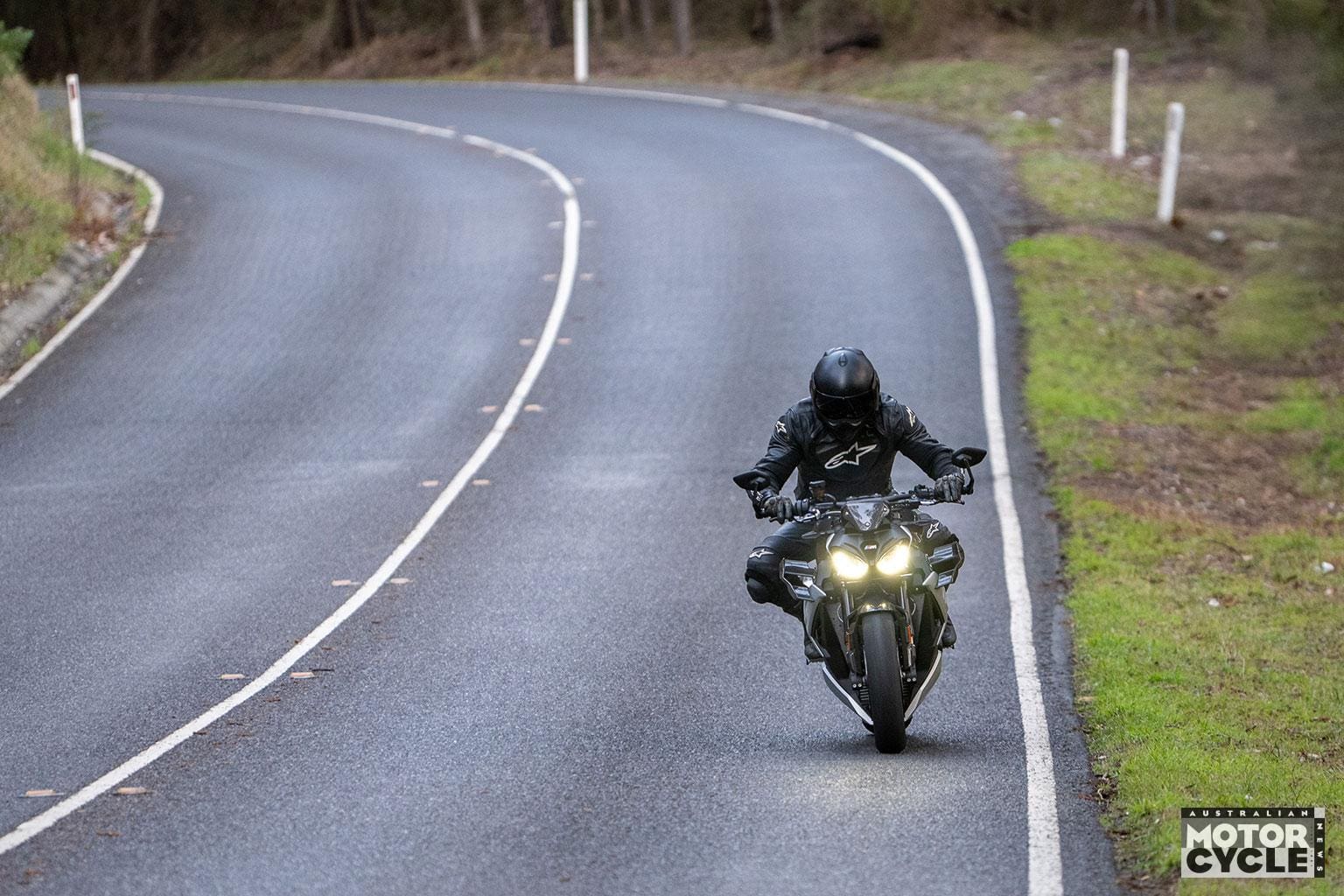
With overnight rain and freezing temperatures leaving a wintery, moist sheen over the mountain pass roads, I was happy to leave the electronics set to the more conservative Road mode but, through corners with more trustworthy levels of grip, the quality of the chassis starts to really shine through.
As with the S 1000 RR Race and M 1000 RR, the adaptive suspension reacts to road conditions and cornering dynamics in real time to provide the RIGHT level of support at the RIGHT times. You can’t really feel it working, beyond the fact that both ends of the bike just feel super planted, giving you increased levels of road holding and therefore confidence. It’s a revelation, particularly on real-world roads that are far from billiard-table smooth.
The stopping power afforded by the blue eloxal coated calipers is immense, with the kind of instant chomp and feedback that feels like almost too much for road use. But it’s nice knowing you’ve got Great White levels of bite combined with sophisticated cornering-optimised ABS when you need it.
There’s even Slide Control and Brake Slide Assist functions. While I could feel the TC balancing rear traction on exit at times though, exploring those kinds of parameters requires a clear racetrack with temperatures hopefully above the single digits. Still, there’s a precision-engineered competence in the way the M carves roads that feels a level above any other naked I’ve ridden.
Verdict
In some ways the M 1000 R Competition is a rolling, super-badass contradiction. It comes loaded to its winglets with track-dissecting weaponry, but anyone who’s serious about smashing out laps at their local circuit will eventually want proper wind protection, and $43k is a lot of moolah to flush down the drain if you misjudge your braking marker.
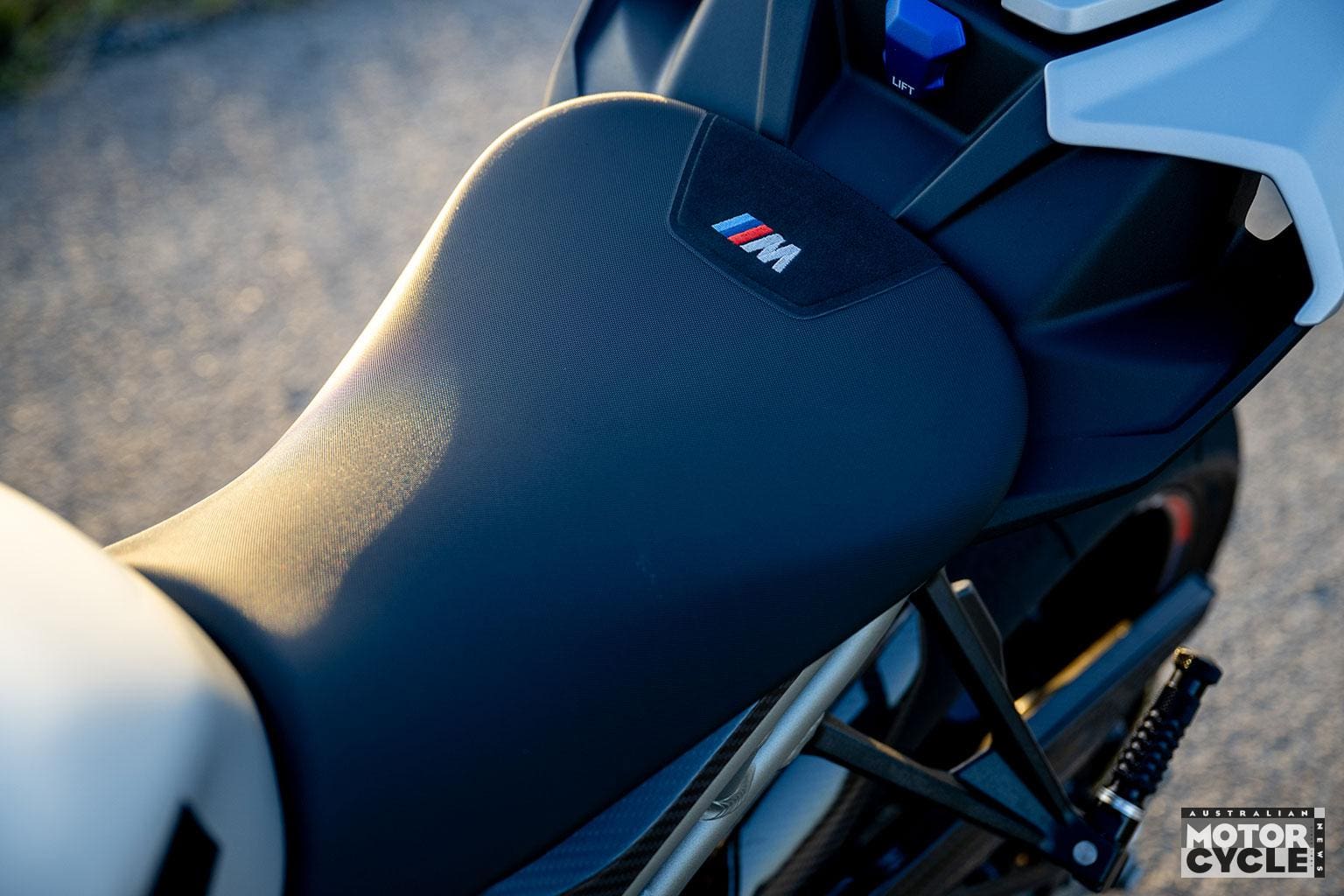
Yet for road use, the mirrors blur at speed, the suspension is firm to the point I suspect I’d never use anything bar the softest setting and, while the M canards are functional chunks of aerodynamics, you’re risking torching your licence long before you get to the sort of speed required for them to provide useful downforce.
But motorcycles don’t have to make logical sense. The M’s quality and purity of purpose give you the smug satisfaction of knowing that you’re piloting something very special – as well as a huge hit of adrenaline whenever you’re feeling brave enough. It delivers performance at levels that make the meat sack in the saddle the biggest limiting factor for everybody not named Toprak Razgatlioglu, along with high-velocity theatre that literally makes your heart beat faster just thinking about going for a ride. And it’s got heated grips.
It might not be sensible, but greatness rarely is.
✅ PROS – This level of performance in a naked chassis is intoxicating and mind-scrambling, especially when combined with top-notch electronics. M Competition additions give the bike a rarefied aura.
❌ CONS – Fairly hard-edged for road use. For most people, the standard S 1000 R provides more than enough thrills for much less cost.
Competition
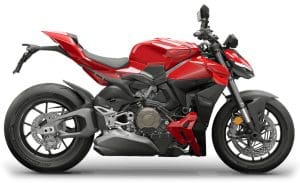
Ducati Streetfighter V4 S
Cost: $43,100
Weight: 189kg wet
Power: 157.4kW at 13,500rpm
Torque: 120Nm at 11,250rpm
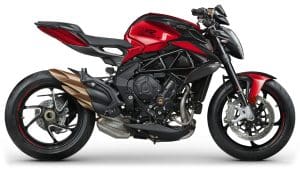
MV Agusta Brutale 1000 RR
Cost: $59,295
Weight: 203kg dry
Power: 156kW at 13,000rpm
Torque: 116.5Nm at 11,000rpm
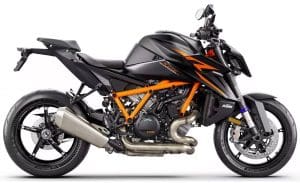
KTM 1390 Super Duke R
Cost: $31,995.00
Weight: 200kg (wet, no fuel)
Power: 141.7kW at 10,000rpm
Torque: 145Nm at 8000rpm
SPECIFICATIONS
ENGINE
Type Water/oil-cooled, 999cc in-line four-cylinder, four-stroke with four titanium valves per cylinder and BMW Shiftcam variable intake camshaft control
Bore & stroke 80mm x 49.7mm
Compression ratio 13.1 : 1
Fueling Electronic intake pipe injection / digital engine management system: BMS-O with throttle-by-wire
Transmission Claw-shifted 6-speed gearbox integrated in the transmission housing
Clutch Multiplate in oil bath, anti-hopping with self-reinforcement
Final drive Chain
PERFORMANCE
Power 154kW (206.5hp) at 13,750rpm (claimed)
Torque 113Nm at 11,100rpm (claimed)
Top speed 280km/h (claimed)
Fuel consumption 6.4L/100km (measured)
ELECTRONICS
Type: Ride by wire
Rider aids Dynamic Damping Control (DDC), BMW Motorrad ABS Pro, Riding modes Pro, Pit Lane Limiter, Launch Control, Dynamic Traction Control (DTC) +/- Shift, Wheelie Control, Slide Control, Dynamic Brake Control (DBC), Shift Assistant Pro, Automatic Hill Start Control (HSC), Cruise Control, Keyless Ride
Modes Rain, Road, Dynamic, Race, Race Pro 1–3
CHASSIS
Frame material Cast aluminium
Frame type Bridge-type
Rake 24°
Trail 96.5mm
Wheelbase 1,455 mm
SUSPENSION
Type: Marzocchi with DDC
Front Upside-down telescopic fork, 45mm diameter, electronic self-adjusting Dynamic Damping Control (DDC), spring preload, rebound and compression stages adjustable
Rear Aluminium twin-sided swingarm, Dynamic Damping Control (central shock absorber), adjustable spring preload, rebound and compression stages electronically adjustable
WHEELS & BRAKES
Wheels M Carbon
Front 3.50in x 17in
Rear 6.00in x 17in
Tyres Bridgestone Battleaxe RS11R
Front 120/70 ZR17
Rear 200/55 ZR17
Front brake Twin discs, 300mm diameter, 4-piston fixed calipers
Rear Single disc, 220mm diameter, single-piston floating caliper
DIMENSIONS
Weight 199kg (wet)
Seat height 830mm
Width 996mm
Height 1176mm
Length 2085mm
Fuel capacity 16.5 litres
SERVICING & WARRANTY
First service 800km
Minor 10,000km, Major 30,000km
Warranty 60 months/unlimited kilometres
BUSINESS END
Price $45,445 ride away
Colour options Light White / M Motorsport, White Aluminium Metallic Matt, Black Storm Metallic / M Motorsport
CONTACT