Inside the incredible technique, tech and timing that define MotoGP’s most decisive moment
If there was a championship just for the starts in MotoGP, KTM would already have won a few titles by now. Their bikes often win at least one full starting row in the sprint to turn one. But how does this work? And what does it take to get that much desired ‘good start’?
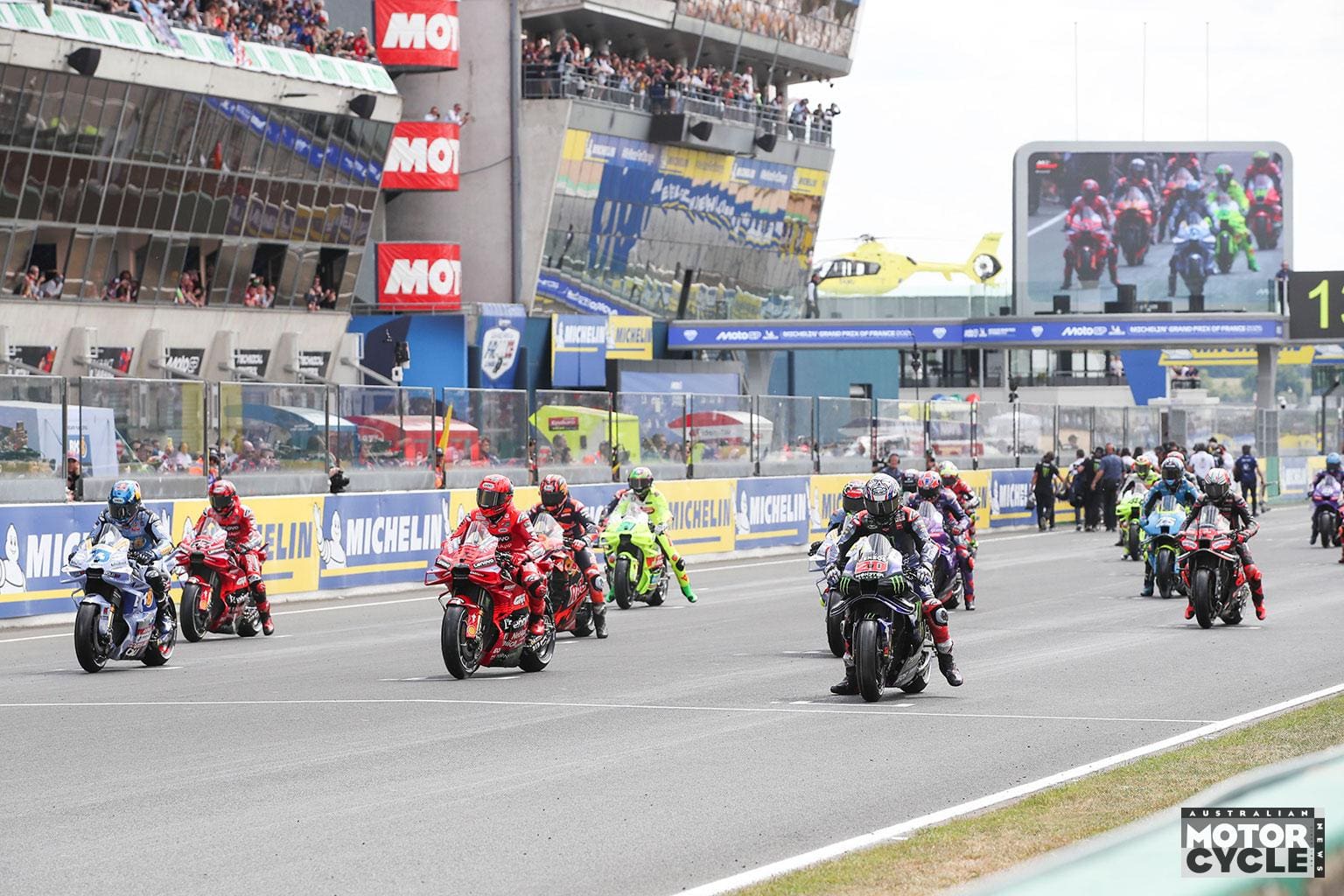
Why the start is now so much more important
For as long as I can remember, riders have gone to bed on Saturday night hoping that they will have a good start in Sunday’s race. Why? Simple. Whoever starts badly has to start riding even faster than the leaders in order to be in the fight at the front. Riding even faster is, of course, asking a lot. Often either impossible or, if it is possible, it asks too much of the tires and of the motorcycle, which in turn makes the last few laps very difficult again.
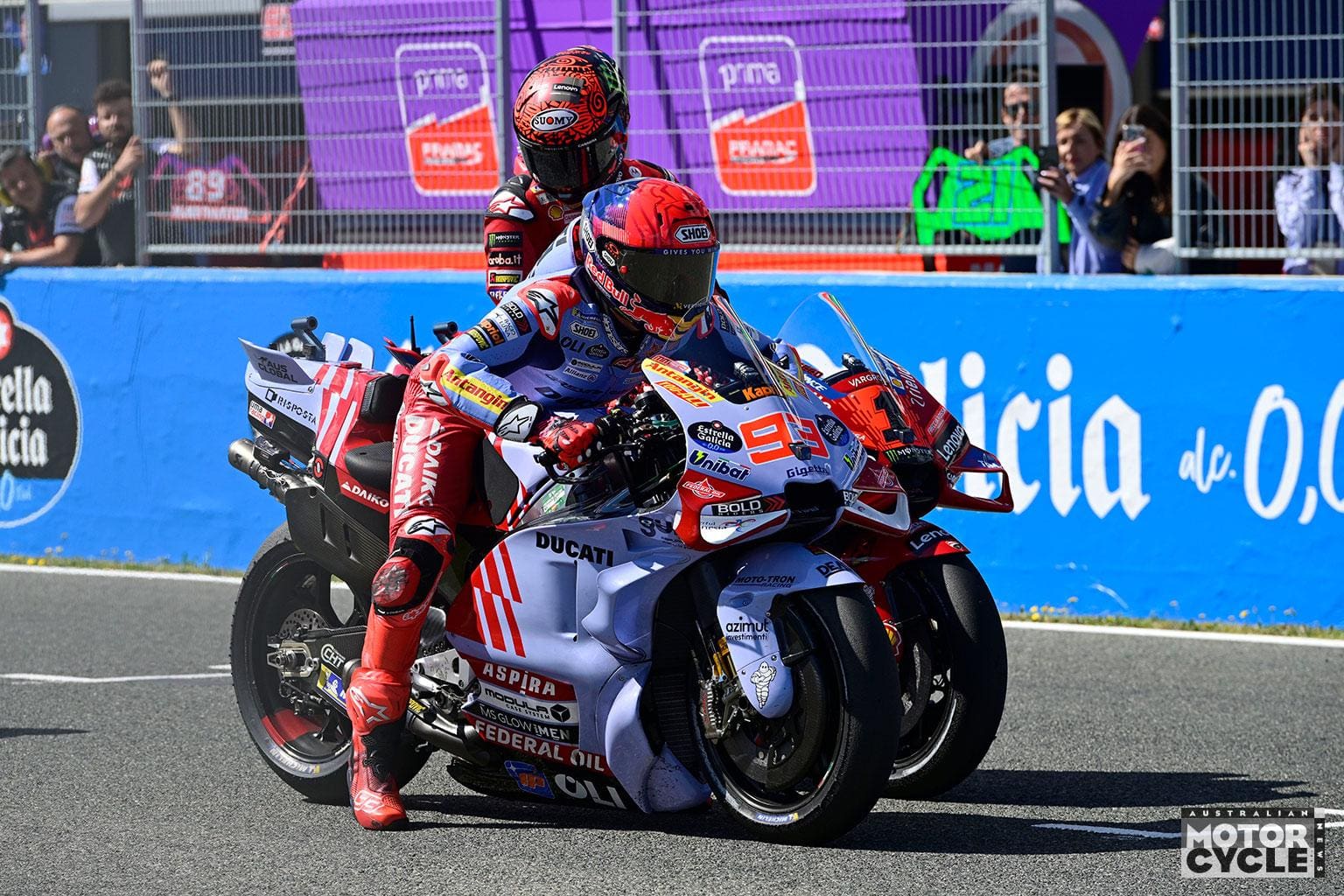
Hence the cliches, the comments from riders before the race: “I really hope to have a good start.”
Yet I can also remember a time when we didn’t take all this very seriously. Even though riders were saying that exact same thing back then too, we also knew that it didn’t necessarily have to be like that. Riders who could ride a good pace in practice but just couldn’t squeeze out that one fast lap during qualifying didn’t have to stress out. The race was long (Sprint races have only been around since 2023) and the differences in the field of riders were bigger. Only at the top things got narrow – the first half of the race was not yet done at a super-high pace. And that is exactly what has changed in the last 10 years or so.
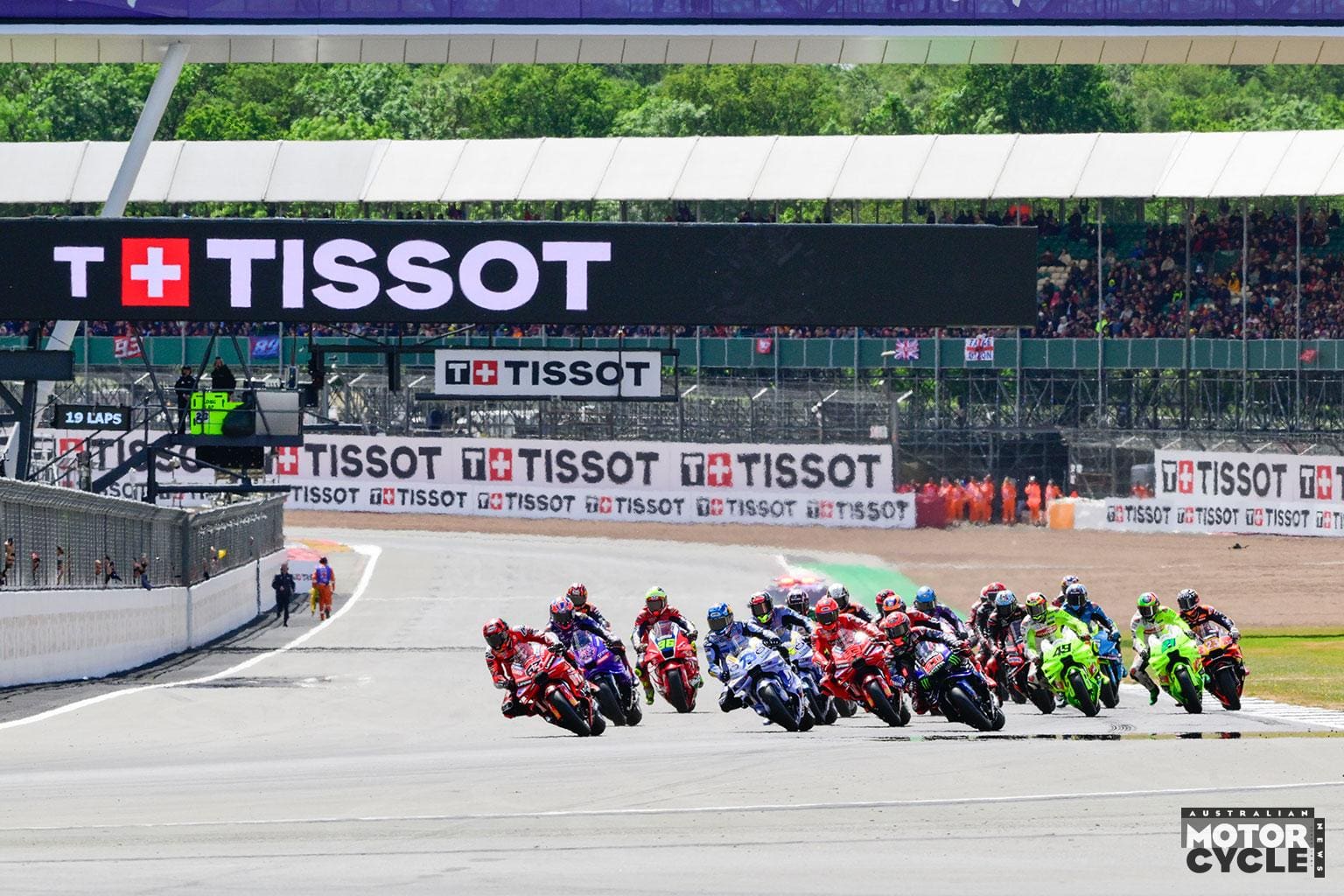
Relatively speaking, there are more top riders as satellite teams with older bikes have now got top material and serve as a training ground for the young talents of the factory teams. The combination of more top riders and the technical developments (ride height adjustment, aero etc) have ensured that the lap times are now much closer. This makes it clear that coming back after a bad start has become much more difficult. Add to that the fact that the same technical developments have also ensured that overtaking is definitely more difficult now, and you will understand why the start has become so much more important these days.
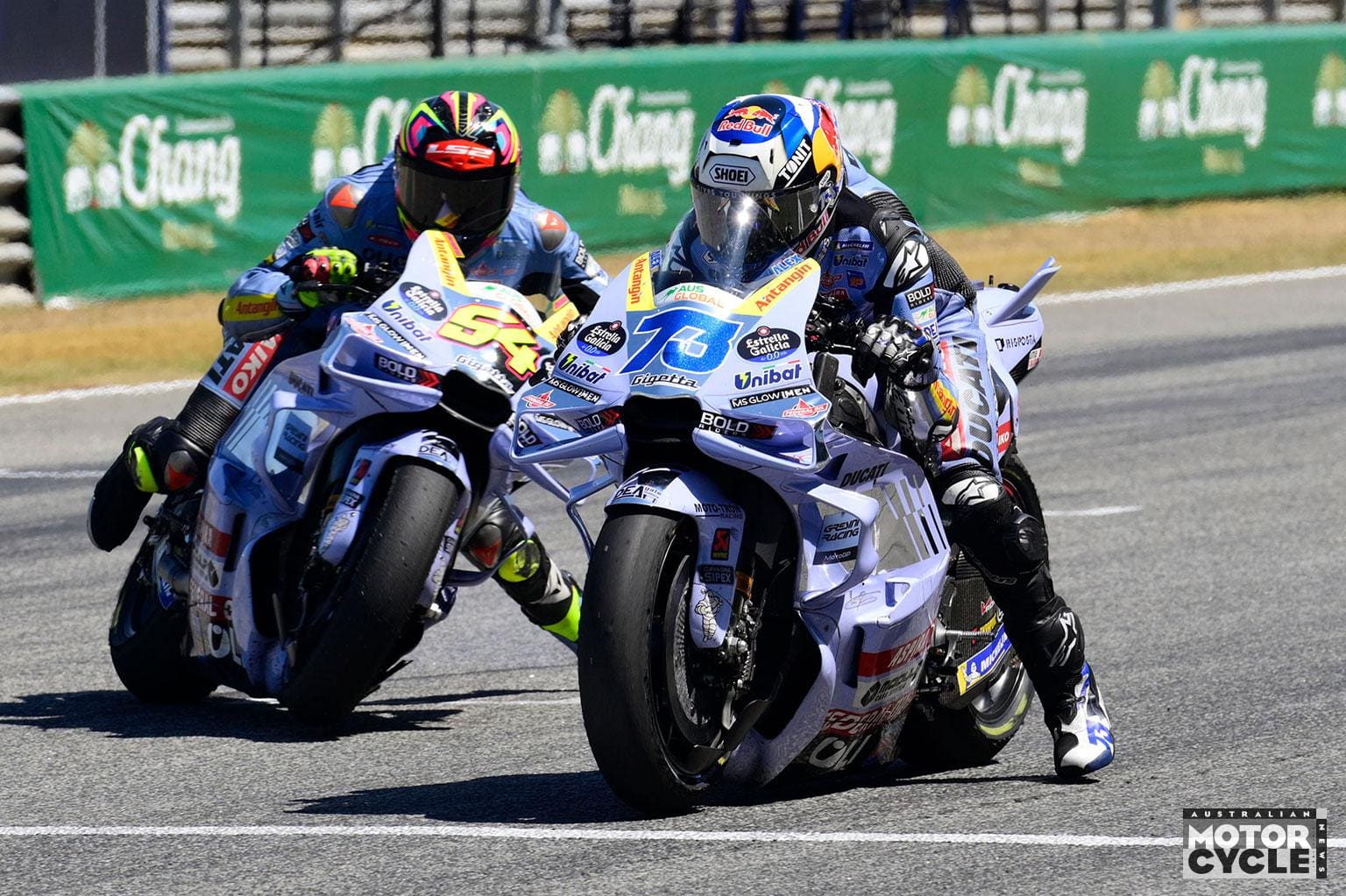
Too important, perhaps. More and more people think so. Although in recent years the battle for the world championship has remained open until the last race, some of the races themselves were less exciting. Several times we saw that the order was actually fixed soon after the first laps. There are reasons for this.
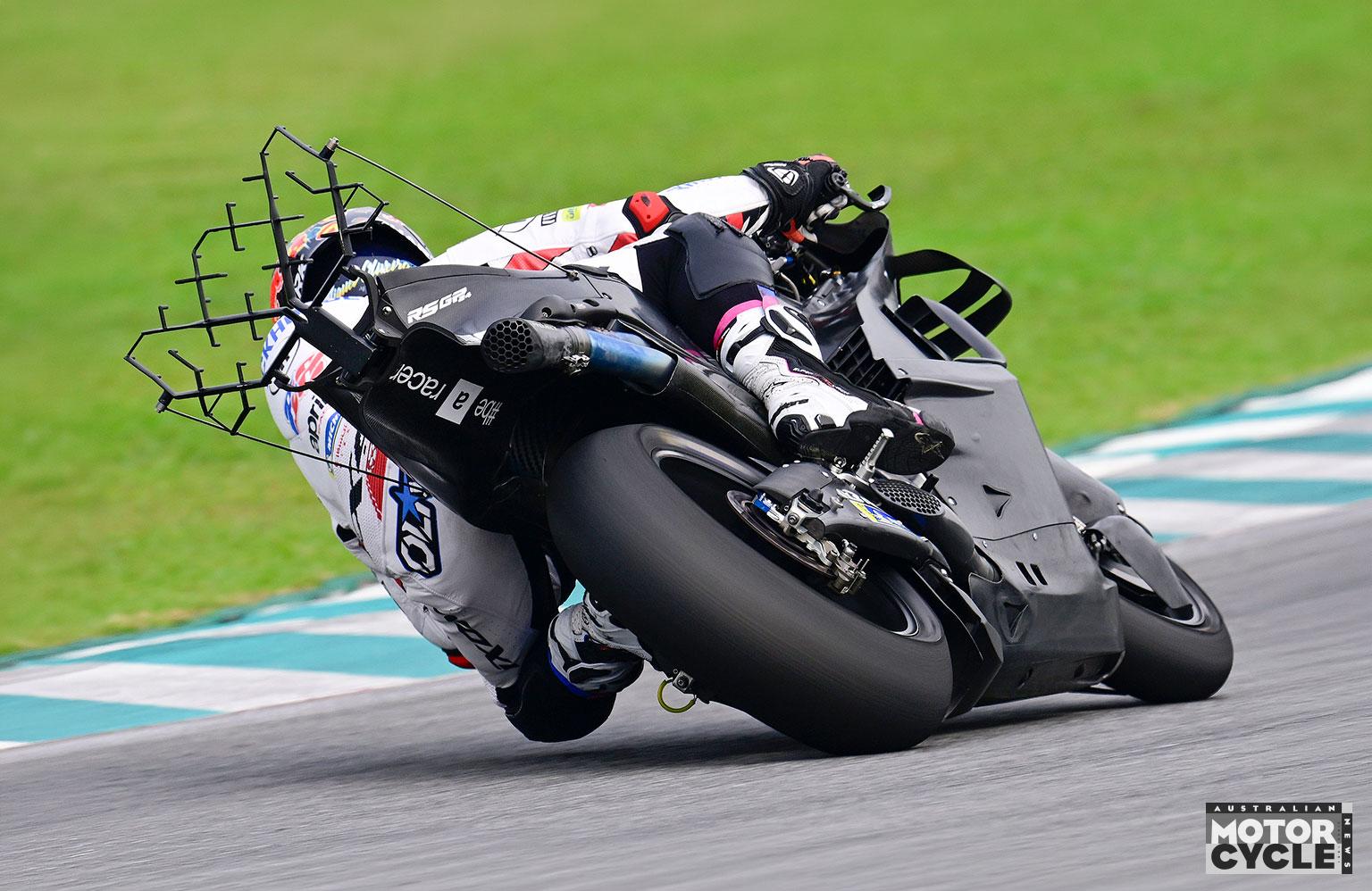
For a start, riders have fewer options to overtake a rider in front due to the ‘dirty air’ effect of the aero. The tyre pressure now increases when riding too close together for too long and the adjustable ride height helps less talented riders to accelerate well. All of these factors make overtaking more difficult. Fortunately, the MotoGP rule-makers have seen this and in 2027 – when the new technical regulations come into effect – we will no longer see any ride height adjustment and the influence of the aero should be reduced. I can’t wait until that time, but until then the starts will remain extra important. And riders will still be hoping for a good start the next day in bed at night.
The starting procedure: All handles and switches in one row
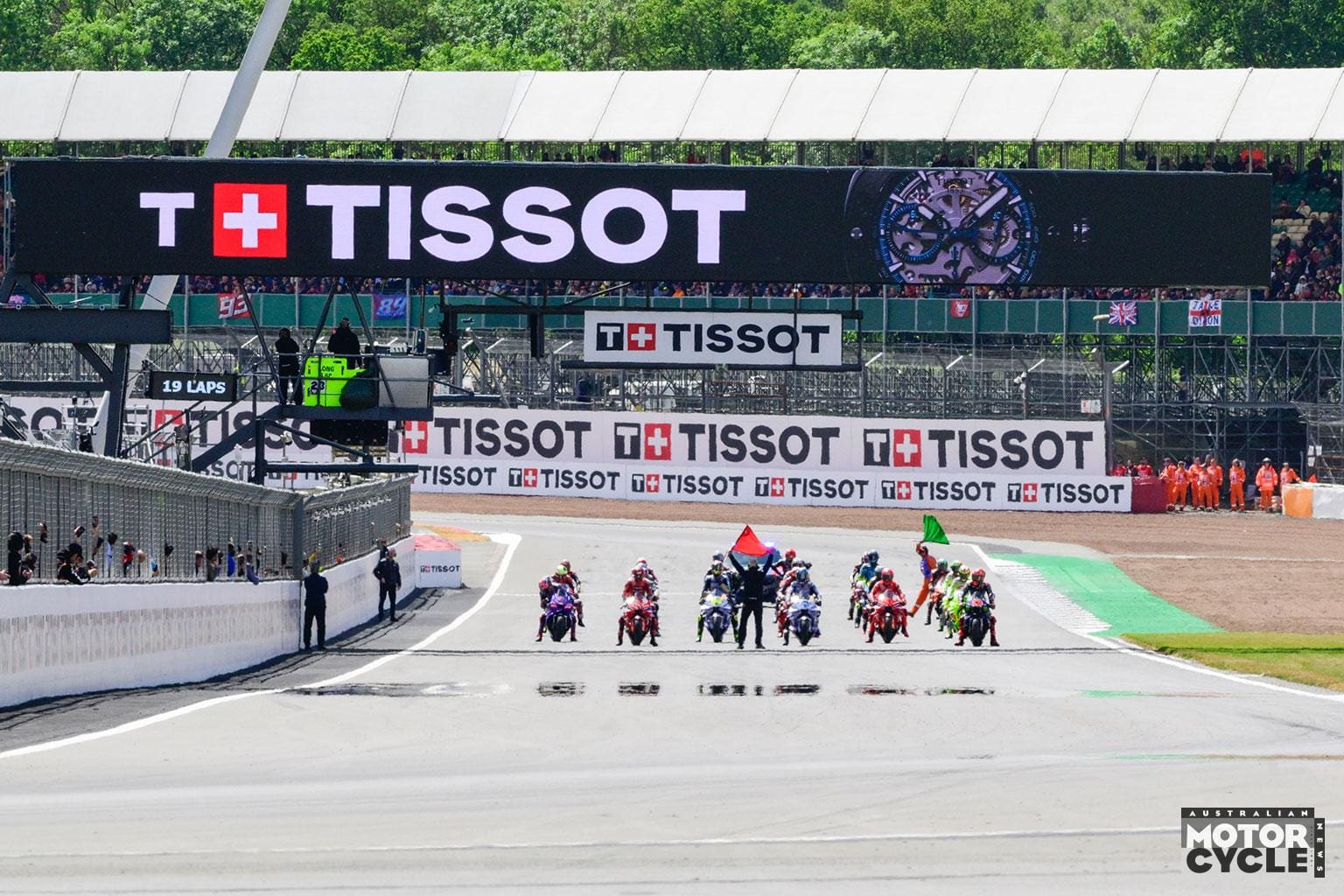
When the riders approach their starting position at the end of the warm-up lap, it is the start of a series of actions that all have to be performed exactly on time and in the right order.
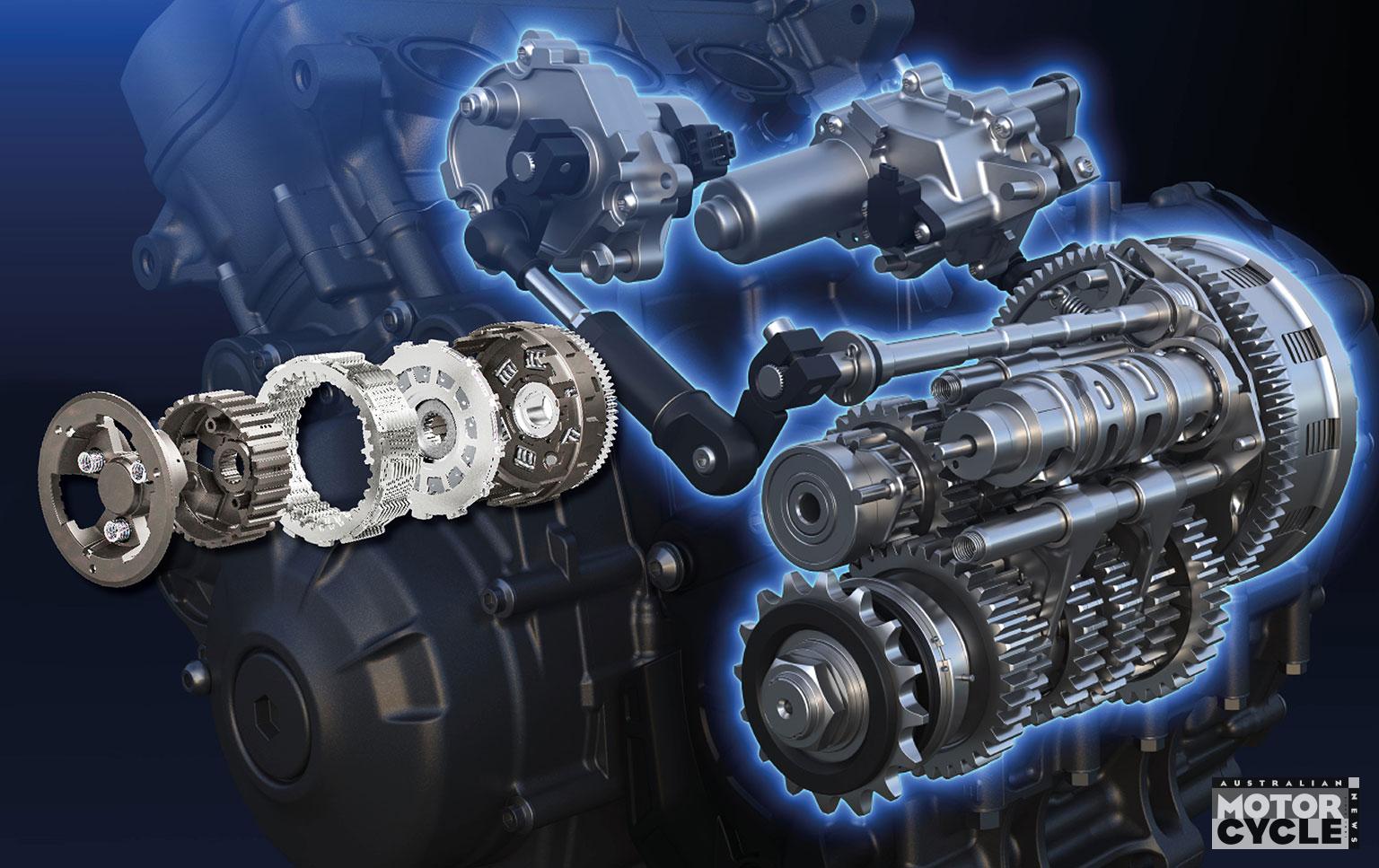
After the first lever has been switched, the front brake must be applied briefly and hard – only the front brake – which causes the front suspension to catch and remain stuck deep in its stroke. The same lever must now be switched back so that, after braking for the first corner, the front suspension can also shoot back. In the last metres before the starting position, the lever of the neutral lock is then switched so that the gearbox can be flicked into neutral.
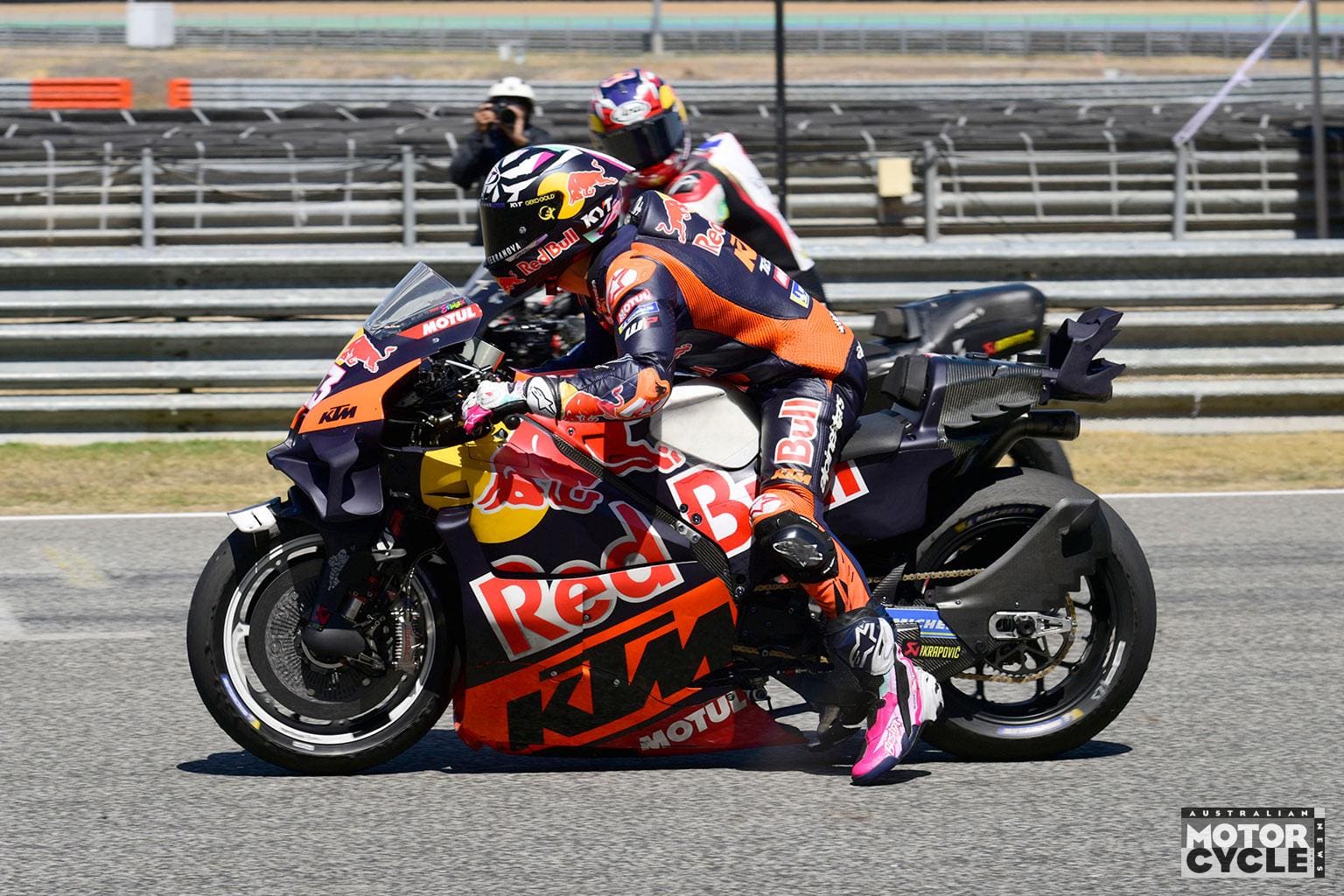
Once arrived at the starting position, the lever of the ride height at the rear is now switched to the extra low starting position. With the motorcycle now very low to the ground at the front and rear – and in neutral – the Launch Control (LC) is activated. If the electronics also see that everything is indeed correct, the display will show the redeeming ‘LC OK’.
Now the clutch is squeezed a few times quickly so the plates turn completely ‘free’. There is a pause until the starter indicates everyone is ready. Then first gear can finally be engaged, the throttle can be fully opened… and it is vitally important to react super-fast to the starting lights going out.
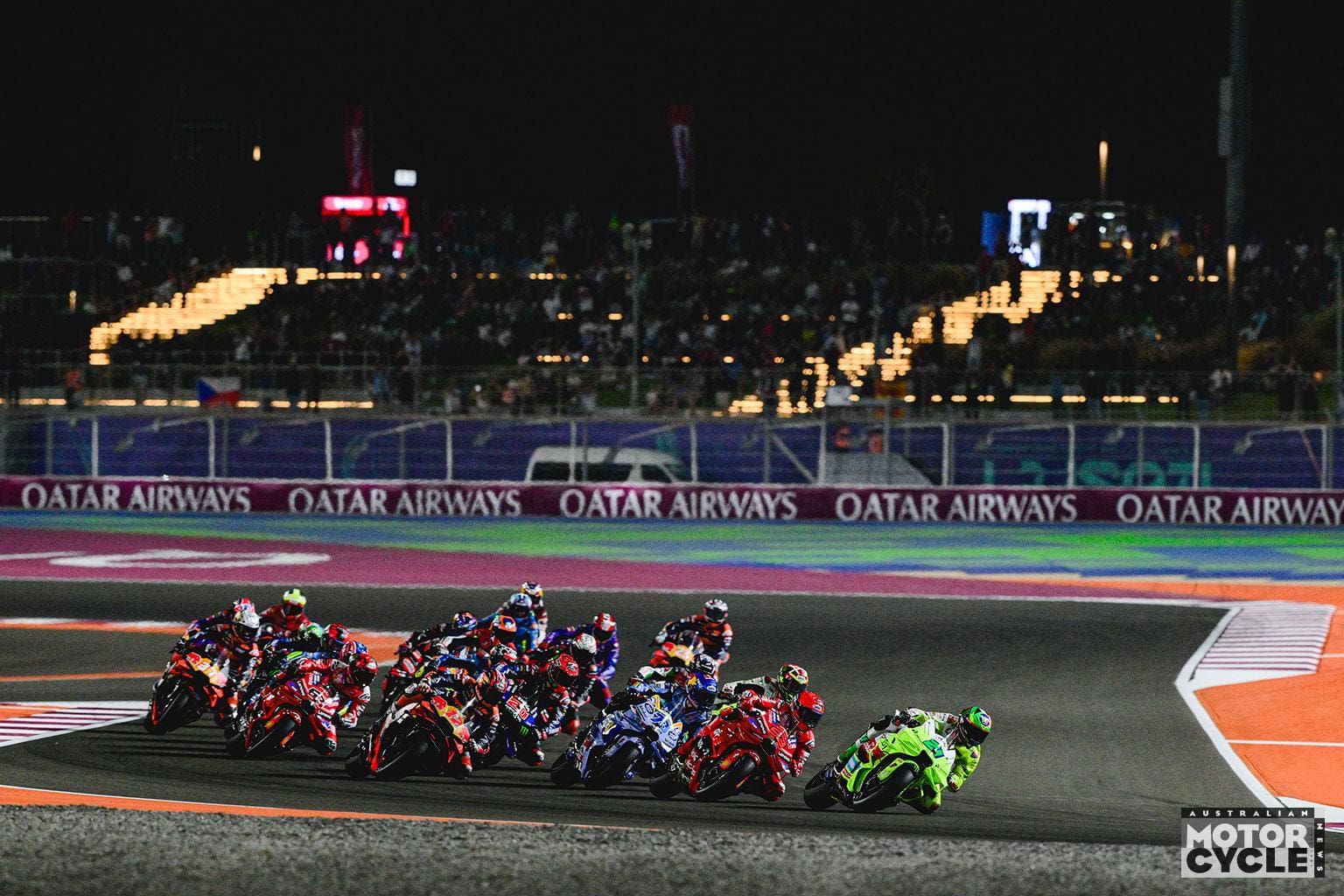
The sprint to the first corner
When that row of green lights finally goes out, the clutch is released in one swift movement.
The bike shoots forward with a jerk, and from here on the rider balances how much torque is released to the rear tyre with the clutch.
If the speed of the clutch engagement matches both the grip of the rear tyre and LC setting exactly, the bike can accelerate through the first gears in one swift and smooth movement, as the KTMs usually do.
But it can be different. If something in the complex combination of clutch slip, LC setting, rider’s body position and grip level doesn’t quite match as expected, acceleration will suffer.
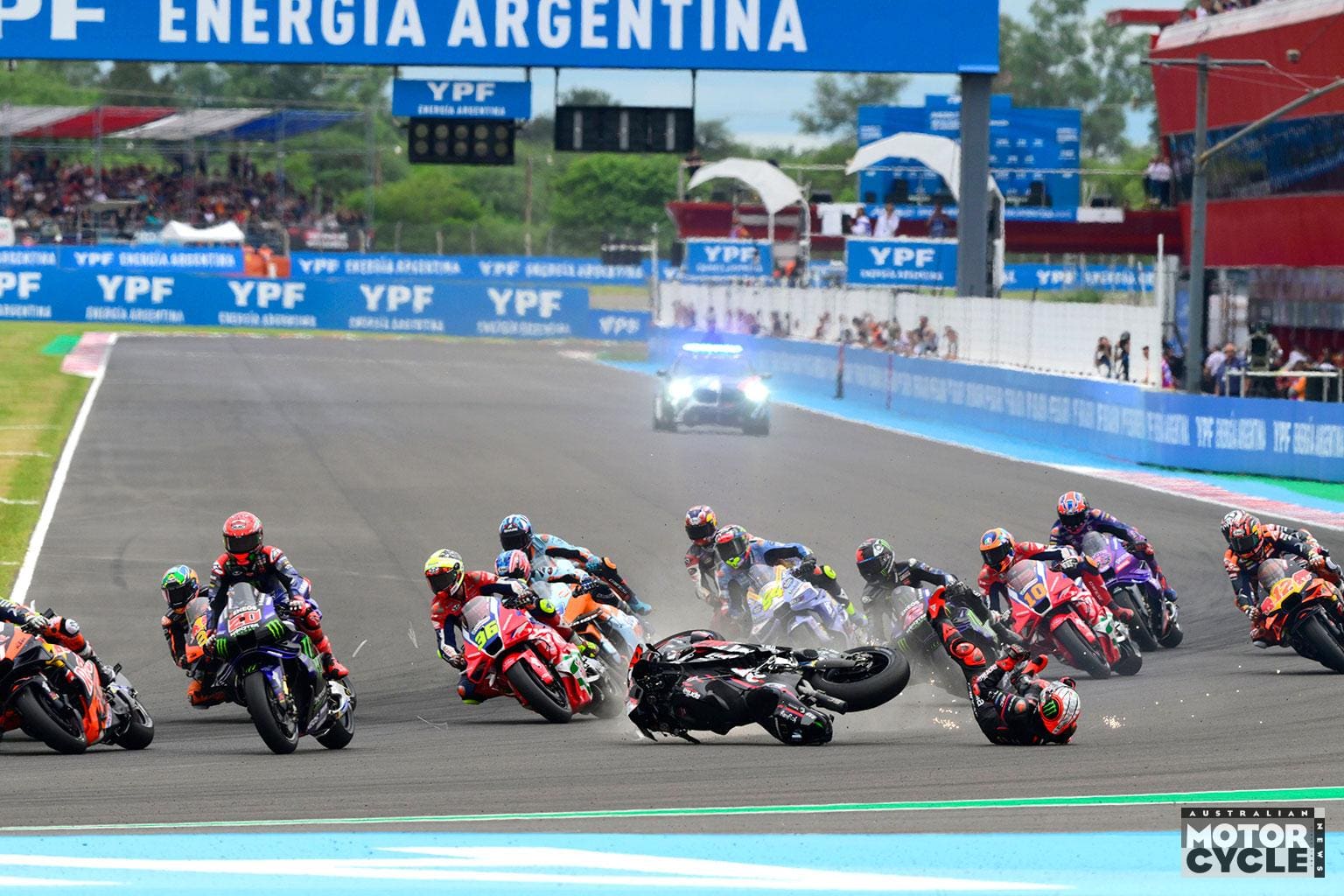
The engine revs will probably drop too much, which means that more clutch slip has to be given. Or worse: the clutch engages too quickly, too aggressively, causing the bike to wheelie, which will ruin the start.
The Launch Control
Although the word ‘control’ suggests that everything is under control, that is not the case. The regulations here limit the technical possibilities; riders cannot completely rely on a control system at the start.
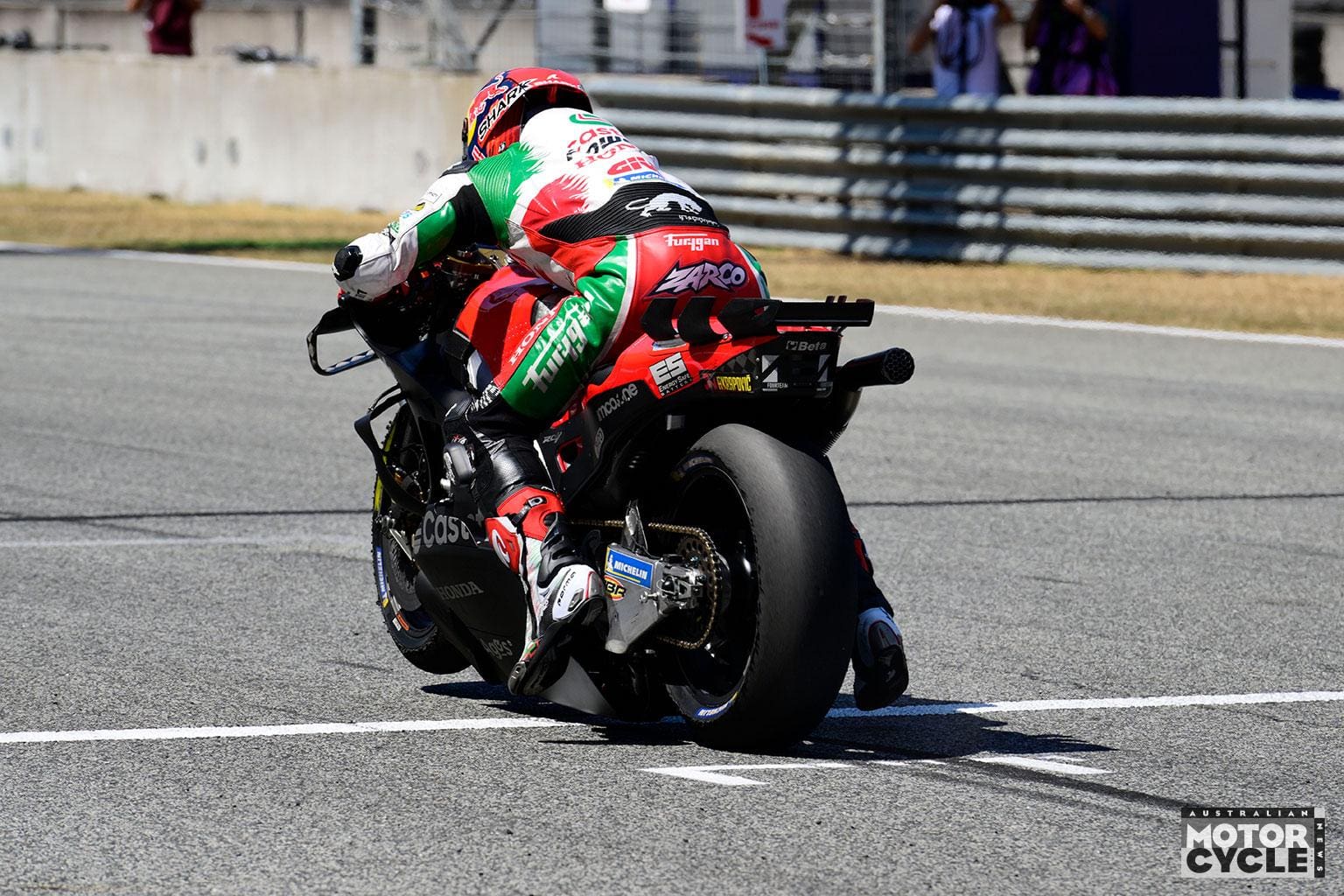
They can still do things wrong, or better, very well, so that they can still make a difference at the start with their reflexes and talent. After all, it is no coincidence that some riders have good starts more often than others. These guys have those quick reflexes and that feeling in their left hand for the clutch.
So, what is this LC then? In short: a strategy in the electronics that regulates maximum revs and maximum available torque at the rear tire.
The LC limits the revs so that the rider only has to concentrate on the clutch, while the throttle can remain wide open. But, more importantly, the LC reduces the maximum engine torque and adjusts it to both the speed and the gear engaged. After all, more speed means more pressure on the rear tyre (partly because of the aero), which allows more torque to be transferred.
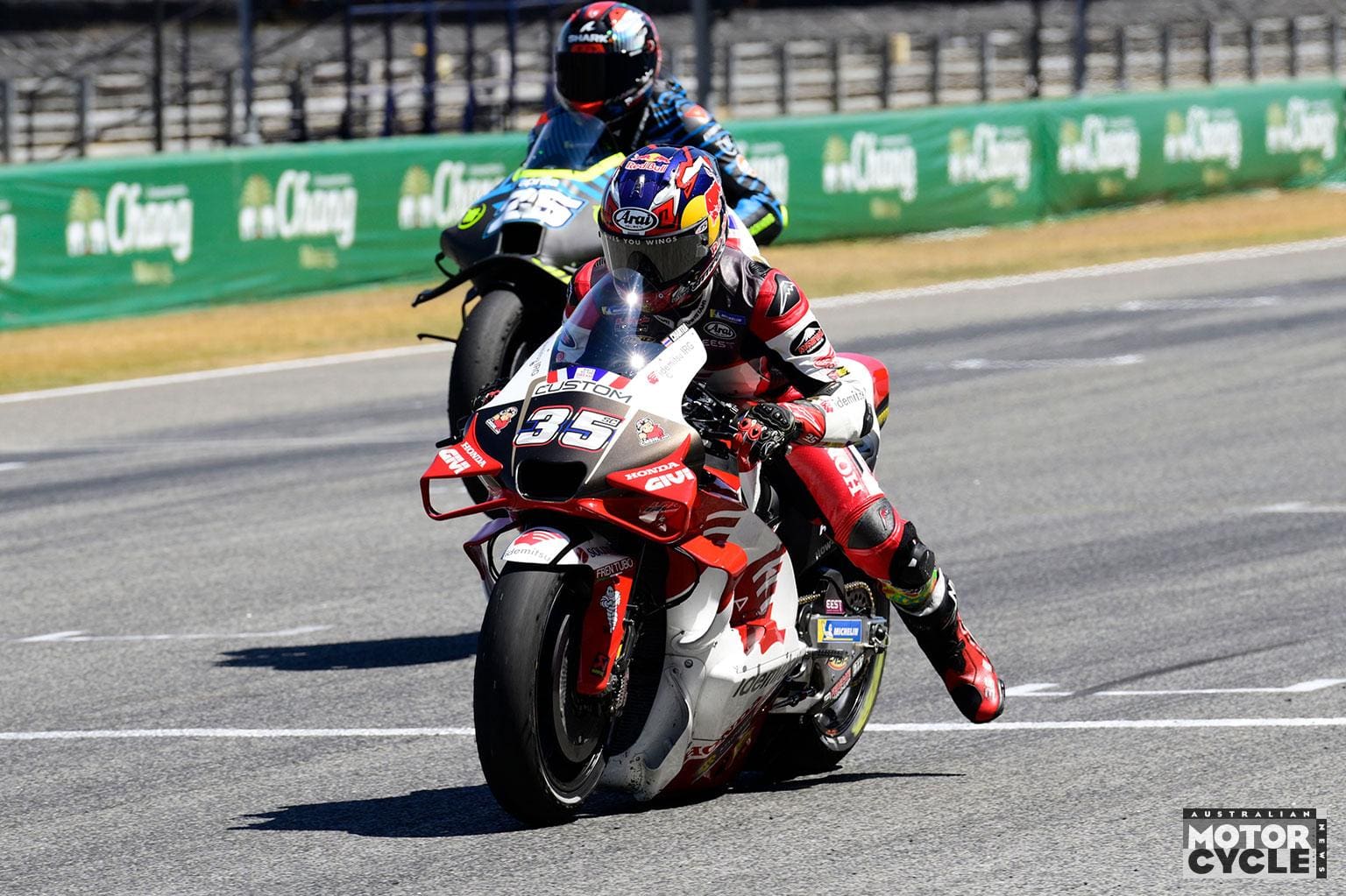
The practice starts we see at the end of the training sessions are therefore also very important. In addition to practising for the riders themselves, with each test start they provide the engineers with data that can then be used to fine-tune the LC to the current grip level and bike set-up (centre of gravity, wheel load, tyre grip).
Staying cool in the moment
The start of a MotoGP race is a peak experience of stress for the riders. Therefore, it is one of the required talents for a top rider to remain cool and focused during this hectic phase of the race.
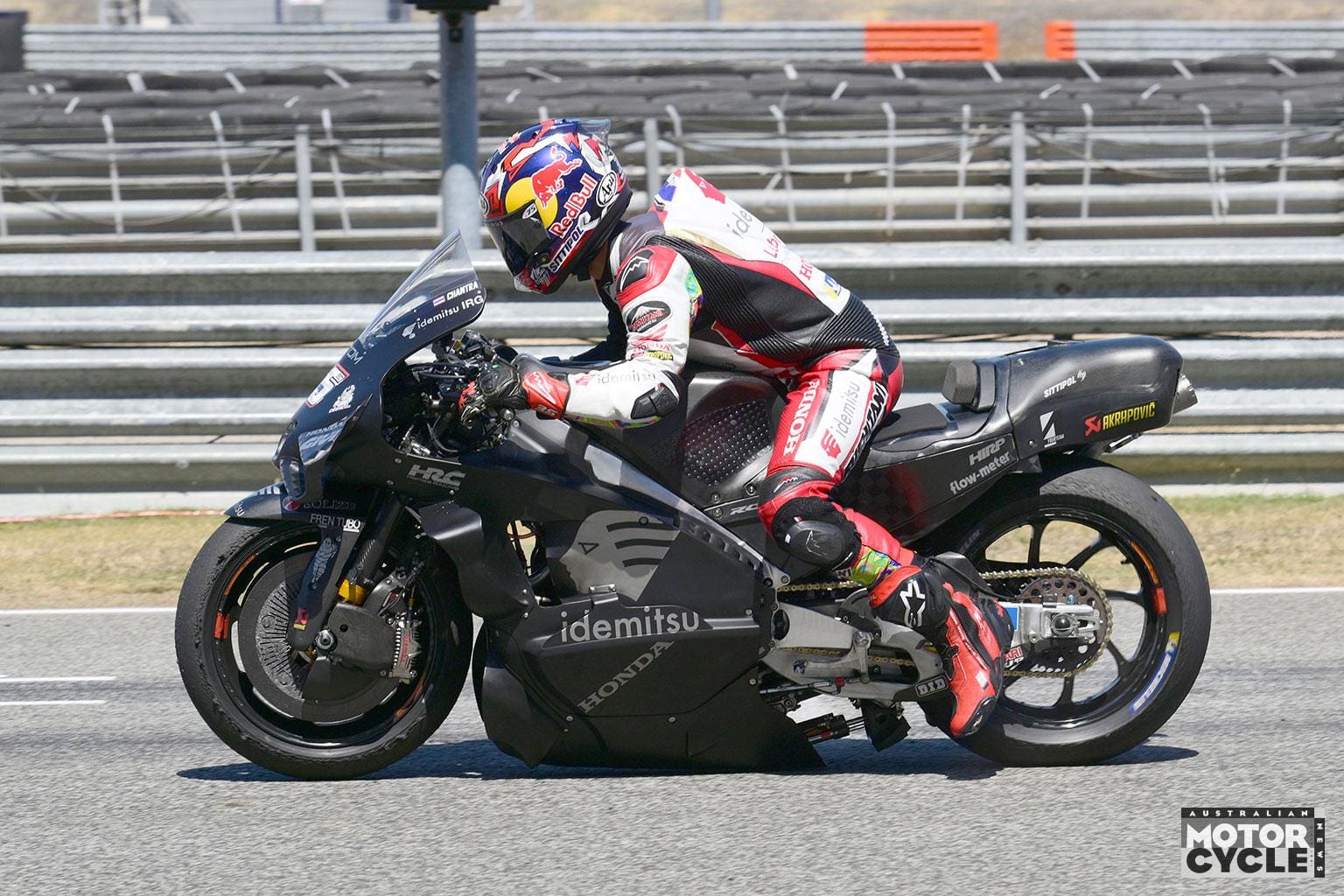
It starts already on the way to the starting point, where all these actions have to be carried out exactly on time and in the right order. Then, with the deafening noise of all those other bikes around them, they lie flat on the bike waiting for the green lights to go out. Cat-like reflexes keep the bike in a straight line after the start, or help to avoid other riders who are less successful.
Due to the combination of an extra low pressure in the front tyre (this only rises to its correct pressure during the race), a (temporarily) very low-mounted chassis and extra hard front suspension, the motorcycle is briefly transformed into a slow-reacting and heavy-steering rocket. When the brakes are applied hard at the first corner, the locks on the suspension and rear ride height are released and everything behaves like a normal motorcycle again. Well, as far as a MotoGP racing bike can still be called normal, of course.
Starting talent
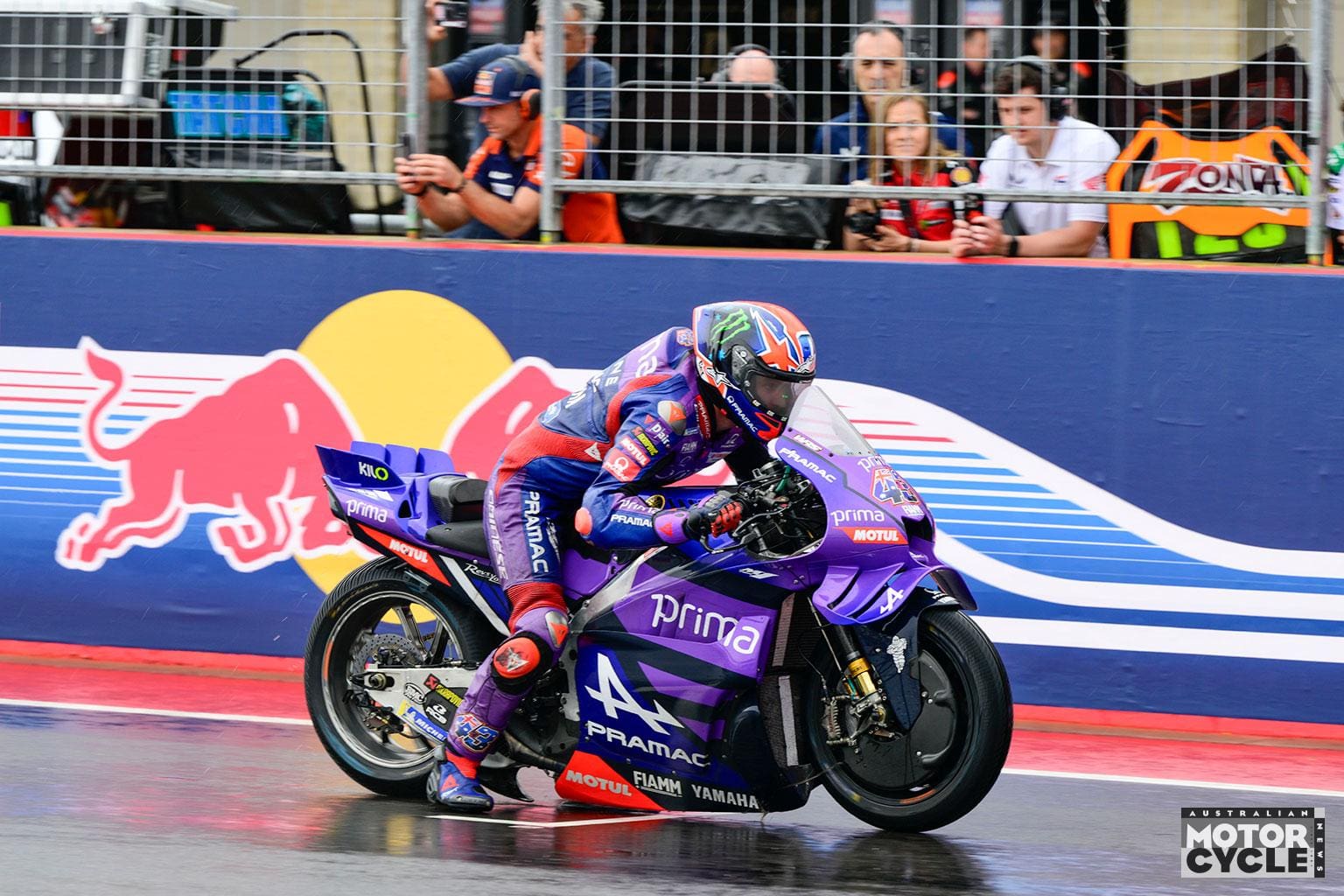
Starting is not racing. Besides the technique, it is all about the right combination of reflexes, aggression and courage. It is clear that the stress and chaotic situations in the first corners suit some riders better than others. Marc Marquez, for example, but also Jack Miller, Pecco Bagnaia and Jorge Martin have been among the better starters for years. Marc is also extra skilled in overtaking during the first few laps.
The opposite applies to riders like Maverick Vinales and Enea Bastianini, who often lose more places than they gain in this all-important opening phase.
Starting is so different from racing. A good start is not a race won by a long shot, but without a good start, very few races are won.